You walk into a quiet refectory in Milan. The room is cool, almost hushed. The doors seal behind you. And there, stretched across a wall that has stood for more than 500 years, is Leonardo da Vinci’s Il Cenacolo — The Last Supper. You have exactly 15 minutes. Then the next group enters, and your window closes.
That is the strange, beautiful reality of securing Last Supper tickets in Milan. Unlike most masterpieces, you cannot linger in front of it. You cannot return after lunch for a second look.
Access is controlled down to the minute because the painting is still fading. Every breath, every degree of humidity, every particle of dust matters. So the 15 minutes you get are rationed, rare, and — if you know what to look for — completely unforgettable.
This guide walks you through what those 15 minutes actually feel like, what Leonardo hid inside the composition, and what most visitors miss in front of one of the most analyzed paintings in history.
Leonardo painted the Last Supper between 1495 and 1498 on the north wall of the dining hall of the Dominican convent of Santa Maria delle Grazie. Duke Ludovico Sforza commissioned it, and Leonardo — restless, experimental — refused to use traditional fresco technique.
Fresco required speed: pigment applied to wet plaster and completed within hours. Leonardo wanted time to revise, to layer, to perfect individual faces over the course of weeks.
So he invented his own method, mixing tempera and oil on dry plaster. It gave him the freedom he craved. It also meant that within 20 years of completion, the painting had already begun to deteriorate.
By the 1600s, monks had cut a doorway through Jesus’s feet. Napoleonic troops used the room as a stable. In 1943, an Allied bomb collapsed the roof and an adjacent wall — the painting survived only because sandbags had been stacked against it. What you see today is the result of a 21-year restoration that ended in 1999.
The Last Supper in Milan shows a conservator working on Leonardo’s mural during its restoration, completed in 1999.
Knowing this changes everything about the visit. You are not looking at a painting. You are looking at a ghost of one — a fragile, breathing, barely-held-together survivor.
That is why tickets to view the Last Supper in Milan are capped at around 35 people every 15 minutes, and why the climate-controlled anteroom strips humidity and dust from your clothes before you enter.
What Leonardo Actually Painted
Most visitors arrive expecting to see a religious scene. They are not — or at least, not only. Leonardo painted the precise instant after Jesus had said, “One of you will betray me.” The painting is not about the meal. It is about the reaction.
Every apostle is mid-gesture, mid-emotion. Leonardo clustered them into four groups of three, each a different psychological response — shock, denial, outrage, anxious questioning.
Philip presses both hands to his chest, pleading. Thomas raises a finger, already doubting. James the Greater throws his arms wide in disbelief.
And Judas — crucially — is the only figure leaning back, clutching a small bag of silver, his face shadowed. Leonardo integrated him into the group rather than isolating him on the opposite side of the table, as earlier painters always had. It was a radical choice.
The Last Supper reveals linear perspective lines converging on Christ’s head, forming a natural halo in the refectory.
Then there is the geometry. Jesus sits at the exact vanishing point of the entire composition. Every line of the room — the ceiling beams, the wall tapestries, the tiled floor — converges directly behind his head, as if the architecture itself bends toward him.
The window behind him forms a natural halo without any gold leaf. Photographs flatten this effect. You have to stand in the room.
Once you know what to look for, the painting opens up in layers. Leonardo placed exactly 13 figures at a table designed to echo the dimensions of the real refectory — the illusion was meant to feel as though Christ and the apostles were dining alongside the monks. The figures are life-sized. The table linen matches the tablecloths the Dominicans actually used.
There are subtler clues, too. A knife floats unnervingly in the hand of Peter, pointed toward Bartholomew — a visual foreshadowing of violence to come. A spilled salt cellar sits near Judas, an old symbol of betrayal.
Three windows behind the figures echo the Trinity. The bread and wine are arranged in a way Renaissance viewers would have read as Eucharistic, tying the scene directly to the liturgy performed in the adjacent church.
None of this is accidental. Leonardo was not decorating a wall. He was translating a sacred story into the language of human psychology, geometry, and architectural illusion.
The answer to what makes this painting special is not that it is beautiful, although it is. It is a piece of theatre frozen at its most volatile moment.
Finding Santa Maria delle Grazie
The question of where the Last Supper painting is has a precise answer: the refectory of the Convent of Santa Maria delle Grazie, at Piazza di Santa Maria delle Grazie 2, in Milan’s Magenta district.
It is about a 15-minute walk west of the Duomo, or two stops on Metro Line 1 to Conciliazione or Cadorna. The church itself is a Bramante masterpiece — cool and luminous —, but the painting is housed separately, in the old dining hall attached to the cloister.
Tickets must be reserved in advance. There is no walk-up option. The official website for The Last Supper tickets, cenacolovinciano.vivaticket.it, is managed by the Italian Ministry of Culture, and tickets are released in quarterly batches.
They sell out within hours for peak season. During spring and summer, slots often fill up weeks in advance. Winter is slightly easier, but never casual.
If the official site is fully booked — which is common — licensed tour operators hold a separate allocation of slots bundled with guided experiences. These tend to be the most reliable way to secure tickets for the Last Supper by Leonardo da Vinci when the state portal has sold out, and they come with the added benefit of a professional art historian walking you through the details during your 15 minutes inside.
Experience This in Milan
This isn’t just something you read about — it’s something you feel standing inside that room. Knowing what to look for before you arrive transforms 15 minutes into something that stays with you.
The entry process is the first surprise. You do not walk straight in. After scanning your ticket at a small side entrance, you pass through a series of climate-controlled vestibules — glass doors that seal behind you before the next opens.
The air is drier than outside. You are being prepared, in a sense, like the painting itself.
When the final door opens, you step into the refectory, and the scale catches you immediately. The room is much larger than photographs suggest — over 130 feet long, with a vaulted ceiling.
The Last Supper fills one entire end wall. On the opposite wall is Donato Montorfano’s Crucifixion, a fully intact fresco painted just two years earlier. Most people don’t glance at it. They walk directly to Leonardo and stop.
The Last Supper fills one refectory wall, opposite Montorfano’s intact Crucifixion, often overlooked by visitors.
Here is what no reproduction prepares you for: the softness. The colors are muted now, ghost-pale in places, but the faces still hold their expressions with astonishing precision.
John leans toward Peter. Judas recoils. Christ’s hands rest open on the table, palms turned outward — one toward the bread, one toward the wine. The restoration stripped away centuries of overpainting, so what you see is essentially what Leonardo himself painted.
The room stays hushed. People whisper, if they speak at all. A guide, if you have one, will move quickly — pointing out details you would otherwise miss: the landscape glimpsed through the back windows, the subtle gradations of light on each apostle’s robes. Fifteen minutes pass in what feels like four.
There is a rhythm to the visit that surprises first-timers. The first two or three minutes are orientation — you stand still, adjusting to the scale, letting your eyes travel across the composition.
The urge to photograph passes quickly. Flash is forbidden, and the painting’s faded palette doesn't translate well on phone cameras anyway. Most people put their phones down after a single attempt.
The next seven or eight minutes are where the painting opens up, especially with context. This is when you can trace the grouping of the apostles, find the vanishing point behind Christ’s temple, notice the spilled salt, and spot the knife.
If you are visiting alone without preparation, you are often left realizing how much you are missing. This is why the quality of your preparation matters more than the quality of the ticket itself.
The final few minutes tend to be quieter — reflective rather than analytical. You stop looking for symbols and just look. The expressions become less about theology and more about humanity: fear, loyalty, doubt, love. That emotional register is what lingers after you leave.
How to Experience It Without Missing the Details
If you are booking tickets to the Last Supper in Milan, Italy, for the first time, a few practical details will shape your experience more than anything else. Arrive 20 minutes early — late arrivals are not readmitted to a later slot.
Bring ID that matches the name on your reservation. Leave large bags at the coat check. Dress in layers because the climate control runs cool.
Above all, decide in advance whether you want to enter with context or without. A visit without a guide is quieter, more personal, and leaves more room for your own interpretation.
A visit with a guide is denser, richer in detail, and tends to deliver more lasting understanding — especially for first-time visitors to the Last Supper in Milan, Italy, who only get one shot at seeing it in person.
How to Experience the Last Supper Without Missing the Details
Access is limited, and most visitors only get a few minutes inside.
The difference is having the right context before you walk in.
There are paintings you visit and paintings that visit you. The Last Supper belongs to the second category. Long after you leave the refectory, details tend to resurface — the pale outline of a hand, the shadow across Judas’s face, the exact slope of Christ’s shoulders.
It is a painting designed to embed itself in memory precisely because it was designed to be seen, originally, every day, by monks at their meals. Leonardo built it to keep revealing itself over time.
That is ultimately why the strict ticketing, the short slots, and the climate controls are worth navigating. They are not obstacles to the experience. They are part of it.
The difficulty of securing tickets to see the Last Supper painting in Milan is what has kept the painting alive long enough for any of us to see it at all.
Milan has the Duomo, the Galleria, La Scala, and the Navigli canals — all extraordinary. But in a city full of monuments, there is only one room where a 500-year-old painting quietly fades into its own wall while 35 people at a time stand silent before it, watching history hold itself together for another quarter hour.
Those 15 minutes, properly prepared for, are among the most remarkable you can spend anywhere in Europe.
Travel Essentials for Visiting Milan for the First Time
Preparing for a visit to Milan often comes down to a few small details that can make long museum days, historic walking routes, and city exploration significantly more comfortable.
Comfortable Walking Shoes
Milan’s major landmarks are often best experienced on foot, with visitors covering long distances between museums, churches, and historic streets. Supportive shoes can make a full day of exploration far more comfortable →
explore comfortable walking shoes for long city days
Portable Power Bank
Navigation, photography, and digital tickets can quickly drain battery life during a full day in the city. A compact power bank helps avoid interruptions, with many visitors choosing lightweight options →
view reliable portable chargers
Secure Crossbody Bag
Busy areas near major attractions can require extra awareness. Many travelers prefer a compact crossbody bag worn in front to keep essentials accessible and secure →
A compact option often preferred for full-day city travel.
FAQs about Last Supper Tickets in Milan
How much does it cost to go to the Last Supper in Milan?
The official ticket to see the Last Supper in Milan costs about €15 for adults, with reduced tickets (€2) for young EU visitors and free entry for children under 18, although all visitors must still reserve a time slot.
Can you just turn up to see the Last Supper?
No, you cannot simply turn up to see the Last Supper; advance reservations are mandatory because entry is strictly controlled with timed slots and limited group sizes.
How to get last-minute tickets to the Last Supper in Milan?
If official tickets are sold out, last-minute access is usually only possible through guided tours or third-party providers that bundle reserved tickets with a guide.
How far in advance should I book the Last Supper?
You should book the Last Supper as early as possible—tickets are released in batches every few months and often sell out quickly due to limited daily capacity.
Why is it so hard to get tickets for the Last Supper?
Tickets are difficult to obtain because only about 35 visitors are allowed per 15-minute session to protect the fragile mural, creating extremely limited daily availability.
Is there a dress code to see the Last Supper in Milan?
Yes, visitors must wear modest clothing, as the painting is in a former religious site—shoulders and knees must be covered, and hats must be removed.
Every year, roughly 1 million people try to stand for 15 minutes in front of a peeling wall in Milan. Only a fraction succeeds.
The painting on that wall is Leonardo da Vinci’s Il Cenacolo — the Last Supper — and securing entry has become one of the most frustrating rituals in European travel.
Unlike the Mona Lisa, which greets tens of thousands of visitors a day, Leonardo’s masterpiece admits just 35 people at a time, for quarter-hour sessions, behind climate-controlled doors.
If you’ve ever searched for tickets for Last Supper Milan and found everything sold out for months, you’ve discovered what millions already know: this is not a casual walk-in attraction. It’s the hardest reservation in Italian art.
A Fragile Masterpiece on a Refectory Wall
To understand why access is so restricted, you have to understand what you’re actually looking at. Leonardo began painting the Last Supper in 1495 on the north wall of the dining hall of Santa Maria delle Grazie, a Dominican convent.
Instead of using the traditional fresco technique — pigment applied to wet plaster, which locks color into the wall as it dries — Leonardo experimented.
He wanted to work slowly, to revise, to capture the subtle psychology of thirteen men in a single suspended moment. So he painted on dry plaster using a tempera-and-oil mixture.
The technique failed almost immediately. Within twenty years, the surface was already flaking. By the 17th century, monks cut a doorway through Christ’s feet.
In 1796, Napoleon’s troops used the refectory as a stable. In August 1943, an Allied bomb destroyed the roof and part of the wall — but the painting, protected by sandbags, survived.
What you see today is the result of a 21-year restoration that ended in 1999, which stripped away centuries of overpainting to reveal whatever Leonardo originally left behind. It is, in the literal sense, hanging on by a thread.
Here is the detail almost no travel blog explains clearly: the scarcity is not a marketing trick. It’s a conservation protocol.
Every visitor who enters the refectory carries humidity, carbon dioxide, and microscopic dust on their clothes. Each of these accelerates the deterioration of a painting that is already, by any honest measure, dying.
To slow that process, the Italian Ministry of Culture enforces an airlock system. You pass through three successive glass chambers before entering the hall — each one filtering the air and stabilizing temperature.
Only 35 people may enter per slot. Slots last exactly 15 minutes. The room is then cleared, the air is reconditioned, and the next group is admitted.
This means the absolute maximum daily capacity is roughly 1,300 visitors — against global demand of tens of thousands. The official booking window opens in quarterly batches through the state-run portal, and these slots are typically claimed within hours of release.
This is why searching for how to get tickets for the Last Supper in Milan on a Tuesday afternoon and expecting to visit on Saturday is, in most seasons, impossible. The supply was gone before you started looking.
What many travelers don’t realize is that a parallel supply exists: a limited allocation of slots is released to authorized tour operators, who bundle them with guided access. These are not black-market tickets — they are official inventory distributed through a different channel.
This is often the only realistic way to visit within a standard trip window, which explains why people searching for Last Supper tickets at the last minute keep finding guided experiences available when the direct-booking site shows nothing.
The Last Supper shows the apostles, labeled and arranged left to right around Christ, in the refectory of Santa Maria delle Grazie, highlighting their positions.
Most visitors arrive expecting a religious tableau. What Leonardo gave them is a psychological thriller frozen at its turning point. The moment depicted is not the institution of the Eucharist, as earlier painters had shown, but the instant immediately after Christ says, “One of you will betray me.”
Look closely, and you see Judas pulling back, clutching a money bag, his elbow knocking over the salt — a medieval omen of betrayal. Peter leans forward, holding a knife, already angry. Thomas raises the finger that will later probe Christ’s wound.
Every gesture is a sentence. The painting is, in effect, an essay on human reaction, and the composition draws all sight lines to the calm vanishing point behind Christ’s head. If you know where to look, fifteen minutes is barely enough. If you don’t, it can feel like staring at a faded wall.
There are quieter details that reward attention. The table is set with bread rolls, glassware, and small ceramic dishes — pattern studies Leonardo made from real Milanese tableware of the 1490s.
The window behind Christ frames a distant Tuscan landscape, not Jerusalem, placing the scene in a recognizable Renaissance Italy. The tilework on the floor, painstakingly reconstructed during restoration, uses the same single-point perspective to pull your eye toward the center.
Nothing in the composition is accidental. Leonardo spent years sketching hands, faces, and postures in his notebooks before committing a single stroke to the wall.
Where to See It: Santa Maria delle Grazie
The refectory sits beside the church of Santa Maria delle Grazie, in a quiet residential pocket of central Milan about a ten-minute walk from the Duomo. The nearest Metro stops are Cadorna (M1, M2) and Conciliazione (M1).
The entrance is not through the church itself but through a discreet side door marked Cenacolo Vinciano. Arrive at least 20 minutes before your slot. Latecomers are not admitted — the airlock schedule cannot absorb delays, and there is no refund.
Bags larger than a small purse must be checked. Photography is permitted without flash, though honestly, you’ll spend your limited time better just looking. The whole site — including the Bramante-designed cloister next door — is a UNESCO World Heritage property, and worth lingering in before and after your entry.
Travelers often ask whether it’s easier to find tickets to the Last Supper in Milan, Italy, by showing up in person. The answer, unfortunately, is no.
There is no walk-up queue. Unsold same-day slots are extremely rare and claimed by visitors who arrived at opening. If you want a reasonable chance of seeing the painting on a specific date, you need to secure your entry before you land.
Experience This in Milan
This isn’t just something you read about — it’s something you feel standing inside that room. Knowing what to look for before you arrive transforms 15 minutes into something that stays with you.
No reproduction prepares you for the scale. The painting is nearly 15 feet tall and 29 feet wide, occupying the entire end wall of a long, cool hall.
When the inner door seals behind your group and the lights come up, there is a brief, almost involuntary silence. People stop talking. Phone's lower.
The wall ahead is paler than photographs suggest — the pigments have faded into something closer to pastel — and yet the figures feel larger, more present, than you expected.
What surprises most visitors is the ceiling. Leonardo extended the painted architecture into the real room, so the illusion only resolves when you stand roughly in the middle of the hall.
Take a few steps forward, and the perspective collapses. Step back, and it locks into place. The effect is subtle, almost theatrical, and it’s one of the things that distinguishes this from any printed image you’ve ever seen.
On the opposite wall, often ignored, hangs Giovanni Donato da Montorfano’s Crucifixion from 1495 — a fully intact fresco that, ironically, survives in far better condition than Leonardo’s masterpiece.
Most visitors turn their backs on it. It’s worth a glance. It shows you what Leonardo was refusing to do.
There are essentially three paths in, and they differ significantly in effort and reliability.
The direct government portal. The Italian Ministry’s Cenacolo Vinciano booking site releases slots roughly three months in advance, in quarterly drops. If you can be online the moment a batch opens — and you have flexibility across multiple dates and times — this is the cheapest route.
It’s also the most frustrating. Slots vanish within hours, the interface is dated, and there is no waiting list. If you miss the window, you miss the quarter.
Authorized guided experiences. A portion of tickets is distributed through licensed tour operators who combine timed entry with a professional art historian. These official tickets for Last Supper Milan are genuine — same airlock, same 15 minutes, same painting — but they come with context that most solo visitors lack.
A good guide will, in the 30 minutes before you enter, walk you through the gestures, the vanishing point, the salt cellar, and the restoration history, so that when the doors open, you already know where to look.
A few things worth knowing before your visit. The site is closed on Mondays and on certain national holidays, so build your itinerary around Tuesday through Sunday.
Morning slots tend to feel quieter, but the light in the refectory is artificial and consistent — there is no “best time of day” for visibility. Strollers are allowed but must be folded at the entrance. Children under six enter free with a reserved ticket, but the quiet, dim environment is demanding for very young kids; plan accordingly.
Reselling is officially prohibited, and tickets are tied to the name on your reservation — bring photo ID matching the name on your reservation. This is enforced. Travelers hunting for tickets to the Last Supper in Milan, Italy, on secondary marketplaces should be especially careful; invalid names mean denied entry, with no recourse.
One more piece of advice from people who visit regularly: don’t schedule anything important for an hour after your slot. The visit is short, but the emotional aftermath is longer than you expect.
Most people want to sit somewhere quiet afterward and think. The cloister next door, or a café on Corso Magenta, is ideal for exactly that.
The Last Supper is difficult to see because it is difficult to keep. Every restriction around it — the airlocks, the 35-person limit, the three-month booking window, the 15-minute slot — exists because the alternative is losing the painting entirely within a generation.
That scarcity changes how the visit feels. You are not looking at a tourist attraction. You are looking at a 530-year-old experiment that almost didn’t survive, in a room where 500 years of monks, soldiers, and conservators have passed through before you.
The effort to get in is part of what makes the fifteen minutes matter. Plan early, know what you’re looking at, and give the painting the attention the planning costs you. It returns more than you expect.
Travel Essentials for Visiting Milan for the First Time
Preparing for a visit to Milan often comes down to a few small details that can make long museum days, historic walking routes, and city exploration significantly more comfortable.
Comfortable Walking Shoes
Milan’s major landmarks are often best experienced on foot, with visitors covering long distances between museums, churches, and historic streets. Supportive shoes can make a full day of exploration far more comfortable →
explore comfortable walking shoes for long city days
Portable Power Bank
Navigation, photography, and digital tickets can quickly drain battery life during a full day in the city. A compact power bank helps avoid interruptions, with many visitors choosing lightweight options →
view reliable portable chargers
Secure Crossbody Bag
Busy areas near major attractions can require extra awareness. Many travelers prefer a compact crossbody bag worn in front to keep essentials accessible and secure →
A compact option often preferred for full-day city travel.
FAQs about Tickets for Last Supper Milan
How far in advance should I book The Last Supper?
u003cspan style=u0022box-sizing: border-box; margin: 0px; padding: 0px;u0022u003eTickets for the Last Supper in Milan should be booked as early as possible—ideally weeks or even months in advance, especially during peak seasons like summer and holidays.u003c/spanu003e Official tickets are released in three-month batches and often sell out within hours, making early planning essential.
Can you just turn up to see The Last Supper?
No, you cannot simply turn up to see The Last Supper. All visits require a pre-booked timed ticket, and there is no reliable walk-up availability. Entry is strictly controlled, and without a reservation, you will not be admitted.
How to buy tickets to The Last Supper without a guide?
u003cspan style=u0022box-sizing: border-box; margin: 0px; padding: 0px;u0022u003eYou can buy tickets for the Last Supper in Milan without a guide only through the official Cenacolo Vinciano website or booking system.u003c/spanu003e You must select a time slot in advance and complete the reservation online or by phone, as tickets are not sold on-site.
What time are Last Supper tickets released?
Tickets are released in quarterly batches (every three months) on the official booking platform, typically at a specific set time, such as 12:00 p.m. CET on release day. These release windows are highly competitive and sell out quickly.
Why is it so hard to get tickets for the Last Supper?
u003cspan style=u0022box-sizing: border-box; margin: 0px; padding: 0px;u0022u003eIt is difficult to get tickets for the Last Supper in Milan because visitor numbers are strictly limited to about 35–40 people every 15 minutes to protect the fragile painting. This results in extremely low daily capacity relativeu003c/spanu003e to global demand.
Do Last Supper tickets sell out?
u003cspan style=u0022box-sizing: border-box; margin: 0px; padding: 0px;u0022u003eYes, tickets for the Last Supper in Milan sell out quickly—often months in advance, particularly during peak travel periods.u003c/spanu003e Even official tickets and guided tours can be fully booked well before your travel dates.
Last Supper Milan Tickets reveal a visitor viewing Leonardo’s mural inside Santa Maria delle Grazie’s historic refectory.
(Last updated: May 2026)
Last Supper Milan tickets lead to a moment, standing in the refectory of Santa Maria delle Grazie, when the scale of what you are looking at finally registers. The wall in front of you is not a painting in any conventional sense.
It is a 15th-century window into a single frozen second — the breath before everything changed. Leonardo da Vinci's Last Supper does not simply hang on a wall. It inhabits one.
Every year, hundreds of thousands of visitors make their way to Milan specifically to stand in that room. And yet, a surprising number of them arrive without understanding what they are about to see — and leave without understanding what they have seen. Securing Last Supper Milan tickets is the easy part. Knowing where to look, and why, is something else entirely.
Leonardo began work on the mural in 1495 and completed it around 1498. Unlike traditional fresco — where pigment is applied to wet plaster and bonds permanently — he experimented with a technique that allowed him to revise and layer, applying tempera and oil directly onto a dry plastered wall. The results were visually extraordinary. The longevity was not.
Within twenty years of its completion, observers noted the paint beginning to flake. Over the following centuries, the refectory survived floods, a Napoleonic cavalry stable, and a World War II bomb that destroyed surrounding walls but left the painting, sheltered beneath sandbags, intact.
A restoration project completed in 1999, spanning over twenty years, stabilized what remained and cleaned centuries of overpainting and grime. What visitors see today is simultaneously the most authentic and the most fragile version of the work that has ever existed.
The Detail That Changes How You See Everything
Last Supper Milan Tickets highlight the apostles, named left to right around Christ, in Leonardo’s mural in the refectory of Santa Maria delle Grazie.
Most people arrive expecting to identify Judas. That is the natural instinct — find the betrayer. But the more revealing thing to look for is the hands.
Leonardo populated the scene with thirteen figures, but he gave them twelve distinct emotional registers. Each pair of hands is doing something different: reaching, recoiling, gesturing in shock, pressing flat in denial.
Hands that belong to Philip are pressed to his chest in a plea for understanding. Thomas raises a single finger — the same gesture Michelangelo would later use for the Sistine Chapel ceiling. Bartholomew, at the far left, has physically risen from his seat in disbelief.
The composition is not a static portrait. It is a diagram of human reaction. Leonardo spent years sketching faces in Milanese markets, in courts, in prisons — searching for the precise expression that belonged to each apostle at the precise moment Christ said, “One of you will betray me.”
The mural occupies the north wall of the refectory — the former dining hall — of Santa Maria delle Grazie, a UNESCO World Heritage Site in the Magenta district of central Milan. The church, which dates to 1463, is worth exploring before or after your visit. The refectory entrance is separate from the church.
Access is strictly controlled. A maximum of 25 visitors are allowed inside at one time, for sessions lasting approximately 15 minutes. The room is climate-controlled and maintained at specific humidity levels to protect the remaining original paint layer. Photography without flash is permitted, though most visitors find that no photograph fully captures the scale or the atmosphere.
The address is Piazza di Santa Maria delle Grazie 2, a short walk from Cadorna or Conciliazione metro stations. The refectory is closed on Mondays.
Experience This in Milan
This isn’t just something you read about — it’s something you feel standing inside that room. Knowing what to look for before you arrive transforms 15 minutes into something that stays with you.
The room is smaller than most visitors expect. That is almost always the first thing people say. You walk through an airlock-style entry system — a humidity buffer — and then you are simply there.
The mural fills the far wall from floor to ceiling. The perspective, designed to extend the architectural space of the refectory into the painted room beyond, makes the table feel continuous with the space you are standing in.
The damage is visible, and that is part of the experience. You are not looking at a pristine Renaissance masterwork. You are looking at something that has been fighting to survive for five centuries, and winning, barely.
The faces of some apostles have lost definition. Others remain startlingly clear. James the Greater, arms spread wide in disbelief, retains an expression of such raw physical shock that it reads across the room instantly.
What surprises most visitors is how quiet they become. Groups that have been chatting animatedly outside fall silent within seconds of entering. There is something in the scale, the damage, the specific stillness of the scene, that lands differently than any reproduction prepares you for.
This is where most visitors encounter their first problem. Official tickets through the state booking system — Vivaticket — are released months in advance and sell out rapidly, particularly for spring and summer dates. Attempting to book last-minute almost always results in disappointment.
There are several routes to access:
Direct booking via the official ticket system (requires advance planning, often 2–3 months out)
Guided tour operators who hold reserved allocations and offer skip-the-line entry
Small-group experiences that combine entry with expert art historical context
Premium early-morning or late-evening access sessions for fewer crowds
The 15-minute window moves quickly. Visitors who arrive without preparation often spend the first five minutes simply orienting themselves, which leaves ten minutes to actually look.
A guide who can direct your attention immediately — here are the hands, here is what Christ’s gaze is doing, here is why Judas is clutching that bag — changes the experience substantially.
How to Experience the Last Supper Without Missing the Details
Access is limited, and most visitors only get a few minutes inside.
The difference is having the right context before you walk in.
Above Christ’s head, the lunette framing contains painted decorations. But look at how the central window behind the figure aligns with the vanishing point of the entire composition. Christ is the literal center of perspective. Everything — ceiling, side walls, tapestries — converges on him.
2. Judas’s Salt
Judas, third from the left of center, has knocked over a salt cellar — a detail that Renaissance viewers would have read as an omen of betrayal. He is also the only figure moving away from the light source, leaning back into the shadow.
3. The Bread and Wine
On the table, rolls of bread and glasses of wine are distributed asymmetrically. This is intentional. Leonardo arranged them to create visual rhythm, leading the eye from one cluster of figures to the next. The tablecloth’s folds serve the same compositional function.
4. The Missing Halos
Earlier depictions of the Last Supper, including Ghirlandaio’s version that Leonardo almost certainly studied, show the apostles with halos. Leonardo removed them entirely. He wanted human beings, not icons. The choice was radical for its time.
5. The Architectural Continuation
The painted room behind the figures was designed to feel like an extension of the refectory itself. The proportions of the side walls, the ceiling coffers, the tapestries — all were calibrated to continue the real architecture of the room. Stand in the center of the refectory, and the illusion is most complete.
Practical Information for Your Visit
Opening hours run Tuesday through Sunday, with multiple entry slots throughout the day. The refectory is located inside the museum complex, adjacent to the church.
Book as far in advance as possible, especially for peak season (April through October). Arrive 10 minutes before your slot — late arrivals may be denied entry without a refund.
The surrounding Magenta neighborhood is one of Milan’s most pleasant for walking. Consider pairing your visit with the nearby Basilica di Sant’Ambrogio, Milan’s oldest church, or the Museo Nazionale della Scienza e della Tecnologia, which contains Leonardo’s notebooks and technical drawings.
There is a version of visiting the Last Supper that involves queuing, entering, taking a photograph, and leaving. That version is available to everyone. But Leonardo did not spend three years on this wall — studying faces, revising gestures, fighting with his patron over the pace of progress — for a photograph.
He was working out a problem: how do you paint the moment of greatest human drama in a way that conveys not just what happened, but what it felt like for thirteen specific, individual people who had no idea what was coming next? The answer is in the hands. It’s in the salt. It’s in the absence of halos and the direction of the shadows.
Securing the Da Vinci Last Supper tickets in Milan is the first step. Walking in knowing what you’re looking for is what turns fifteen minutes into something you’ll still be thinking about on the flight home.
Visiting information is subject to change. Always verify current opening hours and ticket availability directly.
Travel Essentials for Visiting Milan for the First Time
Preparing for a visit to Milan often comes down to a few small details that can make long museum days, historic walking routes, and city exploration significantly more comfortable.
Comfortable Walking Shoes
Milan’s major landmarks are often best experienced on foot, with visitors covering long distances between museums, churches, and historic streets. Supportive shoes can make a full day of exploration far more comfortable →
explore comfortable walking shoes for long city days
Portable Power Bank
Navigation, photography, and digital tickets can quickly drain battery life during a full day in the city. A compact power bank helps avoid interruptions, with many visitors choosing lightweight options →
view reliable portable chargers
Lightweight Day Backpack
Carrying essentials like water, tickets, and small personal items becomes easier with a compact backpack designed for daily use. Many visitors prefer lightweight designs that balance comfort and accessibility →
How long should visitors spend at the Leonardo da Vinci Museum in Milan?
Visitors typically spend 1.5 to 3 hours at the Museo Nazionale della Scienza e della Tecnologia Leonardo da Vinci, depending on interest in exhibits and interactive displays. However, viewing The Last Supper itself is limited to about 15 minutes per timed entry, due to strict conservation rules.
Where is the Da Vinci painting in Milan located?
Leonardo da Vinci’s The Last Supper is located in the refectory of the Convent of Santa Maria delle Grazie in Milan, Italy. The mural remains in its original position on the wall where Leonardo painted it between 1495 and 1498.
What Leonardo da Vinci-related attractions are there to see in Milan?
In Milan, visitors can explore several Leonardo-related sites, including The Last Supper at Santa Maria delle Grazie and the Museo Nazionale della Scienza e della Tecnologia, which houses models of his inventions and scientific work. These locations together offer both artistic and engineering perspectives on Leonardo’s legacy.
Where is the museum of Leonardo da Vinci in Milan located?
The main Leonardo museum in Milan, the Museo Nazionale della Scienza e della Tecnologia Leonardo da Vinci, is located near the city center, not far from Santa Maria delle Grazie. It is one of Europe’s largest science museums and includes extensive exhibits dedicated to Leonardo’s machines and designs.
Is Sforza Castle worth visiting?
Yes, Sforza Castle (Castello Sforzesco) is widely considered worth visiting because it houses multiple museums and historical collections, including works connected to Milan’s Renaissance period and Leonardo da Vinci’s time at the court of Ludovico Sforza. It provides important context for understanding Leonardo’s work in Milan.
What other must-see Milan museums are linked to Leonardo da Vinci?
Beyond The Last Supper, must-see museums linked to Leonardo include the Museo Nazionale della Scienza e della Tecnologia and nearby cultural institutions within Milan’s museum network, such as the Pinacoteca di Brera, which forms part of a broader cultural hub connected to Leonardo’s legacy.
The Last Supper Painting, Jesus and Judas, shows Christ at the center and Judas seated in the shadow on the left.
(Last updated: May 2026)
The Last Supper painting of Jesus and Judas is one of the most studied, debated, and quietly astonishing images in the history of Western art. Painted by Leonardo da Vinci between 1495 and 1498 on the refectory wall of Santa Maria delle Grazie in Milan, it captures a single moment — the instant Christ announces that one of his disciples will betray him — and transforms it into a theater of human emotion.
Understanding who Judas is in The Last Supper, and how Leonardo placed him among the twelve, changes the way you experience the painting entirely. It is not just a religious image. It is a masterclass in psychology, composition, and storytelling, engineered by a mind that saw the world differently from everyone around him.
This post is all about the Last Supper painting of Jesus and Judas — exploring the history, symbolism, hidden figures, and what you will feel standing in front of it in Milan.
What happened in the Last Supper painting of Jesus and Judas?
The Last Supper painting of Jesus and Judas refers to Leonardo da Vinci's monumental mural depicting the moment Christ reveals a betrayal at the Passover table. Judas — identifiable by his dark posture, a bag of coins, and his reaching hand — sits among the twelve apostles, neither isolated nor labeled, but unmistakably revealed through Leonardo's use of body language and light.
The Artistic Genius Behind the Last Supper Painting: Jesus and Judas
When Was the Last Supper Painted?
Leonardo began The Last Supper around 1495 at the commission of Ludovico Sforza, Duke of Milan. He completed it in 1498 — roughly three years of intermittent, obsessive work. He was not a fresco painter by habit. He experimented with tempera and oil directly on a dry plaster wall, a choice that made the painting extraordinarily expressive but also vulnerable to decay almost from the moment it was finished.
The surface began deteriorating within decades. What visitors see today is largely the result of careful, ongoing restoration — a palimpsest of the original brilliance, but still capable of taking your breath away.
Who Painted the Last Supper?
Leonardo da Vinci painted the Last Supper. That is a simple fact that carries enormous weight. By 1495, Leonardo was already celebrated across Italy as a painter, sculptor, military engineer, anatomist, and musician. He brought all of that knowledge to this single wall.
His anatomical studies informed the posture of every figure. His understanding of optics shaped the perspective. His fascination with how emotions register on the human face — documented obsessively in his notebooks — is visible in every apostle's reaction to Christ's announcement.
No other painter of the era would have thought to create a composition that was simultaneously a theological scene, a study of twelve distinct psychological states, and a spatial illusion that made the painted room feel continuous with the actual dining hall.
The Technical Choices That Changed Everything
Most Renaissance muralists painted in true fresco — applying pigment onto wet plaster, locking the color in permanently but forcing speed. Leonardo refused this constraint. He worked slowly, returning to a figure's face over multiple days, studying the expression and revising. The result is a level of emotional nuance that fresco painters could not achieve.
He also set the scene at eye level with the actual room. The painted table aligns with the real space. The painted light source mirrors the room's actual windows. Sitting in that refectory in 1498, a monk would have looked up from his own supper and seen, at the far end of the hall, a room that seemed to extend seamlessly from his own.
To fully appreciate how these technical choices shape the experience in real life, explore this Last Supper guided tour in Milan, where expert insight brings Leonardo’s perspective and composition to life inside the refectory.
Why the Last Supper Painting Became Famous
The Last Supper Painting, Jesus and Judas, shows Judas fourth from the left, beside Peter and John, in Milan’s Santa Maria delle Grazie.
Which One Is Judas in the Last Supper Painting?
This is the question visitors ask most often. And the answer surprises most people.
Judas is not isolated. He is not pushed to the margins or lit differently from the others. He sits at the same table, among the same group, facing the same direction as every other apostle. Leonardo made a deliberate choice: Judas belongs to the scene. He is one of the twelve. That is the point.
To identify Judas, look to the fourth figure from the left in the group of three to Christ's right. He is leaning slightly back, his face partially in shadow, his body turned away from the light. His right hand reaches toward the table at the same moment as Christ's — a visual echo of the Gospel of Matthew, in which Jesus says: "He who dips his hand in the dish with me will betray me."
In his left hand, Judas clutches a small bag. It is commonly understood to represent the thirty pieces of silver. His posture is closed, contracted, pulling inward — a contrast to the open, expansive gestures of the apostles around him.
The Last Supper depicts Jesus at the center, with the apostles, including Judas, seated fourth from the left.
Leonardo structured the twelve apostles into four groups of three, arranged symmetrically on either side of Christ. The groupings are not arbitrary. Each trio responds as a unit to Christ's announcement, their gestures interlocking and amplifying each other.
From left to right: Bartholomew, James the Lesser, and Andrew form the first group — upright, startled, leaning in. Peter, Judas, and John follow — Peter gripping a knife, John turning away, Judas pulling back. Christ sits at the center.
Then Thomas, James the Greater, and Philip — hands raised, questioning, dismayed. Finally, Matthew, Jude Thaddaeus, and Simon — in animated debate at the far right.
John, the youngest apostle, sits immediately to Christ's left — noticeably soft-featured and composed, tilting away as if flinching from an unspoken knowledge. This figure has fueled centuries of speculation: is it a woman? Is it Mary Magdalene?
Most art historians are clear on this point. It is John, depicted in the feminized style common to young male figures in Italian Renaissance painting. But the question persists, and Leonardo — who rarely made anything by accident — may have been perfectly aware of the ambiguity he was creating.
The Last Supper Painting Meaning and Symbolism
The scene is drawn from the Gospel of John, chapter 13. Christ has just said: "Truly I tell you, one of you will betray me." What Leonardo captures is not the betrayal itself — it is the instant of the announcement. The tremor is moving through the table. Twelve men, each reacting differently, each revealing character.
The composition radiates outward from Christ. He is the calm at the center of a storm — hands open, palms down, a gesture that is both proclamation and surrender. The triangular shape of his figure, formed by his arms and head, gives him visual stability while everyone around him fractures into motion.
The window behind Christ forms a kind of halo — not a golden disc but a frame of light, architectural and real, tying the divine to the physical world in exactly the way Leonardo's mind worked.
Where to See the Last Supper Painting Today
Where Is the Last Supper Painting?
The original Last Supper by Leonardo da Vinci is located in Milan, Italy, in the refectory of the Convent of Santa Maria delle Grazie, on Piazza di Santa Maria delle Grazie. The church and the convent are UNESCO World Heritage Sites.
The painting has never been moved. It remains on the wall Leonardo painted it on, in the room it was painted for. That fact alone makes a visit different from standing in front of a panel painting in a gallery. You are standing in the space the painting was made to inhabit.
Entry is strictly controlled. Visitors pass through a series of climate-regulated chambers before entering the refectory. Groups are limited to approximately 25 people at a time. Maximum viewing time is 15 minutes. The room's humidity and temperature are maintained to protect the remaining original surface.
Planning Your Visit
Reservations are essential. Tickets through the official booking system (Vivaticket) sell out weeks — sometimes months — in advance, especially during peak travel seasons. The site is open Tuesday through Sunday, closed Mondays.
The viewing experience itself is brief by design. Fifteen minutes is not long. Many first-time visitors say they wish they had prepared more, knowing which figure is which, understanding the composition, and having context for what they are looking at before entering the room.
The Last Supper is shown opposite Montorfano’s Crucifixion in Milan’s Santa Maria delle Grazie refectory.
The refectory also contains a second large mural, The Crucifixion by Giovanni Donato da Montorfano, painted on the opposite wall in 1495 — the same year Leonardo began his work. Standing between the two paintings, with da Vinci at one end and Montorfano at the other, is a quietly extraordinary experience.
For travelers who want that context in place before they arrive, guided Last Supper tours in Milan with reserved entry and expert-led commentary are available and tend to be the most efficient way to ensure both access and understanding on the day of the visit.
Exploring Leonardo da Vinci in Milan
Milan was Leonardo's most productive city. He arrived around 1482 and spent nearly two decades working under the patronage of Ludovico Sforza. The Last Supper is the most visible legacy of that period, but it is not the only one.
The Museo Nazionale della Scienza e della Tecnologia Leonardo da Vinci in Milan houses the largest collection of models based on Leonardo's mechanical drawings — flying machines, hydraulic devices, war engines. It is a worthwhile companion visit to the Last Supper, offering a different angle on the same mind.
Travelers curious about Leonardo's wider work in Italy should also consider his connections to Florence, Venice, Rome, and Paris, where additional works and archives continue to reveal new dimensions of his genius.
How to Experience The Last Supper in Person
Seeing The Last Supper in person is not like seeing most great paintings. It is a pilgrimage to a specific room, a specific wall, a specific moment in 1498 frozen onto plaster. The 15 minutes you are given inside the refectory go quickly. What you carry matters.
Visitors who arrive knowing where Judas sits, why John's posture is significant, how Leonardo used light and architecture to make the painted room feel real — they leave with something different. Not just a photograph. An understanding.
Understanding Jesus and Judas in Milan
This guided visit begins at Santa Maria delle Grazie, where the story of the Dominican refectory and Milan’s Renaissance setting frames the painting. Visitors often note how precise, well-paced explanations prepare them to recognize the emotional contrast between Jesus and Judas the moment they enter. The result is a clearer reading of Leonardo’s most dramatic scene.
This post was all about The Last Supper painting, Jesus and Judas — the hidden symbolism, the placement of each apostle, the genius of Leonardo's composition, and why it still holds power more than five centuries after it was made.
Leonardo did not paint a scene. He painted a psychological moment. Every figure in that room — including Judas, including John, including the composed, quietly devastating Christ at the center — is doing something specific with their hands, their bodies, their eyes. He studied real faces for years to get those reactions right. He understood grief, guilt, denial, and disbelief not as abstract emotions but as visible forces that move through a human body. That understanding is encoded in the wall.
Seeing the original Last Supper painting in Milan is not a casual gallery visit. It is a brief, carefully rationed encounter with something made to last forever. Preparing for it — knowing where Judas sits, understanding why John looks the way he does, recognizing what Christ's hands mean — is the difference between seeing a damaged wall and reading a masterwork.
Travel Essentials for Visiting Milan for the First Time
Preparing for a visit to Milan often comes down to a few small details that can make long museum days, historic walking routes, and city exploration significantly more comfortable.
Comfortable Walking Shoes
Milan’s major landmarks are often best experienced on foot, with visitors covering long distances between museums, churches, and historic streets. Supportive shoes can make a full day of exploration far more comfortable →
explore comfortable walking shoes for long city days
Portable Power Bank
Navigation, photography, and digital tickets can quickly drain battery life during a full day in the city. A compact power bank helps avoid interruptions, with many visitors choosing lightweight options →
view reliable portable chargers
Lightweight Day Backpack
Carrying essentials like water, tickets, and small personal items becomes easier with a compact backpack designed for daily use. Many visitors prefer lightweight designs that balance comfort and accessibility →
FAQs about The Last Supper Painting of Jesus and Judas
Is Judas in the painting the Last Supper?
Yes, Judas Iscariot is clearly depicted in Leonardo da Vinci’s The Last Supper. Unlike earlier artworks that isolate him, Leonardo places Judas among the apostles, shown in shadow, holding a small bag and reacting subtly to Jesus’ announcement of betrayal.
Who was Da Vinci's lover?
There is no confirmed historical record of Leonardo da Vinci having a lover, but many scholars suggest he had a close personal relationship with his assistant Salaì. However, this remains speculative and is still debated among historians.
Why is Salvator Mundi so controversial?
Salvator Mundi is controversial mainly because of doubts about its authorship and heavy restoration. Some experts question whether it was fully painted by Leonardo, while others point to its damaged condition and later alterations as reasons for ongoing debate.
What did Da Vinci say on his deathbed?
According to Renaissance biographer Giorgio Vasari, Leonardo da Vinci reportedly expressed regret before his death, saying he had not fulfilled his potential in art. Historians note that this account may be partly symbolic rather than fully factual.
Why did Jesus not forgive Judas?
In Christian theology, Jesus’ relationship with Judas is complex: Jesus is believed to have shown compassion even toward Judas, but Judas’ betrayal and subsequent actions are seen as part of a larger divine plan rather than a simple act of unforgiven sin.
Is saying "oh jeez" a sin?
Saying “oh jeez” is generally not considered a sin in most modern Christian perspectives, though some traditions discourage using sacred names casually. It is often viewed as a cultural expression rather than a deliberate act of disrespect.
How large is the Last Supper painting? At roughly 4.6 metres tall and 8.8 metres wide, Leonardo da Vinci's mural is far bigger than most people expect — and that scale is part of why standing in front of it feels unlike anything else in a museum.
Painted directly onto the refectory wall of Santa Maria delle Grazie in Milan, the work was never meant to hang in a gallery. It was designed to be lived with — eaten beside, prayed beneath, and experienced at the scale of a real room. Understanding its physical dimensions, and the deliberate choices behind them, completely changes how you see the painting.
This post is all about how large is the Last Supper painting — its exact measurements, how Leonardo used that size intentionally, and how you can see it for yourself in Milan today.
What Is the Size of the Last Supper Painting?
The Last Supper painting measures approximately 460 cm × 880 cm (about 15 × 29 feet). Leonardo da Vinci completed it between 1495 and 1498 on the end wall of the dining hall at Santa Maria delle Grazie in Milan. It is a mural painted in tempera and oil on a plaster surface, not a traditional fresco.
The Artistic Genius Behind the Last Supper Painting Size
Leonardo did not choose that size by accident. Every centimetre was a decision.
Why He Painted It So Large
The refectory — the monks' dining hall — required a mural that would dominate the room without overwhelming it. Leonardo matched the painting's perspective to the room's actual sightlines. If you stood at the far end of the hall at the original viewing distance, the painted table appeared to extend your own dinner table. The apostles sat at the same height as the monks eating below them.
That is not a coincidence. It is one of the most sophisticated uses of perspective in the history of Western art.
The Technical Challenge He Set Himself
Traditional fresco required painting quickly on wet plaster, section by section. Leonardo wanted to work slowly — blending, adjusting, rethinking. So he experimented with tempera and oil on dry plaster instead. It gave him the control he needed for a painting of this complexity.
The gamble almost destroyed the work within his own lifetime. The paint began flaking within decades. But it also gave us the most psychologically detailed group portrait of the Renaissance — thirteen faces, each unmistakably different, each frozen at the exact moment Christ says, "One of you will betray me."
How Long Did It Take Leonardo to Paint the Last Supper?
Leonardo worked on the Last Supper from approximately 1495 to 1498 — about three years. Contemporary accounts suggest he sometimes worked for days without stopping, then would step back and study the wall in silence for hours. He was said to leave Judas's face unfinished longest, searching the streets of Milan for a face dark enough in character to match his vision.
When was the Last Supper painted? The commission came from Ludovico Sforza, Duke of Milan, who wanted the refectory of Santa Maria delle Grazie transformed into something worthy of a ducal burial chapel. The work was complete by 1498.
Visitors who join a guided tour of Santa Maria delle Grazie often leave with a far deeper understanding of the compositional decisions behind the painting — expert commentary on Leonardo's spatial illusions transforms what you see from an image into an argument.
Why the Last Supper Painting Became Famous
The Last Supper is one of the most reproduced images in human history. But why? There are technically superior paintings. There are more perfectly preserved works. The answer lies in what it does that no other painting manages at the same level.
A Single Moment, Thirteen Different Reactions
Most religious paintings of this scene before Leonardo's showed the figures in static, symbolic poses. Leonardo broke every convention. He depicted the exact second after Christ's announcement — and gave every apostle a unique, psychologically distinct response.
Philip presses his hands to his chest in anguish. Peter grips a knife. Thomas raises a single finger toward heaven. Judas, darker than the rest, grips a small bag. The composition radiates outward from Christ at the mathematical centre like a shockwave frozen in plaster.
Why Is the Last Supper Painting Important?
The Last Supper redefined how narrative art could work. Before Leonardo, sacred scenes were symbolic — figures arranged for theological clarity. After him, they were psychological — figures arranged for dramatic truth. Nearly every major narrative painting produced in Europe after 1500 owes a debt to what Leonardo figured out in that Milanese dining hall.
It also survived. Wars, floods, Napoleonic troops using the refectory as a stable, Allied bombing in World War II — the wall was left standing when the roof collapsed. The painting absorbed all of it and endured.
The Original Painting vs. Every Copy Ever Made
The Last Supper original painting is not what most people picture. Centuries of damage, repainting, and the slow failure of Leonardo's experimental technique mean the surface you see today is layered with later restorations. The most recent conservation project, completed in 1999 after 21 years of work, removed centuries of overpainting to reveal what Leonardo actually put on the wall.
What emerged was more subtle, more colourful, and more damaged than any reproduction suggests. You have to see the original to understand what was lost — and what survived.
— Experience Insight —
Seeing the Last Supper in person requires advance booking — timed entry is strictly controlled to protect the fragile surface. Guided access options are available through licensed operators in Milan.
Entry is limited to 30 visitors per 15-minute slot, making the experience unusually intimate.
Expert commentary helps decode the compositional and symbolic details invisible to the untrained eye.
Many visitors find the scale of the work genuinely surprising after years of seeing it only in reproduction.
For visitors with limited time in Milan, combining Last Supper access with a guided city walk is a practical and rewarding option.
Where to See the Last Supper Painting Today
The Last Supper has never moved. It cannot move. It is part of the wall. If you want to see the original, there is only one place on earth: the refectory of Santa Maria delle Grazie on Piazza Santa Maria delle Grazie in Milan, Italy.
Santa Maria delle Grazie: The Church and the Refectory
The church itself is a UNESCO World Heritage Site, designated alongside the Last Supper in 1980. The Gothic nave was expanded under Ludovico Sforza in the 1490s — the same years Leonardo was working on the opposite wall. The building and the painting were designed as complementary parts of the same ducal vision.
The refectory is a separate entrance from the church. You pass through a climate-controlled airlock — a precaution against the humidity and particulate matter that visitors carry in. Then the doors open and the wall is in front of you.
Last Supper Tickets: What You Need to Know
Last Supper tickets are among the most in-demand museum reservations in Europe. Official tickets from the Vivaticket system often sell out weeks or months in advance. Timed entry is non-negotiable — you arrive at your slot, spend 15 minutes inside, and leave.
Guided tour operators with pre-allocated tickets can significantly simplify this process, especially for visitors who haven't planned months ahead. The guided format also means you don't spend your 15 minutes trying to identify which figure is which — you spend it looking.
Tours that include Last Supper access alongside Milan's broader Leonardo heritage — the Ambrosiana library's preparatory drawings, the Sforza Castle's painted rooms — give the painting a fuller context. You can explore Milan Last Supper guided tour options directly through licensed operators; look for tours with skip-the-line access and expert English-language guides.
What Visitors Actually Experience Standing Before It
The room is quiet. There are no other artworks competing for your attention. The painting takes up the entire end wall — all 8.8 metres of it — and it is at eye level. Not elevated on a pedestal, not behind thick glass. At eye level, the way it was always meant to be seen.
The scale hits you first. Then the detail — the embroidered tablecloth, the pewter plates, the scattered pomegranate seeds. Then the faces. Visitors often note that Judas is darker and more recessed than any reproduction suggests, and that the figure of Christ appears calmer — more resigned — than expected.
Exploring Leonardo da Vinci in Milan
Milan was Leonardo's most productive city. He spent nearly two decades here under the patronage of Ludovico Sforza, and the traces are everywhere. The Sforza Castle (Castello Sforzesco) still contains the Sala delle Asse — a ceiling covered in painted brambles and mulberry trees that Leonardo completed around 1498, in the same years as the Last Supper. The Biblioteca Ambrosiana holds the Codex Atlanticus, the largest single collection of Leonardo's drawings and notes in the world. A visit to Milan for the Last Supper naturally expands into a broader encounter with his work.
For those whose Leonardo journey extends beyond Milan, his work threads through the great cities of Renaissance Italy and France. His earliest paintings survive in Florence, where he trained under Verrocchio. The Louvre in Paris holds the Mona Lisa, the Virgin of the Rocks, and Saint John the Baptist. Venice holds his anatomical sketches at the Gallerie dell'Accademia. And Rome's Vatican Museums display works by his contemporaries that responded directly to his influence. Each city adds another dimension to understanding who Leonardo was and why he still matters.
Final Thoughts
This post was all about how large is the Last Supper painting — and the answer is more than a number. It is 460 by 880 centimetres of deliberate calculation: a wall-sized argument about perspective, psychology, and what painting can do that no other medium can. Leonardo spent three years on it, used a technique that nearly destroyed it, and created something so thoroughly studied and so endlessly reproduced that most people think they already know what it looks like. They don't. Not until they stand in front of it.
The Renaissance was not just a style. It was a transformation in how human beings understood themselves — their bodies, their history, their place in the cosmos. Leonardo was at the centre of it, and the Last Supper is perhaps his clearest statement of what that transformation looked like in practice. Seeing it in person, in the room it was made for, at the scale it was designed to be seen, is one of the genuinely irreplaceable experiences art offers. It is worth planning for.
Santa Maria delle Grazie in Milan features the 15th-century Dominican church and Bramante’s tribune, part of the UNESCO-listed complex that houses The Last Supper.
Santa Maria delle Grazie in Milan is one of the most significant religious and artistic sites in Italy — a 15th-century church and convent that houses, in its former dining hall, one of the most studied paintings in human history.
It is not simply a church. It is the place where Leonardo da Vinci's vision of the Last Supper has survived five centuries of war, neglect, and restoration, remaining a defining monument of the Renaissance.
Understanding this site means understanding something larger: how art, faith, and political power merged in Renaissance Milan, and why a single mural painted on a crumbling wall continues to draw millions of visitors each year. The experience of standing before the Last Supper — after waiting, after learning its history — is unlike anything else Italy has to offer.
This post is all about Santa Maria delle Grazie in Milan — its history, its architecture, the masterpiece it houses, and how to experience it as a thoughtful traveler.
What is Santa Maria delle Grazie in Milan?
Santa Maria delle Grazie is a UNESCO World Heritage Site in Milan, Italy, consisting of a 15th-century Dominican church and convent. It is best known for housing Leonardo da Vinci's mural The Last Supper (Il Cenacolo), painted between 1495 and 1498 in the refectory of the adjacent convent. The complex is considered one of the finest examples of Lombard Renaissance architecture.
History of Santa Maria delle Grazie
From Dominican Convent to Sforza Monument
Construction of the church began in 1463, commissioned by the Dominican Order under the patronage of Gaspare Vimercate, a Milanese nobleman. The original design was relatively modest — a Gothic structure suited to the contemplative needs of the friars who lived there.
Everything changed in 1492, when Ludovico Sforza — known as "Il Moro" and the most powerful ruler of Renaissance Milan — claimed the church as his personal dynastic monument. He brought in the great Donato Bramante, who transformed the eastern end of the building into something entirely new: a sweeping Renaissance tribune crowned by a massive drum and dome.
Bramante's addition is considered one of the purest expressions of early Renaissance architecture in northern Italy. The contrast between the older Gothic nave and Bramante's luminous, perfectly proportioned tribune is still visible today — and worth examining closely when you visit.
Leonardo and the Convent Refectory
At the same time, Bramante was reshaping the church, Ludovico Sforza commissioned Leonardo da Vinci to paint the north wall of the convent's refectory. The result — The Last Supper — took roughly three years to complete.
Leonardo made an unusual technical choice. Rather than using the traditional fresco technique (painting into wet plaster), he applied tempera and oil directly onto a dry plastered wall. He wanted to revise and layer the work as a panel painter would.
The choice allowed him greater control and detail — but it also made the painting vulnerable. Deterioration began within decades of its completion.
What survives today is the product of centuries of damage, overpainting, and careful restoration. Yet the composition, the emotional clarity of the twelve apostles, and the extraordinary naturalism of each figure remain legible — and overwhelming.
War, Restoration, and UNESCO Recognition
Santa Maria delle Grazie in Milan shows a conservator restoring The Last Supper during the 1978–1999 preservation campaign inside the refectory.
The refectory suffered heavy bomb damage in 1943 during World War II. The exterior walls collapsed, but the wall bearing the Last Supper survived — protected, many believe, by sandbags that local custodians had packed around it.
UNESCO designated Santa Maria delle Grazie, together with the Last Supper, a World Heritage Site in 1980. A major restoration of the painting, completed in 1999 after 21 years of painstaking work, stripped away centuries of retouching and stabilized the original pigments. The version visible today is the most scientifically accurate view of Leonardo's original work ever seen in modern times.
Understanding this layered history before you arrive can transform the experience entirely — especially with expert context and priority entry, as seen in these guided Last Supper tours with skip-the-line access, where art historians unpack Leonardo’s technique, symbolism, and Bramante’s architectural vision.
Leonardo's Works and What You'll Find Inside
Santa Maria delle Grazie in Milan shows The Last Supper, where apostles react individually within Leonardo’s carefully structured refectory perspective.
The Last Supper: Reading the Painting
The Last Supper measures roughly 4.6 by 8.8 meters. It covers the entire north wall of the refectory, positioned so that the painted perspective aligns with the room's real architecture — creating an illusion that the scene extends the space itself.
Leonardo depicted the moment described in the Gospel of John when Christ announces that one among his disciples will betray him. The twelve apostles react in groups of three, each with distinct gestures and expressions.
Judas — holding a small money bag — is the only figure who leans away from the light. Christ sits at the center, serene and resigned, his arms open in a gesture that simultaneously offers and accepts.
The painting is a masterclass in narrative psychology. Leonardo studied human emotion obsessively, filling notebooks with sketches of faces caught in extreme states — grief, surprise, denial, rage. Every apostle at that table is a case study. Peter grips a knife. John nearly faints. Thomas raises a single finger as if demanding clarification from God himself.
The Church Interior and Bramante's Tribune
Santa Maria delle Grazie in Milan reveals Bramante’s apse, where Renaissance geometry meets richly frescoed vaults above the church interior.
Most visitors focus entirely on the Last Supper and miss the church itself. This is a mistake worth correcting.
The interior of Santa Maria delle Grazie rewards slow attention. The older Gothic nave gives way to Bramante's late-15th-century tribune — an airy, centrally planned space lit by windows set into the drum of the dome. The geometry is deliberate and mathematical, reflecting the same humanist ideals that shaped Leonardo's own approach to proportion and spatial harmony.
Look for the terracotta decorative details on the exterior of Bramante's apse. They are among the finest examples of Lombard Renaissance ornamental work in existence — detailed, warm-colored, and easy to overlook in the rush toward the refectory.
The Cloister and Convent Spaces
The small cloister adjacent to the church, known as the Chiostro delle Rane (Cloister of the Frogs), is a peaceful, often-overlooked space. Bramante is attributed with its design, and its proportions carry the same quiet clarity as the tribune.
Access to the cloister depends on visiting arrangements, but it is worth seeking out. Standing there — in a space that Leonardo himself would have crossed regularly during his years working on the Last Supper — creates a different kind of proximity to history than the refectory alone can offer.
Viewing the Last Supper is tightly controlled. The refectory admits small groups — generally no more than 30 visitors at a time — for precisely 15 minutes. The climate-controlled environment is designed to protect the fragile painting from humidity and temperature fluctuation.
Tickets sell out weeks, and often months, in advance. Walk-in access is essentially impossible during peak months. Booking through the official Italian Ministry of Culture ticketing system (vivaticket.com) is the standard approach, but slots disappear quickly.
The museum opens Tuesday through Sunday. Monday is closed. Morning slots tend to offer slightly softer light through the refectory's windows, though the artificial lighting system is designed to minimize variation throughout the day.
What to Do With Your Time in the Space
Fifteen minutes sounds brief. In practice, it is enough if you arrive knowing what to look for. Before entering, study the composition. Know the groups of apostles, know where Judas sits, know that the window behind Christ's head functions as a halo created by negative space rather than paint.
Inside, resist the impulse to photograph immediately. Let your eyes adjust. The painting is large and occupies the room in a way that photographs simply do not convey. The sense of depth Leonardo engineered — the coffered ceiling continuing the room's actual ceiling, the tapestries on the side walls echoing the real walls — is only fully experienced in person.
Ready to Plan Your Visit?
Because The Last Supper has limited daily access, tickets often sell out early. Explore available tickets and guided tours.
Santa Maria delle Grazie sits on Corso Magenta in the Magenta neighborhood, one of Milan's quieter and more residential central districts. The area surrounding the church is worth exploring on foot.
The Museo Nazionale della Scienza e della Tecnologia Leonardo da Vinci is a short walk away — Italy's largest science museum, which houses an entire section dedicated to Leonardo's machines and inventions, including large-scale reconstructions built from his notebooks. For visitors interested in Leonardo beyond the Last Supper, this museum is essential.
Castello Sforzesco, the great fortress-palace of the Sforza family, is also walkable from Santa Maria delle Grazie. Ludovico Sforza's court — the court where Leonardo worked as artist, engineer, and festival designer for nearly two decades — was based there.
The castle now houses several civic museums, including collections of sculpture, furniture, and Milanese medieval art. Michelangelo's unfinished Rondanini Pietà is displayed in the castle's museum of ancient art.
Exploring Leonardo da Vinci in Milan and Beyond
Milan was the city where Leonardo spent the most productive years of his life, nearly twenty years at the court of Ludovico Sforza. The Last Supper and the science museum are the two anchor sites, but the city's relationship with Leonardo extends further, into the canals he helped design and the notebooks that filled the Ambrosiana library.
For travelers moving through northern Italy, Leonardo's connection to Florence — the city where his career began — offers essential context for understanding how the painter became the polymath. The Uffizi holds early Leonardos, and the Bargello preserves sculptural works from his formative circle.
Further afield, Venice and its libraries hold pages from Leonardo's notebooks that never made it into the major codices — rare glimpses of ideas he never fully developed. And in France, the Château du Clos Lucé in Amboise preserves the house where Leonardo spent his final years under the patronage of King Francis I — a fitting end to a life spent in motion between Italian courts.
Final Thoughts
This post was all about Santa Maria delle Grazie, Milan — one of the most layered and historically resonant sites in Renaissance Italy. What makes it extraordinary is not simply the painting it contains, but the way the entire complex — the Gothic nave, Bramante's tribune, the small cloister, the refectory — speaks to a single remarkable moment in time when Milan was the cultural capital of Europe.
Leonardo da Vinci spent years in this neighborhood. He crossed the cloister, ate in rooms adjacent to the refectory, and argued with Ludovico Sforza about whether the painting would ever be finished.
Standing before the Last Supper today, knowing even a fraction of that history, transforms what might otherwise be a five-minute photo stop into something closer to what it actually is: one of the most concentrated expressions of human curiosity, technical ambition, and narrative empathy ever committed to a wall.
The painting is fragile. Time has taken its toll. But it endures — and so does the invitation it extends to anyone willing to look carefully enough.
Getting to the Last Supper requires planning, and the 15-minute window rewards preparation. For travelers who want to arrive informed — understanding the painting's technique, its symbolism, its restoration history — a guided experience remains the most reliable way to make the visit count.
Travel Essentials for Visiting Milan for the First Time
Preparing for a visit to Milan often comes down to a few small details that can make long museum days, historic walking routes, and city exploration significantly more comfortable.
Comfortable Walking Shoes
Milan’s major landmarks are often best experienced on foot, with visitors covering long distances between museums, churches, and historic streets. Supportive shoes can make a full day of exploration far more comfortable →
explore comfortable walking shoes for long city days
Portable Power Bank
Navigation, photography, and digital tickets can quickly drain battery life during a full day in the city. A compact power bank helps avoid interruptions, with many visitors choosing lightweight options →
view reliable portable chargers
Lightweight Day Backpack
Carrying essentials like water, tickets, and small personal items becomes easier with a compact backpack designed for daily use. Many visitors prefer lightweight designs that balance comfort and accessibility →
Yes, you can visit The Last Supper in Milan, but access is strictly controlled and requires advance booking. Visitors are admitted in small timed groups for a short viewing period, typically around 15 minutes, to protect the fragile painting.
Is it free to enter Santa Maria delle Grazie?
Entry to the church of Santa Maria delle Grazie is generally free, but visiting The Last Supper requires a paid ticket and advance reservation. Special occasions may offer free entry, but booking is still mandatory.
Is Santa Maria delle Grazie worth it?
Santa Maria delle Grazie is considered one of Milan’s most important cultural sites because it houses Leonardo da Vinci’s The Last Supper and represents a key example of Renaissance art and architecture.
Is the original Last Supper painting in Milan?
Yes, the original Last Supper painting by Leonardo da Vinci is located in Milan, on the refectory wall at Santa Maria delle Grazie, where it has remained since the 15th century.
Why is it so hard to get tickets for The Last Supper?
Tickets are difficult to obtain because visitor numbers are strictly limited to protect the fragile mural, and demand is extremely high, requiring reservations weeks or even months in advance.
Is there a dress code to see The Last Supper in Milan?
Yes, visitors must follow a modest dress code that covers shoulders and knees, as the site is part of a religious complex, and entry may be denied if the requirements are not met.
Leonardo Bianchi is the founder of Leonardo da Vinci Inventions & Experiences, a cultural travel guide helping visitors explore Leonardo da Vinci’s art, inventions, and legacy across Italy and Paris.
Planning Milan?
See The Last Supper Without Missing the Details
Tickets are limited and visits are short. Start with the Milan guide before choosing your Last Supper experience.
If you're visiting Milan for Leonardo da Vinci, these are the experiences most travelers prioritize first — especially when tickets are limited and time is short.
This site is built for travelers who want more than surface-level sightseeing — helping you plan smarter visits around Leonardo da Vinci’s art, museums, and cities across Italy and Europe.

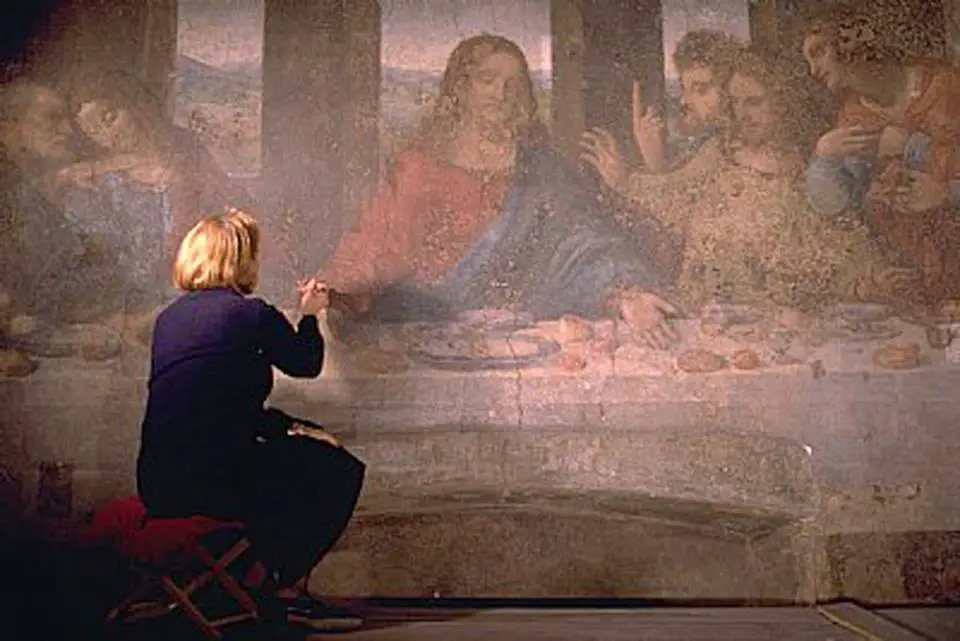
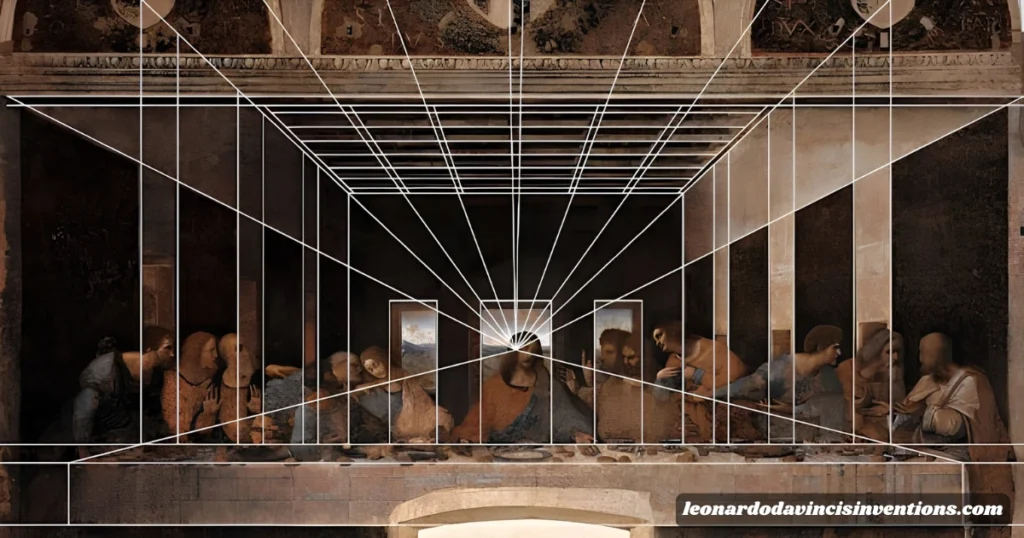
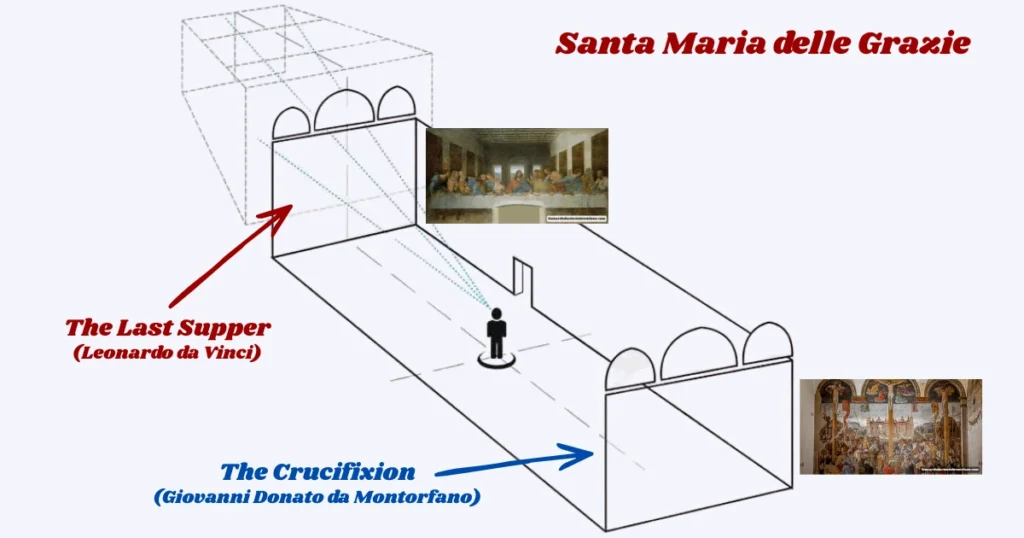
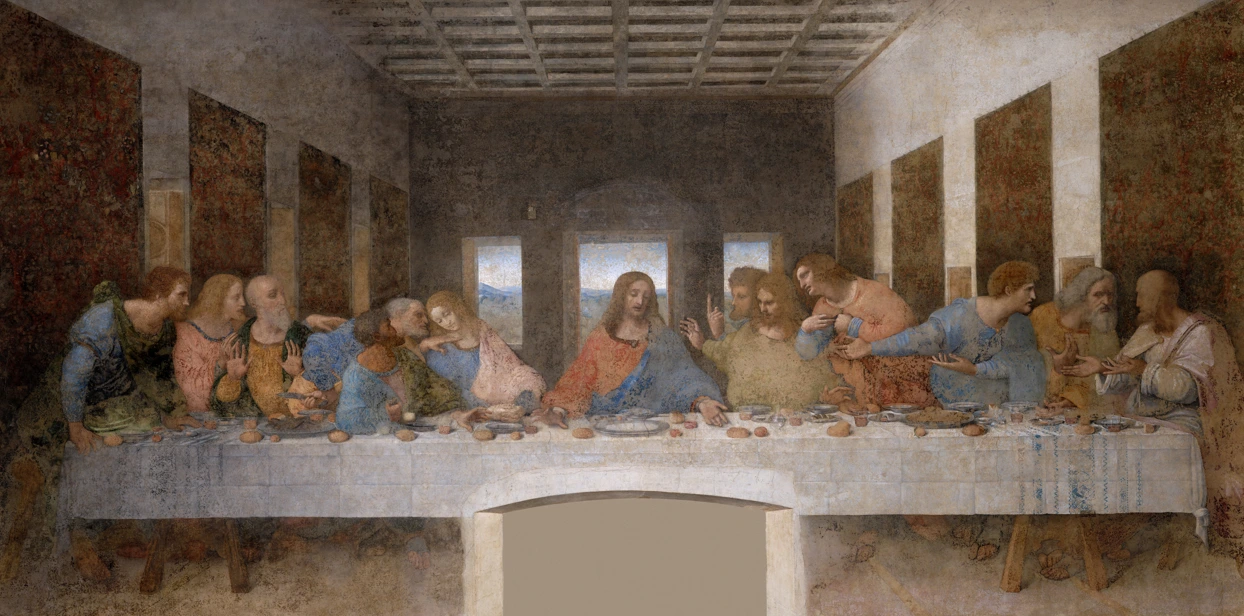
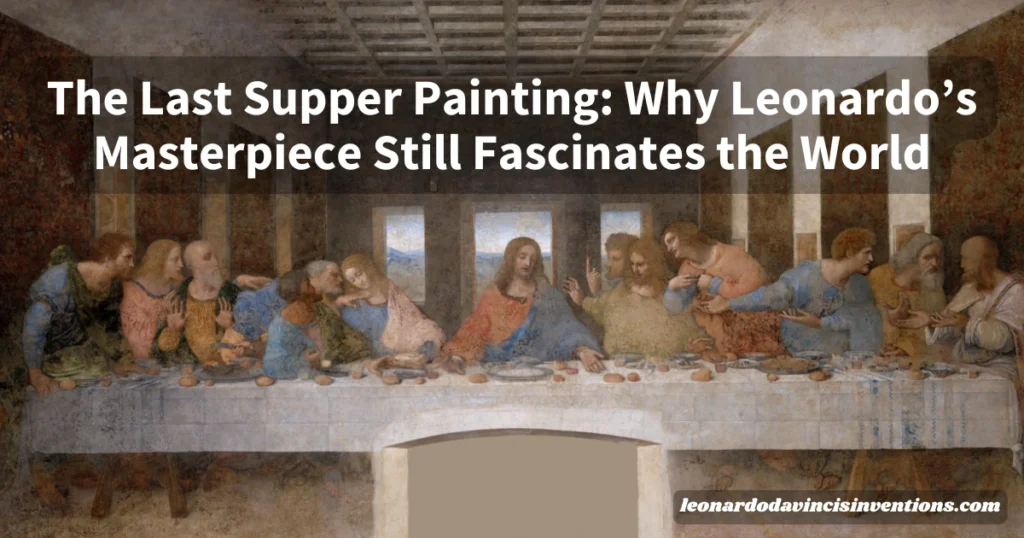
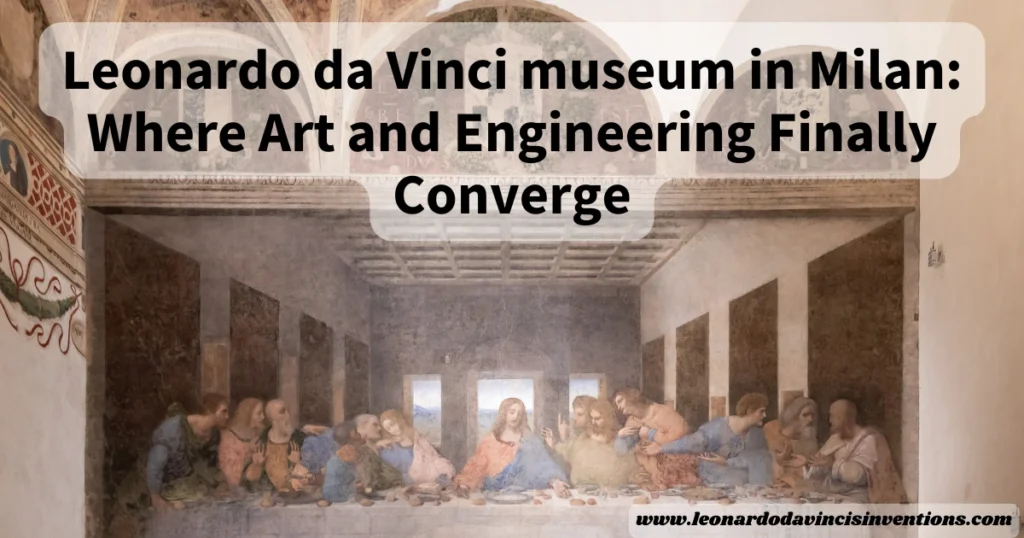
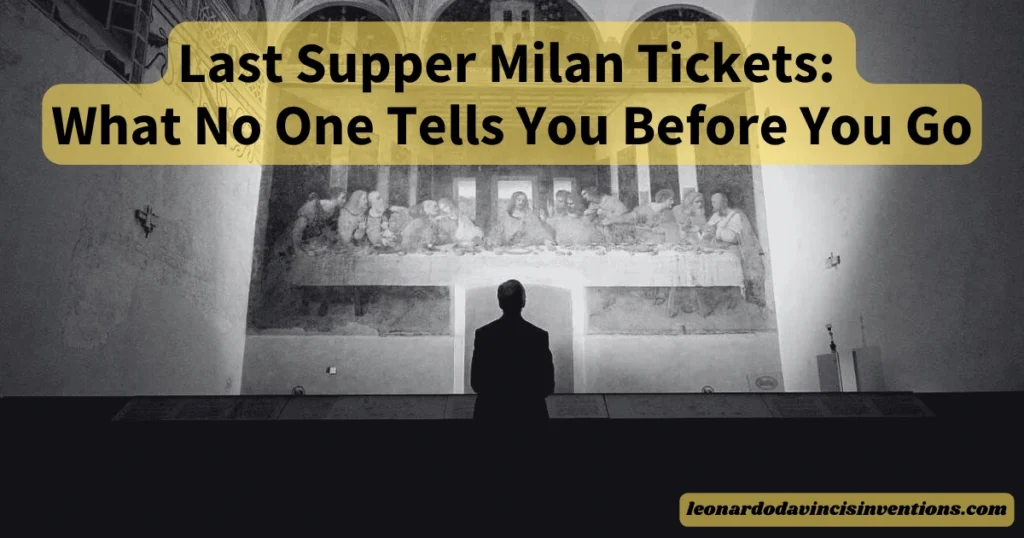
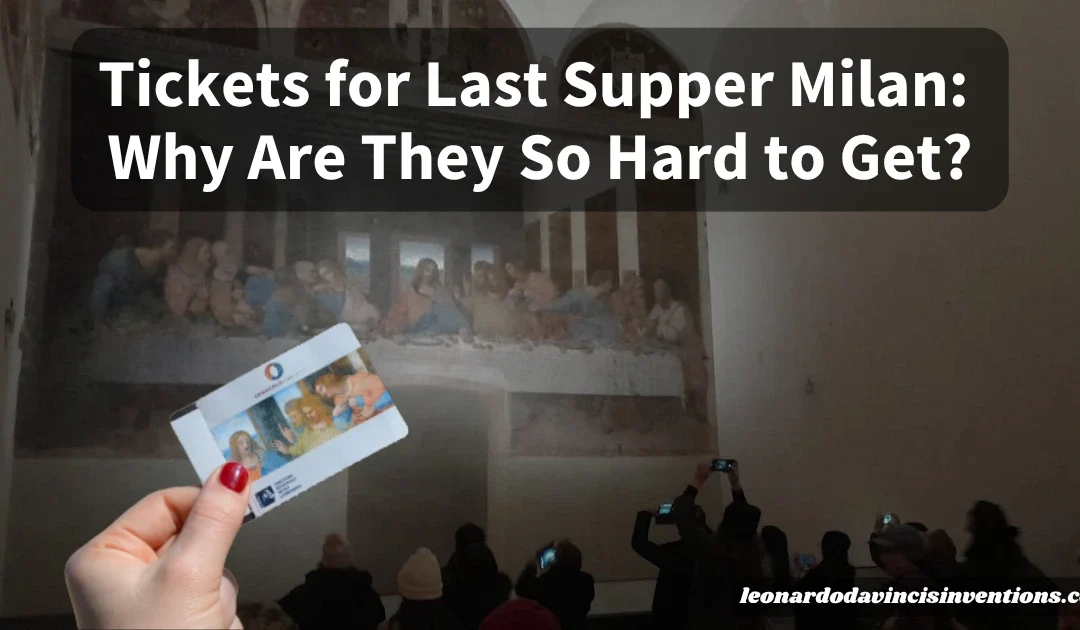
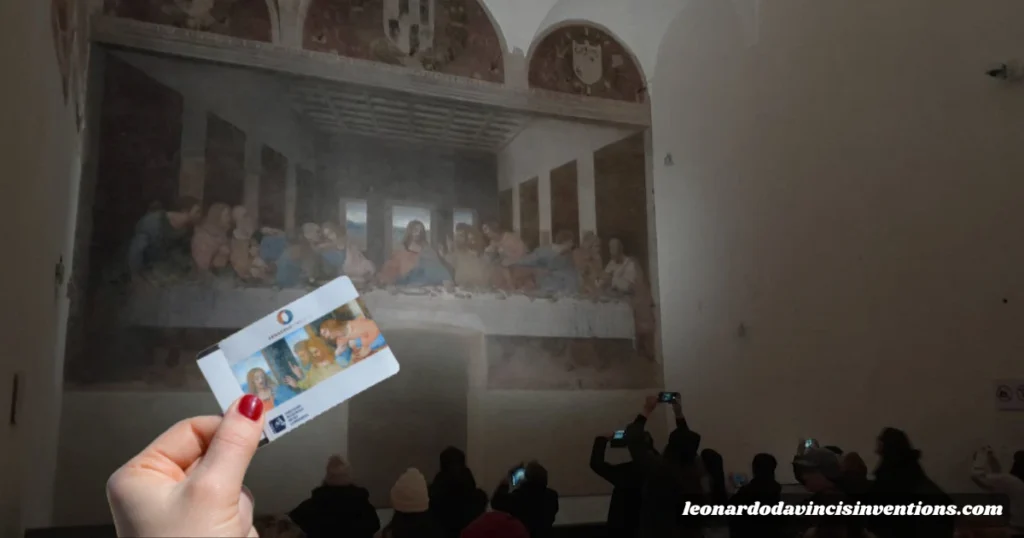
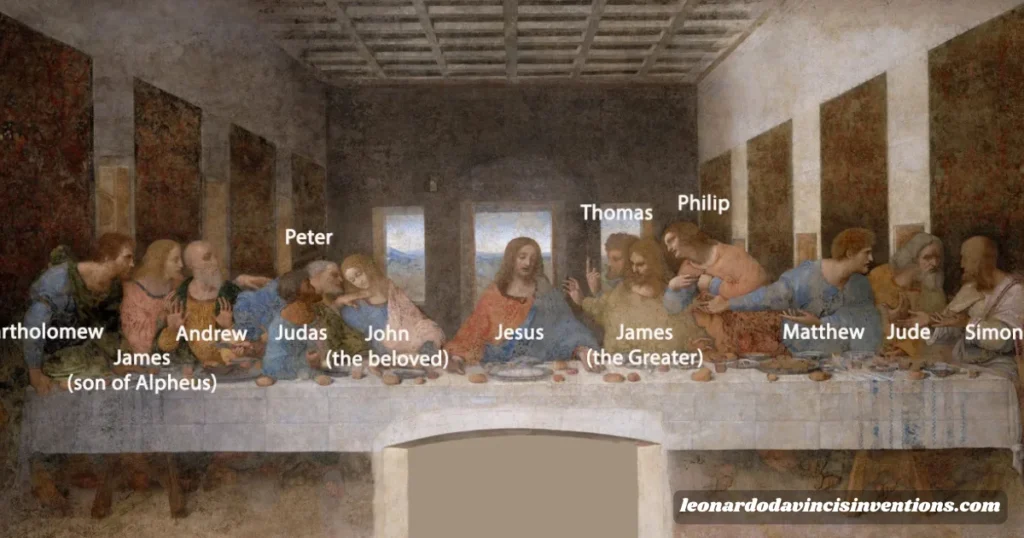
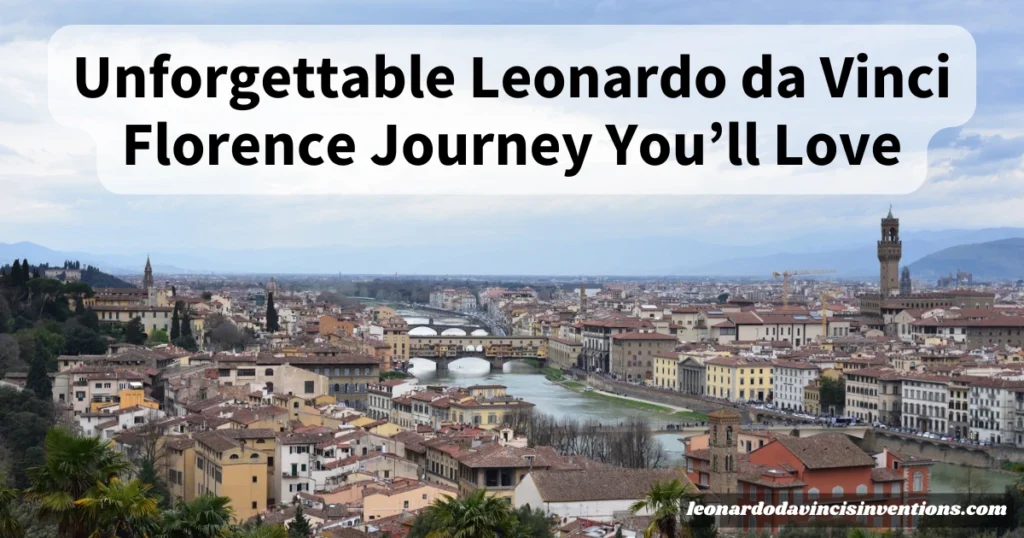
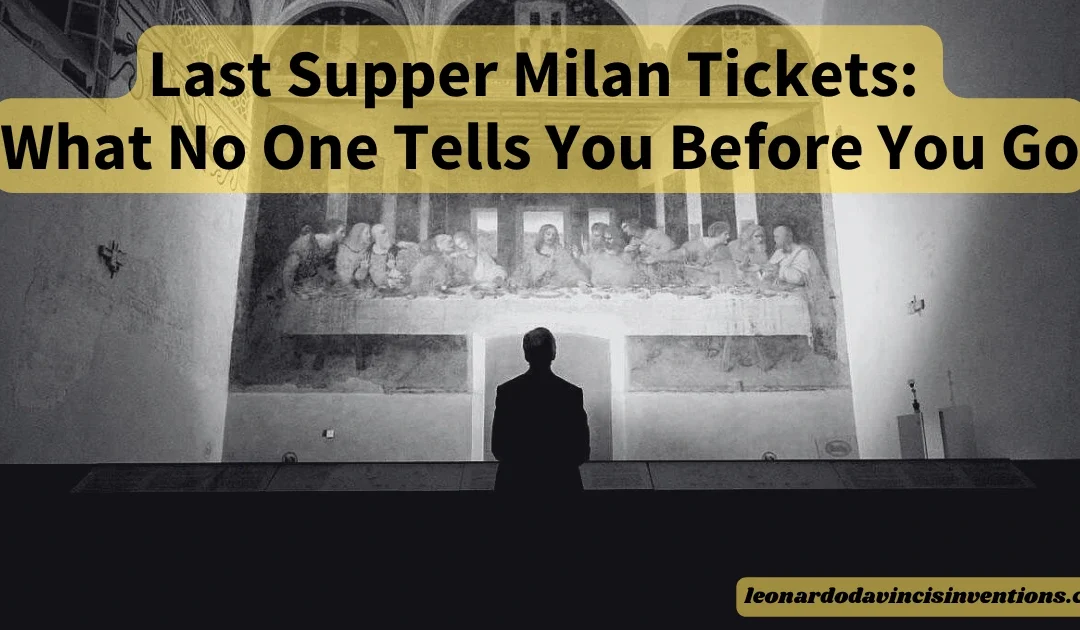
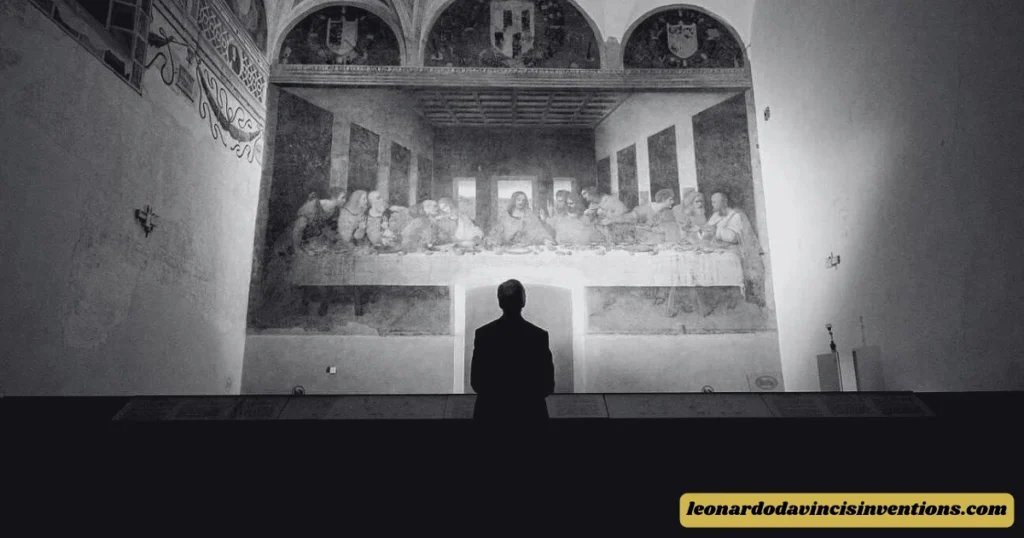
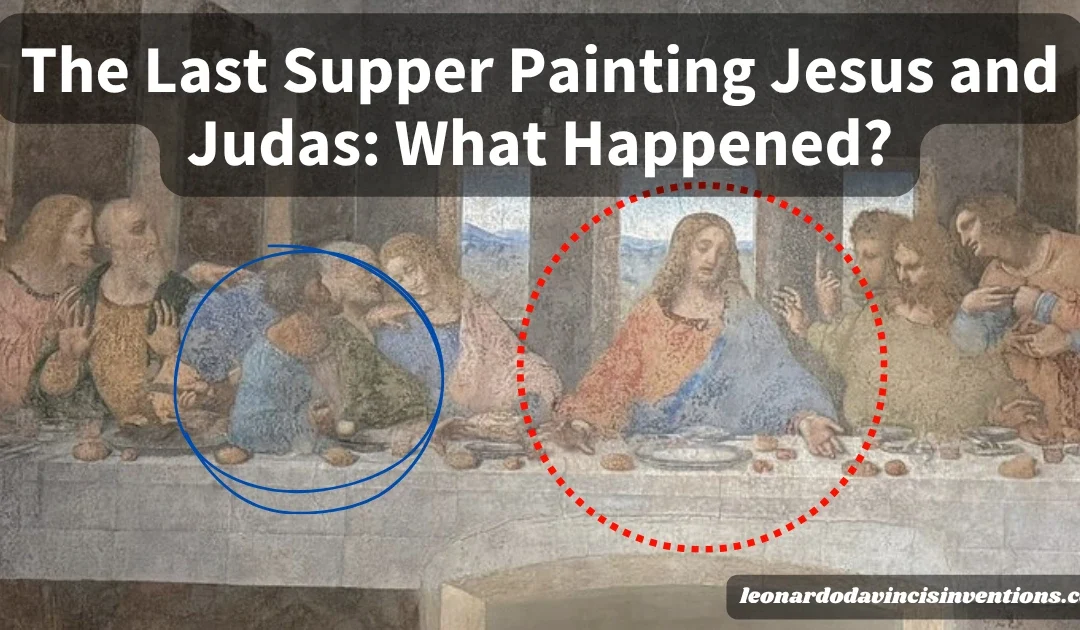
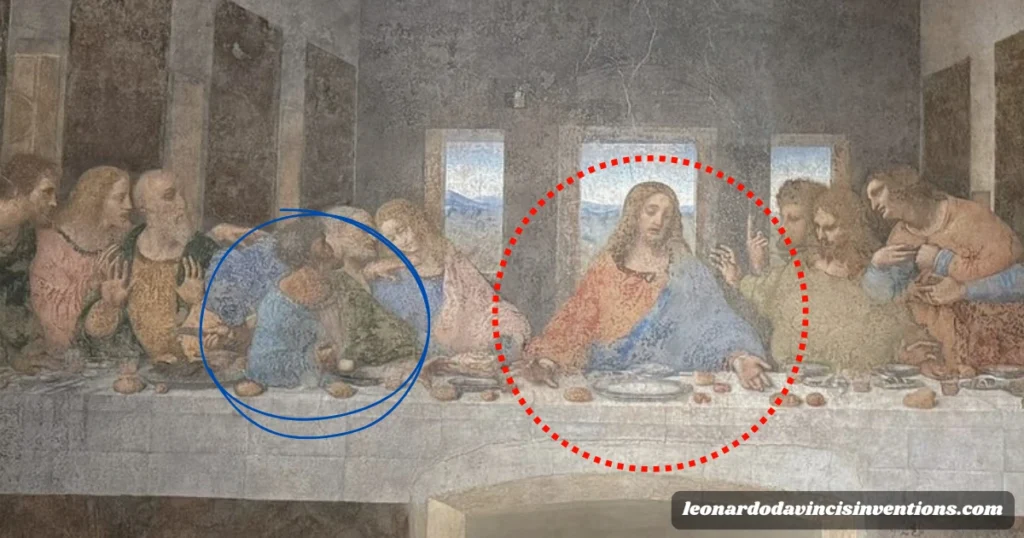
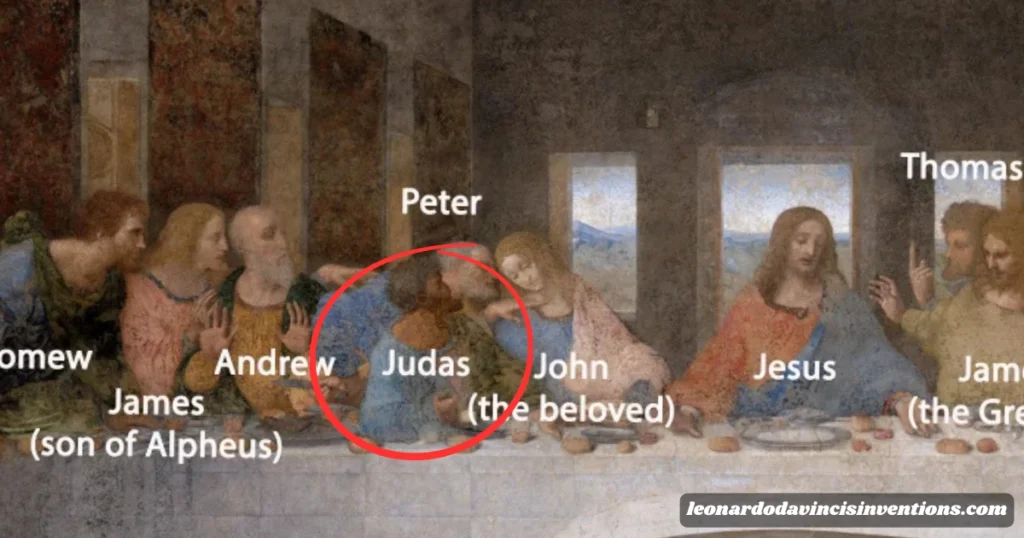
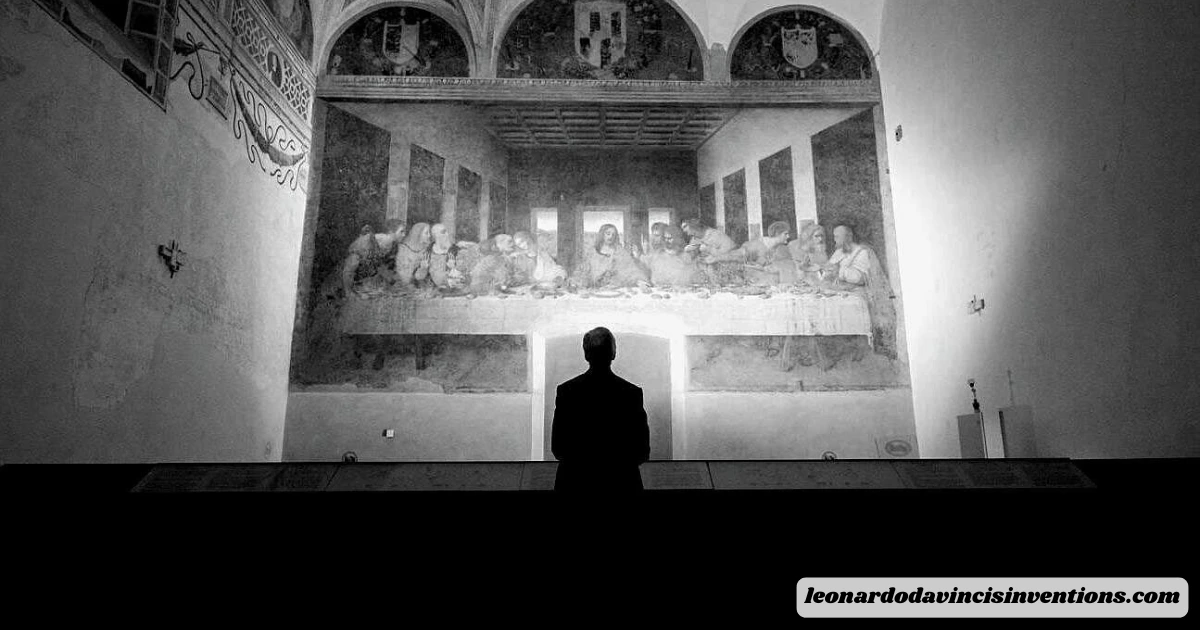
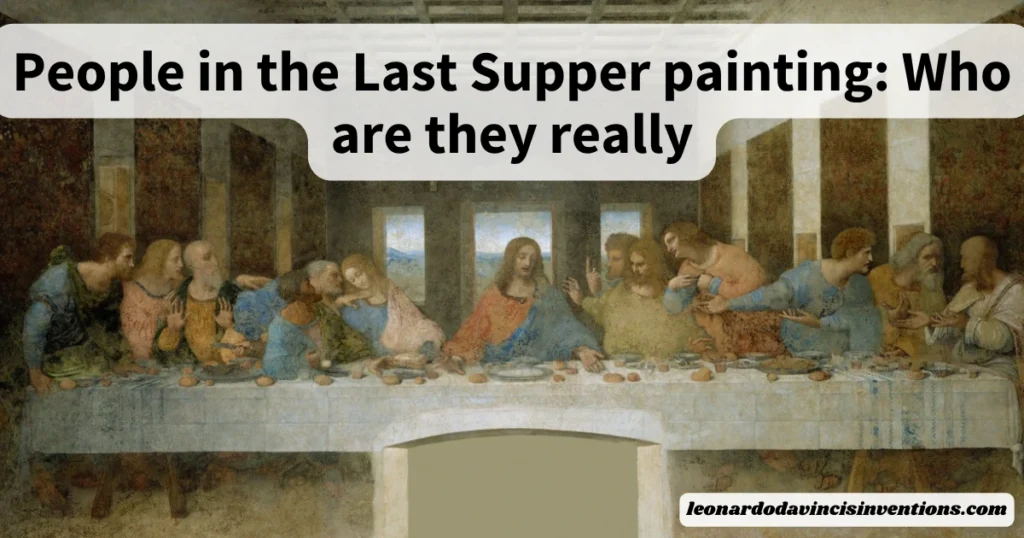
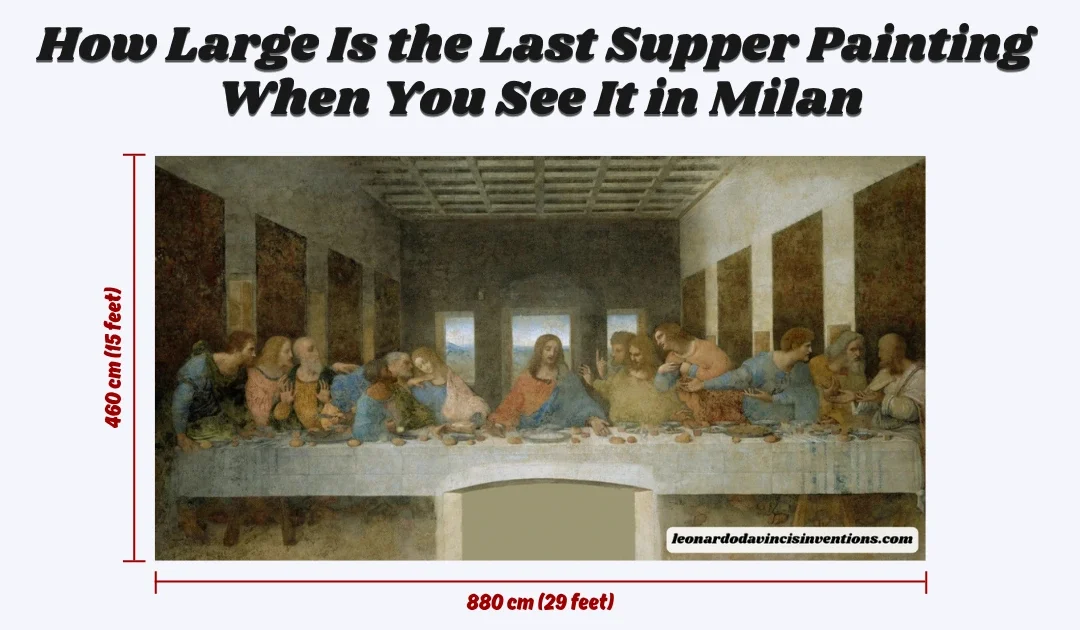
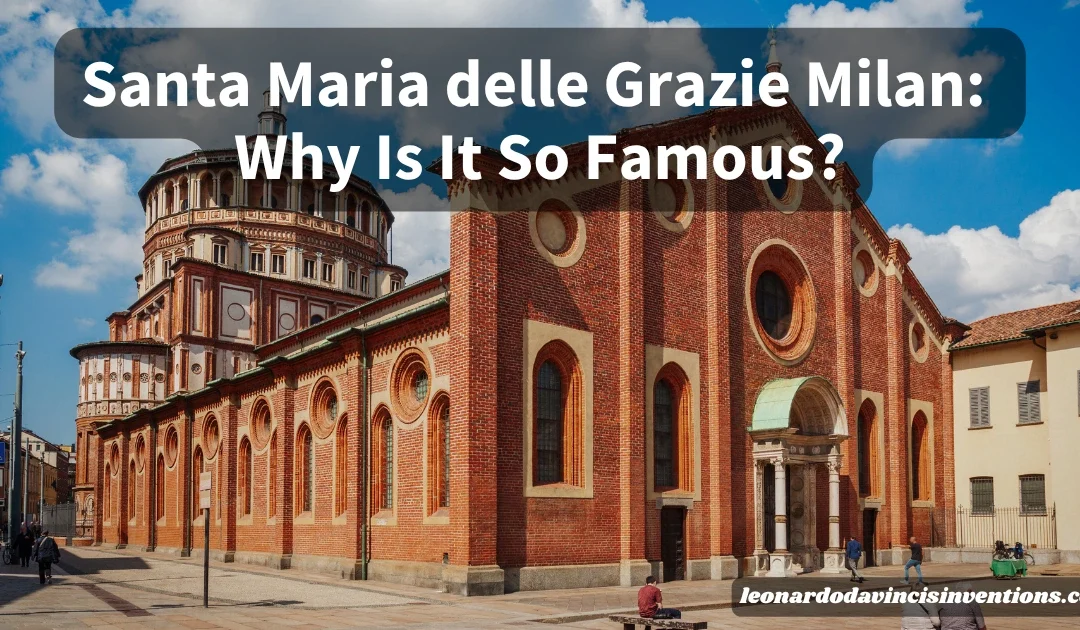
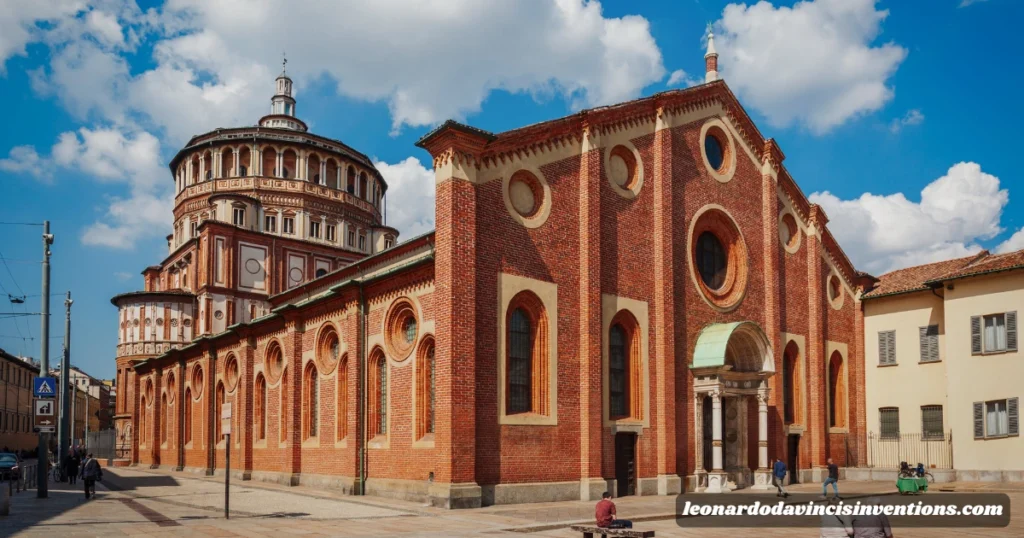
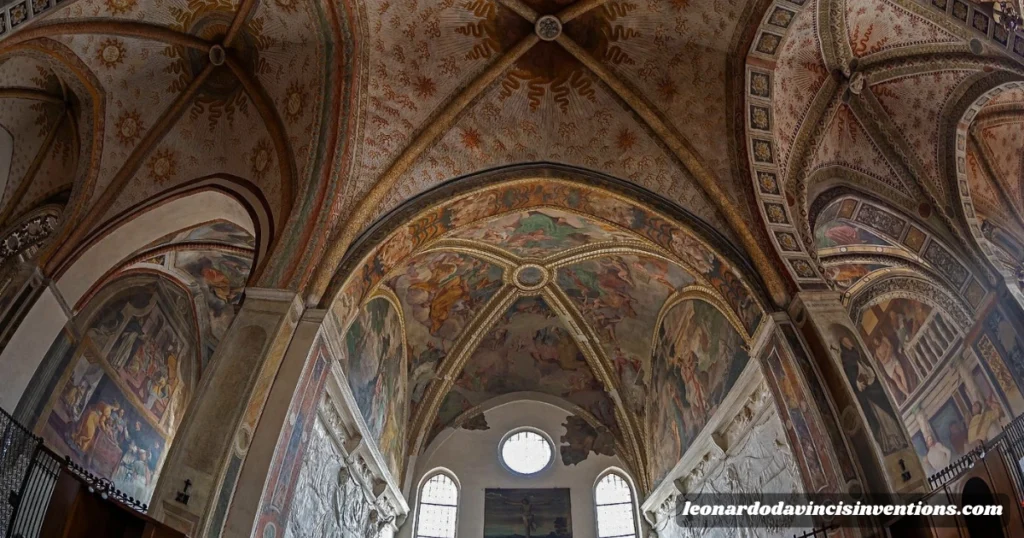
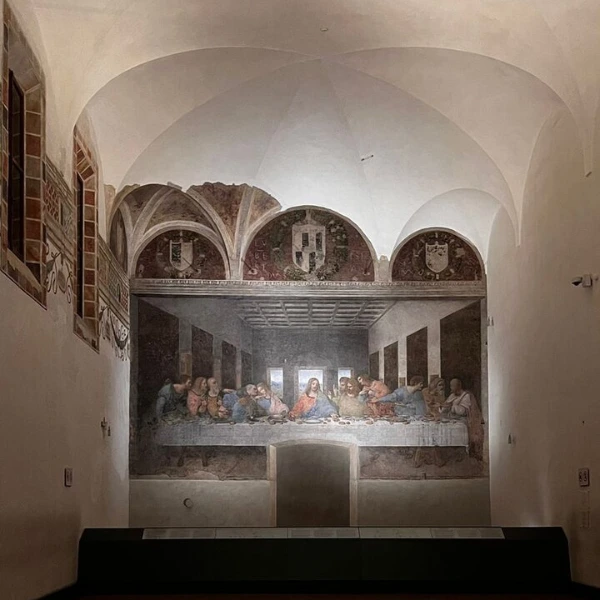
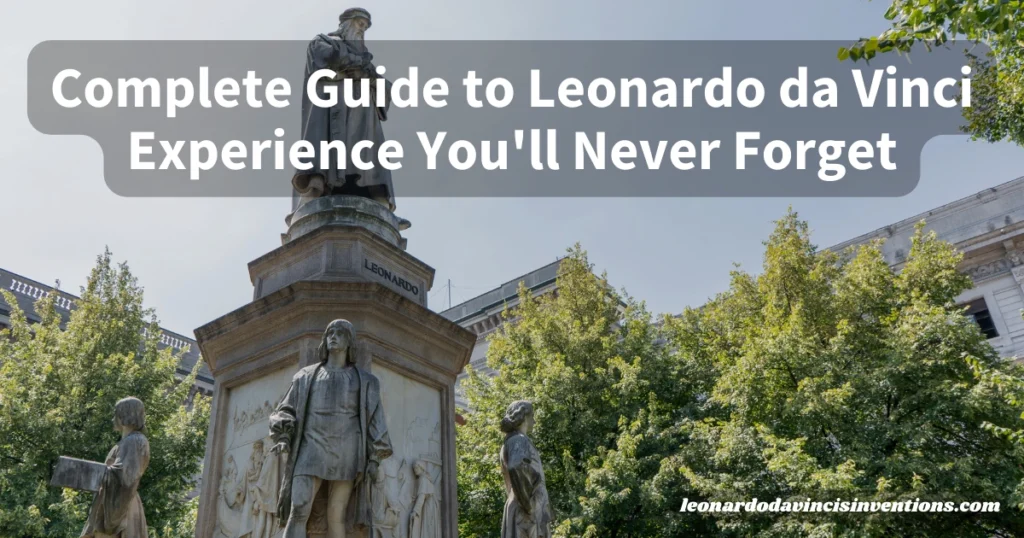
 Leonardo Bianchi is the founder of Leonardo da Vinci Inventions & Experiences, a cultural travel guide helping visitors explore Leonardo da Vinci’s art, inventions, and legacy across Italy and Paris.