
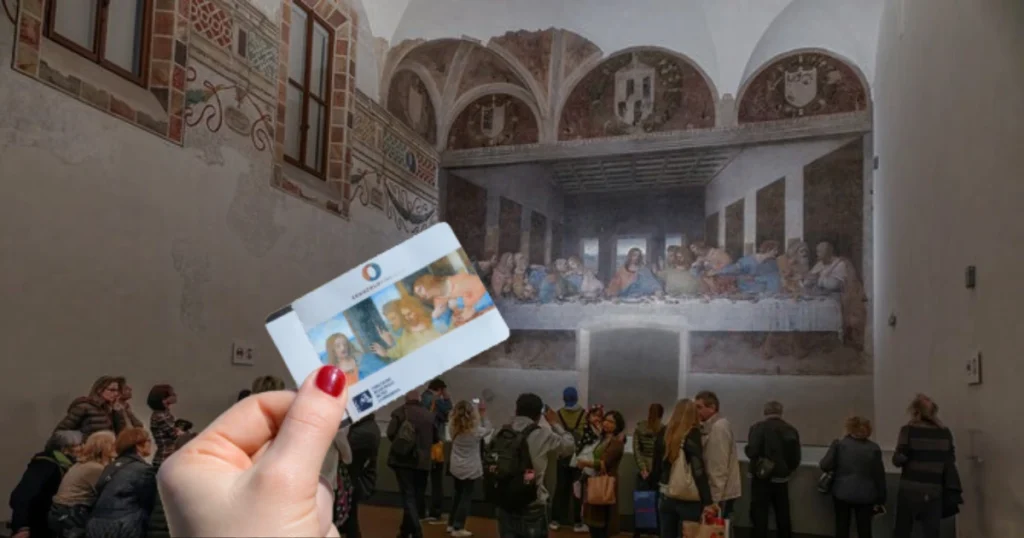
Last Supper Tickets Milan
How to Book The Last Supper in Milan Without Missing Your Time Slot
The Last Supper is one of Milan’s hardest tickets to secure. Entry is timed, reservations are required, and your visit inside the refectory lasts only 15 minutes — so choosing the right ticket or guided entry matters.
Quick Answer: What Is the Best Way to Get Last Supper Tickets?
If official tickets are available, book them early. If they are sold out, a guided tour is often the easiest practical backup because tour operators may still have reserved access for specific time slots.
Best for lowest price
Official timed-entry ticket, when available.
Best for sold-out dates
Guided Last Supper tour with timed entry included.
Best first step
Check availability before planning the rest of your Milan day.
Why Last Supper Tickets Sell Out So Quickly
Seeing the Last Supper is not like entering a normal museum gallery. Access is tightly controlled to protect Leonardo’s fragile mural, and visitors enter on a fixed schedule. That limits availability, especially during spring, summer, holidays, and weekends.
The biggest mistake is planning your Milan itinerary first and looking for tickets later. For Leonardo-focused travelers, the smarter order is simple: secure the Last Supper first, then build the rest of your Milan day around it.
Planning tip: Once you know your Last Supper time slot, connect it with Sforza Castle, the Leonardo Museum, and the historic center for a smoother one-day route.
Official Ticket or Guided Tour: Which Should You Choose?
Both options can work. The right choice depends on availability, your budget, and how much context you want during a very short visit.
Official Timed-Entry Ticket
Best if you find availability early and want the lowest-cost ticket option. You still need to respect the exact entry time and plan carefully around it.
Best for: early planners
Guided Last Supper Tour
Best if official tickets are sold out, or if you want expert explanation before entering. Since the viewing time is short, context can make the visit much more meaningful.
Best for: first-time visitors
Best Last Supper Ticket Option by Traveler Type
First-Time Visitor
Choose a guided tour so the symbolism, composition, and history are explained before your short viewing window.
Budget Traveler
Try official tickets first, but check early because availability can disappear quickly.
Last-Minute Traveler
Check guided entry options first. They may be easier to find than standard tickets close to your date.
Leonardo Enthusiast
Choose a tour that includes deeper context or combines the Last Supper with nearby Milan landmarks.
How to Get Last-Minute Last Supper Tickets
If your preferred date is close and official tickets are gone, do not panic — but do act quickly. Last-minute travelers usually have better luck checking guided tours, cancellation spots, and less popular time slots.
Last-Minute Strategy
- Check official availability first.
- Search guided tours for your exact date.
- Look at early morning or late afternoon options.
- Be flexible with your Milan itinerary.
- Book as soon as you find a suitable time slot.
What to Expect When You Visit The Last Supper
Your visit is short, quiet, and highly controlled. Visitors enter in timed groups, and the viewing period inside the refectory is limited. This is why preparation matters: the more you understand before entering, the more rewarding the experience becomes.
Timed Entry
Arrive early and respect your reserved time slot.
Short Viewing Window
The visit inside the refectory lasts only about 15 minutes.
Better With Context
A guide can help you notice details quickly once inside.
Plan the Rest of Your Milan Visit
Build Your Leonardo Milan Route Around The Last Supper
Once your Last Supper ticket is secured, use these guides to plan the rest of your Milan day clearly.
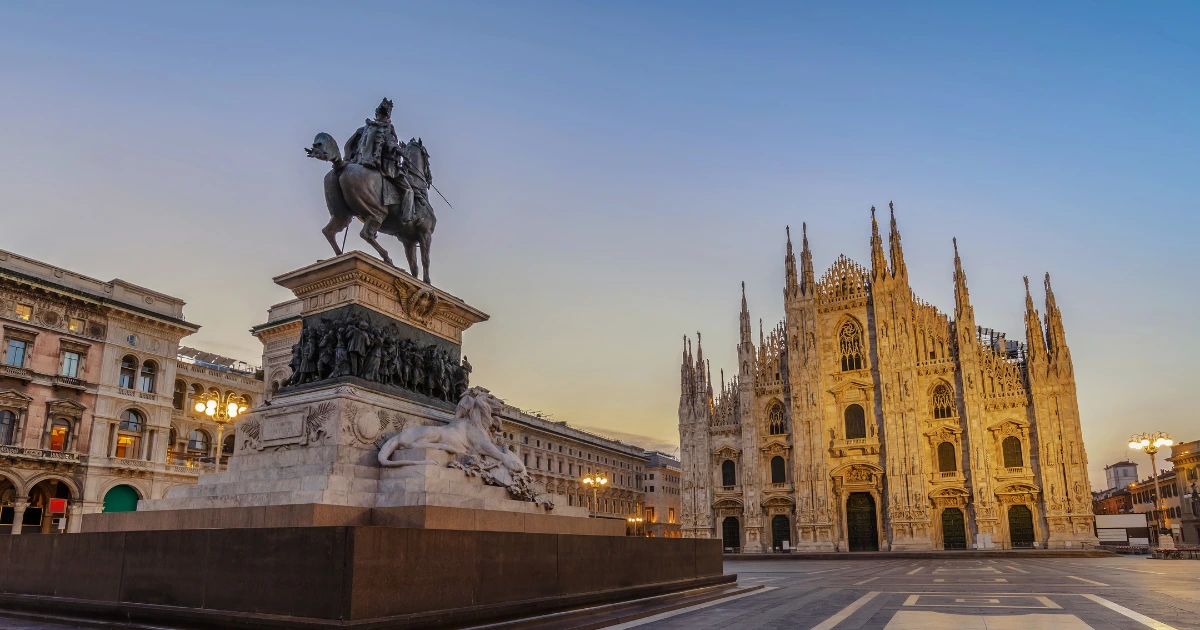



Final Planning Step
Secure The Last Supper First. Plan Milan Around It.
Because entry is timed and limited, The Last Supper should be the first reservation you make for your Leonardo trip to Milan.
FAQ: Last Supper Tickets Milan
Do you need tickets to see The Last Supper in Milan?
Yes — tickets are required, and reservations are mandatory for all visitors, including children and even infants. You cannot simply arrive and enter without a booking, as access is strictly controlled for conservation reasons, with timed-entry visits and limited group sizes.
When can I buy Last Supper tickets for September 2026?
Tickets for September 2026 will most likely go on sale in June 2026 at 12:00 p.m. (Milan time). The museum opens reservations every three months, and since May–August 2026 tickets were released on March 24, September visits should be included in the next release window. It’s best to check the official Cenacolo Vinciano website in early June and be ready at noon on release day.
How to get last-minute tickets for the Last Supper in Milan?
For last-minute tickets, first check the official site because extra tickets are often released every Wednesday at 12:00 noon for the following week. If standard tickets are sold out, guided-entry tours are often the best alternative, as tour operators sometimes secure availability when direct tickets are sold out. Flexible travel dates also help significantly.
Why is it so hard to get tickets for the Last Supper?
It is difficult because visitor numbers are strictly limited to protect Leonardo’s fragile mural. Visits last only about 15 minutes, with a maximum number of visitors allowed per time slot, and reservations are compulsory. High global demand, combined with very limited daily capacity, means tickets sell out quickly.
Can you just walk in to see the Last Supper?
No — walk-ins are generally not allowed. Reservations are always compulsory, even on free-admission days like the first Sunday of the month. Without a reservation, entry is usually not possible, so planning ahead is essential.
Is there a dress code to see the Last Supper in Milan?
There is no strict formal dress code like at some churches, but respectful clothing is recommended because The Last Supper is located inside the former Dominican convent of Santa Maria delle Grazie. Visitors should avoid overly revealing clothing, especially during religious visits nearby, and comfortable walking shoes are a smart choice for Milan sightseeing.
Continue Exploring Leonardo Legacy
Plan your Leonardo journey across Italy—from tickets and museums to masterpieces.


Free Leonardo Milan Travel Guide
Plan Your Leonardo Trip in Milan
A premium mini guidebook for smarter Milan planning, including the best ticket strategy, Leonardo map, and practical visitor advice.
Get the Free Guide
Download the guide and receive practical Milan planning tips by email.
Download the Free Guide >>Disclosure: This page may contain affiliate links. If you book through them, we may earn a small commission at no extra cost to you. Learn more.