Sforza Castle in Milan, seen from above, reveals its square fortress layout, corner towers, and central courtyard built under Francesco Sforza.
Sforza Castle in Milan — known in Italian as Castello Sforzesco — is one of the most significant Renaissance structures in Europe, a place where military ambition and artistic brilliance collided under one roof. For five extraordinary decades, Leonardo da Vinci walked its corridors, painted its ceilings, and designed its defenses, leaving behind traces that visitors can still encounter today.
Understanding this fortress means understanding the world that made Leonardo. It was not simply a duke's residence. It was a laboratory for ideas — architectural, artistic, and engineering — funded by the wealthiest dynasty in northern Italy. Few monuments on the continent can claim a connection to so many Renaissance masterpieces in a single location.
This post is all about Sforza Castle in Milan — its turbulent history, its treasures, and how to experience it for yourself on a visit to the city.
What is the Sforza Castle in Milan?
Sforza Castle Milan (Castello Sforzesco) is a 15th-century fortress located in the heart of Milan, Italy. Originally built in 1368 and dramatically expanded by Duke Francesco Sforza from 1450, it served as the ducal residence, military stronghold, and artistic hub of the Sforza dynasty. Today, it houses several world-class museums and one of Leonardo da Vinci's last surviving frescoes.
History of Sforza Castle in Milan
From Military Fortress to Renaissance Court
The castle's origins are older than most visitors realize. The first fortification on this site dates to 1368, built under Galeazzo II Visconti. After decades of political upheaval and a brief period as a popular republic, Francesco Sforza — a mercenary general turned duke — took control of Milan in 1450 and began transforming the ruined fort into a palatial stronghold.
What he built was immense. Thick brick walls stretched across 180,000 square meters. Round towers anchored each corner. A central keep, the Torre del Filarete, rose above the city skyline and became the castle's defining silhouette. This was not merely a defensive structure. It was a declaration: the Sforzas were the new power in northern Italy.
Successive dukes added courts, apartments, chapels, and gardens. By the time Ludovico Sforza — called 'il Moro' — took power in the 1480s, the Castello Sforzesco was one of the most cultured courts in Europe. It attracted poets, engineers, architects, and painters. It attracted Leonardo.
Leonardo da Vinci at the Castello Sforzesco
Leonardo arrived in Milan around 1482, having written a famous letter to Ludovico listing his skills as a military engineer, bridge builder, and — almost as an afterthought — painter. He stayed for nearly twenty years.
During that time, he painted The Last Supper at the nearby church of Santa Maria delle Grazie. He designed court entertainments, hydraulic machines, and canal systems. And inside the Castello itself, he painted the ceiling of the Sala delle Asse — a stunning trellis of interlocking mulberry branches, still visible today after painstaking restoration.
The relationship between Leonardo and the Sforzas was never simple. He served as a painter, engineer, pageant designer, and occasional military consultant. The castle was his base of operations in Milan — the place he returned to between projects, where he kept notebooks and worked out ideas that would appear in his codices for decades afterward.
The Castle After the Sforza
The Sforza dynasty fell in 1499 when French forces under Louis XII invaded Milan. Leonardo left the city. The castle passed through French, Spanish, and Austrian hands over the following centuries, serving alternately as barracks, prison, and public park.
It was not until the late 19th century, under the leadership of architect Luca Beltrami, that the Castello Sforzesco was systematically restored. The Torre del Filarete, demolished in a gunpowder explosion in 1521, was rebuilt. The museums opened to the public, and the fortress regained something approaching its Renaissance splendor.
For visitors wanting to connect this layered history with Leonardo’s presence in Milan, exploring both the castle and nearby masterpieces through a guided Last Supper and Sforza Castle tour can bring the experience into sharper focus.
Leonardo Works and Exhibits Inside the Castello Sforzesco
The Sala delle Asse: Leonardo's Only Surviving Fresco in Milan
The interior of Sforza Castle in Milan shows the Sala delle Asse with a vaulted ceiling, revealing traces of Leonardo’s tree fresco during restoration.
Of everything Leonardo created during his Milan years, the Sala delle Asse is the only major work still in its original location inside the Castello. Painted around 1498, this large octagonal room features a ceiling covered in a painted canopy of mulberry trees — their branches intertwining in geometric patterns that mirror the mathematical interests Leonardo was pursuing in his notebooks at the same time.
The word 'asse' means planks, likely referring to the wooden panels once hung here. But Leonardo transformed a utilitarian space into something astonishing. Each branch seems to grow naturally from the stone walls, while gold ropes weave through the canopy in patterns that blend heraldry, botany, and pure visual rhythm.
Recent restoration work, completed in stages over the past decade, uncovered sinopie — preparatory drawings made directly on the plaster — that revealed Leonardo's working process in extraordinary detail. You can see not just the finished fresco, but the thinking behind it.
Michelangelo's Rondanini Pietà
The Sforza Castle in Milan houses Michelangelo’s Rondanini Pietà, displayed in a vaulted hall within the Castello Sforzesco museum complex.
The Castello Sforzesco houses one of the great final works in Western art. Michelangelo's Rondanini Pietà, on which the sculptor was working just days before his death in 1564, stands in a dedicated space in the Ospedale Spagnolo wing. It is unfinished. It is rough. And it is devastating in its emotional directness.
The work is not a Leonardo piece — but its presence here speaks to the density of artistic genius concentrated in Milan during the Renaissance. You are in a city that Michelangelo visited, that Raphael's contemporaries shaped, that Leonardo called home for two decades.
The Museum Collections
The Sforza Castle museum complex encompasses multiple collections spread across the fortress:
The Museum of Ancient Art — Egyptian artifacts, Roman sculpture, medieval armor, and Renaissance decorative arts
The Pinacoteca del Castello — paintings from the 13th to 18th centuries, including works by Mantegna, Bellini, and Filippino Lippi
The Museum of Musical Instruments — one of the finest collections in Europe
The Prehistoric collections and the Applied Arts Museum
The Castello Sforzesco is located in the Parco Sempione area, about a ten-minute walk from Milan's main train station and a short metro ride from the Duomo. Entry to the castle grounds is free. Entry to the museum collections requires a ticket.
The castle is open every day except Mondays. Museum hours typically run from 9 AM to 5:30 PM, with last entry at 5 PM. Prices are modest by major-museum standards — around €5 for general admission, with reductions for students and over-65s. Combination tickets covering multiple collections offer the best value for those planning to spend the day.
Tip: The Sala delle Asse has specific opening hours and may be closed at times due to ongoing restoration work. Check the museum website before your visit to confirm access.
What to Prioritize Inside
If your primary interest is Leonardo, head first to the Sala delle Asse on the ground floor of the Rocchetta wing. Give yourself time. The ceiling is large, the details are intricate, and the space rewards attention.
Then move to the Rondanini Pietà — even if it lies outside Leonardo's biography, the emotional experience of standing before Michelangelo's last work is something difficult to articulate and impossible to forget.
The Pinacoteca del Castello rounds out the artistic picture. Its rooms are relatively uncrowded compared to nearby major galleries like the Pinacoteca di Brera, making the experience more intimate.
Combining the Castle with Other Leonardo Sites in Milan
The Castello Sforzesco is best understood as part of a larger Leonardo itinerary in Milan. The city holds an extraordinary concentration of sites connected to his twenty-year residence.
Santa Maria delle Grazie — The Last Supper, 15 minutes on foot from the castle (advance booking essential)
Museo Nazionale della Scienza e della Tecnologia Leonardo da Vinci — the world's largest collection of models based on his designs
The navigli canal system — the city's network of canals, whose design Leonardo helped refine
A single day allows you to see the castle and the Museo della Scienza. The Last Supper requires its own dedicated slot — book weeks ahead, as visitor numbers are strictly controlled.
Ready to Plan Your Visit?
Begin with timed entry to The Last Supper, then walk to Castello Sforzesco to explore Leonardo's Milan.
Milan was the city where Leonardo spent the most productive years of his life, but his story stretches across the Italian peninsula and beyond.
Florence, where he trained under Verrocchio and painted the Annunciation, holds its own concentration of his early work — the Uffizi Gallery, the Museo del Bargello, and the Museo Nazionale del Bargello all display works from his formative years.
Venice holds the Vitruvian Man in the Gallerie dell'Accademia — though access is restricted and requires special arrangements. Rome's Vatican Museums contain drawings connected to his later career.
And in Paris, the Louvre holds the single largest collection of Leonardo paintings in the world, including the Mona Lisa and The Virgin of the Rocks. Each city adds a chapter. Milan and the Castello Sforzesco are where the story becomes full.
Final Thoughts
This post was all about Sforza Castle in Milan — a fortress that outlasted its dynasty, absorbed centuries of European history, and still carries, in one painted room on its ground floor, the direct visual thinking of the most curious mind the Renaissance produced.
Leonardo's Sala delle Asse is not as famous as the Mona Lisa. It does not have crowds thirty deep. You can stand beneath it and simply look, for as long as you want.
That is what makes a visit to the Castello Sforzesco different from so many other encounters with Renaissance genius. The scale is human. The history is legible in the brickwork. And the art, including one of Leonardo's most technically ambitious ceiling paintings, is still exactly where he left it.
Travel Essentials for Visiting Milan for the First Time
Preparing for a visit to Milan often comes down to a few small details that can make long museum days, historic walking routes, and city exploration significantly more comfortable.
Secure Crossbody Bag
Busy areas near major attractions can require extra awareness. Many travelers prefer a compact crossbody bag worn in front to keep essentials accessible and secure →
explore practical crossbody bags for travel
Portable Power Bank
Navigation, photography, and digital tickets can quickly drain battery life during a full day in the city. A compact power bank helps avoid interruptions, with many visitors choosing lightweight options →
view reliable portable chargers
Comfortable Walking Shoes
Milan’s major landmarks are often best experienced on foot, with visitors covering long distances between museums, churches, and historic streets. Supportive shoes can make a full day of exploration far more comfortable →
Yes—Sforza Castle in Milan is worth seeing because it combines Renaissance architecture, multiple museums, and open courtyards in one location. It is one of the city’s most important historical landmarks and offers both cultural depth and a relaxed visit in central Milan.
Is Sforza Castle free?
Sforza Castle in Milan is partially free to visit. Entry to the courtyards and exterior grounds is free, but you need a ticket to enter the museums inside. Admission is typically low-cost, with free entry on selected days.
Why is the Sforza Castle famous?
Sforza Castle in Milan is famous as a Renaissance fortress that served as the residence of the powerful Sforza family. Today, it houses major museums and artworks, including works by Michelangelo, making it a key cultural site in Milan.
How long does it take to tour Sforza Castle?
It takes about 2 to 3 hours to tour Sforza Castle in Milan. Visitors who explore multiple museums or exhibitions in depth may spend 3–4 hours in the complex.
What’s inside Sforza Castle?
Inside Sforza Castle in Milan are several museums and art collections, including Renaissance paintings, ancient art, musical instruments, and archaeology exhibits. Highlights include the Rondanini Pietà and extensive galleries covering Milan’s history.
How many days in Milan is enough?
2 to 3 days in Milan is enough to see major highlights like Sforza Castle, the Duomo, and key museums. This timeframe allows you to explore the city comfortably without rushing.
A full Last Supper art analysis reveals one of the most carefully constructed paintings in all of Western history — a work where every gesture, every expression, and every shadow was placed with deliberate intention. Leonardo da Vinci completed this monumental mural between 1495 and 1498, and it has not ceased to command attention since.
Understanding what da Vinci built into this painting changes how you see it entirely. It transforms a familiar image into something layered and alive. And if you ever stand before it in Milan, that knowledge makes the experience unforgettable.
This post is all about the Last Supper art analysis — from the technique Leonardo chose to the psychology embedded in each figure, and why it still matters more than five centuries later.
What Is the Last Supper Art Analysis?
A Last Supper art analysis examines Leonardo da Vinci's mural painted on the refectory wall of Santa Maria delle Grazie in Milan, completed around 1498. It studies the composition, symbolism, psychology, and technique behind the work, revealing how Leonardo depicted the dramatic moment when Christ announced that one of his apostles would betray him.
The Artistic Genius Behind the Last Supper Painting
Leonardo's Revolutionary Technique
Most murals of Leonardo's era were painted in true fresco — wet plaster, fast brushwork, no second chances. Leonardo rejected that entirely.
He used a mixed tempera and oil technique applied directly to a dry plaster wall. This allowed him to work slowly, layer tones, and rework passages over weeks or even months. It was the approach of a painter obsessed with nuance.
The price was steep. Fresco bonds chemically with stone. Leonardo's method did not. Within decades, the paint began to flake and fade. His quest for perfection was fragile, making the painting's survival all the more remarkable.
Composition and Perspective
Leonardo used a single-point perspective system so precise that it draws every line in the room — the ceiling coffers, the tapestries, the table edge — directly toward Christ's right temple.
Christ sits at the geometric center of the composition. Light enters behind him, creating a natural halo without religious iconography. He alone is still. Around him, all twelve apostles react.
The apostles are organized into four groups of three. This was not random. Leonardo studied faces, physiognomy, and human emotion for years. Each cluster tells a small story within the larger one.
The Psychological Drama Within the Frame
The scene Leonardo captured is the moment Christ says: 'Truly I tell you, one of you will betray me.'
Each apostle's response is different. Bartholomew leans forward in shock. Judas — third from Christ's right — recoils and clutches a small bag. Peter grips a knife. John, Christ's beloved disciple, appears almost to swoon.
These are not saints rendered as symbols. They are human beings caught in a moment of crisis. That psychological realism was nearly unprecedented in devotional painting and marks the Last Supper as a turning point in Western art.
For those planning to visit Milan, the refectory that houses the painting only admits small groups at timed intervals — guided Last Supper tours in Milan with reserved access are one of the most reliable ways to secure entry and understand the full depth of what you are looking at.
The number twelve carries its obvious religious weight — the twelve apostles, the twelve tribes of Israel. But Leonardo embedded subtler geometry. The groupings of three echo the Christian Trinity. The windows behind Christ form a triptych that frames his figure like an altarpiece.
Salt spills near Judas's arm — a traditional symbol of bad luck and treachery. The bread and wine on the table reference the Eucharist. Even the fish on the platters carries meaning: in early Christian symbology, the fish was a sign of the faithful.
None of this is accidental. Leonardo filled notebooks with studies of each apostle before he ever lifted a brush to this wall. The painting is the result of sustained, almost obsessive preparation.
Why Is the Last Supper Painting Important?
The Last Supper is important for reasons that extend well beyond its religious subject matter.
It is one of the first large-scale narrative paintings to prioritize psychological realism over symbolic convention. It shifted what devotional art could be — not just a representation of sacred figures, but a window into human emotion.
It also influenced virtually every major painter who came after. Raphael studied it. Rubens copied it. Even centuries later, its compositional logic continues to echo in the way artists frame group scenes.
And then there is the story behind the Last Supper painting that has fueled centuries of myth and inquiry — from questions about the identity of John to theories about hidden musical scores in the apostles' positions. Whether or not those theories hold water, they speak to something true: this painting rewards close looking more than almost any other work.
5 Surprising Facts About the Last Supper Painting
A few facts that tend to fascinate first-time visitors:
The original painting measures roughly 460 x 880 centimeters — nearly nine meters wide.
Leonardo worked on it for approximately 3 years, returning repeatedly to individual faces.
During World War II, Allied bombing destroyed the refectory walls on three sides. The wall bearing the painting survived, partly protected by sandbags placed by Milanese citizens.
The Last Supper medium — tempera and oil on plaster — meant the work was already deteriorating within Leonardo's lifetime. What we see today is partly a painting and partly centuries of restoration.
Michelangelo never painted a Last Supper. The work often associated with him by that name belongs to other hands. There is only one da Vinci Last Supper original, and it remains in Milan.
The Last Supper, the original, has never left Milan. It occupies the northern wall of the refectory — the former dining hall — of Santa Maria delle Grazie, a church and convent in the Magenta neighborhood of the city.
The space is not a gallery. It is a long, narrow room that was designed to serve food to Dominican monks. Leonardo's mural was intended to make the monks feel as though they were dining with Christ and the apostles. Standing at the threshold and looking down its length, that original intention becomes completely legible.
The climate inside is tightly controlled. Temperature and humidity are monitored constantly to slow the ongoing deterioration of the paint. Visitors are asked to pass through two airlocks before entering.
The Experience of Standing Before the Painting
Photographs flatten everything. They cannot convey scale. The Last Supper is almost nine meters wide. The figures are slightly larger than life. Christ's hands, outstretched on the table, are painted with a stillness that reads as calm amid the surrounding agitation.
You notice things in person that reproduction erases entirely: the varying textures of the tablecloth, the individual architecture of each apostle's hands, the way Leonardo modeled the light falling across their faces.
Most visitors have fifteen minutes. It is not long. But it is enough — especially with the right preparation.
Many visitors find that arriving with structured knowledge makes those fifteen minutes feel far richer. Understanding who each apostle is and where they sit, knowing what Leonardo was technically attempting, and knowing which sections survived intact and which underwent restoration — all of this transforms passive looking into active reading.
A guided experience that covers this context before you enter the room can make the difference between seeing a famous painting and actually understanding one.
Understand The Last Supper inside Santa Maria delle Grazie
This guided visit includes timed entry to Il Cenacolo for a focused 15-minute viewing, followed by deeper context across the Santa Maria delle Grazie complex. Visitors often note how expert storytelling and restoration insights transform the moment from observation into understanding.
Milan is where Leonardo spent nearly two decades, from 1482 to 1499, in the service of Ludovico Sforza. The Last Supper is the most visible legacy of that period, but it is far from the only one.
The Pinacoteca Ambrosiana holds his Musician portrait and an important collection of drawings. The Castello Sforzesco contains frescoes attributed to his workshop. The city's street grid still reflects engineering projects Leonardo contributed to.
Leonardo's influence extends beyond Milan, of course. Visitors interested in tracing his full journey through Italy often continue to Florence — where he trained under Verrocchio — and to Venice, Rome, and ultimately Paris, where he spent his final years in the service of the French king and where the Mona Lisa remains today.
Final Thoughts
This post was all about the Last Supper art analysis — and what emerges from that analysis is a portrait of Leonardo at the height of his powers, working in a medium he invented for himself, on a subject that gave him room to explore every obsession he had: human psychology, light and shadow, geometry, and the drama of a single suspended moment.
The Renaissance produced extraordinary things. But the Last Supper stands apart even within that company. It is a work that repays whatever attention you bring to it — in a book, on a screen, or, best of all, in a quietly climate-controlled room in Milan, with fifteen minutes and a great deal to look at.
Travel Essentials for Visiting Milan for the First Time
Preparing for a visit to Milan often comes down to a few small details that can make long museum days, historic walking routes, and city exploration significantly more comfortable.
Secure Crossbody Bag
Busy areas near major attractions can require extra awareness. Many travelers prefer a compact crossbody bag worn in front to keep essentials accessible and secure →
explore practical crossbody bags for travel
Portable Power Bank
Navigation, photography, and digital tickets can quickly drain battery life during a full day in the city. A compact power bank helps avoid interruptions, with many visitors choosing lightweight options →
view reliable portable chargers
Comfortable Walking Shoes
Milan’s major landmarks are often best experienced on foot, with visitors covering long distances between museums, churches, and historic streets. Supportive shoes can make a full day of exploration far more comfortable →
The main message of The Last Supper is the dramatic moment when Jesus announces that one of his apostles will betray him, capturing the emotional and spiritual tension of that revelation. Leonardo focuses on human reactions—shock, anger, and disbelief—while emphasizing Christ’s calm central presence.
Are there hidden messages in the Last Supper painting?
Yes, the painting contains layers of symbolism, such as the grouping of apostles in threes to reflect the Holy Trinity and geometric compositions that highlight Christ’s divinity. While many theories exist, art historians agree that Leonardo intentionally embedded symbolic meaning rather than secret codes.
Why is the Last Supper so controversial?
The Last Supper is controversial because of ongoing debates about hidden meanings, reinterpretations in popular culture, and religious sensitivity to how the image is used or altered. Modern adaptations and theories—like those popularized in novels—have fueled disputes between scholars and the public.
Who was Da Vinci's lover?
There is no confirmed evidence of a specific lover, but historians often point to Gian Giacomo Caprotti (known as Salai), Leonardo’s longtime assistant, as a possible close companion. Their relationship remains debated, with no definitive proof of a romantic connection.
Why did Jesus not forgive Judas?
In Christian theology, Jesus’ betrayal by Judas is part of a larger divine plan leading to the crucifixion and redemption. The Gospels emphasize prophecy and fulfillment rather than focusing on forgiveness in that moment, leaving the question open to interpretation.
What does 40 lashes minus one mean?
“Forty lashes minus one” refers to a traditional Jewish legal punishment limited to 39 lashes to avoid accidentally exceeding the biblical maximum of forty. It appears in historical and religious contexts as a regulated form of corporal discipline.
How big is the Last Supper painting is one of the first questions visitors ask when they stand before Leonardo da Vinci's legendary mural in Milan, and the answer is more impressive than most people expect. Measuring approximately 460 cm by 880 cm (roughly 15 feet tall and 29 feet wide), this is not a canvas you can hang in a living room. It fills an entire wall.
Painted between 1495 and 1498 in the refectory of Santa Maria delle Grazie, the Last Supper is not just a large artwork. It is one of the most studied, debated, and visited images in human history. Understanding its physical scale — and what Leonardo achieved within it — transforms how you experience the painting in person.
This post is all about how big the Last Supper painting is, the artistic choices behind its monumental scale, and why visiting it in Milan remains one of the most powerful cultural experiences in the world.
What Is the Size of the Last Supper Painting?
The Last Supper painting by Leonardo da Vinci measures approximately 460 cm tall by 880 cm wide (about 15 x 29 feet or 4.6 x 8.8 meters). It is painted directly onto the north wall of the refectory at Santa Maria delle Grazie in Milan, Italy, making it a large-scale mural rather than a traditional portable canvas.
The Artistic Genius Behind the Last Supper Painting
Leonardo's Unusual Technique
Most Renaissance muralists used fresco — applying pigment to wet plaster so that the paint literally becomes part of the wall as it dries. Leonardo chose a different path. He worked on dry plaster using tempera and oil, which gave him greater control over detail and color blending.
This decision allowed him to revise, layer, and refine his work in ways that wet fresco never permits. It also, unfortunately, made the painting far more vulnerable to humidity and decay. Leonardo traded permanence for perfection.
The consequences became visible within decades. By the early 1500s, the paint was already beginning to flake. Today, after numerous restorations over the centuries, what we see is a work that has been stabilized rather than perfectly preserved — yet it still communicates Leonardo's original vision with remarkable power.
Composition and Perspective Mastery
The scale of the Last Supper was never accidental. Leonardo designed the composition to interact directly with the architecture of the refectory — the long dining hall where Dominican monks took their meals.
The painted ceiling beams and tapestries continue the lines of the actual room. The perspective lines all converge on a single vanishing point behind the head of Christ, drawing every eye to that exact center. When monks sat at their tables below, the mural appeared as a continuation of their own space — Christ dining at the far end of their room.
This spatial illusion required a canvas that matched the scale of the real room. A smaller work would have broken the effect entirely. The size of the Last Supper painting was, in this sense, architecturally necessary.
How Long Did It Take Leonardo to Paint the Last Supper?
Leonardo worked on the Last Supper for approximately three years, from around 1495 to 1498. But the word "worked" needs context. Leonardo was famous — or notorious — for long pauses and sudden bursts of activity.
Contemporary accounts describe him arriving at the refectory, studying the wall for hours without making a single brushstroke, then working furiously for extended sessions. He reportedly agonized most over the face of Judas, wandering the streets of Milan's criminal quarters in search of the right expression.
The patron, Ludovico Sforza, grew impatient. Leonardo responded, in a surviving letter, that he was searching for a face worthy of betrayal — and that if he could not find it in life, he might be forced to use the prior of the convent as his model.
Visitors who want to understand Leonardo's working process in depth often find that guided Last Supper tours in Milan help connect the artwork's physical scale with the historical context that shaped every decision Leonardo made.
Why the Last Supper Painting Became Famous
The Scene Leonardo Chose to Depict
Leonardo did not paint the moment of bread and wine — the traditional subject of Last Supper imagery in Renaissance art. Instead, he captured the instant Christ announces that one among them will betray him.
This decision turned a quiet theological symbol into a scene of psychological drama. Each of the twelve apostles reacts differently. Some lean in with disbelief. Some pull back in horror. Thomas raises a single finger toward heaven. Judas clutches a small bag of coins and leans away from the light.
Leonardo grouped the apostles into four clusters of three — each group forming its own emotional unit while the whole composition moves in waves away from the still center of Christ. It is a masterwork of narrative painting, and its scale is what makes the emotion land.
When Was the Last Supper Painted — and Why It Survived
The Last Supper was painted between 1495 and 1498, commissioned by Ludovico Sforza, Duke of Milan, for the refectory of Santa Maria delle Grazie, a church the duke intended as the mausoleum of his dynasty.
Its survival is, in many ways, extraordinary. French troops used the refectory as a stable in the early 1800s, soldiers reportedly throwing bricks at the painted figures for sport. Allied bombing in 1943 destroyed much of the building around it — yet the wall bearing the Last Supper somehow held.
Between 1978 and 1999, a meticulous restoration removed centuries of overpainting, grime, and damage. What emerged was not a pristine Leonardo — it was something more honest: a stabilized fragment of one of the greatest paintings ever made.
Why the Last Supper Original Painting Matters for Art History
The Last Supper is not just famous because of its subject. It redefined how Western artists depicted group scenes, psychological states, and narrative tension within a single frozen moment.
Raphael studied it. Rubens made copies of it. Every artist who came after Leonardo in the Western tradition encountered this work, directly or indirectly. It sits at the foundation of how narrative painting evolved for the next five centuries.
Understanding its scale helps explain its influence. The figures are near life-size. The emotion is large enough to read from a distance. It was designed to be overwhelming — and it still is.
The Last Supper is housed in the refectory — technically a separate building from the church itself — at Santa Maria delle Grazie, on Piazza di Santa Maria delle Grazie in Milan. The church and refectory are a UNESCO World Heritage Site.
The entrance is through the refectory building, not the church. Visitors pass through a series of climate-controlled chambers before entering the viewing room. This decontamination process protects the fragile mural from fluctuations in humidity and temperature.
Inside, the room is dim. The wall-sized painting occupies the entire north end of the hall. The opposite wall holds a 16th-century Crucifixion by Giovanni Donato da Montorfano — often overlooked, but worth attention as a contrast to Leonardo's revolutionary approach.
Booking Access to the Last Supper
Tickets to see the Last Supper sell out weeks or months in advance. The experience is timed and strictly regulated. Walk-in access is rarely possible for the main timed viewing slots.
Several options exist: direct booking through the official Vivaticket system (Italian-language interface) or through licensed tour operators that include entrance and a guided experience. The latter often provides the clearest historical context — particularly useful for first-time visitors who want to understand what they are actually seeing.
For travelers who want guaranteed access alongside expert context on Leonardo's technique and the painting's restoration history, skip-the-line Last Supper experiences in Milan typically include both timed entrance and a guided walkthrough — a practical option given how quickly standard tickets sell out.
What You See When You Stand Before It
The 15-minute viewing window is brief. But the effect of standing before a 29-foot-wide painting of near-life-size figures — knowing you are standing in the actual room Leonardo designed his perspective around — is difficult to describe in advance.
The vanishing point behind Christ's head is exactly at eye level for a standing adult. This was deliberate. Leonardo placed it there so that every person in the room — monk, duke, or visitor — would feel personally centered in the scene.
Before your visit, it helps to study the apostle groupings and individual faces. The 15 minutes move quickly. Knowing what to look for — Judas's shadowed face, Thomas's upraised finger, the cascading emotional waves from Christ outward — makes every second count.
Ready to Plan Your Visit?
Because The Last Supper has limited daily access, tickets often sell out early. Explore available tickets and guided tours.
Milan was where Leonardo spent the most productive decades of his life — nearly twenty years under the patronage of Ludovico Sforza. Beyond the Last Supper, the city holds deep layers of Leonardo's presence.
The Pinacoteca Ambrosiana houses his portrait of a musician and the codices he left behind. The Castello Sforzesco contains frescoes he designed for ducal chambers. Walking between these sites, the city begins to feel like an extended studio — one Leonardo never entirely left.
For those whose interest extends beyond Milan, Leonardo's trail runs through Florence, where he trained under Verrocchio and painted the Annunciation (now in the Uffizi). It continues to Venice, where his notebooks describe hydraulic engineering projects for the lagoon, and to Rome, where he worked briefly in the Vatican during his later years.
Paris holds the most famous of all his paintings — the Mona Lisa and The Virgin of the Rocks — at the Louvre. Each city offers a different chapter of the same extraordinary story.
Final Thoughts
This post was all about how big the Last Supper painting is — and as we have seen, the answer reaches well beyond a single set of measurements. At 460 by 880 centimeters, the work is physically large.
But its true scale is psychological. Leonardo designed every element — the composition, the perspective, the groupings, the expressions — to operate at a scale that made the viewer feel present at the moment of betrayal.
Seeing it in person, standing in the room, Leonardo shaped his perspective around, remains one of the few experiences in cultural travel that genuinely surprises people who thought they were prepared. No photograph, reproduction, or documentary fully anticipates the presence of the original wall.
That is the mark of a work that was made to be experienced in a specific place, at human scale, in real light. Leonardo built it that way on purpose. It still works.
Travel Essentials for Visiting Milan for the First Time
Preparing for a visit to Milan often comes down to a few small details that can make long museum days, historic walking routes, and city exploration significantly more comfortable.
Secure Crossbody Bag
Busy areas near major attractions can require extra awareness. Many travelers prefer a compact crossbody bag worn in front to keep essentials accessible and secure →
explore practical crossbody bags for travel
Portable Power Bank
Navigation, photography, and digital tickets can quickly drain battery life during a full day in the city. A compact power bank helps avoid interruptions, with many visitors choosing lightweight options →
view reliable portable chargers
Comfortable Walking Shoes
Milan’s major landmarks are often best experienced on foot, with visitors covering long distances between museums, churches, and historic streets. Supportive shoes can make a full day of exploration far more comfortable →
How big is the original painting of The Last Supper?
The Last Supper measures about 4.6 meters high and 8.8 meters wide (roughly 15 × 29 feet). It spans an entire wall inside the refectory of Santa Maria delle Grazie, which is why its scale feels so immersive in person.
Who bought the $450 million painting?
The $450 million painting, Salvator Mundi, was purchased in 2017 by Badr bin Abdullah bin Mohammed bin Farhan Al Saud, widely reported to be acting on behalf of Mohammed bin Salman. It remains the most expensive painting ever sold at auction.
What was accidentally cut out of The Last Supper?
A doorway installed in the refectory wall later cut away the lower central section of The Last Supper. This alteration removed Jesus’ feet, which were originally part of Leonardo’s composition but are now permanently lost.
Who was da Vinci's lover?
There is no confirmed record of a single lover, but historians often point to Salaì, Leonardo’s longtime assistant, as a possible companion. Leonardo da Vinci kept his personal life private, leaving this subject open to interpretation.
What is the #1 most expensive painting in the world?
The most expensive painting ever sold is Salvator Mundi by Leonardo da Vinci. It sold for about $450.3 million in 2017, setting a world record that still stands today.
How much is the picture of The Last Supper worth?
The Last Supper is considered priceless because it is a wall painting that cannot be moved or sold. Located in Santa Maria delle Grazie, its value lies in its cultural and historical significance rather than its market price.
The figures in the Last Supper painting are among the most studied and debated in the history of Western art. Painted by Leonardo da Vinci between 1495 and 1498 on the refectory wall of Santa Maria delle Grazie in Milan, this monumental work captures a single electric moment — the instant Christ announces that one among the thirteen present will betray him.
Understanding who is who transforms the experience of looking at this image. Each of the twelve apostles reacts differently. Each posture, each gesture, each expression carries centuries of theological weight. For anyone planning to visit Milan, recognizing these figures in advance makes a brief encounter with a protected fresco genuinely moving.
This post is all about the people in the Last Supper painting — their identities, their stories, and what Leonardo encoded into every brushstroke.
What Are the People in the Last Supper Painting?
The people in the Last Supper painting are Jesus Christ and his twelve apostles, depicted at the moment Christ reveals a betrayal is imminent. Leonardo da Vinci arranged all thirteen figures along a single side of a long table, placing Christ at the centre and grouping the apostles in four clusters of three — each reacting with a distinct emotion to the shocking announcement.
The Artistic Genius Behind the People in the Last Supper Painting
Leonardo's Radical Compositional Choice
Most painters before Leonardo depicted the Last Supper as a quiet, devotional scene. Judas was traditionally isolated on the opposite side of the table — visually marked as the villain. Leonardo discarded that convention entirely.
He placed all thirteen figures on the same side of a long table, facing the viewer. Judas sits among the other apostles without a special marker of guilt. What separates him is subtler: his posture, his shadow, the way he clutches his money bag. Leonardo trusted the viewer to look carefully.
This was a seismic shift in religious painting. Leonardo was no longer illustrating a story for people who already knew it. He was recreating a moment — capturing the psychology of thirteen individuals facing an unbearable revelation.
The Geometry of Emotion
Leonardo organized the apostles into four groups of three. Each group is a self-contained emotional unit. Within each group, figures lean toward or away from one another, creating visual tension and release. The entire composition flows outward from Christ, who remains perfectly still at the center — the calm at the eye of a storm.
Christ's head aligns with a vanishing point in the painted architecture behind him. Every perspectival line in the room converges on that single point. In a painting filled with motion and anguish, Christ is the anchor.
The Medium and Its Fragility
Leonardo painted this work in tempera and oil on a dry plaster wall — not the traditional wet-plaster fresco technique. He wanted the freedom to rework passages, to layer glazes, to achieve a luminosity that traditional fresco could not.
The consequence was devastating. Within decades, the paint had begun to flake. By the 17th century, visitors described a shadow of its former self. The painting we see today is a palimpsest: Leonardo's original vision filtered through centuries of deterioration and restoration.
Knowing this makes the work more poignant, not less. What survives still communicates across five hundred years.
Who Is in the Last Supper Painting? Every Figure Identified
Christ at the Center
Christ occupies the exact center of the composition. His arms are open and slightly extended, palms facing upward. He has just spoken the words that will fracture the room: 'Truly, I say to you, one of you will betray me.' His expression is one of settled sorrow rather than shock. He already knows. He is grieving, not accusing.
Leonardo gave Christ a luminosity no other figure possesses. The open window directly behind his head frames him in natural light — a painted halo that requires no gilding.
The Apostles: Left to Right
Reading from left to right as you face the painting, the apostles appear in the following groups.
The first group contains Bartholomew, James the Lesser, and Andrew. Bartholomew is the outermost figure on the far left, leaning forward with both hands flat on the table, disbelieving. James the Lesser leans inward. Andrew holds his hands up, palms outward — a gesture of open-handed shock.
The second group contains Judas, Peter, and John. This is the most studied cluster in the painting. Peter leans forward aggressively, clutching a knife in his right hand. John — the youngest apostle, often identified by his soft, almost feminine features — has slumped away to the right, eyes downcast. Between them sits Judas, hunched and pulling back, his left arm reaching toward the bread dish, his right hand tight around a small bag of coins.
Visitors who arrive in Milan with some context tend to experience the painting very differently from those who arrive cold. Guided tours that focus specifically on Leonardo's iconography, including the identity of each apostle, are available through specialist Milan experience providers, and many visitors note that even fifteen minutes of preparation transforms what they see.
The third group contains Thomas, James the Greater, and Philip. Thomas raises one finger — a gesture that would echo centuries later in his most famous moment of doubt after the Resurrection. James the Greater spreads his arms wide in disbelief. Philip presses his hands to his chest, as if asking: 'Surely not me, Lord?'
The fourth group, on the far right, contains Matthew, Jude, and Simon. Matthew has turned away from Christ entirely, gesturing back toward the center group as if asking Jude and Simon to confirm what he has just heard. Jude raises his hands in exasperation. Simon, the oldest apostle, sits with quiet gravity at the far edge of the composition.
Who Is the Woman in the Last Supper Painting?
One of the most persistent questions surrounding this painting concerns the figure to Christ's immediate right — the place of John, the Beloved Disciple.
This figure is notably young, with soft features and no beard. Dan Brown's novel The Da Vinci Code popularised the claim that this figure is Mary Magdalene, not John the Apostle, and that her presence indicates a secret marriage to Christ.
Art historians have consistently and firmly rejected this reading. Leonardo's preparatory drawings for the Last Supper include a study of this figure labeled 'Giovanni' — the Italian name for John.
The softness of the features is consistent with how the Beloved Disciple had been depicted in Italian Renaissance art for generations. Young men in 15th-century religious painting were routinely depicted with delicate, androgynous features to suggest their spiritual purity.
The woman in the Last Supper painting is, in short, not a woman. She is John. The mystery, while compelling as a cultural phenomenon, does not hold up to historical scrutiny.
Judas in the Last Supper Painting
Judas Iscariot is one of the most psychologically complex figures Leonardo ever rendered. He does not look monstrous. He does not wear the pointed hat of caricature. He is simply a man who has already made a decision he cannot unmake — and Leonardo shows us what that looks like from the inside.
He leans back and away from Christ, putting physical distance between them. He clutches the bag of thirty pieces of silver. His elbow knocks a salt cellar — a traditional symbol of bad luck — off the edge of the table.
His face is partially in shadow, not because Leonardo painted it darker, but because his recoiling posture pulls him back from the window light illuminating the other figures.
Seeing how subtly Leonardo reveals Judas’s inner conflict becomes far more powerful in person, where the scale, light, and spatial tension of the refectory bring these details into sharper focus.
The Last Supper has not moved from the wall where Leonardo painted it. It occupies the far wall of the refectory — the monks' dining hall — of the Dominican convent attached to Santa Maria delle Grazie in central Milan. The church itself is a UNESCO World Heritage Site.
The painting is preserved under strict environmental controls: temperature, humidity, and the number of visitors admitted at any one time are tightly regulated.
Entry is by timed ticket only, and slots sell out weeks or months in advance, especially in summer. Each group is given approximately fifteen minutes inside the room.
The painting fills the far wall at a scale that photographs cannot capture: it is nearly 9 meters wide and almost 5 meters tall. Standing in front of it is a genuinely different experience from studying it in reproduction.
How to Experience It Today
The practical reality of visiting the Last Supper is that preparation matters enormously. Fifteen minutes pass quickly. Visitors who know the composition — who can locate Judas, recognize Thomas's raised finger, understand why Christ's posture is so deliberately still — use that time very differently from those encountering the figures for the first time.
Ready to Plan Your Visit?
Timed entry and an expert guide reveal the deeper meaning of The Last Supper and its apostles.
Beyond the Last Supper itself, the Castello Sforzesco holds a collection of Leonardo drawings, and the Museo Nazionale della Scienza e della Tecnologia 'Leonardo da Vinci' features full-scale reconstructions of his machines. Milan rewards visitors who treat it as a Leonardo city rather than simply a stop to see one famous wall.
Exploring Leonardo da Vinci in Milan and Beyond
Milan is the city most closely associated with Leonardo's mature working life. He lived and worked here for nearly two decades under the patronage of Ludovico Sforza, Duke of Milan. The Last Supper was painted here.
The equestrian monument that occupied years of his life — never cast — was designed here. The city still carries traces of his presence in its streets, its churches, and its collections.
But Leonardo's world extends well beyond Milan. Florence, where he trained in Verrocchio's workshop and painted the Annunciation, offers a different dimension of his genius.
Venice holds its notebooks on water and hydraulics. Rome granted him access to commissions in anatomy and engineering. And Paris is home to the Mona Lisa, the Virgin of the Rocks, and Saint John the Baptist. Each city is a chapter in the same extraordinary life.
FAQs about the people in The Last Supper painting
Who are the 13 people at the Last Supper?
The 13 people in Leonardo da Vinci's The Last Supper painting are Jesus Christ and his twelve apostles: Bartholomew, James the Lesser, Andrew, Judas Iscariot, Peter, John, Jesus, Thomas, James the Greater, Philip, Matthew, Jude (Thaddeus), and Simon the Zealot. Leonardo arranged the apostles in four groups of three to emphasize their reactions to Jesus' announcement of his betrayal.
Who are the people in the Last Supper?
The people in The Last Supper painting are Jesus Christ and his twelve apostles, gathered for their final meal before Jesus' crucifixion. Leonardo captured the dramatic moment when Jesus announces that one of them will betray him, eliciting unique emotional reactions from each apostle.
Why is Mary Magdalene not in the Last Supper painting?
Mary Magdalene is not in Leonardo's The Last Supper. The figure often mistaken for her is John the Apostle, traditionally depicted as a youthful, beardless man in Renaissance art. Art historians reject the claim that Mary Magdalene appears in the painting.
How many people were in the Last Supper painting?
Leonardo da Vinci's The Last Supper features 13 figures: Jesus Christ and his twelve apostles. Leonardo arranged them to clearly show each apostle's reaction to Jesus' announcement that one of them would betray him.
Why is Judas black in the Last Supper?
Judas is not painted as Black in The Last Supper. His face appears partly in shadow to symbolize his betrayal, while Leonardo used light, posture, and expression—not skin color—to distinguish him from the other apostles.
What happened to the 13th guest at the Last Supper?
The 13th guest at the Last Supper was Jesus Christ, accompanied by his 12 apostles. If the question refers to Judas Iscariot, the New Testament says he later regretted betraying Jesus and died afterward.
Final Thoughts
This post was all about the people in the Last Supper painting — who they are, where they sit, what their gestures mean, and why a 15th-century fresco continues to generate questions five centuries after it was made.
Leonardo did not paint a diagram of a theological event. He painted thirteen human beings in the grip of an impossible moment, and he made each one of them psychologically real.
The apostles react the way people actually do when faced with shocking news: with disbelief, questions, anger, and withdrawal. Judas recedes. Thomas demands certainty. John goes quiet. Christ holds still.
What Leonardo understood — and what still draws millions of people to a monastery refectory in Milan every year — is that the greatest religious subjects are also the most human ones. Seeing the painting in person is not a pilgrimage. It is a conversation with a mind that has never been equaled.
The fifteen minutes you spend in that room will stay with you far longer. Specialist-led experiences with timed entry and guided figure-by-figure explanations make those minutes count.
A complete last supper painting review reveals one of the most carefully planned, psychologically rich, and technically daring works ever produced — a mural that has shaped how billions of people visualize a single evening described in the New Testament.
Leonardo da Vinci began work on it around 1495 and finished roughly four years later, transforming the refectory wall of Santa Maria delle Grazie in Milan into a window onto a world of frozen drama.
Understanding this painting changes how you experience it in person. What reads at first as a religious scene dissolves, on closer inspection, into an intricate study of human emotion, architectural illusion, and symbolic geometry. Every detail — the bread, the hands, the groupings of figures, the light flooding in from a painted window — was placed with deliberate intent.
This post is all about the Last Supper painting review: its origins, its hidden layers of meaning, why it became a cultural landmark, and where and how to see it today.
What Is the Last Supper Painting?
The Last Supper is a monumental mural created by Leonardo da Vinci between approximately 1495 and 1498 on the wall of the refectory in Milan's Convent of Santa Maria delle Grazie. It depicts the moment described in the Gospel of John when Jesus announces that one of his twelve apostles will betray him — capturing the instant of shock, denial, and anguish that followed.
The Artistic Genius Behind the Last Supper Painting
Leonardo was not the first artist to paint the Last Supper. Florentine predecessors like Ghirlandaio and Castagno had tackled the same subject, placing Judas in isolation on the near side of the table. Leonardo discarded that convention entirely.
A Revolutionary Approach to Composition
Instead of separating the traitor, Leonardo lined all thirteen figures along one side of a long table, facing the viewer. He then divided them into four groups of three, with Christ at the center—a mathematical harmony that echoes the Holy Trinity and the four Evangelists.
Each group reacts differently to Jesus's announcement: some lean away in horror, others press forward in protest, and one gestures theatrically toward heaven. The result is a single frozen moment that reads almost like a film still — charged, directional, and full of narrative tension.
The Technical Problem Leonardo Created for Himself
The Last Supper original painting is not, strictly speaking, a fresco. True fresco requires paint applied to wet plaster, which sets rapidly and demands extraordinary speed. Leonardo was a slow, meticulous experimenter. He chose instead to paint on dry plaster using tempera and oil — a decision that gave him time to rethink and revise, but one that would ultimately doom the work to early deterioration.
By the time a visitor named Antonio de Beatis described the painting in 1517 — while Leonardo was still alive — the surface was already peeling. The very ambition that made Leonardo extraordinary made his masterpiece fragile from the start.
Light, Perspective, and the Illusion of Space
The painted room in which the figures sit extends the real refectory with uncanny precision. Leonardo calculated the vanishing point — all perspective lines converge directly on Christ's right temple — so that a viewer standing in the original dining hall sees the painted space as a seamless continuation of the room.
He also included real windows on either side of the mural. They mirror actual windows in the refectory itself, so the painted light appears to come from the same source as the real light. It is an optical argument as much as a spiritual one: the divine figure is literally the point of convergence for everything the eye can see.
Why the Last Supper Painting Became Famous
The story behind the Last Supper painting is one of survival as much as artistry. The mural has been flooded, bombed, painted over, and subjected to five separate restoration campaigns. Each crisis paradoxically deepened the world's attachment to it.
From Refectory Wall to Global Icon
The painting's reputation began to spread through engravings almost immediately. Giovanni Pietro da Birago made a print of it around 1500, and copies proliferated across Europe long before most people could travel to Milan.
By the 18th century, the image was so widely reproduced that it had become the default mental picture of the Last Supper for the entire Western world — a status that popular culture from Andy Warhol to Dan Brown would later amplify.
This raises a genuinely interesting question: why is the Last Supper painting so famous compared to other Renaissance religious works of similar scale? Part of the answer is its narrative electricity. The other major Last Suppers freeze the scene in ritualized calm. Leonardo froze amid chaos.
Who Are the Disciples in the Last Supper Painting?
Leonardo identified the apostles through gesture, not label. Starting from Christ's left: Bartholomew, James the Less, and Andrew form the first group — all registering shock. Peter, Judas, and John are the central trio immediately flanking Jesus; Peter leans forward urgently, Judas pulls back clutching his money bag, and John appears to swoon.
To Christ's right: Thomas raises a questioning finger, James the Greater spreads his arms wide, and Philip presses his hands to his chest. The far right group — Matthew, Jude, and Simon — is engaged in a heated debate.
Leonardo is said to have spent weeks hunting for the right face for Judas — wandering Milan's prisons, reportedly — while the face of Christ defeated him repeatedly. An account survives of the monastery prior complaining about Leonardo's slowness, to which Leonardo supposedly replied that he was searching every day for a face wicked enough for Judas, and might have to use the prior's own.
Is the Last Supper Painting Accurate?
The question of historical accuracy is more layered than it first appears. Leonardo set the scene in a 15th-century Italian dining room, not a first-century Palestinian house. The food on the table — bread, wine, eel garnished with orange slices — reflects Milanese Renaissance cuisine, not a Passover seder. The figures wear robes that suggest antiquity but are draped with a sculptor's eye for volume and movement rather than archaeological fidelity.
Whether this matters depends on what you think the painting is for. Leonardo was not painting a documentary reconstruction. He was painting a human drama. The emotional truth he was reaching for — betrayal recognized, innocence declared, loyalty shattered — is fully achieved, regardless of the tablecloth.
Seen in person, this carefully constructed illusion becomes far more convincing — the alignment of light, space, and perspective only fully reveals itself within the refectory.
The Last Supper remains where Leonardo painted it: on the north wall of the former refectory at Santa Maria delle Grazie, a UNESCO World Heritage Site in Milan. The convent and church alongside it were built in the late 15th century under the patronage of Ludovico Sforza, the Duke of Milan — the same patron who employed Leonardo.
The Viewing Experience
Access is tightly controlled. Groups of no more than 25 visitors enter through a series of humidity-regulating chambers before stepping into the refectory itself. The room is kept at a constant temperature and light. Visitors have approximately 15 minutes to view the painting.
What strikes most people immediately is the scale. At roughly 9 by 4.6 meters, the mural is far larger than reproductions suggest. The painted ceiling of the room continues the coffered ceiling of the refectory itself, and the figures — each apostle slightly larger than life-size — occupy the wall with a presence that photographs never convey.
On the opposite wall hangs Giovanni Donato Montorfano's Crucifixion, painted in true fresco in 1495. The contrast is instructive: Montorfano's work has faded but held, while Leonardo's more ambitious technique began failing almost immediately. You can see both the glory of Leonardo's vision and the cost of his method in the same room.
What the Restoration Revealed
The most recent major restoration, completed in 1999 after 21 years of work, removed centuries of overpainting applied by earlier restorers who had made confident but inaccurate guesses about missing details. What emerged was a subtler, more damaged, but more authentic image: cooler in tone, with Thomas's raised finger clearly legible, and Judas's face less cartoonishly sinister than 18th-century restorers had made it.
Visitors who study the painting closely can identify the areas where the original surface survives — concentrated around the faces and hands of the central figures — versus the areas reconstructed with conservative, deliberately muted fill-ins. The restoration team chose visibility of damage over false wholeness.
Planning Your Visit to Santa Maria delle Grazie
Tickets sell out weeks or months in advance, particularly during peak season. The booking system allows reservations to be made online through the official Vivaticket platform, but demand routinely exceeds supply. Many visitors find that guided tour packages that include pre-booked entry are the most reliable way to guarantee access, particularly for travelers with a fixed schedule.
Experience the Last Supper — Milan Guided Entry Tour
A guided entry experience at Santa Maria delle Grazie combines reserved access to the refectory with informed commentary that brings the painting's narrative layers to life.
Milan is the natural base for anyone following Leonardo's trail. Beyond the Last Supper, the city holds the Pinacoteca Ambrosiana (which houses his Portrait of a Musician and the Codex Atlanticus), the Pinacoteca di Brera, and the Castello Sforzesco with its recently discovered Sala delle Asse ceiling. The Museo Nazionale della Scienza e della Tecnologia bears Leonardo's name and holds wooden models of his mechanical designs.
His influence extends across Italy and into France. In Florence, the Uffizi Gallery holds the unfinished Adoration of the Magi and the Annunciation. Venice's Gallerie dell'Accademia houses the Vitruvian Man. Rome's Vatican Pinacoteca houses St. Jerome in the Wilderness. And in Paris, the Louvre holds more Leonardo paintings than any other institution in the world, including the Virgin of the Rocks, St. John the Baptist, and, of course, the Mona Lisa.
Final Thoughts
This post was all about the Last Supper painting review — a work that repays every level of attention you bring to it. On the surface, it is a religious narrative.
Below that, it is a study in individual psychology, rendered at a scale and with a precision that no earlier artist had attempted. Below that, still, it is a meditation on loyalty, recognition, and the moment when everything changes — which is perhaps why it has never stopped feeling relevant.
What Leonardo achieved on that refectory wall in Milan between 1495 and 1498 was not simply a great painting. It was a new idea about what painting could do: that it could make you feel you were in the room, that it could show you thirteen people thinking thirteen different thoughts simultaneously, that it could use light and geometry to argue that a human face is the center of the universe.
Standing in front of it — in that temperature-controlled space, with 25 strangers, for fifteen minutes — is one of the rare moments when the gap between a reproduction and the real thing becomes impossible to ignore.
Travel Essentials for Visiting Milan for the First Time
Preparing for a visit to Milan often comes down to a few small details that can make long museum days, historic walking routes, and city exploration significantly more comfortable.
Secure Crossbody Bag
Busy areas near major attractions can require extra awareness. Many travelers prefer a compact crossbody bag worn in front to keep essentials accessible and secure →
explore practical crossbody bags for travel
Portable Power Bank
Navigation, photography, and digital tickets can quickly drain battery life during a full day in the city. A compact power bank helps avoid interruptions, with many visitors choosing lightweight options →
view reliable portable chargers
Comfortable Walking Shoes
Milan’s major landmarks are often best experienced on foot, with visitors covering long distances between museums, churches, and historic streets. Supportive shoes can make a full day of exploration far more comfortable →
Yes—especially for those interested in art, history, or Leonardo da Vinci. Seeing the mural in person is widely described as a powerful experience that feels very different from reproductions, thanks to its scale, atmosphere, and emotional intensity.
Was Leonardo da Vinci LGBTQ?
Leonardo’s sexuality is not definitively known. Many historians believe he may have been attracted to men, but there is no conclusive evidence, and he left little personal information about his private life.
What is the most controversial painting of Leonardo da Vinci?
The most controversial is generally considered to be Salvator Mundi, largely because of debates over its authenticity and extensive restoration, despite selling for a record price.
What did da Vinci say on his deathbed?
According to early accounts, Leonardo reportedly expressed regret, saying he had “offended God and men” by failing to fully realize his artistic potential, though the exact wording may not be historically certain.
What is the controversy over The Last Supper painting?
Much of the controversy stems from modern interpretations and theories—especially claims about hidden symbols or figures (such as Mary Magdalene)—which art historians largely reject as misreadings of the composition.
What is the #1 most expensive painting in the world?
The most expensive painting ever sold is Salvator Mundi, attributed to Leonardo da Vinci, which sold for about $450.3 million at auction in 2017.
The Last Supper painting hidden messages have captivated scholars, historians, and ordinary visitors for over five centuries — and the more you look, the more you find. Leonardo da Vinci completed this monumental work between 1495 and 1498 on the refectory wall of Santa Maria delle Grazie in Milan, and he embedded within it a visual language so layered that researchers are still decoding it today.
Understanding these hidden symbols doesn't just enrich your knowledge of Renaissance art; it also deepens your understanding of the period. It changes the way you stand in front of the painting. What might look like a dramatic dinner scene turns out to be a precisely engineered meditation on faith, betrayal, human psychology, and divine geometry.
This post is all about the Last Supper painting hidden messages — the symbols, the codes, the controversies, and what they mean for anyone who wants to truly see one of the greatest works ever created.
What Are the Last Supper Painting Hidden Messages?
The Last Supper painting hidden messages refer to the symbolic, compositional, and numerical elements embedded by Leonardo da Vinci into his 1495–1498 mural in Milan. These include the grouping of apostles into threes, the use of light and shadow as narrative, possible musical notation in the bread rolls, and disputed theories about the identity of figures seated beside Christ.
The Artistic Genius Behind The Last Supper Painting Hidden Messages
Why Leonardo Chose a Refectory Wall
Most painters of the era would have used fresco — wet plaster, fast brushwork, no second chances. Leonardo refused. He wanted to revise. He wanted to think. So he painted directly onto dry plaster with tempera and oil — a technique that gave him extraordinary control over detail but began to deteriorate within his own lifetime.
The choice of location was deliberate, too. A refectory is a dining hall for monks. Leonardo placed the Last Supper — history's most sacred meal — inside a room where real monks ate real meals every day. The painted table was designed to feel like a continuation of their table. The illusion was architectural and theological at once.
The Mathematics of Divine Composition
Leonardo was a mathematician as much as a painter. Every measurement in the Last Supper is intentional. The room depicted in the mural follows a single-point perspective so precise that art historians have been able to reconstruct the exact position Leonardo stood when he conceived it.
The apostles are divided into four groups of three — the number three appearing throughout as a reference to the Holy Trinity. Christ sits at the center in perfect isolation, framed by a window that floods him with natural light. He is, geometrically, the vanishing point. Every line in the painting leads back to him.
Light as Language
In most paintings of the period, light was decorative. In the Last Supper, it is a narrative. Leonardo painted a single natural light source — the windows on the left wall — yet Christ appears bathed in light, even though the windows shouldn't fully illuminate him from that angle. This was intentional. Christ does not merely receive light. He generates it.
The apostles, by contrast, exist in varying degrees of shadow. The closer they are to the moment of betrayal, the darker they appear in mood, posture, and — subtly — illumination.
For visitors traveling to Milan specifically to see this work, guided Last Supper tours with skip-the-line access are available that include expert commentary on the painting's symbolism — a context that is genuinely difficult to absorb from reading alone.
Why the Last Supper Painting Hidden Messages Became Famous
The Moment of Betrayal — Frozen in Time
Leonardo chose to depict a specific instant: the moment Jesus declares, "One of you will betray me." The entire drama of the painting unfolds from that single sentence. Each apostle reacts differently — shock, denial, anger, sorrow, guilt. Leonardo studied human expression obsessively for this piece, reportedly wandering the streets of Milan in search of faces that matched specific emotions.
Judas is not separated from the group, as he was in earlier treatments of the subject. Instead, Leonardo placed him in the center cluster — fourth from the left — leaning back, clutching a small bag of coins, his face partially in shadow. He is hiding in plain sight.
Is There a Woman in the Last Supper Painting?
One of the most persistent theories — popularized widely in the early 2000s — is that the figure to Christ's right is not the apostle John but Mary Magdalene. This claim rests on the figure's distinctly softer, more feminine features, the mirrored clothing worn by Christ and this figure (suggesting two halves of a whole), and the V-shape formed between them, interpreted as a symbol of sacred union.
Art historians remain divided. The prevailing academic position is that Leonardo simply depicted John, the youngest apostle, in a style consistent with Renaissance conventions for portraying youthful male beauty. But the debate itself reveals something important: Leonardo encoded enough visual ambiguity to sustain five centuries of genuine scholarly argument.
Musical Notes in the Bread — A Hidden Melody?
Italian musician Giovanni Maria Pala made a striking claim in 2007: the positions of the bread rolls and apostles' hands, read from right to left (as Leonardo — left-handed — would have written), form a musical score. When played, it produces a 40-second composition with qualities consistent with Renaissance sacred music.
The theory remains unverified but is remarkable in its specificity. Leonardo left notebooks full of music, composed songs, and designed musical instruments. The idea that he embedded a melody into his greatest painting is improbable — but not impossible.
To explore details like these more closely, seeing the Last Supper in person — with expert context — reveals nuances that are almost impossible to catch from images alone.
The painting exists in one place: the north wall of the refectory of Santa Maria delle Grazie, in the Magenta district of Milan, Italy. The complex — church and convent — was declared a UNESCO World Heritage Site in 1980, specifically citing the mural as the reason.
Access is strictly controlled. Groups of 30 visitors enter for exactly 15 minutes at a time, in a temperature- and humidity-regulated environment designed to slow the painting's ongoing deterioration. Tickets sell out weeks — sometimes months — in advance. Arriving without a booking almost always means not getting in.
What You Will Actually See
The painting measures roughly 4.6 by 8.8 meters. The surface you see today is the product of multiple restoration campaigns, most recently completed in 1999 after 21 years of painstaking work. Restorers removed centuries of overpainting, grime, and well-intentioned but damaging earlier repairs to reveal colors closer to what Leonardo intended.
Even in its deteriorated state, the painting is breathtaking. The expressions are still readable. The geometry still functions. The light still falls from the left. Standing before it, even briefly, produces an attention that reproductions simply cannot replicate.
Planning Your Visit to Milan
Santa Maria delle Grazie is located at Piazza di Santa Maria delle Grazie 2, in the Magenta neighborhood of Milan. The nearest metro stop is Cadorna on the M1 (red) and M2 (green) lines — about a 10-minute walk. The area around the church is quiet and pleasant, with several good cafes and an excellent Leonardo-related museum, the Museo Nazionale della Scienza e della Tecnologia Leonardo da Vinci, nearby.
Decode the Last Supper in Milan
The Last Supper painting hidden messages become clearer when a guide explains the symbolism, composition, and moment of betrayal directly in front of the original mural.
Milan was Leonardo's most productive city. He spent nearly two decades here under the patronage of Ludovico Sforza, Duke of Milan, producing not only the Last Supper but also the now-lost equestrian statue, the Sala delle Asse ceiling in the Castello Sforzesco, and hundreds of pages of his notebooks. The city is saturated with his presence.
Beyond Santa Maria delle Grazie, the Museo Nazionale della Scienza e della Tecnologia Leonardo da Vinci houses scale models of his inventions. Leonardo's connection to other Italian cities is equally deep — his birthplace in Florence, his final years in France, and his lesser-known periods in Venice and Rome all trace a life that was as restless as it was brilliant.
Final Thoughts
This post was all about the Last Supper painting hidden messages — and hopefully it has made clear that these are not the product of conspiracy theories or modern imaginations. They are the deliberate work of a man who believed that a painting should function on multiple levels simultaneously: as a religious image, as a psychological portrait, as a mathematical demonstration, and perhaps even as music.
Leonardo da Vinci did not paint the Last Supper to be admired from a distance. He painted it to be read. The more knowledge you bring to those fifteen minutes in Milan, the more the painting gives back.
No reproduction, no documentary, no article — including this one — fully substitutes for standing in that refectory and letting the geometry, the light, and the human drama of it wash over you. That is the final hidden message Leonardo left for every visitor: understanding unlocks seeing.
Travel Essentials for Visiting Milan for the First Time
Preparing for a visit to Milan often comes down to a few small details that can make long museum days, historic walking routes, and city exploration significantly more comfortable.
Comfortable Walking Shoes
Milan’s major landmarks are often best experienced on foot, with visitors covering long distances between museums, churches, and historic streets. Supportive shoes can make a full day of exploration far more comfortable →
explore comfortable walking shoes for long city days
Portable Power Bank
Navigation, photography, and digital tickets can quickly drain battery life during a full day in the city. A compact power bank helps avoid interruptions, with many visitors choosing lightweight options →
view reliable portable chargers
Secure Crossbody Bag
Busy areas near major attractions can require extra awareness. Many travelers prefer a compact crossbody bag worn in front to keep essentials accessible and secure →
A compact option often preferred for full-day city travel.
FAQs about the Last Supper painting hidden messages
Is there a secret message in the Last Supper?
There is no single “secret message,” but the painting contains many layers of symbolism. Leonardo used composition, gestures, and objects—such as the spilled salt near Judas—to convey themes of betrayal, faith, and human emotion rather than to encode hidden meanings.
Why was da Vinci's grave destroyed?
Leonardo da Vinci’s original grave was destroyed during periods of conflict and later demolition. His burial site in the Church of Saint-Florentin was damaged during religious wars and eventually demolished in the early 1800s, scattering his remains.
What is the secret behind the Last Supper?
The “secret” lies in its layered meaning. Leonardo structured the painting with mathematical precision, symbolic groupings, and emotional storytelling to represent the moment Jesus announces betrayal, blending art, theology, and human psychology.
What did AI find out about the Last Supper painting?
Modern AI and digital analysis have not uncovered hidden codes or prophecies. Instead, they confirm Leonardo’s use of mathematics, perspective, and traditional symbolism, reinforcing scholarly interpretations rather than sensational theories.
What did Da Vinci say before he died?
According to historical accounts, Leonardo expressed regret on his deathbed, saying he had not fully realized his artistic potential and had “offended God and men” by not working as he should have.
Who was Da Vinci's lover?
Leonardo da Vinci’s personal life remains largely private and is the subject of debate. Some historians suggest close relationships with male assistants, such as Salaì, but there is no definitive evidence of a romantic partner.
Leonardo Bianchi is the founder of Leonardo da Vinci Inventions & Experiences, a cultural travel guide helping visitors explore Leonardo da Vinci’s art, inventions, and legacy across Italy and Paris.
Planning Milan?
See The Last Supper Without Missing the Details
Tickets are limited and visits are short. Start with the Milan guide before choosing your Last Supper experience.
If you're visiting Milan for Leonardo da Vinci, these are the experiences most travelers prioritize first — especially when tickets are limited and time is short.
This site is built for travelers who want more than surface-level sightseeing — helping you plan smarter visits around Leonardo da Vinci’s art, museums, and cities across Italy and Europe.

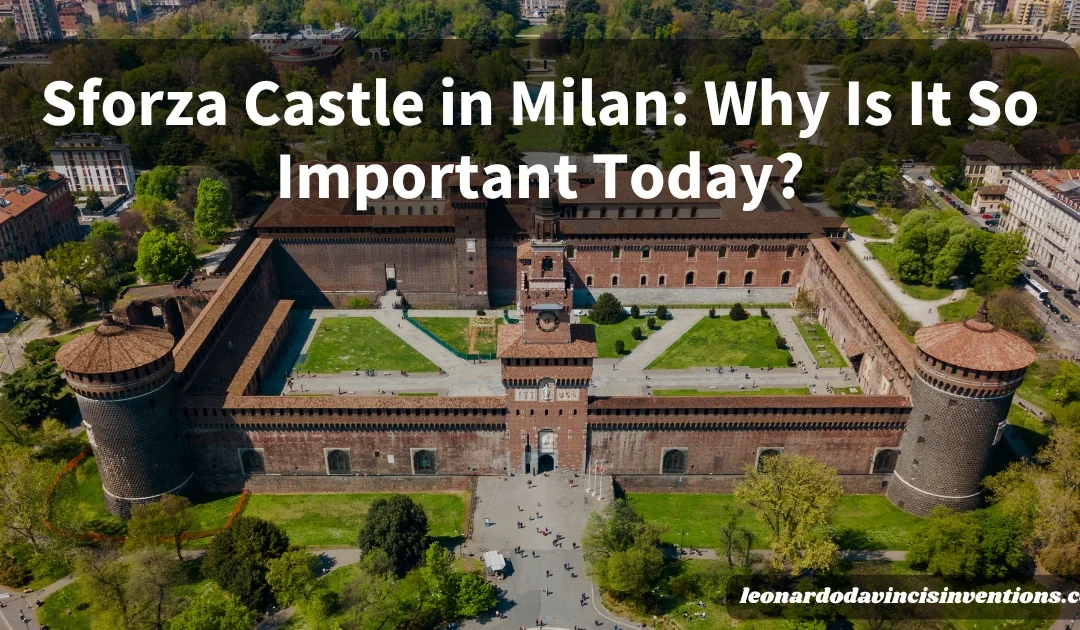
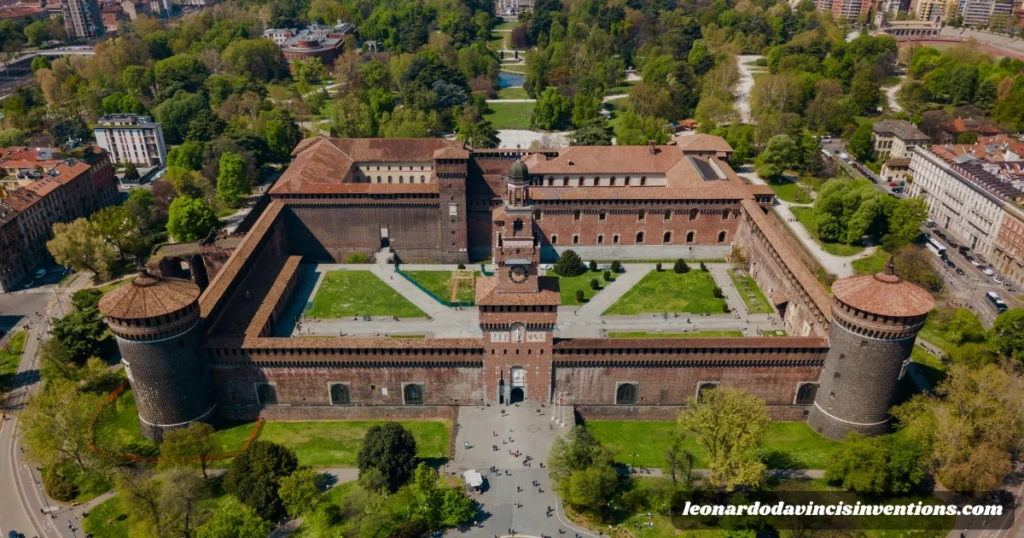
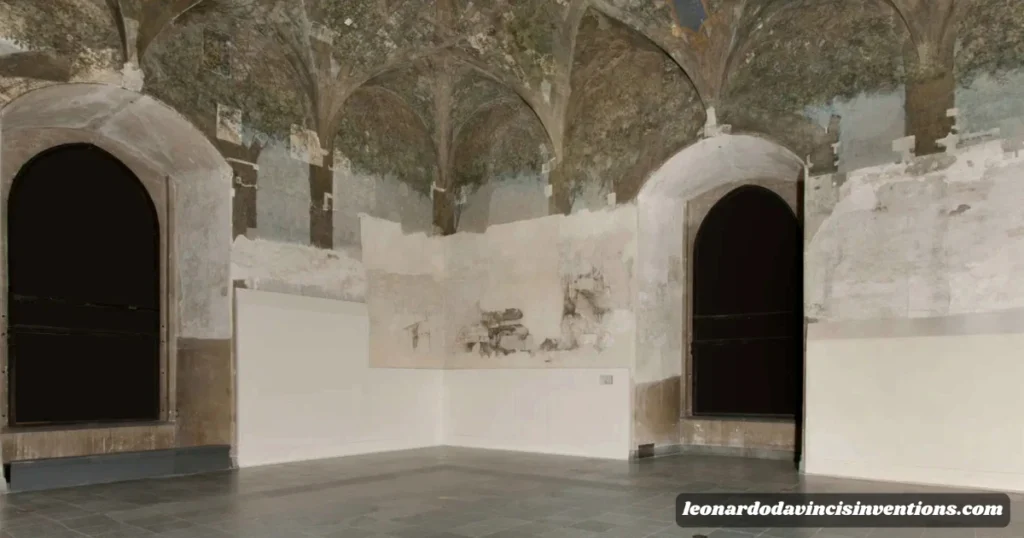
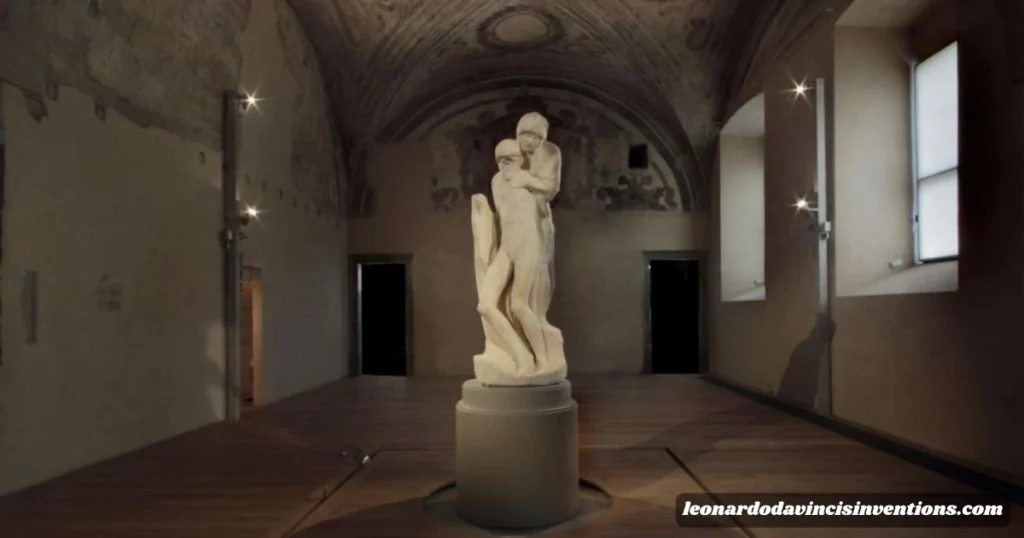
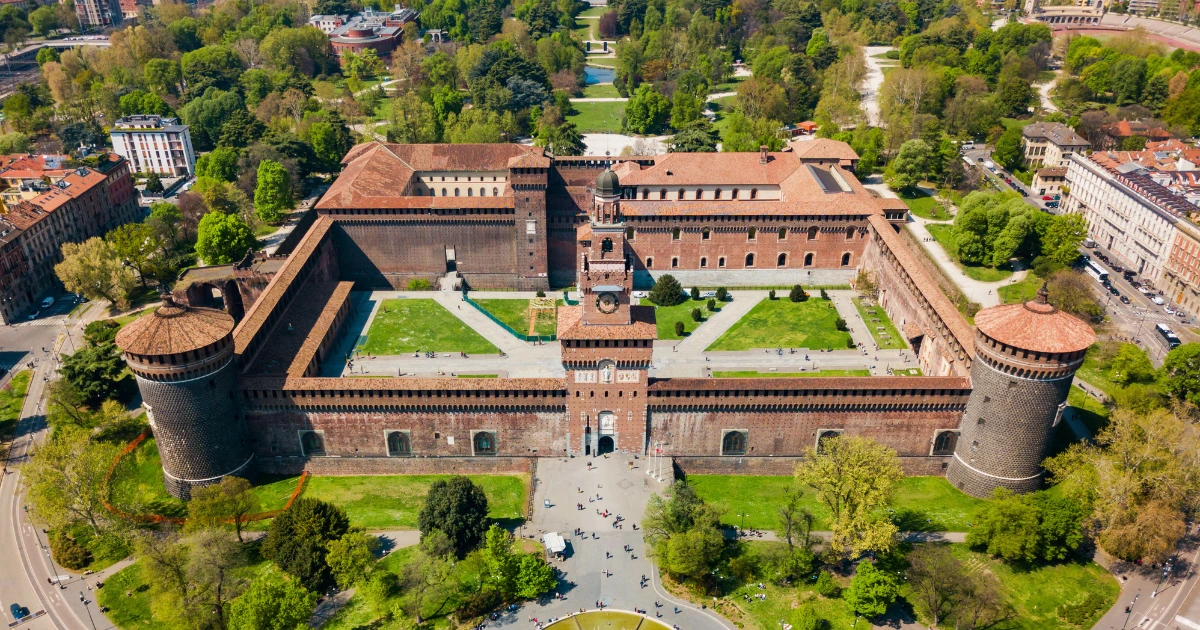

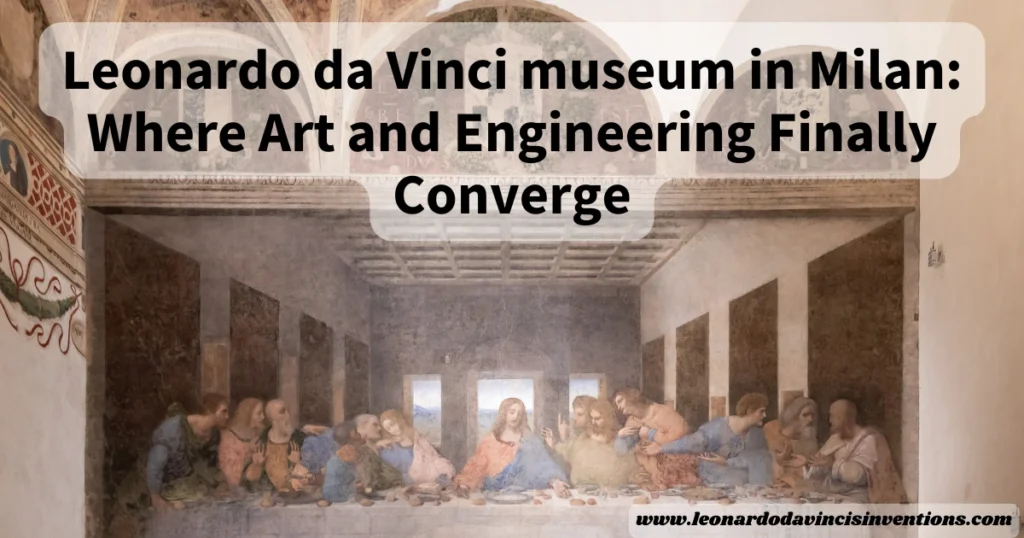


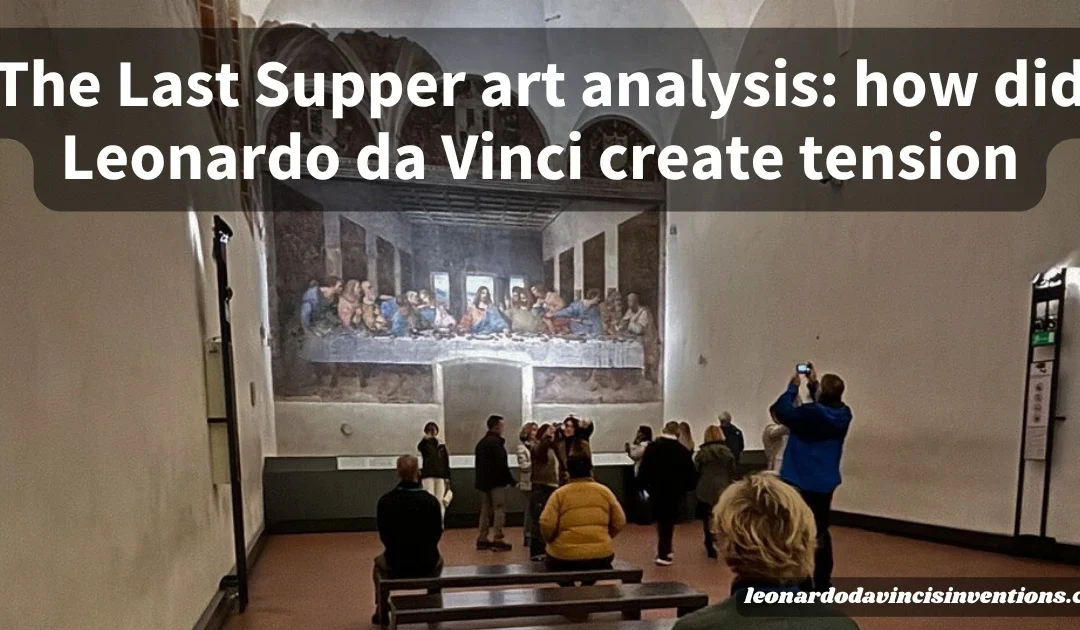
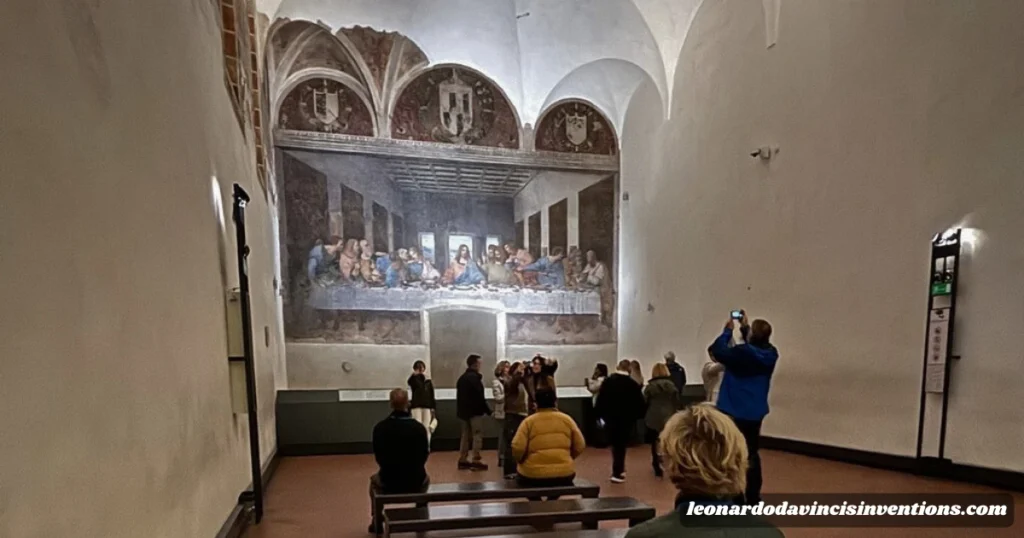
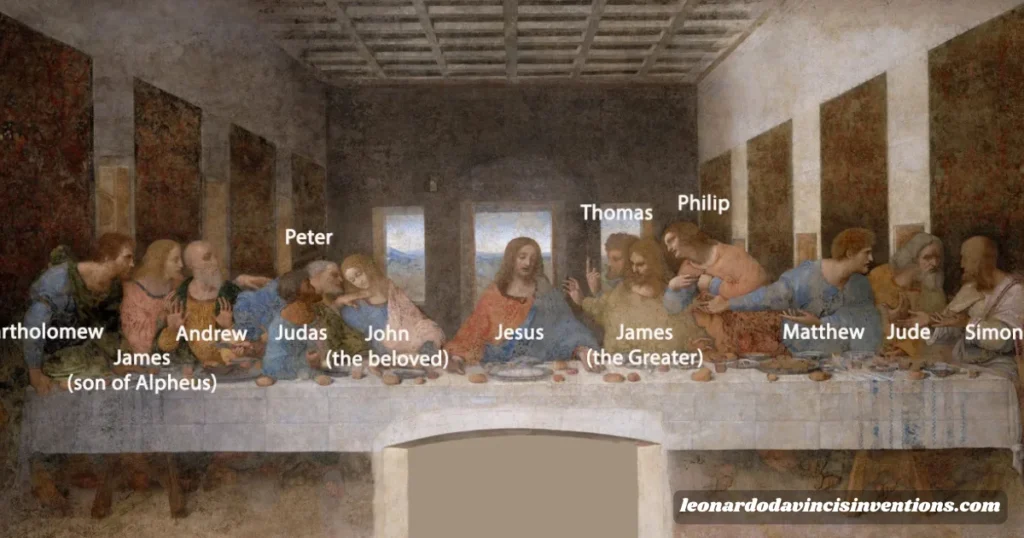
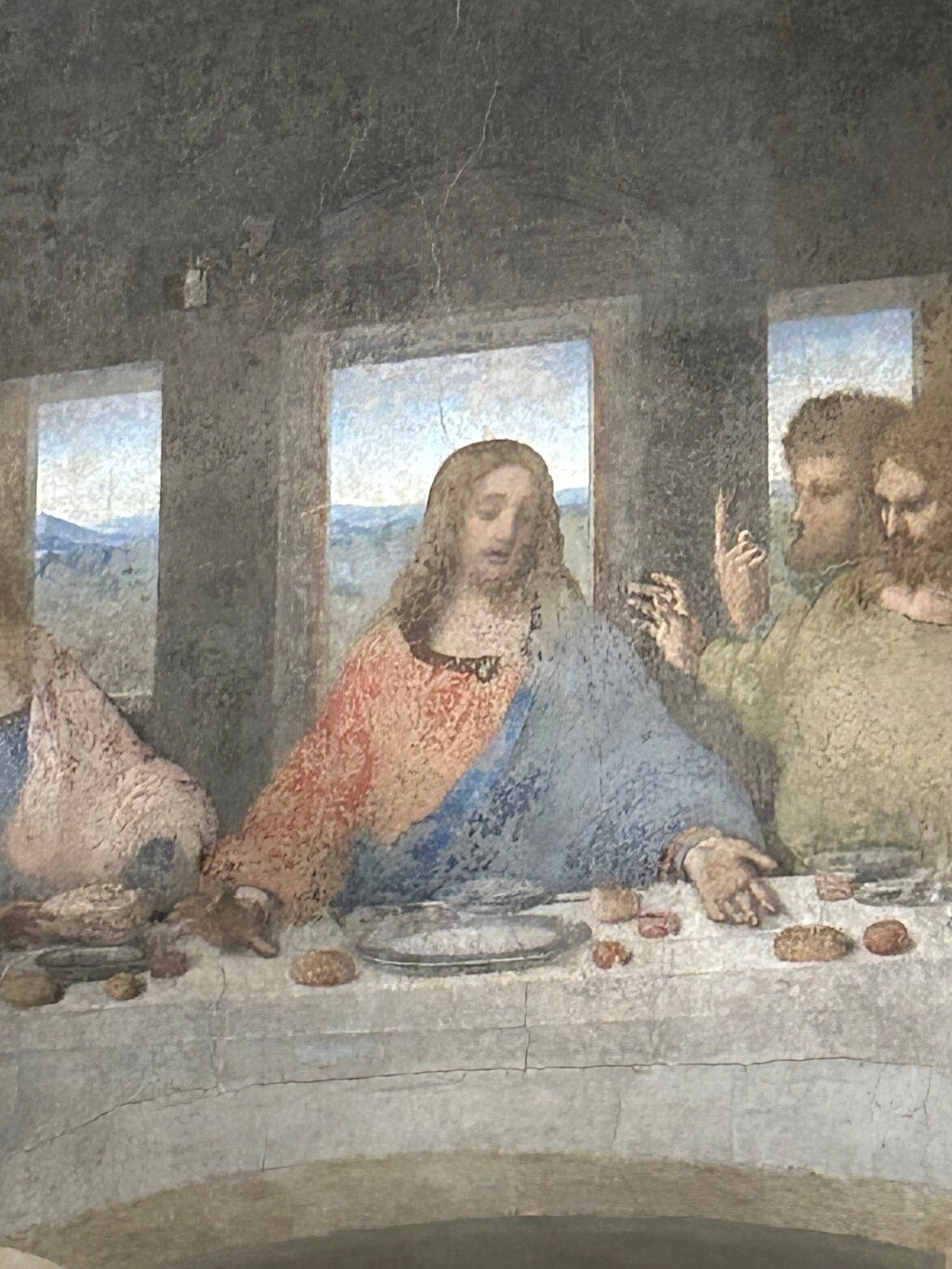
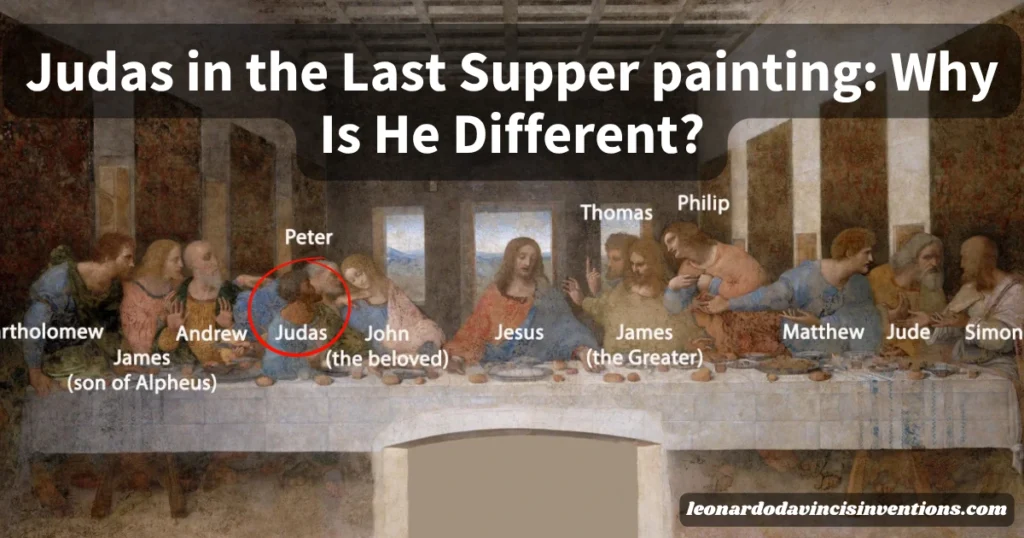
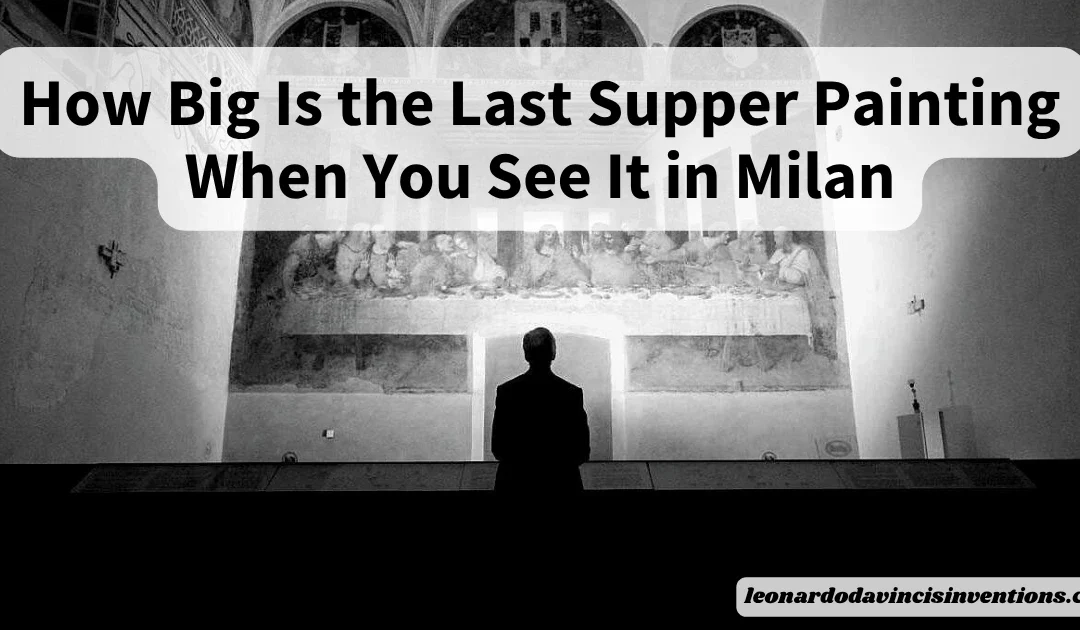
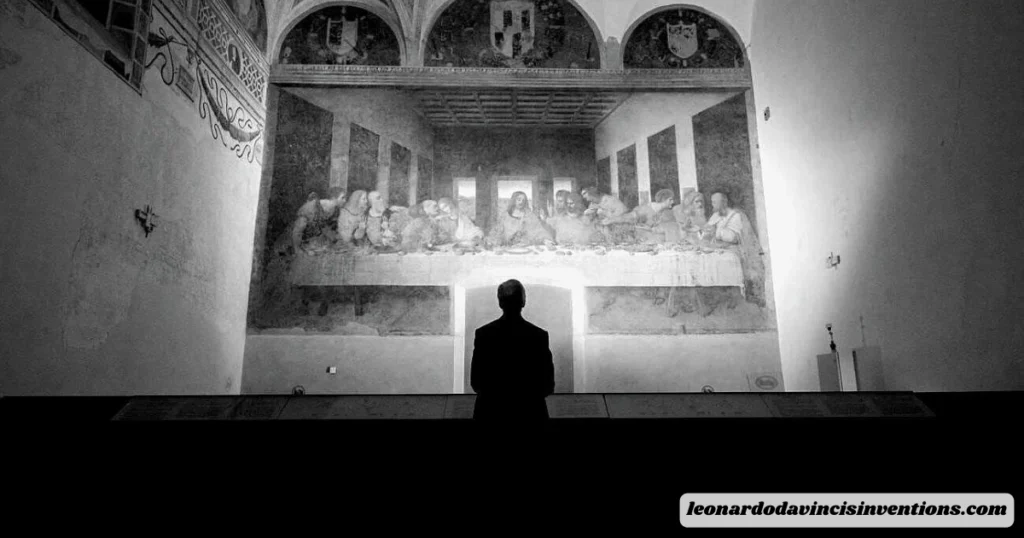
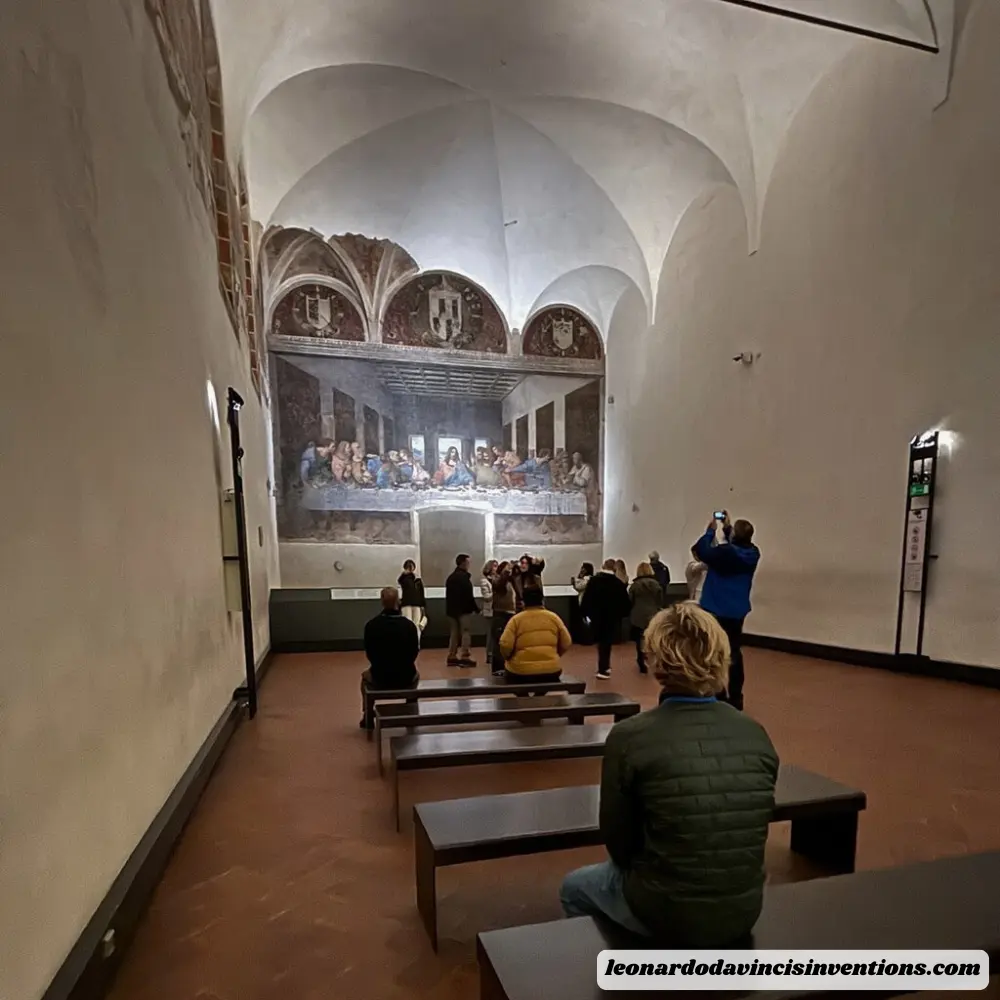
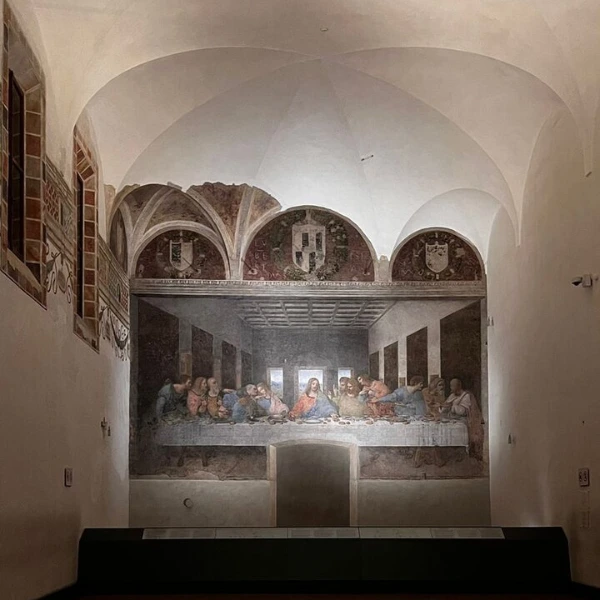
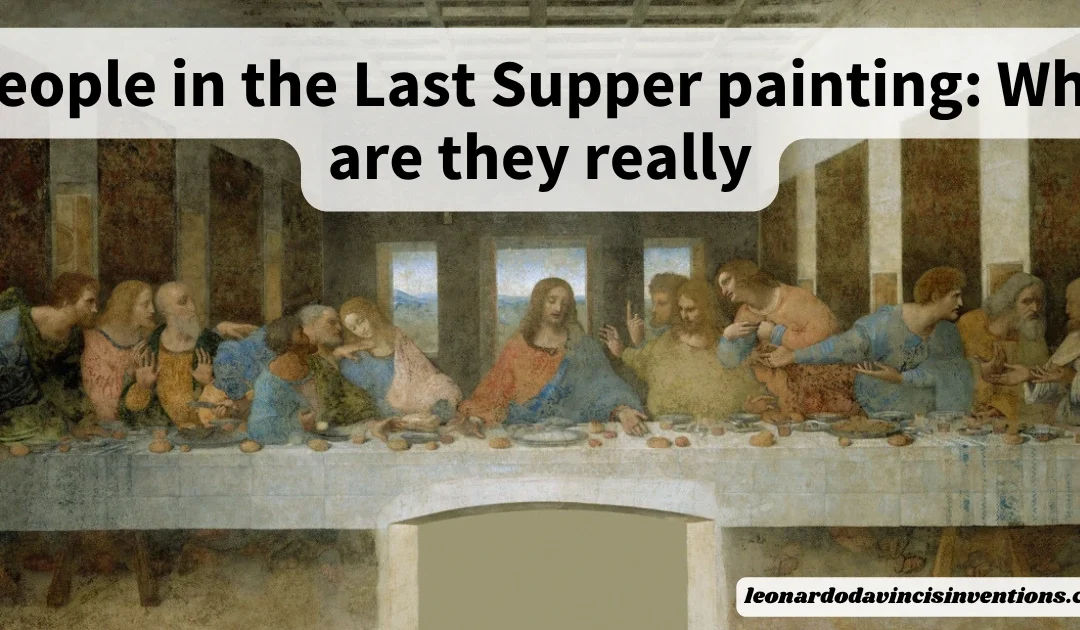
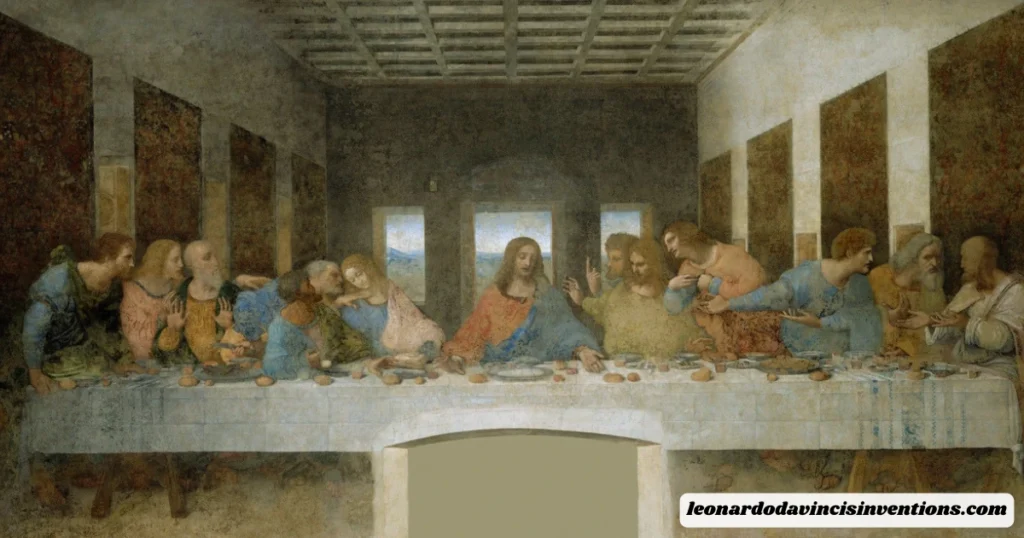
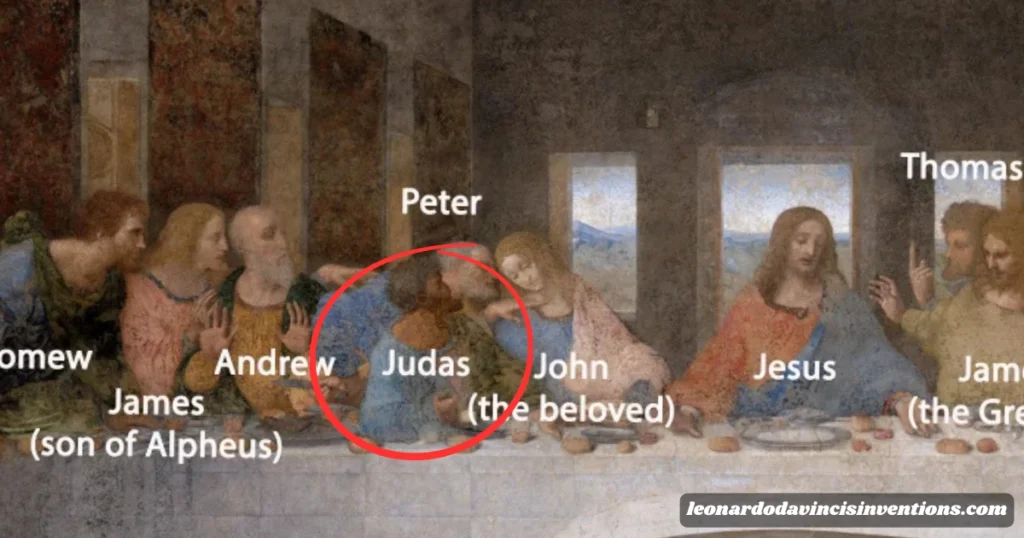
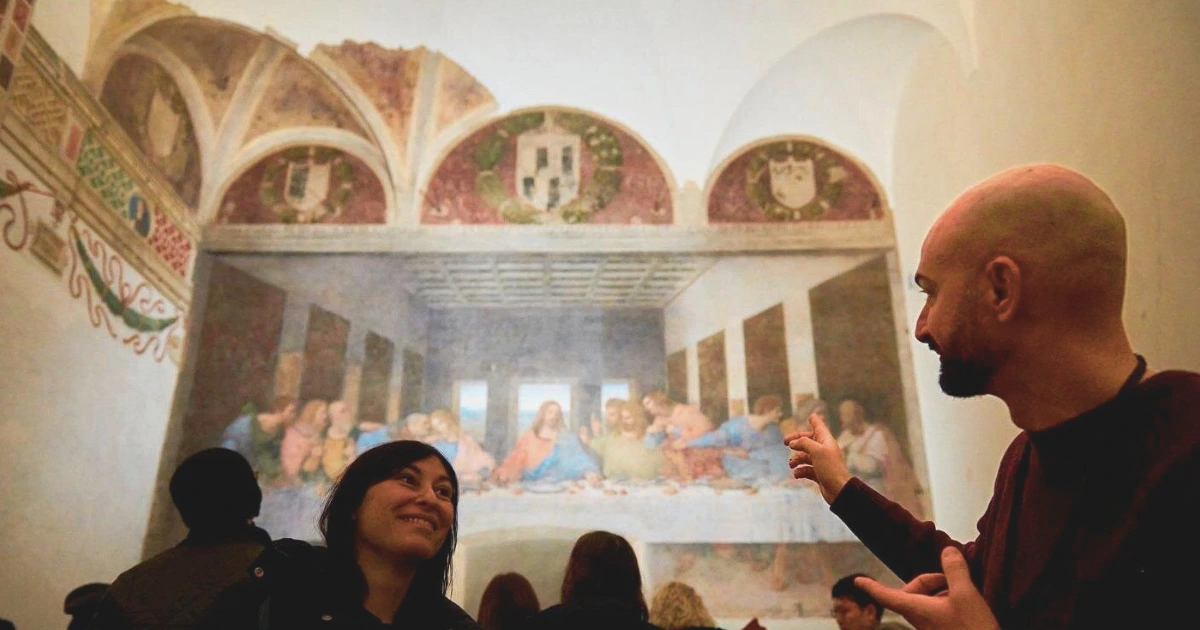

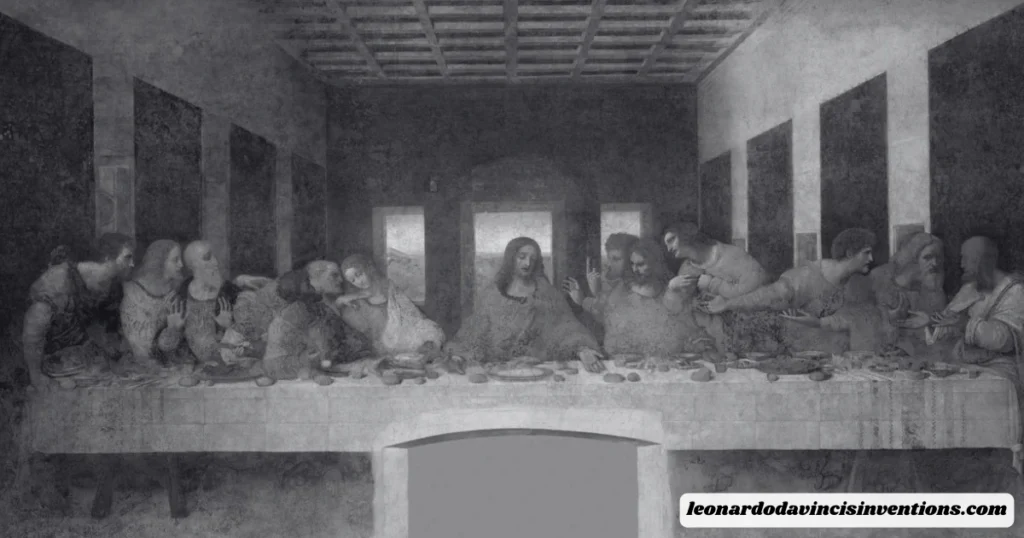
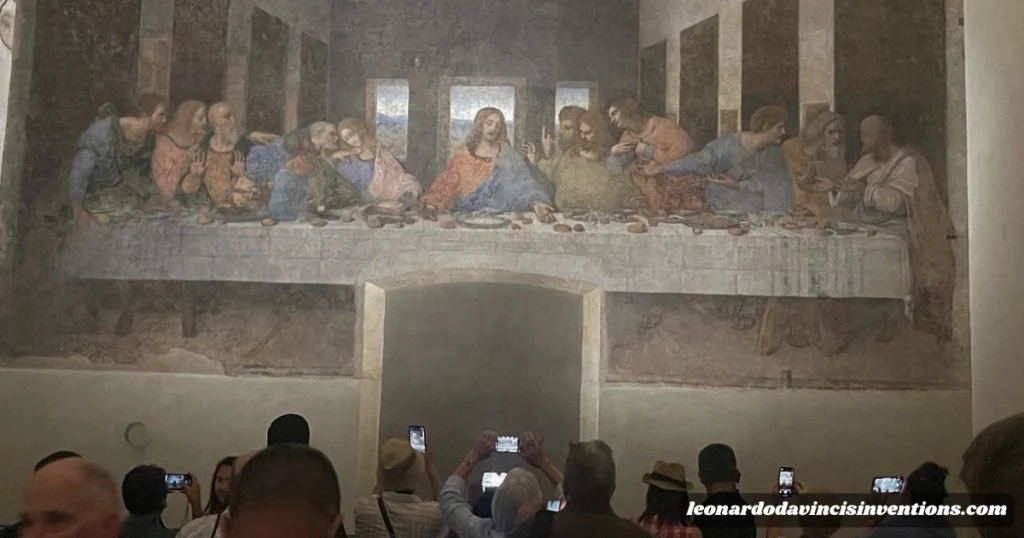
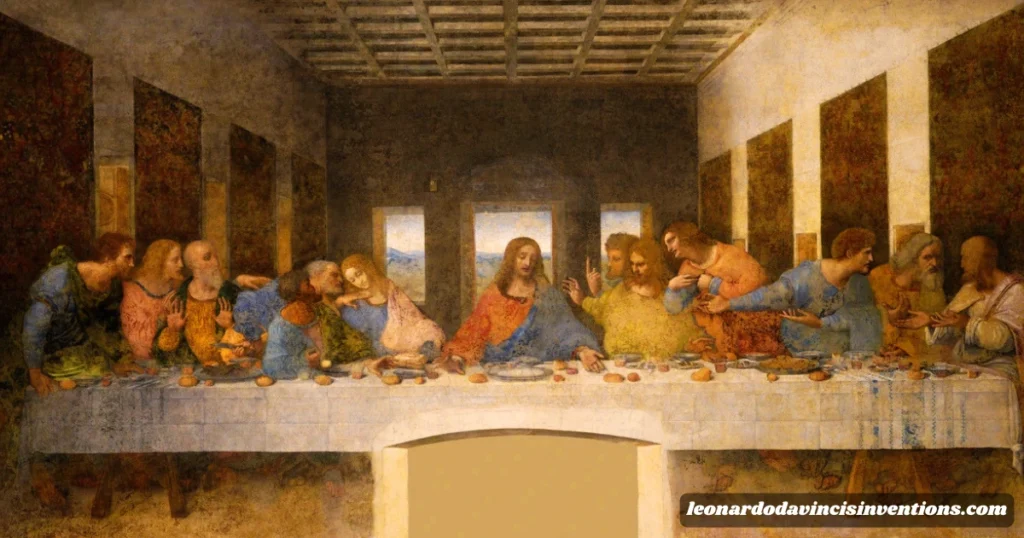
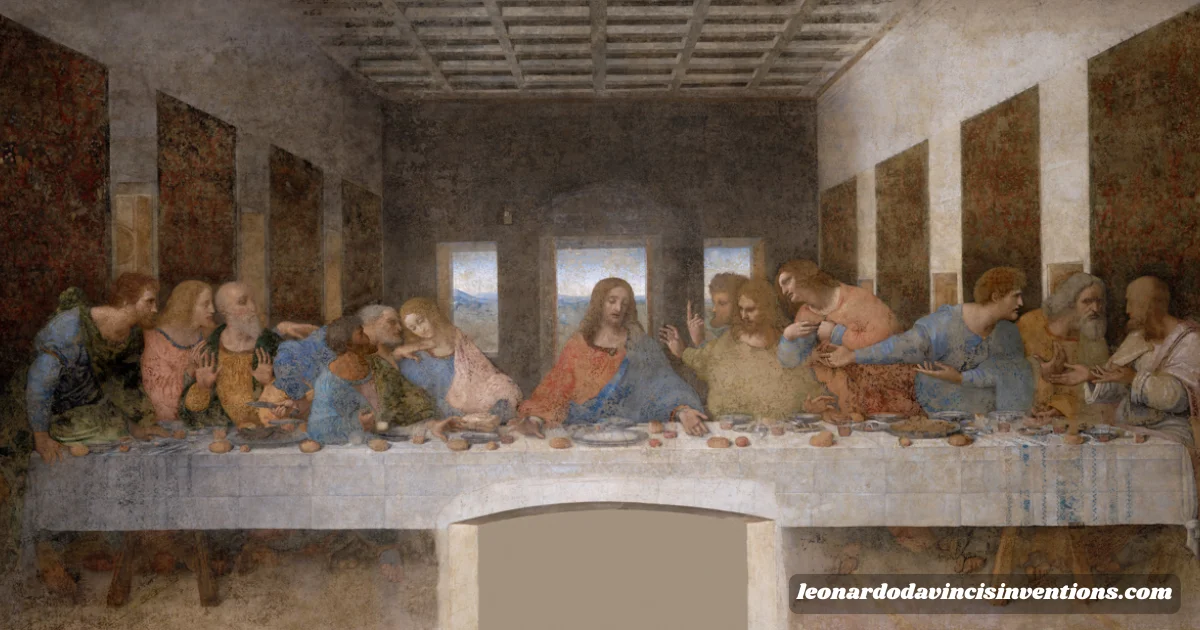
 Leonardo Bianchi is the founder of Leonardo da Vinci Inventions & Experiences, a cultural travel guide helping visitors explore Leonardo da Vinci’s art, inventions, and legacy across Italy and Paris.