
(Last updated: June 2026)
Every single day, thousands of travelers search for a way inside a small, climate-controlled room in Milan — and most of them leave disappointed. Not because the painting fails to impress, but because they never made it through the door.
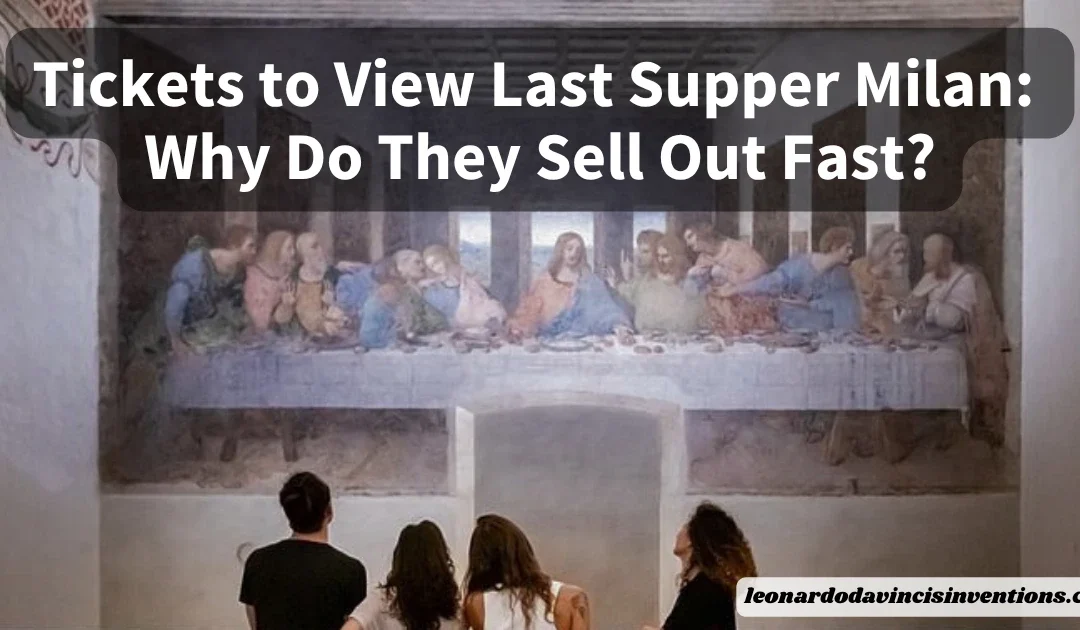
Securing tickets to view the Last Supper in Milan has become one of the most competitive reservations in European travel, often booked out weeks or even months in advance.
So what makes this 15-minute viewing experience so ferociously sought-after, and why does Leonardo da Vinci’s masterpiece vanish from availability calendars faster than almost any other cultural site in Italy?
The answer isn’t just fame. It’s a collision of scarcity, fragility, and one of the most psychologically charged images ever painted — a work that continues to reveal new layers the longer you stand before it.
The Story Behind the Most Guarded Painting in Milan
Leonardo painted The Last Supper between 1495 and 1498 on the refectory wall of the Dominican convent of Santa Maria delle Grazie. Duke Ludovico Sforza commissioned it as a meditative aid for the monks who ate beneath it every day.
Unlike traditional fresco, which demands speed and permanence, Leonardo chose an experimental technique: tempera and oil applied directly to dry plaster. This let him work slowly, revise obsessively, and capture expressions no fresco painter had ever attempted. But it came at a devastating cost: the paint began to flake off within 20 years of completion.
What you see today is the result of more than 500 years of deterioration, botched restorations, Napoleonic vandalism, and — most astonishingly — a 1943 Allied bombing that destroyed the refectory’s roof and three walls.
The Last Supper survived behind sandbags. That survival alone is part of why access is so tightly controlled. The painting isn’t just priceless; it’s medically fragile. Humidity, breath, and body heat all accelerate its decay, which is why only 30 visitors are permitted inside the viewing room at a time, for exactly 15 minutes.
Curious how this looks in real life? Explore guided Tickets to view the Last Supper in Milan and see what most visitors miss.
The Key Insight: Why This Painting Changed Art Forever
Most visitors arrive expecting to see a religious painting. What they actually encounter is more like a freeze-frame from a psychological thriller.
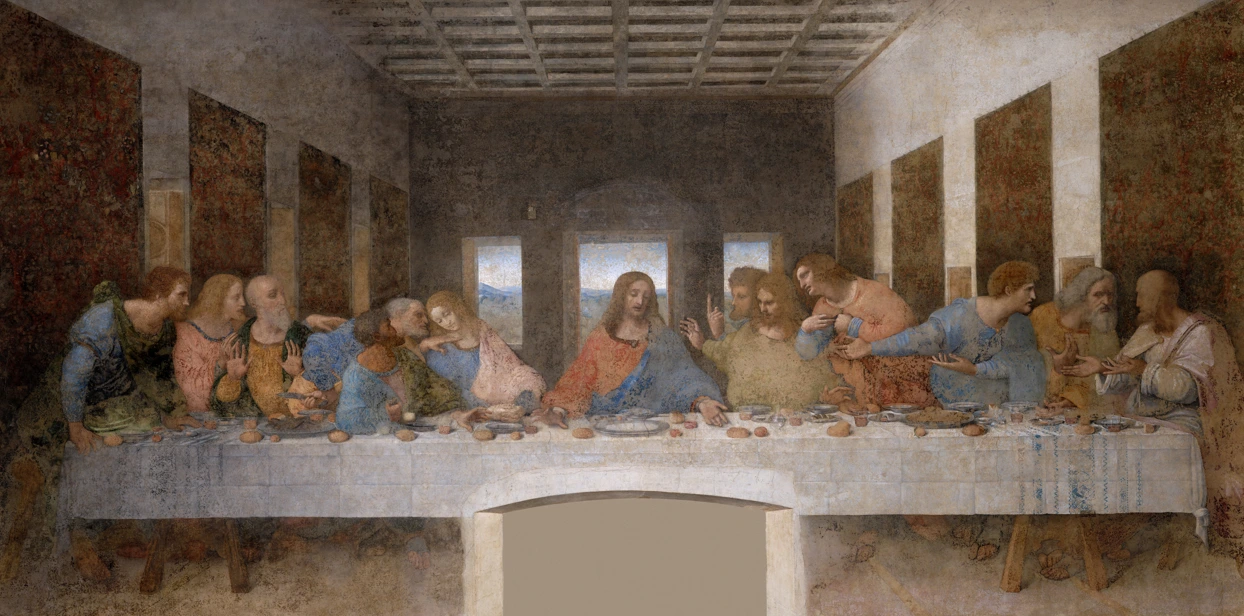
Leonardo didn’t paint the moment of the Eucharist, as virtually every artist before him had. He painted the exact second after Christ says, “One of you will betray me.”
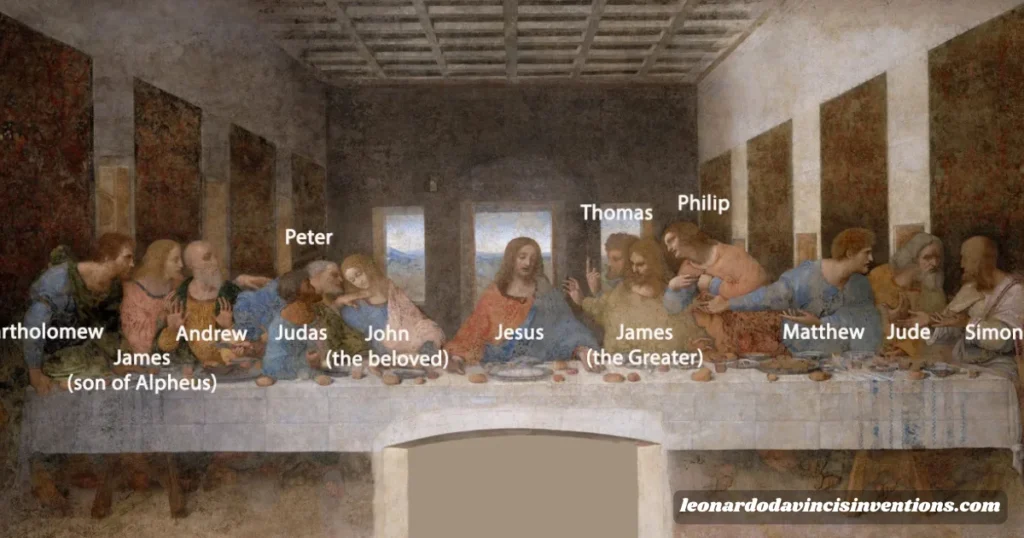
That single decision redefined Western art. Look closely at the twelve apostles, and you’ll see them grouped in four clusters of three — not by chance, but as a study in human reaction.
Philip presses a hand to his chest in disbelief. Peter lurches forward, knife already in hand. Thomas raises a finger, the same gesture he’ll later use to doubt the Resurrection.
And Judas — unlike every earlier depiction — sits among the apostles rather than isolated across the table. He clutches a small bag of silver and knocks over the salt cellar, a detail so subtle that many visitors miss it entirely until a guide points it out.
Leonardo wasn’t painting a scene. He was painting twelve individual emotional responses to the same devastating sentence. No one had ever done that before.
Seeing this detail in person changes everything. Discover how visitors experience the Last Supper in Milan through an expert context that reveals its hidden meaning.
What the Details Really Mean
Once you know where to look, the painting stops being a frozen tableau and becomes more like a puzzle Leonardo left for anyone patient enough to decode.
The vanishing point of the entire composition — every architectural line, every beam in the ceiling — converges directly behind Christ’s right temple. Your eye is forced to land on him whether you notice it or not.
The window behind him frames his head like a halo, but Leonardo refused to paint an actual one. He wanted the divinity to come from composition, not convention.
The hands on the table form a rhythm: open, closed, pointing, grasping — each one telling you something about the apostle attached to it. And the bread and wine glasses are arranged in a pattern some scholars have argued mimics a musical score, though that interpretation remains contested.
What’s not contested is this: every inch of the painting rewards slow looking. And slow looking is exactly what 15 minutes doesn’t give you — unless you walk in already knowing what to search for.
Where Is the Last Supper Painting Located?
The Last Supper remains exactly where Leonardo painted it: on the north wall of the refectory at Santa Maria delle Grazie, a Dominican convent in central Milan. The church itself is a UNESCO World Heritage Site and a masterpiece of Renaissance architecture by Donato Bramante.
The refectory is a separate building adjacent to the church, now climate-controlled and accessed through a series of airlock-style chambers designed to stabilize humidity before visitors enter the viewing room.
The address is Piazza di Santa Maria delle Grazie 2, in the Magenta district — a quiet, elegant neighborhood about a 15-minute walk from the Duomo or a short metro ride (Line 1 or 2, Cadorna stop).
Unlike the Vatican or the Uffizi, this isn’t a museum you wander through. You arrive at a specific time, present your reservation, pass through the dehumidification chambers, and enter the refectory for exactly 15 minutes before being ushered out so the next group can enter.
Because capacity is capped at roughly 1,300 visitors per day — in a city that receives more than 8 million tourists annually — reservations for the Last Supper in Milan routinely disappear months before anyone steps onto a plane. This is why Last Supper tickets at the last minute are famously difficult to find through the official channel, and why guided-access options often remain the only realistic way in.
Experience This in Milan
This isn’t just something you read about — it’s something you feel standing inside that room. Knowing what to look for before you arrive transforms 15 minutes into something that stays with you.
Explore Guided Last Supper Experiences In Milan >>What It Feels Like Standing in the Room
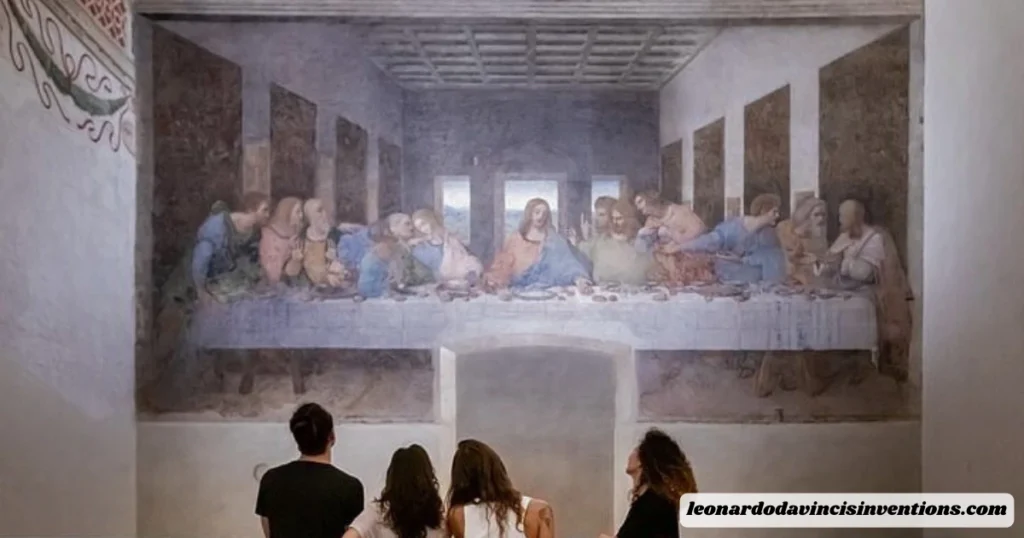
No photograph prepares you for it. The painting is enormous — roughly 15 feet tall and 29 feet wide — and it occupies the entire end wall of a long, narrow hall. The moment you walk in, the proportions shift.
You’re not looking at a picture; you’re looking through a window into a second room that seems to extend the refectory itself. Leonardo designed it that way. The perspective was calculated so that monks eating at the long tables below would feel as if Christ and the apostles were dining alongside them.
The colors are softer than reproductions suggest — more faded, more ghostly. That fragility is part of the emotional weight. You’re looking at something that shouldn’t still exist.
Visitors often describe an involuntary quiet that settles over the room. People lower their voices without being asked. Some cry. Others simply stand motionless for the full 15 minutes, tracking one apostle’s expression at a time.
On the opposite wall is the Crucifixion by Giovanni Donato da Montorfano, painted just before Leonardo began his work. Almost no one looks at it. That’s how completely Leonardo’s painting dominates the space — it pulls every eye in the room toward itself the instant the door opens.
It’s completely different standing in front of it. See how small-group visits to the Last Supper work and why timing matters.
Why Tickets Disappear So Quickly
Three forces collide to make this one of Europe’s hardest cultural reservations. First, there’s the hard capacity ceiling — fewer than 1,300 people per day, compared to roughly 25,000 at the Vatican Museums or 15,000 at the Uffizi.
Second, the painting’s cultural profile has exploded since The Da Vinci Code introduced it to readers who’d never otherwise have sought it out.
Third, release schedules favor planners: slots on the Last Supper tickets official website open in blocks, typically three to four months in advance, and the most desirable times — mid-morning and early afternoon — often sell out within hours of release.
The result is a booking market where demand perpetually outpaces supply. Travelers who arrive in Milan without a reservation are almost never able to walk in. Even trying to get Last Supper tickets last-minute through the official system is usually a dead end — though a small number of cancellation slots do occasionally appear the day before, if you’re willing to refresh the page compulsively.
This is why authorized guided operators have become the practical solution for most international visitors. They hold pre-allocated blocks of entry times released specifically for tour access, and they pair the visit with expert commentary that transforms those 15 minutes from a blur into something coherent.
How to Experience the Last Supper Without Missing the Details
The difference between a memorable visit and a forgettable one almost always comes down to preparation. Fifteen minutes is not much time to absorb a painting that took Leonardo three years to complete.
Visitors who arrive cold — without knowing who’s who, where to look, or what the symbolic details mean — tend to remember the experience as rushed. Visitors who arrive with context often describe it as one of the single most powerful cultural moments of their lives.
How to Experience the Last Supper Without Missing the Details
Access is limited, and most visitors only get a few minutes inside. The difference is having the right context before you walk in.
- Skip-the-line timed entry
- Small-group guided access
- Expert explanation of key details
Practical Tips for a Smoother Visit
A few practical notes worth knowing before you go. Arrive at least 20 minutes before your entry slot — the dehumidification chambers require timed sequencing, and latecomers are not admitted.
Large bags must be checked at the entrance. Photography inside the refectory is strictly prohibited, which actually turns out to be a gift: everyone in the room is present, not staring through a phone screen.
Try to combine the visit with a walk through Santa Maria delle Grazie itself, especially Bramante’s apse, which is one of the finest examples of early High Renaissance architecture anywhere in Italy.
The neighborhood also contains the Museo Nazionale Leonardo da Vinci, a ten-minute walk away, which houses working models of Leonardo’s inventions and makes an excellent complement to the refectory visit. Together, these sites let you spend half a day tracing Leonardo’s creative footprint across Milan.
If you’re traveling during high season — April through October, plus the Christmas and New Year period — assume tickets will be gone the moment you start searching casually. Milan Last Supper tickets released for these windows often vanish the same week they open.
Winter weekdays offer better odds, and the refectory is noticeably less crowded in January and February, though even then, last-minute availability is rare.
If you’re already planning to visit, take a look at the current Last Supper experience options before availability runs out.
A Painting That Earns Its Difficulty
It would be fair to ask whether any painting justifies this much logistical effort. The honest answer, from almost everyone who has actually stood in that room, is yes. The Last Supper is not simply a famous image reproduced on postcards and dormitory posters.
It is a living survivor of five centuries, a psychological portrait gallery disguised as a biblical scene, and the single work that arguably separates medieval painting from everything that followed.
The difficulty of getting in is, in a strange way, part of the experience. You arrive knowing you’ve earned the 15 minutes. You prepare. You anticipate. You pass through the chambers, the door opens, and there it is — softer and stranger and more human than you imagined.
You look at Judas first because you can’t help it. Then Christ. Then you start tracking outward, apostle by apostle, until a guide or a timer pulls you back into the present.
That’s why tickets to see the Last Supper in Milan sell out the way they do. Not because scarcity manufactures desire, but because the painting actually delivers on the promise. And for anyone willing to plan ahead—or to secure a guided slot after direct access has already closed—Milan offers one of the most concentrated, unforgettable cultural experiences available anywhere in Europe.
Travel Essentials for Visiting Milan for the First Time
Preparing for a visit to Milan often comes down to a few small details that can make long museum days, historic walking routes, and city exploration significantly more comfortable.
Comfortable Walking Shoes
Milan’s major landmarks are often best experienced on foot, with visitors covering long distances between museums, churches, and historic streets. Supportive shoes can make a full day of exploration far more comfortable → explore comfortable walking shoes for long city days
Portable Power Bank
Navigation, photography, and digital tickets can quickly drain battery life during a full day in the city. A compact power bank helps avoid interruptions, with many visitors choosing lightweight options → view reliable portable chargers
Secure Crossbody Bag
Busy areas near major attractions can require extra awareness. Many travelers prefer a compact crossbody bag worn in front to keep essentials accessible and secure →
Explore practical crossbody bags for travel
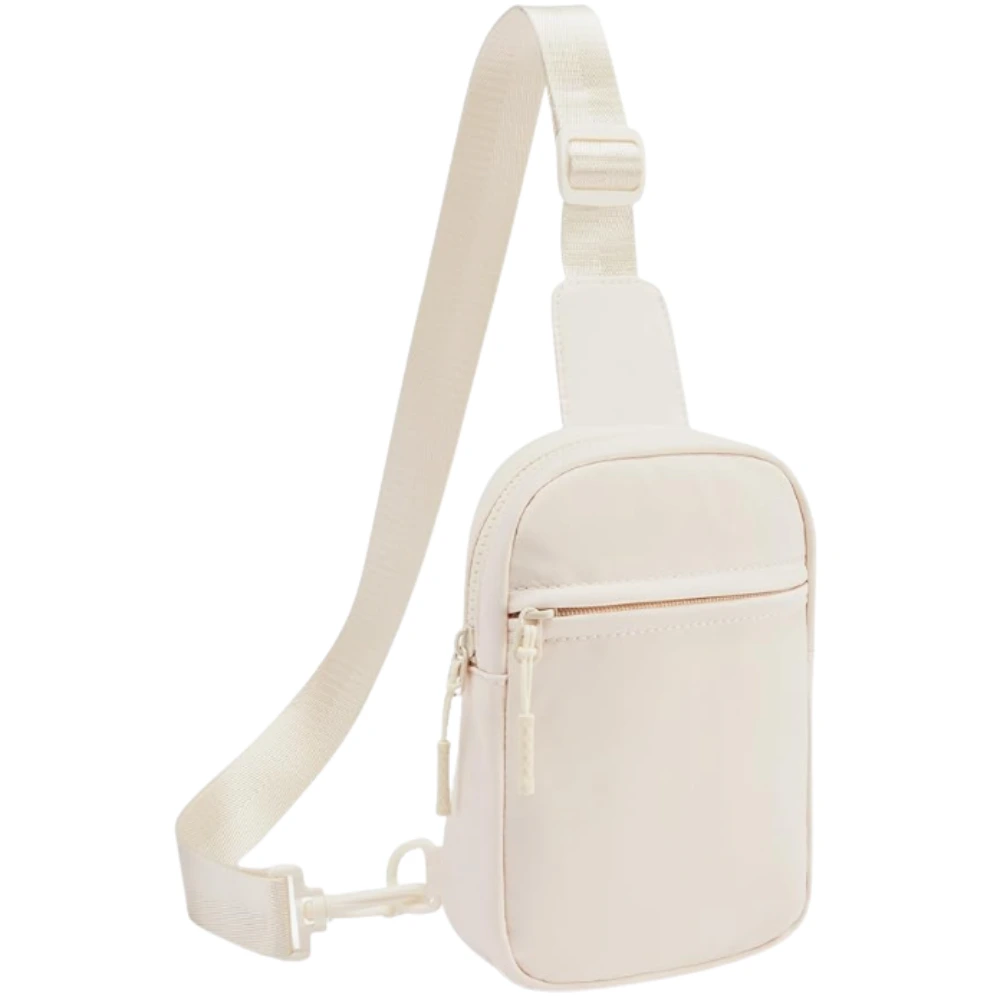
A compact option often preferred for full-day city travel.
FAQs about Tickets to View the Last Supper in Milan
Yes, tickets are required to see The Last Supper in Milan. Entry is strictly controlled with timed reservations, and all visitors must book in advance to access the refectory at Santa Maria delle Grazie.
No, you cannot simply show up to see the painting. Walk-in access is not available, and tickets must be reserved in advance through official channels or authorized providers due to limited capacity and timed entry slots.
If official tickets are sold out, visitors can still access the painting by booking guided tours through authorized operators or checking for last-minute cancellations on official platforms. These options often provide reserved time slots not available to the general public.
The official website to book tickets is Museo del Cenacolo Vinciano (cenacolovinciano.org), with ticket sales handled through its authorized platform. Reservations open in scheduled release blocks throughout the year.
Tickets are difficult to obtain because visitor numbers are strictly limited to small groups for short viewing times, helping preserve the fragile artwork. Combined with global demand, this creates intense competition for a very limited number of daily tickets.
Yes, booking in advance is essential. Tickets are typically released months ahead and often sell out quickly, so early planning is the most reliable way to secure a time slot and avoid missing the experience entirely.
Related Post You May Like

Disclosure: This page may contain affiliate links. If you choose an experience through them, it helps support the site at no extra cost to you.
 Leonardo Bianchi is the founder of Leonardo da Vinci Inventions & Experiences, a cultural travel guide helping visitors explore Leonardo da Vinci’s art, inventions, and legacy across Italy and Paris.