The Last Supper painting hidden messages have captivated scholars, historians, and ordinary visitors for over five centuries — and the more you look, the more you find. Leonardo da Vinci completed this monumental work between 1495 and 1498 on the refectory wall of Santa Maria delle Grazie in Milan, and he embedded within it a visual language so layered that researchers are still decoding it today.
Understanding these hidden symbols doesn't just enrich your knowledge of Renaissance art; it also deepens your understanding of the period. It changes the way you stand in front of the painting. What might look like a dramatic dinner scene turns out to be a precisely engineered meditation on faith, betrayal, human psychology, and divine geometry.
This post is all about the Last Supper painting hidden messages — the symbols, the codes, the controversies, and what they mean for anyone who wants to truly see one of the greatest works ever created.
What Are the Last Supper Painting Hidden Messages?
The Last Supper painting hidden messages refer to the symbolic, compositional, and numerical elements embedded by Leonardo da Vinci into his 1495–1498 mural in Milan. These include the grouping of apostles into threes, the use of light and shadow as narrative, possible musical notation in the bread rolls, and disputed theories about the identity of figures seated beside Christ.
The Artistic Genius Behind The Last Supper Painting Hidden Messages
Why Leonardo Chose a Refectory Wall
Most painters of the era would have used fresco — wet plaster, fast brushwork, no second chances. Leonardo refused. He wanted to revise. He wanted to think. So he painted directly onto dry plaster with tempera and oil — a technique that gave him extraordinary control over detail but began to deteriorate within his own lifetime.
The choice of location was deliberate, too. A refectory is a dining hall for monks. Leonardo placed the Last Supper — history's most sacred meal — inside a room where real monks ate real meals every day. The painted table was designed to feel like a continuation of their table. The illusion was architectural and theological at once.
The Mathematics of Divine Composition
Leonardo was a mathematician as much as a painter. Every measurement in the Last Supper is intentional. The room depicted in the mural follows a single-point perspective so precise that art historians have been able to reconstruct the exact position Leonardo stood when he conceived it.
The apostles are divided into four groups of three — the number three appearing throughout as a reference to the Holy Trinity. Christ sits at the center in perfect isolation, framed by a window that floods him with natural light. He is, geometrically, the vanishing point. Every line in the painting leads back to him.
Light as Language
In most paintings of the period, light was decorative. In the Last Supper, it is a narrative. Leonardo painted a single natural light source — the windows on the left wall — yet Christ appears bathed in light, even though the windows shouldn't fully illuminate him from that angle. This was intentional. Christ does not merely receive light. He generates it.
The apostles, by contrast, exist in varying degrees of shadow. The closer they are to the moment of betrayal, the darker they appear in mood, posture, and — subtly — illumination.
For visitors traveling to Milan specifically to see this work, guided Last Supper tours with skip-the-line access are available that include expert commentary on the painting's symbolism — a context that is genuinely difficult to absorb from reading alone.
Why the Last Supper Painting Hidden Messages Became Famous
The Moment of Betrayal — Frozen in Time
Leonardo chose to depict a specific instant: the moment Jesus declares, "One of you will betray me." The entire drama of the painting unfolds from that single sentence. Each apostle reacts differently — shock, denial, anger, sorrow, guilt. Leonardo studied human expression obsessively for this piece, reportedly wandering the streets of Milan in search of faces that matched specific emotions.
Judas is not separated from the group, as he was in earlier treatments of the subject. Instead, Leonardo placed him in the center cluster — fourth from the left — leaning back, clutching a small bag of coins, his face partially in shadow. He is hiding in plain sight.
Is There a Woman in the Last Supper Painting?
One of the most persistent theories — popularized widely in the early 2000s — is that the figure to Christ's right is not the apostle John but Mary Magdalene. This claim rests on the figure's distinctly softer, more feminine features, the mirrored clothing worn by Christ and this figure (suggesting two halves of a whole), and the V-shape formed between them, interpreted as a symbol of sacred union.
Art historians remain divided. The prevailing academic position is that Leonardo simply depicted John, the youngest apostle, in a style consistent with Renaissance conventions for portraying youthful male beauty. But the debate itself reveals something important: Leonardo encoded enough visual ambiguity to sustain five centuries of genuine scholarly argument.
Musical Notes in the Bread — A Hidden Melody?
Italian musician Giovanni Maria Pala made a striking claim in 2007: the positions of the bread rolls and apostles' hands, read from right to left (as Leonardo — left-handed — would have written), form a musical score. When played, it produces a 40-second composition with qualities consistent with Renaissance sacred music.
The theory remains unverified but is remarkable in its specificity. Leonardo left notebooks full of music, composed songs, and designed musical instruments. The idea that he embedded a melody into his greatest painting is improbable — but not impossible.
To explore details like these more closely, seeing the Last Supper in person — with expert context — reveals nuances that are almost impossible to catch from images alone.
The painting exists in one place: the north wall of the refectory of Santa Maria delle Grazie, in the Magenta district of Milan, Italy. The complex — church and convent — was declared a UNESCO World Heritage Site in 1980, specifically citing the mural as the reason.
Access is strictly controlled. Groups of 30 visitors enter for exactly 15 minutes at a time, in a temperature- and humidity-regulated environment designed to slow the painting's ongoing deterioration. Tickets sell out weeks — sometimes months — in advance. Arriving without a booking almost always means not getting in.
What You Will Actually See
The painting measures roughly 4.6 by 8.8 meters. The surface you see today is the product of multiple restoration campaigns, most recently completed in 1999 after 21 years of painstaking work. Restorers removed centuries of overpainting, grime, and well-intentioned but damaging earlier repairs to reveal colors closer to what Leonardo intended.
Even in its deteriorated state, the painting is breathtaking. The expressions are still readable. The geometry still functions. The light still falls from the left. Standing before it, even briefly, produces an attention that reproductions simply cannot replicate.
Planning Your Visit to Milan
Santa Maria delle Grazie is located at Piazza di Santa Maria delle Grazie 2, in the Magenta neighborhood of Milan. The nearest metro stop is Cadorna on the M1 (red) and M2 (green) lines — about a 10-minute walk. The area around the church is quiet and pleasant, with several good cafes and an excellent Leonardo-related museum, the Museo Nazionale della Scienza e della Tecnologia Leonardo da Vinci, nearby.
Decode the Last Supper in Milan
The Last Supper painting hidden messages become clearer when a guide explains the symbolism, composition, and moment of betrayal directly in front of the original mural.
Milan was Leonardo's most productive city. He spent nearly two decades here under the patronage of Ludovico Sforza, Duke of Milan, producing not only the Last Supper but also the now-lost equestrian statue, the Sala delle Asse ceiling in the Castello Sforzesco, and hundreds of pages of his notebooks. The city is saturated with his presence.
Beyond Santa Maria delle Grazie, the Museo Nazionale della Scienza e della Tecnologia Leonardo da Vinci houses scale models of his inventions. Leonardo's connection to other Italian cities is equally deep — his birthplace in Florence, his final years in France, and his lesser-known periods in Venice and Rome all trace a life that was as restless as it was brilliant.
Final Thoughts
This post was all about the Last Supper painting hidden messages — and hopefully it has made clear that these are not the product of conspiracy theories or modern imaginations. They are the deliberate work of a man who believed that a painting should function on multiple levels simultaneously: as a religious image, as a psychological portrait, as a mathematical demonstration, and perhaps even as music.
Leonardo da Vinci did not paint the Last Supper to be admired from a distance. He painted it to be read. The more knowledge you bring to those fifteen minutes in Milan, the more the painting gives back.
No reproduction, no documentary, no article — including this one — fully substitutes for standing in that refectory and letting the geometry, the light, and the human drama of it wash over you. That is the final hidden message Leonardo left for every visitor: understanding unlocks seeing.
Travel Essentials for Visiting Milan for the First Time
Preparing for a visit to Milan often comes down to a few small details that can make long museum days, historic walking routes, and city exploration significantly more comfortable.
Comfortable Walking Shoes
Milan’s major landmarks are often best experienced on foot, with visitors covering long distances between museums, churches, and historic streets. Supportive shoes can make a full day of exploration far more comfortable →
explore comfortable walking shoes for long city days
Portable Power Bank
Navigation, photography, and digital tickets can quickly drain battery life during a full day in the city. A compact power bank helps avoid interruptions, with many visitors choosing lightweight options →
view reliable portable chargers
Secure Crossbody Bag
Busy areas near major attractions can require extra awareness. Many travelers prefer a compact crossbody bag worn in front to keep essentials accessible and secure →
A compact option often preferred for full-day city travel.
FAQs about the Last Supper painting hidden messages
Is there a secret message in the Last Supper?
There is no single “secret message,” but the painting contains many layers of symbolism. Leonardo used composition, gestures, and objects—such as the spilled salt near Judas—to convey themes of betrayal, faith, and human emotion rather than to encode hidden meanings.
Why was da Vinci's grave destroyed?
Leonardo da Vinci’s original grave was destroyed during periods of conflict and later demolition. His burial site in the Church of Saint-Florentin was damaged during religious wars and eventually demolished in the early 1800s, scattering his remains.
What is the secret behind the Last Supper?
The “secret” lies in its layered meaning. Leonardo structured the painting with mathematical precision, symbolic groupings, and emotional storytelling to represent the moment Jesus announces betrayal, blending art, theology, and human psychology.
What did AI find out about the Last Supper painting?
Modern AI and digital analysis have not uncovered hidden codes or prophecies. Instead, they confirm Leonardo’s use of mathematics, perspective, and traditional symbolism, reinforcing scholarly interpretations rather than sensational theories.
What did Da Vinci say before he died?
According to historical accounts, Leonardo expressed regret on his deathbed, saying he had not fully realized his artistic potential and had “offended God and men” by not working as he should have.
Who was Da Vinci's lover?
Leonardo da Vinci’s personal life remains largely private and is the subject of debate. Some historians suggest close relationships with male assistants, such as Salaì, but there is no definitive evidence of a romantic partner.
Judas in the Last Supper painting is one of the most studied figures in all of Western art — a man caught mid-gesture, reaching for bread, his face shadowed with guilt. Leonardo da Vinci painted this scene on a refectory wall in Milan between 1495 and 1498, and it has fascinated scholars, pilgrims, and curious travelers ever since.
Understanding who Judas is — and why Leonardo placed him exactly where he did — transforms a glance into a conversation with history. It turns a famous painting into a puzzle worth solving in person.
This post is all about Judas in the Last Supper painting, why he matters, and what his presence reveals about Leonardo's unmatched genius.
Why does Judas appear different in The Last Supper?
Judas in the Last Supper painting is the apostle who betrayed Jesus for thirty pieces of silver. In Leonardo da Vinci's version, Judas appears as the fourth figure from the left, leaning back and clutching a small bag of coins. He is the only apostle in shadow, identified not by a halo's absence but by guilt written into his posture and expression.
The Artistic Genius Behind Judas in the Last Supper Painting
Leonardo's Radical Departure from Tradition
Before Leonardo, most depictions of The Last Supper followed a simple convention: Judas sat alone on the opposite side of the table, visually separated from the other apostles. The message was blunt — here is the traitor.
This was a revolutionary psychological choice. Leonardo wanted viewers to search, to look, to feel the unease. He understood that ambiguity is more disturbing than clarity.
The Psychological Portrait of a Betrayer
Look closely at Judas in the da Vinci Last Supper painting. He leans back from the table. His shoulders are tense. His arm reaches toward the bread — the same gesture Jesus makes, fulfilling the Gospel of John: "It is the one to whom I will give this piece of bread when I have dipped it."
In his right hand, Judas clutches a small purse. Art historians widely interpret this as the bag of silver coins paid for his betrayal. His face is darker than the others, turned slightly away from the light that floods in from the painted windows behind Jesus.
Leonardo did not paint a villain. He painted a man who has already made a choice—and is living under the weight of it.
Why Is Judas Placed in Shadow?
The Last Supper painting's meaning is embedded in its light. Jesus is illuminated at the center. The disciples around him receive that light. Judas, while not in literal darkness, sits in the one area of the composition where the ambient light does not reach his face directly.
Leonardo used this subtle tonal shift to separate Judas without isolating him. It requires attention. It rewards careful looking. This is precisely why the painting has never stopped generating questions.
Why Judas in the Last Supper Painting Became Famous
The Gospel Moment Leonardo Chose to Capture
Leonardo did not paint the moment of institution of the Eucharist, which was the traditional subject for refectory paintings. He chose instead the precise instant after Jesus says: "Truly I tell you, one of you will betray me."
This is the Judas-and-Jesus painting moment — not of sacred ritual, but of human reaction. Shock. Denial. Grief. And somewhere in the group, guilt. Leonardo turned a theological scene into a drama of human psychology.
Each apostle reacts differently. They cluster in groups of three, gesturing, questioning, leaning. This wave of emotion flows from Jesus outward, and Judas is part of that wave — but his reaction is withdrawal, not shock.
Is There a Woman in the Last Supper Painting?
This question has generated considerable debate, especially since Dan Brown's The Da Vinci Code suggested the figure to Jesus's immediate right was Mary Magdalene rather than the Apostle John.
Art historians are nearly unanimous: the figure is John the Apostle, traditionally depicted as young and beardless in Renaissance iconography. John's youthful appearance was conventional, not conspiratorial.
Leonardo's preparatory drawings for The Last Supper consistently identify this figure as John. The soft features reflect the artistic convention of the time, not a hidden identity.
Why the Last Supper Painting Is Important
Why is the Last Supper painting important beyond its religious subject? It is the first monumental group portrait in Western painting to fully individualize every figure psychologically. Each of the thirteen men has a distinct emotional response. Each is a complete human being.
Leonardo also invented a new perspective system for this painting. He used an architectural illusion — the painted room appears to continue the actual room — that was unprecedented. The painting defines the wall as a window into another world.
It influenced every subsequent depiction of group narrative in Western art. It is not simply famous because it is old. It is famous because nothing like it had ever existed.
Visitors who explore Santa Maria delle Grazie with a knowledgeable local guide often discover details — the bread positioning, the hand gestures, the hidden architectural lines — that are invisible to the untrained eye. Guided visits to The Last Supper in Milan typically include reserved entry to the refectory and expert commentary on Leonardo's techniques and historical context.
Where to See Judas in the Last Supper Painting Today
Santa Maria delle Grazie, Milan
The Last Supper — known in Italian as Il Cenacolo — is located in the refectory of the Convent of Santa Maria delle Grazie in Milan. The painting covers an entire wall of what was once the monks' dining room, measuring roughly 460 by 880 centimeters.
The site was designated a World Heritage property by UNESCO in 1980. Entry is timed and limited to groups of around thirty visitors at a time, with each group permitted fifteen minutes inside. Tickets must be booked weeks — sometimes months — in advance, especially during spring and summer.
The painting is not on canvas or wood. Leonardo applied tempera and oil directly onto a dry plaster wall, a technique that allowed extraordinary detail but proved unstable over time. What you see today is a painting that has been restored repeatedly over five centuries.
Seeing Judas More Clearly in Milan
Early access to the Cenacolo creates a quieter setting to study Judas’s shadow, posture, and placement, while a private guide explains details of the painting and church that are easy to overlook in the short viewing window.
The room is climate-controlled to protect the fragile surface. Visitors pass through two antechambers designed to regulate temperature and humidity before entering the refectory itself.
The painting fills the north wall. On the opposite wall hangs a large Crucifixion fresco by Giovanni Donato da Montorfano, painted the same year as Leonardo's work. Together, they frame the room as a complete narrative of Christ's Passion.
Standing in the space, the perspective illusion becomes apparent. The painted room seems to extend the actual room outward. The light from the painted windows mimics the real light from the room's side windows. It is an architectural and painterly achievement still astonishing five hundred years later.
Planning Your Visit
Santa Maria delle Grazie is located in the Magenta district of Milan, about a twenty-minute walk from the Duomo. The nearest metro stop is Cadorna. The museum opens Tuesday through Sunday; Monday is closed.
Book entry tickets directly through the official ticketing site or through a reputable tour operator. Tickets are time-slotted and non-transferable. Arriving without a ticket means no entry — the queue system is strictly managed.
Many visitors find that a guided visit is the most efficient way to make sense of the painting in the short time available during their visit. Fifteen minutes pass quickly without context.
Exploring Leonardo da Vinci in Milan and Beyond
Milan is the city most directly associated with Leonardo's mature work. Beyond The Last Supper, the Pinacoteca Ambrosiana holds his Portrait of a Musician and the Codex Atlanticus — the largest surviving collection of Leonardo's drawings and scientific notes. The Castello Sforzesco, where Leonardo lived and worked under Ludovico Sforza, houses his painted ceiling in the Sala delle Asse.
Florence is where Leonardo trained under Verrocchio and where the Uffizi Gallery preserves his early Annunciation and the unfinished Adoration of the Magi. Rome holds his Saint Jerome in the Wilderness at the Vatican Pinacoteca.
Venice's Gallerie dell'Accademia displays the famous Vitruvian Man drawing. And in Paris, the Louvre is home to the Mona Lisa, Saint John the Baptist, and The Virgin of the Rocks — together making it the largest single collection of Leonardo paintings in the world.
A Focused Way to Understand Judas in The Last Supper
At Santa Maria delle Grazie, your guide leads you into the Cenacolo with early access, where expert insights make the short visit especially meaningful—particularly when observing Judas.
This post was all about Judas in the Last Supper painting — one of the most psychologically complex figures Leonardo da Vinci ever created. In an era when art told stories through symbols and conventions, Leonardo chose ambiguity.
He hid guilt in posture, in shadow, in the turn of a face. He made viewers work for the answer, and in doing so, he made the painting impossible to forget.
Five centuries later, that tension still holds. Judas still reaches toward the bread. The purse is still clutched in his hand. And Jesus's words still hang in the air of that painted room in Milan — real enough to walk into, if you book far enough in advance.
Seeing The Last Supper in person is a different experience from any reproduction. The scale, the light, the room itself — they change what the painting means. Guided visits with reserved entry and expert commentary are available on most dates throughout the year.
Travel Essentials for Visiting Milan for the First Time
Preparing for a visit to Milan often comes down to a few small details that can make long museum days, historic walking routes, and city exploration significantly more comfortable.
Comfortable Walking Shoes
Milan’s major landmarks are often best experienced on foot, with visitors covering long distances between museums, churches, and historic streets. Supportive shoes can make a full day of exploration far more comfortable →
explore comfortable walking shoes for long city days
Portable Power Bank
Navigation, photography, and digital tickets can quickly drain battery life during a full day in the city. A compact power bank helps avoid interruptions, with many visitors choosing lightweight options →
view reliable portable chargers
Secure Crossbody Bag
Busy areas near major attractions can require extra awareness. Many travelers prefer a compact crossbody bag worn in front to keep essentials accessible and secure →
A compact option often preferred for full-day city travel.
FAQs about Judas in the Last Supper painting
What was Judas doing in the Last Supper painting?
In The Last Supper, Judas is shown reacting to Jesus’ announcement of betrayal while clutching a small bag—commonly interpreted as the 30 pieces of silver he received—and leaning back in shadow. His posture and expression signal guilt and a sense of separation from the group, underscoring his role as the betrayer.
Why is Salvator Mundi so controversial?
Salvator Mundi is controversial mainly because experts disagree about its authorship. While some scholars consider it an authentic work by Leonardo, others argue it was largely painted by his workshop or heavily altered during restoration, making its true origin difficult to confirm.
Was Leonardo da Vinci LGBTQ?
The sexuality of Leonardo da Vinci remains uncertain. Historical records show he was accused of sodomy in 1476 (charges dismissed), and later scholars have speculated about possible relationships with male pupils. However, there is no definitive proof, and historians generally agree that his private life cannot be confirmed with certainty.
Which day did Judas betray Jesus?
According to the Gospels, the betrayal of Jesus Christ by Judas Iscariot occurred after the Last Supper, which took place during Passover week. Traditionally, the betrayal is associated with the night before the crucifixion—commonly commemorated as Holy Thursday leading into Good Friday.
Why did Jesus not forgive Judas?
The Bible does not explicitly state that Jesus refused to forgive Judas. Instead, Christian theology generally holds that forgiveness was possible, but Judas did not seek it and instead died in despair. Interpretations vary, but many scholars see Judas’ fate as tied to his own actions rather than a denial of forgiveness by Jesus.
What did Da Vinci say on his deathbed?
According to Giorgio Vasari’s account, Leonardo da Vinci reportedly expressed regret on his deathbed, saying he had “offended against God and men” by not fully developing his art. He also received last rites, though some details—like the presence of the French king—may be partly legendary.
Leonardo da Vinci Rome museum experience is one of the most compelling ways to connect with the genius of the Renaissance in Italy's Eternal City.
Leonardo da Vinci remains one of the most fascinating figures in human history. He was a painter, scientist, engineer, architect, and philosopher — all at once. Historians study him to understand the Renaissance mind.
Understanding where and how Leonardo's legacy is preserved in Rome enriches every visit to the city's museums and streets. It places Renaissance Rome in context alongside the Vatican Museums, the city's ancient ruins, and its living artistic tradition.
This post is all about the Leonardo da Vinci Rome museum — what it is, what it offers, and why it matters to anyone curious about the Renaissance.
What Is the Leonardo da Vinci Rome Museum?
Leonardo da Vinci Rome museum — commonly known as the Museo Leonardo da Vinci — is an interactive exhibition dedicated to the inventor's life, scientific notebooks, and mechanical designs. Located near the Piazza del Popolo, it presents full-scale reconstructions of his machines alongside explanations of his visionary thinking. It is not a fine art gallery but a hands-on space for exploration.
Leonardo da Vinci and Renaissance Rome
To understand the Leonardo da Vinci museum in Rome, you first need to understand what Rome meant during the Renaissance. Between the late 15th and early 16th centuries, Rome was not only the seat of the Catholic Church — it was the epicenter of artistic and intellectual ambition.
Popes commissioned colossal works of art. Scholars debated ancient philosophy. Architects dreamed of rebuilding a city that could rival ancient glory. This was the world Leonardo moved through.
Leonardo's Brief but Important Time in Rome
Leonardo da Vinci spent time in Rome between approximately 1513 and 1516, under the patronage of Giuliano de' Medici, brother of Pope Leo X. He lived in the Belvedere Palace at the Vatican, where he pursued scientific experiments alongside his artistic projects.
His time in Rome was not his most productive by conventional standards. He struggled to complete major commissions and reportedly clashed with rivals. Yet the period reveals much about his restless curiosity. He studied anatomy, optics, and geology — quietly advancing ideas that would not find scientific equivalents for centuries.
Rome during the Renaissance was simultaneously ancient and modern. The ruins of the Forum stood alongside newly commissioned churches. The Vatican Palaces were being decorated by the greatest artists of the age. Raphael and Michelangelo worked in competition and collaboration within the same city.
Leonardo arrived in this charged environment not primarily as a painter but as a scientist and engineer. He brought his notebooks, his mirrors, and his questions. Rome during the Renaissance was the perfect stage for someone of his scope.
The Vatican Museums and Leonardo's World
The Vatican Museums hold some of the most important Renaissance art ever created. While Leonardo's own works are not housed there, the museums offer essential context for understanding the world he inhabited.
Raphael's Stanze, Michelangelo's Sistine Chapel ceiling, and the collection of classical sculptures all speak to the Renaissance values Leonardo embodied.
If You Want to Experience Rome in Context
Planning a Leonardo-focused visit in Rome is less about seeing a single masterpiece and more about understanding the world he moved through — from the Vatican Museums to the historic center and the Museo Leonardo da Vinci near Piazza del Popolo. Seen separately, each place tells part of the story. Viewed together, they reveal how Renaissance Rome shaped his thinking.
Follow Leonardo Through Renaissance Rome
This guided experience centers on the Museo Leonardo da Vinci, using its interactive exhibits as the foundation for understanding his ideas, with selected Renaissance sites adding context to the world he lived in.
Optional experiences • No extra cost • Supports this site
Inside the Museo Leonardo da Vinci: What to Expect
The Museo Leonardo da Vinci, located near Piazza del Popolo, is one of the best Leonardo da Vinci museums in Rome for visitors seeking an immersive, educational experience. Unlike traditional art museums, it focuses on Leonardo as an inventor and scientist rather than exclusively as a painter.
Reconstructed Machines and Inventions
The museum's central attraction is its collection of full-scale working models built directly from Leonardo's drawings. These include early prototypes of flying machines, armored vehicles, a robotic knight, hydraulic devices, and architectural models.
Each reconstruction is accompanied by the original notebook sketch, allowing visitors to trace the leap from imagination to physical form. This approach makes the Leonardo da Vinci experience unusually tangible. You are not simply looking at paintings — you are watching ideas become objects.
Interactive Exhibits and Educational Programs
The museum is designed for active engagement. Visitors can handle some of the models, operate mechanisms, and test the principles Leonardo explored. This makes it particularly effective for students, families, and curious travelers who want more than a passive museum visit.
Guided tours are available in multiple languages, and the educational programs connect Leonardo's inventions to modern science and engineering. The goal is not nostalgia but relevance—showing how Renaissance thinking shapes the world we live in today.
The Notebooks: Leonardo's Greatest Achievement
No aspect of Leonardo's genius is more astonishing than his notebooks. He filled more than 7,000 pages with observations, drawings, plans, and reflections across a lifetime of inquiry. The museum presents reproductions and explanations of key pages, helping visitors understand what the notebooks contain and why they still matter.
Subjects range from human anatomy to river engineering, from the mechanics of flight to the optics of light. The notebooks are not art objects — they are windows into one of the most extraordinary minds in history.
Renaissance Art in Rome and Beyond: Leonardo's Greatest Works
Museo Leonardo da Vinci in Rome
Although the Museo Leonardo da Vinci in Rome focuses on inventions, no account of Leonardo is complete without his paintings. His canvases are among the most studied and reproduced works in the history of art.
The Mona Lisa and the Louvre Connection
The Mona Lisa hangs in the Louvre in Paris, where it has been since the time of the French Revolution. It remains the most visited painting in the world. Leonardo worked on it for years, possibly from around 1503 until near his death. Its subject, her expression, and the landscape behind her continue to inspire debate and wonder.
For those exploring Leonardo's legacy across multiple cities, Paris is an essential destination alongside Rome and Florence.
The Last Supper in Milan
The Last Supper, painted on the refectory wall of Santa Maria delle Grazie in Milan, is considered one of the greatest narrative paintings ever created. It captures the moment Christ announces that one of his disciples will betray him. Each figure's reaction is rendered with psychological precision that feels modern even five centuries later.
Milan is another city that rewards travelers following Leonardo's trail. Visitors can book timed entry to see the mural and explore the Museo Nazionale della Scienza e della Tecnologia Leonardo da Vinci, which houses one of the largest collections of his machine reconstructions in the world.
Other Masterworks Worth Knowing
Lady with an Ermine, held in Krakow, and the Virgin of the Rocks, which exists in two versions — one in the Louvre and one in London's National Gallery — demonstrate the extraordinary range of Leonardo's painting. Each work rewards close attention and rewards even more when placed in its historical context.
Understanding these works enriches any visit to a Leonardo da Vinci museum, because the paintings and the inventions are products of the same relentless intelligence.
Where to Experience Leonardo's Legacy
Leonardo's works and reconstructed ideas are spread across several European cities. Each location offers a different angle on his genius.
Florence: The City That Made Him
Leonardo was born near Florence in 1452 and trained in the city under the painter Verrocchio. Florence shaped his early vision of art and science as inseparable. The Uffizi Gallery houses important works from his early career, and the surrounding Tuscan landscape appears in several of his paintings.
Florence remains one of the most rewarding cities for anyone interested in Renaissance art. Walking its streets gives a visceral sense of the culture that produced Leonardo, Michelangelo, Brunelleschi, and Botticelli within a single generation.
Milan: Leonardo's Most Productive Years
Leonardo spent nearly two decades in Milan, working for Ludovico Sforza. This was his most creative and prolific period. Beyond The Last Supper, he designed canals, planned festivals, built stage machinery, and filled notebook after notebook with observations and inventions.
The Museo Nazionale della Scienza e della Tecnologia in Milan is the largest science and technology museum in Italy and houses a major permanent collection of Leonardo works. It is essential for anyone pursuing a deeper understanding of the da Vinci museum Italy experience.
Paris: Home of the Mona Lisa
After leaving Italy for the last time in 1516, Leonardo spent the final years of his life in France at the invitation of King Francis I. He died at the Chateau du Clos Luce in 1519. Today, the chateau is a museum dedicated to his final years and houses further reconstructions of his machines.
The Louvre, meanwhile, holds not only the Mona Lisa but also the Virgin of the Rocks and several other works attributed to Leonardo and his circle.
Rome: The Museo Leonardo da Vinci
Rome offers the dedicated traveler an experience distinct from Florence, Milan, or Paris. The Museo Leonardo da Vinci near Piazza del Popolo is the primary destination for Leonardo-focused visitors in the city. Its emphasis on hands-on learning makes it particularly accessible for first-time visitors to Renaissance history.
Combined with visits to the Vatican Museums, the Capitoline Museums, and a walk through the historic center, a Leonardo-focused day in Rome connects the Renaissance to the ancient past and the modern present in a way few other cities can match.
Experience Leonardo's World in Person: Planning Your Visit
The museum Leonardo da Vinci experience in Rome is most rewarding when planned thoughtfully. A few practical considerations help visitors make the most of their time.
Visiting the Museo Leonardo da Vinci at Piazza del Popolo
The museum is centrally located and easily reached by public transport or on foot from the historic center. It is open to general visitors and welcomes school groups, tourists, and independent travelers alike. Timed entry is recommended during peak tourist season to avoid long waits.
Most visitors spend between one and two hours in the museum. Pairing it with a walk through the surrounding Piazza del Popolo area, which itself is a remarkable example of Renaissance and Baroque urban planning, naturally extends the experience.
Guided Tours and Curated Experiences
Several cultural tour operators in Rome offer guided experiences that combine the Museo Leonardo da Vinci with other Renaissance-era sites. These tours often include the Vatican Museums, the Castel Sant'Angelo, or the historic churches of the city center.
A good guided tour adds historical depth that self-guided visits sometimes lack. An expert guide can explain the relationship between Leonardo's ideas and the broader context of Renaissance Rome — connecting the scientific notebooks to the paintings on church walls and the architecture in the streets outside.
Beyond the Museum: Exploring Renaissance Rome
Rome is not typically described as a city of Leonardo in the way Florence or Milan are. But the city offers extraordinary Renaissance art and architecture for those willing to look. The Villa Farnesina, the Palazzo Farnese, and the churches of the historic center contain frescoes and paintings by Leonardo's contemporaries.
Understanding Renaissance art in Rome means seeing Leonardo's work as part of a larger conversation — a moment in history when artists, scientists, and patrons all believed the world could be understood and improved through careful observation and bold imagination.
Final Thoughts
This post was all about the Leonardo da Vinci Rome museum — what it offers, why it matters, and how it connects to a broader story of Renaissance genius that still resonates today.
Leonardo da Vinci was not simply a great painter or a clever inventor. He was a thinker who refused to accept disciplinary boundaries. He studied rivers and faces with the same intensity. He drew flying machines and anatomical cross-sections with the same pen. His curiosity was his method, and his notebooks are its permanent record.
Visiting a dedicated Leonardo museum — whether in Rome at the Piazza del Popolo, in Milan's science museum, or at the Chateau du Clos Luce in France — brings that curiosity to life. It transforms history from a list of names and dates into a living encounter with ideas that were five centuries ahead of their time.
The Museo Leonardo da Vinci experience in Rome is a remarkable starting point for anyone beginning that journey. It does not demand prior knowledge. It asks only for the same thing Leonardo himself always brought to every question: an open and curious mind.
FAQs about the Leonardo da Vinci Rome museum
Is the Da Vinci museum in Rome worth it?
Yes — the Leonardo da Vinci museums in Rome are generally considered worth visiting for their interactive experience, especially if you’re interested in his inventions rather than original artworks. Visitors highlight the working models and hands-on exhibits as engaging, though the museums are relatively small and better suited as a short cultural stop rather than a major highlight.
Where can I see Leonardo da Vinci's paintings in Rome?
You cannot see the original Leonardo da Vinci paintings in Rome. His major works are located elsewhere — for example, the Mona Lisa is in the Louvre Museum and The Last Supper is in Santa Maria delle Grazie. In Rome, museums only display reproductions and models, not original masterpieces.
How many Leonardo da Vinci museums are there in Rome?
There are about three Leonardo da Vinci museums or experiences in Rome, operated by different organizations. These include interactive exhibitions focused on his inventions and life rather than original works.
How long does it take to see the Leonardo da Vinci Museum in Rome?
Most visitors spend around 1 to 2 hours exploring the museum, depending on how deeply they engage with the exhibits. Some smaller exhibitions can be completed in 45–60 minutes, while more interactive visits may take longer.
Which Da Vinci museum in Italy is the best?
The most widely regarded “best” Leonardo museum in Italy is the Museo Leonardiano di Vinci, located in his birthplace. It offers a deeper, more authentic experience with extensive collections and typically requires 1.5 to 3 hours to visit, making it more comprehensive than the smaller, more tourist-oriented museums in Rome.
What I wish I knew before going to Rome?
If you’re visiting Rome for Leonardo da Vinci, it’s important to know that Rome is not a major Leonardo city — there are no original masterpieces, only interactive museums. Plan your visit accordingly: treat these museums as short, educational stops, and prioritize cities like Florence or Milan if you want to see Leonardo’s most important works.
Leonardo da Vinci Venice museum is one of the most visited cultural destinations in Italy — and it is only one stop on a remarkable journey through the life, art, and inventions of history's greatest Renaissance mind. From the canals of Venice to the cobblestone streets of Florence, Leonardo da Vinci left a legacy so vast and varied that no single city or museum can contain it all.
Leonardo da Vinci lived from 1452 to 1519. In those 67 years, he produced some of the most celebrated paintings in human history, filled thousands of pages with scientific drawings and engineering plans, and explored nearly every field of human knowledge. He was a painter, sculptor, architect, musician, mathematician, engineer, inventor, anatomist, geologist, and writer — often all at once.
For travelers interested in Renaissance history, following Leonardo's footsteps across Italy and Europe is a deeply rewarding experience. Visiting the museums, churches, and galleries that hold his work connects you to a man who saw the world differently from everyone around him — and whose ideas were often centuries ahead of their time.
This post is all about the Leonardo da Vinci Venice museum — and the wider world of museums, exhibitions, and cultural sites dedicated to his extraordinary life and work.
What Is the Leonardo da Vinci Venice Museum?
The Leonardo da Vinci Venice museum, located in the historic San Barnaba church in the Dorsoduro district, is an interactive exhibition dedicated to Leonardo's scientific drawings and mechanical inventions. Visitors can explore life-size reconstructions of his legendary machines, study his iconic Vitruvian Man drawing, and discover the full breadth of his genius.
Leonardo da Vinci and the Renaissance: Why His Work Still Matters
To understand why the Leonardo da Vinci museum in Venice — and every other museum dedicated to him — matters so deeply, you need to understand the world he came from.
The Renaissance, which flourished in Italy from roughly the 14th to the 17th century, was a period of extraordinary intellectual and artistic renewal. After centuries of medieval tradition, European thinkers and artists began to look back to the classical world of ancient Greece and Rome for inspiration. They celebrated human reason, scientific observation, and artistic beauty.
Leonardo da Vinci was the perfect embodiment of this spirit. He was born in the small Tuscan town of Vinci in 1452, the illegitimate son of a Florentine notary. As a young man, he trained in the workshop of the painter Andrea del Verrocchio in Florence, mastering drawing, sculpture, and painting before moving on to work for some of the most powerful rulers of his age.
Leonardo's Life Across Italian Cities
Leonardo's life was defined by movement. He worked in Florence during the height of the Medici Renaissance. He spent nearly two decades in Milan at the court of Ludovico Sforza. He worked briefly in Venice, Rome, and other Italian cities. In his final years, he accepted an invitation from the French king Francis I and spent his last years in France, where he died at the Chateau du Clos Luce in 1519.
Each city where Leonardo lived left traces — in paintings, in notebooks, in buildings, and in institutions that now celebrate his name. Today, visitors can follow this trail across Italy and Europe, visiting the Leonardo da Vinci museums, galleries, and historic sites that preserve his extraordinary heritage.
The Notebooks: A Window Into His Mind
Perhaps the most astonishing aspect of Leonardo's legacy is his notebooks. Over the course of his life, he filled more than 7,000 pages with drawings, observations, and ideas. He studied the human body through dissection. He designed flying machines, solar power concentrators, armored vehicles, and hydraulic machines. He mapped the course of rivers and the patterns of water. He wrote about geology, botany, and the nature of light.
Many of the exhibits at the Leonardo da Vinci Interactive Museum in Venice — and at similar museums in Florence and Rome — are based directly on these notebooks. Seeing the machines engineers have built from his blueprints brings Leonardo's genius to life in a tangible, unforgettable way.
Why Leonardo Fascinates the Modern World
Part of what makes Leonardo so endlessly fascinating is the gap between his ideas and his time. He conceptualized flying machines 400 years before the Wright Brothers. He designed robots, submarines, and solar panels. His anatomical drawings were the most accurate produced in the Western world for centuries.
At the same time, his paintings remain among the most analyzed and admired works of art in human history. The Mona Lisa, housed in the Louvre in Paris, draws millions of visitors every year. The Last Supper, painted on a wall in Milan, is one of the most recognized images in art history. His brilliance combined scientific precision with artistic beauty in ways that still astonish viewers today.
The Leonardo da Vinci Venice Museum: Art, Science, and the Adriatic
Venice is one of Italy's most beautiful and distinctive cities. Built on a lagoon, it is a city of canals, bridges, and magnificent Gothic and Renaissance architecture. It is also home to one of the most engaging Leonardo exhibitions in Italy.
The Leonardo da Vinci museum Venice San Barnaba church is the main venue for Leonardo-related exhibitions in the city. The church of San Barnaba, situated in the quiet Dorsoduro neighborhood, has been converted into a permanent exhibition space where visitors can explore the inventions and ideas that Leonardo documented in his notebooks.
What You Will See at the Da Vinci Interactive Museum Venezia
The da Vinci Interactive Museum Venice is designed for general visitors, students, and curious travelers. Unlike traditional art museums, this exhibition focuses on Leonardo's role as an inventor and engineer. Visitors can see and sometimes interact with reconstructions of his machines.
The exhibition includes reconstructions of Leonardo's famous flying machines, his designs for armored vehicles, his hydraulic machines, and his studies of human anatomy. Many of the models are built directly from the da Vinci Venice blueprints — the original drawings preserved in his notebooks and codices.
One of the highlights is the display dedicated to the Vitruvian Man. This iconic drawing, which shows a male figure inscribed in a circle and a square, is one of the most recognized images in Western culture.
The Leonardo Vitruvian Man drawing is housed at the Gallerie dell'Accademia in Venice — making Venice one of the few places in the world where you can see this extraordinary work in person, though it is displayed only rarely due to its fragility.
The Vitruvian Man: A Symbol of Renaissance Thinking
The da Vinci Vitruvian Man is much more than a beautiful drawing. It is a visual argument about the relationship between the human body, mathematics, and the natural world. Leonardo drew it around 1490, inspired by the writings of the ancient Roman architect Vitruvius, who argued that human proportions could serve as the basis for architectural design.
Leonardo went further than Vitruvius. His drawing showed that the human body could be simultaneously inscribed in a circle — centered on the navel — and a square — centered on the genitals. This was a radical geometric insight. The Vitruvian Man drawing became a symbol of the Renaissance belief that humanity was the measure of all things.
For travelers visiting Venice, even seeing a high-quality reproduction of the Leonardo Vitruvian Man at the interactive museum offers a profound connection to Renaissance thinking.
Planning Your Visit to the Da Vinci Museum Venice Italy
The da Vinci museum Venice Italy is located in the Dorsoduro district, one of Venice's most atmospheric neighborhoods. It is easily accessible on foot from the Accademia Bridge and is close to other major cultural sites, including the Gallerie dell'Accademia and the Peggy Guggenheim Collection.
Visitors should plan for at least 1 to 2 hours at the Leonardo da Vinci Interactive Museum in Venice. The exhibition is well-suited for families, students, and anyone interested in Renaissance history or the history of science and technology. Guided tours are available and can significantly enrich the experience.
Where to Experience Leonardo's Legacy: From Florence to Paris
Venice is just one chapter in the story of Leonardo da Vinci's legacy. Across Italy and Europe, a remarkable network of museums, galleries, and historic sites preserves and celebrates his work.
Da Vinci Museum Florence: The City Where It All Began
Florence was Leonardo's first home and the city where his artistic education took shape. Several Leonardo museums and exhibitions operate in the city, offering visitors a chance to explore his inventions and his artistic development.
The Museo Nazionale del Bargello houses important Renaissance sculptures, while the Uffizi Gallery contains several works from Leonardo's early career, including his contribution to The Baptism of Christ alongside his teacher, Verrocchio. Dedicated Leonardo exhibitions in Florence showcase detailed reconstructions of his inventions, making the da Vinci museum in Florence one of the most enriching experiences in Italy.
Milan: Home of The Last Supper
Milan is arguably the city most deeply shaped by Leonardo's presence. He lived and worked there for nearly 18 years, and his influence can be felt throughout the city. The greatest treasure is The Last Supper, painted between approximately 1495 and 1498 on a wall of the refectory of Santa Maria delle Grazie.
The Museo Nazionale della Scienza e della Tecnologia Leonardo da Vinci is the most comprehensive museum dedicated to his inventions anywhere in the world. It houses an enormous collection of models based on his engineering drawings, spanning aviation, hydraulics, and military technology.
Davinci Museum Rome and Beyond
Rome is home to the Leonardo da Vinci Experience museum, one of several dedicated Leonardo exhibitions that have opened across Italy in recent years. The davinci museum Rome focuses on interactive experiences with reconstructions of his most famous machines and detailed presentations of his scientific work.
In Paris, the Louvre is home to the Mona Lisa, Saint John the Baptist, and several other Leonardo paintings. The Chateau du Clos Luce, in Amboise, France, where Leonardo spent his final years under the patronage of King Francis I, has been converted into a museum and park celebrating his life and inventions.
Standing in front of The Last Supper in Milan, you feel the scale and ambition of his vision. Walking through the interactive exhibitions at the Leonardo da Vinci museum in Venice, Italy, you begin to understand how his mind moved effortlessly between art and science. Seeing the fragile pages of his notebooks reproduced in careful detail, you grasp the extraordinary range of his curiosity.
Guided Tours and Educational Experiences
Many of the major Leonardo museums and Renaissance cities offer guided tours that provide historical context and interpretive depth that self-guided visits often cannot match. Expert guides at the Leonardo da Vinci Venice museum, for example, can explain the relationship between his engineering drawings and the broader Renaissance scientific tradition, bringing the machines to life.
In Florence and Milan, guided walking tours connect Leonardo's life story to the actual streets, buildings, and neighborhoods where he lived and worked. These tours are particularly valuable for first-time visitors and for students with an academic interest in Renaissance history.
Planning a Leonardo-Focused Itinerary
A dedicated Leonardo da Vinci travel itinerary might begin in Florence, where his career started, and then move north to Milan to see The Last Supper and the Museo della Scienza. A visit to Venice to see the da Vinci Interactive Museum and the Gallerie dell'Accademia would include the Vitruvian Man. For those traveling further, Paris and Amboise offer the final chapters of his remarkable story.
Each of these cities rewards careful, unhurried exploration. Leonardo's legacy is not confined to any single room or any single masterpiece. It is woven into the fabric of the Renaissance cities themselves.
What to Know Before You Go
The Leonardo da Vinci museum in Venice, like most Italian museums, recommends advance booking, especially during peak tourist season from spring to early autumn. Many exhibitions offer reduced admission for students and cultural pass holders.
Photography policies vary between museums. The Gallerie dell'Accademia, where the Vitruvian Man drawing is housed, has strict rules about when and how the drawing is displayed due to its extreme fragility. It is worth checking the current exhibition schedules before your visit.
Final Thoughts
This post was all about the Leonardo da Vinci Venice museum — and through it, about the broader world of institutions, exhibitions, and cities that keep Leonardo's extraordinary legacy alive.
From the interactive halls of the da Vinci Interactive Museum in Venice to the solemn beauty of The Last Supper in Milan, from the grand galleries of Florence to the intimate rooms of the Chateau du Clos Luce in France, Leonardo da Vinci's work continues to speak to us across five centuries with astonishing clarity and power.
Leonardo’s greatness lies not just in talent, but in his rare blend of curiosity, discipline, and vision, driving him to explore everything from human anatomy to flight, water, and mathematics—an ambition perfectly captured in the Vitruvian Man, where art, science, and philosophy meet.
Whether you are a traveler or a curious learner, visiting Leonardo da Vinci museums across Italy and Europe offers a lasting experience, revealing how his ideas reshaped not only art but the way we understand ourselves and the world.
FAQs about Leonardo da Vinci Venice Museum
Is there a Leonardo da Vinci Museum in Venice?
Yes, there is a Leonardo da Vinci museum in Venice. In fact, the city has interactive exhibitions dedicated to his work, including one at the Scuola di San Rocco and another in the San Barnaba district. These museums showcase his inventions, drawings, and scientific ideas through hands-on displays and reconstructions.
Is the Leonardo da Vinci Museum in Venice worth it?
Yes, the Leonardo da Vinci Museum in Venice is generally considered worth visiting, especially for those interested in science and engineering. It features interactive machines, multimedia exhibits, and working models that allow visitors to engage directly with Leonardo’s inventions, making it both educational and enjoyable for all ages.
Where is the Da Vinci museum in Italy?
Leonardo da Vinci museums are located across Italy, not just in Venice. Major locations include Florence (his birthplace), Milan (where he painted The Last Supper), Rome, and Venice. Each city offers a different perspective on his life, from art and painting to engineering and scientific innovation.
Where did Leonardo da Vinci stay in Venice?
Leonardo da Vinci visited Venice around 1499 while working on military engineering and hydraulic projects for the Venetian Republic. While there is no confirmed long-term residence, historical accounts suggest he stayed temporarily during this period to advise on defense strategies against invasion.
What is the most famous museum in Venice?
The most famous museum in Venice is widely considered to be the Doge’s Palace (Palazzo Ducale), followed closely by major institutions such as the Gallerie dell’Accademia. These museums are globally renowned for their Renaissance art collections and historical significance, attracting millions of visitors each year.
Is the Leonardo da Vinci Museum in Venice free?
No, the Leonardo da Vinci Museum in Venice is generally not free. Standard admission typically costs €8–€17, though reduced or free entry may be available for children or special categories, depending on the venue.
Da Vinci Louvre paintings represent the afterlife of Leonardo’s reputation in Paris.
This is where his most famous work, the Mona Lisa, draws millions of visitors who encounter Leonardo’s genius for the first time inside the Louvre, displayed behind protective glass and surrounded by constant crowds.
If Milan is about creation and Florence is about formation, Paris is about legacy. This is where Leonardo's reputation reached its modern scale, where his art became inseparable from global culture, and where his identity as "the ultimate genius" solidified.
This post is all about da Vinci Louvre paintings and why they matter for Leonardo-focused travelers visiting Paris. The Louvre reveals not so much how Leonardo worked in his studios, but what his art ultimately became—global icons of Renaissance genius.
What Paris Is Best For (Leonardo Perspective)
Paris excels at two things for Leonardo-focused travelers:
The Mona Lisa. Love it or hate it, the Mona Lisa is the most famous painting on earth. If it's on your Leonardo bucket list—and for most people, it is—the Louvre is unavoidable. There's no substitute for seeing it in person, even if the experience doesn't live up to the mythology.
Experiencing Leonardo within world art history. The Louvre Museum da Vinci collection doesn't just display Leonardo's paintings in isolation. It frames them within the broader story of Renaissance art, influence, and legacy. You'll see works by his contemporaries, followers, and the traditions he built upon. This context is valuable even if you're not an art expert.
Paris is less about Leonardo the inventor and more about Leonardo the cultural icon.
The Mona Lisa: Setting Realistic Expectations
Let's be honest about what you're walking into.
The Louvre: The World’s Most Visited Museum
With nearly 9 million visitors per year, including a major collapse during COVID-19 (2020-2021), the Louvre is the most visited museum in the world and the place where millions of people encounter Leonardo da Vinci’s Mona Lisa for the first time.
Year
Visitors
2015
~8.6 million
2016
7.3 million
2017
~8.1 million
2018
10.2 million (record)
2019
9.6 million
2020
2.7 million
2021
2.8 million
2022
7.8 million
2023
8.9 million
2024
8.7 million
(Source: The Louvre Museum Press)
What Surprises Most Visitors
The painting is smaller than most people expect. It's 77 cm × 53 cm (about 30 × 21 inches). After seeing it reproduced on everything from posters to coffee mugs, people are surprised by its actual scale.
The crowd is real and constant. The Mona Lisa room is packed. You'll be behind barriers, several feet from the painting. People move quickly. Photography is allowed, which means many visitors spend more time taking photos than actually looking.
You won't have a quiet, contemplative moment alone with the painting. That's not how this works. The Louvre attracts millions of visitors each year, and most come specifically to see the Mona Lisa.
Why It's Still Worth It
Despite the crowds and the chaos, seeing the Mona Lisa in person is different from seeing reproductions. The colors are more subtle. The expression is harder to pin down. The painting has a physical presence—light, texture, brushwork—that no photograph captures.
You're also seeing the actual Mona Lisa. The one Leonardo worked on. The one that's been studied, analyzed, stolen, recovered, and protected for centuries. That historical weight is part of the experience.
The visit won't be serene, but it will be memorable.
How Long You'll Actually Spend
Most visitors spend 5–10 minutes in the Mona Lisa room. That includes waiting to get close, taking a photo if you want one, and actually looking at the painting.
If you arrive at opening time or late afternoon, the crowd is slightly lighter. Mid-morning and early afternoon are peak chaos.
Guided tours help because they prepare you for what to expect and often strategically route you through the Louvre—seeing other da Vinci paintings first, hitting the Mona Lisa at a less crowded moment, then continuing to other galleries.
How to Make the Louvre Visit Smoother
The Louvre is massive. It's easy to feel overwhelmed, especially if you're trying to navigate the crowds around the Mona Lisa on your own.
Strategies That Help
Book timed-entry tickets in advance. The Louvre limits daily visitors. Advance tickets guarantee entry and reduce wait times at security. This is especially important during peak season (April–September).
Arrive early or late. The museum is quietest in the first hour after opening and the last hour before closing. If you want a less chaotic Mona Lisa experience, aim for one of these windows.
Use a guided tour strategically. You don't need a guide for the entire Louvre. But a 2–3 hour guided tour covering da Vinci Louvre paintings and Renaissance highlights accomplishes several things:
Gets you to the Mona Lisa efficiently
Shows you other Leonardo works without requiring you to hunt for them
Provides context that makes the visit more meaningful
Focus on sections, not the entire museum. Trying to "see everything" at the Louvre guarantees exhaustion and diminishing returns. Choose 2–3 sections (e.g., Italian Renaissance paintings, da Vinci at the Louvre, and one other area of personal interest) and give yourself permission to skip the rest.
Take breaks. The Louvre has cafés and seating areas. Museum fatigue is real. If you feel your attention drifting, take a 15-minute break rather than pushing through.
Other Da Vinci Paintings in the Louvre: Quiet Alternatives to the Mona Lisa
The Louvre da Vinci collection holds more than just the Mona Lisa. If you want a calmer Leonardo experience—paintings you can actually stand in front of without barriers or crowds—these are the works to seek out.
The Virgin of the Rocks
This painting depicts the Virgin Mary, the infant Jesus, John the Baptist, and an angel in a rocky grotto. Leonardo painted two versions—one in the Louvre, one in London's National Gallery. The Louvre version is earlier and shows Leonardo's mastery of light, shadow, and atmospheric perspective.
The room is quieter. You can get close. The painting rewards careful looking.
Saint John the Baptist
This is one of Leonardo's last paintings, depicting John the Baptist emerging from the shadows with an enigmatic expression and a pointing gesture. The use of sfumato—Leonardo's signature soft, smoky blending technique—is especially pronounced here.
Like The Virgin of the Rocks, this painting is less mobbed. You can spend time with it.
The Virgin and Child with Saint Anne
This unfinished painting depicts the Virgin Mary sitting on her mother, Saint Anne's, lap, reaching for the infant Jesus. The composition is complex, layered, and emotionally subtle. It's one of Leonardo's most psychologically intricate works.
Why These Leonardo da Vinci Louvre Paintings Matter
These paintings aren't as famous as the Mona Lisa. But they're better for actually looking at Leonardo's technique. You can see his brushwork, his glaze layering, and his use of light and shadow to create volume and mood.
If you care about Leonardo's artistic process—not just seeing the most famous image—these works are more rewarding to stand in front of.
Your Best Paris Itineraries: Half-Day and Full-Day Leonardo Focus
Half-Day Paris Leonardo Plan
Best for: Travelers passing through Paris who want the essential Leonardo experience without dedicating a full day to the Louvre.
Morning or afternoon (2–3 hours): Louvre highlights tour. Focus on da Vinci in the Louvre (Mona Lisa, The Virgin of the Rocks, Saint John the Baptist, The Virgin and Child with Saint Anne) plus key Renaissance context works.
Why this works: A guided tour maximizes efficiency. You see all the major Leonardo da Vinci paintings, get context, and avoid spending hours wandering to find them on your own.
Full-Day Paris Leonardo Plan
Best for: Travelers who want depth and time to explore the Louvre beyond just Leonardo.
Morning (3–4 hours): Self-guided or guided Louvre visit. Start with Leonardo da Vinci Louvre paintings, then explore related Italian Renaissance galleries. See works by Raphael, Titian, and other contemporaries who shaped or were influenced by Leonardo.
Lunch break (1–2 hours): Leave the museum. Eat nearby. Rest. Museum fatigue accumulates faster than most people realize.
Afternoon (2–3 hours): Return to the Louvre or explore nearby areas. If you return, focus on one additional section (Northern Renaissance, French painting, sculpture). If you've had enough museum time, walk through the Tuileries Garden or explore the surrounding neighborhood.
Why this works: The break prevents burnout. You give yourself time to absorb what you've seen without rushing. The full day allows for both focused viewing of Leonardo and broader exploration of art.
How Paris Fits Into an Italy-Based Leonardo Trip
Paris works best when combined with Italy, not as a standalone destination for Leonardo.
Why Paris Is an Add-On, Not the Core
Leonardo's life, work, and legacy are centered in Italy—Florence (formation), Vinci (birthplace), Milan (mature career). Paris represents his final years and his posthumous fame, but it doesn't give you the full story on its own.
Most common multi-city combinations:
Florence + Milan + Paris (7+ days total): The full Leonardo circuit. Inventions and context in Florence, The Last Supper in Milan, da Vinci Louvre paintings in Paris.
Milan + Paris (4–5 days total): The two-masterpiece route. The Last Supper and the Mona Lisa, plus museums and context in both cities.
Paris as a final chapter: If you're building a longer Italy trip (Florence, Vinci, Milan, Venice), Paris can serve as the concluding stop—a shift from Leonardo's life to his legacy.
Seeing the Mona Lisa Without Losing the Louvre
The Louvre is vast enough to overwhelm even experienced museum visitors. If your Leonardo focus centers on the Mona Lisa, it can help to approach the museum with a clear route rather than wandering through miles of galleries.
Experiencing the painting within a guided highlights framework often makes the visit feel more coherent — not just a brief stop before a famous portrait, but part of a larger artistic and historical conversation.
Explore the Louvre with a Guided Highlights Route
A guided visit offers structure within one of the world’s largest museums, connecting the Mona Lisa to the broader story of the Louvre’s collection. With expert context and a curated path through the essential works, the experience feels more focused and less overwhelming — especially if your time in Paris is limited.
Optional experiences • No extra cost • Supports this site
Practical Tips for Paris Leonardo Travelers
Book Louvre tickets in advance, especially in high season. Timed entry is your friend. It guarantees access and reduces stress.
Don't let the Mona Lisa crowd discourage you. Yes, it's chaotic. But the experience is still worth having. Go in with realistic expectations, and you'll be fine.
Spend time with the quieter da Vinci paintings in the Louvre. The Virgin of the Rocks, Saint John the Baptist, and The Virgin and Child with Saint Anne are all in the Louvre and all accessible without barriers or massive crowds. These are the works where you can actually see Leonardo's technique up close.
Consider a guided tour if it's your first visit to the Louvre. The museum is enormous and confusing. Guides save time, reduce decision fatigue, and provide context that makes the art more meaningful.
Give yourself permission to skip sections. The Louvre is not complete in one visit. Choose what matters most to you—Leonardo, Renaissance art, one other area—and let the rest go.
Final thought
This post is all about da Vinci Louvre paintings and what it’s really like to see Leonardo’s most famous works inside the Louvre.
The museum can be crowded, and the Mona Lisa moment can be brief, but with realistic expectations and a little planning, the experience becomes memorable and deeply meaningful.
FAQs about Da Vinci Louvre Paintings
What Da Vinci paintings are at the Louvre?
The da Vinci Louvre paintings include five works attributed to Leonardo da Vinci: Mona Lisa, The Virgin of the Rocks, The Virgin and Child with Saint Anne, Saint John the Baptist, and La Belle Ferronnière. Together, they form the largest collection of Leonardo paintings in one museum and reveal his evolving style, technique, and mastery of light and expression.
What are the big 3 at the Louvre?
The Louvre’s “big three” masterpieces are generally considered the Mona Lisa, Venus de Milo, and Winged Victory of Samothrace. These iconic works represent painting, classical sculpture, and ancient Greek art, and attract millions of visitors each year, making them the museum's most famous highlights.
Where are Leonardo da Vinci's most famous paintings?
Leonardo da Vinci’s most famous paintings are located in major European museums. The Mona Lisa and Saint John the Baptist are in the Louvre in Paris, The Last Supper is in Milan’s Santa Maria delle Grazie, and another version of The Virgin of the Rocks is displayed at the National Gallery in London.
What is the most impressive painting in the Louvre?
The Mona Lisa by Leonardo da Vinci is widely considered the most impressive and famous painting in the Louvre. Created in the early 1500s, the portrait is celebrated for Leonardo’s subtle technique, mysterious expression, and groundbreaking use of sfumato, making it one of the most studied artworks in history.
What is the most valuable piece of art in the Louvre?
The Mona Lisa is widely regarded as the most valuable artwork in the Louvre. Although it has never been sold, the painting was insured for $100 million in 1962, which would be equivalent to hundreds of millions today. Its cultural significance and global fame make it one of the most valuable artworks in the world.
Leonardo da Vinci in Florence was not yet the universally celebrated master most people associate with his name today. His greatest fame is usually tied to Milan, home of The Last Supper, or to Paris, where the Mona Lisa now resides.
But Florence may be the most important city for understanding how Leonardo's mind was formed.
Florence gave Leonardo something no single painting or invention could: a culture obsessed with geometry, anatomy, mechanics, art, and observation. A city where workshops trained apprentices to think across disciplines. Where patrons like the Medici family funded experimentation, not just decoration.
This post is all about the historical facts of Leonardo da Vinci in Florence, where his early artistic training, engineering ideas, and Renaissance mindset first took shape.
What Florence Is Best For (Leonardo Perspective)
Florence excels at three things for Leonardo-focused travelers:
Focus Area
What You’ll Experience
Why It Matters
Invention Museums with Working Models
Working reconstructions of bridges, flying machines, gears, and hydraulic systems.
Makes his engineering ideas visual, practical, and easy to grasp.
Renaissance Cultural Context
Insight into workshop training, like Verrocchio’s interdisciplinary studio.
Explains the roots of Leonardo’s art–science mindset.
Access to His Birthplace (Vinci & Anchiano)
Easy day access to Vinci and Anchiano from Florence.
Insight into workshop training, like Verrocchio’s interdisciplinary studio.
Florence doesn't just show what Leonardo created—it shows why his thinking was different.
What to See in Florence: Leonardo Highlights
Leonardo da Vinci Museum in Florence Options
Florence is home to the Leonardo da Vinci Museum, dedicated to his mechanical and engineering ideas. These aren't dusty displays. They're designed to help you understand how Leonardo's mind connected observation to design.
What makes these exhibits effective:
Physical reconstructions instead of only drawings
Clear explanations of how ideas worked (and why some didn't)
Focus on curiosity and experimentation, not hero worship
Common themes you'll encounter:
Bridge designs and structural engineering
Flying machines (the helicopter, aerial screw, and gliders)
Military inventions (the tank, siege machines, and defensive systems)
Gears, pulleys, and mechanical transmission systems
These museums are accessible even if you have no engineering background. The goal is to see Leonardo as a problem-solver, not just memorize facts.
Most Leonardo da Vinci Museum Florence tickets can be purchased on-site or in advance online. Unlike the Last Supper in Milan, timed entry is rare, though booking ahead during peak season (April–October) helps avoid lines.
Leonardo da Vinci Paintings in Florence
While Leonardo in Florence isn't primarily about finished paintings, you'll encounter works by his teacher Verrocchio and contemporaries like Raphael at the Uffizi. Leonardo da Vinci's paintings in Florence are limited—he completed a few works here, and most were later moved to other collections.
But the artistic tradition he grew up in is everywhere: perspective studies, anatomical accuracy, and light modeling techniques that defined the period.
Walking through these galleries shows you what Leonardo was reacting to, building on, and eventually surpassing.
Leonardo da Vinci House in Florence
There is no preserved "Leonardo da Vinci house in Florence" in the traditional sense. Leonardo lived and worked in various locations in Florence during his years there, primarily in workshop settings such as Verrocchio's studio. None of these sites functions as a house museum today.
However, his actual birthplace—a stone farmhouse in Anchiano, near Vinci—still stands and is open to visitors.
How far is Vinci from Florence? About 50 kilometers (30 miles), roughly an hour by car or 90 minutes by regional train and bus. Florence makes the most practical base for visiting this authentic Leonardo location.
Renaissance Walking Tours
Florence rewards context. A good Italian Renaissance walking tour doesn't just show you buildings—it explains how Florence's guild system, political structure, and patronage networks created an environment where someone like Leonardo could thrive.
Guided tours are most helpful when you want a framework quickly. They're less essential if you enjoy self-directed exploration and reading museum labels at your own pace.
Practical Visiting Realities: Crowds, Pacing, and Museum Fatigue
Florence is walkable, compact, and tourist-friendly. But it's also heavily visited, and museum fatigue is real.
Crowds are manageable but present. Florence isn't as overwhelming as the Louvre or the Sistine Chapel, but expect lines at major museums (especially Uffizi and Accademia). Leonardo-focused invention museums tend to be quieter.
Museum fatigue sets in faster than you think. Most people can focus on detailed exhibits for 90 minutes to 2 hours before their attention drifts. Plan breaks. Don't try to visit three museums in one afternoon.
Walking distances are short. Florence's historic center is small. You can walk from one end to the other in about 20 minutes. This makes it easy to split your day between museums, walking tours, and downtime.
Timed entry is less common than in Milan. Most Leonardo da Vinci museum locations in Florence operate on a first-come, first-served or same-day basis. The exception is the Uffizi and Accademia during peak season—book those in advance if they're on your list.
Morning visits are quietest. Leonardo's invention museums and smaller exhibits are least crowded in the first hour after opening.
If You Want to See Where It Began
Florence explains how Leonardo’s thinking was shaped — the workshops, the guild culture, the Medici environment. But the story doesn’t end within the city walls. A short journey into the Tuscan countryside brings you to Anchiano and Vinci, where Leonardo was born and where his early life is interpreted in depth.
Seeing his birthplace adds a different dimension to your experience in Florence. It shifts the experience from understanding his ideas to standing in the landscape that formed them.
Step Inside Leonardo’s Birthplace in the Tuscan Hills
Travel from Florence to Anchiano and Vinci to explore where Leonardo’s life began and how his early environment shaped his thinking. This private day experience combines museum context, countryside landscapes, and a relaxed Tuscan lunch with seamless round-trip transport.
Optional experiences • No extra cost • Supports this site
Your Best Florence Itineraries: 1-Day and 2-Day Leonardo Focus
1-Day Florence Leonardo Plan
Best for: Travelers passing through Florence who want a concentrated Leonardo experience without adding extra cities.
Morning (9:00 AM – 12:00 PM): Visit the Leonardo da Vinci Museum in Florence. Spend 2–3 hours exploring working models, annotated drawings, and interactive exhibits. Focus on the machines that interest you most—flying devices, military engineering, structural systems.
Lunch break (12:00 PM – 1:30 PM): Eat near the historic center. Use this time to rest and avoid museum fatigue.
Afternoon (1:30 PM – 4:00 PM): Renaissance walking tour or a visit to the Uffizi. If you choose a walking tour, focus on workshops, Medici history, and the cultural environment that shaped Leonardo. If you choose the Uffizi, prioritize the rooms covering 15th-century Florentine art.
Why this works: You get both the inventions and the context in a single day without being overloaded. Florence is compact enough that you won't waste time on logistics.
2-Day Florence Leonardo Plan
Best for: Travelers who want depth and a slower pace.
Day 1 – Leonardo's Inventions and Mechanics
Morning: Leonardo da Vinci Florence museum visit (2–3 hours)
Afternoon: Second Leonardo museum or science-focused exhibit (if available)
Evening: Walk through the historic center, focusing on workshop districts and guild architecture
Day 2 – Renaissance Art and Cultural Context
Morning: Uffizi or Galleria dell'Accademia (focus on 15th-century Florentine art)
Afternoon: Renaissance walking tour, focusing on Medici patronage and workshop culture
Optional: Visit the Museo di San Marco to see Fra Angelico's frescoes (context for how Florence trained artistic minds)
Why this works: Day 1 immerses you in Leonardo's mechanical thinking. Day 2 gives you the artistic and cultural world that made him possible. The pacing prevents fatigue and allows time to absorb what you're seeing.
How Florence Fits Into a Multi-City Leonardo Trip
Florence works best as either:
Your starting point. If you're building a multi-city Leonardo trip, starting with Leonardo da Vinci in Florence gives you the foundational context—the Renaissance culture, the workshop training, the Medici environment—that makes Milan and Paris more meaningful.
Your invention focus. If Milan is your art focus (The Last Supper) and Paris is your fame focus (Mona Lisa), Florence becomes your invention and engineering focus. This creates a balanced trip across Leonardo's different contributions.
Your base for exploring Vinci. Leonardo's birthplace is a short trip from Florence. If you want to visit Vinci and Anchiano (his actual birthplace farmhouse), Florence is the most practical base. How far is Vinci from Florence? About 50 kilometers—easily manageable as a half-day or full-day excursion.
Most Common Multi-City Combinations
Florence + Milan (3–4 days total): The strongest short route. Florence for inventions and context; Milan for The Last Supper and a mature career.
Florence + Vinci + Milan (5–6 days total): Adds the birthplace pilgrimage for true fans.
Florence + Milan + Paris (7+ days total): The full Leonardo art + invention tour across Europe.
Florence anchors all of these itineraries. It's the context city that makes the other stops richer.
Can You Do a Day Trip to Florence from Rome?
Yes, but it's tight. The high-speed train from Rome to Florence takes about 90 minutes. A day trip is technically possible—you'd have roughly 6–7 hours in Florence—but it works best if your focus is narrow (one Leonardo museum plus a walking tour, for example). For a deeper experience of Leonardo da Vinci in Florence, staying overnight gives you the time and pace you need.
Final thought
This post was all about Leonardo da Vinci in Florence — not as a checklist of attractions, but as the environment that shaped his way of thinking.
Florence is less about rushing through sites and more about understanding the world that made Leonardo possible. Take your time, follow what genuinely interests you, and allow the city’s history to reveal itself.
FAQs about Leonardo da Vinci in Florence
What did Leonardo da Vinci do in Florence?
Leonardo trained and worked in Florence at key moments of his life: he developed as an artist and designer in the city’s workshop culture, and later returned as an established master to take on technical and artistic projects for the Florentine state—most notably work connected to engineering surveys and planning around the Arno River.
Did Leonardo da Vinci come from Florence?
Not exactly. Leonardo was born in the Tuscan town of Anchiano, near Vinci—in the countryside outside Florence—so he’s closely tied to the Florentine region, but he was not born in Florence itself.
Why did Leonardo da Vinci move to Florence?
He moved to Florence as a teenager to train professionally, entering the world of elite Renaissance workshops where advanced drawing, painting, and technical skills were taught and where major patrons and commissions were concentrated.
Where are Leonardo da Vinci's paintings in Florence?
The main place to see Leonardo’s paintings in Florence is the Uffizi Galleries, which hold major works from his early career—most famously the Annunciation (a youthful painting associated with his time in Verrocchio’s circle).
Is Da Vinci buried in Florence?
No. Leonardo died in France and is traditionally associated with a tomb at the Chapel of Saint-Hubert at the Château d’Amboise, not in Florence.
What is the most famous painting in Florence?
A strong contender for “most famous” is Botticelli’s The Birth of Venus, housed in Florence’s Uffizi Gallery—widely described as one of the most famous paintings in the world.
Leonardo Bianchi is the founder of Leonardo da Vinci Inventions & Experiences, a cultural travel guide helping visitors explore Leonardo da Vinci’s art, inventions, and legacy across Italy and Paris.
Planning Milan?
See The Last Supper Without Missing the Details
Tickets are limited and visits are short. Start with the Milan guide before choosing your Last Supper experience.
If you're visiting Milan for Leonardo da Vinci, these are the experiences most travelers prioritize first — especially when tickets are limited and time is short.
This site is built for travelers who want more than surface-level sightseeing — helping you plan smarter visits around Leonardo da Vinci’s art, museums, and cities across Italy and Europe.

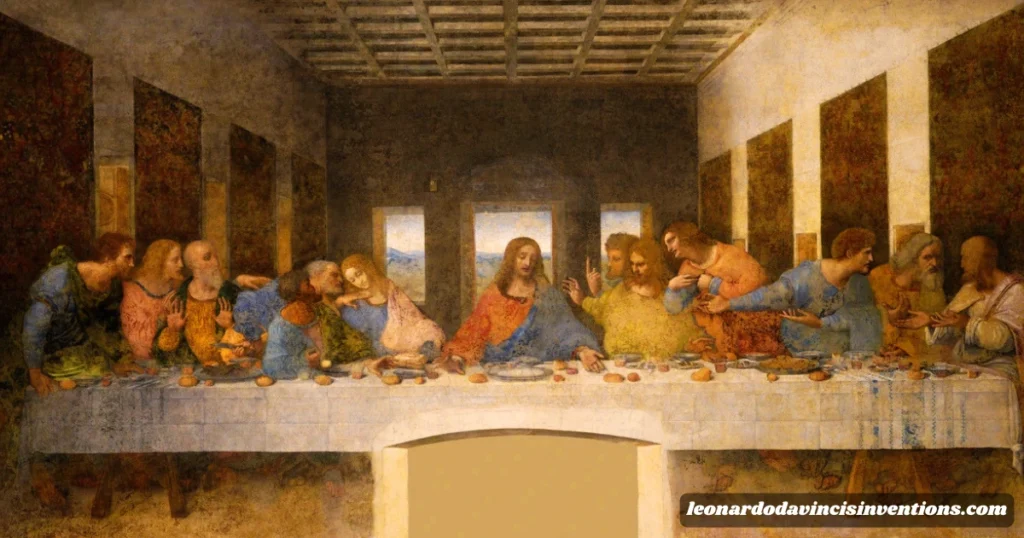
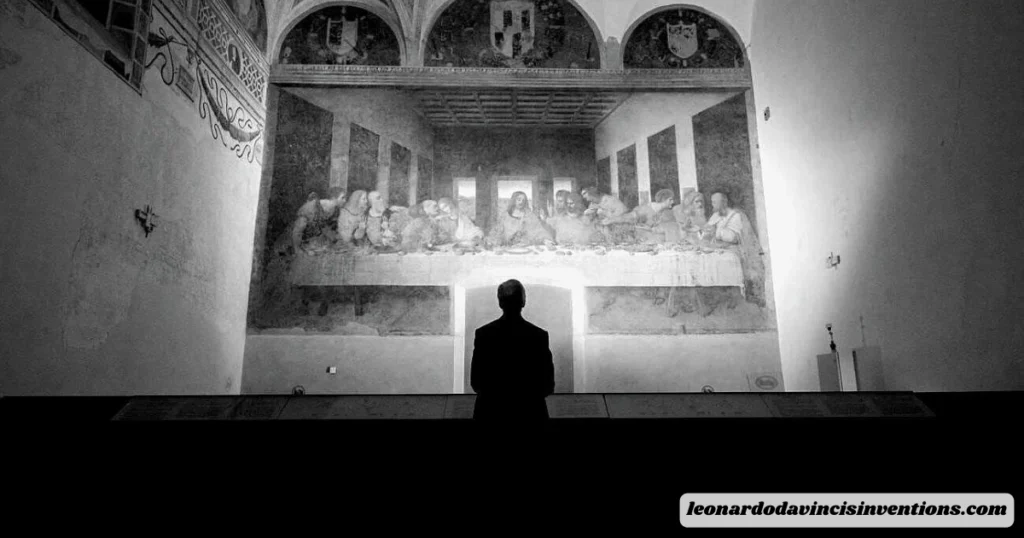
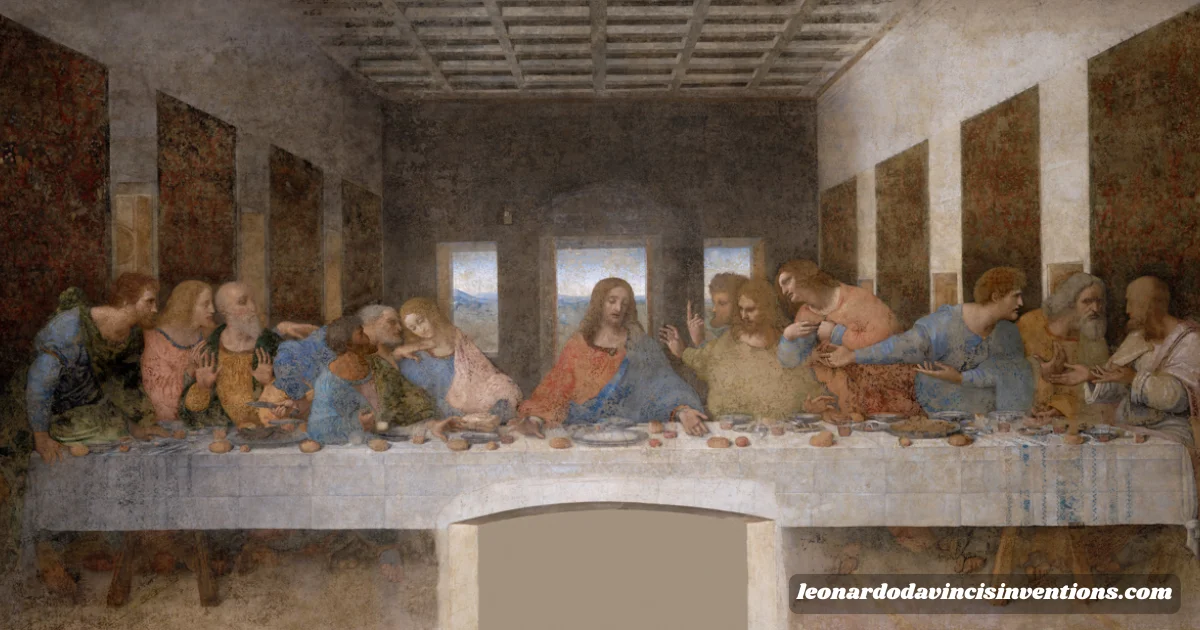
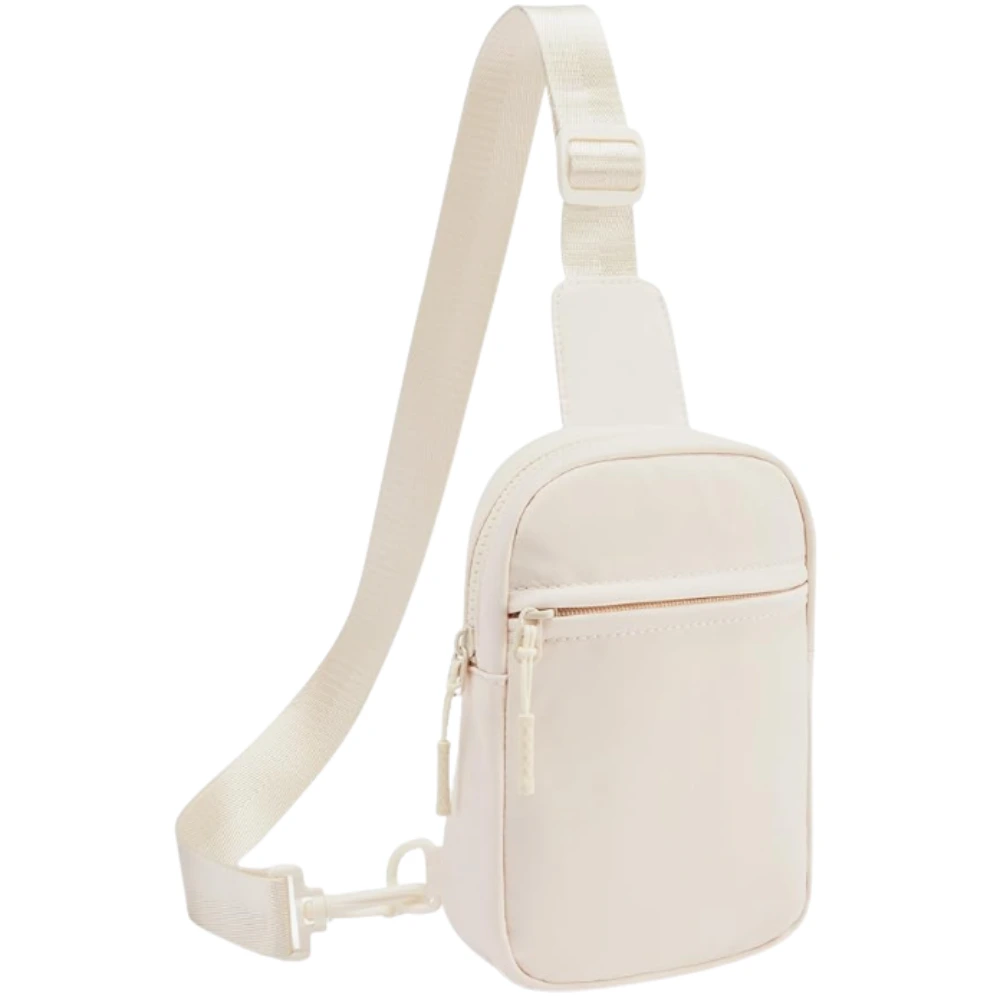
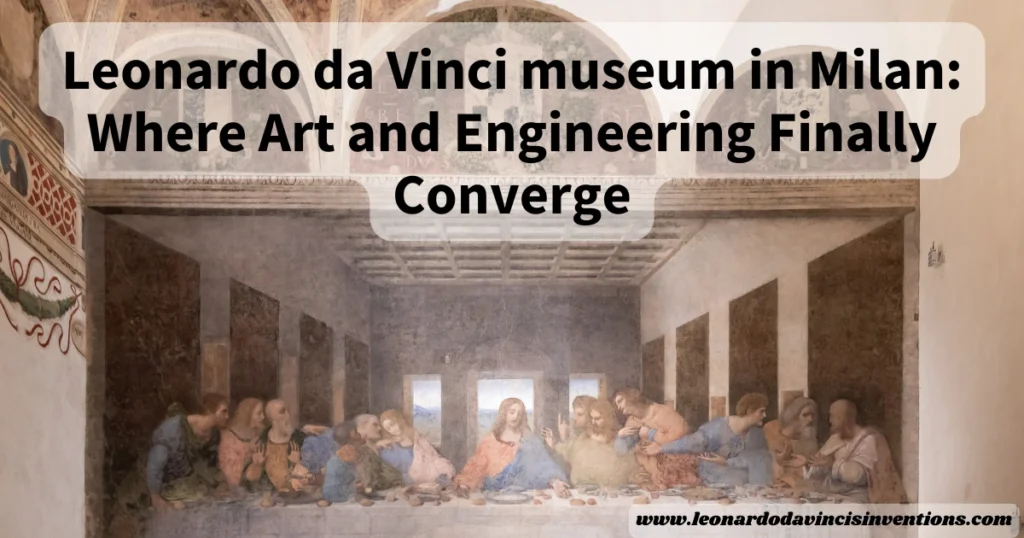


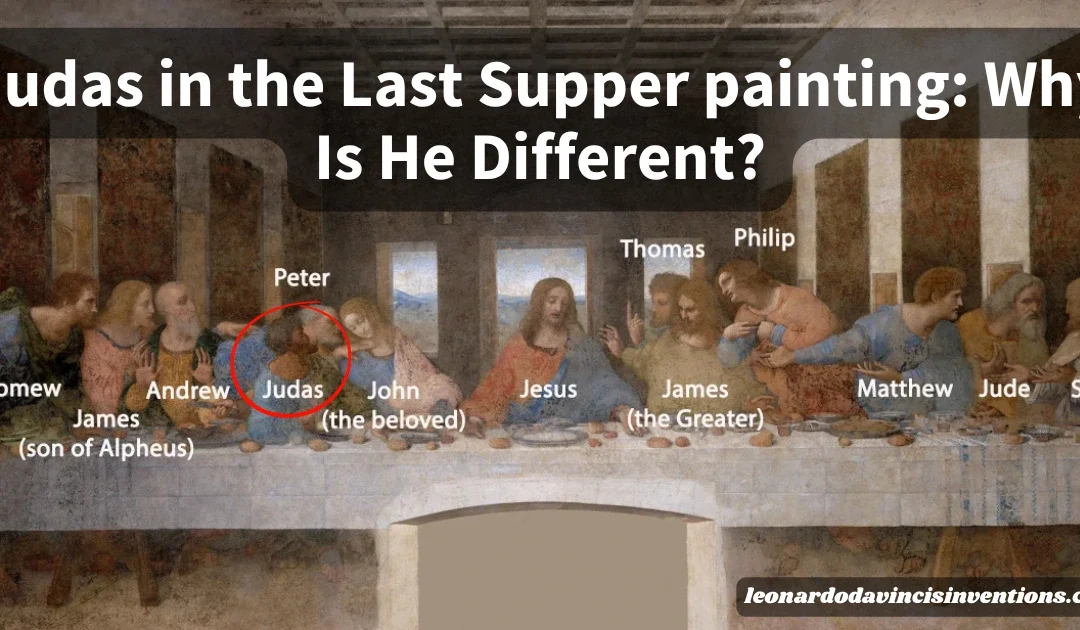
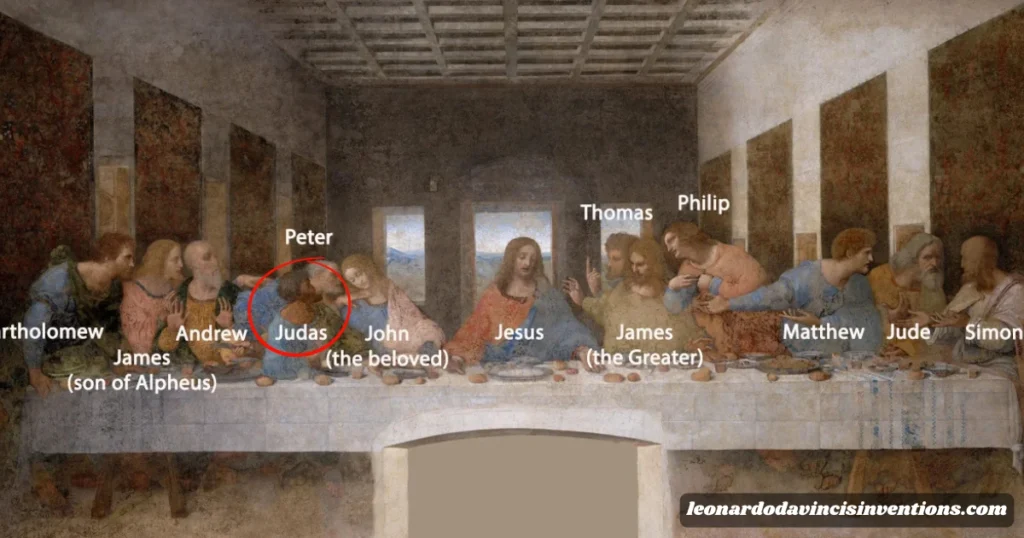
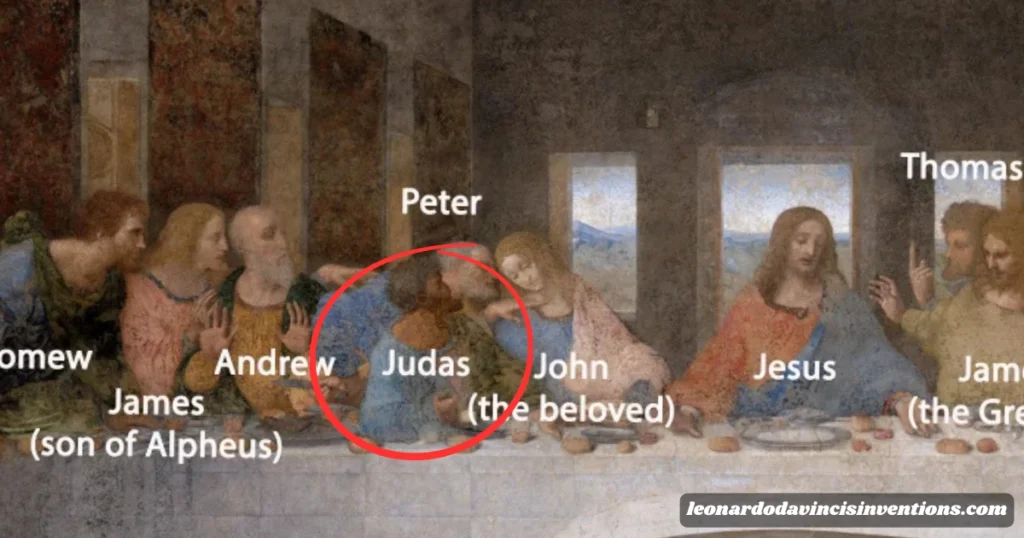
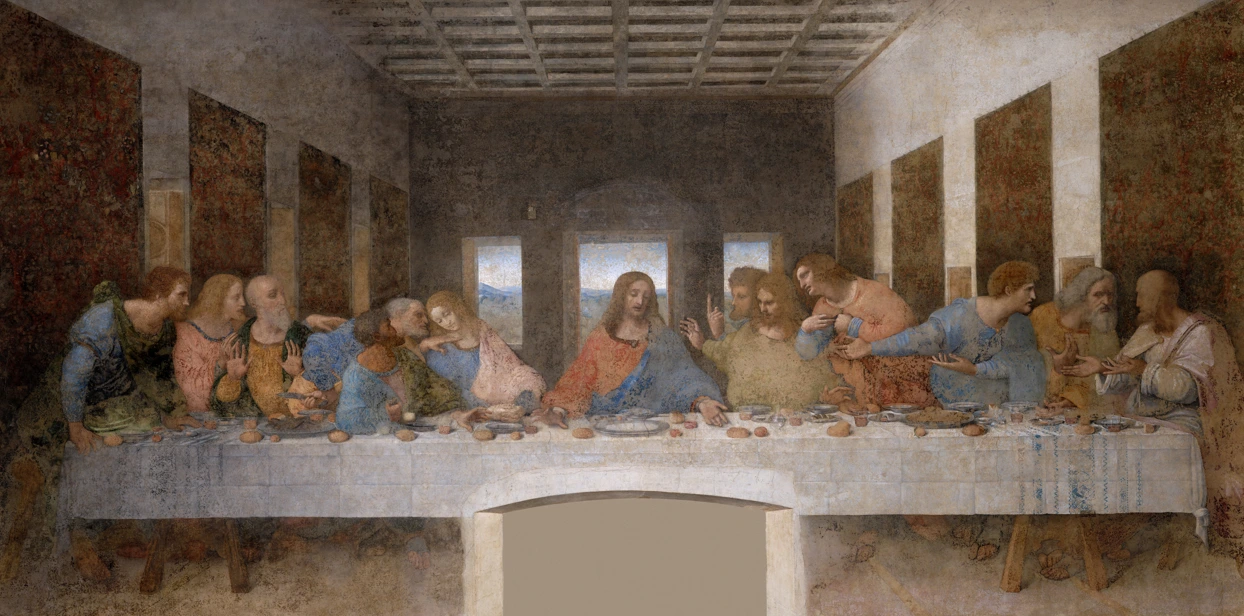
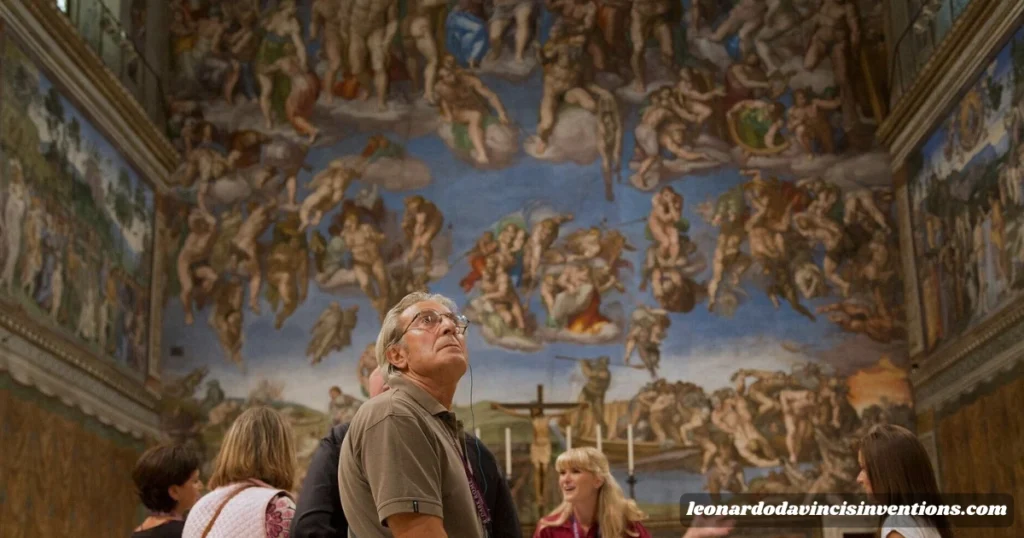
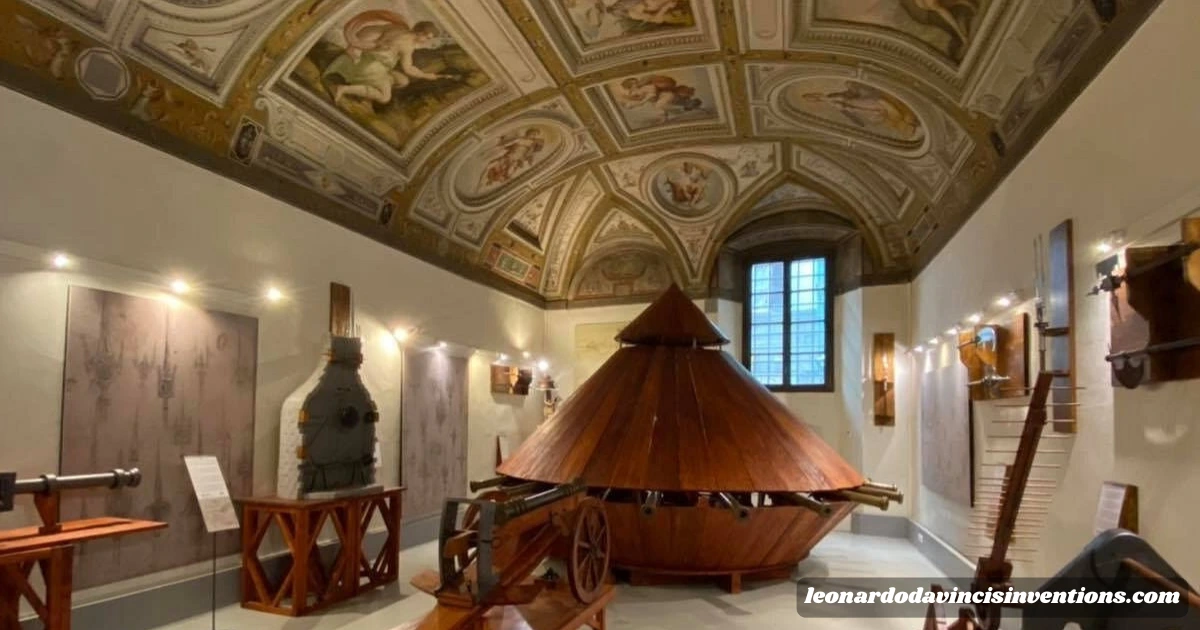
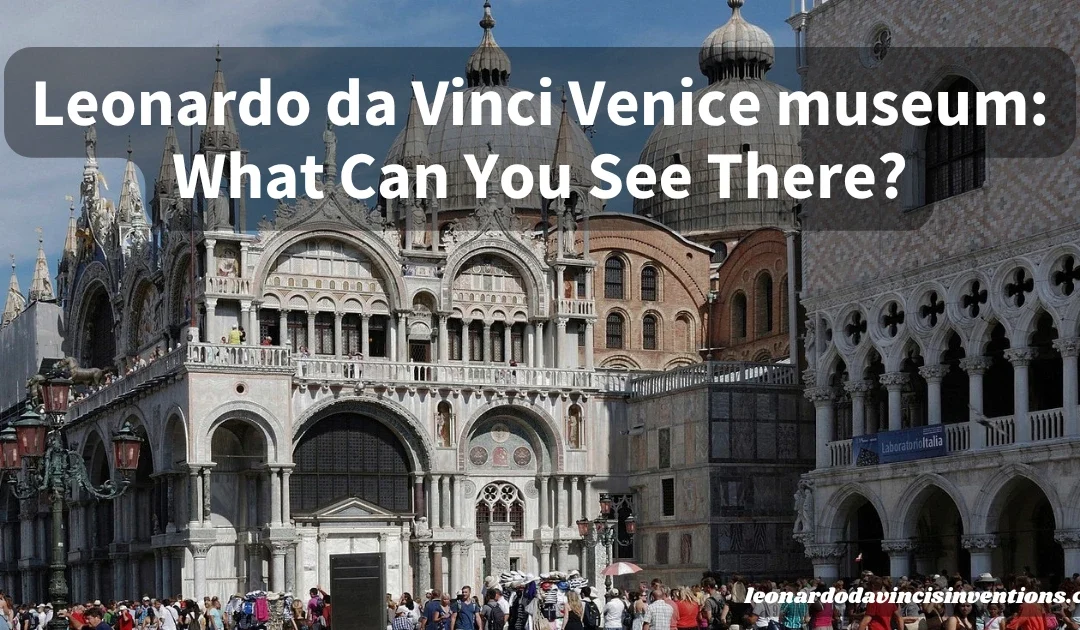
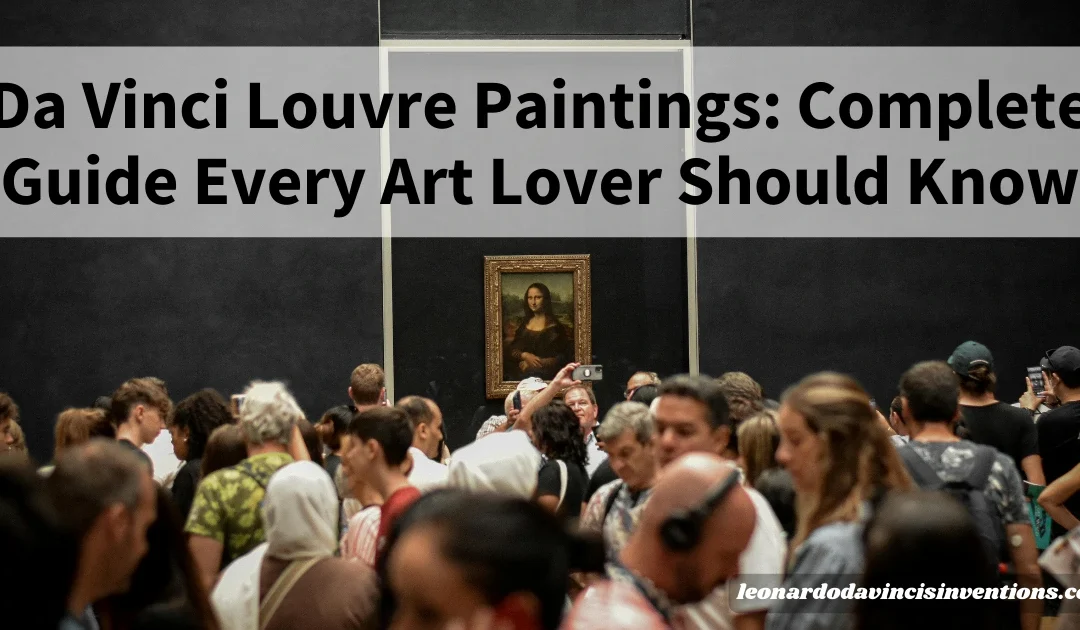
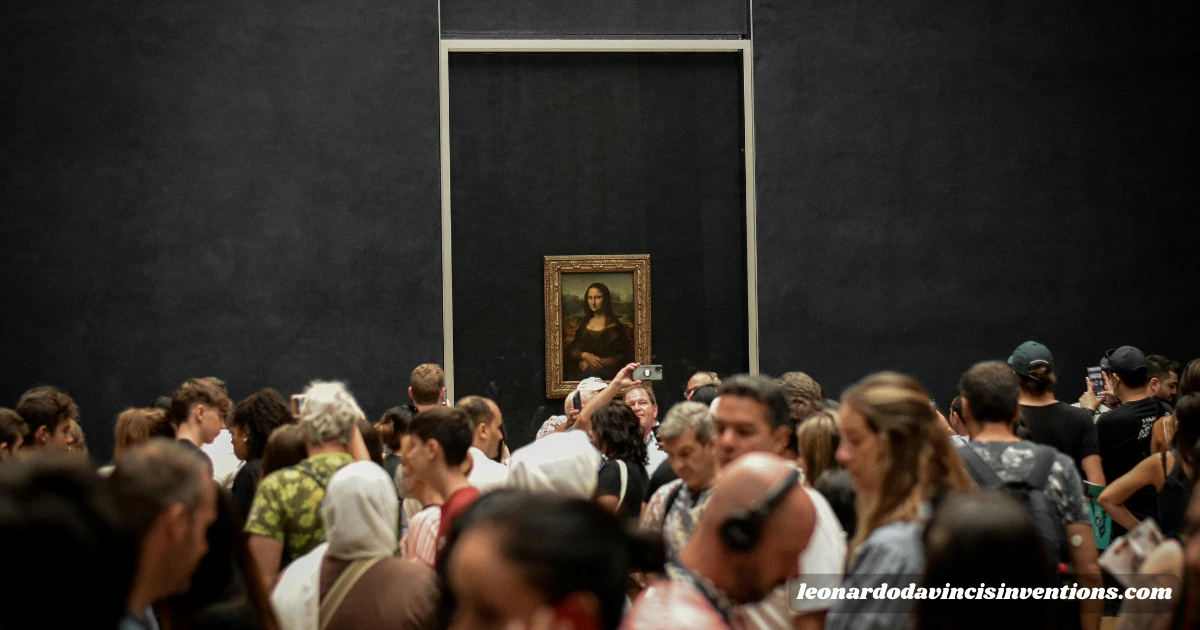
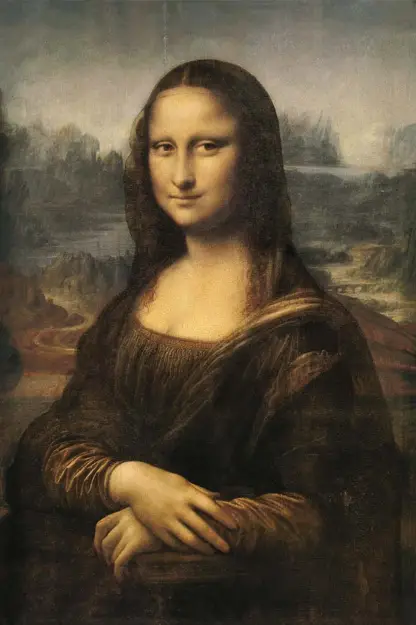


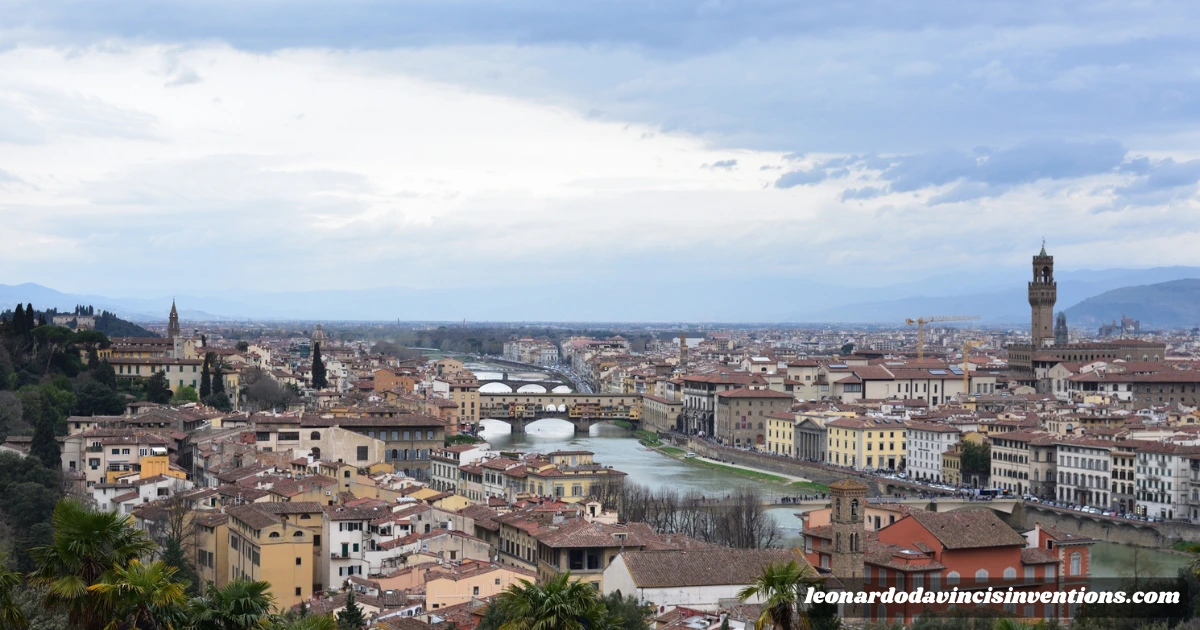
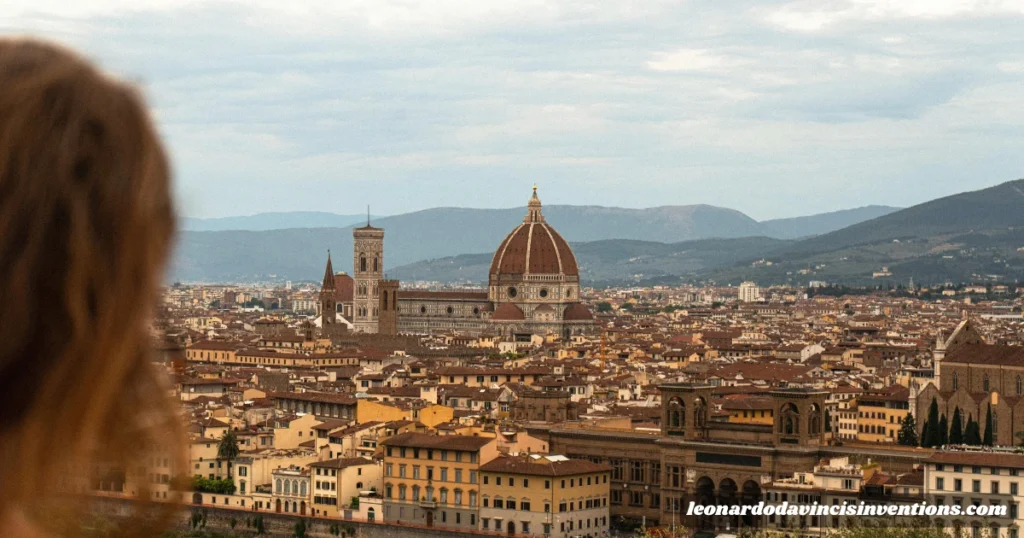
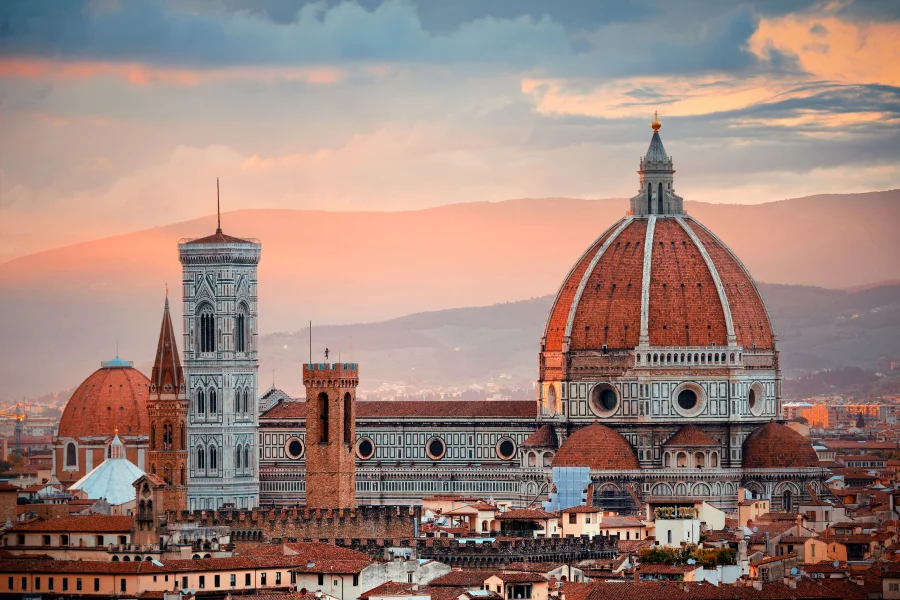
 Leonardo Bianchi is the founder of Leonardo da Vinci Inventions & Experiences, a cultural travel guide helping visitors explore Leonardo da Vinci’s art, inventions, and legacy across Italy and Paris.