Leonardo da Vinci anatomical drawings stand as a testament to his genius, marrying art and science in unprecedented ways.
These drawings showcase his artistic skill and deep interest in understanding the human body.
Leonardo's work, created when scientific illustration was rare, provided detailed insights into human anatomy ahead of its time.
Leonardo's work provides a perfect example for those curious about the intersection of art and science.
His anatomy studies began as part of his artistic endeavors but evolved into something more significant. His ability to dissect and accurately depict the human form was artistic and scientific.
Exploring Leonardo's anatomical sketches transports one into his world. There, he dissected bodies, often at night, by candlelight, with a cloth covering his mouth and nose.
These drawings were part of his ambitious project to create an anatomical treatise, which was unfortunately lost for centuries. Nevertheless, they continue to make a significant contribution to art and science today.
Leonardo da Vinci: A Brief Biography
The Statue of Leonardo da Vinci, Piazza del Duomo, Milan
Leonardo da Vinci was born in Vinci, Italy, on April 15, 1452. As a polymath of the Renaissance, he excelled in multiple fields, including art, science, and engineering. His artistic masterpieces, including the "Mona Lisa" and "The Last Supper," are celebrated worldwide.
He was not only skilled in painting but also created intricate anatomical drawings.
These sketches demonstrated a remarkable understanding of the human body. His observations made significant contributions to both art and science.
In his lifetime, Leonardo produced numerous anatomical sketches that displayed his keen eye for detail.
Leonardo’s interest in anatomy led him to dissect human bodies. He made extensive notes and drawings that revealed the structure of muscles, bones, and organs.
These insights are considered groundbreaking in the field of human anatomy even to this day.
Besides being an anatomist, Leonardo was also an inventor. His sketches of flying machines, war engines, and other devices highlight his inventive mind.
Although many of his inventions were never built, they paved the way for future innovations.
Leonardo’s talents extended far beyond anatomy and art. He was also a skilled musician, architect, and mathematician. His diverse abilities made him a true Renaissance man.
Overview of da Vinci's Anatomical Studies
Leonardo's drawing of the skull sectioned
Leonardo da Vinci's anatomical studies combined art and science, advancing our understanding of the human body. His work included detailed anatomical drawings and observations, showcasing the potential of art to convey complex scientific concepts.
Historical Context
During the Renaissance, the focus on humanism and the pursuit of knowledge fostered a new interest in understanding the human body.
Leonardo da Vinci thrived in this vibrant intellectual environment, influenced by contemporaries such as Leon Battista Alberti. Alberti encouraged artists to depict human figures based on anatomical knowledge.
Da Vinci started his anatomical studies in the late 15th century, during his time in Milan. A blend of traditional beliefs and direct observations from dissections influenced these studies.
His methodical approach and detailed illustrations set his work apart from previous studies.
The anatomy drawings da Vinci created remained superior in both accuracy and artistic expression, illustrating muscles, bones, and organs in ways never seen before.
His collaboration with doctors and access to dissection resources significantly contributed to his understanding and the detailed sketches he created.
Major Contributions to Anatomy
Leonardo da Vinci anatomical drawings, particularly his studies of the human skeleton, muscles, and organs, marked a significant advancement in the field.
He produced pioneering studies of the human brain, heart, and prenatal development.
His work revealed groundbreaking insights, such as the accurate depiction of the heart's ventricles and the aortic valve's function, years before they were officially recognized.
Many of his discoveries were meticulously documented in drawings and notes, intended for a comprehensive anatomy book that was never published during his lifetime.
The Renaissance master's blending of precise artistic techniques with anatomical research, exemplified in Leonardo's "Study of Anatomy," helped lay the foundation for modern anatomy.
Techniques and Materials Used
Leonardo's drawing of the skeleton
Leonardo da Vinci anatomical drawings are renowned for their precision and detail. Leonardo set new standards in the study of human anatomy by combining artistic skill with scientific inquiry.
His choice of methods and materials was crucial in these groundbreaking works.
Drawing and Dissection Methods
Leonardo systematically blended artistic techniques with scientific methods. He often conducted dissections to gain firsthand insight into human anatomy.
This hands-on approach enabled him to create realistic anatomical sketches based on observation.
By carefully examining muscles, bones, and organs, Leonardo depicted the human body with unparalleled accuracy, a level of detail that some studies describe as akin to viewing an anatomy textbook.
His meticulous dissection practices and keen observational skills informed these works, ensuring that his drawings were both scientifically valuable and artistically compelling.
Paper and Ink Selection
Leonardo's choice of materials was key in producing his detailed drawings.
He often used high-quality paper that could withstand the fine lines and shading of his work.
Ink, crafted from natural substances, provided the rich contrasts he needed for his chiaroscuro technique. This method, which involved the interplay of light and dark, added depth and realism to his anatomical sketches.
Many of his drawings, such as his studies on the human spine, remain influential, highlighting the importance of material selection in the longevity and impact of his art.
The strategic use of materials significantly contributed to the enduring brilliance of da Vinci's anatomical studies.
The Vitruvian Man: Combining Art and Anatomy
Leonardo's drawing of the Vitruvian Man
The Vitruvian Man by Leonardo da Vinci is a remarkable fusion of art and science. This iconic drawing features a nude male figure in two superimposed positions. The figure is perfectly inscribed in a circle and a square, highlighting proportions inspired by the ancient Roman architect Vitruvius.
Leonardo, renowned for his profound anatomical drawings, utilized his talents to explore the human form in great depth.
His studies in anatomy, reflected in the Vitruvian Man, demonstrate the intersection of geometry and human structure.
These observations emphasize how the human body reflects the order of the universe.
Da Vinci's meticulous approach to anatomical sketches illustrates his dedication to understanding the body's intricacies.
By dissecting and observing human bodies, he developed insights far ahead of his time. His work bridged the gap between artistic representation and scientific examination.
The Vitruvian Man is more than just a drawing; it is a visual embodiment of Renaissance humanism.
This perspective appreciates humans as the center of the universe while celebrating their connection with the world.
Da Vinci's drawing incorporates principles from art and science, representing his belief in the harmony between nature and man.
In addition to its artistic prowess, the piece symbolizes Leonardo da Vinci's role as an anatomist.
His pursuit of knowledge through Leonardo da Vinci anatomy drawings set a precedent for future studies. By merging artistic skill with scientific inquiry, he brought the world a new understanding of both disciplines.
Human Anatomy
Leonardo da Vinci anatomical drawings provided valuable insights into the human body, focusing on its intricate structures and functions. These drawings highlight key areas, including the skeleton, musculature, and internal organs.
Skeleton
Leonardo's drawing of the skull sectioned
The skeleton is depicted with remarkable accuracy in da Vinci's anatomical sketches.
He illustrated the position and connections of each bone within the human body.
His study of the skeletal system showed an understanding of its supportive structure, which underlies all bodily movements.
Joint mechanics, including how bones like the femur and humerus work together to provide motion, were given detailed attention.
Musculature
Leonardo's drawing of the superficial anatomy of the shoulder and neck
Leonardo da Vinci's anatomy studies also displayed a profound examination of musculature.
He meticulously recorded the layers of muscles, highlighting their placement and function.
His drawings often depict muscles in action, revealing the complex interplay that enables varied movements.
Through this work, musculature was shown not just as static elements but as dynamic parts essential for the human body's performance.
Internal Organs and Heart Muscle
Leonardo's drawing of the heart with blood vessels
Da Vinci's exploration of internal organs was groundbreaking.
His studies included the positioning and function of organs within the body cavity.
The heart was a particular focus, as his drawings showcased its chambers and movement.
His work helped pave the way for the modern understanding of cardiovascular function, visually capturing the principles of heart muscle function and circulation.
Blood Vessels
Leonardo's drawing of blood vessels in the neck and upper shoulder
The depiction of blood vessels in da Vinci's work provided insights into their pathways and connections.
He drew detailed maps of the circulatory system, noting how vessels supply blood across the body.
These anatomical drawings illustrate the relationships between major arteries and veins, highlighting the complexity of the circulatory network.
Nervous System
Leonardo's drawing of the brain
Leonardo's study of the nervous system addressed the intricacies of neural pathways and brain structure.
His anatomical sketches depicted the distribution of nerves and their role in coordinating body functions.
Although his knowledge was limited by the scientific understanding of his time, his work showed a keen interest in the relationship between the brain and the body.
Sexual Organs and Reproduction
Leonardo's drawing of a fetus in the womb
Da Vinci's investigations into sexual organs and reproduction demonstrated a systematic approach to understanding human reproduction.
His illustrations covered male and female reproductive anatomy, documenting their structures in detail.
In these studies, da Vinci aimed to convey the biological processes of reproduction, although his interpretations were influenced by the cultural and medical limitations of his era.
Animal Anatomy and Comparative Anatomy
Leonardo's drawing of the anatomy of a bear's paw
Leonardo da Vinci's anatomical drawings showcased human anatomy and explored the forms of animals. For example, his studies of bears and horses demonstrate his profound curiosity about the similarities and differences between species. These works reveal his commitment to understanding the essence of life in all its forms.
Da Vinci meticulously observed the anatomical differences between animals and humans. He noted shared features, such as muscles and skeletal structures, which he captured through detailed anatomical sketches. His ability to highlight these parallels underscores his expertise in both art and science.
Leonardo's drawings of the human foot (left) and the bear paw (Right)
Leonardo often focused on specific parts in these sketches, such as the limbs and joints. This focus helped him illustrate how the movement and strength of animals were similar yet distinct from those of humans. By comparing these aspects, da Vinci contributed valuable insights to comparative anatomy.
Leonardo da Vinci's art techniques made complex details accessible. Bold lines, shading, and careful observation are evident in his work, giving his drawings depth and realism. These techniques helped convey his findings in a visual, informative, and aesthetically pleasing form.
His studies in animal anatomy influenced many fields, including medicine and biology. Today, his anatomical drawings remain valuable resources for those studying the links between human and animal physiology. His work inspires artists and scientists, bridging the gap between art and science.
Da Vinci's Influence on Modern Medicine
Leonardo's drawing of the muscles of the arm, the veins of the arm, and the trunk
Leonardo da Vinci's anatomical drawings had a profound impact on modern medicine. By pioneering new approaches to understanding the human body, da Vinci laid the groundwork for advancements in surgical techniques and medical education.
Surgical Techniques
Da Vinci's anatomical sketches significantly transformed surgical practices. His detailed studies of the human form, encompassing bones, muscles, and organs, provided a more precise and accurate understanding of human anatomy.
His medical drawings showed how organs functioned and how they fit into the body, offering insights critical to more effective surgical techniques.
Surgeons began employing more precise and informed methods, improving surgical outcomes. His work with dissecting cadavers revealed crucial insights into how surgeries could be performed more safely and efficiently.
This contributed significantly to the evolution of surgical instruments and techniques, many of which are still influenced by his findings today.
Educational Legacy
Leonardo da Vinci anatomical drawings are also vital to medical education. His illustrations were renowned for their clarity and detail, making them teaching tools for centuries. In his collaboration with Marcantonio della Torre at the University of Pavia, he created comprehensive anatomical sketches of the human body.
These drawings served as educational material, guiding medical students and practitioners in accurately identifying and understanding different bodily structures. Da Vinci's ability to blend art with science allowed his anatomy manuals to convey complex information effectively.
His educational impacts resonate in medical schools today, where visual aids remain crucial for training future medical professionals.
Challenges and Controversies
Leonardo da Vinci's anatomical drawings demonstrate his keen interest in understanding the human body. He faced many obstacles and criticisms.
Key issues included the Church's resistance to dissections and questions about the accuracy of some of his sketches.
Church Opposition
The Church had a profound influence on societal norms during Leonardo da Vinci's time. Due to religious beliefs, the Church frequently opposed dissections of human bodies. To avoid controversy, Leonardo conducted many of his studies in secret.
Despite this risk, his detailed anatomical sketches laid the groundwork for future scientific advancements. His courage helped advance scientific thinking, but his work was constrained by the religious restrictions of his era.
Anatomical Inaccuracies
Although Leonardo's drawings were groundbreaking, they contained some inaccuracies. This was partly due to the limited scientific knowledge of the time and restricted access to bodies for dissection.
Some of his drawings contained errors in organ placement or proportions. Despite these inaccuracies, his attempts to detail human anatomy were revolutionary. He prioritized understanding the human form with a precision that surpassed many of his contemporaries.
Preservation and Digitization of the Drawings
Leonardo's drawing of the rearing horse
Leonardo da Vinci's anatomical drawings have fascinated scholars and artists for centuries. His intricate sketches of the human body testify to his keen observations and artistic mastery. Preserving these masterpieces ensures they remain accessible to future generations.
Museums and galleries worldwide have taken steps to securely store and display Leonardo da Vinci's anatomical drawings.
These institutions often use climate-controlled environments to maintain the integrity of the delicate paper and ink. Regular inspections ensure that any signs of deterioration are promptly addressed.
Digitization is crucial in preserving Leonardo da Vinci's work. He converted his anatomical drawings into digital formats by scanning them at high resolution.
This protects the original pieces and allows people worldwide to explore his genius without needing to view them in person.
Interactive platforms make the experience even more prosperous. Online collections, such as the Royal Collection Trust, offer detailed annotations and zoom features, enabling users to appreciate every stroke and detail of Leonardo da Vinci's anatomical sketches.
These efforts continue Leonardo da Vinci's legacy as a pioneering anatomist. By combining traditional conservation techniques with modern digital tools, a comprehensive approach is provided to preserve and share his invaluable medical drawings with a global audience.
Display and Exhibition of the Anatomical Works
Leonardo da Vinci anatomical drawings continue to fascinate the public. These sketches, which showcase his in-depth study of human anatomy, have been featured in numerous renowned exhibitions. The Queen's Gallery hosted an exhibition of this kind, offering a rare opportunity to view these masterpieces.
Da Vinci's studies involved meticulous dissection and careful observation. These pioneering sketches showcase his revolutionary approach, seamlessly blending art and science.
Today, the Royal Collection Trust holds many of these works and occasionally displays them publicly, captivating audiences with their historical and scientific significance.
The exhibitions often pair da Vinci's work with modern imagery, such as MRI scans, illustrating how his techniques foreshadowed today's medical imaging. Visitors can see original 16th-century bindings in some events, adding a touch of history to their experience.
Curators highlight the enduring impact of da Vinci's innovative methods by displaying his drawings alongside contemporary anatomical images. These exhibitions enable people to appreciate the artistic and scientific value of his work.
Seeing Leonardo da Vinci's anatomical sketches is a unique educational experience, as they bridge historical achievements and modern understanding, offering insights into the early study of human anatomy and the genius behind these illustrations.
Final Thoughts
Leonardo da Vinci anatomical drawings are a remarkable blend of art and science. His work has profoundly influenced both fields, as he meticulously studied the human body to improve his art. These drawings remain significant, showcasing his genius and passion for understanding the human form.
Leonardo examined and sketched human anatomy while working alongside scholars like Marcantonio della Torre at universities. His techniques were ahead of his time, reflecting his dedication to accuracy and detail. His illustrations captured the intricacies of muscles, bones, and organs.
Leonardo’s use of dissection enabled him to observe the human body in great detail. Despite the challenging conditions of his time, he created some of the most precise anatomical works of the Renaissance. His sketches, like his study of the human spine, are still used in medical schools as reference material.
His works demonstrate a profound understanding of how art and anatomy intersected during his era. Examining his studies gives insight into his dual role as an artist and a scientist. These anatomical drawings not only informed his paintings but also paved the way for future studies in anatomy.
FAQs about Leonardo da Vinci Anatomical Drawings
Did Leonardo da Vinci draw the human anatomy?
Yes, Leonardo da Vinci made extensive studies of human anatomy. He dissected human bodies and produced hundreds of detailed drawings of muscles, bones, organs, and the skeleton, combining artistic skill with scientific observation.
Are Da Vinci's drawings anatomically correct?
Leonardo’s anatomical drawings are considered remarkably accurate for their time. Many closely match modern medical understanding, although some internal structures—such as parts of the reproductive system—contain errors due to limited access and knowledge.
Why did Leonardo da Vinci make anatomical drawings?
Leonardo created anatomical drawings to better understand the structure and function of the human body. Initially motivated by improving his art, his studies evolved into a scientific pursuit driven by curiosity about how the body works and its connection to nature.
What drawings did Leonardo da Vinci draw?
Leonardo produced a wide range of anatomical drawings, including studies of the skeleton, muscles, heart, brain, and internal organs, as well as a fetus in the womb. He also drew animals to compare their anatomy with humans.
What did Da Vinci say before he died?
There is no verified record of Leonardo da Vinci’s exact last words. A later account claims he regretted not fully using his talents, but historians consider this anecdote uncertain and unsupported by contemporary evidence.
What was Leonardo da Vinci diagnosed with?
Leonardo da Vinci was not formally diagnosed in modern medical terms, but historians believe he likely suffered a stroke later in life. This may have affected his ability to use his right hand in his final years.
Leonardo da Vinciself-supporting bridge is a remarkable example of his innovation and engineering skills.
You've come to the right place if you're curious about why da Vinci created this ingenious structure. This article will explore the historical and practical reasons behind this invention, giving you a comprehensive understanding of its significance.
Da Vinci designed the self-supporting bridge to showcase his ability to create practical yet efficient solutions for transportation.
During his time, bridges had to be durable and easy to assemble, especially for military purposes.
The design took a new approach, allowing quick assembly without complex tools or materials. This was ideal for armies needing rapid deployment across obstacles.
Under the patronage of influential leaders like Cesare Borgia, da Vinci had opportunities to demonstrate his engineering prowess.
His self-supporting bridge was a testament to his artistic and scientific talents but also a response to the demands of his era.
By mastering the principles of balance and weight distribution, he revolutionized bridge construction by designing a bridge that effectively used tension and compression.
Leonardo da Vinci self-supporting bridge: Historical Context
Leonardo da Vinci's self-supporting bridge was a groundbreaking feat of engineering during the Renaissance. Remarkable advancements in science and art marked this period, and da Vinci was crucial in pushing these boundaries.
Leonardo da Vinci's Engineering Marvels
Leonardo da Vinci is well known for his innovative ideas that spanned art, science, and engineering. Among his remarkable concepts was the self-supporting bridge, which required no nails or ropes to hold it together.
Thisbridge design depended solely on the precise cutting and interlocking of beams. Da Vinci’s revolutionary design demonstrated incredible foresight and understanding of structural integrity.
Da Vinci devised this bridge under the patronage of Cesare Borgia when he was acting as a military engineer. This role allowed him to innovate within the confines of military needs.
The bridge showcased his ability to think beforehand, combining practicality with ingenious simplicity. It also highlighted his ability to transform histheoretical knowledge into practical solutions.
Innovations in Civil Engineering during the Renaissance
The Renaissance was a time of unprecedented European change, impacting science, art, and technology. Civil engineering saw substantial progress as engineers experimented with new materials and construction techniques.
Leonardo's self-supporting bridge contributed to civil engineering during this era.
This period encouraged the exploration of new ideas and methods. Leonardo da Vinci's bridge became symbolic of the Renaissance spirit of innovation.
Unlike traditional bridges, it was portable and quick to assemble, ideal for military uses. The concept reflected the Renaissance enthusiasm for engineering solutions that were both functional and aesthetically pleasing.
Leonardo da Vinci's self-supporting bridge reflects hisinnovative engineering approach, combining principles of structural integrity with simplicity and functionality.
Da Vinci's Approach to Structural Integrity
Leonardo da Vinci's efforts integrated principles of stability and balance into his bridge design.
Leonardo da Vinci'sself-supporting bridge maintained its structural integrity by using interlocking beams that supported each other. This approach was revolutionary, considering the materials and construction techniques available in the late 15th century.
Each beam was carefully positioned, creating a bridge that could withstand significant load without collapsing. This innovation highlighted his deep understanding of physics and mechanics, allowing his bridge to remain functional in various conditions.
Simplicity and Functionality in Design
Da Vinci's self-supporting bridge design prioritized simplicity and ease of assembly.
The components were designed to be assembled quickly, making it ideal for military applications.
Soldiers could rapidly construct or deconstruct the bridge in the field using straightforwardLeonardo da Vinci bridge instructions, enhancing mobility.
The lack of nails or binding materials reduced complexity and increased adaptability. This self-supporting bridge design allowed for various implementations depending on immediate needs.
Leonardo's emphasis on functionality underscored hispractical thinking. He ensured the bridge met the demands of the time while showcasing how design could merge simplicity with purpose.
Mechanical Principles
Leonardo da Vinci's self-supporting bridge showcases innovative engineering techniques, combining tension-compression andinterlocking mechanisms to create a stable and efficient structure. These techniques allowed for a durable and easy-to-assemble design.
Principles of Tension and Compression
The self-supporting bridge Leonardo built utilized tension and compression principles effectively.
Tension refers to the forces that pull materials apart, while compression forces push materials together.
By arranging the wooden beams in specific patterns, da Vinci harnessed these forces to create a stable structure without the need for nails or screws.
For instance, when weight is applied to the bridge, the upper beams undergo compression while the lower beams experience tension. This clever use of force allows the bridge to remain firm under load, as with the estimatedda Vinci bridge weight limit.
Da Vinci’s understanding of these principles led to a bridge design that could support substantial weight using only wooden beams and withstand various environmental conditions.
This mastery of mechanical forces demonstrated how engineering principles can create self-sustaining structures.
Interlocking Mechanisms
Interlocking mechanisms play a critical role in the self-supporting bridge designed by Leonardo.
The bridge's beams are arranged to slot into each other, forming a network of interlocking supports. This method eliminates the need for additional fasteners like dowels or nails, simplifies construction, and allows easy assembly and disassembly.
These interlocking connections strengthen when a load is applied, enhancing the structure’s stability.
This design principle reflects da Vinci's ingenuity and showcases his ability to create functional and aesthetically pleasing structures.
Today, builders can understandhow to build the da Vinci bridge using interlocking mechanisms, which mirrors the effectiveness and elegance of Leonardo da Vinci's original design.
Military Utilization
Leonardo da Vinci's self-supporting bridge was a remarkable invention with practical applications inmilitary contexts. Itsinnovative design allowed rapid deployment in warfare scenarios, offeringstrategic advantages for military forces with its portability and quick assembly.
Rapid Deployment in Warfare
The self-supporting bridge of Leonardo da Vinci was explicitly designed to aid in military operations.
Soldiers could quickly assemble and dismantle it, making it invaluable in crossing rivers or other obstacles during campaigns.
This ability to deploy swiftly gave armies a tactical edge, allowing them to move faster and surprise enemies.
The design required no tools or specific equipment, relying solely on the interlocking of beams. This simplicity ensured that even troops with minimal engineering knowledge could construct it effectively.
The bridge's self-supporting nature meant it could withstand considerable weight without additional support, helpful in moving troops and equipment quickly.
Advantages of Portability and Quick Assembly
The portable design of the self-supporting bridge da Vinci created was a key advantage in military applications.
Unlike traditional bridges, which require time-consuming construction, this design was easy to transport and set up at different locations without requiring heavy machinery or extensive labor.
The quick assembly process meant the bridge could be deployed within hours, facilitating swift advancements in demanding conditions.
Such efficiency minimized the risks of prolonged exposure to enemy forces during construction. The lightweight materials used ensured ease of transportation, enabling troops to maintain mobility and adaptability on the battlefield.
Cultural and Educational Impact
Leonardo da Vinci's self-supporting bridge has influenced modernengineering education and the design of future bridges. This design is studied globally as an example of ingenuity and simplicity in problem-solving.
Influence on Modern Engineering Education
Leonardo's innovative approach to bridge design provides a valuable case study in engineering education.
Hisself-supporting bridge requires no fasteners or supports, showcasing a minimalist and efficient use of materials.
Engineering students often learn how to build a Leonardo da Vinci bridge to understand structural integrity and balance, relying solely on compression.
Assembling parts that lock into place naturally gives students practical experience in understanding weight distribution and stability. This exercise also teaches the importance of creativity and lateral thinking in engineering, and Leonardo's legacy is credited with fostering innovation in educational settings.
Da Vinci's Legacy in Bridge Design
Leonardo's self-supporting bridge design is an enduring testament to his genius. It influenced architects and engineers in bridge construction.
The da Vinci bridge was groundbreaking and symbolizedsustainable design principles.
It offers a simple yet effective solution and requires minimal resources, making it an attractive formula for contemporary sustainable architecture.
Modern adaptations of Leonardo's original concept have been explored, implementing the idea in varied contexts and scales.
The principles outlined in the Leonardo da Vinci bridge instructions serve as inspiration for eco-friendly and cost-effective designs.
By revisiting these concepts, engineers explore how historical innovations can address modern-day challenges, keeping Leonardo's inventive spirit alive in today’s bridge design community.
Final Thoughts
Leonardo da Vinci's self-supporting bridge showcases his genius and understanding of engineering and design. This structure is a testament to human creativity and innovation during the Renaissance period.
His bridge design demonstrated how minimal materials could create a stable and effective crossing.
His self-supporting bridge involves a clever interlocking arrangement of beams. The design requires no complex tools or fasteners.
This simplicity served as an ingenious example of doing more with less.
The project also demonstratedda Vinci's versatility. It connectedengineering with art and science, illustrating his ability to think beyond conventional boundaries.
The self-supporting bridge is a timeless symbol of innovation that remains relevant today.
Modern engineers can gain valuable insights by understanding the core principles behind da Vinci's invention.
The bridge’s design principles relate to ancient and contemporary ideas about efficiency and sustainability.
A deeper look atda Vinci's inventions reveals the bridge's blend of simplicity and functionality.
Self-supporting structures, inspired by da Vinci's concept, continue to influence modern construction techniques.
Engineers and designers still study his work, finding inspiration in his unorthodox approach and impeccable foresight.
In your exploration of historical engineering, da Vinci's self-supporting bridge links the past and future of design.
Ludovico Sforza was one of the most powerful and ambitious rulers of the Italian Renaissance, and the man who first gave Leonardo da Vinci a stage worthy of his genius. Known by his epithet Ludovico il Moro — the Moor — this Duke of Milan transformed his court into one of the most dazzling cultural centres in fifteenth-century Europe.
Few rulers in history have shaped the career of a single artist so profoundly. The relationship between Ludovico Sforza and Leonardo da Vinci produced some of the most celebrated works ever created: from the haunting Lady with an Ermine to the monumental Last Supper. Understanding this partnership means understanding the Renaissance itself — its ambition, its contradictions, and its extraordinary creative energy.
Patronage was the engine of Renaissance art. Without wealthy and politically calculating sponsors, there would have been no Sistine Chapel, no David, no School of Athens. Ludovico Sforza understood this perfectly. He used art, architecture, and engineering not just as luxuries but as instruments of power. By inviting Leonardo to his court in Milan, he made one of the most consequential decisions in the history of Western culture.
Visiting Milan today means walking through the world Ludovico helped build. The Castello Sforzesco, Santa Maria delle Grazie, and the Pinacoteca Ambrosiana all carry his imprint. For anyone travelling through northern Italy in search of Leonardo, Ludovico Sforza's story is the essential starting point.
This post is all about Ludovico Sforza — his rise to power, his role as Leonardo's greatest patron, and why the legacy of this remarkable duke still shapes the experience of visiting Milan today.
Who was Ludovico Sforza?
Ludovico Sforza (1452–1508), also known as Ludovico il Moro, was the Duke of Milan and one of the most influential patrons of the Italian Renaissance. As ruler of the Sforza family's Milanese duchy, he invited Leonardo da Vinci to his court, commissioning major works including The Last Supper and inspiring some of Leonardo's most celebrated paintings and engineering projects.
The House of Sforza and the Rise of Ludovico il Moro
The Sforza Family and Their Grip on Milan
The house of Sforza did not inherit power — they seized it. The family's founder, Francesco Sforza, was a condottiere, a mercenary warlord who parlayed military success into political dominance. By 1450, he had made himself Duke of Milan, founding a dynasty that would control the city for the rest of the fifteenth century.
Ludovico Maria Sforza was Francesco's fourth son, born in 1452. He was not supposed to rule. That was the role of his older brother, Gian Galeazzo. But Ludovico was shrewd, patient, and ruthless. By the early 1480s, he had effectively pushed aside his young nephew and taken de facto control of the duchy. He would not assume the title of Duke officially until 1494, but he governed Milan with absolute authority for years before that.
The city he controlled was one of the wealthiest in Europe. Milan's textile and armour industries were famous across the continent. Its strategic position in the Po Valley made it a crossroads of trade and military movement. Duke Ludovico Sforza inherited a powerful state and had every intention of making it magnificent.
A Court Built for Power and Culture
Ludovico understood that cultural prestige was inseparable from political authority. He looked south to Lorenzo de' Medici's Florence and north to the courts of Burgundy and France, and he decided that Milan would match them all.
He rebuilt the Castello Sforzesco as a residence fit for a Renaissance prince. He sponsored poets, musicians, philosophers, and architects. He commissioned elaborate court spectacles — theatrical events combining music, dance, machinery, and lighting — that were the Instagram of their day: carefully designed displays of wealth and sophistication.
And then, around 1482, he received a letter that would change the course of art history.
The Letter That Changed Everything
Leonardo da Vinci's letter to Ludovico Sforza is one of the most remarkable documents of the Renaissance. Leonardo wrote it as a kind of professional pitch, a catalogue of his skills addressed to the most powerful man in northern Italy.
The letter is extraordinary for what it reveals about Leonardo's priorities. He devoted most of it to military engineering: bridge-building, siege warfare, canal construction, and armoured vehicles. Only at the very end did he mention painting and sculpture, almost as an afterthought. He knew his audience.
Ludovico was impressed. Leonardo arrived in Milan probably around 1482 and would remain for nearly two decades — the most productive and settled period of his career.
Ludovico Sforza and Leonardo da Vinci
Leonardo da VincLeonardo presents The Last Supper sketch to Duke Ludovico Sforza, with Beatrice and Cardinal Ascanio nearby.
Leonardo's Role at the Sforza Court
Leonardo da Vinci was not simply a court painter for Ludovico Sforza. His role was far more complex and fascinating. He served as a military engineer, a pageant designer, an architect, a musician, and yes — occasionally — a painter.
The Sforza court was a place of constant activity. Leonardo designed elaborate festival costumes and mechanical sets for court entertainments. He worked on plans for a canal system to improve navigation around Milan. He studied the city's fortifications and proposed improvements. He designed a giant bronze equestrian statue — the Sforza Horse — intended as a monument to Ludovico's father, Francesco.
This last project consumed years of Leonardo's energy and remained unfinished when the French invaded in 1499. It was one of the great lost works of the Renaissance.
Cecilia Gallerani and the Portrait of a Court
Among the paintings Leonardo produced for Ludovico, Lady with an Ermine stands apart. The subject is Cecilia Gallerani, the young and highly educated mistress of Ludovico Sforza. She was not simply a companion — she was a poet and intellectual who held genuine influence at court.
Leonardo's portrait of her is revolutionary. She is turned in three-quarter view, alert and intelligent, her gaze directed off-canvas, as if she is responding to something just outside the frame. The ermine she holds is both a symbol of purity and a pun on her name — the Greek word for ermine is similar to Gallerani. It is exactly the kind of layered, witty visual intelligence that made Leonardo the perfect court artist for an ambitious duke.
The painting today hangs in the Czartoryski Museum in Kraków, Poland — one of the few Leonardo paintings outside Italy, and well worth a dedicated visit.
The Last Supper: Ludovico's Greatest Commission
The single most important commission Ludovico Sforza gave Leonardo was The Last Supper. Painted between approximately 1495 and 1498 on the refectory wall of Santa Maria delle Grazie in Milan, it is one of the most analysed paintings in human history.
Ludovico chose Santa Maria delle Grazie as the burial place for the Sforza family. He wanted it decorated in a manner that would project dynastic power for centuries. The Last Supper was part of that plan. What he got was something far beyond what he could have imagined: a painting that would redefine how human emotion could be expressed in art.
Leonardo depicted the precise moment Christ announces that one of the disciples will betray him. Every figure reacts differently. The psychological complexity is astonishing. It took Leonardo years of work, experimentation with technique, and relentless observation. And it has survived war, flooding, and centuries of decay to remain one of the defining images of Western civilisation.
Where to See Ludovico Sforza's Legacy Today: Milan
Aerial view of the Castello Sforzesco (Sforza Castle) in Milan, Italy
The Castello Sforzesco
The Castello Sforzesco dominates the northwestern edge of central Milan. It was the seat of Sforza's power, and under Ludovico it became one of the most impressive court complexes in Renaissance Italy. Today, it houses several important museums, including collections of sculpture, archaeology, and decorative arts.
Inside the castle, the Sala delle Asse — a vaulted room decorated with a painted canopy of intertwined mulberry branches — bears Leonardo's hand. It was commissioned by Ludovico himself and represents one of the few surviving examples of Leonardo's work in architectural decoration. Recent restoration work has revealed additional painted details, making it an increasingly important site for Leonardo scholars and visitors alike.
Santa Maria delle Grazie and The Last Supper
The experience of visiting The Last Supper is unlike almost anything else in cultural travel. You book in advance — sometimes months in advance — for a timed fifteen-minute viewing. The refectory is controlled for humidity and temperature. Visitor numbers are strictly limited.
When you enter, the painting fills the far wall. At roughly nine metres wide and four and a half metres tall, it is far larger than most reproductions suggest. The figures are nearly life-size. The spatial illusion Leonardo constructed — a painted room that appears to extend the real refectory — remains visible despite centuries of deterioration.
It is impossible to stand before it and not think of Ludovico Sforza, the man who made it possible.
The Pinacoteca Ambrosiana
The Pinacoteca Ambrosiana holds one of the most important collections of Leonardo drawings and documents in the world. The Codex Atlanticus — a vast collection of Leonardo's notes covering engineering, mathematics, botany, and art — is preserved here. Facsimile pages are regularly displayed, and the museum holds works connected directly to the Milanese period.
The Ambrosiana also houses the Portrait of a Musician, a painting long attributed to Leonardo that depicts a young man associated with the Sforza court. Whether or not it is entirely Leonardo's hand, it offers an intimate glimpse into the world he and Ludovico inhabited.
Exploring Leonardo da Vinci in Milan
Milan is the essential city for anyone serious about Leonardo da Vinci. He spent nearly twenty years here, and the traces of that period are woven into the city's fabric in ways that a single day cannot exhaust. The Castello Sforzesco, Santa Maria delle Grazie, the Pinacoteca Ambrosiana, and the Museo Nazionale della Scienza e della Tecnologia — which holds remarkable reconstructions of Leonardo's machines — form a constellation of sites that reward slow, thoughtful exploration.
Beyond the major landmarks, Milan repays the curious traveller who walks the streets Ludovico and Leonardo once walked: the canals Leonardo helped engineer, the churches he studied for architectural inspiration, the piazzas where Sforza pageants once unfolded. The city is a living archive of Renaissance ambition.
If you are building a broader Leonardo itinerary across Italy, Milan is the natural anchor for the northern route. You might also explore:
Planning Your Visit: Tickets, Tours, and the Full Experience
Seeing The Last Supper requires advance booking — this is not optional. Tickets sell out weeks or months in advance, especially during peak season. Timed entry slots are issued in fifteen-minute windows, so arriving without a reservation means missing the painting entirely.
Many visitors choose to combine The Last Supper with a guided tour of the Castello Sforzesco, allowing them to cover both of the most significant Ludovico Sforza sites in the city in a single half-day. A knowledgeable guide can connect the dots between the duke's political history, his relationship with Leonardo, and the specific works you are looking at — a context that transforms a visit from pleasant tourism into genuine understanding.
If you plan to see this work in person, it helps to compare ticket types before your visit. Entrance-only tickets offer flexibility, while guided tours provide the historical depth that makes the experience far more memorable.
This post was all about Ludovico Sforza — the ambitious, calculating, and culturally visionary Duke of Milan who gave Leonardo da Vinci the resources, the freedom, and the commissions to produce some of the greatest works in Western art history. Without Ludovico il Moro, there would be no Last Supper as we know it. Without the Sforza court, Leonardo might have remained a gifted but restless artist without a stage equal to his talents.
The story of their partnership is, in many ways, the story of the Renaissance itself: a collision of power and genius, of political ambition and artistic vision, producing something that neither man could have achieved alone. Ludovico fell from power in 1499, was captured by the French, and died in a Burgundian prison in 1508. Leonardo left Milan and never returned for long. But what they built together — the paintings, the engineering projects, the transformed city — outlasted both of them by centuries.
Standing before The Last Supper in Milan, or looking up at the restored ceiling of the Sala delle Asse in the Castello Sforzesco, you are not simply looking at art. You are looking at the physical evidence of what happens when a brilliant ruler decides to invest in human genius. That is the lesson Ludovico Sforza left the world, and it still resonates with extraordinary clarity today.
FAQs about Ludovico Sforza
What happened to Ludovico Sforza?
Ludovico Sforza lost power when French forces invaded Milan in 1499. He was later captured and imprisoned in France, where he died in 1508.
How did Leonardo da Vinci impress Ludovico Sforza?
Leonardo da Vinci impressed Ludovico by sending a detailed letter outlining his skills in military engineering, architecture, and invention, presenting himself as a valuable court engineer before even emphasizing his artistic talents.
Does the Sforza family still exist?
The Sforza dynasty ruled Milan until the 16th century, but its direct ruling line eventually died out. Some distant branches survived for a time, though the family no longer holds political power today.
Why did Ludovico Sforza commission the Last Supper?
Ludovico Sforza commissioned The Last Supper for the church of Santa Maria delle Grazie as part of a grand project to enhance his family’s prestige and establish a dynastic burial site.
Who was Leonardo da Vinci's lover?
Leonardo da Vinci’s personal life remains uncertain, but historical sources often mention his close relationship with his assistant Gian Giacomo Caprotti (known as Salaì), who lived with him for many years and may have been his companion.
Does the Italian royal family still exist?
Yes, descendants of the former Italian royal family, the House of Savoy, still exist today, although Italy is now a republic and they hold no political power.
World War I started in 1914, marking the beginning of a global conflict that involved many of the world's great powers.
The war officially began on July 28, 1914, when Austria-Hungary declared war on Serbia.
This assassination set off a chain reaction among alliances and countries, pulling nations into a war that would last until 1918.
You're not alone if you have ever wondered how a single event led to a war of such magnitude. This blog post aims to unravel the complexities of the start of World War I and help you understand how political alliances and national tensions contributed to its outbreak.
The assassination of Archduke Franz Ferdinand was a key moment, setting off a series of declarations that expanded into a worldwide battle. This conflict pitted countries such as Germany, Austria-Hungary, France, and the United Kingdom against one another.
The details of each nation's participation in the war reveal fascinating insights into the political climate of the early 20th century.
Understanding the Timeline of World War I
World War I was a global conflict that reshaped many countries. It involved multiple key events and dates that marked significant moments in history. These elements help paint a clear picture of how the war unfolded and its impact.
When Did World War One Start?
World War I, also known as the Great War, began on July 28, 1914. The immediate trigger was the assassination of Archduke Franz Ferdinand of Austria, but deeper issues like nationalism and alliances played a role. When Austria-Hungary declared war on Serbia, it set off a chain reaction.
Countries across Europe quickly took sides, leading to a large-scale war until 1918.
Key Dates and Events in World War I
Table 1 outlines several key events that defined World War I.
World War I Dates: A Comprehensive Overview
World War I lasted four years, from 1914 to 1918, and was marked by some of the bloodiest battles in history. The end of the war, on November 11, 1918, marked the beginning of a worldwide push for peace and diplomacy.
Many countries involved in World War I were also part of World War II, as unresolved issues and new challenges arose.
The First World War changed political landscapes and societies. Its aftermath paved the way for significant changes in national borders and the creation of new nations. This war's timeline offers insight into the complexities and impact of global conflict.
The Causes of World War I
A complex web of alliances, national tensions, and significant events marked World War I. These causes intertwined to create the backdrop for a devastating conflict that reshaped the world.
Why Did World War 1 Start?
The beginning of World War I, or the Great War, on July 28, 1914, can be traced back to a mix of political, military, and social tensions. Nationalism played a key role as countries sought to assert their superiority and independence.
This was particularly true in Europe, where the balance of power was fragile.
Economic rivalries and competition for colonies fueled the fire. Industrialized nations were eager to expand their empires and influence, creating friction.
The opposing ambitions of these nations set the stage for conflict.
The Role of Alliances and Tensions
Alliances played a significant part in escalating regional disputes into a full-scale war.
The Central Powers: Germany, Austria-Hungary, and Italy,
The Allies: Britain, France, and Russia.
These alliances were meant to deter aggression, but instead, they created a situation in which a conflict involving one country could quickly draw in its allies. This interconnectedness made localized conflicts more dangerous.
Tensions in the Balkans, known as the "Powder Keg of Europe," were particularly explosive. Austria-Hungary and Russia's desire for greater regional influence heightened the risk of confrontation. This rivalry contributed significantly to the onset of hostilities.
The Impact of the Assassination of Archduke Ferdinand
The assassination of Archduke Franz Ferdinand of Austria-Hungary on June 28, 1914, is often seen as the immediate catalyst for World War I. Gavrilo Princip, a Bosnian Serb nationalist, assassinated with the hope of promoting Slavic independence.
Austria-Hungary's response was swift and aggressive. They issued an ultimatum to Serbia, and when Serbia's response was seen as unsatisfactory, Austria-Hungary declared war, prompting Russia to mobilize in support of Serbia.
This assassination triggered a series of events that led the major powers into a spiraling conflict. The alliances and ambitions of these powers quickly fueled the flames of war, sparking a global conflict that lasted over 4 years.
Major Players in World War I
Map of World War I (the Central Powers vs. Allied Powers)
World War I was a significant global conflict involving many countries and alliances. Key players emerged from two main sides: the Central Powers and the Allies, each led by influential figures and nations.
Who Were the Key Countries Involved?
Several countries played critical roles during World War I. The Central Powers, led primarily by Germany, Austria-Hungary, and the Ottoman Empire, formed a formidable coalition against their adversaries.
On the other side, the Allies included major players such as the United Kingdom, France, Russia, and the United States.
Other nations, like Italy and Japan, joined the Allies, contributing military and economic resources. Their involvement transformed regional conflicts into a full-scale global war.
The tensions arising from these alliances and rivalries eventually set the stage for another major conflict, World War II, in the years that followed.
World War I: The Central Powers vs. the Allies
The Central Powers and the Allies were the two main alliances during World War I.
The Central Powers comprised Germany, Austria-Hungary, and the Ottoman Empire. Mutual defense agreements and shared interests bound these nations.
In contrast, the Allies, initially formed by the Triple Entente, consisted of France, Russia, and the United Kingdom. Over time, this alliance expanded to include Italy, Japan, and the United States.
The combination of resources, manpower, and tactics eventually led the Allies to overcome their opponents, solidifying their dominance by the end of World War I.
Who Was President During World War I?
Woodrow Wilson served as President of the United States during World War I. Elected in 1912, his administration maintained a neutral stance as the war erupted in Europe.
However, the sinking of the Lusitania and other factors prompted him to enter the war in 1917, leading the United States to join the Allies.
Wilson's leadership was crucial in shaping the post-war landscape. He outlined his vision for peace in his famous Fourteen Points, which emphasized self-determination and the formation of a League of Nations.
His efforts aimed to prevent future conflicts, though his vision was not fully realized until after World War II. His presidency left a lasting impact on international relations and the role of the United States in global affairs.
The Course of the War
The Battle of the Somme, one of the trench combat, 1916
World War I involved massive shifts in warfare tactics and battles on multiple fronts, setting the stage for World War II. Technological advances changed how the war was fought and impacted the countries involved.
WWI Warfare: Tactics and Technology
World War I showcased new military tactics and technologies that transformed combat. Trench warfare became a defining feature, with long, narrow trenches where soldiers sought protection from enemy fire. This static form of combat resulted in high casualties.
Machine guns, artillery, and gas attacks were standard, leading to devastating battlefield conditions. Tanks were introduced later in the war, providing a way to overcome trench defenses.
The war also saw the significant use of airplanes for reconnaissance and combat, marking the beginning of aerial warfare.
Naval warfare also played a critical role: submarines, particularly German U-boats, disrupted supply lines, impacting the war's course.
Communication technology improved, with radio and telegraphs enhancing coordination among troops.
These innovations in tactics and technology played a central role in shaping the outcomes of the First World War.
World War I: The Great War on Multiple Fronts
World War I was fought mainly across Europe but also in other regions. The Western Front in France and Belgium saw some of the war's heaviest fighting, with trench lines stretching for miles.
Battles such as the Somme and Verdun became synonymous with the brutal stalemate experienced by forces on both sides.
On the Eastern Front, the conflict between Germany and Russia was marked by fluid movement and significant territorial changes. The war extended to the Middle East, where the Ottoman Empire faced British-led forces.
The Italian Front and the Balkan Front further complicated the military landscape.
The global nature of the conflict meant that many nations outside of Europe, such as the United States, eventually joined the war, shifting the balance of power.
This involvement led to diverse strategies and battlegrounds across continents, making World War I a global conflict that affected numerous countries.
World War II: How It Followed World War I
World War I laid the foundation for World War II, often considered a continuation of unresolved issues from the earlier conflict.
The harsh terms of the Treaty of Versailles, which ended the First World War, imposed heavy reparations and territorial losses on Germany. This generated significant resentment and economic hardship, contributing to the rise of Adolf Hitler and the Nazi Party.
The geopolitical landscape changed drastically with the dissolution of empires such as Austria-Hungary and the Ottoman Empire. The League of Nations was formed to prevent future wars, but failed in this mission due to its lack of enforcement power.
These post-war conditions and new political ideologies played a direct role in the onset of World War II. The end of the First World War did not bring lasting peace but set the stage for another devastating conflict 20 years later.
The Outcome of World War I
The Allied Powers' soldiers celebrated the end of World War I (1918)
World War I significantly impacted global politics, economies, and societies. These changes influenced future conflicts, including World War II, and shaped the modern world.
Who Won World War 1?
The Allied Powers, which included France, the United Kingdom, and the United States, emerged victorious from World War I.
They fought against the Central Powers, which included Germany, Austria-Hungary, and the Ottoman Empire. The armistice signed on November 11, 1918, marked the formal end of the conflict.
The Allies faced extensive economic and social challenges despite their victory due to war-related devastation.
The victory was not only military but also diplomatic. The Allies secured agreements and treaties that would dictate post-war terms.
While the Central Powers were defeated, the conflict left much of Europe in ruins, leading to shifts in territorial boundaries and political structures.
The Treaty of Versailles and Its Consequences
The Treaty of Versailles, signed in 1919, was a key outcome following World War I. It imposed harsh penalties and reparations on Germany, including large territorial losses, military restrictions, and substantial financial reparations.
The treaty aimed to prevent German aggression, but the strict conditions created economic hardship and resentment within Germany.
This discontent later fueled the rise of Adolf Hitler and the Nazi Party, contributing to the outbreak of World War II.
Many historians argue that the treaty's punitive measures set the stage for future conflict. Although it was intended to maintain peace, the treaty's ramifications were long-lasting and complex, influencing the political landscape for decades.
World War I Summary: Lessons Learned
WWI, often called the "Great War," taught valuable lessons about warfare and diplomacy. It highlighted the devastating potential of modern weapons such as tanks and airplanes.
Strategies evolved to incorporate new technologies like machine guns and chemical weapons, changing how wars were fought.
Politically, the war encouraged the formation of international bodies designed to foster peace, such as the League of Nations. However, the league struggled to be effective, leading to changes in the establishment of the United Nations after World War II.
The conflict emphasized the need for diplomacy and cooperation to avoid such widespread destruction in the future. Understanding the consequences of the First World War remains crucial for preventing similar global conflicts.
The Legacy of World War I
The results of World War I had a direct impact on the events that led to World War II (1939-1945)
World War I left a lasting impact on the world. It transformed military strategies and technologies, setting the stage for future conflicts. The aftermath of the war is still commemorated worldwide through various memorials.
How World War I Shaped Modern Warfare
World War I introduced several innovations in warfare, marking a significant shift in military tactics and technologies. Trench warfare became a defining feature, with soldiers enduring harsh conditions on the front lines.
Tanks and airplanes were used for the first time, changing the dynamics of ground and aerial combat. This war also saw the introduction of chemical weapons, which had devastating effects on soldiers and prompted later bans.
Communication technology advanced, too, with wireless equipment and improved intelligence methods. These developments during World War I laid the groundwork for military tactics in future conflicts, including in World War II.
The Influence of World War I on World War II
The outcome of World War I directly influenced the events leading to World War II. The Treaty of Versailles, which ended the First World War, imposed harsh penalties on Germany, including significant territorial losses and reparations.
These conditions fueled economic hardship and political instability in Germany, creating fertile ground for the rise of Adolf Hitler and the Nazi Party. The grievances over the treaty's terms were a driving force behind Germany's militarization and expansionist policies.
Moreover, the geopolitical landscape was altered, creating new state borders and European tensions. This redrawing of maps and the unresolved conflicts from World War I were key in creating the circumstances that led to World War II.
Remembering the First World War: Commemorations and Memorials
In the years following World War I, many countries built monuments and memorials honoring those who served and lost their lives. The annual observance of Armistice Day on November 11, marking the end of World War I, is a primary example of these commemorations.
Countries like the United Kingdom and France host solemn ceremonies to remember the sacrifices made by their soldiers.
Museums and memorials worldwide preserve artifacts and stories from the war. These sites ensure that the lessons and legacy of World War I remain a part of public consciousness, reminding current and future generations of the war's enduring impact.
Closing Remarks
World War I marked a pivotal moment in global history. The conflict lasted from 1914 to 1918 and involved major world powers divided into the Allies and the Central Powers. The assassination of Archduke Franz Ferdinand in 1914 triggered a chain of events that led to the outbreak of the war.
The war’s impact was profound, leading to significant political shifts and laying the groundwork for future conflicts.
Key battles, such as the Battle of the Somme and Verdun, highlighted the brutal nature of trench warfare. The aftermath reshaped national borders and introduced technological advances in warfare.
Key Takeaways:
World War I began in July 1914.
It involved extensive alliances and modern warfare techniques.
The war concluded in November 1918, impacting future international relations.
As the world looked to recover and rebuild, many lessons were learned that would influence the geopolitical landscape in the years ahead.
Frequently Asked Questions
World War I was a complex conflict triggered by various factors. Primary causes include political alliances, territorial disputes, and the assassination of Archduke Franz Ferdinand. The war ended with significant consequences for the countries involved.
What caused World War 1 using main?
World War I began due to political, military, and nationalistic tensions. The assassination of Archduke Franz Ferdinand was a significant catalyst, alongside longstanding rivalries between major European powers. Complex alliances and treaties also played a critical role.
Why did Germany start WWII?
Germany's involvement in World War II was primarily driven by Adolf Hitler's aggressive expansionist policies and the desire to overturn the Treaty of Versailles. Hitler sought to establish German dominance in Europe, leading to the invasion of Poland in 1939, which triggered World War II.
Why was Germany blamed for WW1?
Germany was mainly held responsible for World War I primarily because it supported Austria-Hungary after the assassination of Archduke Franz Ferdinand. The Treaty of Versailles, imposed on Germany after the war, stipulated harsh reparations and accountability due to its role in escalating the conflict.
What turned World War 1?
The United States' entry into the war in 1917 marked a turning point. The additional resources and manpower provided by the U.S. bolstered the Allies, leading to their eventual victory. Technological advancements and strategic innovations also shifted the tide in favor of the Allies.
Who was assassinated to start WW1?
The assassination of Archduke Franz Ferdinand of Austria-Hungary on June 28, 1914, served as the immediate trigger for World War I. He was killed by Gavrilo Princip, a Bosnian Serb nationalist, setting off a chain of events that led to the Great War.
How was WW1 won?
The Allied Powers won World War I after several key victories and the successful blockade of the Central Powers' resources. The armistice signed on November 11, 1918, marked the end of hostilities, as the Allies pushed the Central Powers back after years of stalemate.
Which country suffered the most casualties during WWI?
Russia suffered the most military and civilian casualties during World War I, with millions of soldiers and civilians dead or wounded. The country's heavy losses resulted from several major battles on the Eastern Front and internal strife that led to the Russian Revolution.
What country started WW1?
The conflict started when Austria-Hungary declared war on Serbia in response to the assassination of Archduke Franz Ferdinand. Austria-Hungary's actions, backed by Germany, sparked a wider war involving multiple European powers due to pre-existing alliances.
Would World War I have happened without the assassination?
While the assassination of Archduke Franz Ferdinand was the immediate trigger, tensions in Europe were already high. The intricate web of alliances and rivalries might have eventually led to war even without the assassination, but it was a decisive event that escalated those tensions.
Why did the US get involved in WWI?
The United States entered World War I for several reasons. These included Germany's unrestricted submarine warfare, which threatened American ships. The discovery of the Zimmermann Telegram was also a factor. Germany tried to ally with Mexico against the United States in this telegram. American entry into the war in 1917 significantly bolstered the Allied effort.
The Mark I Tank was the first operational tank in military history. This article will guide you through its development, design, and impact on World War I.
The Mark I Tank debuted during the Battle of the Somme in 1916, overcoming the harsh challenges of trench warfare and introducing a new era in combat.
This innovative armored vehicle featured a distinctive rhomboidal shape, which allowed it to traverse rugged terrains, including trenches and barbed wire.
Equipped with a 6-pounder cannon and side machine guns, the Mark I became a formidable presence on the battlefield, transforming military tactics globally.
Explore how the Mark I changed everything in armored warfare and beyond to understand the full story behind its creation and its profound impact.
Development and Production
The Mark I Tank, known for its groundbreaking design, became essential to warfare during World War 1. Its development involved various key figures and manufacturers; many of these tanks were produced for military use.
Origins and Design
The origins of the Mark I Tank date back to the Landship Committee, which Lieutenant Walter Wilson and William Tritton led. They aimed to create a machine that could cross trenches and rough terrain.
The design emerged from issues identified in their earlier project, Little Willie, which struggled with movement and trench-crossing abilities.
To solve these problems, they developed a rhomboid shape and added extended tracks, improving its ability to navigate rugged terrains effectively.
The tank was also equipped with male and female variants, distinguishing them by armament types. This effort highlighted a significant innovation in military technology, marking the beginning of armored warfare.
Manufacturers and Numbers
Significant contributions from British companies were made to the production of the Mark I Tank. William Foster & Co. was critical in manufacturing these tanks after the initial prototype, known as “Mother” or “Big Willie.”
Around 150 Mark I tanks were built during its time, with variations in armaments and specific design features. These tanks first saw action on 15 September 1916 at the Battle of Flers-Courcelette, marking their debut in combat.
As more were produced, tanks became iconic parts of British military efforts during World War I, influencing future tank designs and strategies used by military forces worldwide.
Technical Specifications
The Mark I tank, introduced by the British in World War I, featured innovative elements such as advanced armor and a powerful engine, which were crucial for its operational success in the war.
Armor and Armament
The Mark I tank’s armor, which ranged from 6 to 12 mm in thickness, was designed to protect it against small arms fire and shrapnel.
This level of protection was vital for withstanding the conditions encountered during battles like the Battle of the Somme. The tank featured both male and female variants.
The male variant was equipped with two 6-pounder naval guns and four .303-inch Hotchkiss M1909 machine guns, while the female counterpart carried six Vickers .303 machine guns.
This dual variant design was a tactical response to varying combat roles, allowing the British Mark I tank to engage both infantry and fortified enemy positions effectively.
Engine and Mechanical Systems
The Mark I was powered by a Daimler 6-cylinder petrol engine producing 105 horsepower. This engine enabled the tank to reach up to 3.7 mph on rough terrain, typical for World War 1 tanks.
The transmission system required a crew member to steer using a combination of brakes and gears. The tank’s tracks were a new development, essential for navigating the muddy and uneven battlegrounds.
Despite mechanical challenges and a high crew workload, the British Mark I tank 1916 proved its worth as a pioneering armored vehicle during WW1.
Operational History
The Mark I Tank had a significant impact on WW1 combat. Its introduction marked a turning point in military tactics, paving the way for advances in armored vehicles in the following years.
First Deployment
The Mark I Tank was first deployed on September 15, 1916, during the Battle of Flers-Courcelette, part of the Somme Offensive. This battle marked the first time tanks were used in combat, aiming to break the trench warfare stalemate.
Out of 49 tanks shipped, only 32 engaged effectively due to mechanical failures. Despite these setbacks, the deployment showcased the tank’s potential to traverse rugged terrain and disrupt enemy lines.
The use of tanks during WW1 represented a bold shift in military strategy and British heavy tanks of the First World War.
Battlefield Performance
On the battlefield, the Mark I Tank faced numerous challenges, including mechanical issues and vulnerability to artillery. Its tracks allowed it to cross trenches, but mud and rough terrain often caused breakdowns. The slow speed and limited armor made it susceptible to enemy fire.
Operated by an eight-person crew, the tank’s internal conditions were harsh, with extreme heat and fumes. Yet, the Mark I tank model demonstrated the potential of armored vehicles as effective tools in warfare by achieving surprise and confusion among German forces.
Modifications and Variants
Following its initial deployment, the Mark I Tank underwent several modifications to improve performance. Changes included adjustments to the armor and mechanical systems to enhance reliability.
Variants known as “Male” and “Female” tanks featured different armaments; Males had two 6-pounder naval guns, while Females were equipped with machine guns.
Mark IV tank in World War I
Further developments led to the Mark I Tank being succeeded by improved models, such as the Mark IV, which addressed many initial shortcomings and significantly enhanced battlefield effectiveness.
Comparing WW1 Tanks
The evolution of tanks during World War I was a testament to the rapid advancement in military technology, marked by incremental improvements and strategic variations. Among the most significant of these were the British Mark series tanks and the German tanks.
The Mark Series Tanks
Model
Key Features
Use in Combat
Mark I
First armored vehicle designed for frontline combat.
Used in World War I
Mark II
Slight modifications to the Mark I. Primarily used for training.
No combat usage
Mark III
Improved armor protection and better living conditions for the crew.
No combat usage
Mark IV
Thicker armor, improved fuel systems, and more reliable weaponry.
Used in World War I
Mark V
New transmission system for easier control and increased speed.
Used in World War I
Mark VI
Designed, but never made it past the prototype stage.
No combat usage
Mark VIII ‘Liberty’
Thicker armor, more powerful engine, a collaborative effort with America.
No combat usage during World War I, but used later
Impact on Warfare
The Mark I Tank revolutionized military tactics during World War I, significantly changing battlefield strategies and future tank designs. Its introduction marked a pivotal moment in mechanized warfare with long-lasting impacts on tactics and technology.
Tactical Doctrine Evolution
The Mark I Tank forced a dramatic shift in military tactics. Before its debut, trench warfare dominated World War I. No Man’s Land was a perilous zone, nearly impossible to cross without heavy casualties.
Introducing the Mark I offered a new way to traverse this deadly terrain. Its ability to withstand small arms fire and barbed wire made it an asset in breaking the stalemate of trench warfare.
The British forces could outmaneuver entrenched enemy lines by integrating tanks with infantry advances. This tactic marked the first steps toward modern armored warfare.
The impact of tanks during WW1 forced military strategists to rethink combat, leading to today’s sophisticated combined arms tactics.
Influence on Later Tank Designs
The Mark I Tank set a precedent for future tank development. Its design, featuring tracks to navigate rough terrain and armor for protection, became standard in later models.
Although primitive by today’s standards, its core design elements are evident in tanks that followed. The Mark I’s success accelerated the advancement of tank technology. It influenced later models like the British Mark V and others worldwide.
The concept of supporting infantry with armored vehicles took root, shaping future innovations in armored warfare. For more insights into the legacy of the Mark I Tank, consider its transformative role in military technology.
The German WW1 Tank
German A7V tank in World War I
Germany’s response to the British Mark series was the A7V.
Compared to the Mark I tank, the A7V was significantly faster, reaching speeds of up to 9 mph. It was also equipped with a main gun and six machine guns, offering a formidable mix of firepower.
However, Mark I and its successors had the advantage of being able to traverse difficult terrain due to their caterpillar track design. The A7V, in contrast, struggled with trenches and uneven landscapes.
From the imposing Mark I tank to the late arrival of Mark VIII, each iteration reflected a continuous process of learning and adaptation. They stood as symbols of the drive for innovation, much like the inventions of Leonardo da Vinci that pushed the boundaries of what was thought possible.
Similarly, the German A7V was a clear testament to the speed with which nations adapted to the changing nature of warfare during this period.
Looking at Tanks Throughout History
History has seen tanks evolve from the rudimentary designs of World War I to the technologically advanced machines of today. While there have been many formidable tanks, there have also been those that were less successful on the battlefield.
The Weakest Tanks
In WW1 tanks, the French FT-17 often comes to mind when discussing weaker models.
While revolutionary in its own right for introducing the classic turret design, the FT-17 was lightly armored and armed only with a machine gun or a light cannon, making it less effective against fortified positions and virtually defenseless against other tanks.
French FT-17 tank in World War I
Beyond World War I, the Italian L3/35 of World War II is often cited as one of the weakest tanks ever produced.
Despite its impressive mobility, the L3/35 was severely under-armored and under-gunned. Its twin machine guns provided little threat to enemy tanks or fortified positions.
The Most Effective Tanks
Soviet T-72 tank in World War II
The T-34, a Soviet tank from World War II, is often hailed as one of the most effective.
It combined a robust design with wide tracks (ideal for the Eastern Front’s harsh terrain), a powerful 76.2mm gun, decent speed, and sloped armor that increased the tank’s defensive capabilities.
The T-34 was a testament to the effectiveness of straightforward design and mass production, and it played a crucial role in the Soviet Union’s defensive and offensive operations.
Modern tanks in the post-WWII era, such as the T-72, stand out as one of the most effective tanks in the Soviet Union. With over 20,000 units produced since its introduction in the late 1960s, the T-72 boasts a powerful 125mm smoothbore gun, composite armor, and a compact design, making it one of history’s most widely used tanks.
The analysis of tank designs, from the weakest to the most effective, mirrors the trajectory of human innovation.
Each model, regardless of its success or failure, represents a stepping stone towards progress, much like how Leonardo da Vinci’s creations helped shape the future of human invention.
Final Thoughts
The Mark I Tank was a groundbreaking innovation in military technology during World War I. It represented the first operational combat tank, fundamentally changing the dynamics of warfare.
Designed to overcome the challenges of trench warfare, the Mark I broke new ground in armored vehicle design.
A revolutionary feature of the Mark I was its tracked design, which allowed it to cross difficult terrain. This made it an essential tool in breaking the stalemate on the Western Front.
The Mark I served as a model for future tank development by introducing armor and mobility.
Key Takeaways:
Tracked Design: Enabled better movement across rough and muddy terrains.
Impact on Warfare: Paved the way for modern armored warfare.
Frequently Asked Questions
The Mark I Tank was the first combat tank used in warfare, marking a significant development in military technology. Despite its groundbreaking design, the Mark I faced limitations that influenced future improvements.
Are there any Mark 1 tanks left?
Very few Mark I tanks remain today. Most have been lost, but a couple are preserved in museums.
Was the Mark 1 tank effective?
The Mark I Tank had mixed effectiveness. It could cross trenches but often faced mechanical issues.
What was the worst tank in WW1?
Among WW1 tanks, the French Schneider FT-17 often received criticism for its poor performance and mechanical failures.
What is the difference between the Mark I and the Mark IV tank?
The Mark IV featured improvements over the Mark I. These include better armor and a more reliable powertrain.
What is the rarest tank in the world?
The Char B1 and other prototypes from the interwar period are considered among the rarest tanks because they were produced in limited numbers.
How fast could the Mark 1 tank go?
The Mark I Tank reached a top speed of about 4 miles or approximately 6.4 kilometers per hour.
Why were tanks unsuccessful in WW1?
Tanks in WWI faced mechanical unreliability, slow speeds, and difficulties in rough terrains.
How many Mark 2 tanks are left?
Very few Mark II tanks survive today. Only a handful are in museum collections.
What was the best tank in WW1?
The Mark IV tank was the most extensively used tank during World War I, with the Mark V and FT tanks also demonstrating significant effectiveness.
How many German Tiger 1 tanks are left?
Just a few German Tiger I tanks remain. They are preserved in museums around the world.
Leonardo Bianchi is the founder of Leonardo da Vinci Inventions & Experiences, a cultural travel guide helping visitors explore Leonardo da Vinci’s art, inventions, and legacy across Italy and Paris.
Planning Milan?
See The Last Supper Without Missing the Details
Tickets are limited and visits are short. Start with the Milan guide before choosing your Last Supper experience.
If you're visiting Milan for Leonardo da Vinci, these are the experiences most travelers prioritize first — especially when tickets are limited and time is short.
This site is built for travelers who want more than surface-level sightseeing — helping you plan smarter visits around Leonardo da Vinci’s art, museums, and cities across Italy and Europe.

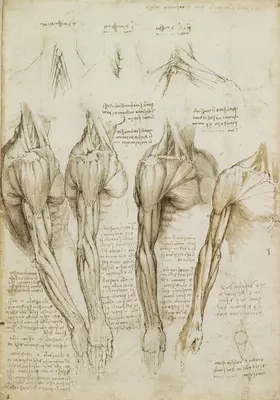
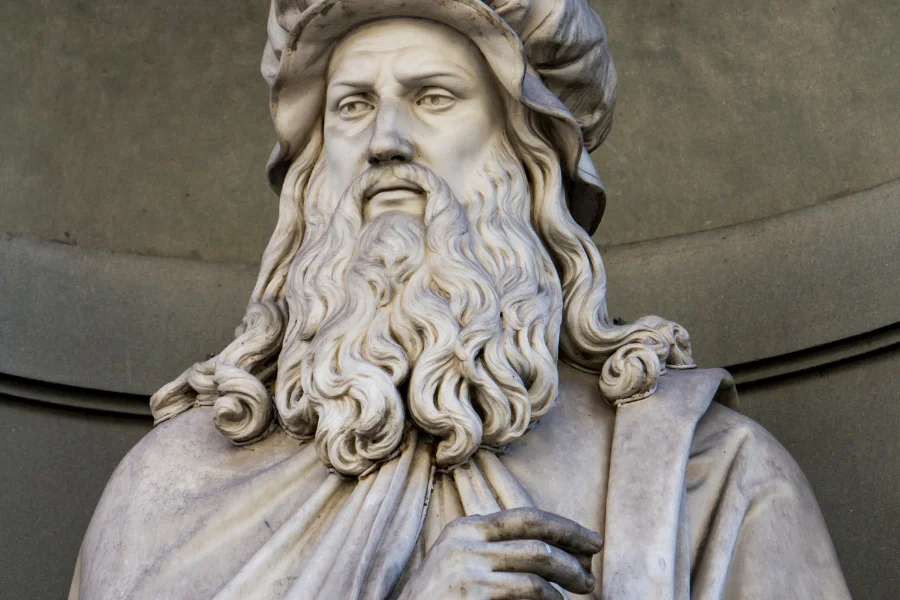
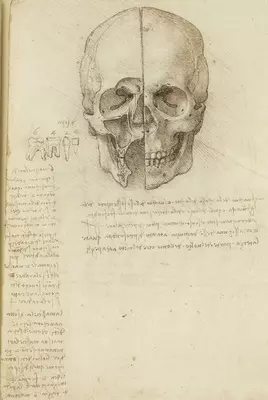
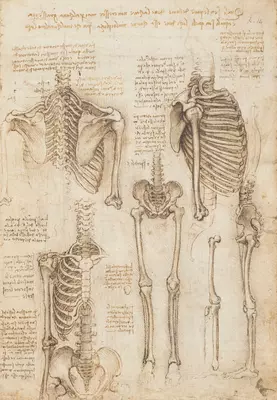
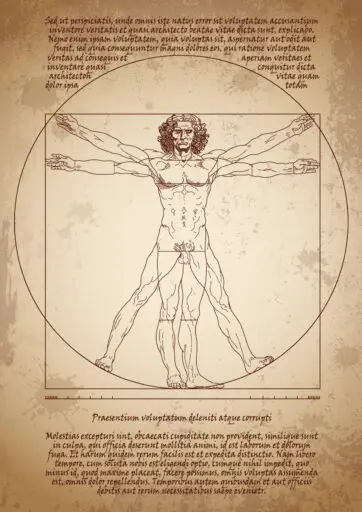
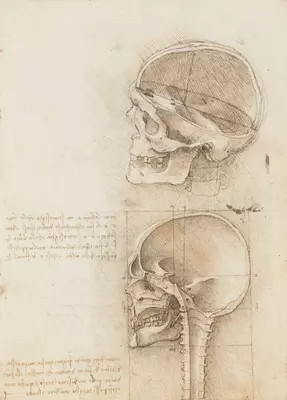
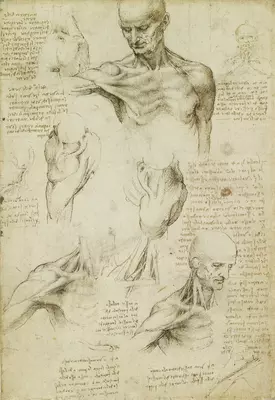
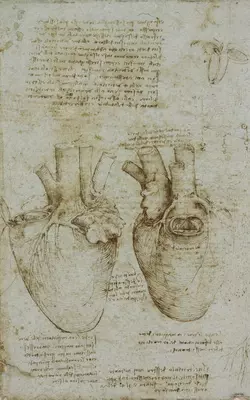
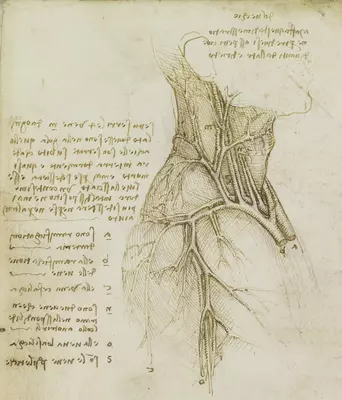
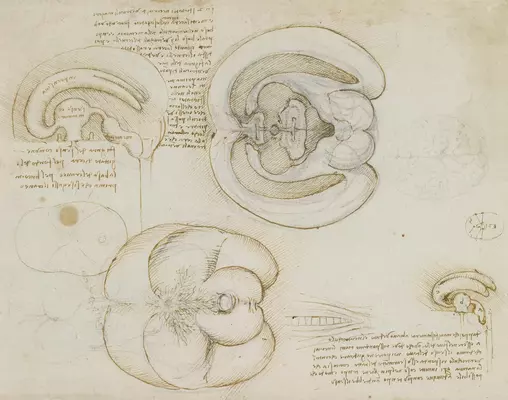
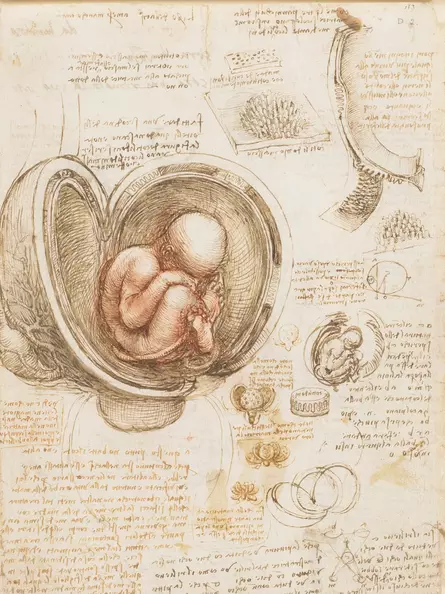
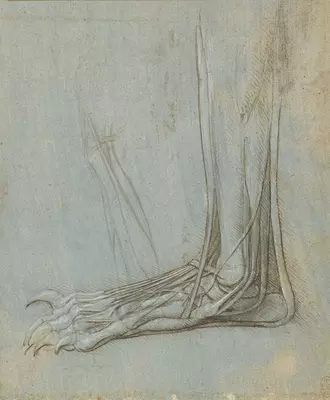
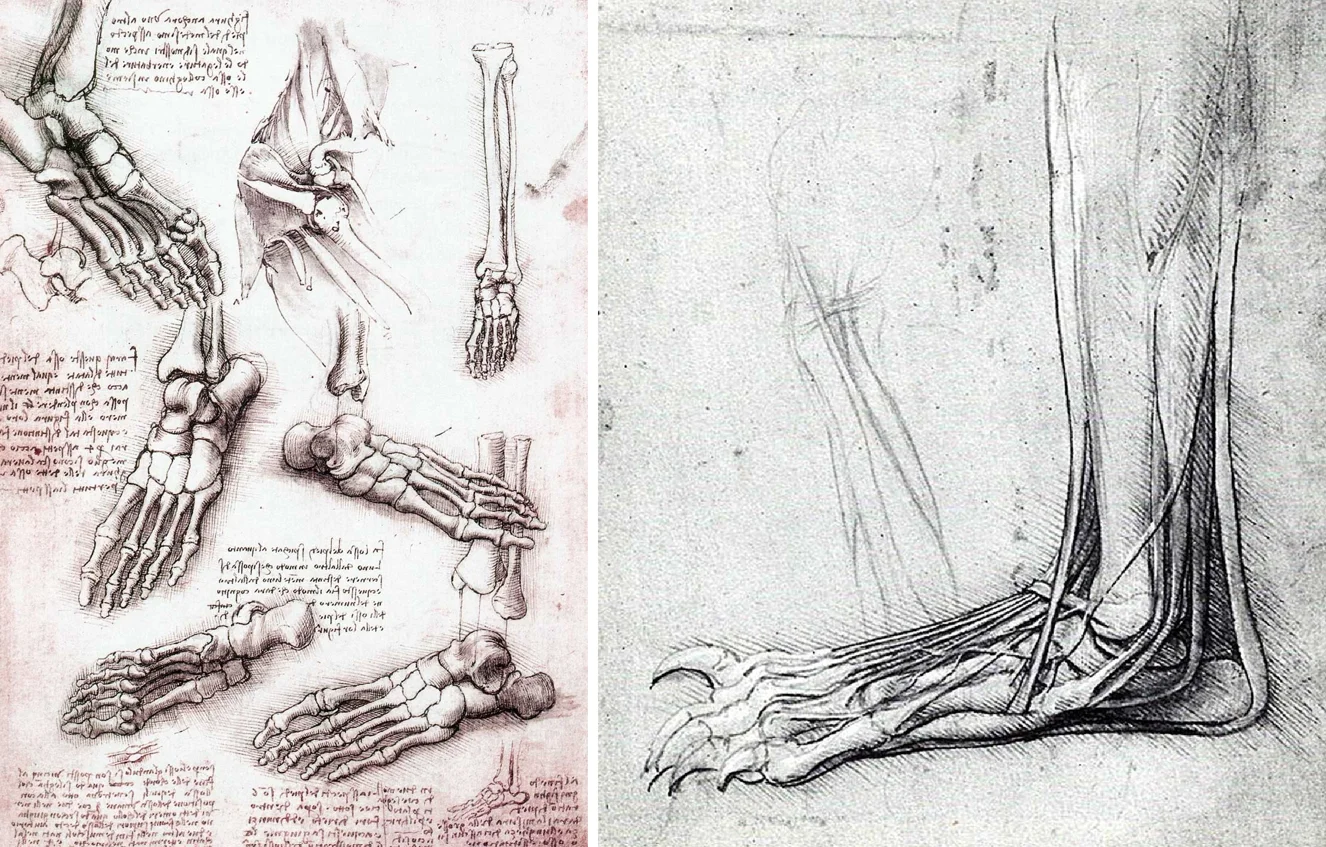
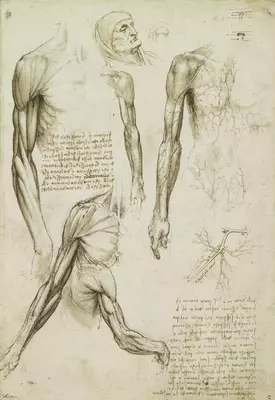
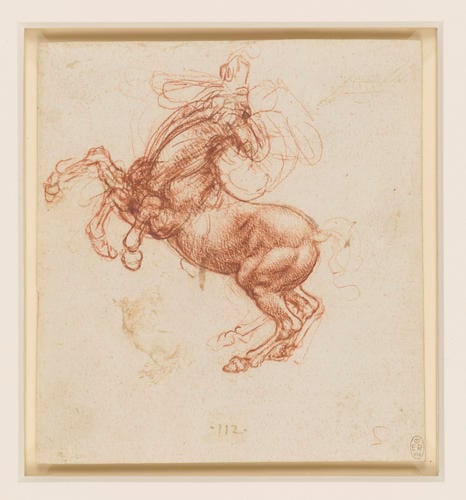


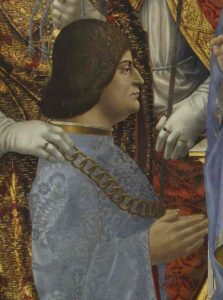
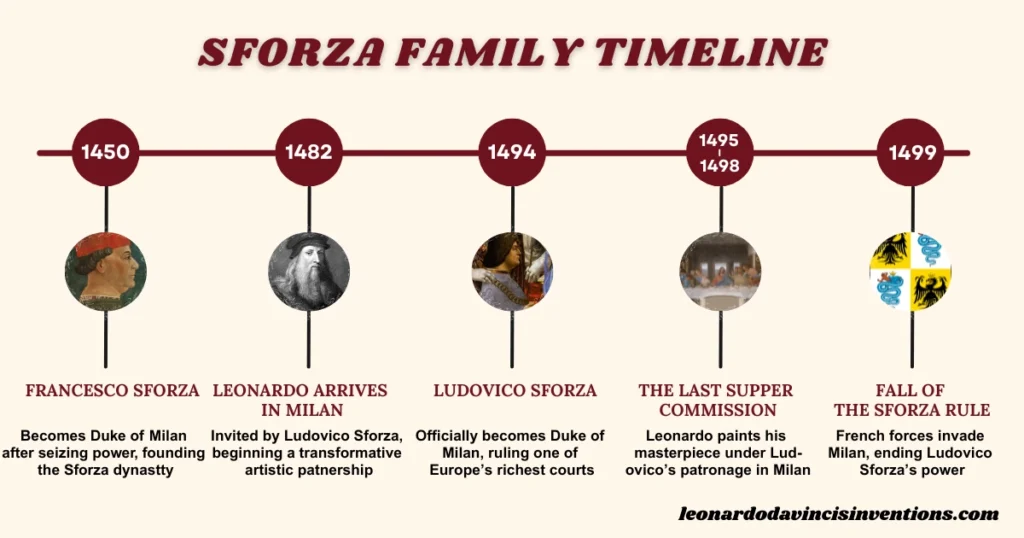
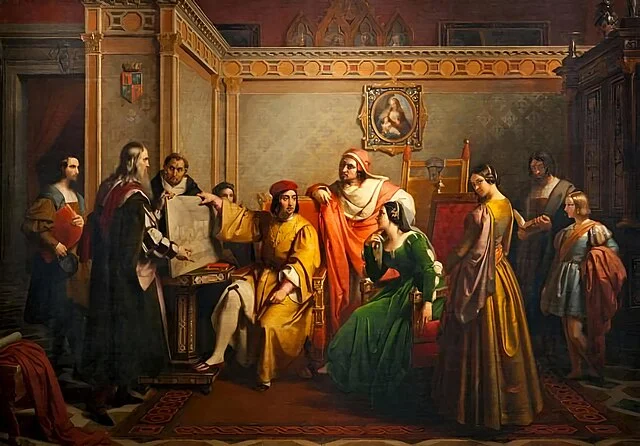
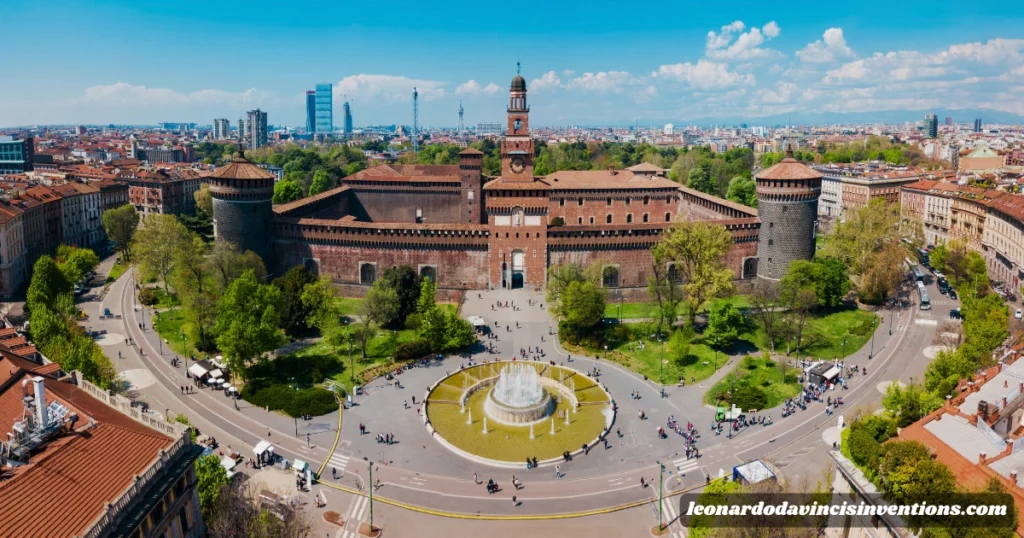
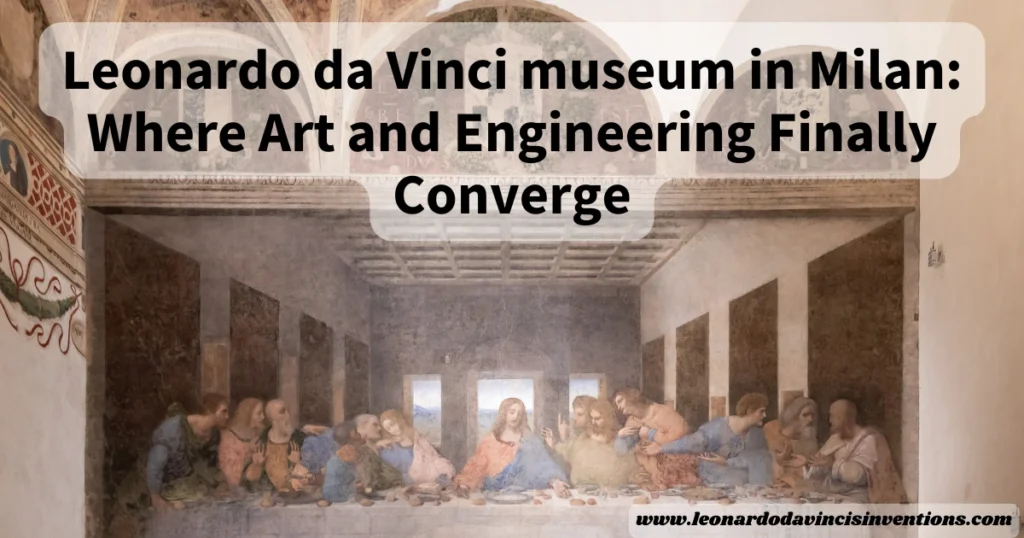

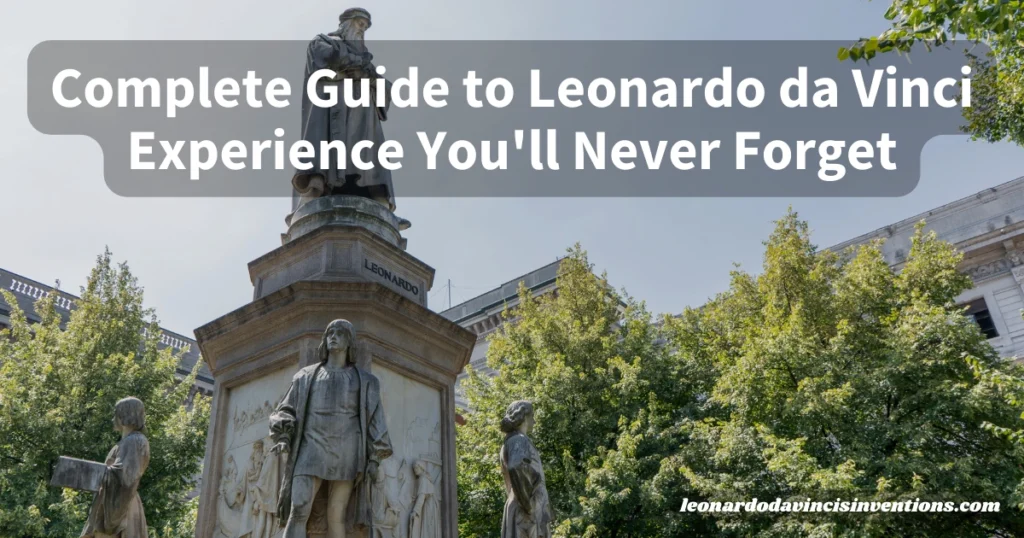
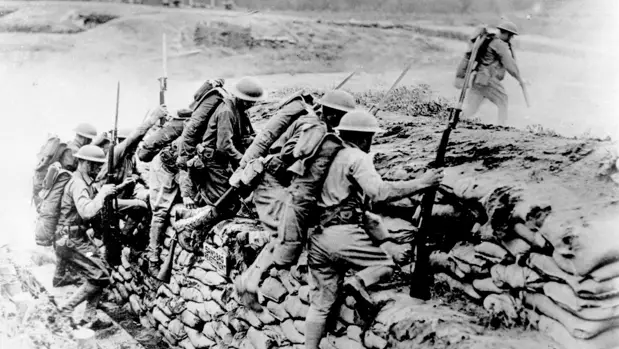
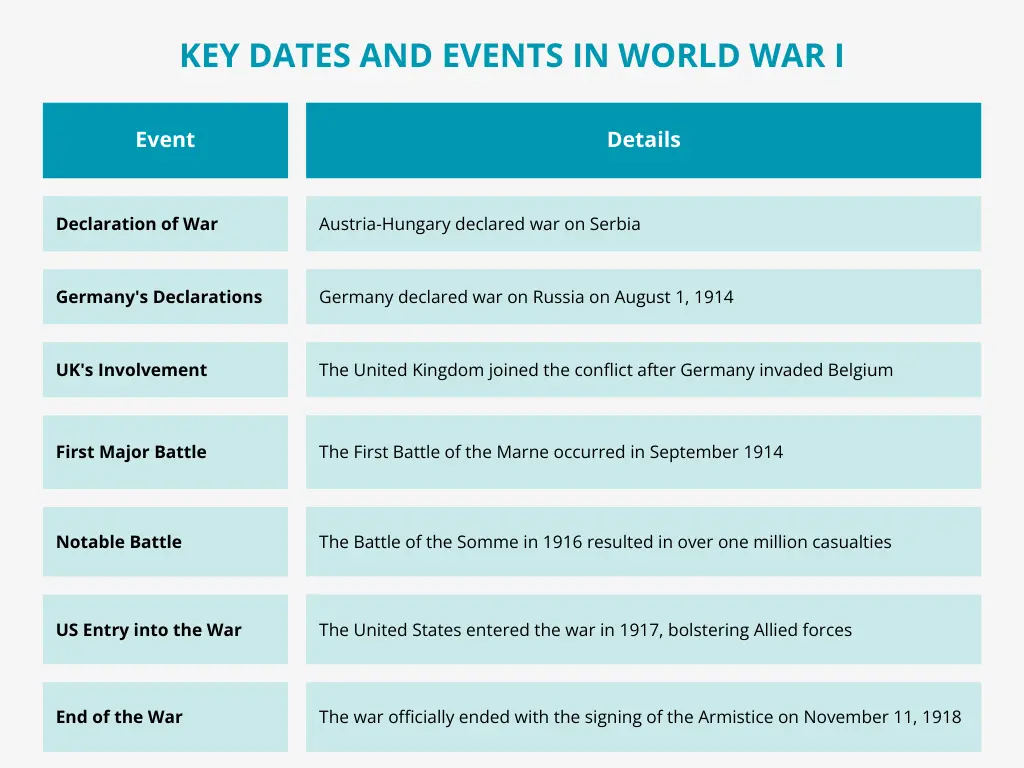
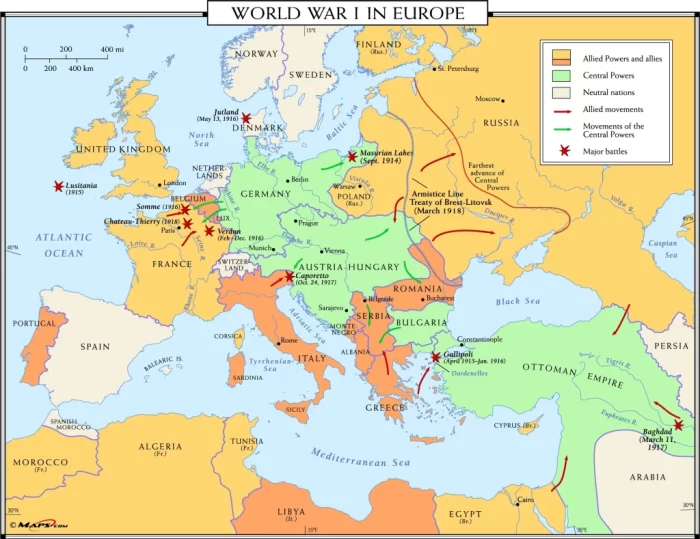
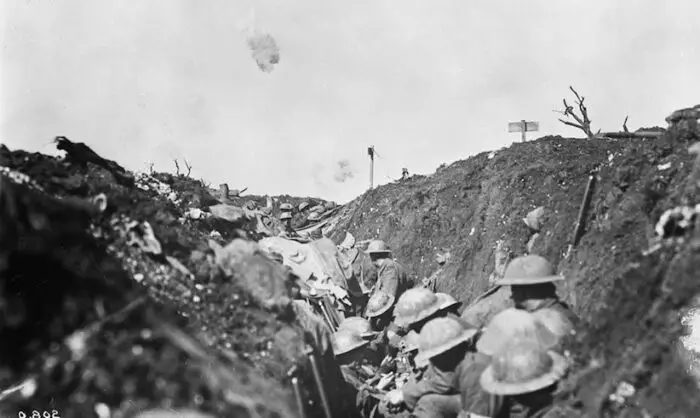
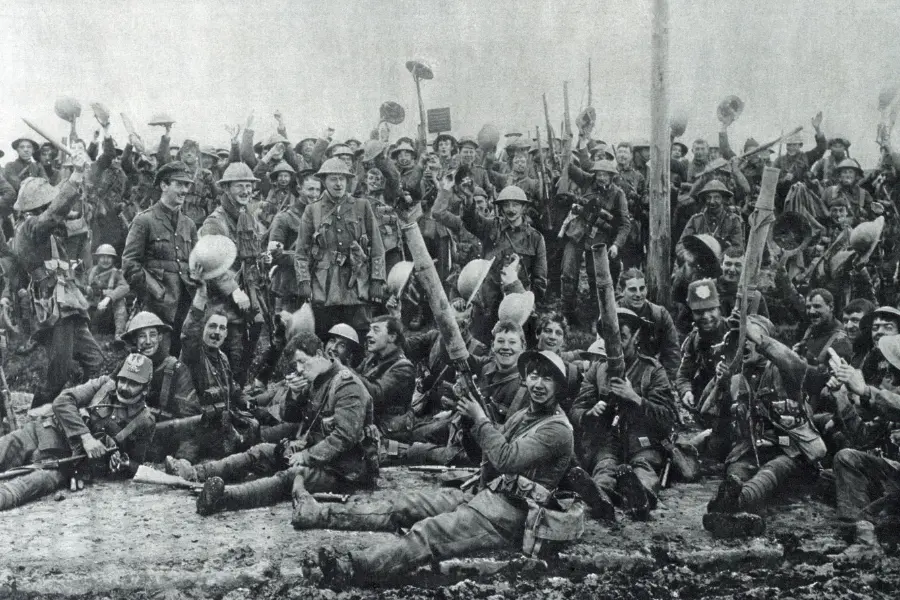
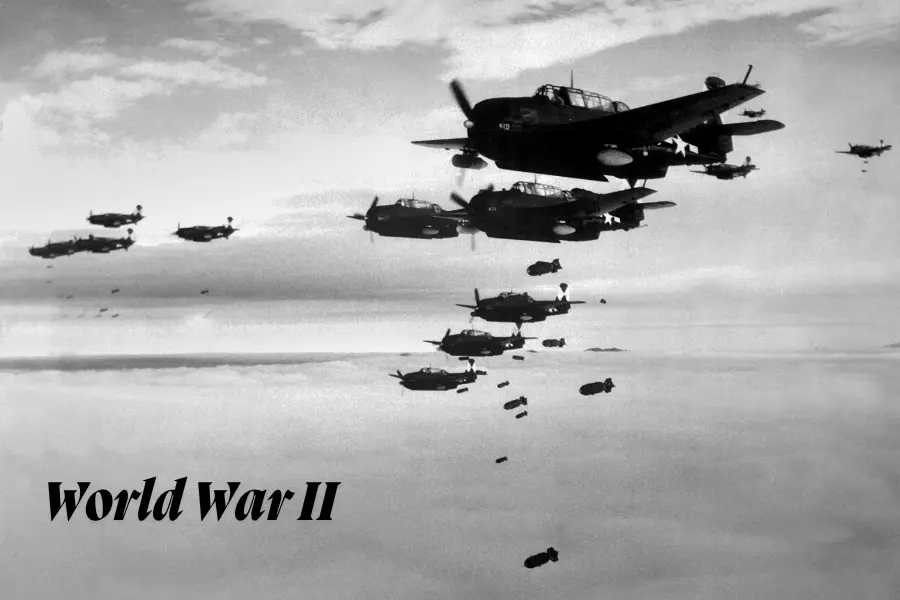
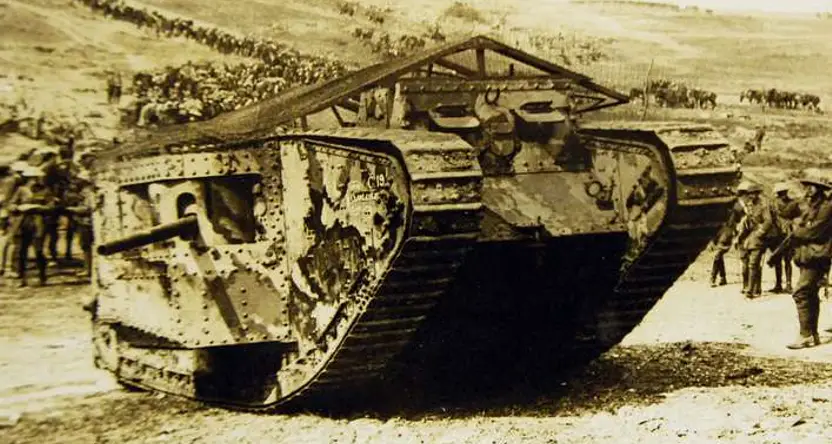
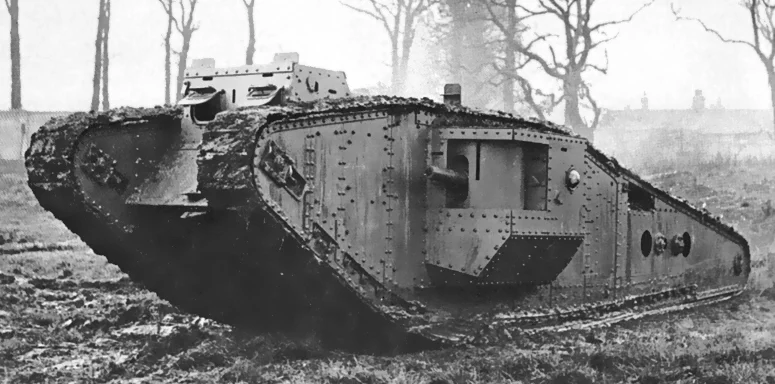
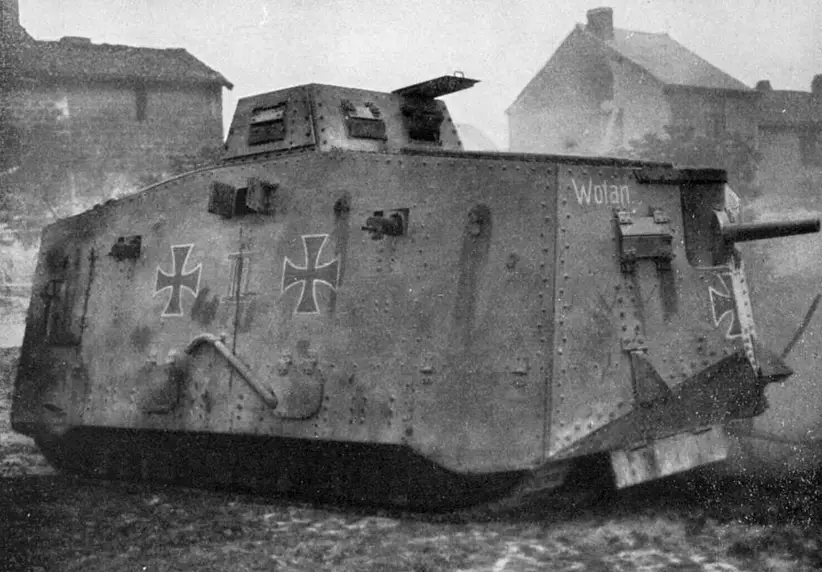
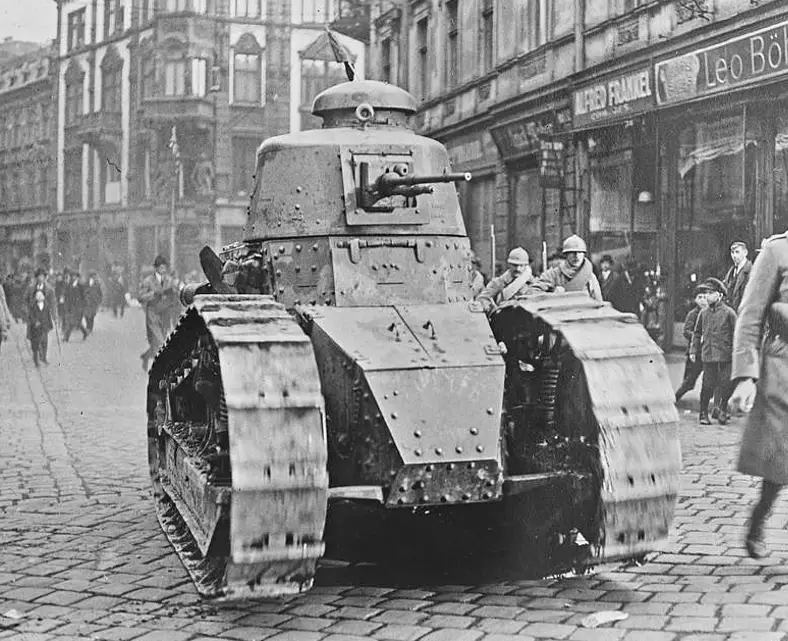
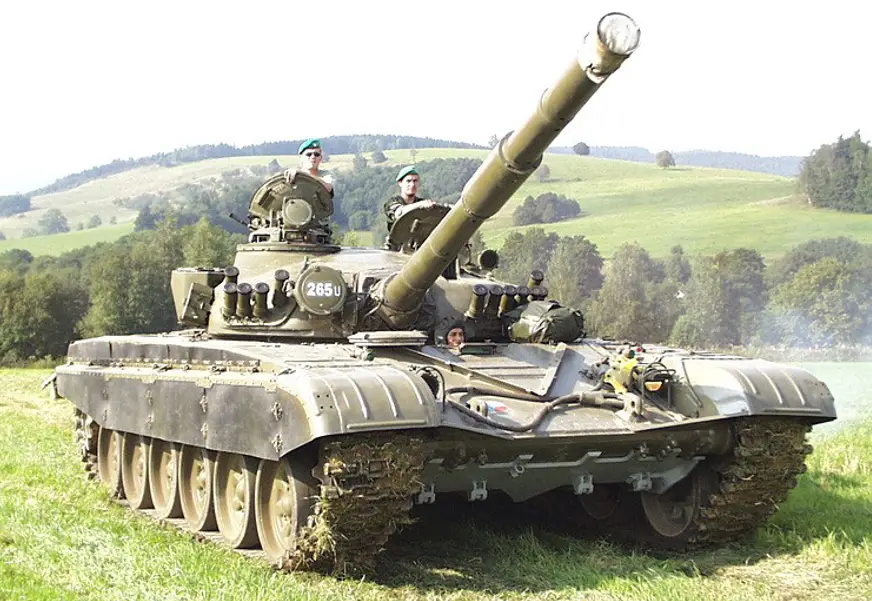
 Leonardo Bianchi is the founder of Leonardo da Vinci Inventions & Experiences, a cultural travel guide helping visitors explore Leonardo da Vinci’s art, inventions, and legacy across Italy and Paris.