The da Vinci Bridge is one of the most remarkable engineering concepts to emerge from the Renaissance — a structure so cleverly designed that it holds itself together without a single nail, rope, or fastener. Conceived by Leonardo da Vinci around 1502, this portable bridge challenged everything people thought they knew about construction and military logistics.
What makes it truly fascinating is its simplicity. Leonardo didn't rely on complex materials or advanced tools. He used pure geometry. The logs interlock under their own weight, each pressing against the others to create stability rather than collapse. The more weight placed on the bridge, the stronger it becomes.
Historically, this idea arrived at a pivotal moment. Europe's armies were crossing rivers, building supply lines, and conquering new territories. A bridge that could be assembled and disassembled in minutes — with no hardware — was not just clever. It was revolutionary. Leonardo designed it for Cesare Borgia, the ruthless military commander for whom he briefly served as an engineer.
Understanding the Leonardo da Vinci self-supporting bridge also transforms how you experience his legacy in museums and exhibitions today. When you stand in front of a reconstruction — whether in Milan, Florence, or a science museum elsewhere in Europe — you're not just looking at a model. You're seeing proof that one man, working in the late 15th century, was thinking about structural engineering in ways that engineers still admire today.
This post is all about the da Vinci bridge — its design, its history, how it works, and where you can see it brought to life in person.
What Is the Da Vinci Bridge?
The da Vinci bridge is a self-supporting, freestanding structure designed by Leonardo da Vinci around 1502. It uses interlocking logs or beams — with no fasteners of any kind — to create a stable, load-bearing bridge. Its design relies on compression and friction. Each beam supports the others, and the entire structure becomes stronger under load.
The Engineering Idea Behind the Da Vinci Bridge
Leonardo's Design Concept
Leonardo sketched the bridge in Codex Atlanticus, his extraordinary collection of notes and drawings now housed at the Biblioteca Ambrosiana in Milan. The sketch is deceptively simple — a series of curved beams crossing over and under each other in a repeating pattern.
The genius lies in what's not there. No nails. No rope. No mortar. The beams themselves are the fasteners. Each one rests in a notch created by the others, held in place by gravity and lateral compression.
Leonardo envisioned this as a military tool. A portable structure that soldiers could assemble quickly to cross rivers during campaigns. It could also be disassembled and carried to the next crossing point. In an era when most bridges took weeks to build, this was an extraordinary tactical advantage.
Renaissance Engineering Principles
Leonardo was working during a period when engineers were beginning to move beyond inherited Roman techniques. He studied proportion, physics, and mechanics obsessively — filling thousands of pages with observations about how the natural world behaves under force and load.
His approach to the self-supporting da Vinci bridge reflects this broader method. Rather than asking "how do we fasten these beams together?", he asked, "How can the beams fasten themselves?" That shift in thinking — from addition to integration — is deeply characteristic of how Leonardo approached nearly every design problem.
Renaissance engineering principles emphasized harmony between form and function. A well-designed structure was expected to be both beautiful and efficient. The da Vinci bridge achieves both. Its interlocking geometry has an elegance that engineers and mathematicians still find compelling today.
Why the Idea Mattered
The da Vinci bridge design mattered for several reasons beyond its immediate military use.
Principle
Explanation
Why It Matters
Structural Stability
Achieved entirely through geometric interlocking, without nails or fasteners
Designed to be quickly assembled, disassembled, and transported
Crucial for military logistics, where mobility determined strategic advantage
Scalability
Works at any size, from small models to full-scale timber structures
Demonstrates universal physics principles still used in education today
Leonardo da Vinci self-supporting bridge is an engineering marvel from the Renaissance.
It stands purely through balance and clever design. This bridge captures Leonardo’s ability to merge art, science, and functionality in a single masterpiece.
How the Da Vinci Bridge Works
Mechanical Design
The structure consists of two types of elements: support beams that run lengthwise, and cross-members that lock them in place. The cross-members are notched or curved so they nestle into the gaps between support beams. When assembled correctly, each beam is trapped in position by the others.
The overall shape is slightly arched when viewed from the side. This arch is not decorative — it's structural. The curve distributes compressive forces outward toward the banks of the river, following the same principle used in Roman arches.
If you're following da Vinci bridge step-by-step instructions, you'll typically begin by laying the central cross-members, then weave the outer beams over and under them in a specific sequence. The exact order matters. Assembled incorrectly, the structure falls apart. Assembled correctly, it holds firm even under significant weight.
Structural Principles
The Leonardo da Vinci self-supporting bridge works because of two physical forces: compression and friction.
Compression occurs when the beams press against each other. Each beam is wedged between two others, creating a squeeze that locks it in place. The harder you push down on the bridge, the more the beams squeeze together, and the stronger the structure becomes.
Friction prevents the beams from sliding apart under lateral force. The contact points between beams are large enough that friction — the resistance between two surfaces pressing together — holds everything in alignment.
These are the same forces at work in a stone arch or a barrel vault. Leonardo understood this intuitively, and his da Vinci bridge calculations (though never published in his lifetime) reflect a sophisticated grasp of structural mechanics.
This counterintuitive behavior — where more load means more strength — is the hallmark of a well-designed compressive structure. It's the same reason Roman aqueducts have survived for two thousand years.
The da Vinci bridge is now a popular teaching model in physics and engineering classrooms worldwide. Students build da Vinci bridge models from popsicle sticks or craft sticks to explore structural principles firsthand. The bridge has appeared in science fairs, university engineering programs, and even professional architectural workshops.
Is the da Vinci bridge strong? When built correctly, yes — remarkably so. Some full-scale reconstructions have supported the weight of multiple adults walking across simultaneously.
How to Build A Leonardo Da Vinci Bridge with Popsicle Sticks (DIY Guide)
Fun, Educational, and Hands-On
Building a Da Vinci bridge at home or in the classroom is fun and educational. You can use popsicle sticks, pencils, or even wooden dowels.
Materials you'll need:
Popsicle sticks (about 20–30 or more, depending on your desired length)
A flat surface (like a desk or table)
Patience and a curious spirit!
Da Vinci Bridge Instructions (step-by-step guide)
Step 1: Arrange your base sticks. Place four popsicle sticks on a flat surface, parallel to each other and evenly spaced. In your guide, these are shown with the orange side up and the blue side down to help visualize orientation.
Step 2: Lift the base. Gently lift the parallel sticks slightly off the surface. This begins creating the arch shape and allows weaving to start smoothly.
Step 3: Insert two cross sticks. From the right side, weave two black popsicle sticks through the lifted structure. These sticks secure the base together and form the first layer of crossing.
Step 4: Lift again. Carefully lift the structure higher to create space and tension for the next set of sticks. This helps stabilize the early framework.
Step 5: Add two more parallel sticks. Place two additional popsicle sticks on top, parallel to the original base sticks, with the same orange side up and blue side down. This starts creating the layered arch.
Step 6: Weave in two more cross sticks. From the right side again, insert two more black sticks, weaving them through the new parallel sticks. By this point, the structure should start to hold itself — this is the self-supporting stage.
Repeat and extend. Repeat Steps 5 and 6 as many times as you'd like to extend the bridge. Each additional layer makes it longer and stronger.
Test and fine-tune. Once your bridge stands on its own, carefully test it by placing small objects on top. Watch how the forces distribute and adjust if needed. Try different lengths or angles to explore how the design changes.
Tips:
Use smooth, sturdy sticks for better stability and easier weaving.
Move slowly and gently when lifting or weaving to avoid collapse.
Challenge yourself by using pencils, chopsticks, or dowels for a different style!
The most direct way to encounter the da Vinci bridge in real life is through the science and technology museums that hold reconstructions based on Leonardo's original sketches.
The Museo Nazionale della Scienza e della Tecnologia Leonardo da Vinci in Milan is the definitive destination. It holds the world's largest collection of wooden models based on Leonardo's designs, many of which were constructed directly from the Codex Atlanticus. The bridge model is displayed alongside dozens of other machines — flying devices, hydraulic systems, military equipment — in a way that allows visitors to understand Leonardo's engineering thinking as a whole.
The museum is housed in a 16th-century monastery in Milan's Sant'Ambrogio district, which adds a genuinely Renaissance atmosphere to the visit. Wandering through the long wooden galleries, surrounded by reconstructed machines, is unlike any other museum experience in Italy.
In Florence, the Museo Galileo and the broader network of science-focused cultural spaces also explore Renaissance engineering, though the Milan museum remains the gold standard for Leonardo's mechanical designs.
Modern Reconstructions
One of the most celebrated real-world tests of Leonardo da Vinci's self-supporting bridge took place in 2019, when researchers at MIT conducted a detailed structural analysis and built a full-scale replica. Their findings confirmed that the design would have worked exactly as Leonardo intended — stable, load-bearing, and deployable without tools.
In Norway, a permanent bridge inspired by Leonardo's original golden horn bridge concept (a proposal he made to Sultan Bayezid II of the Ottoman Empire in 1502) was built near Oslo in 2001. The Leonardo Bridge in Ås, designed by artist Vebjørn Sand, spans a pedestrian path and demonstrates how a 500-year-old concept can translate into a fully functional modern structure.
Leonardo had originally proposed this bridge as a span across the Golden Horn inlet in Istanbul — one of the longest bridges of the ancient world, had it been built. The Ottoman sultan declined, and the design remained on paper for five centuries.
Visitor Experience and City Context
Visiting Milan to see da Vinci bridge models and related engineering exhibits fits naturally into a broader Leonardo itinerary. The city holds the most concentrated collection of Leonardo's work anywhere in the world — including The Last Supper fresco at Santa Maria delle Grazie, which requires advance booking, and the Codex Atlanticus itself at the Biblioteca Ambrosiana.
A visit to the science museum typically takes two to three hours. The Leonardo collection alone is extensive, but the wider museum — which covers Italian scientific history from the Renaissance to the Space Age — rewards a longer visit.
Milan is also an excellent base for day trips to other Leonardo-connected sites in Lombardy, including Vigevano (where Leonardo designed urban improvements for Ludovico Sforza) and the Navigli canal district, where Leonardo contributed to hydraulic engineering.
Many visitors choose an entrance-only ticket for flexibility, while others prefer a guided tour for deeper historical context. If you're traveling with a particular interest in Leonardo's engineering work, a specialist-guided visit can make the connections between his drawings and the physical models far more vivid.
Milan is the city most deeply connected to Leonardo's working life. He spent nearly twenty years here under the patronage of Ludovico Sforza, producing some of his greatest paintings, engineering projects, and scientific notebooks. The da Vinci bridge concept, the canal systems, the equestrian monument, and The Last Supper all belong to this Milanese period.
Walking through Milan with Leonardo in mind is a genuinely different experience from a standard city tour. The science museum, the refectory at Santa Maria delle Grazie, the Ambrosiana library, and the Castello Sforzesco each hold a different piece of his legacy — and together they sketch the full portrait of a mind that could move between painting, architecture, hydraulics, and military engineering without ever losing its curiosity.
For further reading on Leonardo's world, explore our guides to:
This post is all about the da Vinci bridge — a structure that continues to amaze engineers, educators, and cultural travelers five centuries after Leonardo sketched it in a notebook. What makes it endure isn't just its cleverness. It's the proof it offers that genuine creative thinking can solve problems in ways that conventional thinking never would.
Leonardo didn't invent the arch, the beam, or friction. But he combined them in a way that had never been done before — producing something portable, elegant, and powerful. That combination is the essence of Renaissance innovation. It's also why his notebooks feel so startlingly modern when you read them today.
If you ever have the chance to stand in front of a full-scale reconstruction — or even to build a small model yourself from popsicle sticks — take it. There's a moment, when the last beam locks into place and the whole structure suddenly becomes rigid and stable, when you understand exactly what Leonardo understood. It's not just engineering. It's an idea about how things can support one another.
FAQs about the da Vinci Bridge
How does the Da Vinci bridge work?
The da Vinci bridge works through a system of interlocking wooden beams that hold each other in place using compression, gravity, and friction. As weight is applied, the beams press together more tightly, creating a stable, self-supporting structure without nails or ropes.
What is the story behind Da Vinci's bridge?
Leonardo da Vinci designed his self-supporting bridge while working as a military engineer, likely under Cesare Borgia. The bridge was intended to be quickly assembled and dismantled, allowing armies to cross rivers efficiently and remove the structure to prevent pursuit.
Is the Da Vinci bridge strong?
Yes, the da Vinci bridge is surprisingly strong because its design distributes weight evenly across all beams. In fact, the structure often becomes more stable as additional weight is applied, since the forces increase the locking effect between the pieces.
How much weight can a Da Vinci bridge hold?
The exact weight a da Vinci bridge can hold depends on its size and materials, but experiments and models show it can support significant loads relative to its scale. Even simple classroom models can hold heavy objects, while engineered versions have demonstrated the ability to support structural loads effectively.
What is the physics behind the Da Vinci bridge?
The bridge relies on key physics principles such as compression, tension, and friction. Each beam transfers force to the next, creating a chain of balanced forces that stabilize the structure. The geometry ensures that loads are distributed evenly, preventing collapse.
What are the principles of the Leonardo da Vinci bridge?
The main principles behind the da Vinci bridge are self-supporting geometry, interlocking design, and load distribution. The beams form a “self-locking” system where each piece depends on the others, allowing the bridge to stand without fasteners while remaining portable and scalable.
Leonardo da Vinci Catapult is an intriguing invention. Its design stands out for combining artistic creativity with scientific precision. The catapult featured a leaf-spring system and a rotating drum mechanism, enhancing the power and efficiency of traditional catapults.
Leonardo da Vinci's innovative approach to warfare and defense fascinates those who are curious about the future applications and impacts of his catapult.
His designs significantly influenced military technology and made notable contributions to the broader engineering field. The Leonardo da Vinci Catapult enables visitors to delve more deeply into these revolutionary concepts.
This invention is a testament to da Vinci’s forward-thinking mindset, reflecting his unique perspective on the relationship between form and function.
Studying his improvements to this device reveals the extensive knowledge and creativity he applied to his work.
Historical Context of Leonardo da Vinci's Inventions
Leonardo da Vinci, a renowned figure of the Renaissance, made significant contributions to science and engineering. His inventions, such as the Leonardo da Vinci Catapult, reflect the era's interest in military advancements and innovation.
The Renaissance and Militaristic Inventions
Europe experienced a surge in cultural, scientific, and technological progress during the Renaissance. This period was characterized by a renewed interest in classical knowledge and a desire to innovate. Military technology also saw significant advancements during this time.
Ancient Greek catapults had been used for centuries, but their designs evolved over time. Leonardo da Vinci, intrigued by these ancient mechanical devices, developed his version.
The Leonardo da Vinci Catapult improved upon previous designs by incorporating innovative features that increased its power and range.
Military engineering was critical during the Renaissance, as conflicts and territorial expansions were rampant. Da Vinci's work stood out because he combined artistic skill with practical engineering, resulting in sophisticated designs ahead of their time.
Extensively studied catapult models provide insight into his genius and the technological capabilities of the period.
Leonardo's Role as an Inventor and Engineer
Leonardo da Vinci’s role extended beyond that of an artist. He was also a visionary engineer and inventor. He applied his understanding of mechanics and physics to create artistic and functional designs.
Da Vinci's inventive genius is evident in designs like the armored vehicle and the Leonardo da Vinci Catapult. Though many of his inventions were not built during his lifetime, they influenced later engineering developments. Leonardo’s notebooks reveal detailed sketches and ideas that often blended creativity with scientific exploration.
His ability to envision machines like the catapult, which he designed to meet the needs of his time, underscores his impact. Leonardo’s legacy as an engineer has left an indelible mark on technological advancements, inspiring generations of inventors.
Design and Mechanics of the Catapult
Leonardo da Vinci's catapult showcases his ingenuity in reimagining medieval catapult design, achieving greater efficiency and power. By studying existing mechanics, he aimed to enhance projectile launching by exploring innovative materials and mechanisms.
Conceptual Drawings and Notes
Leonardo da Vinci created detailed sketches and notes demonstrating his visionary approach to catapult design. Although his catapult was not an entirely new invention, he sought to refine existing concepts through thoughtful adjustments. One of his designs included a double-leaf spring mechanism, allowing increased tension and power.
His sketches were precision-oriented, accounting for force vectors and projectile trajectories. Careful calculations ensured stability and balance, which is vital for an effective launch. Although his designs were not built during his lifetime, they offer insight into his mechanical brilliance and forward-thinking approach.
Mechanical Principles and Operation
Leonardo da Vinci's catapult's core mechanics revolved around tension and torque to enhance the launching force. Unlike traditional torsion-based catapults, it utilized a spring leaf mechanism. This adjustment enabled more controlled and powerful launches, thereby increasing the range and impact of projectiles.
Leonardo also focused on improving the loading and firing mechanism, aiming to simplify the process and make it more efficient for potential wartime use.
His understanding of torque and tension motivated this enhancement, ensuring each component worked symmetrically. As a result, da Vinci's catapult demonstrated artistic prowess and a sophisticated understanding of engineering principles.
Construction and Materials
Leonardo da Vinci's catapult showcases the innovative use of materials and construction techniques. Its design reflects a blend of wood and rope preferences, and its unique approach to tension and counterweight systems enhanced its efficiency as a war machine.
Wood and Rope Preferences
Leonardo da Vinci's catapult relied on carefully selected wood and rope, both vital to its functionality. Hardwoods like oak were preferred for their durability and strength, which is essential for withstanding the stress of launching projectiles. Softwoods, despite being lighter, were less common in such applications.
Ropes made from natural fibers, such as hemp, were both flexible and strong. Hemp's elasticity was crucial for efficiently absorbing and releasing energy during the firing process. The combination of hardwood for structural components and hemp for tension elements ensured a balance between strength and flexibility, thereby maximizing the power and range of the projectiles.
Tension and Counterweight Systems
Leonardo da Vinci's approach to tension-and-counterweight systems in his catapult design was distinctive. These mechanisms were crucial for the catapult's ability to launch projectiles.
By optimizing the tension in the ropes and employing counterweights, the da Vinci catapult could achieve significant force and distance.
Tension was carefully adjusted by winding ropes, a method derived from earlier torsion-based catapults, such as the ancient Greek models. This tension-powered mechanism enabled controlled, precise releases, while counterweights provided the necessary balance to maintain stability during operation.
This integrated system of tension and counterweights exemplifies Leonardo da Vinci's ingenuity. He combined ancient catapult principles with his inventive enhancements, and this thoughtful design and construction enabled his catapult to perform effectively as a formidable weapon.
Leonardo da Vinci's Influence on Warfare
Leonardo da Vinci's innovative designs transformed the landscape of military technology. His work on war machinery, such as the da Vinci catapult, provided fresh insights into the capabilities and mechanisms of siege engines.
Comparison to Contemporary Siege Engines
Impact on Military Engineering
Leonardo da Vinci's contributions extended beyond weaponry, influencing the broader field of military engineering. His sketches, which included detailed mechanisms and structural designs, inspired future generations to explore new engineering possibilities.
The da Vinci catapult showcased how art and science could converge to improve military technology. His emphasis on precision and efficiency paved the way for modern engineering strategies used in warfare.
By balancing practicality with creativity, da Vinci's inventions encouraged a shift from brute force to more calculated, efficient methods of attack, altering the course of military strategy development. His work on siege engines remains a testament to his profound impact on military design and engineering.
Exploring the Evolution of Catapults Throughout History
Mangonel Catapult - The First Known Catapults
The question of who invented the catapult takes us back to the ancient world. The first known catapults were developed in ancient Greece in the 4th century BC, specifically by a Syracuse engineer named Dionysius the Elder.
Unlike the da Vinci catapult, these early devices relied on torsion power from twisted ropes or sinew rather than tension or counterweights. This type of catapult, also known as a mangonel catapult, used the stored energy in the twisted ropes to hurl projectiles toward the enemy.
Mangonel Catapult
Ballista Catapult
As centuries passed, the design blueprints of catapults underwent significant changes. Greek and Roman engineers refined and diversified catapult designs, introducing new mechanisms like the ballista and onager.
It's fascinating to compare these classical designs with the more sophisticated da Vinci catapult, a testament to the evolution of engineering over the millennia.
Ballista Catapult
In East Asia, the Mongols advanced catapult technology by developing the Mongolian catapult, also known as theHwacha. This innovation could fire multiple projectiles at once, a stark contrast to the single-projectile designs common in the West.
Trebuchet Catapult
Catapult technology saw another shift during the Middle Ages. The most prominent type of catapult used during this period was the trebuchet. This siege weapon used a counterweight mechanism, unlike the da Vinci catapult's tension-based design.
Trebuchet Catapult
Trebuchets were the pinnacle of medieval siege technology, capable of hurling large projectiles over long distances. The introduction of counterweight technology marked a significant departure from the ancient torsion catapult design, leading to more powerful and efficient siege engines.
Despite the differences in design and the centuries that separate them, the trebuchet and Leonardo da Vinci's catapult share a common purpose: to utilize mechanical advantage to achieve power and precision beyond human capabilities.
Facts and Curiosities
5 Fun Facts About Catapults
Here are five fun facts about catapults that might surprise you:
The Greek engineer Dionysius invented the catapult in 399 BC.
'catapult' comes from the Greek words 'kata,' meaning 'downwards,' and 'paleo,' meaning 'to toss.'
During the Middle Ages, some catapults launched diseased animals or corpses over castle walls to spread disease among the enemy. It is a disturbing yet fascinating example of early biological warfare.
The most enormous catapult ever recorded in history was built by Edward I of England during the siege of Stirling Castle in 1304. It was named 'Warwolf'.
Today, a catapult is used for a variety of purposes, ranging from launching aircraft from aircraft carriers and pitching baseballs to launching lifeboats.
Da Vinci's Catapult: 4 Lesser-Known Facts
There are 4 Leonardo da Vinci catapult facts that might not be commonly known:
Leonardo da Vinci's catapult design was more sophisticated and powerful than those used at the time. It was designed for accuracy, not just power.
Da Vinci's design used a spring-like tension mechanism, unlike the torsion-based catapults of the ancient world.
There's no record that da Vinci's design was ever built during his lifetime. It existed only as sketches in his notebook until modern enthusiasts brought it to life.
In Italian, the word 'catapulta' is sometimes used to refer to Leonardo da Vinci's catapulta.
Modern-Day Uses of Catapults
In contrast to their original role as siege engines, catapults are used in modern times for a remarkably diverse range of purposes. The physics principles that catapults employ have found applications in various modern technologies:
The aviation industry catapults planes from aircraft carriers, enabling them to take off quickly.
The entertainment industry utilizes various forms of special effects, ranging from amusement park rides to film and stage effects.
Sports equipment, such as baseball pitching machines, employs a catapult mechanism.
Aircraft Catapult in an Aircraft Carrier
Modern Replications and Educational Projects
Modern efforts to recreate Leonardo da Vinci's catapult bridge the past and the present. These reconstructions offer practical insights into historical siege technologies and engaging educational experiences for learners.
Reconstruction Attempts
Enthusiasts and historians today are captivated by the task of bringing da Vinci's catapult to life. They aim to precisely replicate da Vinci's intricate designs using advanced techniques such as 3D printing and laser cutting. Instructables provides step-by-step instructions for constructing these models, making them accessible to hobbyists and educators.
These projects highlight da Vinci's work's elegance while showcasing improvements in design and function over traditional catapult weapon systems. These reconstructions show a clear link between ancient engineering concepts and modern manufacturing capabilities.
Learning Tools in Science and History
Da Vinci catapult replicas serve as valuable educational tools, bringing to life the history of catapults and connecting students with ancient technologies and the evolution of military strategies.
Schools and museums often use these models to teach physics and engineering principles. Through hands-on interaction, tension, force, and trajectory become tangible.
For children and students, working with these replicas fosters curiosity. Educational resources, such as those found on Teaching Expertise, provide activities that nurture creative thinking by marrying historical context with scientific understanding. This makes learning about the catapult's ancient Greek origins and its application in warfare both entertaining and informative.
Final Thoughts
Leonardo da Vinci's catapult is a testament to his endless curiosity and genius. His variations on the traditional catapult design showed his willingness to rethink and improve upon existing technologies.
These improvements highlighted his interest in mechanics and physics, which were ahead of their time.
Leonardo explored various concepts, including the use of leaf springs to enhance throwing power.
These sketches demonstrated his understanding of torque and tension forces, paving the way for more dynamic catapult designs.
Though da Vinci’s catapult designs were not widely adopted during his lifetime, they contributed to technological progress and revealed his innovative spirit.
This aspect of his work reflects his approach to numerous inventions, where creativity and science intersect.
Key Takeaways:
Leonardo da Vinci's catapult was not just functional but also displayed an innovative application of mechanical principles.
His relentless pursuit of improvement is evident in his approach to designing the catapult.
Leonardo's fusion of art and science continues to inspire modern engineering and design, offering insights that remain relevant today.
FAQs about Leonardo da Vinci Catapult
Did Leonardo da Vinci invent the catapult?
No, Leonardo da Vinci did not invent the catapult, as it had already existed since ancient times. Instead, he redesigned and improved catapult mechanisms, introducing innovations like spring-based systems and rotating drums to increase power and efficiency.
Who invented the first catapult?
The earliest catapults were developed in the ancient world, particularly in Greece and possibly earlier in the Near East, with records dating back to at least the 7th century BC. These early machines used stored energy (tension or torsion) to launch projectiles.
What is Da Vinci's most famous invention?
Leonardo da Vinci is best known for conceptual inventions such as the aerial screw (an early helicopter), the armored vehicle (a tank), and the giant crossbow. While many were never built, they showcased advanced engineering ideas far ahead of their time.
Did Da Vinci invent the trebuchet?
No, Leonardo da Vinci did not invent the trebuchet. This powerful siege engine originated earlier, likely in ancient China and later in medieval Europe. Leonardo studied and redesigned similar machines, but did not originate the concept.
Who was the first to use a catapult?
Catapults were first used in ancient warfare, particularly by early civilizations such as the Greeks and peoples of the Near East. Historical records also show their use in ancient Jerusalem, where machines launched large stones at enemies.
What are the 4 types of catapults?
Four common types of catapults are the ballista, mangonel, trebuchet, and spring-powered catapult. Each uses different mechanisms—such as torsion, counterweight, or tension—to launch projectiles with varying power and range.
Leonardo da Vinci flying machine has captivated the imagination of historians and aviation enthusiasts. Despite his drawings and designs, the machine was never capable of flight.
Da Vinci created several designs that showed his deep interest in human flight. His most notable idea was the ornithopter, which aimed to mimic the flapping of bird wings. Still, these designs required materials and technologies not available in his time, ultimately preventing their realization.
The mystery of the flying machine continues to intrigue people today. By examining historical records and expert analyses, you can gain a clearer insight into da Vinci's unfulfilled dream of flight.
His innovative spirit and vision paved the way for future inventors, leaving a lasting impact on aviation.
The Concept of Leonardo da Vinci Flying Machine
Leonardo da Vinci Glider
Leonardo da Vinci was a visionary thinker known for his inventive genius.
His flying machines, especially the ornithopter, highlighted his understanding of animal flight and his determination to mimic it. Though unsuccessful, these inventions paved the way for future aviation developments.
Understanding the Ornithopter Design
The ornithopter is one of Leonardo da Vinci's most intriguing designs. It was inspired by birds' flight and involved wings that flap like birds'.
Da Vinci's sketches showed a meticulous design that harnesses human power and aerodynamic principles. The wings were to be controlled by a system of pulleys and levers, allowing the pilot to simulate the flapping motion.
This design illustrated his profound interest in human flight and his desire to replicate nature's flying efficiency. His notes reflect a deep understanding of motion and mechanics, although the machine was ultimately non-functional due to the limitations of human strength.
Early Flying Machines: Da Vinci's Inventions
Leonardo da Vinci's contributions to early flying machines showcased his remarkable creativity and insight. Among his numerous designs, the ornithopter stands out, but he also explored other concepts.
These included a helicopter-like device with a helical rotor intended to lift off through rotational force. Although visionary, Leonardo da Vinci's flying machine was not feasible at the time due to the lack of suitable materials and propulsion technologies.
Despite their impracticality, his designs are celebrated for their imaginative engineering and lasting impact on aviation.
The Evolution of Da Vinci Flying Machines
Over time, Da Vinci's flying machines evolved with increasingly complex designs. He went from simple sketches to more advanced concepts, hoping to achieve sustained human flight.
Each design iteration incorporated feedback from previous models and experiments. Leonardo da Vinci's flying machine reflected observations of nature and mechanical innovation.
Da Vinci's machines never took to the skies, but they laid the foundation for subsequent inventors. His work inspired others to continue exploring the dream of flight and made significant contributions to the history of aviation technology.
Leonardo da Vinci's Approach to Aviation
Leonardo da Vinci Helicopter
Leonardo da Vinci's approach to aviation was groundbreaking. He blended art and science in a way that set the foundation for future innovators.
His sketches and observations on bird flight translated into detailed designs for mechanical flight.
Leonardo da Vinci and Flight: A Visionary's Perspective
Leonardo da Vinci viewed flight as a symbol of freedom and limitless human potential. His fascination with birds and their ability to soar inspired him to study their anatomy in great detail.
Leonardo created detailed drawings to capture the mechanics of wing motion. This meticulous research was both artistic and scientific, aimed at replicating avian flight through mechanical means.
His vision extended beyond sketches, reflecting a deep understanding of how nature can guide technological advances.
The Role of Leonardo da Vinci's Flying Machine Sketches
Leonardo da Vinci's sketches of flying machines, often called ornithopters, featured large wings that flapped like a bird's.
These sketches explored various forms, including a helicopter-like device with a screw-shaped rotor. Though they were never built or tested during Leonardo's lifetime, these designs illustrated his forward-thinking approach to human flight.
Leonardo's sketches demonstrated his ability to envision machines centuries ahead of his time, influencing later aviation concepts.
Analyzing the Leonardo da Vinci Plane Design
The Leonardo da Vinci plane design showcased his engineering brilliance by attempting to mimic the complex dynamics of bird flight. His designs featured a lightweight frame combined with firm, yet flexible, wing surfaces.
Despite advances in aerodynamic understanding, the technology of the era couldn't realize such sophisticated designs. While the machine was theoretical, it represented a crucial step in the history of aviation.
His work demonstrated an early understanding of the principles underlying lift and propulsion, which are fundamental to modern aviation engineering.
The Mechanics Behind the Flying Machine
Leonardo da Vinci's flying machine, an ornithopter, is one of his most famous inventions. This impressive design uses human muscle power to mimic the flapping of bird wings, showcasing Leonardo's innovative approach to aerodynamics and mechanics.
How to Make a Leonardo da Vinci Flying Machine Model
Building a model of the da Vinci flying machine provides insight into the mechanics Leonardo envisioned. The model often requires lightweight materials, such as wood or plastic, to simulate the rod-and-pulley system that powered the original design.
Simplified versions focus on the large wings essential to its operation. These wings are connected via cranks and levers, allowing flapping motion. Enthusiasts can find kits online or at hobby stores that include detailed assembly instructions, enabling a hands-on experience with one of history’s earliest flying machines.
The Science of the Da Vinci Airplane
The science behind Leonardo da Vinci's airplane centers on the principles of lift and propulsion.
Leonardo's sketches detail ornithopters that aim to achieve flight by flapping their wings, much like birds. His designs, such as the flying machine, explored methods to harness human power to create lift.
By translating muscle movement into mechanical action through a series of gears and pulleys, Leonardo sought to replicate birds' flight. Although his machines never took flight, they laid the foundation for future aviation developments.
Insights from Leonardo da Vinci's Flying Machine Drawings
Leonardo da Vinci's drawings of flying machines show his remarkable understanding of flight. His sketches often included detailed annotations on wing shape and movement.
These plans reveal Leonardo's belief in human flight and his desire to emulate the natural grace of birds. The drawings depict keen observation of bird anatomy, focusing on elements such as adjustable, contorted wings adapted to different phases of flight.
His meticulous attention to detail is a testament to his genius and inspires artists and engineers.
Leonardo da Vinci's Innovative Landing Gear Design
Leonardo da Vinci Landing Gear
Leonardo da Vinci's landing gear design, part of his broader exploration of flight, introduced the concept of retractable landing gear for aircraft.
This remarkable invention demonstrated his forward-thinking approach to aviation safety, enabling a more controlled landing by allowing the mechanism to be retracted or deployed as needed.
Historical Context and Impact of da Vinci Flying Machine
Leonardo da Vinci's flying machine was a groundbreaking concept for its time, showcasing his deep interest in human flight and mechanical innovation. This section examines the invention of the flying machine, its feasibility, and its impact on modern aviation.
When Was the Flying Machine Invented by Leonardo da Vinci?
Leonardo da Vinci began exploring the idea of flight during his stay in Milan in the late 15th century. His fascination with aviation is evident in his collection of sketches and notes.
The most notable of these is the ornithopter, a concept that attempted to mimic the flapping of bird wings. The da Vinci flying machine inventions included around 500 sketches, demonstrating his dedication to understanding the mechanics of flight.
His designs featured intricate systems of pulleys, gears, and wings that reflect his innovative approach to human flight. Though these machines did not achieve liftoff, they inspired future generations of inventors to pursue the dream of air travel.
Did Leonardo da Vinci's Flying Machine Work?
Despite Leonardo’s ingenious designs, the flying machine never achieved flight. The materials available at the time were unsuitable for building a functional aircraft.
Da Vinci's models required a strong yet lightweight frame, which technology couldn’t provide at the time. His interest in bird anatomy and aerodynamics was crucial in guiding his ideas; however, the practical limitations of his era were insurmountable.
Though his machines remained grounded, Leonardo da Vinci's concepts of flying machines laid the foundation for future innovations in aerodynamics and engineering.
The Legacy of Leonardo da Vinci's Inventions in Aviation
Leonardo's work had a profound impact on aviation history. His sketches and theories inspired countless inventors and engineers in the following centuries.
The aerial screw, regarded as an early form of the helicopter, showcases his forward-thinking approach. Many believe his ideas influenced later aviation pioneers, including those who developed the first successful aircraft.
Da Vinci’s work on flying machines emphasized creativity and scientific inquiry, underlining the importance of innovation in technological development. Today, his contributions are celebrated as pivotal steps toward realizing human flight, a testament to his enduring influence on aviation.
Where Leonardo’s Dream of Flight Took Shape
Leonardo’s aviation studies were not isolated ideas but part of the vibrant scientific culture of Renaissance Italy. Today, his flying machine models, notebooks, and engineering experiments can be explored in museums and historic cities where his fascination with flight first unfolded.
Explore Leonardo’s Aviation Legacy in Italy
Leonardo’s flying machine designs were shaped by the Renaissance cities where he observed nature and refined his mechanical studies. Discover the places where his notebooks, flight experiments, and reconstructed models can still be experienced today.
Optional experiences • No extra cost • Supports this site
Modern Interpretations of Leonardo da Vinci Flying Machine
Leonardo da Vinci was ahead of his time with his visionary ideas on flight. Although his flying machines never took off during his lifetime, they have influenced modern aviation technologies and inspired countless innovations.
The Influence of Leonardo da Vinci's Flying Machine on Contemporary Aviation
Leonardo da Vinci's designs for flying machines, such as the ornithopter, have inspired imagination and innovation in aviation.
His meticulous studies of bird movement informed his sketches, which demonstrate a profound understanding of aerodynamics —a fundamental concept in modern flight.
Though his designs were not practical during his time, they laid the groundwork for future developments.
Today, scientists and engineers look to his work for inspiration in developing new flying technologies. Some projects, such as modern flying cars, draw inspiration from da Vinci’s ideas.
His influence is evident in various experimental aircraft that mimic birds' flapping motion to achieve flight.
What Was Leonardo da Vinci's Flying Machine Called?
The ornithopter is Leonardo da Vinci’s most famous design for a flying machine. This device was meant to be powered by human strength.
Leonardo envisioned a machine that could imitate the flight of birds through flapping wings. While his ornithopter did not become a working model, it captured his curiosity about flight.
Leonardo da Vinci created approximately 500 drawings and sketches that detailed his theories on aviation. These designs played a critical role in the early stages of aerodynamics.
The ornithopter, in particular, left a lasting legacy symbolizing human ambition to conquer the skies.
The Ingenious Design of Leonardo da Vinci's Parachute
Leonardo da Vinci Parachute
Leonardo da Vinci's parachute design, created around 1485, featured a pyramid shape that allowed a person to descend safely from great heights. Although it was never tested during his lifetime, modern experiments have demonstrated that his concept was remarkably effective, underscoring his visionary understanding of aerodynamics.
Final Thoughts
Leonardo da Vinci Flying Machine holds a unique place in aviation history. His inventive designs and curious sketches reveal a mind dedicated to understanding flight, even though the technology of his time was not advanced enough to bring his concepts to life.
Many of Leonardo's ideas were not practically feasible, but his work has inspired countless inventors and engineers. His flying machine, mainly the Grande Nibbio, showcased an imaginative approach to mimicking bird flight through mechanical means.
There have been debates on whether Leonardo's designs could ever work. Some believe that with modern materials, his concepts might take flight. However, experts often argue that his machines were more akin to art than to practical engineering.
Key Takeaways:
Leonardo's flying machine was too advanced for his time.
His visionary ideas paved the way for future innovations in aviation.
Leonardo da Vinci's legacy continues to inspire exploration in various fields.
Although his flying machine never left the ground, the ideas behind it still live on in Renaissance workshops, museums, and reconstructed models across Italy. Exploring these spaces offers a deeper context into how Leonardo studied motion, mechanics, and the natural world.
FAQs about Leonardo da Vinci Flying Machine
Did Leonardo da Vinci create a flying machine?
Yes, Leonardo da Vinci designed several flying machines in the late 15th century, including the ornithopter (a flapping-wing aircraft) and the aerial screw (an early helicopter concept). His designs were based on careful observation of birds and represented some of the earliest serious studies of human flight.
Who invented the flying machine?
There is no single inventor of the flying machine, as many early thinkers contributed ideas over centuries. However, Leonardo da Vinci was one of the first to systematically study flight and design detailed machines, while the first successful powered airplane was later built by the Wright brothers in 1903.
What is Da Vinci's most famous invention?
Leonardo da Vinci’s most famous invention is widely considered to be his flying machine, inspired by the mechanics of bird flight. It reflects his deep interest in aviation and remains one of his most iconic and influential designs.
What machines did Da Vinci invent?
Leonardo designed many machines, including the parachute, aerial screw (helicopter concept), armored vehicle (tank), self-propelled cart, and hydraulic devices. Although most were never built, his concepts were far ahead of their time and influenced later engineering developments.
Did Da Vinci actually build his inventions?
Most of Leonardo da Vinci’s inventions were never built during his lifetime. His ideas remained in notebooks as sketches and plans, and many could not be realized due to the technological limitations of the Renaissance.
Did Da Vinci invent the helicopter?
Leonardo da Vinci did not invent a working helicopter, but he designed the “aerial screw,” an early concept of vertical flight that is often considered a precursor to modern helicopters. His design showed how a rotating spiral could be lifted into the air, though it was never successfully built.
Disclosure: This page may contain affiliate links. If you choose an experience through them, it helps support the site at no extra cost to you.
Da Vinci War Machines captivate the imagination with their blend of artistry and engineering. Leonardo da Vinci, known for his genius and creativity, designed several innovative machines that pushed the boundaries of warfare during the Renaissance.
His inventions, such as the armored car and the giant crossbow, demonstrate his understanding of science and battle psychology.
Leonardo's creations reflect a keen foresight into military technology and tactics.
The armored car is considered a forerunner of the modern tank. It can move in any direction while carrying heavy weaponry. This machine was designed for practical purposes and psychological impact, aiming to intimidate and scatter enemy forces.
His machines reveal the unique intersection between art and technology that characterized da Vinci’s work.
These inventions represent his engineering prowess and ability to anticipate future developments in warfare.
Visit information about Leonardo da Vinci's role as a military engineer to explore his remarkable contributions further, including his machine gun concept and its potential influence on future weapons.
Leonardo da Vinci: The Inventor
The statue of Leonardo da Vinci
Leonardo da Vinci exhibited an extraordinary talent for designing innovative machines. His work extended beyond painting, as he crafted numerous inventions that showcased his genius.
Among his most notable creations is the Leonardo da Vinci Armored Car, an early tank concept designed for military use.
Da Vinci's interest in flight led him to design the Da Vinci Flying Machine. Although it never took flight, his sketches displayed a deep understanding of aerodynamics.
This machine featured wings and a structure reminiscent of modern-day gliders.
His military designs included the Leonardo da Vinci Machine Gun Design and the 33-barreled organ—both aimed to improve the fire rate of artillery, making them precursors to rapid-fire weapons.
Leonardo also explored engineering with his Da Vinci Giant Crossbow, a massive weapon that launched large projectiles. This design combined artistry with functionality and was intended to intimidate opponents with its size.
While some of his designs remained concepts, they played a crucial role in the evolution of engineering.
Da Vinci's imaginative machines, such as his tank, have fascinated historians and engineers alike. They embody the transition between art and science during the Renaissance.
His work demonstrated an exceptional ability to envision machines well before their time.
Leonardo da Vinci remains a central figure in the history of engineering innovation, from his flying machines to his wartime inventions.
Engineering Principles Behind the Machines
Leonardo da Vinci's war machines combined innovative engineering with forward-thinking design concepts. They demonstrated a deep understanding of motion and materials and integrated advanced mechanical principles for their time.
Kinetics and Ballistics
Da Vinci's war machines showcased advanced principles of kinetics and ballistics.
His multi-barreled cannon, known as the machine gun design, enabled rapid firing, reflecting a keen understanding of projectile motion and force distribution.
The design of his cannons considered the impact and trajectory of projectiles, emphasizing precise angles for optimal range and accuracy.
His giant crossbow also integrated these principles, using tension and release to propel large projectiles.
This focus on motion dynamics illustrates how Leonardo's designs influenced modern ballistics, providing a foundation for future advancements in military engineering.
Materials and Construction Techniques
Leonardo's machines were noteworthy for their innovative use of materials and construction techniques.
His armored vehicle, often called the Leonardo da Vinci armored car, was circular in design, with reinforced plating, and offered both offensive and defensive capabilities.
He carefully selected materials to ensure durability and functionality, often opting for wood and metal to balance weight and strength.
In addition, his Giant Crossbow showcased his ability to combine traditional materials with novel engineering approaches.
These techniques underscore Leonardo's ability to merge practicality with creativity in his war machines.
The Military Engineer
Da Vinci’s Role as a Military Engineer
Beyond the artistic realm, Leonardo da Vinci held an equally fascinating role as a military engineer. His knack for creative innovation translated well into this field, allowing him to conceptualize devices and mechanisms far ahead of his time.
While serving various patrons, including Ludovico Sforza, the Duke of Milan, and Cesare Borgia, he developed a series of designs for military machinery and fortifications.
One might imagine that a creative mind like Leonardo’s would be at odds with the grim realities of war. However, he ingeniously combined his artistic abilities with his scientific knowledge to conceive mechanisms of defense and assault.
He worked to enhance fortifications, improve weaponry, and even devise plans to divert rivers to impede enemy advances.
The Context of War During Da Vinci’s Lifetime
The context of war during Leonardo’s lifetime played a significant role in shaping his inventions.
The Italian Wars, a series of violent conflicts involving the major powers of Western Europe, were underway. This meant a constant demand for new, efficient ways to address threats and attackers.
These were turbulent times, and leaders sought to gain the upper hand by investing in advanced warfare technology.
Leonardo's forward-thinking ideas and inventions made him a valuable asset in these endeavors. His designs were not just solutions to problems of his time; they were visionary ideas that far surpassed the capabilities of the era in which he lived.
Why Did Leonardo Da Vinci Make Weapons?
Leonardo da Vinci was, at heart, a man of peace who once wrote that he was ‘sorry to be the cause of death.’
So why did he design weapons? A significant reason was practicality.
During his lifetime, designing military machinery was a financially lucrative endeavor. Patrons sought out Leonardo for his innovative mind, and he needed their patronage to fund his research and other works.
Furthermore, despite his misgivings about warfare, Leonardo understood that war was a reality of his time. By designing weapons, he could contribute in ways that might help end conflicts more quickly and potentially save lives.
Ultimately, his role as a military engineer showcases the dichotomy of a man who, on the one hand, created some of the world’s most beautiful art and, on the other, designed instruments of war.
This contrast contributes to the enduring fascination with Leonardo da Vinci, the true Renaissance Man.
Da Vinci Military Inventions
Giant Crossbow
Leonardo da Vinci Giant Crossbow Design
The Giant Crossbow was one of Leonardo’s most visually stunning war machine designs. This massive siege engine, spanning 27 yards, was intended to hurl large stones or flaming bombs at enemy fortifications.
Although it’s unclear if the giant crossbow was ever built, its design is a testament to da Vinci’s creativity and understanding of mechanics and leverage.
Armored Car
Leonardo da Vinci Tank Design
Leonardo also envisioned what can be seen as a precursor to the modern tank – da Vinci’s Armored Car.
This design featured a circular platform on wheels, encased in a protective shell, and equipped with light cannons. The armored car was intended to intimidate and scatter enemy forces while keeping its occupants safe.
Catapult
Leonardo da Vici Catapult Design
The da Vinci Catapult, a design attributed to the renowned Renaissance polymath Leonardo da Vinci, is a compelling example of his innovative approach to warfare machinery.
This machine, a model of ingenuity and practical design, was created to catapult or hurl projectiles at enemy fortifications.
Machine Gun
Da Vinci Machine Gun Drawing
Leonardo da Vinci’s Machine Gun, also known as the 33-barrelled organ, is one of his most inventive military designs.
This early concept of rapid-fire artillery featured 33 small-caliber guns arranged in three rows of 11. One row could be fired while the other two were cooling and being reloaded, providing a consistent barrage of firepower against enemy lines.
Da Vinci's War Machines in Context
Leonardo da Vinci's war machines highlight his remarkable blend of art and science. His designs reflect the technological capabilities of his time and his visionary ideas, which influenced future innovations.
Comparative Military Technology of the Era
Military technology rapidly evolved during the Renaissance. Armies primarily relied on traditional weapons, such as swords and cannons.
Yet, Leonardo was already thinking ahead with his innovative designs.
His armored car concept, often called the Leonardo da Vinci tank, revolutionized protective warfare. It was intended to move in all directions while shielding soldiers.
Compared to existing military strategies, da Vinci’s ideas were ahead of his time.
His designs were often not built because the era's technology couldn't support them.
Instead of relying on available materials and techniques, he pushed boundaries, dreaming of a future in which machinery could decide battles.
This approach set da Vinci apart as a thinker who was not bound by his period’s limitations.
Influence on Modern Warfare
Da Vinci’s ideas have left a lasting impact on modern military engineering.
The concept of an armored vehicle influenced later designs, like those seen in World War I.
Although the da Vinci tank was never built, its embodied principles became foundational for future tanks and similar war machines.
While his flying machine designs never literally took off, they have intrigued engineers and inventors for centuries.
His ability to combine imagination with practicality remains evident in the development of new technologies today, making him an enduring figure in military innovation.
Reconstruction and Testing of His Inventions
Da Vinci Tank Model (2005), Amboise, France
Reconstructing Leonardo da Vinci's war machines provides essential insights into their functional capabilities and historical significance. These projects and exhibitions have highlighted his innovative designs, such as the Leonardo da Vinci tank and flying machine.
Initiatives and Exhibitions
Initiatives to reconstruct Da Vinci war machines have taken place worldwide.
Various museums and institutions have converted his sketches into full-scale models.
The Museum of Boulder, for instance, showcases more than 75 such inventions from his illustrations and writings.
These exhibitions allow visitors to see and interact with creations such as Leonardo da Vinci's armored car.
Events often present Leonardo da Vinci's weapons in action through live demonstrations of his machine gun design.
These initiatives help people appreciate the ingenuity and skill needed to transform sketches into operational models.
Opportunities for hands-on exploration allow the public to engage directly with the mechanics of these historical designs.
Findings and Historical Accuracy
Efforts to bring Leonardo da Vinci's war machines to life reveal his creations' potential and limitations.
Scholars and engineers study how the da Vinci tank might have functioned in real-life battle scenarios and assess whether the designs were feasible with the technology available.
Reconstructed models help researchers evaluate the accuracy of Leonardo da Vinci’s sketches and understand how designs could have affected Renaissance warfare.
For instance, the size of da Vinci's giant crossbow poses questions about construction and practicality in a historical context.
Testing these reconstructions highlights his work's brilliance and offers insights into engineering challenges faced during the Renaissance.
Final Thoughts
Da Vinci War Machines illustrate a unique blend of artistry and engineering. His designs often looked ahead of their time, showcasing creativity and ambition. Among his creations were the 33-barreled organ and an innovative tank that attempted to alter warfare.
While some machines may have been designed to fail, they still represent significant strides in military technology.
Understanding how these machines influenced future technologies is essential in grasping Da Vinci's lasting impact on art and engineering.
FAQs about da Vinci War Machines
What war machines did Leonardo da Vinci invent?
Leonardo da Vinci designed a wide range of war machines, including the armored vehicle (an early tank), giant crossbow, multi-barrel cannon (a 33-barrel organ), and scythed chariot. He also sketched advanced weapons, such as rapid-fire guns and siege devices, many intended to improve battlefield efficiency and intimidate opponents.
How many of Leonardo's war machines are there?
There is no exact number, but Leonardo created dozens of designs for war machines across hundreds of notebook pages. Museums today display selected models—often around 5–10 key machines—while his manuscripts contain many more concepts ranging from cannons to defensive systems.
What were Da Vinci's most famous inventions?
Leonardo’s most famous inventions include the aerial screw (an early helicopter), the parachute, the armored vehicle, and the multi-barrel cannon. Although many were never built, they demonstrated ideas far ahead of Renaissance technology and influenced later engineering developments.
Did Leonardo da Vinci create machines?
Yes, Leonardo da Vinci designed numerous machines across the fields of military, engineering, and science. His notebooks contain detailed sketches of devices such as war machines, flying machines, and hydraulic systems, showing how they could function even if many were never constructed.
What was unique about Leonardo's war machines?
Leonardo’s war machines were unique because they combined mechanical innovation with strategic thinking, focusing on mobility, multi-directional attack, and psychological impact. Many designs, such as the tank and the giant crossbow, were not only meant to defeat enemies but also to intimidate them on the battlefield.
Did Da Vinci invent a gun?
Leonardo did not invent the gun itself, which already existed, but he designed improved firearms such as multi-barrelled cannons and conceptual rapid-fire weapons. He also explored advanced ideas, such as a steam-powered cannon (Architonnerre), demonstrating his efforts to enhance existing weapon technology.
Leonardo da Vinci mechanical inventions show his incredible talent as an inventor and engineer during the Renaissance period.
Known for his remarkable creativity, Leonardo designed a variety of groundbreaking machines, including flying machines, war devices, and hydraulic pumps, which demonstrated his advanced understanding of mechanics.
Many of Leonardo's drawings and sketches featured revolutionary ideas that influenced the development of modern technology.
For example, his concepts of flying machines and complex gear systems highlight his ability to imagine and design complex mechanisms. While some of these inventions, such as the helicopter, remained theoretical, they paved the way for future innovations in aviation and machinery.
Leonardo da Vinci's mechanical inventions continue to captivate enthusiasts and scholars alike. His work inspires curiosity and discussion, reflecting his deep well of knowledge and imagination.
Leonardo da Vinci and the Renaissance
Leonardo da Vinci played a pivotal role in the Renaissance, fusing art with science through his innovative ideas. His inventions and artworks epitomized the era's spirit of discovery and human potential.
The Role of Invention during the Renaissance
Inventors like Leonardo da Vinci made significant contributions to technological progress during the Renaissance.
This period valued creative thinking and exploration, leading to groundbreaking inventions that combined science and artistry.
Da Vinci's machines, such as his designs for flying devices and war equipment, highlighted this innovative spirit.
The ornithopter, a machine that mimicked birds to achieve human flight, and the armored vehicle, or "tank," with a rotating turret, were visionary in concept. These ideas remain influential, demonstrating how invention fostered innovation in both the military and engineering.
Leonardo's Path to Innovation
Leonardo's path to innovation reflects his curiosity and diverse talents.
His notebooks, filled with invention sketches, including the mechanical knight, a humanoid robot, and scuba gear for underwater exploration, showcase his forward-thinking approach.
These sketches also illustrate his grasp of engineering challenges and his efforts to overcome them.
Da Vinci's inventions were not always realized in his lifetime, but they laid the foundation for future technologies.
His analytical methods and artistic skills merged, allowing him to visualize concepts that modern engineers and scientists still admire today.
His work exemplified the Renaissance man's ability to transcend disciplines, leaving a legacy that merges imagination with technological advancement.
Leonardo da Vinci Mechanical Inventions
Leonardo da Vinci's mechanical inventions showcase his remarkable range and creativity. His designs went beyond simple novelty, aiming to solve real-world problems.
These creations, from the self-propelled vehicle to the intricate mechanical knight, highlight his innovative approach to mechanics and engineering.
Leonardo da Vinci Car
Leonardo da Vinci’s self-propelled car design (left) and its 3D model (right)
Leonardo created one of the earliest concepts for a self-propelled vehicle. His wooden cart used tightly coiled springs for propulsion, with a steering system to guide it.
This invention is often regarded as one of da Vinci's significant technological anticipations. Although the technology of his time could not build it, modern reconstructions have demonstrated its potential to function as intended.
These mirrors were crucial for observing stars and planets during the Renaissance, advancing the field of astronomy.
The machine used a crank and a series of gears to move a grinding stone over the surface of glass, ensuring precision and consistency. This innovation showcases Leonardo's expertise in both optics and mechanical processes.
Leonardo's Perpetual Motion Machine
Da Vinci perpetual motion design
Leonardo explored the idea of perpetual motion by designing various machines that appeared to operate endlessly without an energy source.
His sketches show intricate systems of weights and levers. Despite his efforts, he understood that achieving perpetual motion was impossible due to the principles of energy conservation.
These designs reflect his curiosity and ambition to challenge conventional ideas.
He incorporated this into various pieces of machinery to reduce friction and improve efficiency.
This small yet powerful invention is crucial in modern machinery, from bicycles to cars. Leonardo's insight into minimizing mechanical resistance showcases his forward-thinking engineering skills.
Cam Hammer
Leonardo da Vinci cam hammer
The cam hammer, designed by Leonardo, automated hammering metal, revolutionizing metalworking.
This device used a camshaft to repeatedly lift and drop a hammer, increasing efficiency in forging.
Leonardo foreshadowed the industrial advances centuries later by introducing mechanization to such an essential activity.
Mechanical Knight
Leonardo da Vinci Mechanical Knight
Leonardo da Vinci's mechanical knight, often regarded as one of his most intriguing creations, demonstrated early robotics.
The knight could sit, wave its arms, and move its head, mimicking human actions.
Powered by a series of pulleys and gears, it illustrated Leonardo’s mastery of anatomy and mechanical systems. This invention is a testament to his interest in robotics and automation.
FAQs about Leonardo da Vinci Mechanical Inventions
What machines did Leonardo da Vinci invent?
Leonardo da Vinci designed a wide variety of machines, including flying machines, the aerial screw (an early helicopter), a parachute, an armored vehicle (a tank), a self-propelled cart, a mechanical knight, and hydraulic devices. Many of these were conceptual designs recorded in his notebooks and demonstrated advanced mechanical thinking for his time.
What was da Vinci's most important invention?
There is no single agreed “most important” invention, but many historians consider his flying machine concepts to be his most influential. These designs represented one of the earliest scientific studies of flight and helped lay the groundwork for modern aviation.
Was Leonardo da Vinci a mechanical engineer?
Leonardo da Vinci was not formally trained as a mechanical engineer, but he worked extensively as an engineer and applied advanced mechanical principles such as gears, pulleys, and leverage in his designs. His work across military, civil, and mechanical engineering makes him one of the earliest multidisciplinary engineers in history.
Did da Vinci invent the blender?
No, Leonardo da Vinci did not invent the blender. Blenders are modern electrical appliances developed in the 20th century. While Leonardo designed many mechanical devices, none resemble a modern blender or food processor. (No credible historical evidence supports this claim.)
Did da Vinci invent robots?
Leonardo da Vinci did not invent robots in the modern sense, but he designed a mechanical knight (automaton) around 1495. This device used gears and pulleys to mimic human movement, making it one of the earliest known concepts of a humanoid machine.
Did Da Vinci invent a machine gun?
Leonardo da Vinci did not invent a modern machine gun, but he designed multi-barreled weapons, such as the “33-barreled organ,” which allowed rapid successive firing. These designs were early attempts to increase firing speed, but were not automatic weapons like modern machine guns.
Leonardo da Vinci Civil Inventions showcase the genius mind of one of history's greatest thinkers. His civil engineering innovations were theoretical and practical solutions to real-world challenges.
His designs, such as the canal lock and swing bridge, demonstrate his ability to blend artistry with engineering.
If you want to understand the breadth of da Vinci's contributions, you will appreciate his groundbreaking work in hydraulic engineering.
You will explore da Vinci’s vision, which was centuries ahead of its time.
His concepts, including those for a self supporting bridge and water pump, reveal his keen eye for efficiency and functionality.
Overview of Leonardo da Vinci's Civil Engineering Contributions
Leonardo da Vinci civil engineering inventions were ahead of their time and continue to inspire modern designs.
His innovative ideas, like the da Vinci bridge and water management systems, paved the way for future breakthroughs.
What Was Leonardo da Vinci Famous For?
Leonardo da Vinci was renowned not only as an artist but also as a pioneering engineer.
His civil engineering contributions included designing a canal lock system to manage water levels and a swing bridge for strategic military use.
Da Vinci's approach to engineering blended art and science, reflecting his belief in harmonizing functionality with aesthetics.
His sketches reveal plans for a water pump and rudimentary crane, tools that he hoped would increase efficiency in construction and agriculture.
Leonardo also conceptualized urban planning ideas, envisioning cities with better sanitation and transport systems. His relentless curiosity led him to imagine machines that seemed futuristic to his contemporaries.
His designs for movable bridges influenced modern movable bridge technology.
Leonardo's vision for a more efficient waterway management system laid the foundation for current water infrastructure engineering.
His plans highlighted the importance of effective resource management in urban development.
Today's engineers continue to draw inspiration from his blend of art and functionality, which remains relevant in designing sustainable and innovative solutions.
Detailed Exploration of Key Civil Inventions
Leonardo da Vinci is renowned for his vast array of inventions, many of which demonstrate creativity and technical skill. Many of these designs remained visionary concepts during his lifetime and continue to inspire engineers today.
Leonardo da Vinci Canal Lock
Leonardo da Vinci Canal Lock
Leonardo da Vinci created an innovative canal lock system, contributing significantly to the development of waterways.
His design included a mitered lock gate to control water flow and enable ships to navigate varying water levels. This concept is seen in modern lock systems, showing his far-reaching impact.
His work in civil engineering, such as this lock system, allowed for more efficient trade routes and improved regional connectivity.
Leonardo Self-Supporting Bridge
Da Vinci Self Supporting Bridge
The self-supporting bridge designed by Leonardo was unique due to its simplicity and strength.
Construction materials are interlocked through clever geometry and do not require fasteners. This is an example of Leonardo's inventions that still mesmerizes engineers.
These bridges were practical for military campaigns or temporary crossings, reflecting his understanding of practical engineering and architecture.
Leonardo da Vinci Robotic Knight
Leonardo da Vinci Robotic Knight
Leonardo da Vinci imagined a robotic knight, a marvel of mechanical design for his era.
This automaton could sit, wave, and move its head and arms, highlighting Leonardo's talent in mechanical engineering.
Although not directly related to civil structures, it shows his interest in human-machine interfaces and early steps in robotics.
Leonardo da Vinci Diving Suit
Leonardo da Vinci Diving Suit
Leonardo's diving suit was intended for underwater warfare.
Made from leather, it featured breathing tubes to the surface, allowing stealthy naval maneuvers.
While it was never constructed in his time, his idea prefigured modern diving technology and illustrates how his inventive mind sought novel solutions across varied fields.
Da Vinci Mechanical Drum
Leonardo da Vinci Mechanical Drum
The mechanical drum, another of da Vinci's inventions, was designed as a self-playing instrument.
The drum used gears and levers to create music without human intervention. This design displays his mechanics and automation skills, precursors to modern automated machinery.
Leonardo da Vinci Swing Bridge
Leonardo da Vinci Swing Bridge Model
Leonardo's swing bridge concept was elegant in its simplicity and functionality.
Controlled by a central pivot, the structure could open to allow the passage of larger ships.
His ideas on such movable designs show an understanding of transportation needs and highlight why he is famous for combining practicality with innovation in his civil projects.
Da Vinci Paddle Boat
Leonardo da Vinci Paddle Boat Model
Leonardo envisioned a paddle boat powered by hand cranks, facilitating smooth navigation in calm waters.
This invention showcases his interest in human-powered vehicles and fits well within his exploration of efficient transportation methods that anticipated future watercraft.
Da Vinci Printing Press
Leonardo da Vinci Printing Press Model
Leonardo da Vinci designed a printing press that improved upon existing models, aiming for greater efficiency.
While its impact was less dramatic than that of Leonardo da Vinci's other inventions, it reflected his desire to enhance tools for spreading knowledge.
This aligns with his broader pursuit of advancing technology across different disciplines.
The Influence of Leonardo's Civil Inventions Today
Leonardo da Vinci's civil inventions continue to shape today's engineering and architectural fields. His imaginative designs have inspired modern innovations and paved the way for scientific exploration.
Modern Applications of Da Vinci's Concepts
Leonardo da Vinci's inventions list includes remarkable designs that continue to influence contemporary engineering.
His idea for a 240-meter single-span bridge for the Ottoman Empire showcases his foresight in civil engineering.
While the original bridge was not built, modern engineers have drawn inspiration from its design principles, influencing bridges worldwide.
Da Vinci's inventions, such as water systems and mechanical devices, have been adapted and advanced in today's technology.
With a focus on functionality and innovation, these concepts have driven advancements in machinery and infrastructure.
His work on canal designs also reflects principles used in modern hydraulic engineering today.
Leonardo da Vinci's Scientific Discoveries
Leonardo da Vinci's scientific discoveries went beyond art and engineering, impacting multiple fields.
His detailed studies of mechanics and motion have served as a basis for further exploration in physics and engineering disciplines.
Leonardo's keen observations and sketchbooks reveal a deep interest in mechanical devices, such as the helicopter, which have evolved into real-world applications.
While Leonardo da Vinci did not invent every modern device, his innovations laid the foundation for many modern devices.
For instance, his exploration of flying machines provided conceptual groundwork that fascinates aeronautical engineers today.
His endeavors in civil inventions reflect a blend of art and science that continues to captivate experts and drive scientific advancements.
Final Thoughts
Leonardo da Vinci Civil Inventions are a testament to his incredible vision and creativity.
His designs, like the self-supporting bridge and canal systems, showcase innovative solutions ahead of their time.
Leonardo's work in civil engineering illustrates his deep understanding of mechanics and materials.
Notable Achievements:
Self-Supporting Bridge: This showcased his skills in creating structures without additional support.
Canal and Locks System: Designed to control water flow and improve transportation, exemplifying his integration of engineering and practicality.
His inventions often combined art and science, pushing the boundaries of what was possible during the Renaissance.
Leonardo's ability to conceptualize and draw detailed plans marks him as a pioneer in the field.
Key Takeaways: Leonardo da Vinci’s civil inventions demonstrate his genius, blending technical skill with artistic insight.
His legacy in this area remains influential, as engineers and inventors still draw upon his pioneering work today.
FAQs about Leonardo da Vinci Civil Inventions
What inventions did Leonardo da Vinci make?
Leonardo da Vinci designed a wide range of inventions across engineering, military, and civil fields, including flying machines, bridges, hydraulic pumps, canals, parachutes, and early armored vehicles. His notebooks contain thousands of sketches of ideas for water-powered machines, systems for lifting heavy loads, and designs to improve transportation and urban infrastructure.
Was Leonardo da Vinci LGBTQ?
There is no definitive proof of Leonardo da Vinci’s sexuality, but historical records show he was accused of sodomy in 1476; the charges were dismissed due to lack of evidence. Because he never married and left few personal writings about his private life, historians continue to debate the subject.
Was Leonardo da Vinci a civil engineer?
Leonardo da Vinci was not formally trained as a civil engineer, but he worked extensively in engineering roles and applied many civil engineering principles. He designed bridges, canals, and urban water systems, and was employed by rulers to solve infrastructure and military engineering problems, effectively acting as an early civil engineer.
What civil engineering projects did Leonardo create designs for?
Leonardo designed bridges, canal systems, and large-scale water management projects, including a plan to divert the Arno River in Italy. He also developed ideas for harbor cleaning systems, flood control, and machines to excavate tunnels and transport materials—key concepts in modern civil engineering.
Did Da Vinci invent the gun?
Leonardo da Vinci did not invent the gun, as firearms already existed before his time. However, he improved and reimagined weapons, designing advanced concepts such as multi-barrel cannons, rapid-fire devices, and early versions of firearms that aimed to increase efficiency and firepower.
Who invented more than 100 inventions?
Leonardo da Vinci is widely credited with conceptualizing more than 100 inventions through his detailed notebooks. While many were never built during his lifetime, his designs—ranging from engineering machines to flight concepts—demonstrate his extraordinary creativity and influence on future technological development.
Leonardo Bianchi is the founder of Leonardo da Vinci Inventions & Experiences, a cultural travel guide helping visitors explore Leonardo da Vinci’s art, inventions, and legacy across Italy and Paris.
Planning Milan?
See The Last Supper Without Missing the Details
Tickets are limited and visits are short. Start with the Milan guide before choosing your Last Supper experience.
If you're visiting Milan for Leonardo da Vinci, these are the experiences most travelers prioritize first — especially when tickets are limited and time is short.
This site is built for travelers who want more than surface-level sightseeing — helping you plan smarter visits around Leonardo da Vinci’s art, museums, and cities across Italy and Europe.


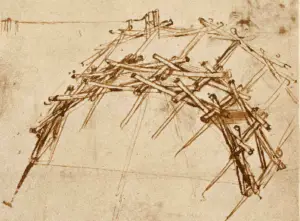
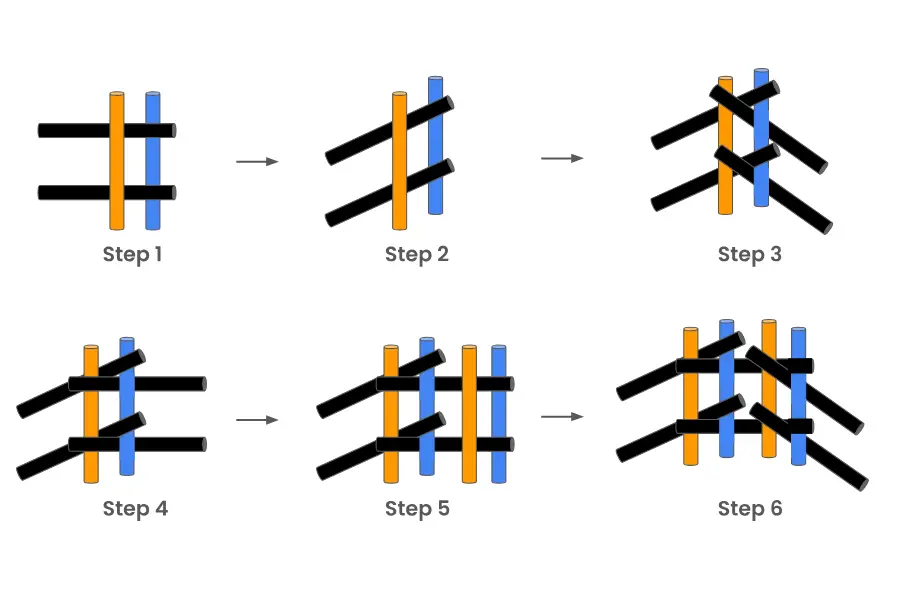



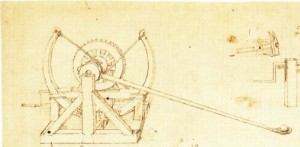
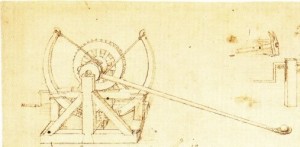
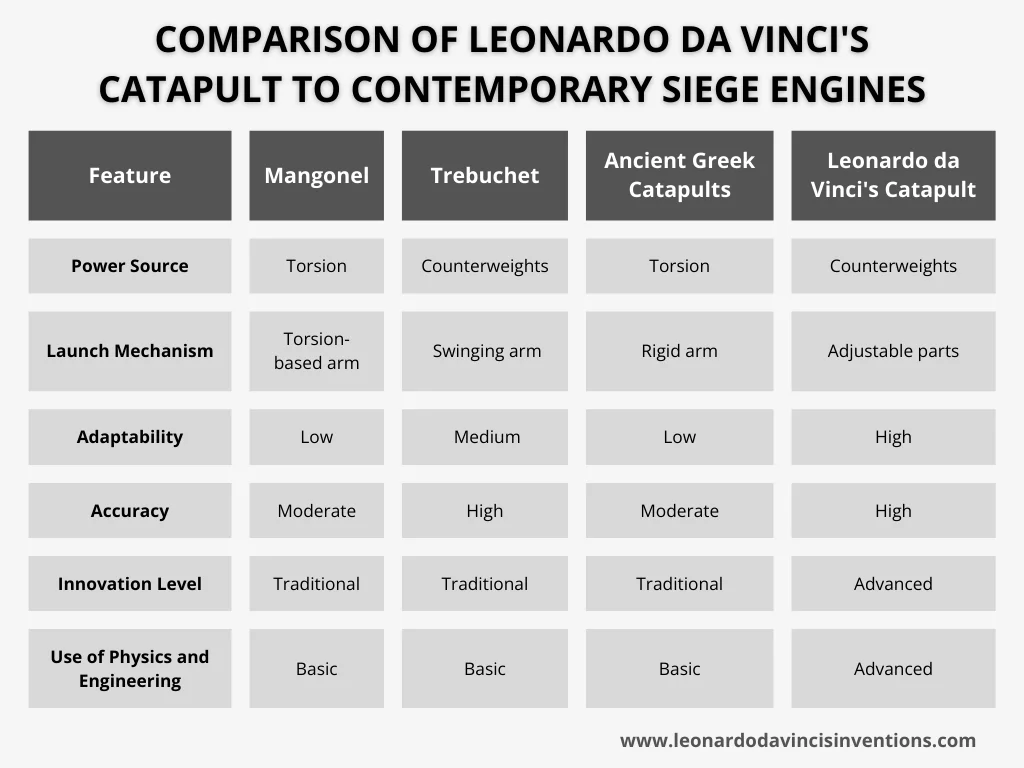
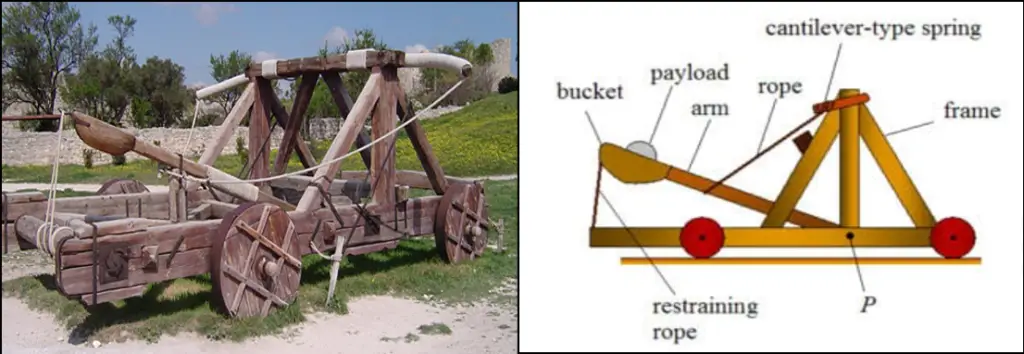
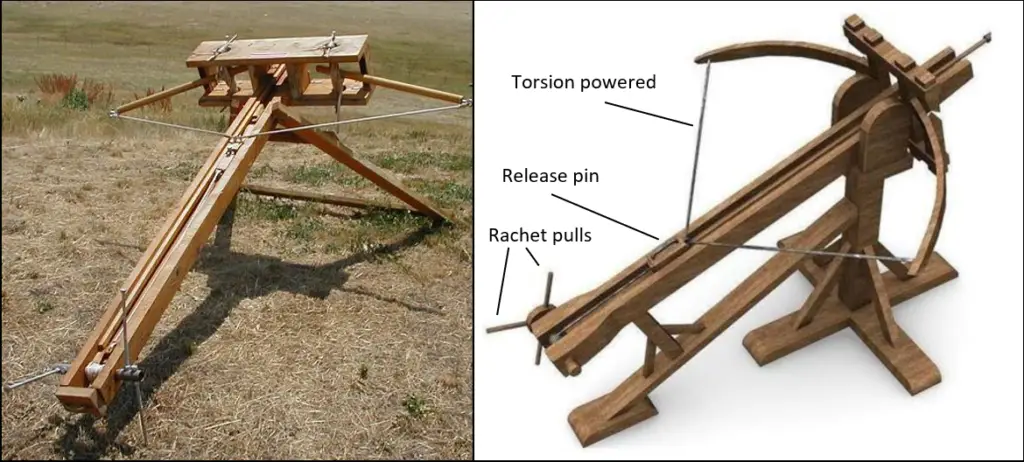
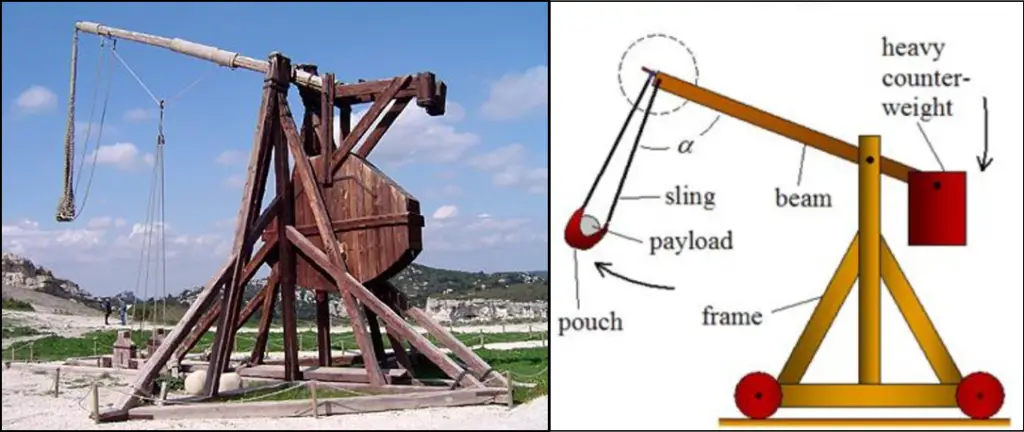
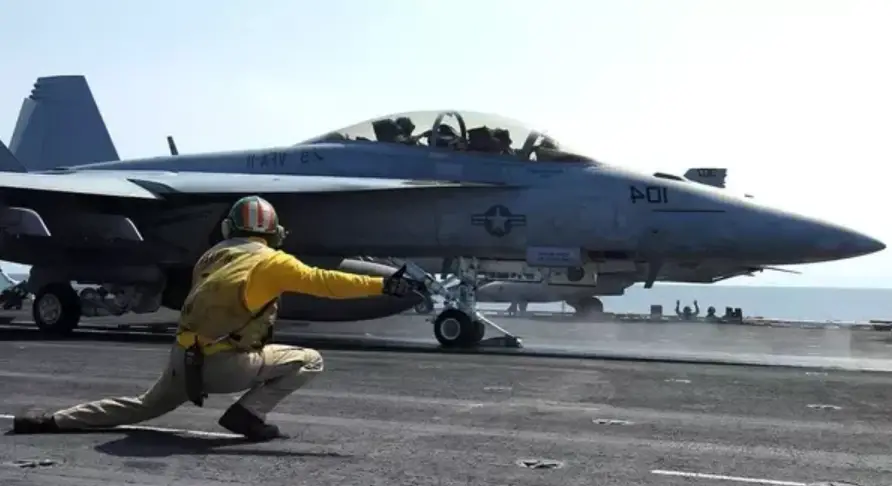
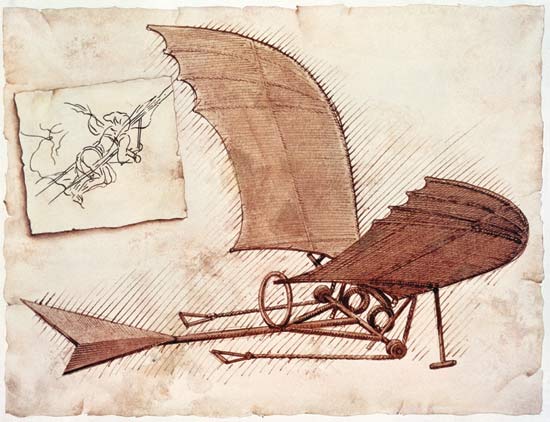
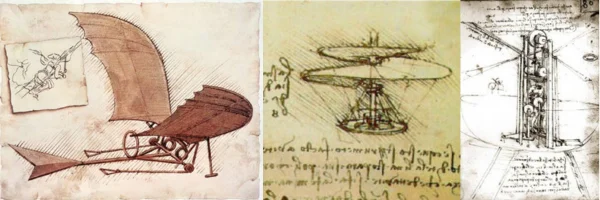
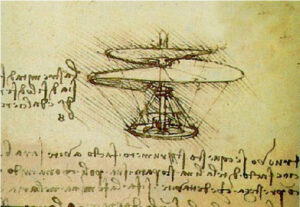
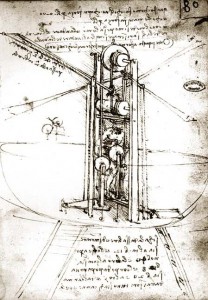
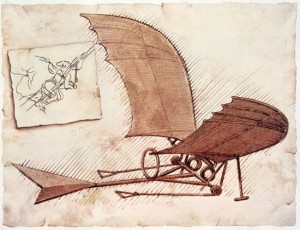
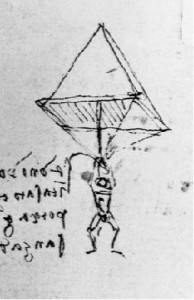
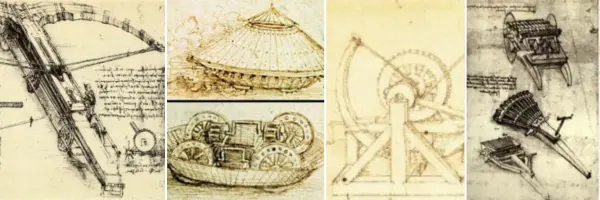

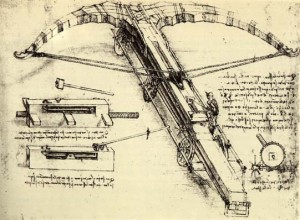
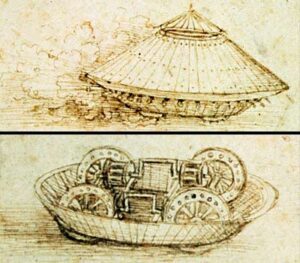
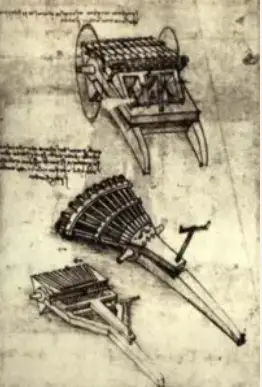
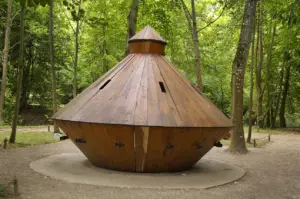
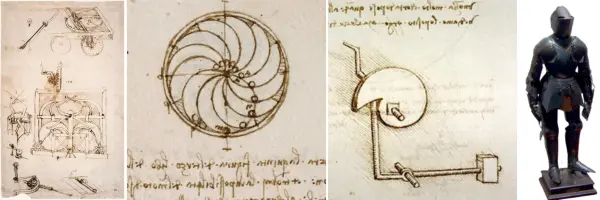
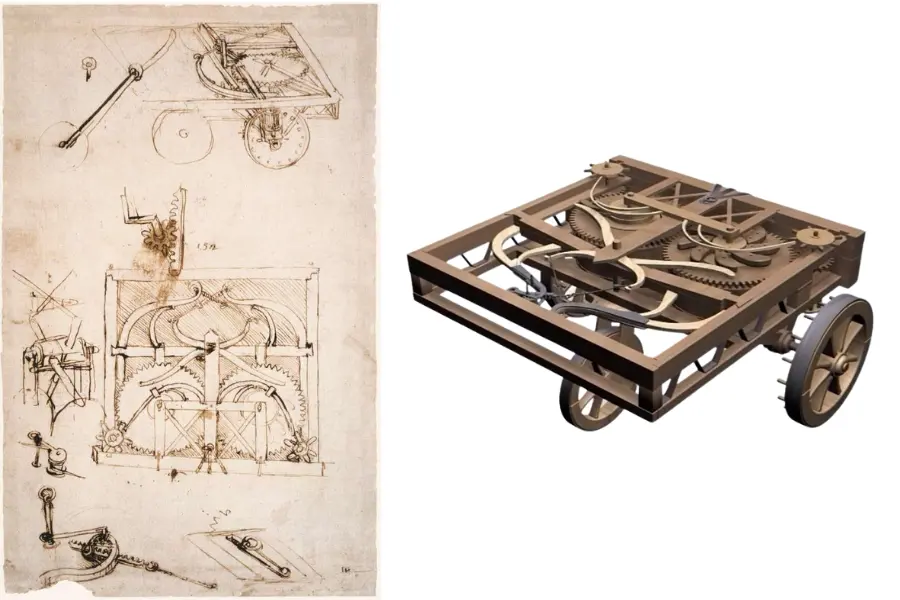
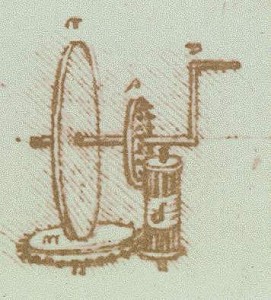
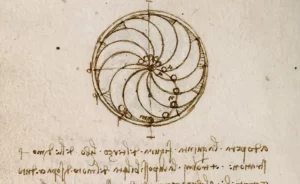
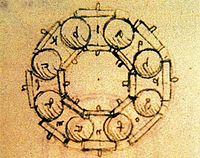
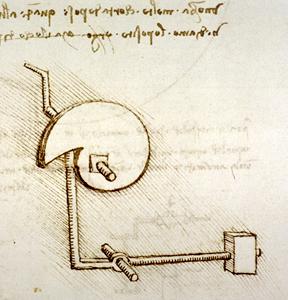
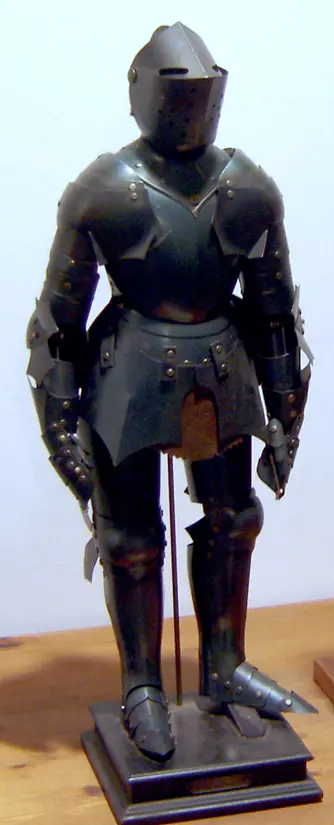
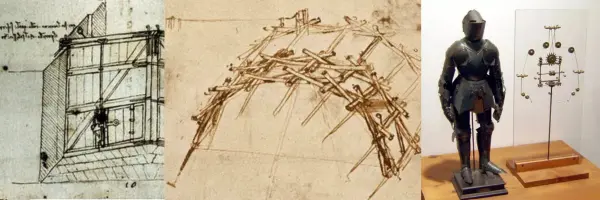
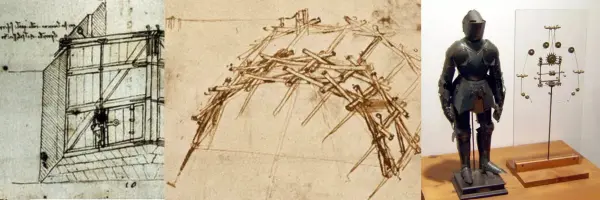
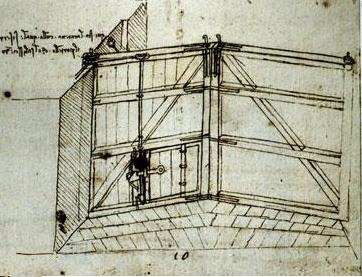
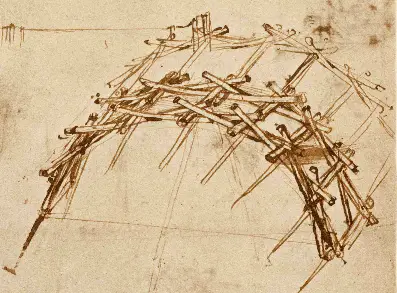
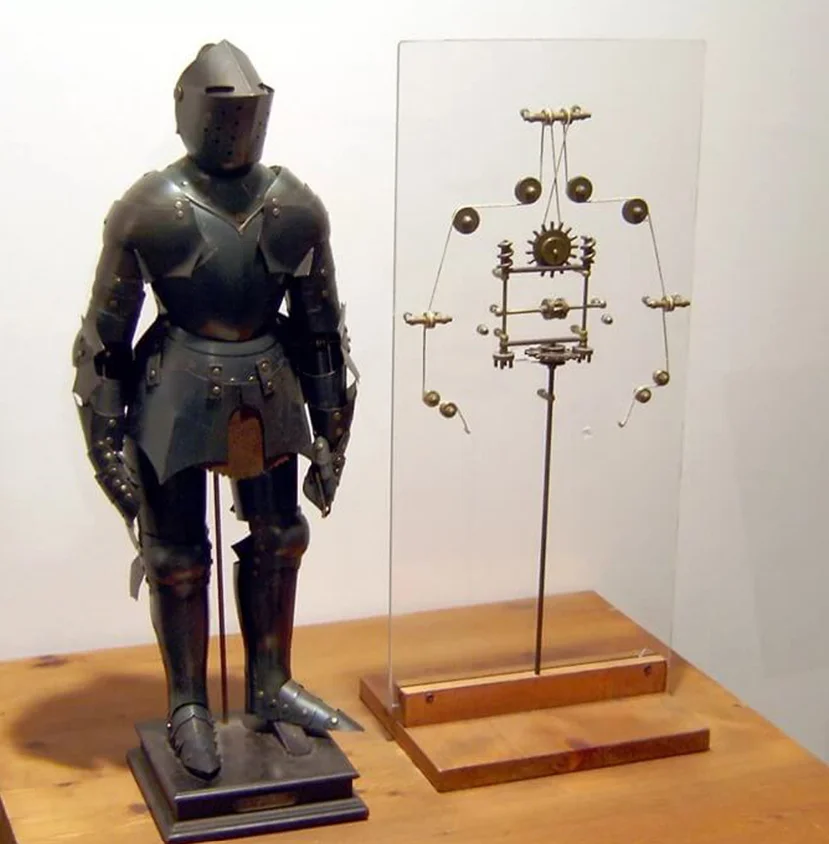
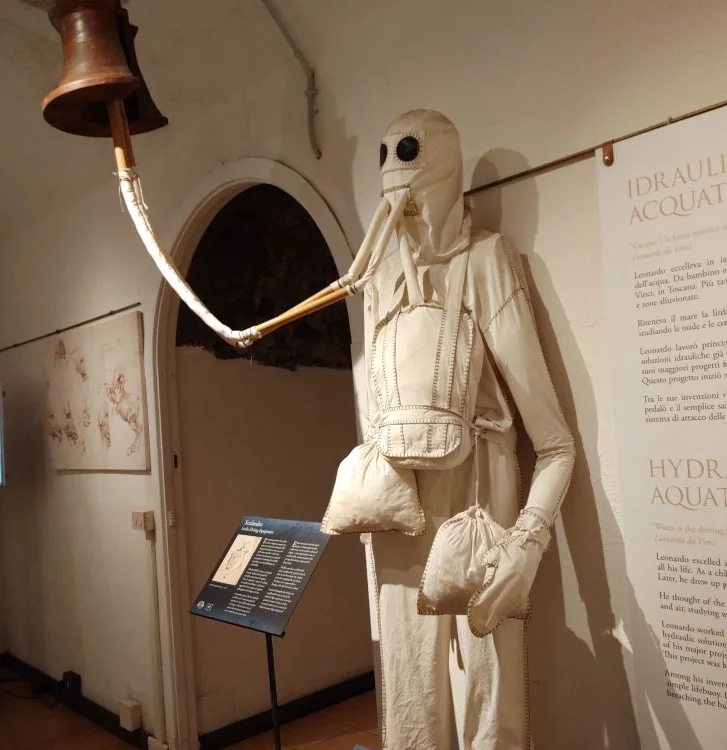
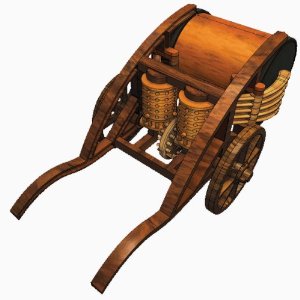
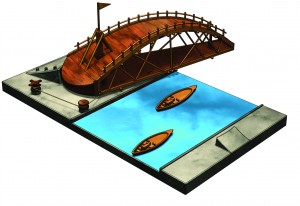
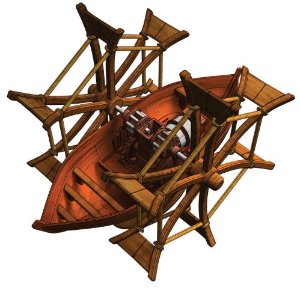
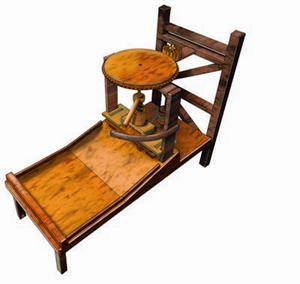
 Leonardo Bianchi is the founder of Leonardo da Vinci Inventions & Experiences, a cultural travel guide helping visitors explore Leonardo da Vinci’s art, inventions, and legacy across Italy and Paris.