Leonardo da Vinci paintings value fascinates the art world, but knowing their true worth is challenging—many wonder if da Vinci work could appear for sale and what price it might bring.
According to auction records, Leonardo da Vinci’s Salvator Mundi sold for $450 million, making it the most expensive painting ever sold at auction.
Other da Vinci works, like the Mona Lisa, have insurance values that place them among the world’s most valuable paintings, though, as explained in this list, they will likely never be sold.
With so few confirmed paintings by da Vinci, each becomes even more prized. The rarity of his works adds to their incredible value.
Understanding Leonardo da Vinci Paintings Value in Today’s Art Market
Leonardo da Vinci’s paintings attract art collectors and investors worldwide.Their uniqueness and value are due to high auction prices, art market trends, and historical factors.
The Role of Provenance and Authenticity in the Value of Leonardo da Vinci Paintings
Provenance is the record of a painting’s ownership history. When the provenance is well documented, the artwork usually commands a high price because buyers trust its authenticity.
Experts verify Leonardo da Vinci’s paintings’ value by confirming the piece’s genuineness through research and scientific analysis. Authentication includes pigment analysis, X-ray imaging, and studying old records.
For works like Salvator Mundi, clear provenance and successful authentication led to a record-breaking sale of $450 million. Strong provenance and authenticity lower the risk of art forgery, which matters since so few of his paintings survive.
How Art Appraisal and Condition Affect the Value of Leonardo da Vinci Paintings
Art appraisal is when experts estimate an artwork’s value. For any Leonardo da Vinci painting, appraisal involves studying the work’s originality, condition, and historical significance.
Experts always evaluate the painting’s condition. Damages, restorations, and conservation efforts all influence its price.
Art conservation teams use advanced methods to stabilize masterpieces and prevent deterioration. A Leonardo piece in excellent condition with minimal restoration attracts higher offers during art sales.
Any damage or poor restoration can decrease its price, even if the work is authentic.
Market Trends and Art Market Fluctuations Influencing the Value of Leonardo da Vinci Paintings
The art market experiences periods of high demand and slower phases. When interest from art investors and collectors increases, Leonardo’s paintings often break market records.
Auction prices change with global economic conditions, art investment trends, and the availability of masterpieces. Competition among collectors pushes auction prices higher.
For example, when Salvator Mundi appeared at auction, it set a new bar for art market value. Leonardo’s paintings remain steady in value because of their rarity and importance in art history.
The Impact of Historical Significance and Cultural Heritage on the Value
Leonardo da Vinci paintings have immense historical significance as key examples of Renaissance art. Their impact goes beyond the art world and represents milestones in cultural heritage and artistic techniques.
Works like the Mona Lisa and The Last Supper have stories that have shaped art history. Because of their cultural value, museums and governments often try to keep such pieces in public collections.
Collectors pay more for paintings that changed people’s views of creativity and culture. The cultural heritage aspect can raise a Leonardo painting’s value above other famous artworks.
Art Dealers, Galleries, and Their Influence on the Value of Leonardo da Vinci Paintings
Art dealers and galleries help set art price estimates and guide buyers. They connect collectors to sellers and often manage important Leonardo pieces in private collections or arrange exhibitions to boost visibility.
Their expertise in appraisal and market transparency builds buyer confidence. Reputable galleries strengthen the artworks’ exhibition history, increasing their credibility and value.
Large auction houses like Christie’s and Sotheby’s work with dealers to organize high-profile art sales. Respected experts and influential dealers ensure any Leonardo da Vinci masterpiece reaches its potential in the current art market.
Record-Breaking Sales and Famous Masterpieces Shaping Leonardo da Vinci Paintings Value
The Salvator Mundi auction set a record by selling for $450 million, making Leonardo da Vinci’s paintings some of the most valuable and highly prized artworks in the world
Leonardo da Vinci’s paintings have climbed in value due to record-breaking sales, remarkable artistry, and increasing demand from public institutions and private collectors. Factors like rarity, provenance, and their place in art history affect how his works are appraised.
The Salvator Mundi Sale and Its Effect on Leonardo da Vinci Paintings’ Value
The auction of Salvator Mundi in 2017 set a new standard for the art market. This piece sold for over $450 million, making it the most expensive painting ever sold at auction.
The sale brought worldwide attention to da Vinci and raised expectations for the value of Renaissance art. Salvator Mundi’s authenticity, debated by experts, made headlines and increased interest in art authentication.
After this sale, the high price influenced price estimates for other Old Master works. It reinforced the importance of provenance and condition in art appraisal.
Why the Mona Lisa Remains a Benchmark for Painting Value and Art Investment
The Mona Lisa is Leonardo da Vinci’s most famous painting and a benchmark for the value of paintings and art investment. Held at the Louvre in Paris, it is not for sale, but experts often reference its priceless status when discussing the top end of the art market.
High art insurance values, public fascination, and its secure place in cultural heritage make the Mona Lisa an unmatched standard among famous artworks. Art collectors and institutions use their profile to help gauge the rarity and financial significance of other paintings.
The Mona Lisa shapes how the art world defines masterpiece status in terms of historical significance and fame.
The Last Supper’s Artistic Techniques and Its Value in the Art World
The Last Supper is a mural that was not bought or sold, but its impact on the value of Leonardo da Vinci’s paintings is significant. Da Vinci’s experimental techniques influenced generations of artists and made this work central to art history discussions.
The mural’s condition has presented challenges, but ongoing restoration has preserved its status as a key part of Renaissance art. Its fame boosts interest in da Vinci’s paintings and shows the importance of cultural heritage in art valuation.
Auction Prices and Art Auction Houses Setting New Records for Leonardo da Vinci Paintings
Auction houses such as Christie’s and Sotheby’s set the market value for Leonardo da Vinci’s works. The record-breaking sale of Salvator Mundi led to more media coverage and increased bidder competition.
Art sales involving da Vinci or works attributed to him often spark conversations about art market transparency and authenticity. High auction prices for Renaissance art drive up the value for other Old Masters.
These sales shape market speculation as investors see unique opportunities in rare, historically significant paintings.
Art Collectors and Private Collections Driving Demand for Leonardo da Vinci Paintings
Art collectors and private collections drive demand for da Vinci’s paintings and drawings. Their limited availability, strong provenance, and fame make acquiring their works a symbol of status and a smart investment.
Private sales are discreet but involve careful appraisal and legal protections against forgery. Collectors consult valuation experts to balance risks and ensure authenticity.
This demand affects public collections and the chances for art lovers to see these masterpieces in exhibitions or galleries worldwide.
Risks, Verification, and Future Outlook of Leonardo da Vinci Paintings Value
Leonardo da Vinci’s paintings’ value depends on several factors. Experts consider authenticity, condition, auction history, and market demand to estimate the prices these masterpieces can achieve.
Art Forgery, Art Authenticity Verification, and Their Impact on Paintings’ Value
Art forgery puts the value of Leonardo da Vinci’s paintings at risk. Forgeries sometimes fool even trained eyes, leading to mistrust among collectors and institutions.
Art authenticity verification keeps values high. Scientific analysis, expert review, and modern technology help check if a painting is a da Vinci work.
For example, the Salvator Mundi’s authentication involved years of technical tests and historical research. When doubts about authenticity arise, auction prices can drop, and a painting’s heritage status may be questioned.
Proven authenticity boosts confidence and supports record-breaking sales.
Understanding Art Investment Risks and Market Speculation Around Leonardo da Vinci Paintings
Art investment in Renaissance art, especially da Vinci masterpieces, comes with risks. Market trends shift as collectors’ interests, global economics, and cultural events influence prices for famous artworks.
Speculation sometimes drives prices to extremes, like the nearly half-billion-dollar sale of Salvator Mundi. Uncertainty about a painting’s history or legal status can cause price swings.
Art insurance helps collectors and galleries manage risk. Knowing about market fluctuations and records helps investors make informed decisions.
The Role of Art Restoration and Condition in Maintaining Paintings’ Value
The physical condition of a Leonardo da Vinci painting directly affects its market value. Damage from time, light, or improper storage lowers visual impact and sales price.
Art restoration can restore visual beauty and sometimes improve auction results. However, heavy restoration may also raise concerns about authenticity and artistic techniques.
Art experts assess which repairs respect the original work and which could hurt its value. Careful, documented restoration protects the painting’s resale potential and place in art history.
Art Appraisal Methods and Art Provenance Documentation for Accurate Value Estimates
Art appraisal methods combine expert inspection, scientific study, and historical research. Appraisers examine rarity, artistic quality, sales history, and documented exhibition records for Leonardo da Vinci paintings.
Provenance documentation is especially important. Verified ownership records from museums, art galleries, or private collections increase trust and accuracy in art valuation.
Strong provenance lowers the chance of buying a forgery and supports a stable price estimate.
How Art Market Transparency and Value Drivers Shape the Future of Leonardo da Vinci Paintings’ Value
Art market transparency is playing a growing role in the values of da Vinci’s masterpieces. Public records of auction prices, condition reports, and detailed provenance help buyers and sellers make better decisions.
High demand for rare works, the influence of art auction houses, and historical significance all act as key market value drivers. Art sales data from public institutions and private collections is expected to become even more detailed.
Frequently Asked Questions
Leonardo da Vinci’s paintings are some of the most expensive and famous in the world. Recent sales of his artwork have set records, and questions about owners, prices, and authenticity often come up.
Who bought the $450 million painting?
The painting “Salvator Mundi” by Leonardo da Vinci sold for $450.3 million at auction. Mohammed bin Salman, a representative of the Saudi Arabian Crown Prince, purchased it.
How do I know if the painting I have is valuable?
To determine if a painting is valuable, check for artist signatures, research the artwork’s history, and get an appraisal from a qualified expert. Sometimes owners think they have a da Vinci work, but expert advice is important.
What painting sold for $300 million?
“Interchange” by Willem de Kooning was one of the paintings sold for about $300 million. Leonardo da Vinci did not have a painting that sold for $300 million; his highest-known sale was much more.
Which Da Vinci painting sold for 400 million?
Leonardo da Vinci’s “Salvator Mundi” sold for over $400 million. It reached a final price of $450.3 million at auction, making it the most expensive da Vinci painting ever sold.
Who owns the male Mona Lisa?
The “male Mona Lisa” is a nickname sometimes used for “Salvator Mundi.” This painting is believed to be owned by the Saudi Arabian government or its representatives.
What is Leonardo’s most expensive painting?
Leonardo da Vinci’s most expensive painting is “Salvator Mundi.” It holds the record as the most expensive da Vinci painting ever sold.
How much was Mona Lisa sold for?
The “Mona Lisa” has never been sold. The French government holds and displays it at the Louvre Museum in Paris.
What is the most valuable painting in the world?
The “Mona Lisa” is often considered the most valuable painting in the world. Some estimates suggest its value could be over one billion dollars, but it is not on the market.
Who owns Mona Lisa?
The French government owns the “Mona Lisa.” It is kept in the Louvre Museum and is protected as a national treasure.
How much did the lost Leonardo sell for?
The “lost Leonardo,” known as “Salvator Mundi,” sold for $450.3 million at auction in 2017.
This price set a world record for art sales involving the value of Leonardo da Vinci paintings.
Leonardo da Vinci chiaroscuro often leaves modern artists questioning how much light and shadow can transform a painting.
His approach to strong contrasts gives depth, emotion, and realism, even challenging today’s digital art techniques.
If you are curious about how da Vinci’s centuries-old style continues to influence and push the limits of modern art, this post will explain why chiaroscuro still matters.
You can spot its impact everywhere from galleries to movie screens.
The Foundations of Leonardo da Vinci Chiaroscuro in Renaissance Art
Leonardo da Vinci’s approach to chiaroscuro redefined painting techniques during the Renaissance.
His mastery over light, shadow, and realistic forms set the stage for modern art’s focus on visual drama and depth.
Understanding Chiaroscuro and the Play of Light and Dark
Chiaroscuro comes from the Italian words “light” and “dark.” The term describes the sharp contrasts Leonardo da Vinci used to create lifelike images.
He placed strong highlights next to deep shadows, making objects or figures stand out in three-dimensional space.
Leonardo used light as a tool for storytelling, not just to copy nature.
His handling of light and dark created atmosphere and emotion, turning his paintings into studies of visual drama.
In works like the Mona Lisa, subtle transitions between light and shadow give faces a gentle, believable presence.
Renaissance painters before Leonardo used flatter lighting, but he developed a deeper understanding of how light moves across curved surfaces.
This approach led to a new level of realism and inspired later artists to use chiaroscuro for intensity and focus.
The Role of Contrast and Tonal Gradation in Leonardo’s Artistic Technique
Leonardo paid close attention to value, or how light or dark a color appears.
He blended paint layers to create smooth tonal gradations, making his figures seem to emerge naturally from the background.
As explained on Webexhibits, this technique resulted in a unified sense of form and texture.
He used a range of midtones between the brightest highlights and the darkest shadows.
This subtle shading creates a strong sense of volume, missing from earlier painting styles.
Leonardo avoided flatness by applying gradual tonal changes, bringing his figures to life.
He directed the viewer’s eye and created visual interest, shaping how later artists designed their compositions.
How Leonardo da Vinci Used Modelling to Create Depth and Volume
Modelling, or shaping forms using highlights and shadows, stands at the heart of Leonardo’s technique.
In paintings like The Last Supper, he used soft transitions and blended tones to create believable human figures.
He applied a method called sfumato, which uses fine shading to blur the edges of shadows.
This effect eliminated hard outlines and made surfaces look gradual and smooth, increasing the three-dimensional effect.
Modelling through light and shadow helped Leonardo achieve a greater sense of depth.
His focus on volume and spatial depth set a new standard for painting technique during the Renaissance.
He inspired other artists to experiment with light modelling and shadow play.
The Influence of Human Anatomy and Proportions on Visual Perception
Leonardo’s dedication to studying human anatomy and proper proportions gave his artwork authenticity.
He observed muscle structure, joints, and body movement, allowing him to create figures that moved and breathed naturally.
He used his scientific studies to shape faces and bodies in a way viewers could understand and relate to.
Accurate anatomy made chiaroscuro more powerful because light and shadow matched the real shapes of muscles and bones.
His compositions brought together accurate form, light, and spatial arrangement, influencing the development of visual storytelling and modern artistic innovation.
Masterpieces Exemplifying Leonardo da Vinci Chiaroscuro
Leonardo da Vinci’s chiaroscuro technique masterfully uses light and shadow to create depth and realism, exemplified in the subtle modeling of the Mona Lisa’s face
Leonardo da Vinci’s skillful use of chiaroscuro in painting created new possibilities for light, shadow, and realism.
He redefined the modeling of form, emotional depth, and visual storytelling by using precise control over tonal gradation, contrast, and perspective.
Dramatic Lighting and Shadow Play in The Last Supper
Leonardo da Vinci’s The Last Supper shows how chiaroscuro shapes the viewer’s experience.
Leonardo used dramatic lighting in this fresco to draw attention to Jesus at the center.
The figures are sculpted with light and shadow, creating depth and guiding the eye along the table.
He employed a single, unseen light source that creates consistent highlights and deep shadows.
This contrast was rare among his contemporaries.
With careful gradations, Leonardo ensured that each apostle’s expression and gesture felt real.
Perspective and geometry are key.
One-point linear perspective makes the room recede toward Christ, while the interplay of light and dark emphasizes the three-dimensional effect.
Chiaroscuro brings realism and helps structure the narrative, setting The Last Supper apart in Renaissance art.
The Mona Lisa’s Highlights and Three-Dimensional Effect
In the Mona Lisa, Leonardo da Vinci’s use of chiaroscuro gives the portrait its iconic sense of volume and mystery.
Soft, gradual shading—known as sfumato—creates subtle transitions between light and shadow on her face and hands.
This technique allows her features to blend smoothly, without harsh lines separating light and dark.
The shadow under her chin and the gentle highlights on her forehead and cheeks help model her form realistically and give a lifelike quality.
Her enigmatic smile seems to shift depending on where the viewer stands, resulting from Leonardo’s control over shadow and light.
The way he balances highlight and shadow generates a three-dimensional effect.
The Mona Lisa’s gaze and posture appear natural, and her skin seems to glow with an inner light not common in other portraits of the period.
Artistic Mastery and Emotional Expression in Leonardo’s Visual Storytelling
Leonardo da Vinci used chiaroscuro to communicate the psychological depth of his subjects.
The play of shadow and highlight models the surface of the face or clothing and expresses complex emotions.
In his drawings and lesser-known paintings, Leonardo uses subtle shadows around the eyes or mouth to create empathy in art.
The viewer is drawn into the sitter’s inner world by his innovative compositions and understanding of human anatomy.
Through careful control of tonal contrast, his works evoke strong feelings and invite viewers to participate in the story.
This emotional expression is a hallmark of Leonardo’s artistic mastery.
Theatrical Effect and Visual Drama as Tools of Artistic Innovation
Leonardo da Vinci pioneered theatrical effects and visual drama to enhance the narrative power of his paintings.
He created scenes where figures emerge from darkness into focused beams of light, increasing the sense of drama and anticipation.
In his compositions, Leonardo staged light sources to highlight moments of tension or revelation.
The chiaroscuro technique adds suspense, making each painting feel like a scene on stage.
By controlling the interplay of light and shadow, he pushed the boundaries of what painting could achieve.
This artistic innovation shaped how future artists approached visual drama and theatrical effect.
Renaissance Traditions and Leonardo’s Unique Approach to Painting Techniques
Leonardo da Vinci built on Renaissance traditions but developed a unique approach to painting techniques.
While other Renaissance painters used light and dark, Leonardo’s method was more refined and systematic.
He studied how light interacts with objects, observing real life to understand texture, form, and geometric principles.
This scientific mindset made his application of chiaroscuro more truthful and consistent.
His layering of oils and glazes enabled soft transitions and lifelike skin tones, setting his work apart from earlier artists.
By mastering this technique, Leonardo set a standard for realism and naturalism in Renaissance art.
He influenced future painters and expanded the possibilities of artistic experimentation.
Comparison of Chiaroscuro, Sfumato, Linear Perspective, and Fresco in Leonardo da Vinci’s Art
Feature / Technique
Chiaroscuro
Sfumato
Linear Perspective
Fresco
Definition
Use of strong contrasts between light and dark to create depth and volume
Soft, gradual blending of colors and tones to eliminate harsh edges
Technique to create the illusion of depth using converging lines
Painting on wet plaster, allowing pigments to merge with the wall surface
Purpose
Enhance three-dimensionality and dramatic effect
Create realistic, smoky transitions and atmospheric effects
Achieve realistic spatial depth and proportion
Durable mural technique for large-scale wall paintings
Visual Effect
Bold shadows and highlights emphasizing form
Soft edges and hazy outlines for naturalism
Accurate depiction of spatial relationships
Matte, integrated surface with vibrant colors
Use in Leonardo’s Work
Adds volume and emotional intensity (e.g., The Last Supper)
Creates lifelike skin tones and soft transitions (e.g., Mona Lisa)
Organizes composition and depth (e.g., The Last Supper)
Used in wall paintings, though Leonardo preferred other media
Artistic Impact
Creates visual drama and contrast
Enhances realism and subtlety
Provides scientific accuracy in spatial representation
Preserves large-scale narrative scenes
Related Concepts
Light and shadow, modelling, tonal gradation
Blending, atmospheric perspective, softness
Geometric principles, vanishing point
Pigment absorption, plaster chemistry
How Leonardo da Vinci Chiaroscuro Challenges Modern Art Practices
Leonardo da Vinci’s use of chiaroscuro set new standards for depth, light, and emotional engagement in painting.
His methods shaped the visual language artists use today to explore realism and innovative artistic expression.
Revisiting Artistic Experimentation and Texture in Contemporary Works
Leonardo da Vinci’s artistic technique of layering light and dark brought a new level of texture to painting.
He applied oil glazes in thin layers, a method known as sfumato, giving his subjects a soft, realistic quality.
This approach highlights form without harsh lines and lets artists create depth with subtle transitions.
Modern artists continue to experiment with these methods.
Painters today often play with materials and surfaces to produce textured effects, but Leonardo’s precise control over paint and light still pushes them to reconsider how they achieve realism.
They look back at works like the Mona Lisa, noting how its lifelike skin and background result from careful use of texture and contrast.
Balancing Realism and Naturalism Through Light Modelling and Shadow
Leonardo mastered light modelling using highlights and shadows to create a three-dimensional effect. In paintings such as The Last Supper, he placed a strong light source and shaped each figure’s features by adjusting the strength of the shadow and the placement of each highlight.
Today’s artists, even using digital tools, rely on similar light and shadow techniques to add realism and drama. The practice of modelling objects with tonal gradation, just as Leonardo did, remains critical for producing depth and making scenes appear lifelike.
He set the precedent for modern practices by linking careful observation of light to naturalistic representation in art.
The Legacy of Geometric Principles and Form in Modern Visual Arts
Geometry played a central role in Leonardo’s art. He used one-point linear perspective and precise proportions to create realistic illusions of space and volume.
The clear structure of his paintings shows his deep understanding of form, anatomy, and the mathematics of art. Modern artists use these geometric principles to craft convincing three-dimensional space on flat surfaces.
Leonardo’s work balances visual drama with mathematical proportion and continues to inspire artists who blend abstraction and realism. His geometric insights remain foundational to composition and form in today’s visual arts.
Empathy in Art and Emotional Expression Inspired by Leonardo’s Techniques
Leonardo da Vinci set himself apart by infusing his subjects with empathy and subtle emotional cues. His chiaroscuro technique lets him control the mood, making faces and gestures seem human.
This skill is clear in works like the Mona Lisa, where gentle light and dark transitions suggest inner life. Contemporary artists study this method to amplify emotional expression in their pieces.
They use dramatic lighting and soft shadow play to convey complex feelings or tell a visual story. Leonardo’s sensitivity to how light affects emotion guides today’s artists in pursuing empathy and intimacy in visual storytelling.
Leonardo da Vinci as a Renaissance Man Shaping Today’s Artistic Innovation
As a Renaissance man, Leonardo’s passion for science, anatomy, and invention set him apart among Renaissance painters. He applied his studies to artistic innovation, blending art with scientific knowledge.
By studying human anatomy, perspective, and how light moves across forms, he achieved naturalism and depth that changed art history. Modern innovators draw inspiration from his blend of technical mastery and creative vision.
Whether developing new painting techniques or exploring digital art, artists often return to Leonardo’s process—testing ideas, observing the world closely, and experimenting to solve artistic problems. His legacy challenges them to push artistic boundaries and pursue mastery in craft and concept, as seen in the evolution of chiaroscuro and other foundational techniques.
Frequently Asked Questions
Leonardo da Vinci explored the use of light and shadow with refined techniques. His work with chiaroscuro influenced painting methods and textures, while sfumato helped create soft transitions and realistic depth.
Did Leonardo da Vinci use chiaroscuro?
Leonardo da Vinci used chiaroscuro, a technique that uses light and shadow to create a sense of three-dimensionality. This approach helped define forms and give his artwork a lifelike appearance.
Paintings like the Mona Lisa show his skill with chiaroscuro.
Who invented chiaroscuro?
Chiaroscuro developed during the Renaissance in Italy. Artists like Leonardo da Vinci advanced and popularized it.
Other artists, such as Caravaggio, used it in dramatic ways later on.
Is Mona Lisa chiaroscuro?
The Mona Lisa is a well-known example of Leonardo’s use of chiaroscuro. He carefully shaded her face and hands, creating soft transitions from light to dark.
This effect makes her look more realistic and gives her features subtle depth.
What was Leonardo da Vinci’s tone?
Leonardo applied tonal unity by keeping a consistent range of light and dark in his paintings. He often used gentle transitions between tones, which made his art appear calm and balanced.
His style avoided sudden contrasts and focused on harmony.
What techniques did Leonardo da Vinci use in art?
Leonardo used techniques like chiaroscuro and sfumato. Sfumato allowed him to blend colors and tones smoothly without harsh lines, creating a smoky effect.
He also sketched with charcoal or chalk and gradually built up layers of light and shadow.
Does the Last Supper use chiaroscuro?
The Last Supper uses chiaroscuro to model the figures and highlight the scene’s drama. Leonardo used careful lighting to emphasize faces and gestures, making the composition three-dimensional.
Shadows and highlights help separate each figure from the background.
What technique does Da Vinci use in The Last Supper to create depth?
Leonardo used linear perspective and chiaroscuro in The Last Supper. He drew lines that converged at a vanishing point to create depth in the room.
Using shadows and highlights on the figures also helps them stand out, adding to the visual depth.
What is the difference between sfumato and chiaroscuro?
Chiaroscuro models forms using strong contrasts between light and shadow. Sfumato is a technique for smoothly blending edge transitions from light to dark without obvious outlines.
Leonardo perfected sfumato, especially in the Mona Lisa, to make features look softer and lifelike.
Why did Leonardo da Vinci use oil paints?
Leonardo used oil paints because they dried slowly and were easy to blend. This allowed him to refine details, build layers, and achieve smooth transitions.
Oil paint also produced rich colors and subtle effects that matched his style.
Did Picasso use chiaroscuro?
Pablo Picasso used chiaroscuro at certain times in his career. He added shading and light for form in his early Blue and Rose Period paintings.
His later Cubist works focused less on traditional light and shadow. He took a different approach from Leonardo da Vinci.
Leonardo da Vinci Notebook has fascinated people for centuries. Many are unaware of the secrets hidden in its pages.
These notebooks combine detailed sketches, scientific notes, and everyday observations, revealing the mind of a true Renaissance genius.
These journals offer a unique look at how Leonardo viewed the world around him. Most people know Leonardo as a painter and inventor, but his notebooks go far beyond art and machines.
He filled thousands of pages with ideas about anatomy, engineering, and even his grocery lists. These notes give us a window into his creative process.
These documents are seen as both works of art and valuable historical records.
The Genius Behind the Leonardo da Vinci Notebook
Leonardo da Vinci‘s Notebooks reveal much more than his famous art. These historical documents show deep curiosity and a drive for exploration in science, engineering, and anatomy.
He mixed careful observations with new ideas and inventions. Leonardo da Vinci was a remarkable figure of the Renaissance.
He was not just an artist, but also a scientist, engineer, and inventor. His interests ranged from painting to anatomy, mathematics, mechanics, and nature.
This wide range of skills and knowledge made him a true polymath. Leonardo saw connections between different fields.
He believed that learning about one area could help him succeed in another. For example, studying muscles and bones helped him paint realistic human figures.
His ability to connect art and science set him apart from others of his time. Using his notebooks, Leonardo explored ideas far beyond the limits of his day.
He reflected on the motion of water, flight, geometry, and even the structure of the human body. His drive to ask questions and find answers helped shape the Renaissance spirit of innovation and discovery.
How the Leonardo da Vinci Notebook Reflects His Multidisciplinary Expertise
The Notebook covers many topics and includes sketches, diagrams, and drawings. These personal notes show how he solved problems in art, science, architecture, and engineering.
He often filled a single page with both technical designs and nature studies. This blend shows how he combined the scientific method with creativity.
Leonardo made detailed diagrams of inventions, such as flying machines and hydraulic devices, next to studies of plants and animals. His observation journals contain step-by-step notes on how he worked through mechanical problems.
These included gears, pulleys, and studies of water movement. His notebooks reveal amazing mechanical designs, perspectives, architecture, and mathematics studies.
This multidisciplinary approach helped him innovate.
The Role of Curiosity and Experimentation in Leonardo’s Notes
Curiosity guided almost every page of his Notebooks. Leonardo da Vinci asked questions about how things worked and used careful observation to try new ideas.
He rarely accepted things as they were and always wanted to see if he could test or improve them. Much of his work is based on direct experimentation.
He learned by disassembling machines, drawing from nature, or studying living beings. His notes show lists of experiments and results, a process similar to the modern scientific method.
Leonardo also wrote observations about shadows, light, movement, and birds flying. He tried to discover natural patterns, often making guess-and-check studies to refine his ideas.
This drive for firsthand experience helped him make many discoveries. His work influenced both science and art for future generations.
Understanding Leonardo’s Artistic Process Through Sketches and Drawings
The Notebooks are best known for their vivid sketches and drawings. Leonardo da Vinci used his drawing skills to practice art and explore form, perspective, and function.
Each sketch often mixes studies of anatomy, motion, and light. These sketches reveal his famous paintings, such as Mona Lisa and The Last Supper.
His anatomy studies went beyond basic outlines. He dissected bodies and made detailed notes about muscles, bones, and organs.
These careful drawings informed his science work and the lifelike expressions and postures in his paintings. He also studied drapery, faces, and hands, focusing on the structure underneath.
His drawings of inventions, such as flying machines, war machines, and bridge designs, show both artistic imagination and mechanical skill. These pages helped him work out problems before building anything.
His notebooks provide a key window into his creative process.
The Intellectual Legacy of Leonardo da Vinci’s Manuscripts and Codices
Leonardo’s manuscripts and codices have become some of the most valuable historical documents in the world. They are preserved in libraries and museums and studied by experts in many fields.
These Notebooks give direct insight into Leonardo’s thinking. The Codex Leicester, for example, is famous for its mirror writing and deep thoughts about water, light, and astronomy.
Leonardo’s habit of writing backward, possibly because he was left-handed, adds a unique aspect to his manuscripts—a detail explored in reports by institutions like the New York Times.
Although his inventions never materialized, his ideas influenced countless inventors and scientists after him. The preservation and study of Leonardo’s Notebooks help keep his spirit of curiosity and creativity alive.
Exploring the Scientific and Artistic Content of the Leonardo da Vinci Notebook
Page 1112 of the Codex Atlanticus features a drawing of an automotive cart, which was likely powered by a system of springs
Leonardo da Vinci’s notebooks reveal the mind of a true Renaissance polymath. These famous manuscripts hold various scientific observations, artistic sketches, mechanical designs, and mathematical diagrams.
Anatomy Studies and Observations: Bridging Art and Science
Leonardo da Vinci used his notebooks to explore human anatomy in detail. He performed dissections and then made accurate sketches of muscles, bones, and organs.
His drawings show the placement of organs inside the body and how joints move. These notebooks blend science and art; each sketch is factual and carefully crafted.
This approach helped him better understand how the body works, which he used to improve his paintings and sculptures.
The anatomical drawings are notable for their clarity. They show Leonardo’s belief in careful observation.
Historians recognize these studies as critical early examples linking science and art in a single work.
Mechanical Designs and Inventions: Engineering Marvels on Paper
The notebooks also contain many technical sketches and mechanical inventions. Leonardo drew plans for flying machines, early versions of the helicopter, weapons, bridges, and hydraulic pumps.
He often used lists and diagrams to explain how each part works. Although many of his designs were never built in his lifetime, they offer insight into his engineering skills and creativity.
His mechanical drawings show a deep understanding of mechanics and hydraulics. Some modern engineers study these documents because the ideas still inspire innovation in design and technology.
His work on mechanical inventions marks him as a pioneer in studying machines and engineering.
The Use of Mirror Writing and Its Purpose in Leonardo’s Notebooks
Leonardo da Vinci often wrote in mirror writing, starting from the right and moving left. He used this unusual method on almost every page of his notebooks.
There are several theories about why he did this. Some believe he wanted to keep his notes private or protect his ideas from copying.
Others think it was simply easier for him as a left-handed writer. This technique made his manuscripts unique and sometimes hard to read.
Mirror writing also adds to the sense of mystery surrounding his historical documents. It shows Leonardo’s desire to experiment with different methods and his willingness to set himself apart from other thinkers of his time.
Diagrams and Geometry: The Mathematics Behind Leonardo’s Creations
Leonardo used diagrams and geometric shapes throughout the notebooks to understand art and science problems. He explored ratios, symmetry, and perspective using triangles, circles, and other shapes.
Leonardo’s work with geometry helped him master techniques like linear perspective. This gave his paintings realistic depth and proportion.
He often wrote about mathematical concepts alongside his artistic plans.
His approach showed how science and mathematics can support artistic creativity. This blend is one reason Leonardo’s work fascinates artists and scientists today.
Nature, Perspective, and Techniques: Foundations of Leonardo’s Artistic Mastery
Leonardo filled his notebooks with close observation of nature. He studied how water moves, light and shadow fall, and plants grow.
He also experimented with different painting and drawing techniques. He took notes on mixing colors, creating hazy backgrounds (sfumato), and showing distance in a flat image.
His careful studies of perspective set new standards for art. He made lists and observations about how to place objects and figures to make a scene look realistic.
Leonardo da Vinci created observation journals that have become essential for understanding the artistic process. His sketches and notes combine philosophy, science, and technical skill.
The Lasting Impact and Preservation of the Leonardo da Vinci Notebook
Leonardo da Vinci’s notebooks changed how people understand the connection between art and science. Their unique blend of detailed sketches, mechanical designs, and scientific observations continues to inspire scholars and creators today.
Historical Documents and the Preservation of Leonardo’s Notebooks
Leonardo’s notebooks are some of the most valuable historical documents from the Renaissance period. He filled them with thousands of pages of personal notes, sketches, and diagrams across several codices, like the Codex Atlanticus and Codex Leicester.
Many of these notebooks survived in fragments. Over the years, collectors and museums worked to preserve them.
Today, leading institutions store and digitize these manuscripts to make them available for study. The process took centuries because pages were scattered and sometimes lost.
Preserving these old papers requires special care, as exposure to light and touch can cause damage. Museums now use modern technology to display Leonardo’s work while keeping the originals safe for future generations.
Insights into Leonardo’s Scientific Method and Technological Innovations
Leonardo recorded his experiments and discoveries in careful observation journals and writing methods. He wrote in mirror writing, which made reading difficult for others and helped him avoid smudging ink with his left hand.
His notebooks focus on the scientific method: observe, ask questions, propose ideas, test, and record results. Many pages contain diagrams and sketches of gears, levers, and complex machines.
Some of his ideas include early designs for helicopters, tanks, and bridges. His work combined mathematics, engineering, and art.
How Leonardo’s Studies Influenced Architecture, Hydraulics, and Flight
Leonardo’s architecture, flight, and hydraulics studies pushed technology forward during the Renaissance. His notes and drawings for churches, fortresses, and bridges used geometry and perspective to find better shapes and materials.
His interest in water led to careful studies of rivers, dams, and canals. He drew plans for machines that could harness water and prevent flooding.
Some of these designs influenced later engineers. He explored the rules of flight by closely observing birds.
His famous flying machine sketches show his effort to blend art, science, and nature in the search for human flight. Though his inventions did not take off in his lifetime, they shaped future ideas.
The Role of Observation Journals in Leonardo’s Continuous Exploration
Leonardo’s observation journals helped him develop ideas about anatomy, botany, geology, and mechanics. He drew bones, muscles, organs, and plants, combining careful study with art.
These sketches reveal beauty and a strong drive to understand how things work. His journals show how writing, drawing, and testing ideas over time can lead to better solutions.
By making quick diagrams and notes, Leonardo could look back on earlier thoughts and improve them. Students and scientists today use similar journal techniques.
They collect observations, document experiments, and reflect on what they learn. Leonardo, using his notebooks, helped make this a common practice.
Why the Leonardo da Vinci Notebook Remains a Source of Creativity and Knowledge
Leonardo da Vinci’s notebooks inspire new generations by capturing various interests and discoveries. Readers find entries on human anatomy, mechanical designs, light, perspective, and experimentation.
Leonardo’s combination of writing, drawing, and detailed observation offers a model for multidisciplinary thinking. Artists and scientists worldwide use his methods to spark creativity and pursue innovation.
With his notebooks now widely available online and in museums, people can explore Leonardo’s notes and see firsthand how curiosity and experimentation can drive progress.
Frequently Asked Questions
Leonardo da Vinci recorded thousands of pages of notes and drawings across many notebooks. His journals remain highly valued and are held in museums and collections worldwide.
What did Leonardo da Vinci write in his notebook?
Leonardo da Vinci wrote about anatomy, engineering, art, and observations of nature. His notebooks are filled with sketches, diagrams, and personal reflections.
These journals provide insight into how he thought and worked. They contain scientific plans and artistic studies.
How much is Leonardo da Vinci’s notebook worth?
The value of a da Vinci notebook can be immense. In 1994, Bill Gates bought the Codex Leicester, one of Leonardo’s notebooks, for about $30.8 million.
It remains one of the most expensive books ever sold.
Where is Leonardo da Vinci’s notebook today?
Some of his notebooks are in collections like the British Library and museums in Italy. The Codex Leicester is owned privately but is sometimes displayed in museums.
His remaining notebooks are preserved in institutions that focus on art and history.
Who owns the da Vinci notebook?
Ownership varies by notebook. The Codex Leicester, for example, is owned by Bill Gates.
Other notebooks are held by museums, such as the Victoria and Albert Museum in London, which has several of his works.
What unusual method did Leonardo da Vinci use to write his famous notebooks, mainly using?
Leonardo wrote most of his notes in mirror script, meaning the writing runs from right to left and can only be read using a mirror. This made his work more private and harder to copy.
What does mirror writing look like?
Mirror writing appears reversed, as if seen in a mirror. Letters are backwards, and words go from the right side of the page to the left.
It is readable only when reflected.
What do Leonardo’s notebooks show evidence of?
His notebooks show evidence of curiosity and creativity in many fields. They highlight his anatomy, motion, flight, engineering studies, and experiments with art techniques.
They reveal both observation and invention in each subject area he explored.
Where is Leonardo da Vinci buried?
Leonardo da Vinci is buried at the Château d’Amboise in France, which is marked as his final resting place.
Where is the Last Supper painting?
The Last Supper is in the Santa Maria delle Grazie Convent in Milan, Italy. It remains on the wall of the monastery’s dining hall.
How many notebooks did Leonardo have?
Leonardo produced around 50 notebooks. Only about 20 survive today.
Scholars estimate he created between 20,000 and 28,000 pages of notes and sketches across his lifetime.
Da Vinci’s best painting, the Mona Lisa, has fascinated people for centuries. Many still wonder what makes this artwork so special.
Millions visit, study, and admire the Mona Lisa because of its mysterious expression and unique techniques.Its impact on art and popular culture remains strong.
People who look closely at da Vinci’s painting find new inspiration. Art from the past can shape the way you see the world today.
If you have ever wondered what makes this masterpiece so powerful, you are not alone. Discover the secrets behind its influence and see how da Vinci’s work inspires creativity, learning, and even modern inventions for millions around the globe.
The Enduring Legacy of da Vinci best painting in Renaissance Art
Leonardo da Vinci’s best painting remains one of art history’s most studied and influential works. Its groundbreaking techniques and striking realism have inspired artists, historians, and admirers for centuries.
How Leonardo da Vinci’s Masterpiece Shaped Renaissance Art
Leonardo da Vinci’s Mona Lisa transformed Renaissance art by setting new standards in portrait painting and composition. His attention to detail and use of light and shadow made figures appear lifelike.
The Mona Lisa’s mysterious smile became a hallmark of Leonardo’s skill. European artists tried to imitate his ability to capture subtle expressions and emotions.
The painting’s impact helped define the ideals of artistic mastery and naturalism in Western art. It is displayed at the Louvre Museum and attracts millions of visitors annually.
Exploring the Artistic Genius Behind da Vinci best painting
Leonardo da Vinci approached painting as both a science and an art. His observations of the world around him shaped his unique style.
In the Mona Lisa, he used delicate layers of paint to create lifelike skin tones and soft transitions between light and dark. His studies in engineering, anatomy, and natural phenomena enriched his portraits with depth.
Leonardo’s thoughtful composition and atmospheric perspective gave his paintings a rare sense of dimensionality. His willingness to experiment made him a true Renaissance master.
He set a new artistic expression and detail standard by focusing on human emotion and personality. Artists today continue to feel his influence.
The Role of Human Anatomy and Proportions in His Work
Leonardo da Vinci’s fascination with human anatomy and proportions shaped every aspect of his art. He filled notebooks with sketches and anatomical studies to help him depict the body accurately.
The Mona Lisa shows Leonardo’s commitment to realistic anatomy. The careful structure of her hands, face, and posture reflects his understanding of bone and muscle beneath the skin.
He often used mathematical principles to guide the placement and size of features, as seen in his drawing of the Vitruvian Man. This scientific approach raised the bar for Renaissance art and encouraged other artists to study anatomy more carefully.
Sfumato Technique and Its Impact on Artistic Expression
Leonardo’s sfumato painting technique set a new standard for blending colors and edges. He avoided harsh lines in paintings like the Mona Lisa and Lady with an Ermine, creating soft transitions between tones and shadows.
Sfumato allowed Leonardo to portray realistic light effects and subtle facial expressions. This technique gave his portraits an enigmatic and dreamlike quality.
Da Vinci’s mastery of sfumato influenced countless artists during and after the Renaissance. Today, art historians regard this blending technique as a mark of his artistic genius and a foundation for modern portrait painting.
Symbolism and Religious Themes in da Vinci best painting
Symbolism and religious themes played a significant role in Leonardo’s work. The Mona Lisa’s background landscape may suggest harmony between humanity and nature.
Leonardo explored Christian beliefs and moral lessons in works like The Last Supper. He embedded subtle details within his paintings to encourage reflection.
Hand positions, facial expressions, and objects often held deeper meanings tied to spiritual or philosophical ideas. His ability to blend religious themes with naturalistic detail allowed Leonardo to create artworks that are both accessible and thought-provoking.
Iconic Artworks That Define da Vinci’s Best Paintings: Timeless Appeal
Leonardo da Vinci Mona Lisa
Leonardo da Vinci’s masterpieces showcase a level of artistic genius that shaped art history. Each iconic artwork stands out thanks to its technique, creativity, and lasting influence on Renaissance art and beyond.
The Mona Lisa’s Mysterious Smile and Artistic Mastery
The Mona Lisa remains the most recognized painting in the world. People celebrate her mysterious smile and realistic details.
Housed in the Louvre Museum, this artwork draws millions of visitors annually. Da Vinci’s use of sfumato creates lifelike transitions between light and shadow.
Her enigmatic expression continues to spark debates and interpretations. The Mona Lisa is often called the pinnacle of Renaissance art for its balance of technique and emotion, as detailed in collections of famous artworks by Leonardo da Vinci.
The Last Supper: Visual Storytelling and Composition Excellence
The Last Supper shows da Vinci’s skill in composition and storytelling. Painted on the wall of a convent in Milan, this masterpiece depicts the dramatic moment when Jesus reveals a betrayal among his disciples.
Da Vinci organized the figures to lead the viewer’s eye toward Christ at the center. The use of perspective, gesture, and expression gives depth to the scene.
Its religious themes and emotional depth have secured its status as a landmark in art history. Restoration projects highlight the importance of art preservation for works with such historical significance.
Vitruvian Man and the Fusion of Art and Science
Vitruvian Man blends artistic vision and scientific understanding. Leonardo sketched this figure to show human anatomy and perfect proportions.
The drawing is vital for studying human symmetry, showing how the body fits within a square and a circle. It stands as an example of da Vinci’s innovation and desire to connect art with science.
This image continues to inspire artists, scientists, and students interested in the relationship between art and science.
Lady with an Ermine and the Art of Portrait Innovation
Lady with an Ermine highlights da Vinci’s talent for creating lifelike portraits with distinct personalities. The subject, Cecilia Gallerani, is captured holding an ermine, and her gentle gaze sets her apart from traditional portraits of the time.
Light, shadow, and subtle hand gestures introduce a sense of movement and realism. The animal adds symbolism, linking innocence and virtue to her character.
This painting broke new ground in how portraiture could express identity and status. Its artistic innovation continues to stand out in the history of Renaissance art.
Salvator Mundi and Virgin of the Rocks: Art Exhibitions and Preservation
Salvator Mundi and Virgin of the Rocks reveal da Vinci’s approach to spiritual and religious themes. He used both complex composition and delicate color.
Virgin of the Rocks uses innovative techniques to create a mysterious, atmospheric setting. Salvator Mundi captures Christ with subtle gestures and a serene expression.
Both paintings show intricate attention to detail and symbolism. Their displays in museums and auctions underscore the art legacy and fascination surrounding da Vinci’s name.
Ongoing conservation ensures that these iconic artworks will continue to inspire future generations.
Artistic Innovation and Cultural Impact of da Vinci best painting
Da Vinci’s paintings have stood the test of time. They shape how people view art and creativity.
His attention to detail, new painting techniques, and ability to show deep emotion leave a strong mark on artists and art lovers everywhere.
How da Vinci best painting continues to Inspire Artistic Exploration
Artists worldwide study da Vinci’s masterpieces to explore new ways of expressing themselves. The Mona Lisa fascinates viewers with its mysterious smile and lifelike presence.
Artists often try to understand how da Vinci used light, shadow, and delicate lines to create such emotion. Young painters use da Vinci’s methods, like sfumato, to add subtle transitions between colors and shadows.
Schools and museums use his works to teach about perspective, composition, and the use of color. Da Vinci’s drive to blend science with art motivates new generations to experiment with different media and techniques.
Creative exploration is now a foundation of many art programs. The standards he set during the Renaissance continue to inspire artists today.
The Influence of Leonardo da Vinci on Modern Painting Style
Modern painting owes much to da Vinci’s approach. His use of proportion, depth, and precise anatomy has guided artists for hundreds of years.
Painters often use techniques that da Vinci established to create dramatic effects. These include realistic lighting and careful composition.
Artists also study how da Vinci arranged his paintings to learn how to guide the viewer’s eye across a canvas. The balance between foreground and background remains important in modern works.
Da Vinci’s commitment to improvement and experimentation still inspires artists. Many push boundaries by mixing classic ideas with new materials and subjects.
Art Interpretation and the Fascination with Iconic Artwork
Interpreting da Vinci’s best painting remains a favorite topic for art historians and the public. The Mona Lisa’s mysterious expression sparks constant debate about her identity and feelings.
People are drawn to the artwork because it invites personal interpretation. This fascination has made the painting a symbol of artistic genius and creativity.
Museums like the Louvre host exhibitions, and millions visit to see the Mona Lisa. The mystery in da Vinci’s art encourages people to look deeper into the meaning behind his paintings.
These discussions explore symbolism, emotion, and the power of images.
The Role of Artistic Detail and Technique in Timeless Creations
Da Vinci’s masterpieces stand out for their precise technique and rich details. His careful study of human anatomy, plants, and nature helped him create lifelike and balanced paintings.
Small touches, like the subtle shading on the Mona Lisa’s face, show his skill in achieving artistic perfection. Da Vinci used sfumato to make his compositions feel soft and smooth.
His knowledge of perspective added depth to his work. Each brushstroke serves a purpose, highlighting his technical skill and creative vision.
Modern artists focusing on realism often look to da Vinci’s techniques for guidance. His devotion to detail shows how small features can significantly impact the finished work.
The Cultural Impact and Historical Significance of da Vinci best painting
Da Vinci’s best painting has become a symbol of the Renaissance and Western art. Its fame has reached beyond galleries and into popular culture.
The Mona Lisa, for example, often represents beauty, mystery, and intellectual achievement. Historians recognize its historical significance and cultural impact in art history.
It has inspired movies, books, and advertising, showing how art can shape society. The broad interest in da Vinci’s work means his influence will remain strong for many years.
Frequently Asked Questions
Leonardo da Vinci’s artworks are studied for their creativity, detail, and influence on the art world. His paintings hold major records for fame, value, and historical importance.
What was Leonardo da Vinci’s best painting?
Many experts consider the Mona Lisa Leonardo da Vinci’s best painting. Its realistic style, mysterious expression, and fine techniques make it stand out among his works.
What is Da Vinci’s most valuable painting?
Leonardo da Vinci’s painting Salvator Mundi is currently his most valuable painting. According to National Geographic, it sold at auction for $450.3 million, the highest price for any historical painting.
Who bought the $450 million painting?
Saudi Arabian prince Badr bin Abdullah bin Mohammed bin Farhan al-Saud, reportedly on behalf of Saudi Crown Prince Mohammed bin Salman, bought Salvator Mundi for $450.3 million.
What is the #1 most famous painting in the world?
The Mona Lisa is often called the most famous painting in the world. Visitors from many countries visit the Louvre Museum in Paris to see it in person.
Why is Mona Lisa’s painting so expensive?
The Mona Lisa is expensive because of its creator, unique history, legendary status, and unmatched influence. Its fame, da Vinci’s genius, and use of techniques like sfumato add to its value.
Where is Mona Lisa buried?
The Mona Lisa is not a person who can be buried; it is a painting. If asking about Lisa Gherardini, the woman believed to be the model, her remains are thought to be in Florence, Italy.
Why is Mona Lisa so popular?
The Mona Lisa stands out for its lifelike look, gentle smile, and detailed background. Its fame also comes from da Vinci’s skill, the mystery around the subject, and historical events like its theft and recovery, which added to its legend.
What is Leonardo da Vinci’s 2nd most famous painting?
Many consider The Last Supper da Vinci’s second most famous painting. It shows Jesus and his disciples during a key moment and is praised for its composition and emotional depth.
Is the Mona Lisa on display real?
Yes, the Mona Lisa on display at the Louvre Museum is the original painting by Leonardo da Vinci. The museum keeps it in a special glass case for protection.
What was Leonardo da Vinci’s masterpiece that got destroyed?
One of Leonardo’s best-known lost works is The Battle of Anghiari. He painted this large mural in Florence’s Palazzo Vecchio.
Later, someone repainted the wall, and the mural was lost.
Leonardo da Vincis inventions have fascinated people for hundreds of years. It can be hard to know which ones truly changed the world.
Discovering da Vinci’s top inventions helps you see how his creative genius still shapes technology, art, and science today.
This article provides an overview of the most critical designs, allowing you to appreciate the wide range of his work.
You will learn about some of da Vinci’s most inspiring ideas, from early flying machines to advancements in engineering. Exploring these inventions helps you understand why da Vinci is known as one of history’s greatest inventors.
1. Ornithopter – a flying machine inspired by bird flight
Da Vinci Glider
One of Leonardo da Vinci’s best-known inventions is the ornithopter, a flying machine inspired by bird flight. He designed it by observing how birds use their wings to fly.
His sketches show wings that flap, much like birds’ wings in nature. Leonardo’s ornithopter never actually flew, but it demonstrates his deep interest in engineering and mechanical design.
The ornithopter idea highlights his focus on aerodynamics and his belief that studying nature could lead to technological advances. Many experts consider the ornithopter an excellent example of Renaissance innovation.
It symbolizes Da Vinci’s creativity and his role as a visionary in science and inventions. Today, you can see images and learn more about Leonardo’s flying machine on many reputable websites, including this overview of his flying machine concept.
Leonardo da Vinci’s work on the ornithopter continues to influence modern science and technology. His designs encouraged later inventors to dream about human flight and try new experimental machines.
2. Armored fighting vehicle – early concept of a tank
Leonardo da Vinci Tank Design
Armored vehicle innovation stands out in Leonardo da Vinci’s notebooks. He designed an armored fighting vehicle resembling a heavy, round shell with slanted sides.
This early concept of a tank aimed to keep soldiers safe while they moved and fired weapons. Leonardo’s armored car used a conical shape that could deflect enemy fire.
It included multiple cannons arranged around the outside, allowing it to fire in all directions. A crew inside the vehicle would power it by turning cranks connected to the wheels.
Although this design was never used in battle, it shows his skill in Renaissance engineering. Although his prototype had steering and movement problems, it introduced ideas that later found their way into modern military technology.
The armored vehicle design proves Leonardo was ahead of his time. His sketches and drawings showed a strong mix of mechanical engineering principles and creativity.
3. Parachute – a design for safe descent from heights
Leonardo da Vinci parachute
Parachute ideas appeared in Leonardo da Vinci’s notebooks during the Renaissance. He outlined a detailed design for a parachute that would allow a person to descend safely from high places.
His parachute was shaped like a pyramid, with sealed linen cloth stretched over a wooden frame. The mechanical design was simple but showed da Vinci’s understanding of aerodynamics.
He described the device as letting a person “throw himself down from any great height without suffering any injury.” In 2000, a parachute based on Leonardo’s sketches and drawings was built and tested successfully, demonstrating that his idea worked centuries ahead of its time.
Leonardo’s design differed from modern round parachutes but was still effective.
4. Helicopter – an aerial screw precursor
Leonardo da Vinci Helicopter
The helicopter (aerial screw) is one of Leonardo da Vinci’s most famous experimental machines. He designed it during the Renaissance, using sketches and drawings in his notebooks to show a flying machine based on aerodynamics.
Da Vinci imagined a large spiral screw made of reed, linen, and wire meant to lift off like a modern helicopter. The aerial screw measured over 15 feet in diameter.
Four men would power it by turning cranks, causing the screw to spin and “drill” into the air. Although this prototype never flew, it used mechanical engineering principles far ahead of his time.
Leonardo’s design for the aerial screw showed his creativity, and his belief in flight was inspired by birds. It remains a key example of Renaissance science and invention.
5. Self-propelled cart – early automobile design
Leonardo da Vinci’s self-propelled cart
Leonardo da Vinci’s self-propelled cart, designed in the late 15th century, stands out as an important example of Renaissance engineering. It could move without being pushed or pulled by hand.
Its design marked a major step forward toward the idea of an automobile. The cart featured a system of coiled springs and gears.
These mechanical devices stored and released energy, moving the cart forward in a controlled way. Leonardo included a very advanced steering mechanism to change direction.
This invention showed Leonardo’s mastery of mechanical engineering principles. Many people consider this cart the ancestor of the modern automobile, long before motorized vehicles existed.
His original sketches and drawings of the prototype have inspired engineers for centuries.
6. Diving suit – for underwater exploration
Leonardo da Vinci diving suit
Leonardo da Vinci’s notebooks show his design for a diving suit, another example of Renaissance engineering. In the late 15th century, he designed this suit to help people explore the underwater world.
The sketches show a leather suit with a mask and long breathing tubes that would let a person stay beneath the surface for longer periods. His plan used cane tubes connected to a floating device for air, an invention ahead of modern scuba technology.
The structural details reveal his creativity and his understanding of mechanical engineering principles. The design featured a bell-shaped device on the surface to supply fresh air, using simple yet effective technology for the time.
Da Vinci’s diving suit never reached the prototype stage, but the concept was ahead of his time. His ideas in underwater exploration inspired later engineers to develop more advanced gear.
7. Giant crossbow – large-scale siege weapon
Leonardo da Vinci giant crossbow
The giant crossbow was one of Leonardo da Vinci’s most extraordinary examples of Renaissance engineering. Designed to intimidate and break enemy ranks, this massive siege weapon measured about 27 yards wide and used six wheels for mobility.
Leonardo’s innovative ideas for military technology stand out in his detailed sketches and drawings. The mechanical design reflected his understanding of physics and mechanics and was designed to launch large projectiles over long distances.
Although this machine was never built, it shows how his conceptual inventions were often ahead of their time. Many believe the giant crossbow was meant more for psychological impact than practical use.
His notebooks contain many other experimental machines, including the giant crossbow and armored vehicles, which helped shape his legacy as a genius.
8. Ball bearing – reducing friction
Leonardo da Vinci Ball bearing
Leonardo da Vinci ball bearing is one of his most practical innovations. He designed it to reduce friction between moving parts in machines, making motion smoother and easier.
This idea shows his deep understanding of mechanical engineering principles. During the Renaissance, he included sketches and drawings of ball bearings in his notebooks.
Leonardo used his scientific observation to shape early ideas about how machines work. His design placed small spheres between surfaces, letting them move freely and reducing wear over time.
Though he never built a working prototype, the basic idea behind the ball bearing inspired many later inventions. Today, ball bearings are in cars, bicycles, and other machines, proving the legacy of Leonardo’s innovation in mechanical devices.
Many modern engineers study his sketches to understand the roots of mechanical design. Leonardo da Vinci’s notebooks continue to influence engineering and science centuries after his lifetime.
9. Cam hammer – automate repeated hammering
Leonardo da Vinci Cam hammer
Leonardo da Vinci’s Cam hammer is a key example of Renaissance engineering. This mechanical device uses a cam-and-hammer system to automate repetitive hammering, making metalworking easier and less tiring for workers.
Instead of requiring constant manual labor, the cam lifts the hammer and lets it drop with force, turning a complex task into an efficient process. Leonardo’s design shows his deep understanding of mechanical engineering principles.
His detailed sketches and drawings focus on improving everyday work through innovation. Many experts consider the cam hammer ahead of its time.
It marks a shift toward machines doing more of the hard work humans once did. Leonardo’s creativity helped inspire future scientists and inventors to build on mechanical engineering ideas for centuries.
10. Robotic knight – mechanical automaton
Leonardo da Vinci Robotic Knight
The robotic knight, often a mechanical automaton, is one of Leonardo da Vinci’s most fascinating creations. He designed this life-size armored figure around 1495.
The robotic knight could sit up, move its head, and wave its arms using pulleys and gears. Leonardo’s interest in mechanical devices shaped much of his work.
His notebooks reveal careful sketches of this early robot. The design highlighted his understanding of anatomy and engineering principles.
The robotic knight is a prime example of Renaissance innovation. It showed how combining art and science led to early experiments with machinery.
The mechanical automaton paved the way for future developments in robotics and military technology. Leonardo’s visionary ideas continue to inspire science and engineering today.
11. Catapult – leaf springs to build up tension
Leonardo da Vici Catapult
Leonardo da Vinci’s notebooks show his strong interest in military technology and mechanical engineering principles. The Leonardo da Vinci Catapult stands out as an example of his creative integration of art and science during the Renaissance.
Unlike earlier catapults, Leonardo’s design uses a set of leaf springs to build up tension rather than ropes or twisted cords. This innovation advanced the idea and showed his problem-solving and mechanical design skills.
The catapult demonstrates how Leonardo sought ways to improve and modernize weapons of war. His sketches and drawings carefully laid out each part and the planned firing mechanism.
While he did not build a working prototype, the detailed plans reflect his approach to experimental machines
12. Ideal city plan – urban design concept
Leonardo da Vinci Ideal city
Leonardo da Vinci’s notebooks reveal his vision for an ideal city. His plan focused on sanitation, wide streets, and fresh air to prevent diseases and improve daily life.
This was an important example of Renaissance engineering and scientific observation. He designed the city with layered streets that separated people, traffic, and animals.
Leonardo included underground waterways to handle waste and keep the city clean. He also thought about accessibility and efficient communication between different parts of the city.
These concepts influenced modern urban planning by combining creativity with practical engineering. Many features of his ideal city remained unbuilt, but they inspired later city designs.
13. Triple-barreled cannon
Leonardo da Vinci Machine Gun
The triple-barreled cannon was one of Leonardo da Vinci’s experiments in military technology. He designed this weapon to address problems encountered during the Renaissance, when cannons were slow to reload and difficult to move.
The design featured three barrels lined up on a single frame. This made it possible to fire shots quickly, one after another, before stopping to reload.
Leonardo’s sketches of this device can be found in his notebooks, demonstrating his mastery of engineering principles and Renaissance engineering. This invention aimed to give armies an advantage by combining speed, power, and mobility.
Although it was never built in his lifetime, the triple-barreled cannon stands out as an example of his ability to create advanced mechanical devices. It shares similarities with his other inventions, such as the 33-barreled organ and the giant crossbow.
14. Mechanical drum – an early musical instrument
Leonardo da Vinci Mechanical drum
The mechanical drum is one of Leonardo da Vinci’s creative mechanical devices. He designed this instrument during the Renaissance, when art and science often merged.
The mechanical drum used gears and levers to play rhythms automatically. Leonardo’s sketches show how the drum could produce music without a human drummer.
This early machine demonstrates his skill in mechanical design. The drum used a rotating barrel filled with pins that struck it as it turned.
This mechanism is an early example of automation in musical instruments. It highlights how Leonardo applied engineering principles to both art and science.
Although the mechanical drum likely remained a prototype, it offered a glimpse into the future of automated music.
15. Anemometer – wind speed measuring device
Leonardo da Vinci Anemometer
The anemometer was one of Leonardo da Vinci’s inventions, inspired by his passion for aviation and science. He designed this device to measure wind speed while exploring flying machine concepts and flight physics.
Leonardo sketched several early models of the anemometer in his notebooks. These sketches showed his understanding of aerodynamics and how wind speed impacts flight.
His version included a plate that swung out in response to the wind, helping to gauge its strength. This invention showcased his engineering approach, combining scientific observation with mechanical design.
Measuring wind speed played an important role in his experiments. Modern anemometers are essential tools in meteorology for recording wind speed and direction.
Leonardo’s original design may not have reached the prototype stage, but his vision helped influence the future of science and inventions.
16. Self-supporting bridge
Da Vinci self supporting bridge
The self-supporting bridge is a great example of Renaissance engineering. Leonardo da Vinci designed this bridge to hold itself up using only the weight and position of its wooden beams.
The bridge does not need nails, ropes, or other fasteners. Its simple design lets soldiers or workers assemble and disassemble it quickly.
This feature made it valuable for military use, especially when armies needed to cross rivers quickly. Many people see the bridge as proof of Leonardo’s creativity and ability to think ahead of his time.
His sketches reveal careful study of balance and force, key concepts in mechanical engineering. Students and engineers often build models of self-supporting bridges to study their strength and efficiency.
17. Odometer
Leonardo da Vinci Odometer
Leonardo da Vinci’s odometer highlights his creativity and skill in Renaissance engineering. This device counted the distance a cart traveled, a helpful tool during a time of growing trade and road building.
He designed it to use gears that dropped pebbles into a container at set intervals. In his detailed sketches and drawings in da Vinci’s notebooks, he showed how the mechanical devices inside the odometer worked.
The mechanism used toothed wheels and clever gear systems, which were new ideas at the time. This machine was not just theoretical; later inventors used similar ideas to measure distances for travel and engineering projects.
His work on the odometer shows how his concepts influenced modern technology. Even though many of his machines remained prototypes or unbuilt inventions, da Vinci’s efforts pushed the limits of mechanical engineering principles.
18. Machine for grinding convex lenses
Leonardo da Vinci Mirror Grinding Machine
The machine for grinding convex lenses shows Leonardo da Vinci’s creativity and innovation. He designed this device during the Renaissance to improve lens-making, which was important for scientific discovery and vision correction.
He used gears and rotating arms to shape glass into smooth and accurate curves. This process was vital for making lenses for eyeglasses, telescopes, and microscopes.
Leonardo included sketches and drawings of his lens grinding machine in his notebooks. These illustrations helped future inventors understand mechanical engineering principles.
Although not all of his prototypes were built, the lens-grinding machine demonstrated how he connected art and science. His development of devices like this influenced the progress of mechanical design.
The impact of Leonardo’s experimental machines can still be seen in modern-day optical instruments.
19. Continuously Variable Transmission (CVT)
Leonardo da Vinci Continuously Variable Transmission
Leonardo da Vinci’s continuously variable transmission (CVT) is a major step in Renaissance engineering. In his detailed notebooks, Leonardo sketched a gearbox that could change its gear ratio continuously rather than in steps.
This concept demonstrated his deep understanding of mechanical engineering principles and his legacy as an inventor. The CVT design offered smoother power transfer compared to the standard gear systems of his time.
Instead of shifting between fixed gears, Leonardo’s design allowed a machine’s wheels to move at many speeds, all powered by the same input. This early idea influenced many later developments in mechanical devices and automotive technology.
Although he never built a working model, Leonardo’s concept was ahead of his time. Engineers still use the principles behind Leonardo’s CVT in modern cars and machines.
20. Canal Lock
Leonardo’s Canal Lock
Leonardo da Vinci revolutionized canal lock design by inventing the miter lock, which uses angled gates that seal tightly under water pressure, improving efficiency and safety in water navigation.
His innovative lock system allowed boats to move smoothly between different water levels, influencing major waterways like the Panama and Suez Canals. Beyond functionality, Leonardo’s design harmonized engineering, aesthetics, and environmental integration, showcasing his holistic approach to civil engineering.
Where Leonardo’s Engineering Still Shapes Real Waterways
Leonardo’s canal lock design was not just theoretical — it influenced the evolution of real waterways across Europe and beyond. Exploring his engineering legacy in Italy reveals how Renaissance experimentation continues to shape modern infrastructure and museum exhibits dedicated to his civil innovations.
Explore Leonardo’s Engineering in the Cities That Inspired It
Leonardo’s inventions were shaped by the waterways, workshops, and courts of Renaissance Italy. Discover where his engineering ideas can still be experienced today through museums, historic canals, and city landmarks connected to his life and work.
Optional experiences • No extra cost • Supports this site
Frequently Asked Questions
Leonardo da Vinci is known for inventions such as the ornithopter, armored fighting vehicle, parachute, helicopter, and self-propelled cart. His work in robotics, aviation, and other engineering fields has raised many questions about his achievements and influence.
What was Leonardo da Vinci’s first robot?
Leonardo’s first robot was a mechanical knight, sometimes called Leonardo’s robotic knight. Built around 1495, this humanoid invention could sit, wave its arms, and move its head and jaw.
The design used a system of pulleys and gears. He sketched detailed plans, but the working model was only built centuries later.
Did da Vinci invent the submarine?
Leonardo da Vinci designed a diving suit intended for underwater exploration and sabotage. However, he did not invent the modern submarine.
His notes show ideas for underwater devices, but none were complete submarines as we know them today.
Did Leonardo da Vinci invent scissors?
Scissors existed long before Leonardo da Vinci’s time. The earliest known use of scissors dates back to ancient Egypt.
There is no historical record of him inventing or redesigning scissors, even though he was skilled at designing many tools and mechanisms.
What were Leonardo da Vinci’s last words?
Leonardo da Vinci’s last words are reported to have expressed regret, saying he had not accomplished enough for God or mankind. The exact wording is often translated as, “I have offended God and mankind because my work did not reach the quality it should have.”
He died in 1519 in France.
Is the da Vinci robot still used?
The da Vinci Surgical System, developed centuries after Leonardo’s lifetime and named in his honor, is still widely used. This robotic system assists surgeons in performing precise, minimally invasive procedures.
Intuitive Surgical created it, not Leonardo da Vinci, though his work in robotics and mechanics inspired it.
Did Leonardo da Vinci invent the first plane?
Leonardo did not invent the first functioning plane. He designed an ornithopter, a flying machine with flapping wings that mimicked bird flight.
While he pioneered the study of flight and aerodynamics, his machines never flew. Modern airplanes came much later.
What was Leonardo da Vinci child robot?
Leonardo did not build a child robot. His only recorded robotic invention was the humanoid knight.
No drawings or evidence suggest he designed an automaton resembling a child. His main contributions in robotics focused on mechanical motion using gears and pulleys.
What was Leonardo da Vinci biggest invention?
Some historians consider Leonardo da Vinci’s most significant inventions to be the ornithopter and the armored fighting vehicle. Each shows his engineering skills and vision.
The armored vehicle was an early idea of a tank, and the ornithopter was an early flying machine inspired by birds.
Who made the first robot?
Leonardo da Vinci is credited with designing his mechanical knight, one of the earliest robots. The idea of automata also dates back to ancient Greece, with inventors such as Hero of Alexandria.
Leonardo’s robot is among the first complex, human-shaped designs.
What type of robot is Leonardo?
Leonardo’s robot is a humanoid automaton. In modern terms, it is a mechanical robot that uses gears, pulleys, and weights.
The robot can perform simple movements, such as sitting and moving its arms. It is not programmable or electronic.
From Sketchbook to Renaissance Cities
Many of Leonardo’s engineering concepts were tested, refined, or commissioned within the thriving city-states of Renaissance Italy. Visiting the places where he worked — from Milan’s waterways to Florence’s workshops — offers a deeper context into how his canal designs and civil projects connected to real urban landscapes.
Disclosure: This page may contain affiliate links. If you choose an experience through them, it helps support the site at no extra cost to you.
The da Vinci bridge fascinates anyone interested in building and design. Leonardo da Vinci’s bridge can be built using simple materials, and many people have proven its strength and stability in real-world tests.
This article explains how the bridge works, what makes it unique, and how to build your own. It includes insights from real projects and engineering studies like MIT’s test of Leonardo’s bridge design.
People are amazed that this historic design does not need nails, ropes, or glue. Its clever use of interlocking pieces lets anyone create a strong model or even a full-size bridge.
If you want to see ancient ideas come to life, you’ll find practical tips and interesting facts about the da Vinci bridge here.
Understanding the da Vinci Bridge in Real Life Through Historical and Engineering Perspectives
The da Vinci bridge in real life shows the combination of engineering innovation and practicality from the Renaissance period. The bridge’s design relies on carefully using wooden logs and mechanical principles.
This method allows quick assembly without nails or glue.
Leonardo da Vinci’s Original Bridge Design and Historical Context
Leonardo da Vinci first drew his famous self-supporting bridge in 1502. He proposed the design for Sultan Bayezid II of the Ottoman Empire.
Da Vinci’s bridge was meant to span the Golden Horn in Istanbul, stretching about 280 meters. This remarkable bridge design would have been the longest in the world then.
The main feature was a flat timber arch that relied on gravity and tight-fitting parts. Leonardo’s historical design is often considered ahead of its time because it used modular assembly and didn’t need modern tools.
The original Istanbul bridge proposal was never built. However, the design has inspired many experimental builds and educational projects worldwide.
This shows Leonardo da Vinci’s lasting influence on engineering and architecture. MIT engineers say the concept also deals with real-world feasibility and construction challenges.
Renaissance Engineering and Architectural Ingenuity Behind the Bridge
During the Renaissance, architects and engineers pushed the limits of design and construction. Leonardo da Vinci’s bridge clearly shows this architectural ingenuity.
He used a modular construction technique, allowing builders to assemble each piece easily on-site. Each wooden log connects through carefully shaped notches and channels.
This system enables the bridge to distribute weight evenly. Although the design did not rely on advanced materials or modern fasteners, it still achieved impressive feats in load-bearing capacity and durability.
Modern builders can learn from Renaissance engineering solutions to solve structural problems with limited resources. The da Vinci bridge is a strong example of innovative design principles and a focus on efficiency, practicality, and strength.
The Concept of a Self-Supporting Bridge Using Wooden Logs
The da Vinci bridge is self-supporting because it stays together due to the careful placement of its wooden logs. Each log supports the next, creating a locked structure without glue, nails, or ropes.
As each piece presses against its neighbors, the bridge gets stronger under load. This method allows for quick assembly and disassembly, which makes the design practical for military use and temporary crossings.
Today, this technique is often used in public demonstrations and educational projects. It helps teach about mechanical principles, such as gravity-based locking and stability.
Simple tools are used, and the construction process can be finished quickly. This is part of why it is so popular in hands-on learning.
Mechanical Principles of Friction and Gravity in the Bridge Structure
The stability of the da Vinci bridge depends on friction and gravity. Each log sits at an angle, and the structure’s weight increases the pressure between the logs.
This friction prevents slipping and keeps the bridge rigid under load. Gravity locks the wooden logs in place.
As weight is added, the bridge presses more tightly together. This makes the structure stable, even as people walk across it or if some foundation settlement happens, as MIT engineers’ modern tests prove.
Using basic mechanical principles is vital to the bridge’s lasting appeal. It shows how simple ideas can have real applications in solving structural challenges.
The Role of No Nails or Glue in Ensuring Structural Stability
One of the most interesting features of the da Vinci bridge in real life is its construction without nails or glue. Instead, stability relies on the precise fit and arrangement of wooden logs.
The mechanical pressure from each part supports the others, making the bridge stable and safe for use. This method gives the bridge several advantages:
Easy to build and take apart: Useful for armies or travelers who must cross rivers quickly.
Lightweight materials: Make transport and setup simple.
Structural stability: The design’s strength comes from geometry and friction instead of extra connectors.
Modern tests with scale models and experimental builds show that this approach can work well, even with foundation settlement or changes in load.
Modern Testing and Construction Techniques of the da Vinci Bridge in Real Life
Leonardo da Vinci’s self-supporting bridge uses interlocking beams that hold together without fasteners, becoming stronger under weight
The da Vinci bridge combines historical design with new engineering methods. Modern builders and engineers have tested this self-supporting bridge in labs and outdoor settings to determine its performance and the best materials.
Building Scale Models and Experimental Builds to Test Feasibility
Engineers and students have made many scale models of the Leonardo da Vinci bridge using wooden logs. These experimental builds show that the design holds together using friction and gravity, with no nails or glue.
Some teams, like those at MIT, built miniature versions to measure how much weight the bridge could hold before bending or breaking. They focus on the historical context and the actual drawings da Vinci created.
Testing with models provides insight into practical applications for both large and small spans. Public demonstrations and educational projects also help people understand the mechanical principles and Renaissance engineering behind the structure.
Insights from MIT Engineers on Load-Bearing Capacity and Structural Analysis
MIT engineers conducted a modern testing project on the da Vinci bridge design. They analyzed the structural stability by building a scale bridge that could bear significant loads.
They studied how the arch structure spreads the weight through the bridge and into the abutments at each end. Using sensors, they tracked how stresses moved through the wood.
The team found that da Vinci’s design was ahead of its time, using gravity-based locking to stay in place. Their study showed that the bridge could support a substantial weight, even over a vast space, much like the original Istanbul bridge proposal across the Golden Horn.
Their load-bearing capacity and structural analysis findings displayed real-world feasibility for some modern uses.
Modular Assembly, Quick Assembly, and Disassembly Techniques
The da Vinci bridge uses modular assembly. Each piece interlocks with the next, allowing for quick assembly and disassembly without permanent fasteners.
This feature made the bridge especially useful during the Renaissance era for military or emergencies. Modern builders can complete construction quickly by laying beams in a specific order.
The structure’s mechanical principles help keep the bridge secure and strong. Some educational groups show how a team can assemble the bridge or take it down in less than one hour.
This offers an advantage over traditional suspension bridge construction, which can take much longer.
Use of Lightweight Materials and Timber Construction in Modern Builds
Most modern da Vinci bridge attempts still use timber construction. Wood is light, flexible, and easily shaped into the beams needed for an arch structure.
Builders sometimes use engineered wood products for extra strength or lighter weight. Some experimental builds explore other lightweight materials, like aluminum tubes, to compare how these affect the bridge’s performance.
Using lightweight beams makes moving and assembling the bridge easier, especially for public demonstrations or temporary crossings. The mechanical principles behind the wooden, self-supporting bridge remain true to Leonardo da Vinci’s original engineering innovation.
Challenges of Settlement of Foundations and Durability in Real-World Applications
One challenge with building the da Vinci bridge in real life is the settlement of the foundations. Uneven ground or shifting soil at the abutments can cause the bridge to tilt or become unstable.
MIT’s testing showed that while the historical design is strong, it is also sensitive to movement below the arch, raising questions about durability.
Wooden bridges require regular inspection and maintenance, especially if exposed to rain, snow, or heavy loads. Engineers must consider making the da Vinci bridge safe for daily use and restoring or protecting it from weather and wear.
Practical Applications and Future Prospects of the da Vinci Bridge in Real Life
In 1502, Leonardo da Vinci designed a 280-meter bridge for Istanbul’s Golden Horn, which would have been the longest in the world
The da Vinci bridge stands out in real life because of its unique self-supporting structure and its use of wooden logs without nails or glue. Recent studies, public demonstrations, and major proposals demonstrate its relevance to historical and modern engineering.
The Istanbul Bridge Proposal and the Golden Horn Span Project
Leonardo da Vinci designed a bridge proposal in 1502 for Sultan Bayezid II of the Ottoman Empire. If built, this bridge, with a single arch stretching 280 meters, would have spanned the Golden Horn in Istanbul.
This was an ambitious engineering challenge for its time. The design featured an elegant arch structure that relied on gravity and friction for structural stability.
Although the original bridge was never constructed, the concept remained influential. In 2001, builders constructed a smaller-scale model in Norway, following the same principles of modular assembly and self-supporting architecture.
The Istanbul bridge proposal emphasized Renaissance engineering ingenuity. It showed the feasibility of constructing long spans using techniques that required no nails or glue.
MIT engineers’ detailed analysis has shown that the design could have handled the load-bearing capacity needed for large spans. Learn more about the Golden Horn span proposal.
Comparing the da Vinci Bridge with Modern Suspension Bridge Designs
Modern suspension bridges use cables anchored to towers and abutments. This system allows for great spans and flexibility.
The da Vinci bridge relies on friction and gravity to lock wooden logs together. It is self-supporting without external fasteners.
This simple construction makes the bridge easy to assemble and disassemble using lightweight materials. Compared to modern bridges, the da Vinci bridge costs less and needs minimal tools.
However, it cannot match contemporary suspension designs’ span, reach, or adaptability. Its design shows an early understanding of structural analysis and mechanical principles.
Builders must pay close attention to the bridge’s scale, foundation settlement, and local materials.
Public Demonstrations and Educational Projects Showcasing the Bridge
Public demonstrations and educational projects worldwide bring the da Vinci bridge to life. Students and engineers build scale models with timber logs to explore the mechanical principles of friction and gravity.
These hands-on builds show how quickly people can assemble and disassemble the bridge. The process highlights modular assembly.
Events often invite the public to walk across the finished bridge. This proves its practical use and load-bearing ability.
Museums and schools use these projects to teach about architectural ingenuity and the evolution of bridge design. Videos and guides make public demonstrations accessible and encourage more participation.
Engineering Innovation and Real-World Feasibility of the Bridge Design
The da Vinci bridge stands out for supporting weight without traditional fasteners. Builders use only timber and careful geometry.
MIT engineers have tested full-scale and experimental builds. They confirmed the bridge’s durability and efficiency through modern testing.
This structure depends on foundation settlement and gravity-based locking, not glue, bolts, or metal. Choosing lightweight but strong materials improves real-world feasibility.
The bridge is easy to transport and works well for temporary or emergency crossings. Longer spans require careful structural analysis for stability and safety.
The Bridge’s Legacy in Bridge Restoration and Contemporary Bridge Design
Leonardo da Vinci’s design inspired bridge restoration and the construction of a new bridge. Planners study his work for ideas that balance stability, simplicity, and visual appeal.
Engineers use the self-supporting principle to restore historic timber bridges and build new pedestrian crossings. Modern architects adapt the da Vinci approach to eco-friendly or quickly built spans, especially in parks and rural areas.
Educational programs and public exhibits keep the bridge’s legacy alive. Renaissance engineering still guides innovation and practical applications today.
Frequently Asked Questions
The da Vinci bridge is known for its unique self-supporting structure, which inspires engineers and hobbyists. Many people are interested in its history, principles, and real-world applications.
Was the Da Vinci bridge ever used?
Leonardo da Vinci designed the bridge in 1502, but it was never built during his lifetime. His plans showed a bridge meant for the Golden Horn in Constantinople.
Modern engineers have built working models to test whether the design works. Tests have shown that it can be made and used today.
What is the principle behind the Da Vinci bridge?
The Da Vinci bridge uses the weight of each beam to keep the whole structure stable. The design does not need any nails, rope, or glue.
Friction and gravity keep it standing. This makes the bridge easy to build and take apart.
How much weight can the Da Vinci bridge hold?
The weight capacity depends on the materials and size of the beams. In tests with scaled-down models, the bridge has supported the weight of several people at once.
The exact weight capacity in a full-scale version depends on engineering calculations and the choice of material. Modern builds have shown that the design is sturdy when built correctly.
What is the bridge of safety, Leonardo da Vinci?
The “bridge of safety” refers to Leonardo’s self-supporting bridge design. It was meant for rapid disassembly in dangerous situations, such as wartime retreats.
The design allowed soldiers to cross rivers quickly without leaving a permanent structure behind.
How far can a DaVinci bridge span?
Leonardo’s original bridge design was supposed to span 240 meters over the Golden Horn. This was very ambitious for the time.
Today, models can be built with much smaller spans at home. Larger versions are possible using strong modern materials.
Where was Da Vinci buried?
Leonardo da Vinci died in 1519 and is buried in the Chapel of Saint-Hubert at the Château d’Amboise in France.
Why is the Da Vinci Bridge so strong?
The design spreads force across all its beams, making the bridge stable. The self-supporting form uses both compression and friction.
This clever use of simple physics lets the bridge work without fasteners.
What was the most famous bridge that was never built?
Leonardo da Vinci’s bridge over the Golden Horn was the most famous one, but it was never built. Although the design was advanced, it was not constructed until centuries later.
Modern engineers have recreated models based on his sketches.
Why was the Devil’s Bridge built?
Devil’s bridges were built throughout Europe to cross dangerous or difficult parts of rivers and gorges. Legends say these bridges were constructed with the devil’s help because engineering was so advanced.
They are not related to da Vinci’s work.
Is there a bridge in the Mona Lisa?
There is a bridge in the background of the Mona Lisa painting.
Some art historians believe it may show a real Italian bridge, while others see it as a symbolic or imagined structure.
The bridge does not relate to Leonardo’s self-supporting bridge design.
Leonardo Bianchi is the founder of Leonardo da Vinci Inventions & Experiences, a travel and research guide exploring where to experience Leonardo’s art, engineering, and legacy across Italy and Paris.

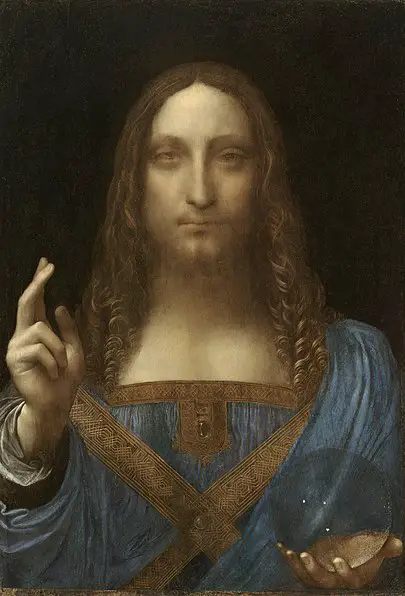
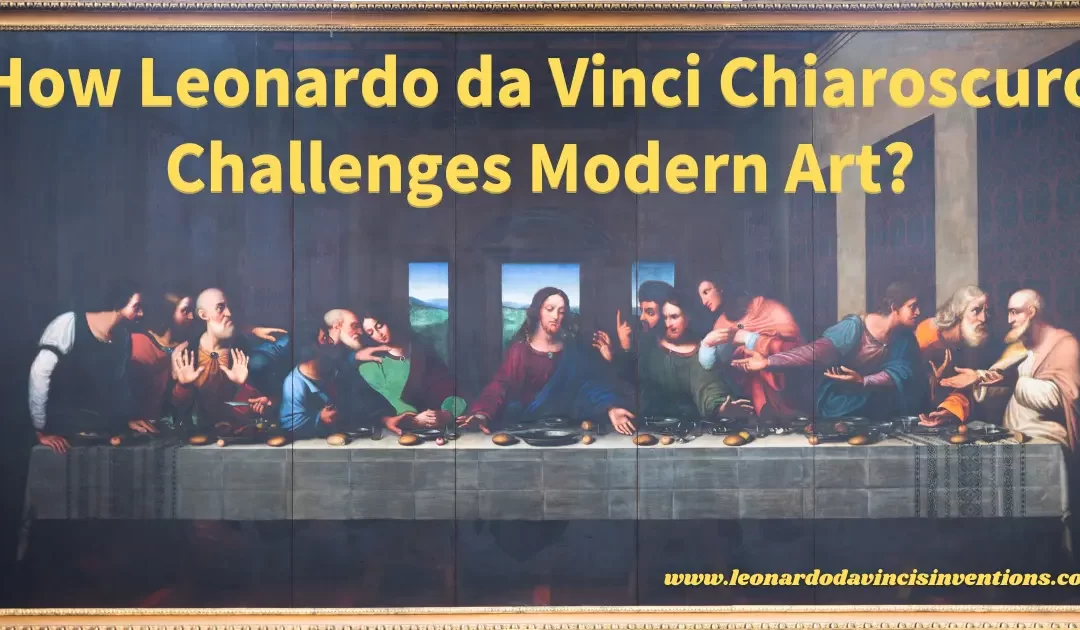
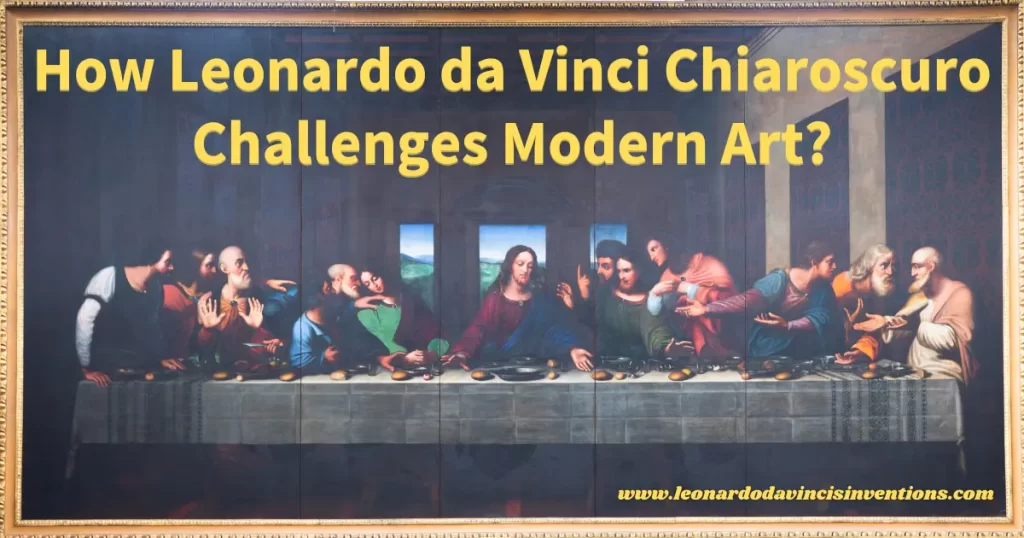
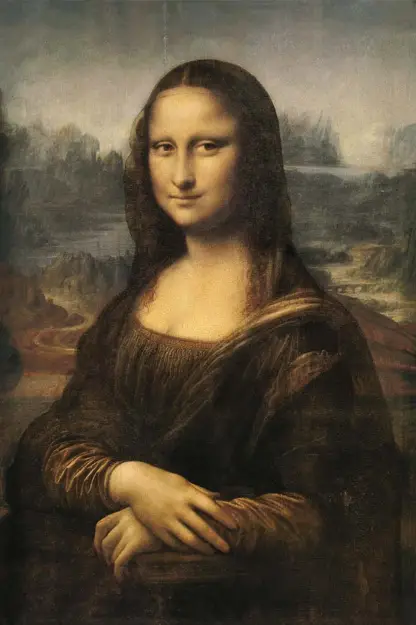
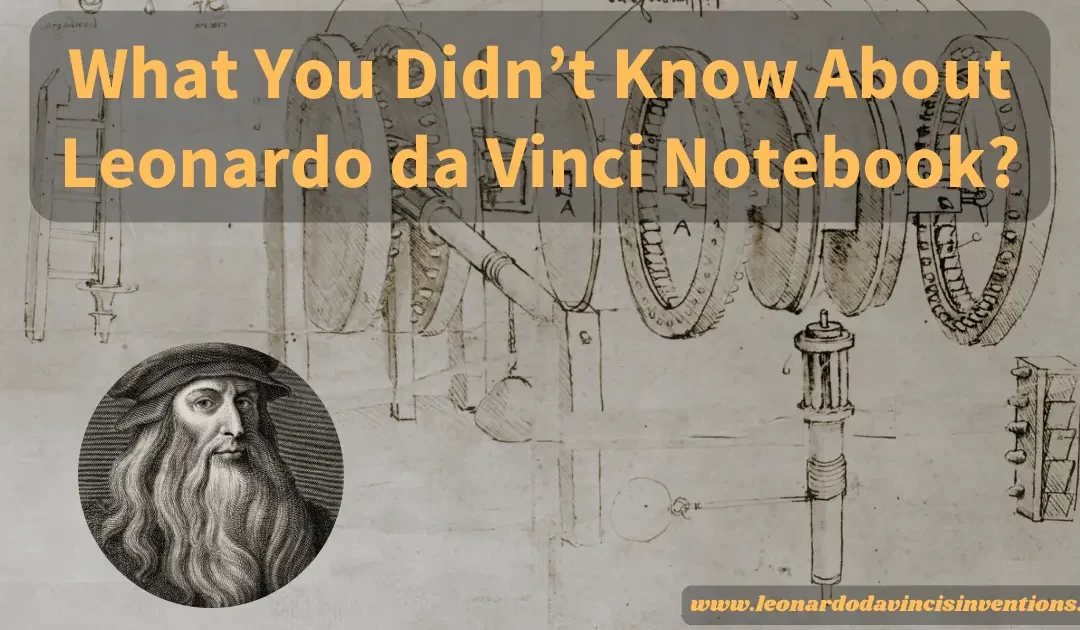
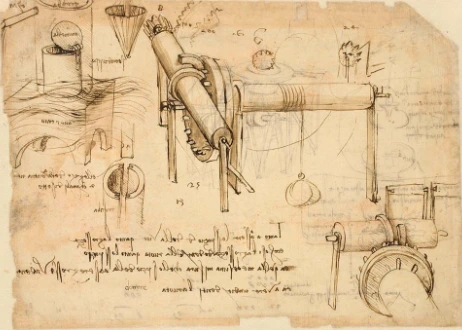
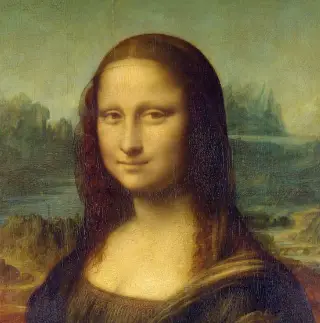


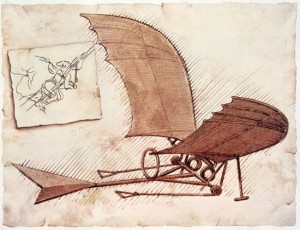
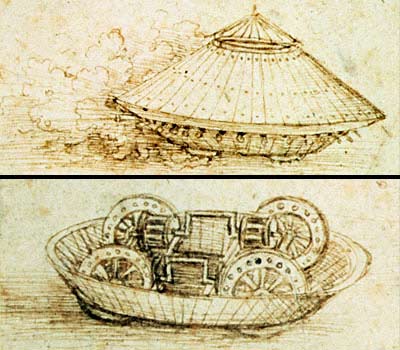
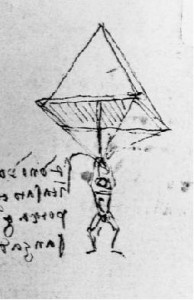
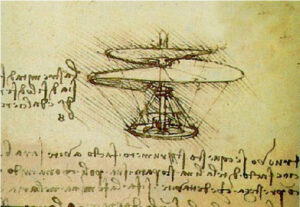
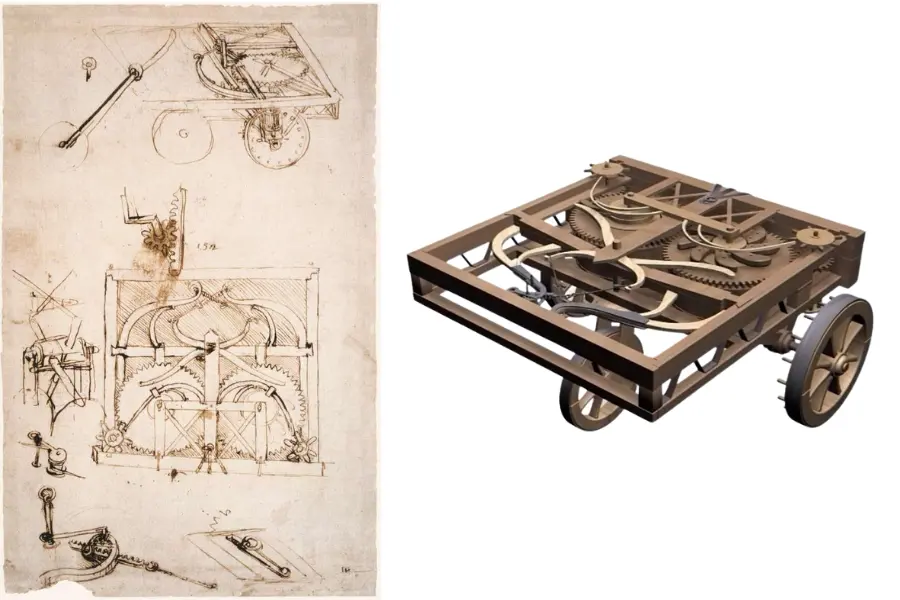
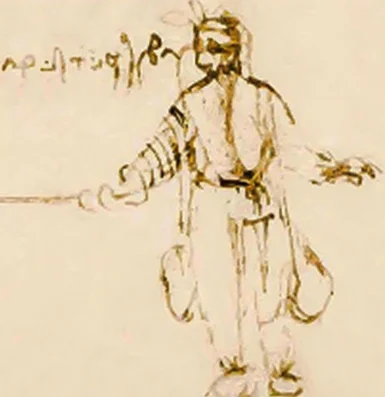
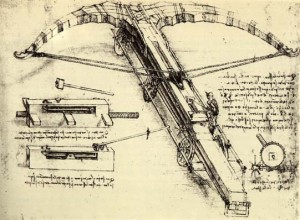
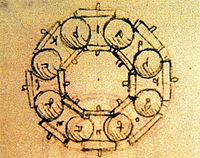
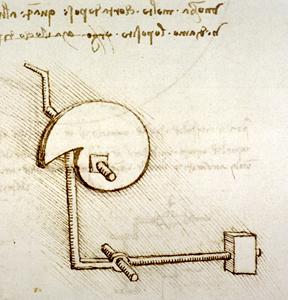
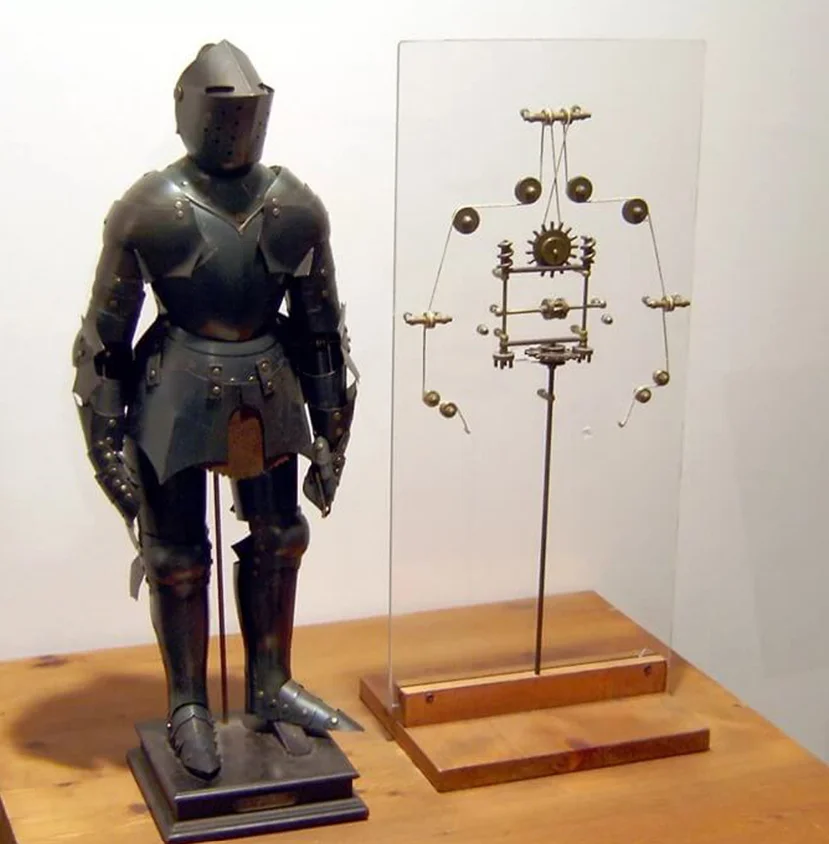
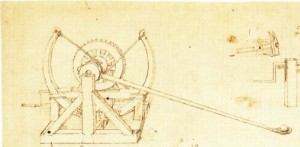
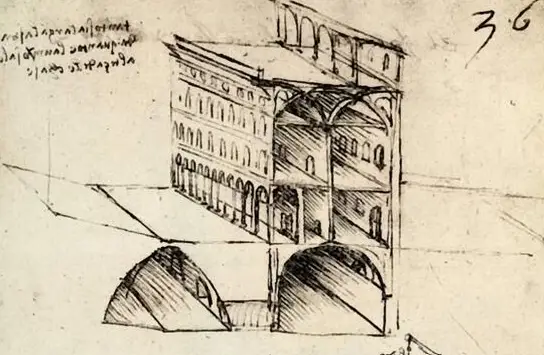
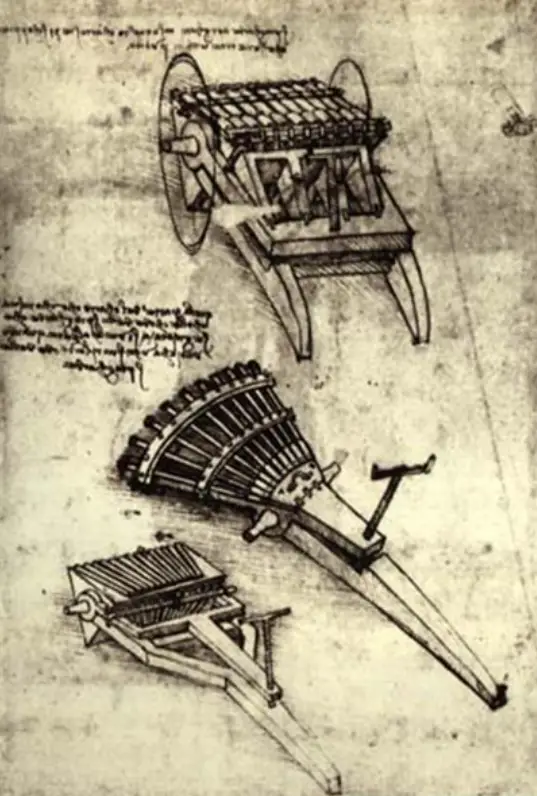
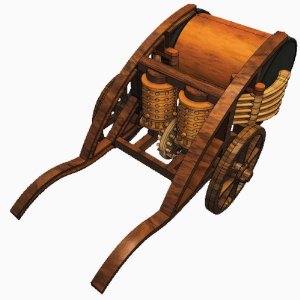
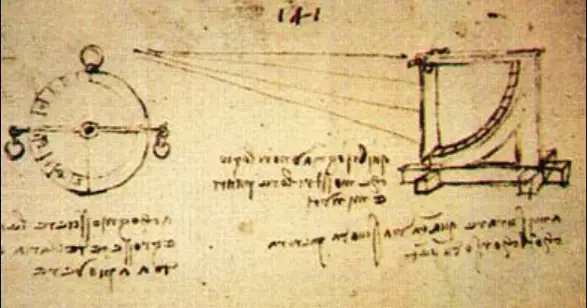
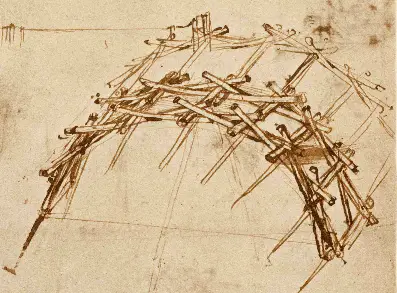
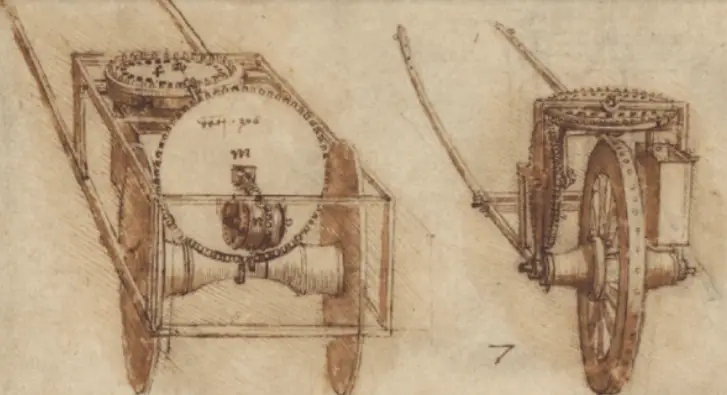
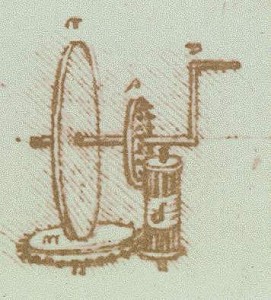
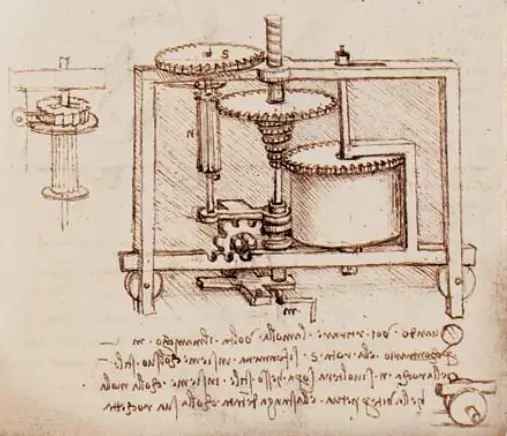
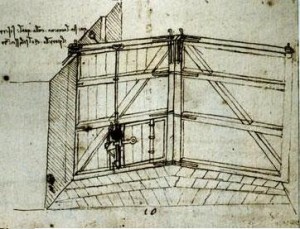
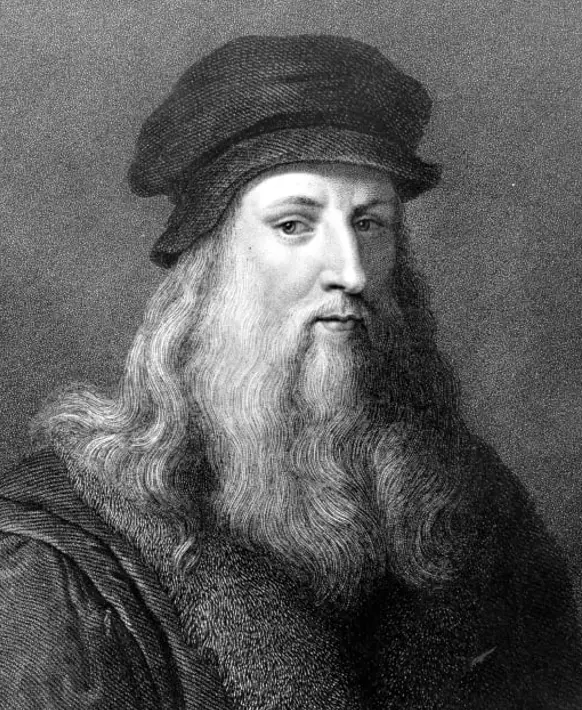


 Leonardo Bianchi is the founder of Leonardo da Vinci Inventions & Experiences, a travel and research guide exploring where to experience Leonardo’s art, engineering, and legacy across Italy and Paris.