Conceptual image of the Leonardo da Vinci Bridge Design
Leonardo da Vinci's bridge design continues to captivate architects, even after 500 years have passed.
Da Vinci's bridge design continues to fascinate engineers, sparking projects from Norway to research at places like MIT.
Back in 1502, the inventor proposed his ambitious bridge for the Ottoman Empire. He introduced engineering ideas that were, frankly, centuries ahead of their time.
The design had a single, flattened arch spanning 280 meters. That would have made it the longest bridge in the world at the time.
The Genesis of Revolutionary Design (Rising Action)
Leonardo da Vinci's bridge design emerged from military needs and bold ambition. He challenged old-school engineering with geometric principles and self-supporting structures.
In 1502, Sultan Bayezid II set an extraordinary challenge for Renaissance engineers. He wanted a bridge to span the Golden Horn, linking Istanbul and Galata across a tricky waterway.
The task was daunting. Bridges then needed many piers and semi-circular arches, but the Golden Horn's width and ship traffic demanded something new.
Leonardo's answer was so futuristic it got rejected. He pitched a single-span bridge, 240 meters long—ten times longer than bridges of his day.
Leonardo's Golden Horn Bridge Proposal for Istanbul
The Golden Horn bridge proposal showcased its double-curvature arch. Unlike the usual arches, this flattened design allowed ships to pass and spanned huge distances.
He described it as "as tall as a building," letting ships sail underneath. The bridge would have linked two continents using a gravity-based masonry system—no typical supports needed.
From Military Engineer to Architectural Visionary Under Cesare Borgia
Working as a military engineer for Cesare Borgia shaped Leonardo's bridge ideas. He devised emergency bridges for troops, prioritizing speed and stability.
His revolving bridge was meant for fast troop movement across water. These temporary bridges had to be portable and tough enough for battle.
Military needs drove him to get creative. He designed bridges that could be assembled without special tools or permanent foundations, which led to his self-supporting arch ideas.
The Self-Supporting Arch That Defied Convention
Leonardo's self-supporting bridge was a real departure from the norm. It required no nails, ropes, or fasteners, yet remained stable thanks to its interlocking parts.
The system balanced compression and tension. Each wooden beam supported the others through careful geometry, spreading the weight across the entire structure.
Key features of the self-supporting arch:
Interlocking wooden beams
No mechanical fasteners needed
Gets stronger under load
Quick to put up and take down
Geometric Principles That Changed Bridge Construction Forever
Leonardo's bridge sketches introduced math concepts that wouldn't be formalized for centuries. He just seemed to "get" three-dimensional equilibrium and used it to build stable structures from pure geometry.
Modern computational analysis reveals that Leonardo employed design principles that were not developed until 400 years after his time. His approach to weight distribution made his bridges stronger as the load increased.
He placed the keystone and shaped the arch with an understanding of forces that structural engineers wouldn't fully document until much later.
The Ingenious Mechanics Behind Leonardo's Vision (Climax)
Da Vinci Self-Supporting Bridge Design
Leonardo da Vinci's bridge design shook up structural engineering. He utilized compression, interlocking geometry, and gravity-supported masonry—eliminating the need for fasteners. The flattened arch distributes weight through a double-curvature system, striking a balance between strength and style.
How Compression and Tension Forces Create Structural Stability
Leonardo understood how arches handle compression and tension. His design pushed the weight down through the stone blocks, causing them to press against each other.
The flattened arch made the bridge stable by turning vertical loads into horizontal thrusts. Each stone transferred its weight to its neighbors through compression.
Key Force Distribution:
Vertical loads from the deck
Horizontal thrust at the arch supports
Compression between stone joints
Minimal tension stress throughout
The geometry made sure no single block took too much weight. The arch shape spreads the load evenly.
The Interlocking Structure with No Nails, Ropes, or Fasteners
The interlocking structure skipped nails, ropes, or fasteners. Leonardo made each stone fit its neighbors like a 3D puzzle.
Physical contact and geometric constraints held it all together. Stones couldn't move because the others blocked them from every angle.
Assembly Requirements:
Temporary wood scaffolding
Precisely cut stones
Place stones from supports toward the center
Insert the final keystone to finish
The self-supporting bridge dodged problems with failing fasteners. Stone-to-stone contact made connections that could last for centuries.
Weight Distribution Through the Flattened Arch Design
The flattened arch spreads loads across a wide span, not just a few points. That reduced stress on each part.
Leonardo's arch rose just enough for sailboats but spanned the Golden Horn's 280 meters. The shallow curve sent loads efficiently to the foundations.
Old-school semicircular arches would have required numerous piers in the water. The flattened shape eliminated those issues, thanks to improved weight distribution.
Gravity-Supported Masonry and the Critical Keystone Placement
Gravity-supported masonry depended on the keystone at the top. That final wedge-shaped stone locked everything in place.
MIT researchers found that squeezing in the keystone put the whole arch under compression. That initial stress held it all together.
Before the keystone, wooden scaffolding supported the stones. Once the keystone was in, removing the supports tested whether the geometry alone could keep the arch standing.
Balance and Ingenuity in the Double-Curvature Arch System
The double-curvature arch really showed Leonardo's knack for problem-solving. The arch curved vertically and horizontally to handle different forces.
Vertical curves were designed to handle the weight from traffic and the bridge itself. Horizontal curves helped prevent sideways collapse during earthquakes or strong winds.
Leonardo's plan for Sultan Bayezid II even had splayed abutments—wider foundations for more stability. That was a smart move for earthquake-prone Istanbul.
From Renaissance Era Dreams to Modern Architectural Reality (Falling Action & Resolution)
Da Vinci bridge, the town of Ås, Norway
Leonardo da Vinci's bridge design began as a 16th-century dream but evolved into a proven engineering achievement. Today, modern research and bridges around the world show his lasting impact on design.
Why the Emergency Bridge for Troops in Times of War Was Never Built
Leonardo da Vinci conceived his famous bridge in 1502 for Sultan Bayezid II, aiming to span the Golden Horn near Istanbul. The design would have set a record at 280 meters.
Politics got in the way. Leonardo was working for Cesare Borgia as a military engineer. His emergency bridge idea didn't use nails, ropes, or fasteners—perfect for quick troop movements in wartime.
The Sultan ultimately rejected Leonardo's radical design. Why? Well, there were a few reasons:
Scale concerns: The bridge was 10 times longer than anything else back then
Unproven technology: The self-supporting arch seemed too risky
Construction complexity: Nobody really knew how to build something that big with the tools they had
Political instability: Ongoing wars made giant projects tough to pull off
So, Leonardo's bold flattened arch design stayed on paper for centuries.
MIT Proves the Temporary Structure Could Have Worked
Recent MIT researchers showed that Leonardo's bridge design was structurally sound through hands-on testing. Graduate student Karly Bast and her team built a 1:500 scale model using 126 3D-printed blocks.
The gravity-supported masonry design relied entirely on compression and tension forces. No mortar or fasteners held the structure together.
The team placed the keystone, and the bridge stood securely in place. The model even withstood simulated earthquake conditions.
Leonardo had added spread footings for extra stability, demonstrating his understanding of the region's seismic risks. The research showed that geometric principles and weight distribution enabled the design to be constructed using Renaissance-era materials and methods.
Norway's Pedestrian Bridge Brings Leonardo's Vision to Life
Modern engineers have built bridges inspired by Leonardo's ideas, though they use steel and concrete instead of stone. A pedestrian bridge in Norway shows how his interlocking structure principles work in real life.
The Norwegian bridge proves Leonardo's basic design works. Still, modern materials can't really test whether his original stone masonry would have held up with the tools of his time.
How Modern Architects Apply Leonardo da Vinci Bridge Design Principles
Contemporary architects utilize Leonardo's concepts of structural stability in large-scale projects. His knack for balance and ingenuity in self-supporting structures continues to influence bridge engineering today.
Some key principles that stick around include:
Double-curvature arch designs for spanning big distances
Load distribution through compression, not tension
Earthquake-resistant foundations
Single-span solutions for tricky landscapes
Modern architectural marvels, such as the Sydney Harbor Bridge, borrow ideas from Renaissance-era innovations.
The Lasting Legacy of the Self-Supporting Bridge in Contemporary Engineering
Leonardo's self-supporting bridge concept demonstrates how Renaissance thinking continues to influence engineering. His grasp of structural forces developed long before he received formal engineering education.
Contemporary bridge designers still look to his creative approaches for tough spans. The idea that geometric principles can create stable structures without the need for complicated fasteners remains relevant.
Frequently Asked Questions
Leonardo da Vinci's bridge design utilizes self-supporting wooden beams that interlock without the use of nails, glue, or mortar. The structure relies on compression forces and geometric principles that engineers continue to study.
Did Leonardo da Vinci design a bridge?
Leonardo da Vinci designed a groundbreaking bridge in 1502 for Sultan Bayezid II of the Ottoman Empire. The bridge was meant to span the Golden Horn in Istanbul.
His design would have created the world's longest bridge at 280 meters. That was ten times longer than most bridges of that time.
The Sultan rejected the idea because it seemed too ambitious for the technology available at the time. Leonardo's sketches remained hidden until they were rediscovered by researchers in 1952.
What is the Davinci method of bridge?
The Da Vinci bridge method uses interlocking wooden beams that support each other through compression. No fasteners, nails, or mortar hold the pieces together.
Each beam locks into place with the others thanks to careful angles and weight distribution. The structure creates sufficient friction between its parts to maintain stability.
This design enables soldiers or builders to assemble bridges quickly using local timber. The bridge can handle heavy loads without special tools or permanent foundations.
What is the science behind the Da Vinci bridge?
The science focuses on compression-only forces and load distribution through geometric design. Weight from above pushes down on the interlocked beams, making them grip each other more tightly.
The flattened arch shape spreads loads more efficiently than traditional semicircular designs. This geometry converts all forces into manageable compression, rather than tension.
MIT engineers tested a 1:500 scale model using 126 blocks to prove the concept works. Their research confirmed the bridge would have been structurally sound using Renaissance materials.
What is the history of the Da Vinci Bridge?
Leonardo designed the self-supporting bridge in the late 15th century for military uses. The design was part of his larger body of engineering work during the Renaissance.
He proposed the bridge to the Ottoman Empire in 1502 as a permanent crossing. The ambitious 280-meter span would have been a marvel of engineering for its time.
After centuries of being forgotten, Norway built the first major bridge using da Vinci's design in 2001. This pedestrian bridge near Oslo proved his engineering concepts could work in practice.
How strong is Da Vinci's bridge design?
MIT testing demonstrated that Leonardo's bridge design can withstand normal loads and accommodate foundation movement. The compression-only structure stays stable even during simulated earthquakes.
The interlocking beam system spreads weight evenly across the whole structure. No single piece carries too much load, so there aren't obvious failure points.
The design's strength stems from its geometry, not from fancy materials. Builders can use simple wood or stone to make surprisingly strong spans.
Is Da Vinci's bridge design still used today?
Da Vinci's bridge design continues to appear in the work of modern engineers and architects. You can spot his compression-only ideas in some earthquake-resistant structures today.
Military engineers often use similar self-supporting concepts for emergency bridges. These temporary crossings are quick to set up and don't require special hardware or a permanent installation.
Schools and educational programs worldwide utilize this design for STEM challenges. Students build models from simple materials, gaining a fundamental understanding of structural principles and how loads are transferred through a bridge.
Da Vinci's bridge design still fascinates engineers and architects, even after five centuries have passed since Leonardo first sketched his bold ideas.
When the Renaissance master proposed his ambitious bridge for the Ottoman Empire in 1502, he laid out engineering principles that were far ahead of their time.
Modern research suggests that Leonardo's self-supporting bridge design would have been feasible using materials available in the 16th century. Its core concepts continue to inspiresustainable construction and inventive engineering solutions today.
MIT engineers recently demonstrated the structural soundness of Leonardo's vision. Contemporary architects continue to weave their design philosophy into eco-friendly projects.
The bridge's elegant balance of form and function shows how Leonardo's engineering genius crosses historical boundaries. From earthquake-resistant structures to 3D-printed components, his 500-year-old innovations continue to shape modern construction.
The lasting relevance of da Vinci bridge design lies in its blend of artistic beauty and practical engineering. Leonardo's approach to solving complex structural challenges—utilizing compression, geometry, and material efficiency—still offers valuable lessons for today's engineers.
The Timeless Engineering Principles Behind Da Vinci Bridge Design
Golden Horn in Istanbul
Da Vinci's bridge design showcases revolutionary engineering ideas that remain surprisingly fresh. The structure relies on compression-only forces, earthquake-resistant foundations, and clever arch geometry, which modern engineers continue to study.
Self-Supporting Structure Without Fasteners or Mortar
The self-supporting bridge design relies solely on compression to maintain its integrity. No nails, glue, or permanent joints hold the wooden beams in place.
The bridge depends on interlocking members that create friction between parts. Each beam fits into place through calculated angles and weight distribution.
This woven design enables the structure to withstand heavy loads without requiring external fasteners. MIT engineers tested this idea with a 1:500 scale model using 126 blocks.
Their research showed that gravity-supported masonry construction would have worked back in 1502. Inserting the keystone creates the final compression lock, which stabilizes the entire span.
Modern emergency bridges still use similar principles. Military teams can deploy bridges quickly without specialized hardware or adhesives.
Flattened Arch Innovation in Modern Bridge Engineering
Leonardo's flattened arch concept stood out from the usual Renaissance semicircular arches. Most masonry bridges of that time required 10 or more piers for long spans.
His single massive arch would have stretched 280 meters without intermediate supports. The parabolic arch shape spreads loads more efficiently than traditional designs.
This geometry enables greater spans while maintaining stability through the power of geometry, rather than relying solely on material strength. Contemporary bridge engineers see this principle in modern cable-stayed and suspension bridges.
The flattened profile reduces material needs and maximizes span. Current bridges crossing expansive waterways still use similar load distribution ideas.
The design gave 43 meters of vertical clearance for ships passing underneath. That kind of height planning still matters today when designing bridges for shipping channels.
Earthquake Resistance Through Spread Footings
The bridge featured abutments that splayed outward on both sides, kind of like a subway rider widening their stance for balance. These spread footings enhance stability against lateral movement and foundation settlement.
Leonardo noticed the seismic activity in the Golden Horn region and incorporated earthquake-resistant features. The splayed foundation spreads horizontal forces more effectively than vertical supports can.
MIT tests confirmed this seismic stability with foundation movement simulations. Researchers moved the bridge platforms apart to mimic earthquake conditions.
The structure flexed slightly but remained intact until it was pushed to the point of extreme displacement. Modern bridge foundations in earthquake-prone areas continue to employ the principles of spread footing.
Engineers know that foundation design is key to a bridge's resilience during earthquakes.
Load Distribution and Compression Forces
The bridge transfers all its structural loads through compression forces rather than tension. This eliminates the need for materials strong in tension, allowing builders to use stone for a 280-meter span.
The arch shape naturally channels weight toward the foundations. Each block helps stabilize the whole structure by directing loads downward and outward.
Structural analysis shows how the geometry prevents bending and shear forces that usually lead to bridge failures. The arch turns all loads into manageable compression stresses.
Modern masonry and concrete arch bridges still use these load distribution tricks. Engineers know that innovative geometry can avoid nasty stress concentrations.
Portable and Emergency Military Applications
Leonardo designed this military bridge for quick deployment across rivers or streams. The interlocking design allows builders to assemble it quickly, with no need for special tools or permanent installation.
Soldiers could use local timber and basic carpentry skills. No mortar mixing or fastener installation slows down construction during military operations.
Modern military engineering continues to value portable bridge designs for emergencies. The self-supporting concept enables temporary crossings that can withstand heavy loads without requiring permanent foundations.
STEM challenges and Boy Scout projects demonstrate how simple materials, such as craft sticks, can be used to create working models. This hands-on approach makes the design handy for emergency response and temporary infrastructure.
Modern Applications and Educational Value of Da Vinci Bridge Design
Da Vinci Bridge, the town Ås, Norway
Da Vinci bridge design has earned real-world validation through MIT's rigorous testing. It has been showcased in Norway as a pedestrian bridge and serves as a creative STEM education tool worldwide.
The design has grabbed international media attention and sparked a network of bridge projects that demonstrate Leonardo's lasting engineering principles.
Graduate student Karly Bast, along with Professor John Ochsendorf and undergraduate Michelle Xie, built a detailed 1:500-scale model using 3D printing.
The team spent six hours printing all 126 blocks for their 32-inch model. They used no fasteners or mortar, relying only on compression forces—just as Leonardo intended.
Key findings from the MIT study:
The bridge stayed stable under normal loads
It held up to foundation movement and seismic activity
The power of geometry made the self-supporting structure possible
Leonardo's design was "well thought out" and showed his grasp of structural engineering
The team shared their results at the International Association for Shell and Spatial Structures conference in Barcelona. Their work also showed up on PBS NOVA, bringing Leonardo's engineering brilliance to a broader audience.
The Norway Bridge: From Sketch to Reality After 500 Years
Five hundred years after Leonardo's death, his vision came to life when Norway finished a pedestrian bridge based on his design in 2001. Artist Vebjørn Sand led the Da Vinci Bridge Project, building a 109-meter structure near Ås, Norway.
The Norwegian bridge crosses European route E18 with a 40-meter main span. Built from laminated wood instead of stone, it required modern materials to achieve the ambitious scale Leonardo had envisioned.
Construction method: Prefabricated sections put together by crane
This project showed that Leonardo's flattened arch design could work as intended. It has inspired further applications of his engineering principles in today's construction.
STEM Challenge and Educational Demonstrations
The self-supporting bridge has become a favorite hands-on learning tool in engineering education and STEM programs. Students build scale models using simple materials, such as craft sticks, garden canes, or construction lumber, to grasp fundamental structural principles.
Educational demos focus on the bridge's core concepts: compression-only forces, interlocking members, and geometric stability. The project demonstrates to students that design—rather than fancy materials or connections—brings strength.
Common educational materials:
Craft sticks or popsicle sticks for small models
2x6 lumber for larger demos
Logs with notches for outdoor camp builds
Garden canes for lightweight classroom versions
Boy Scout groups and engineering camps often use the Da Vinci Bridge as a pioneering project. The DIY construction allows students to experience the same principles that Leonardo applied to his original 1502 design for Sultan Bayezid II.
Global Public Art Project and International Bridge Network
Leonardo's bridge concept has sparked several international installations as part of a growing global public art network. Projects have emerged in various locations, from Antarctica to Greenland, each adapting the design to local conditions and materials.
Notable installations include ice sculptures in Queen Maud Land, Antarctica, and temporary bridges in Copenhagen during the COP15 climate conferences. These projects show the universal appeal of Leonardo's engineering ideas across cultures and environments.
The international bridge network emphasizes the use of local materials and artisans, staying true to Leonardo's practical approach. Each installation serves as both an art and an engineering demo, proving how Renaissance innovation still matters in modern design challenges.
Media Recognition and International Attention
Major news outlets have featured the Da Vinci bridge design, bringing Leonardo's engineering legacy to global audiences.
The Wall Street Journal, National Geographic, and The Guardian have all published articles about the bridge's significance.
Some publications have even called it one of the "five coolest bridges on Earth," acknowledging its historical significance and its surprising modern relevance.
Media coverage highlights:
Engineering feasibility and structural innovation
Historical significance of Leonardo's Universal Genius
Modern applications in education and public art
Integration of art and engineering principles
This widespread attention has sparked renewed interest in Leonardo's engineering notebooks and manuscripts.
The coverage shows that fancy technology isn't always necessary for groundbreaking design concepts.
Why Leonardo's Renaissance Engineering Genius Matters in the 21st Century
Test of Leonardo da Vinci's bridge design
Leonardo da Vinci's engineering principles still shape modern construction. He understood structural geometry and compression forces on a level that remains impressive even now.
His blend of artistic vision and mathematical precision offers valuable lessons for designers seeking sustainable solutions.
Historical Significance and Lost Knowledge Rediscovered
Renaissance engineering marked a time when scientific observation merged with hands-on construction.
Leonardo's bridge design, proposed in 1502 to Sultan Bayezid II for the Golden Horn in Istanbul, remained forgotten for 400 years until it was rediscovered in 1952.
The proposal would have created the world's longest bridge span at 280 meters, with a 240-meter main section. That was ten times longer than the bridges of its day.
MIT engineers Karly Bast and John Ochsendorf demonstrated that a self-supporting bridge could be constructed using only compression forces and interlocking members.
Form and Stability Relationship in Contemporary Design
The flattened arch geometry shows how structural form influences stability, with no modern fasteners or mortar required.
Leonardo's pressed bow arch distributes loads through pure compression, cutting out tension forces that often cause failure.
Engineers today study his parabolic arch ideas for earthquake-resistant structures.
The bridge's method of handling lateral sway and foundation movement—utilizing spread footings and abutments that splay outward—still offers valuable insights for seismic zones.
MIT's 1:500 scale model, which utilized 126 blocks, confirmed the design's structural integrity.
The keystone insertion method and load distribution patterns show how Renaissance engineers understood compression-only structures.
Art and Engineering Integration for Modern Designers
Leonardo erased the line between artistic vision and technical execution. His notebook drawings in Manuscript L show how aesthetics can actually boost structural performance.
The geometric power in his designs reminds modern architects that structure is the architecture.
This philosophy inspires bridge designers who seek elegant solutions that are both functional and aesthetically pleasing.
Modern engineering still references Leonardo's mathematical precision in structural analyses.
His blend of rational analysis and wild imagination provides a model for innovation.
From Classical Masonry to Modern Construction Techniques
The masonry bridge concept, featuring thousands of stone blocks, embodies timeless principles that align with today's materials.
Leonardo envisioned stone construction, but modern versions utilize steel and concrete, while retaining his geometric principles.
Norway's 2001 project used laminated wood and glued laminated timber—a cool update. The 40-meter main span pedestrian bridge cost 12 million Norwegian kroner and was built with prefabricated sections assembled by crane.
Contemporary masonry techniques still utilize Leonardo's principles of compression forces and interlocking members for earthquake-resistant construction—no mortar is needed.
Inspiring Future Generations Through Renaissance Innovation
Educational programs around the world use the da Vinci bridge design for STEM challenges and engineering demos.
Students build models with craft sticks, garden canes, and construction lumber to learn about structural deformation and load capacity.
This simple yet sophisticated approach shows that fancy technology isn't always needed for innovation.
That message encourages young engineers to think creatively about sustainable construction and utilize local materials.
Leonardo's work feels more relevant today than during the Renaissance, inspiring climate change awareness projects and international bridge networks that teach engineering through hands-on learning.
Frequently Asked Questions
Leonardo da Vinci's bridge design utilizes self-supporting wooden beams that interlock without the need for nails, glue, or rope.
The structure relies on compression forces and weight distribution to stay stable and strong.
What is the Davinci method of bridge?
The Da Vinci bridge method uses interlocking wooden beams that support each other through compression.
No fasteners, nails, or mortar hold the pieces together.
Each beam locks into place with the others. The weight of the structure holds everything together.
This creates a self-supporting bridge that can be built relatively quickly.
How did Da Vinci design his bridge?
Da Vinci created his self-supporting bridge design in the late 15th century for military use.
He drew the plans as part of his engineering work during the Renaissance.
The design uses wooden logs arranged in a pattern. Each piece fits with the others to make a stable crossing.
Da Vinci created detailed sketches illustrating how the beams should be connected.
What is the theory of the Davinci Bridge?
The theory behind the Da Vinci bridge centers on compression and load distribution.
Weight from above pushes down on the interlocked beams, causing them to grip each other more tightly.
The interlocking mechanism distributes weight evenly across the structure.
This prevents any single beam from carrying too much load. The more weight you add, the stronger the connection gets.
What is the principle of the Da Vinci bridge?
The primary principle is that all forces are transferred through compression only.
The beams press against each other to create stability, so you don't need external binding materials.
Gravity pulls the structure down, but the interlocking design redirects these forces.
The beams support each other in a balanced system, and each piece depends on the others to stay in place.
What are the disadvantages of the Da Vinci bridge?
Modern materials and building methods offer better choices for bridges.
Today's designs offer numerous options for lighter and stronger bridges.
The Da Vinci bridge requires precise alignment for all its components.
If one beam shifts or fails, the whole structure might collapse. The design also requires specific types of wood and careful preparation of the materials.
What is the rule of 7 in bridge?
The rule of 7 is commonly applied in card games and competitive bridge. It has nothing to do with Da Vinci's physical bridge design.
Da Vinci's bridge works on engineering principles. His wooden bridge relies on compression forces and how the weight spreads out, not on any card game strategy.
Codex Leicester fascinates many who wonder what makes it stand out from all other books and manuscripts.
If you have ever been curious about rare objects, you may have struggled to understand why this particular notebook is so prized.
This article will explain what sets Codex Leicester apart and the details that make it extraordinary.
Codex Leicester's value and uniqueness come from its direct connection to Leonardo da Vinci, original scientific ideas, and beautiful illustrations, which offer a rare look into the mind of one of history's greatest thinkers.
This one-of-a-kind notebook holds pages filled with da Vinci’s thoughts, sketches, and observations about astronomy, water, and light.
People continue to study Codex Leicester because it is not just a historical document, but a unique window into a genius’s process and creativity.
Today, Codex Leicester is known as the most expensive book ever sold.
Major collectors like Bill Gates recognize its lasting importance and have made its images available worldwide.
If you are interested in the story behind its price and what makes it irreplaceable, exploring its background and contents can help you understand why it holds such a special place in history.
The Historical and Artistic Significance of Codex Leicester
Codex Leicester is a rare window into Leonardo da Vinci's mind, capturing his scientific notebook work and artistic vision.
Its history, insightful manuscript content, and detailed drawings make it a central artifact for historians and art scholars.
Leonardo da Vinci’s Genius Captured in the Codex Leicester
Leonardo da Vinci’s genius shines through in the Codex Leicester.
This scientific notebook gathers his research on water flow, hydrodynamics, lunar influence, and geology.
Across its pages, Da Vinci documents ideas on how rivers erode land or how moonlight impacts the movement of tides.
He writes his observations in his distinctive left-handed “mirror writing.”
These notes reveal scientific observations, experiments, and new theories often centuries ahead of their time.
Codex Leicester shows his curiosity about the world and drive to understand nature’s workings, blending art and science in his research.
The Codex Leicester as a Rare Renaissance Manuscript
This manuscript dates back to the Renaissance and has survived for five centuries.
The Codex Leicester is a rare example of Leonardo’s scientific notebooks and remains unique among his codices because it is complete and well-preserved.
It comprises 72 pages (36 double-leaf sheets) filled with Leonardo’s original writing and sketches.
As a Renaissance artifact, it highlights the period’s passion for discovery and merging art with scientific thought.
Today, the Codex Leicester is often displayed in museums and special exhibitions, such as the Uffizi Gallery.
Exploring Leonardo’s Sketches and Detailed Drawings
Leonardo’s sketches in the Codex Leicester are highly detailed and show every stage of his scientific process.
The drawings include diagrams of water swirling in eddies, cross-sections of riverbeds, and close-up views of fossils.
Each illustration connects directly to Leonardo’s observations and experiments.
Codex Leicester's combination of images and text demonstrates how he used sight and reasoning to develop new scientific ideas.
The manuscript is one of the best examples of his ability to visualize natural phenomena and inventions.
The Artistic Value and Leonardo’s Influence on Art
The Codex Leicester is important for both science and art.
Leonardo’s skill in drawing and careful observation set new standards for scientific documentation and artistic technique.
His attention to shading, texture, and proportion gives the manuscript an artistic value that rivals his famous paintings.
Art historians study the Codex Leicester to understand Leonardo’s influence on art during the Renaissance.
His technique of combining observation with imagination influenced later artists and even modern scientific illustration.
The Codex Leicester serves as proof of his legacy as both an artist and a pioneer of scientific drawing.
Codex Leicester’s Historical Artifact Status and Provenance
Codex Leicester has a rich ownership history, adding to its status as a significant historical artifact.
Sir Thomas Coke, later the Earl of Leicester, purchased the manuscript in 1717, which is how the codex got its name.
It passed through several private collectors before Microsoft co-founder Bill Gates acquired it at auction in 1994.
Today, the Codex Leicester is considered the most valuable manuscript ever sold.
Bill Gates loaned it to public exhibitions, making it accessible for research and conservation.
Its story of ownership reflects the manuscript’s ongoing legacy and cultural power as a rare Renaissance artifact and scientific treasure.
Scientific Insights and Innovations in Codex Leicester
Codex Leicester includes Leonardo da Vinci’s detailed observations and careful notes, showing his unique mind at work.
It offers examples of how Leonardo’s scientific documentation blended curiosity, experiment, and sharp thinking to reveal many discoveries.
Leonardo’s Scientific Notebook: A Window into Renaissance Science
The Codex Leicester is a window into Renaissance thought.
It is filled with over seventy pages of Leonardo da Vinci’s handwriting, sketches, and drawings.
He recorded his experiments, detailed ideas, and questions about the natural world.
This scientific notebook details his ideas about geology, fossils, the properties of water, light, and Earth’s structure.
Leonardo’s scientific work blends art with scientific curiosity. He used precise sketches to illustrate each idea visually.
The manuscript highlights his habit of testing theories with hands-on experiments.
Leonardo’s observations set a standard for combining careful notes, direct research, and creative thinking in scientific study.
Hydrodynamics and Water Movement in Leonardo’s Studies
One of the main themes in Leonardo’s studies is hydrodynamics, the science of water movement.
In the Codex Leicester, he drew river currents, water flows, eddies, and the effects of obstacles on stream patterns.
Leonardo documented how water shapes land over time, causing erosion and forming riverbanks.
He explored the idea of water as a force of change in nature.
His notes explain why water follows spiral paths and forms whirlpools and waves.
He described ways humans might use the force of water for power and explained the movement of sediment.
These studies also include his thoughts on water management for cities and agriculture.
Astronomy and Lunar Influence in Codex Leicester
Leonardo’s curiosity led him to astronomy and lunar studies.
In the Codex Leicester, he described why the Moon shines and what causes its phases.
He explained that the Moon’s light comes from reflected sunlight, including how “Earthshine” makes the dark part of the Moon dimly visible.
The manuscript holds his notes on the moonlight effect and how the position of the Moon affects tides.
Using scientific reasoning, Leonardo questioned old beliefs about the stars and planets.
He recorded observations about ancient fossils found on mountaintops, leading to early ideas about Earth’s changes.
This approach shows his drive to challenge existing ideas using direct study.
By observing natural phenomena, Leonardo advanced astronomy and early earth sciences.
Leonardo’s Engineering Concepts and Mechanical Designs
Leonardo’s genius shines through in his engineering concepts and mechanical designs within the Codex Leicester.
The manuscript includes sketches of waterwheels, canal designs, and ideas for machines used in construction and land management.
His drawings show a deep understanding of how engineering and nature connect.
Leonardo wanted to harness the power of water for useful inventions, such as devices to move or lift water.
His engineering proposals reflect both creativity and scientific research.
Tables and diagrams in the manuscript help explain the working parts of his machines and tools.
Leonardo’s inventions connect science, art, and industry, setting a path for later developments in mechanical engineering.
The Importance of Leonardo’s Scientific Observations and Experiments
Leonardo’s detailed observations and experiments in the Codex Leicester set a model for scientific study.
He relied on direct evidence, careful measurements, and precise notes to explain what he saw.
He often tested theories before concluding, sometimes changing his mind when new evidence appeared.
Leonardo’s research explored geology, fossils, water, and astronomy.
His work influenced future studies in natural science.
The Legacy, Conservation, and Modern Relevance of Codex Leicester
The Codex Leicester is a rare scientific manuscript by Leonardo da Vinci, featuring his detailed notes and sketches on nature, water, astronomy, and engineering
Codex Leicester is a rare manuscript that reveals Leonardo da Vinci’s scientific notebook and highlights the Renaissance link between art, science, and innovation.
Its handwritten pages document scientific observations and experiments that inspire modern thinkers.
Codex Leicester Ownership, Sale, and Auction History
The Codex Leicester has a unique journey of ownership.
Leonardo da Vinci wrote it from 1506 to 1510, and the manuscript changed hands several times over the centuries.
In the early 18th century, the Earl of Leicester, Thomas Coke, purchased the codex, giving it its most famous name.
It became the most expensive book ever sold when Bill Gates bought it at auction in 1994, paying about $30.8 million.
This sale, known as the Codex Leicester auction, captured wide attention and increased its fame.
Its ownership history highlights the codex's rarity and status as a valued historical artifact, bridging centuries of science and curiosity.
Digitization and Public Display of Leonardo’s Notebooks
Modern technology helps preserve and share the Codex Leicester with the world. Since Bill Gates acquired the manuscript, experts have scanned and digitized it.
This process lets scholars and the public study Leonardo’s handwriting, drawings, and scientific notes without risking damage to the original. The Codex Leicester appears in international exhibitions.
Museums use interactive digital displays so viewers can explore pages up close. These displays help people understand Leonardo’s theories, from hydrodynamics to lunar studies.
Institutions like the Minneapolis Institute of Art have shown digital presentations, which make the codex accessible to people who cannot see it in person.
Codex Leicester’s Contributions to Modern Scientific Research
Leonardo’s detailed observations in the Codex Leicester still matter today. The manuscript covers water movement, geology, fossils, moonlight, and astronomy.
Leonardo’s notes offer early insights into Earth sciences and hydrodynamics. Modern researchers analyze the Codex Leicester to trace the origins of scientific methods and experimental thinking.
His research on water flow informs modern engineering, especially in studying rivers, erosion, and soil conservation. Leonardo’s lunar studies and thoughts on the Moon’s reflection on water show his curiosity and foster learning across different sciences.
Conservation Efforts Preserving This Rare Manuscript
The Codex Leicester is old and fragile, so preservation is critical. Experts store it in climate-controlled storage to protect Leonardo’s handwriting and drawings from environmental damage.
Paper specialists check for chemical deterioration and prevent light or moisture from causing harm. Special treatments stabilize ink and parchment, repair tears, and use reversible mounting for public display.
Strict protocols guide every step when moving or showing the manuscript. These efforts keep the Codex Leicester safe for future study.
Interdisciplinary Approach: Leonardo’s Art and Science Legacy
Leonardo da Vinci combined detailed sketches, scientific experiments, and artistic vision in the Codex Leicester. His work on geology, fossils, water science, and mechanical design shows how he blended observation and creativity.
He scanned natural phenomena, used precise measurements, and questioned accepted views. Art students, engineers, historians, and scientists all reference Leonardo’s theories and notebooks.
The Codex Leicester exemplifies Leonardo’s interdisciplinary approach, uniting art, science, and innovation in one manuscript.
Frequently Asked Questions
The Codex Leicester is a handwritten scientific notebook by Leonardo da Vinci filled with observations, sketches, and theories. It is famous for being one of the most expensive books ever sold and for providing insight into Leonardo’s mind.
What did the Codex Leicester explain?
The Codex Leicester explains a wide range of scientific topics, including water movement, the moon’s brightness, and the formation of fossils. Leonardo’s notes show observations on astronomy, geology, and hydrodynamics.
The notebook includes theories that were ahead of his time.
Why is Codex Leicester so expensive?
The Codex Leicester is rare and was written by Leonardo da Vinci himself. It is the only major da Vinci notebook that is still in private hands and not in a museum.
Its high value also comes from its historical and scientific importance and connection to a famous artist.
How much did Bill Gates pay for the Codex Leicester?
Bill Gates bought the Codex Leicester at an auction in 1994, paying $30.8 million for the manuscript.
This set a world record for the most expensive book ever sold at the time.
Where is Leonardo da Vinci's notebook today?
Today, Bill Gates owns the Codex Leicester. He sometimes loans it to museums for public display.
The codex often travels for exhibitions around the world.
Why is the Codex so important?
The codex gives direct insight into Leonardo da Vinci’s thought process. It is crucial for its pioneering scientific ideas and detailed sketches.
The codex also shows how da Vinci blended art and science in his work.
What is the most expensive Leonardo da Vinci book?
The Codex Leicester is the most expensive book by Leonardo da Vinci ever sold. No other da Vinci manuscript has matched its auction price.
The codex holds a unique place in art and science history.
What was the purpose of the codex?
Leonardo da Vinci used the Codex Leicester to record his scientific studies. It aimed to document his research, experiments, and ideas about nature and the physical world.
Why did Da Vinci write backwards?
Leonardo da Vinci often wrote in mirror writing, from right to left. Scholars believe he did this to make his notes harder to read by others or because it was easier for him as a left-handed writer.
What was written in the codex?
The codex covers topics such as river flow, water properties, geology, astronomy, and fossils. It includes detailed drawings and step-by-step observations.
The content helps historians understand what interested da Vinci in science.
What book sold for 30.8 million dollars?
The Codex Leicester was sold at auction for $30.8 million in 1994.
Bill Gates bought the manuscript and still owns it today.
The da Vinci tank real life often raises curiosity about why this remarkable invention never made it to the battlefield.
Leonardo da Vinci’s armored vehicle was never used in battle because its design had serious flaws and could not function as intended.
Many picture the da Vinci tank as a game-changer, but the machine never worked outside sketches and small models. The design lacked a working motor and struggled to move, making it impossible to use in combat.
Engineering problems, practical limits, and the technology of his time kept this invention from reaching the battlefields of history.
The Origins and Vision Behind the da Vinci Tank Real Life
Leonardo da Vinci imagined Leonardo's tank in real life in the 15th century as a response to changing warfare and ongoing conflict. His ideas for this fighting vehicle combined advances in mechanical engineering and the need for mobility and protection in war.
Leonardo da Vinci’s Role as a Military Innovator in the 15th-Century Renaissance
During the Renaissance, Leonardo da Vinci stood out as a military innovator. He explored ways to use science and engineering to change the battlefield.
His notes and sketches reveal an interest in creating new weapon types, such as bridges, cannons, and early tank concepts. Leonardo studied the weaknesses in existing army strategies and believed that mechanical design could provide advantages during sieges and open battles.
By combining anatomy, geometry, and mechanics, he designed machines that could give armies a tactical edge. His work reflected the spirit of the Renaissance, tying art and science closely together.
The Duke of Milan and Ludovico Sforza’s Influence on Leonardo’s Fighting Vehicle
Ludovico Sforza (1452-1508) was a patron of Leonardo da Vinci, employing him for many years in Milan and supporting his artistic and engineering projects during the Renaissance
Leonardo created his fighting vehicle while working for Ludovico Sforza, the Duke of Milan. The Duke wanted to protect his territory and show military strength.
This desire led to requests for advanced weapon concepts, including the armored car. The relationship between Leonardo and Ludovico shaped the da Vinci tank real life design.
Leonardo aimed to meet the Duke’s needs by developing a prototype that promised offense and defense during battle, as discussed in Leonardo's tank. Ludovico provided resources that let Leonardo experiment with new ideas.
The Duke viewed these inventions as valuable symbols of power and innovation in a rapidly changing world. Leonardo da Vinci tank design was among several inventions that strengthened Milan’s military position.
Understanding the Concept Sketches and Drawings of the Early Tank Design
Leonardo’s sketches and drawings of the early tank concept show a round, turtle-shaped vehicle covered with slanted armor for defense against attacks. The design includes gears, cranks, and multiple gun ports for firing in all directions.
Soldiers inside would turn cranks to move the vehicle.
Below is a table with key features from Leonardo's concept sketches:
Feature
Purpose
Slanted Armor
Deflects enemy shots
Circular Shape
Allows movement in any direction
Multiple Gun Ports
Supports 360-degree firepower
Man-powered Cranks
Moves the vehicle from inside
Leonardo sometimes included intentional errors in his drawings, possibly to prevent misuse by others or discourage theft of his inventions. Some modern studies suggest these sketches reflect his creativity and early ideas about mobility and protection in battle.
How Leonardo’s Inventions Reflected Renaissance Engineering and Mechanical Design
Leonardo’s inventions, including the Leonardo da Vinci armored vehicle, showcased advances in Renaissance engineering. He studied wheels, gears, and levers and applied that knowledge to create complex war machines.
The tank design involved precise mechanical engineering, even if its practicality was limited by the technology of the time. The Renaissance period sparked new interest in science and learning.
Leonardo experimented with scale models and detailed diagrams, showing how new machines could work using power from humans, animals, or water. His focus on mechanical parts helped unlock future innovations in war technology and beyond.
His armored car design combined geometry, motion, and structural advances. Features such as slanted armor and an enclosed shell showed an early understanding of balancing mobility with protection on the battlefield.
The Visionary Ideas Behind the Armored Car and War Machine Prototype
Visionary ideas about changing war strategy were at the heart of the Leonardo da Vinci tank real-life project. Leonardo imagined a war machine prototype combining offense and defense, allowing soldiers to approach enemy lines safely.
The Da Vinci armored car concept demonstrated the ability to carry weapons and protect troops in a single design. Leonardo’s sketches show plans for a moving fortress, offering a shielded position, multiple cannons, and the ability to move in any direction.
While the feasibility was limited by the need for human power and gear alignment, his prototype introduced a new way of thinking about mobile armored vehicles.
Technical Features and Challenges of the da Vinci Tank Real Life
The da Vinci tank in real life was a complex Renaissance invention imagined centuries before modern tanks. This armored vehicle combined unique features, such as moving in any direction and slanted armor, but faced problems with feasibility, mobility, and technology that kept it from real military use.
Exploring the Mechanical Engineering Behind the Moving in Any Direction Design
Da Vinci tank design included a round, domed shape with wheels inside. He wanted the vehicle to move in any direction on the battlefield.
The idea was advanced for the 15th century, using a set of cranks and gears operated by men inside the tank. However, the mechanical engineering challenges were significant.
The system depended on people turning cranks, which required constant effort. This setup meant movement was slow and difficult to control.
Leonardo’s sketches showed a detailed understanding of gears and mechanical parts. The technology of the time did not support a working model.
Diagrams in his notebooks revealed how he tried to solve problems of turning and steering. Even with his detailed plans, the moving in any direction feature was not practical with the mechanical knowledge and resources he had.
The Role of Slanted Armor and Defense Against Attacks in Leonardo’s Tank Concept
Leonardo da Vinci armored car featured slanted armor designed to deflect enemy attacks. The armored sides formed a cone around the tank’s main body, which could help protect the men inside from arrows and cannon fire.
The slanted armor was made from wood and reinforced with metal plates. This design reflected an early understanding that angled surfaces can better deflect projectiles than flat ones.
Modern tanks use a similar idea for their protection. Still, the actual effectiveness of this armor in a real battle would have been limited.
The wood-metal combination was heavy and not as strong as the steel used in later military technology. The defense against attacks would have provided some cover, but not enough to handle heavy artillery or concentrated fire.
Feasibility and Practicality Issues in Leonardo’s Early Tank Concept
While innovative, Leonardo's tank real life concept suffered serious feasibility problems. The main issue was weight.
The heavy armor, wooden base, and mechanical cranks made moving the vehicle hard. Soldiers inside would have needed much strength and stamina to operate the gears for any time.
The tank was meant for flat, dry ground only. Anything more challenging, like mud or hills, would stop it from moving.
The placement of the gears and wheels also created mechanical tension, making movement even more challenging and limiting its range in a real battle. Another issue was visibility.
The small portholes for viewing and firing reduced awareness and made aiming weapons difficult. These practicality issues meant that, even if built, the Leonardo da Vinci tank design could not function well in Renaissance war scenarios.
Mobility and Protection: Balancing Battlefield Technology and War Strategy
Balancing mobility and protection was at the heart of Leonardo’s inventions. The armored vehicle prioritized keeping soldiers safe from harm but sacrificed speed and maneuverability.
Advantages of the tank design:
Strong protection through slanted armor
Allowed several soldiers to be shielded inside
Potential to carry small cannons as the main weapon of war
Disadvantages:
Slow speed from manual power
Inability to handle rough or uneven terrain
Limited visibility for operators
While the war machine could theoretically break enemy lines, the lack of absolute mobility made it unsuitable for Renaissance battlefields. War strategy at the time favored quick, flexible troop movements, which the early tank concept could not support.
The armored car struggled to meet these needs, reducing its value as a practical weapon.
Why Leonardo’s Sketches Were Ahead of Their Time in Military Innovation
Leonardo’s sketches showed a deep understanding of battlefield technology and mechanical design. For the 15th century, his vision of an armored, moving war machine was groundbreaking.
His prototype for an armored vehicle predicted features found in tanks used centuries later. Many historians see his drawings as a window into Renaissance engineering and innovation in warfare.
Leonardo da Vinci imagined battlefield dominance and soldier protection possibilities that would only become reality with modern engines and steel armor. His work with the Duke of Milan, Ludovico Sforza, showed how far military innovation could go, even without the tools to make it real.
The da Vinci tank's real life proves his visionary ideas, bridging the gap between old war technology and the future of armored vehicles in military history.
Historical Context and Reasons the da Vinci Tank Never Saw Battle
Real Model of Leonardo da Vinci tank
The da Vinci tank real life concept showed the ingenuity and challenges of 15th-century warfare.
Leonardo da Vinci paintings value fascinates the art world, but knowing their true worth is challenging—many wonder if da Vinci work could appear for sale and what price it might bring.
According to auction records, Leonardo da Vinci's Salvator Mundi sold for $450 million, making it the most expensive painting ever sold at auction.
Other da Vinci works, like the Mona Lisa, have insurance values that place them among the world's most valuable paintings, though, as explained in this list, they will likely never be sold.
With so few confirmed paintings by da Vinci, each becomes even more prized. The rarity of his works adds to their incredible value.
Understanding Leonardo da Vinci Paintings Value in Today’s Art Market
Leonardo da Vinci's paintings attract art collectors and investors worldwide.Their uniqueness and value are due to high auction prices, art market trends, and historical factors.
The Role of Provenance and Authenticity in the Value of Leonardo da Vinci Paintings
Provenance is the record of a painting's ownership history. When the provenance is well documented, the artwork usually commands a high price because buyers trust its authenticity.
Experts verify Leonardo da Vinci's paintings' value by confirming the piece's genuineness through research and scientific analysis. Authentication includes pigment analysis, X-ray imaging, and studying old records.
For works like Salvator Mundi, clear provenance and successful authentication led to a record-breaking sale of $450 million. Strong provenance and authenticity lower the risk of art forgery, which matters since so few of his paintings survive.
How Art Appraisal and Condition Affect the Value of Leonardo da Vinci Paintings
Art appraisal is when experts estimate an artwork's value. For any Leonardo da Vinci painting, appraisal involves studying the work's originality, condition, and historical significance.
Experts always evaluate the painting’s condition. Damages, restorations, and conservation efforts all influence its price.
Art conservation teams use advanced methods to stabilize masterpieces and prevent deterioration. A Leonardo piece in excellent condition with minimal restoration attracts higher offers during art sales.
Any damage or poor restoration can decrease its price, even if the work is authentic.
Market Trends and Art Market Fluctuations Influencing the Value of Leonardo da Vinci Paintings
The art market experiences periods of high demand and slower phases. When interest from art investors and collectors increases, Leonardo’s paintings often break market records.
Auction prices change with global economic conditions, art investment trends, and the availability of masterpieces. Competition among collectors pushes auction prices higher.
For example, when Salvator Mundi appeared at auction, it set a new bar for art market value. Leonardo's paintings remain steady in value because of their rarity and importance in art history.
The Impact of Historical Significance and Cultural Heritage on the Value
Leonardo da Vinci paintings have immense historical significance as key examples of Renaissance art. Their impact goes beyond the art world and represents milestones in cultural heritage and artistic techniques.
Works like the Mona Lisa and The Last Supper have stories that have shaped art history. Because of their cultural value, museums and governments often try to keep such pieces in public collections.
Collectors pay more for paintings that changed people's views of creativity and culture. The cultural heritage aspect can raise a Leonardo painting's value above other famous artworks.
Art Dealers, Galleries, and Their Influence on the Value of Leonardo da Vinci Paintings
Art dealers and galleries help set art price estimates and guide buyers. They connect collectors to sellers and often manage important Leonardo pieces in private collections or arrange exhibitions to boost visibility.
Their expertise in appraisal and market transparency builds buyer confidence. Reputable galleries strengthen the artworks’ exhibition history, increasing their credibility and value.
Large auction houses like Christie’s and Sotheby’s work with dealers to organize high-profile art sales. Respected experts and influential dealers ensure any Leonardo da Vinci masterpiece reaches its potential in the current art market.
Record-Breaking Sales and Famous Masterpieces Shaping Leonardo da Vinci Paintings Value
The Salvator Mundi auction set a record by selling for $450 million, making Leonardo da Vinci's paintings some of the most valuable and highly prized artworks in the world
Leonardo da Vinci's paintings have climbed in value due to record-breaking sales, remarkable artistry, and increasing demand from public institutions and private collectors. Factors like rarity, provenance, and their place in art history affect how his works are appraised.
The Salvator Mundi Sale and Its Effect on Leonardo da Vinci Paintings' Value
The auction of Salvator Mundi in 2017 set a new standard for the art market. This piece sold for over $450 million, making it the most expensive painting ever sold at auction.
The sale brought worldwide attention to da Vinci and raised expectations for the value of Renaissance art. Salvator Mundi’s authenticity, debated by experts, made headlines and increased interest in art authentication.
After this sale, the high price influenced price estimates for other Old Master works. It reinforced the importance of provenance and condition in art appraisal.
Why the Mona Lisa Remains a Benchmark for Painting Value and Art Investment
The Mona Lisa is Leonardo da Vinci’s most famous painting and a benchmark for the value of paintings and art investment. Held at the Louvre in Paris, it is not for sale, but experts often reference its priceless status when discussing the top end of the art market.
High art insurance values, public fascination, and its secure place in cultural heritage make the Mona Lisa an unmatched standard among famous artworks. Art collectors and institutions use their profile to help gauge the rarity and financial significance of other paintings.
The Mona Lisa shapes how the art world defines masterpiece status in terms of historical significance and fame.
The Last Supper’s Artistic Techniques and Its Value in the Art World
The Last Supper is a mural that was not bought or sold, but its impact on the value of Leonardo da Vinci's paintings is significant. Da Vinci’s experimental techniques influenced generations of artists and made this work central to art history discussions.
The mural’s condition has presented challenges, but ongoing restoration has preserved its status as a key part of Renaissance art. Its fame boosts interest in da Vinci’s paintings and shows the importance of cultural heritage in art valuation.
Auction Prices and Art Auction Houses Setting New Records for Leonardo da Vinci Paintings
Auction houses such as Christie’s and Sotheby’s set the market value for Leonardo da Vinci’s works. The record-breaking sale of Salvator Mundi led to more media coverage and increased bidder competition.
Art sales involving da Vinci or works attributed to him often spark conversations about art market transparency and authenticity. High auction prices for Renaissance art drive up the value for other Old Masters.
These sales shape market speculation as investors see unique opportunities in rare, historically significant paintings.
Art Collectors and Private Collections Driving Demand for Leonardo da Vinci Paintings
Art collectors and private collections drive demand for da Vinci’s paintings and drawings. Their limited availability, strong provenance, and fame make acquiring their works a symbol of status and a smart investment.
Private sales are discreet but involve careful appraisal and legal protections against forgery. Collectors consult valuation experts to balance risks and ensure authenticity.
This demand affects public collections and the chances for art lovers to see these masterpieces in exhibitions or galleries worldwide.
Risks, Verification, and Future Outlook of Leonardo da Vinci Paintings Value
Leonardo da Vinci's paintings' value depends on several factors. Experts consider authenticity, condition, auction history, and market demand to estimate the prices these masterpieces can achieve.
Art Forgery, Art Authenticity Verification, and Their Impact on Paintings' Value
Art forgery puts the value of Leonardo da Vinci’s paintings at risk. Forgeries sometimes fool even trained eyes, leading to mistrust among collectors and institutions.
Art authenticity verification keeps values high. Scientific analysis, expert review, and modern technology help check if a painting is a da Vinci work.
For example, the Salvator Mundi’s authentication involved years of technical tests and historical research. When doubts about authenticity arise, auction prices can drop, and a painting’s heritage status may be questioned.
Proven authenticity boosts confidence and supports record-breaking sales.
Understanding Art Investment Risks and Market Speculation Around Leonardo da Vinci Paintings
Art investment in Renaissance art, especially da Vinci masterpieces, comes with risks. Market trends shift as collectors’ interests, global economics, and cultural events influence prices for famous artworks.
Speculation sometimes drives prices to extremes, like the nearly half-billion-dollar sale of Salvator Mundi. Uncertainty about a painting’s history or legal status can cause price swings.
Art insurance helps collectors and galleries manage risk. Knowing about market fluctuations and records helps investors make informed decisions.
The Role of Art Restoration and Condition in Maintaining Paintings' Value
The physical condition of a Leonardo da Vinci painting directly affects its market value. Damage from time, light, or improper storage lowers visual impact and sales price.
Art restoration can restore visual beauty and sometimes improve auction results. However, heavy restoration may also raise concerns about authenticity and artistic techniques.
Art experts assess which repairs respect the original work and which could hurt its value. Careful, documented restoration protects the painting’s resale potential and place in art history.
Art Appraisal Methods and Art Provenance Documentation for Accurate Value Estimates
Art appraisal methods combine expert inspection, scientific study, and historical research. Appraisers examine rarity, artistic quality, sales history, and documented exhibition records for Leonardo da Vinci paintings.
Provenance documentation is especially important. Verified ownership records from museums, art galleries, or private collections increase trust and accuracy in art valuation.
Strong provenance lowers the chance of buying a forgery and supports a stable price estimate.
How Art Market Transparency and Value Drivers Shape the Future of Leonardo da Vinci Paintings' Value
Art market transparency is playing a growing role in the values of da Vinci’s masterpieces. Public records of auction prices, condition reports, and detailed provenance help buyers and sellers make better decisions.
High demand for rare works, the influence of art auction houses, and historical significance all act as key market value drivers. Art sales data from public institutions and private collections is expected to become even more detailed.
Frequently Asked Questions
Leonardo da Vinci’s paintings are some of the most expensive and famous in the world. Recent sales of his artwork have set records, and questions about owners, prices, and authenticity often come up.
Who bought the $450 million painting?
The painting “Salvator Mundi” by Leonardo da Vinci sold for $450.3 million at auction. Mohammed bin Salman, a representative of the Saudi Arabian Crown Prince, purchased it.
How do I know if the painting I have is valuable?
To determine if a painting is valuable, check for artist signatures, research the artwork’s history, and get an appraisal from a qualified expert. Sometimes owners think they have a da Vinci work, but expert advice is important.
What painting sold for $300 million?
“Interchange” by Willem de Kooning was one of the paintings sold for about $300 million. Leonardo da Vinci did not have a painting that sold for $300 million; his highest-known sale was much more.
Which Da Vinci painting sold for 400 million?
Leonardo da Vinci’s “Salvator Mundi” sold for over $400 million. It reached a final price of $450.3 million at auction, making it the most expensive da Vinci painting ever sold.
Who owns the male Mona Lisa?
The “male Mona Lisa” is a nickname sometimes used for “Salvator Mundi.” This painting is believed to be owned by the Saudi Arabian government or its representatives.
What is Leonardo's most expensive painting?
Leonardo da Vinci’s most expensive painting is “Salvator Mundi.” It holds the record as the most expensive da Vinci painting ever sold.
How much was Mona Lisa sold for?
The “Mona Lisa” has never been sold. The French government holds and displays it at the Louvre Museum in Paris.
What is the most valuable painting in the world?
The “Mona Lisa” is often considered the most valuable painting in the world. Some estimates suggest its value could be over one billion dollars, but it is not on the market.
Who owns Mona Lisa?
The French government owns the “Mona Lisa.” It is kept in the Louvre Museum and is protected as a national treasure.
How much did the lost Leonardo sell for?
The “lost Leonardo,” known as “Salvator Mundi,” sold for $450.3 million at auction in 2017.
This price set a world record for art sales involving the value of Leonardo da Vinci paintings.
Leonardo da Vinci chiaroscuro often leaves modern artists questioning how much light and shadow can transform a painting.
His approach to strong contrasts gives depth, emotion, and realism, even challenging today’s digital art techniques.
If you are curious about how da Vinci’s centuries-old style continues to influence and push the limits of modern art, this post will explain why chiaroscuro still matters.
You can spot its impact everywhere from galleries to movie screens.
The Foundations of Leonardo da Vinci Chiaroscuro in Renaissance Art
Leonardo da Vinci’s approach to chiaroscuro redefined painting techniques during the Renaissance.
His mastery over light, shadow, and realistic forms set the stage for modern art’s focus on visual drama and depth.
Understanding Chiaroscuro and the Play of Light and Dark
Chiaroscuro comes from the Italian words "light" and "dark." The term describes the sharp contrasts Leonardo da Vinci used to create lifelike images.
He placed strong highlights next to deep shadows, making objects or figures stand out in three-dimensional space.
Leonardo used light as a tool for storytelling, not just to copy nature.
His handling of light and dark created atmosphere and emotion, turning his paintings into studies of visual drama.
In works like the Mona Lisa, subtle transitions between light and shadow give faces a gentle, believable presence.
Renaissance painters before Leonardo used flatter lighting, but he developed a deeper understanding of how light moves across curved surfaces.
This approach led to a new level of realism and inspired later artists to use chiaroscuro for intensity and focus.
The Role of Contrast and Tonal Gradation in Leonardo’s Artistic Technique
Leonardo paid close attention to value, or how light or dark a color appears.
He blended paint layers to create smooth tonal gradations, making his figures seem to emerge naturally from the background.
As explained on Webexhibits, this technique resulted in a unified sense of form and texture.
He used a range of midtones between the brightest highlights and the darkest shadows.
This subtle shading creates a strong sense of volume, missing from earlier painting styles.
Leonardo avoided flatness by applying gradual tonal changes, bringing his figures to life.
He directed the viewer’s eye and created visual interest, shaping how later artists designed their compositions.
How Leonardo da Vinci Used Modelling to Create Depth and Volume
Modelling, or shaping forms using highlights and shadows, stands at the heart of Leonardo's technique.
In paintings like The Last Supper, he used soft transitions and blended tones to create believable human figures.
He applied a method called sfumato, which uses fine shading to blur the edges of shadows.
This effect eliminated hard outlines and made surfaces look gradual and smooth, increasing the three-dimensional effect.
Modelling through light and shadow helped Leonardo achieve a greater sense of depth.
His focus on volume and spatial depth set a new standard for painting technique during the Renaissance.
He inspired other artists to experiment with light modelling and shadow play.
The Influence of Human Anatomy and Proportions on Visual Perception
Leonardo’s dedication to studying human anatomy and proper proportions gave his artwork authenticity.
He observed muscle structure, joints, and body movement, allowing him to create figures that moved and breathed naturally.
He used his scientific studies to shape faces and bodies in a way viewers could understand and relate to.
Accurate anatomy made chiaroscuro more powerful because light and shadow matched the real shapes of muscles and bones.
His compositions brought together accurate form, light, and spatial arrangement, influencing the development of visual storytelling and modern artistic innovation.
Masterpieces Exemplifying Leonardo da Vinci Chiaroscuro
Leonardo da Vinci’s chiaroscuro technique masterfully uses light and shadow to create depth and realism, exemplified in the subtle modeling of the Mona Lisa’s face
Leonardo da Vinci’s skillful use of chiaroscuro in painting created new possibilities for light, shadow, and realism.
He redefined the modeling of form, emotional depth, and visual storytelling by using precise control over tonal gradation, contrast, and perspective.
Dramatic Lighting and Shadow Play in The Last Supper
Leonardo da Vinci’s The Last Supper shows how chiaroscuro shapes the viewer’s experience.
Leonardo used dramatic lighting in this fresco to draw attention to Jesus at the center.
The figures are sculpted with light and shadow, creating depth and guiding the eye along the table.
He employed a single, unseen light source that creates consistent highlights and deep shadows.
This contrast was rare among his contemporaries.
With careful gradations, Leonardo ensured that each apostle’s expression and gesture felt real.
Perspective and geometry are key.
One-point linear perspective makes the room recede toward Christ, while the interplay of light and dark emphasizes the three-dimensional effect.
Chiaroscuro brings realism and helps structure the narrative, setting The Last Supper apart in Renaissance art.
The Mona Lisa’s Highlights and Three-Dimensional Effect
In the Mona Lisa, Leonardo da Vinci’s use of chiaroscuro gives the portrait its iconic sense of volume and mystery.
Soft, gradual shading—known as sfumato—creates subtle transitions between light and shadow on her face and hands.
This technique allows her features to blend smoothly, without harsh lines separating light and dark.
The shadow under her chin and the gentle highlights on her forehead and cheeks help model her form realistically and give a lifelike quality.
Her enigmatic smile seems to shift depending on where the viewer stands, resulting from Leonardo’s control over shadow and light.
The way he balances highlight and shadow generates a three-dimensional effect.
The Mona Lisa’s gaze and posture appear natural, and her skin seems to glow with an inner light not common in other portraits of the period.
Artistic Mastery and Emotional Expression in Leonardo’s Visual Storytelling
Leonardo da Vinci used chiaroscuro to communicate the psychological depth of his subjects.
The play of shadow and highlight models the surface of the face or clothing and expresses complex emotions.
In his drawings and lesser-known paintings, Leonardo uses subtle shadows around the eyes or mouth to create empathy in art.
The viewer is drawn into the sitter’s inner world by his innovative compositions and understanding of human anatomy.
Through careful control of tonal contrast, his works evoke strong feelings and invite viewers to participate in the story.
This emotional expression is a hallmark of Leonardo’s artistic mastery.
Theatrical Effect and Visual Drama as Tools of Artistic Innovation
Leonardo da Vinci pioneered theatrical effects and visual drama to enhance the narrative power of his paintings.
He created scenes where figures emerge from darkness into focused beams of light, increasing the sense of drama and anticipation.
In his compositions, Leonardo staged light sources to highlight moments of tension or revelation.
The chiaroscuro technique adds suspense, making each painting feel like a scene on stage.
By controlling the interplay of light and shadow, he pushed the boundaries of what painting could achieve.
This artistic innovation shaped how future artists approached visual drama and theatrical effect.
Renaissance Traditions and Leonardo’s Unique Approach to Painting Techniques
Leonardo da Vinci built on Renaissance traditions but developed a unique approach to painting techniques.
While other Renaissance painters used light and dark, Leonardo’s method was more refined and systematic.
He studied how light interacts with objects, observing real life to understand texture, form, and geometric principles.
This scientific mindset made his application of chiaroscuro more truthful and consistent.
His layering of oils and glazes enabled soft transitions and lifelike skin tones, setting his work apart from earlier artists.
By mastering this technique, Leonardo set a standard for realism and naturalism in Renaissance art.
He influenced future painters and expanded the possibilities of artistic experimentation.
Comparison of Chiaroscuro, Sfumato, Linear Perspective, and Fresco in Leonardo da Vinci’s Art
Feature / Technique
Chiaroscuro
Sfumato
Linear Perspective
Fresco
Definition
Use of strong contrasts between light and dark to create depth and volume
Soft, gradual blending of colors and tones to eliminate harsh edges
Technique to create the illusion of depth using converging lines
Painting on wet plaster, allowing pigments to merge with the wall surface
Purpose
Enhance three-dimensionality and dramatic effect
Create realistic, smoky transitions and atmospheric effects
Achieve realistic spatial depth and proportion
Durable mural technique for large-scale wall paintings
Visual Effect
Bold shadows and highlights emphasizing form
Soft edges and hazy outlines for naturalism
Accurate depiction of spatial relationships
Matte, integrated surface with vibrant colors
Use in Leonardo’s Work
Adds volume and emotional intensity (e.g., The Last Supper)
Creates lifelike skin tones and soft transitions (e.g., Mona Lisa)
Organizes composition and depth (e.g., The Last Supper)
Used in wall paintings, though Leonardo preferred other media
Artistic Impact
Creates visual drama and contrast
Enhances realism and subtlety
Provides scientific accuracy in spatial representation
Preserves large-scale narrative scenes
Related Concepts
Light and shadow, modelling, tonal gradation
Blending, atmospheric perspective, softness
Geometric principles, vanishing point
Pigment absorption, plaster chemistry
How Leonardo da Vinci Chiaroscuro Challenges Modern Art Practices
Leonardo da Vinci’s use of chiaroscuro set new standards for depth, light, and emotional engagement in painting.
His methods shaped the visual language artists use today to explore realism and innovative artistic expression.
Revisiting Artistic Experimentation and Texture in Contemporary Works
Leonardo da Vinci’s artistic technique of layering light and dark brought a new level of texture to painting.
He applied oil glazes in thin layers, a method known as sfumato, giving his subjects a soft, realistic quality.
This approach highlights form without harsh lines and lets artists create depth with subtle transitions.
Modern artists continue to experiment with these methods.
Painters today often play with materials and surfaces to produce textured effects, but Leonardo’s precise control over paint and light still pushes them to reconsider how they achieve realism.
They look back at works like the Mona Lisa, noting how its lifelike skin and background result from careful use of texture and contrast.
Balancing Realism and Naturalism Through Light Modelling and Shadow
Leonardo mastered light modelling using highlights and shadows to create a three-dimensional effect. In paintings such as The Last Supper, he placed a strong light source and shaped each figure’s features by adjusting the strength of the shadow and the placement of each highlight.
Today’s artists, even using digital tools, rely on similar light and shadow techniques to add realism and drama. The practice of modelling objects with tonal gradation, just as Leonardo did, remains critical for producing depth and making scenes appear lifelike.
He set the precedent for modern practices by linking careful observation of light to naturalistic representation in art.
The Legacy of Geometric Principles and Form in Modern Visual Arts
Geometry played a central role in Leonardo’s art. He used one-point linear perspective and precise proportions to create realistic illusions of space and volume.
The clear structure of his paintings shows his deep understanding of form, anatomy, and the mathematics of art. Modern artists use these geometric principles to craft convincing three-dimensional space on flat surfaces.
Leonardo’s work balances visual drama with mathematical proportion and continues to inspire artists who blend abstraction and realism. His geometric insights remain foundational to composition and form in today’s visual arts.
Empathy in Art and Emotional Expression Inspired by Leonardo’s Techniques
Leonardo da Vinci set himself apart by infusing his subjects with empathy and subtle emotional cues. His chiaroscuro technique lets him control the mood, making faces and gestures seem human.
This skill is clear in works like the Mona Lisa, where gentle light and dark transitions suggest inner life. Contemporary artists study this method to amplify emotional expression in their pieces.
They use dramatic lighting and soft shadow play to convey complex feelings or tell a visual story. Leonardo’s sensitivity to how light affects emotion guides today’s artists in pursuing empathy and intimacy in visual storytelling.
Leonardo da Vinci as a Renaissance Man Shaping Today’s Artistic Innovation
As a Renaissance man, Leonardo’s passion for science, anatomy, and invention set him apart among Renaissance painters. He applied his studies to artistic innovation, blending art with scientific knowledge.
By studying human anatomy, perspective, and how light moves across forms, he achieved naturalism and depth that changed art history. Modern innovators draw inspiration from his blend of technical mastery and creative vision.
Whether developing new painting techniques or exploring digital art, artists often return to Leonardo’s process—testing ideas, observing the world closely, and experimenting to solve artistic problems. His legacy challenges them to push artistic boundaries and pursue mastery in craft and concept, as seen in the evolution of chiaroscuro and other foundational techniques.
Frequently Asked Questions
Leonardo da Vinci explored the use of light and shadow with refined techniques. His work with chiaroscuro influenced painting methods and textures, while sfumato helped create soft transitions and realistic depth.
Did Leonardo da Vinci use chiaroscuro?
Leonardo da Vinci used chiaroscuro, a technique that uses light and shadow to create a sense of three-dimensionality. This approach helped define forms and give his artwork a lifelike appearance.
Paintings like the Mona Lisa show his skill with chiaroscuro.
Who invented chiaroscuro?
Chiaroscuro developed during the Renaissance in Italy. Artists like Leonardo da Vinci advanced and popularized it.
Other artists, such as Caravaggio, used it in dramatic ways later on.
Is Mona Lisa chiaroscuro?
The Mona Lisa is a well-known example of Leonardo’s use of chiaroscuro. He carefully shaded her face and hands, creating soft transitions from light to dark.
This effect makes her look more realistic and gives her features subtle depth.
What was Leonardo da Vinci's tone?
Leonardo applied tonal unity by keeping a consistent range of light and dark in his paintings. He often used gentle transitions between tones, which made his art appear calm and balanced.
His style avoided sudden contrasts and focused on harmony.
What techniques did Leonardo da Vinci use in art?
Leonardo used techniques like chiaroscuro and sfumato. Sfumato allowed him to blend colors and tones smoothly without harsh lines, creating a smoky effect.
He also sketched with charcoal or chalk and gradually built up layers of light and shadow.
Does the Last Supper use chiaroscuro?
The Last Supper uses chiaroscuro to model the figures and highlight the scene's drama. Leonardo used careful lighting to emphasize faces and gestures, making the composition three-dimensional.
Shadows and highlights help separate each figure from the background.
What technique does Da Vinci use in The Last Supper to create depth?
Leonardo used linear perspective and chiaroscuro in The Last Supper. He drew lines that converged at a vanishing point to create depth in the room.
Using shadows and highlights on the figures also helps them stand out, adding to the visual depth.
What is the difference between sfumato and chiaroscuro?
Chiaroscuro models forms using strong contrasts between light and shadow. Sfumato is a technique for smoothly blending edge transitions from light to dark without obvious outlines.
Leonardo perfected sfumato, especially in the Mona Lisa, to make features look softer and lifelike.
Why did Leonardo da Vinci use oil paints?
Leonardo used oil paints because they dried slowly and were easy to blend. This allowed him to refine details, build layers, and achieve smooth transitions.
Oil paint also produced rich colors and subtle effects that matched his style.
Did Picasso use chiaroscuro?
Pablo Picasso used chiaroscuro at certain times in his career. He added shading and light for form in his early Blue and Rose Period paintings.
His later Cubist works focused less on traditional light and shadow. He took a different approach from Leonardo da Vinci.
Leonardo Bianchi is the founder of Leonardo da Vinci Inventions & Experiences, a cultural travel guide helping visitors explore Leonardo da Vinci’s art, inventions, and legacy across Italy and Paris.
Planning Milan?
See The Last Supper Without Missing the Details
Tickets are limited and visits are short. Start with the Milan guide before choosing your Last Supper experience.
If you're visiting Milan for Leonardo da Vinci, these are the experiences most travelers prioritize first — especially when tickets are limited and time is short.
This site is built for travelers who want more than surface-level sightseeing — helping you plan smarter visits around Leonardo da Vinci’s art, museums, and cities across Italy and Europe.

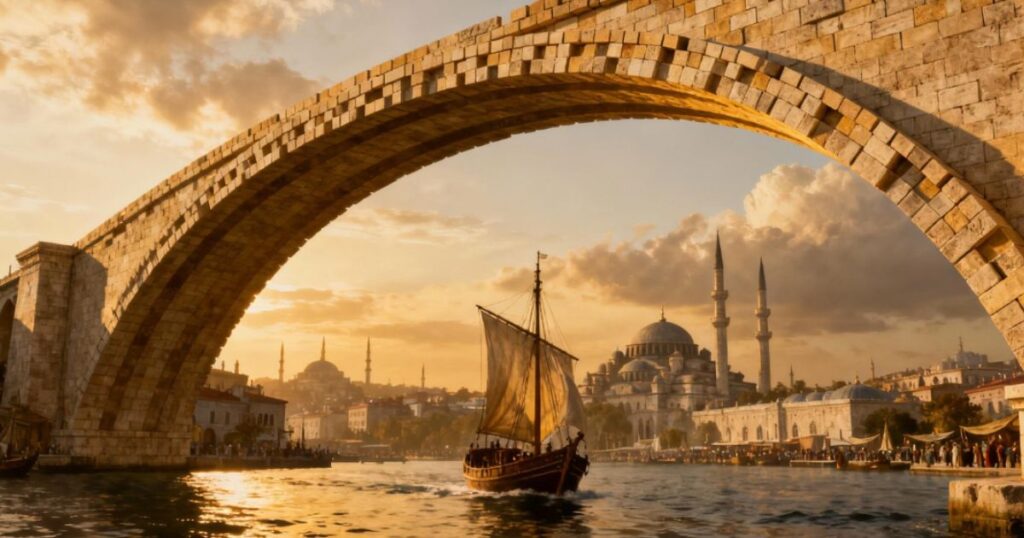
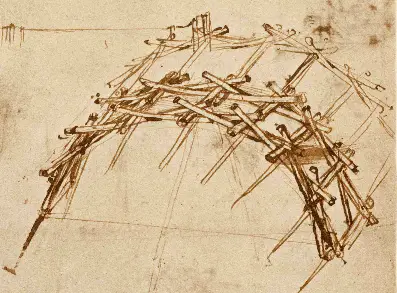
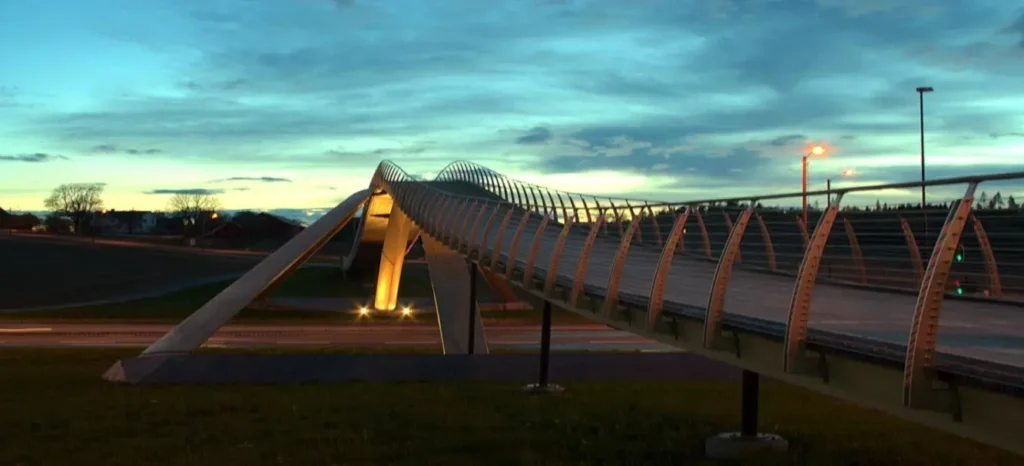
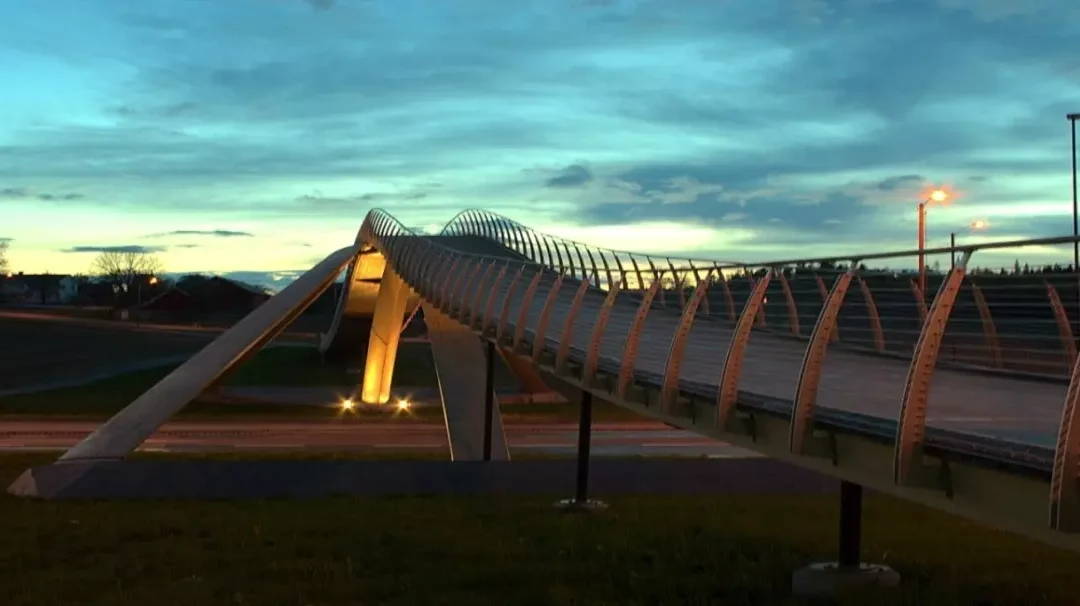
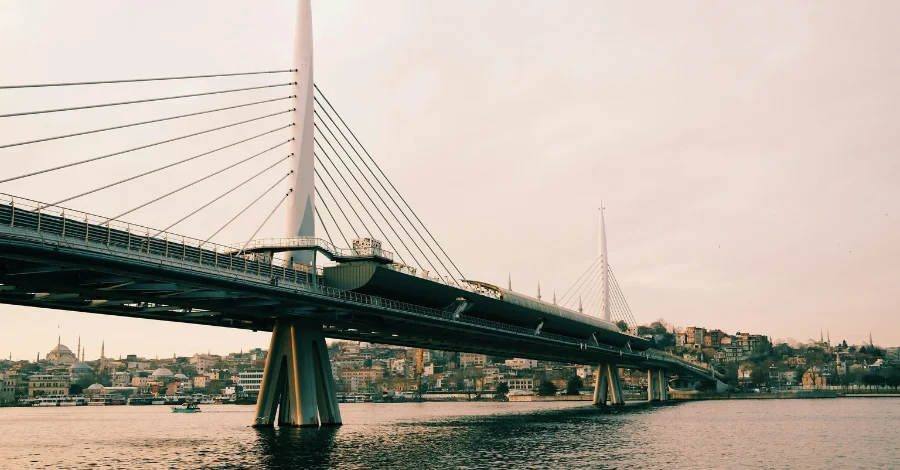
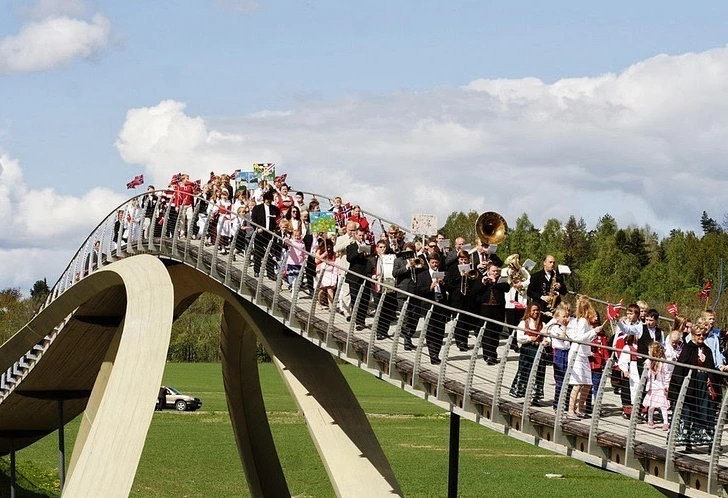
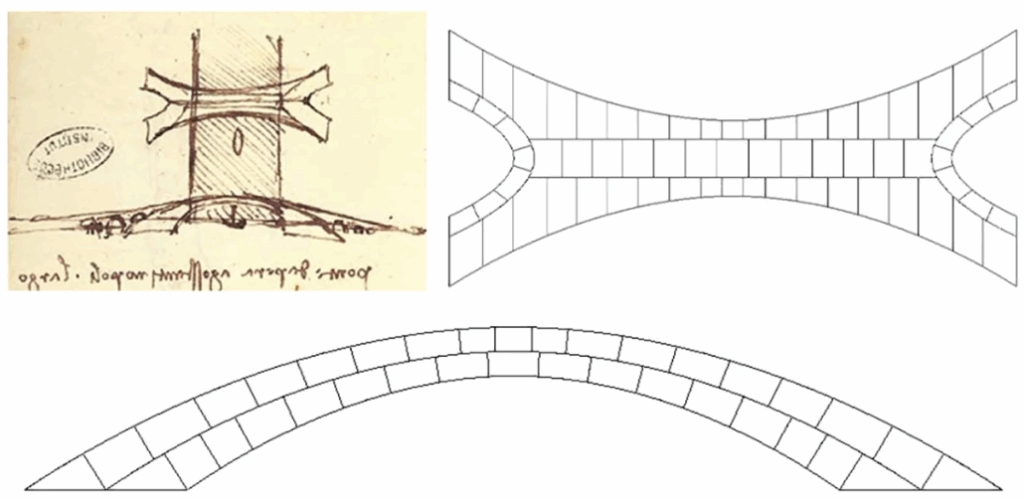


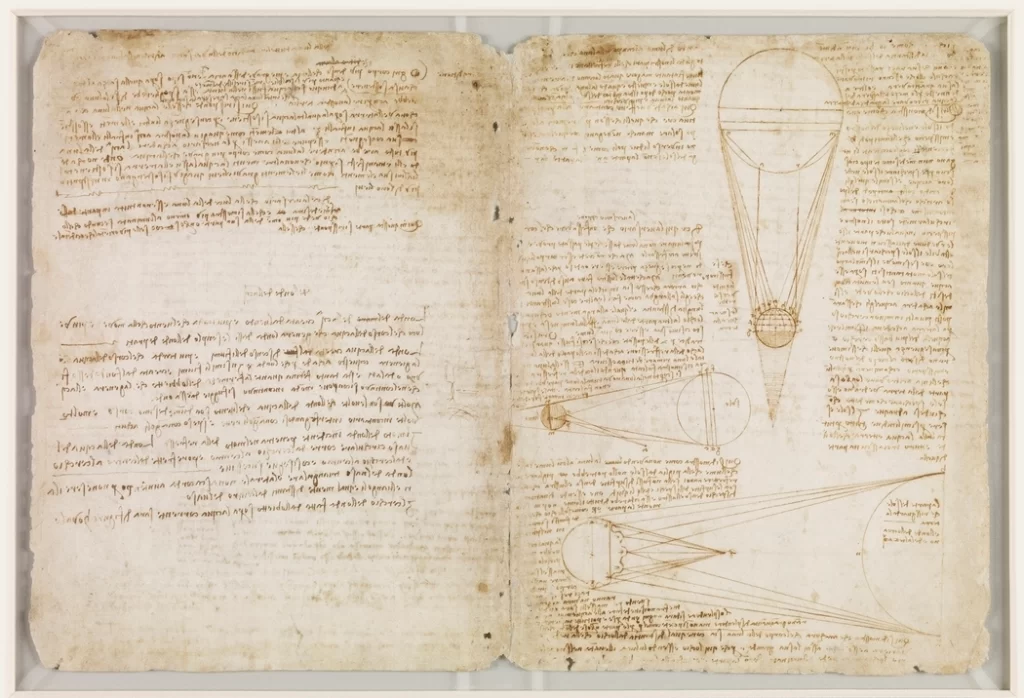
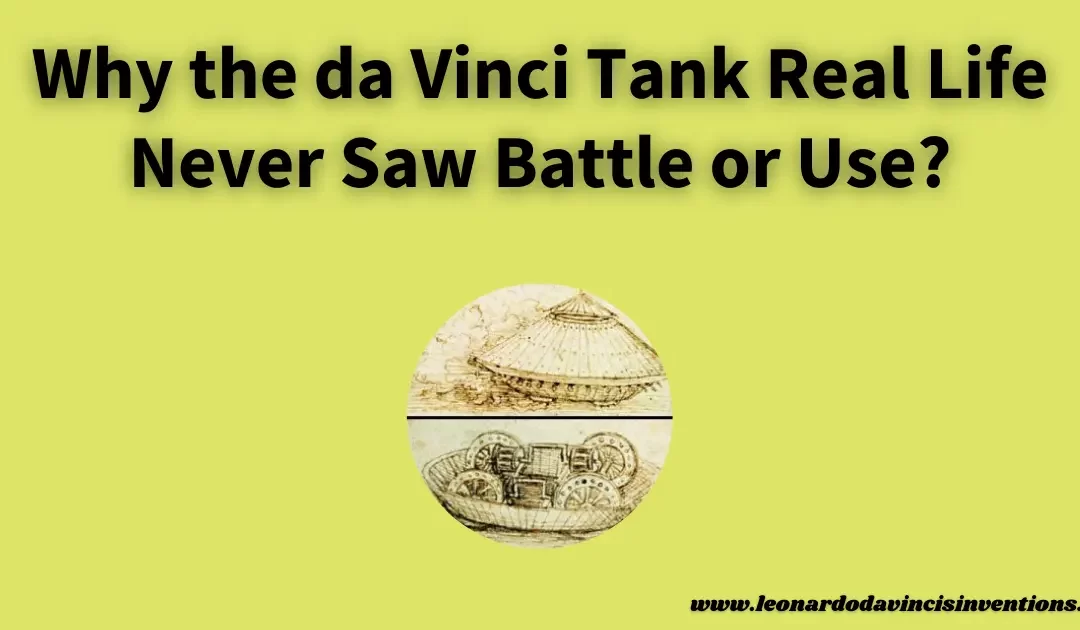
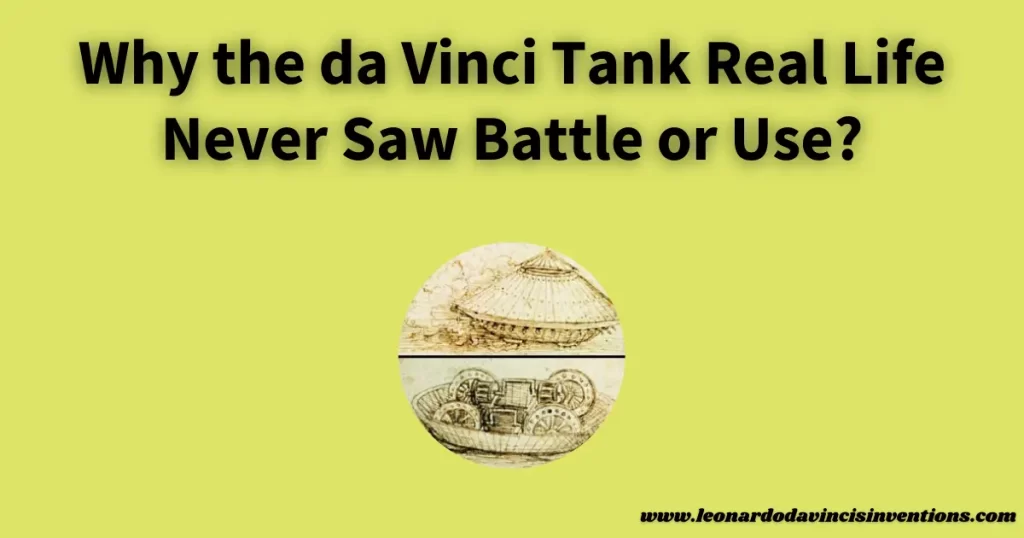
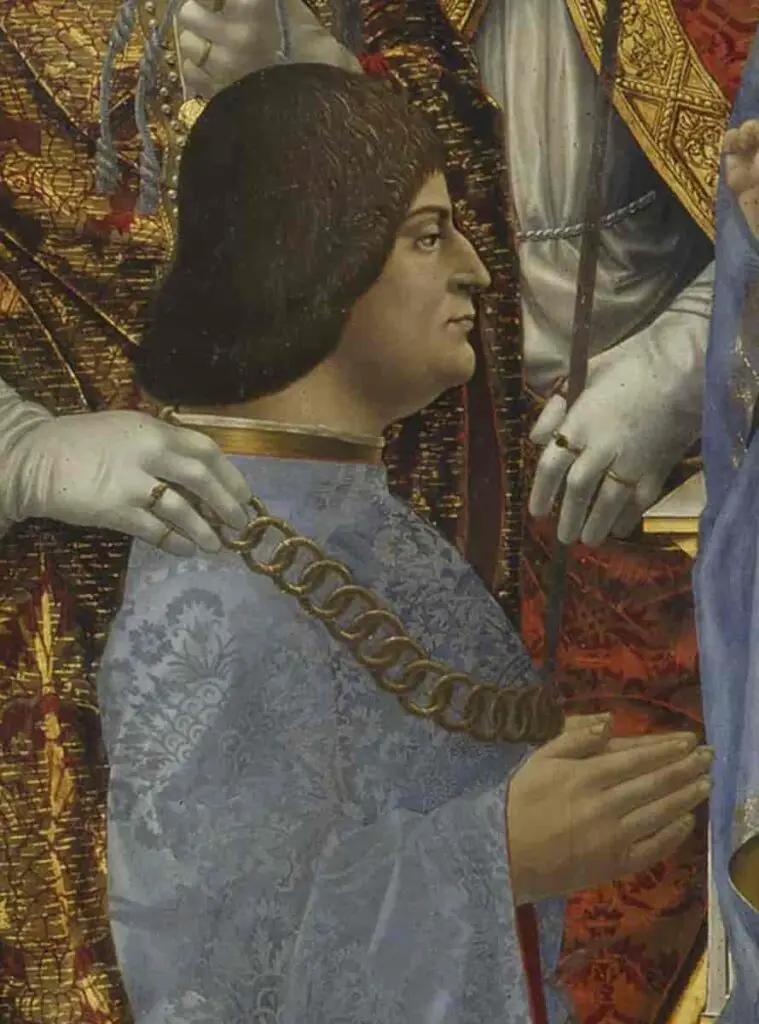
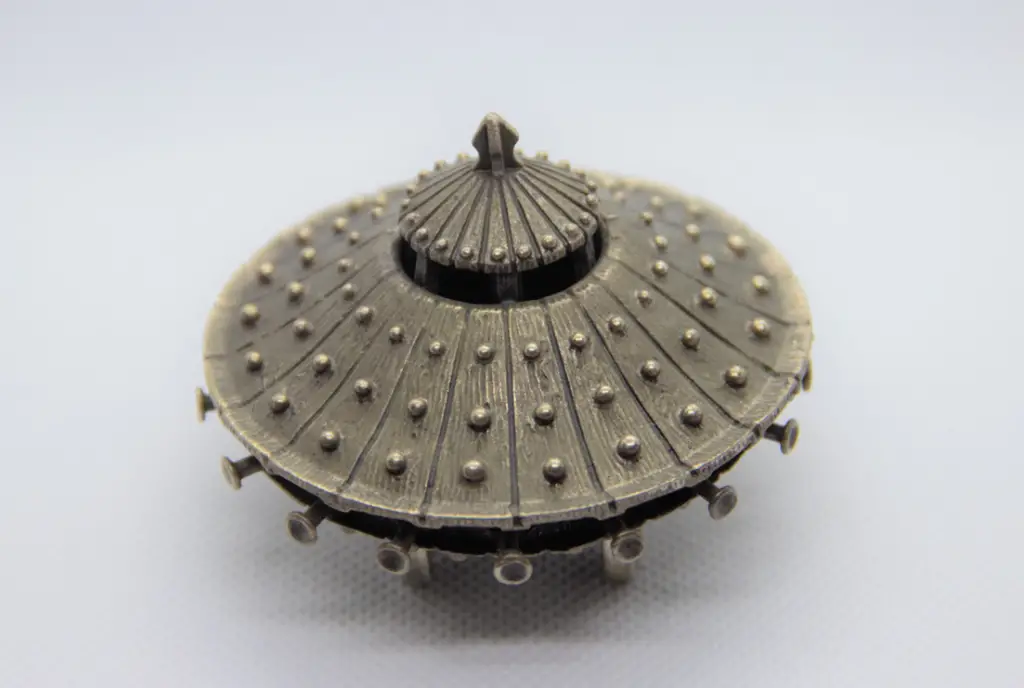

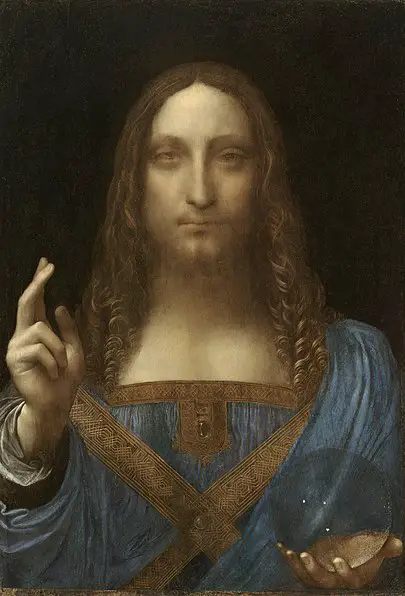
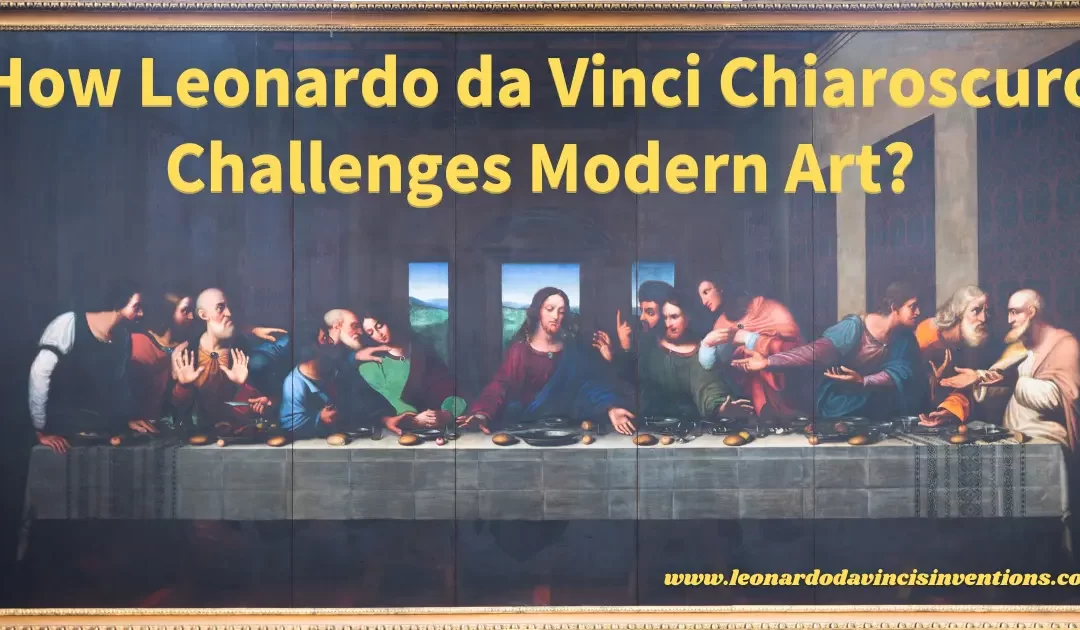
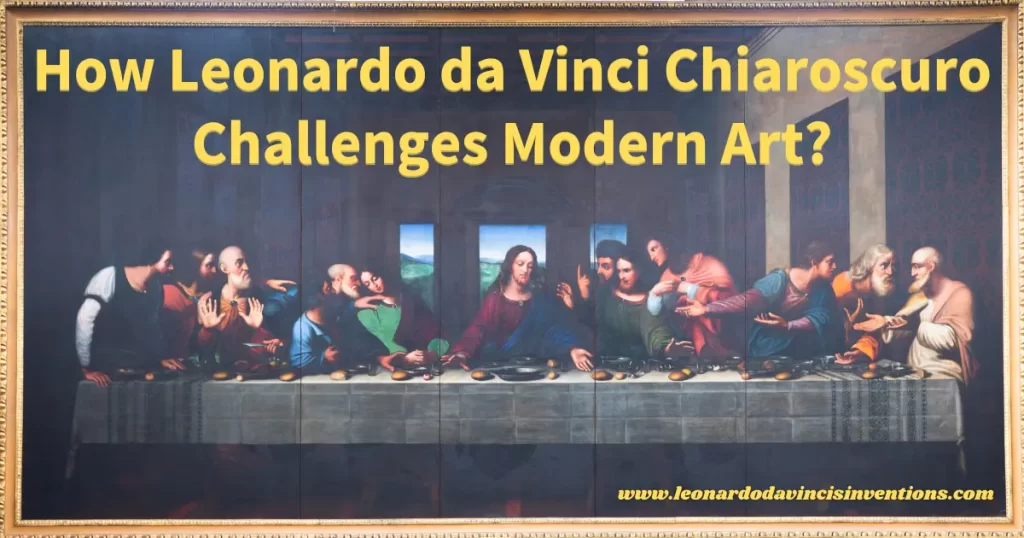
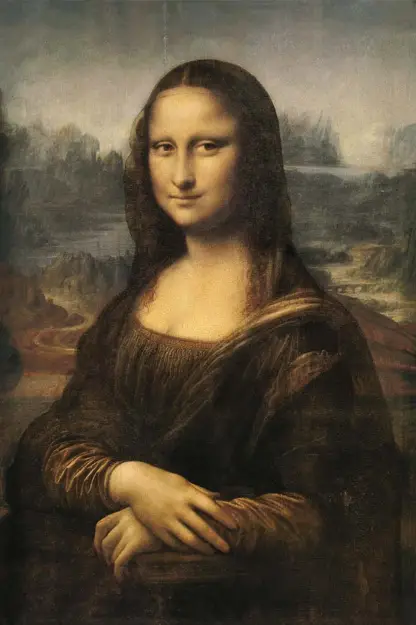
 Leonardo Bianchi is the founder of Leonardo da Vinci Inventions & Experiences, a cultural travel guide helping visitors explore Leonardo da Vinci’s art, inventions, and legacy across Italy and Paris.