Codex Leicester fascinates many who wonder what makes it stand out from all other books and manuscripts.
If you have ever been curious about rare objects, you may have struggled to understand why this particular notebook is so prized.
This article will explain what sets Codex Leicester apart and the details that make it extraordinary.
Codex Leicester's value and uniqueness come from its direct connection to Leonardo da Vinci, original scientific ideas, and beautiful illustrations, which offer a rare look into the mind of one of history's greatest thinkers.
This one-of-a-kind notebook holds pages filled with da Vinci’s thoughts, sketches, and observations about astronomy, water, and light.
People continue to study Codex Leicester because it is not just a historical document, but a unique window into a genius’s process and creativity.
Today, Codex Leicester is known as the most expensive book ever sold.
Major collectors like Bill Gates recognize its lasting importance and have made its images available worldwide.
If you are interested in the story behind its price and what makes it irreplaceable, exploring its background and contents can help you understand why it holds such a special place in history.
The Historical and Artistic Significance of Codex Leicester
Codex Leicester is a rare window into Leonardo da Vinci's mind, capturing his scientific notebook work and artistic vision.
Its history, insightful manuscript content, and detailed drawings make it a central artifact for historians and art scholars.
Leonardo da Vinci’s Genius Captured in the Codex Leicester
Leonardo da Vinci’s genius shines through in the Codex Leicester.
This scientific notebook gathers his research on water flow, hydrodynamics, lunar influence, and geology.
Across its pages, Da Vinci documents ideas on how rivers erode land or how moonlight impacts the movement of tides.
He writes his observations in his distinctive left-handed “mirror writing.”
These notes reveal scientific observations, experiments, and new theories often centuries ahead of their time.
Codex Leicester shows his curiosity about the world and drive to understand nature’s workings, blending art and science in his research.
The Codex Leicester as a Rare Renaissance Manuscript
This manuscript dates back to the Renaissance and has survived for five centuries.
The Codex Leicester is a rare example of Leonardo’s scientific notebooks and remains unique among his codices because it is complete and well-preserved.
It comprises 72 pages (36 double-leaf sheets) filled with Leonardo’s original writing and sketches.
As a Renaissance artifact, it highlights the period’s passion for discovery and merging art with scientific thought.
Today, the Codex Leicester is often displayed in museums and special exhibitions, such as the Uffizi Gallery.
Exploring Leonardo’s Sketches and Detailed Drawings
Leonardo’s sketches in the Codex Leicester are highly detailed and show every stage of his scientific process.
The drawings include diagrams of water swirling in eddies, cross-sections of riverbeds, and close-up views of fossils.
Each illustration connects directly to Leonardo’s observations and experiments.
Codex Leicester's combination of images and text demonstrates how he used sight and reasoning to develop new scientific ideas.
The manuscript is one of the best examples of his ability to visualize natural phenomena and inventions.
The Artistic Value and Leonardo’s Influence on Art
The Codex Leicester is important for both science and art.
Leonardo’s skill in drawing and careful observation set new standards for scientific documentation and artistic technique.
His attention to shading, texture, and proportion gives the manuscript an artistic value that rivals his famous paintings.
Art historians study the Codex Leicester to understand Leonardo’s influence on art during the Renaissance.
His technique of combining observation with imagination influenced later artists and even modern scientific illustration.
The Codex Leicester serves as proof of his legacy as both an artist and a pioneer of scientific drawing.
Codex Leicester’s Historical Artifact Status and Provenance
Codex Leicester has a rich ownership history, adding to its status as a significant historical artifact.
Sir Thomas Coke, later the Earl of Leicester, purchased the manuscript in 1717, which is how the codex got its name.
It passed through several private collectors before Microsoft co-founder Bill Gates acquired it at auction in 1994.
Today, the Codex Leicester is considered the most valuable manuscript ever sold.
Bill Gates loaned it to public exhibitions, making it accessible for research and conservation.
Its story of ownership reflects the manuscript’s ongoing legacy and cultural power as a rare Renaissance artifact and scientific treasure.
Scientific Insights and Innovations in Codex Leicester
Codex Leicester includes Leonardo da Vinci’s detailed observations and careful notes, showing his unique mind at work.
It offers examples of how Leonardo’s scientific documentation blended curiosity, experiment, and sharp thinking to reveal many discoveries.
Leonardo’s Scientific Notebook: A Window into Renaissance Science
The Codex Leicester is a window into Renaissance thought.
It is filled with over seventy pages of Leonardo da Vinci’s handwriting, sketches, and drawings.
He recorded his experiments, detailed ideas, and questions about the natural world.
This scientific notebook details his ideas about geology, fossils, the properties of water, light, and Earth’s structure.
Leonardo’s scientific work blends art with scientific curiosity. He used precise sketches to illustrate each idea visually.
The manuscript highlights his habit of testing theories with hands-on experiments.
Leonardo’s observations set a standard for combining careful notes, direct research, and creative thinking in scientific study.
Hydrodynamics and Water Movement in Leonardo’s Studies
One of the main themes in Leonardo’s studies is hydrodynamics, the science of water movement.
In the Codex Leicester, he drew river currents, water flows, eddies, and the effects of obstacles on stream patterns.
Leonardo documented how water shapes land over time, causing erosion and forming riverbanks.
He explored the idea of water as a force of change in nature.
His notes explain why water follows spiral paths and forms whirlpools and waves.
He described ways humans might use the force of water for power and explained the movement of sediment.
These studies also include his thoughts on water management for cities and agriculture.
Astronomy and Lunar Influence in Codex Leicester
Leonardo’s curiosity led him to astronomy and lunar studies.
In the Codex Leicester, he described why the Moon shines and what causes its phases.
He explained that the Moon’s light comes from reflected sunlight, including how “Earthshine” makes the dark part of the Moon dimly visible.
The manuscript holds his notes on the moonlight effect and how the position of the Moon affects tides.
Using scientific reasoning, Leonardo questioned old beliefs about the stars and planets.
He recorded observations about ancient fossils found on mountaintops, leading to early ideas about Earth’s changes.
This approach shows his drive to challenge existing ideas using direct study.
By observing natural phenomena, Leonardo advanced astronomy and early earth sciences.
Leonardo’s Engineering Concepts and Mechanical Designs
Leonardo’s genius shines through in his engineering concepts and mechanical designs within the Codex Leicester.
The manuscript includes sketches of waterwheels, canal designs, and ideas for machines used in construction and land management.
His drawings show a deep understanding of how engineering and nature connect.
Leonardo wanted to harness the power of water for useful inventions, such as devices to move or lift water.
His engineering proposals reflect both creativity and scientific research.
Tables and diagrams in the manuscript help explain the working parts of his machines and tools.
Leonardo’s inventions connect science, art, and industry, setting a path for later developments in mechanical engineering.
The Importance of Leonardo’s Scientific Observations and Experiments
Leonardo’s detailed observations and experiments in the Codex Leicester set a model for scientific study.
He relied on direct evidence, careful measurements, and precise notes to explain what he saw.
He often tested theories before concluding, sometimes changing his mind when new evidence appeared.
Leonardo’s research explored geology, fossils, water, and astronomy.
His work influenced future studies in natural science.
The Legacy, Conservation, and Modern Relevance of Codex Leicester
The Codex Leicester is a rare scientific manuscript by Leonardo da Vinci, featuring his detailed notes and sketches on nature, water, astronomy, and engineering
Codex Leicester is a rare manuscript that reveals Leonardo da Vinci’s scientific notebook and highlights the Renaissance link between art, science, and innovation.
Its handwritten pages document scientific observations and experiments that inspire modern thinkers.
Codex Leicester Ownership, Sale, and Auction History
The Codex Leicester has a unique journey of ownership.
Leonardo da Vinci wrote it from 1506 to 1510, and the manuscript changed hands several times over the centuries.
In the early 18th century, the Earl of Leicester, Thomas Coke, purchased the codex, giving it its most famous name.
It became the most expensive book ever sold when Bill Gates bought it at auction in 1994, paying about $30.8 million.
This sale, known as the Codex Leicester auction, captured wide attention and increased its fame.
Its ownership history highlights the codex's rarity and status as a valued historical artifact, bridging centuries of science and curiosity.
Digitization and Public Display of Leonardo’s Notebooks
Modern technology helps preserve and share the Codex Leicester with the world. Since Bill Gates acquired the manuscript, experts have scanned and digitized it.
This process lets scholars and the public study Leonardo’s handwriting, drawings, and scientific notes without risking damage to the original. The Codex Leicester appears in international exhibitions.
Museums use interactive digital displays so viewers can explore pages up close. These displays help people understand Leonardo’s theories, from hydrodynamics to lunar studies.
Institutions like the Minneapolis Institute of Art have shown digital presentations, which make the codex accessible to people who cannot see it in person.
Codex Leicester’s Contributions to Modern Scientific Research
Leonardo’s detailed observations in the Codex Leicester still matter today. The manuscript covers water movement, geology, fossils, moonlight, and astronomy.
Leonardo’s notes offer early insights into Earth sciences and hydrodynamics. Modern researchers analyze the Codex Leicester to trace the origins of scientific methods and experimental thinking.
His research on water flow informs modern engineering, especially in studying rivers, erosion, and soil conservation. Leonardo’s lunar studies and thoughts on the Moon’s reflection on water show his curiosity and foster learning across different sciences.
Conservation Efforts Preserving This Rare Manuscript
The Codex Leicester is old and fragile, so preservation is critical. Experts store it in climate-controlled storage to protect Leonardo’s handwriting and drawings from environmental damage.
Paper specialists check for chemical deterioration and prevent light or moisture from causing harm. Special treatments stabilize ink and parchment, repair tears, and use reversible mounting for public display.
Strict protocols guide every step when moving or showing the manuscript. These efforts keep the Codex Leicester safe for future study.
Interdisciplinary Approach: Leonardo’s Art and Science Legacy
Leonardo da Vinci combined detailed sketches, scientific experiments, and artistic vision in the Codex Leicester. His work on geology, fossils, water science, and mechanical design shows how he blended observation and creativity.
He scanned natural phenomena, used precise measurements, and questioned accepted views. Art students, engineers, historians, and scientists all reference Leonardo’s theories and notebooks.
The Codex Leicester exemplifies Leonardo’s interdisciplinary approach, uniting art, science, and innovation in one manuscript.
Frequently Asked Questions
The Codex Leicester is a handwritten scientific notebook by Leonardo da Vinci filled with observations, sketches, and theories. It is famous for being one of the most expensive books ever sold and for providing insight into Leonardo’s mind.
What did the Codex Leicester explain?
The Codex Leicester explains a wide range of scientific topics, including water movement, the moon’s brightness, and the formation of fossils. Leonardo’s notes show observations on astronomy, geology, and hydrodynamics.
The notebook includes theories that were ahead of his time.
Why is Codex Leicester so expensive?
The Codex Leicester is rare and was written by Leonardo da Vinci himself. It is the only major da Vinci notebook that is still in private hands and not in a museum.
Its high value also comes from its historical and scientific importance and connection to a famous artist.
How much did Bill Gates pay for the Codex Leicester?
Bill Gates bought the Codex Leicester at an auction in 1994, paying $30.8 million for the manuscript.
This set a world record for the most expensive book ever sold at the time.
Where is Leonardo da Vinci's notebook today?
Today, Bill Gates owns the Codex Leicester. He sometimes loans it to museums for public display.
The codex often travels for exhibitions around the world.
Why is the Codex so important?
The codex gives direct insight into Leonardo da Vinci’s thought process. It is crucial for its pioneering scientific ideas and detailed sketches.
The codex also shows how da Vinci blended art and science in his work.
What is the most expensive Leonardo da Vinci book?
The Codex Leicester is the most expensive book by Leonardo da Vinci ever sold. No other da Vinci manuscript has matched its auction price.
The codex holds a unique place in art and science history.
What was the purpose of the codex?
Leonardo da Vinci used the Codex Leicester to record his scientific studies. It aimed to document his research, experiments, and ideas about nature and the physical world.
Why did Da Vinci write backwards?
Leonardo da Vinci often wrote in mirror writing, from right to left. Scholars believe he did this to make his notes harder to read by others or because it was easier for him as a left-handed writer.
What was written in the codex?
The codex covers topics such as river flow, water properties, geology, astronomy, and fossils. It includes detailed drawings and step-by-step observations.
The content helps historians understand what interested da Vinci in science.
What book sold for 30.8 million dollars?
The Codex Leicester was sold at auction for $30.8 million in 1994.
Bill Gates bought the manuscript and still owns it today.
The da Vinci tank real life often raises curiosity about why this remarkable invention never made it to the battlefield.
Leonardo da Vinci’s armored vehicle was never used in battle because its design had serious flaws and could not function as intended.
Many picture the da Vinci tank as a game-changer, but the machine never worked outside sketches and small models. The design lacked a working motor and struggled to move, making it impossible to use in combat.
Engineering problems, practical limits, and the technology of his time kept this invention from reaching the battlefields of history.
The Origins and Vision Behind the da Vinci Tank Real Life
Leonardo da Vinci imagined Leonardo's tank in real life in the 15th century as a response to changing warfare and ongoing conflict. His ideas for this fighting vehicle combined advances in mechanical engineering and the need for mobility and protection in war.
Leonardo da Vinci’s Role as a Military Innovator in the 15th-Century Renaissance
During the Renaissance, Leonardo da Vinci stood out as a military innovator. He explored ways to use science and engineering to change the battlefield.
His notes and sketches reveal an interest in creating new weapon types, such as bridges, cannons, and early tank concepts. Leonardo studied the weaknesses in existing army strategies and believed that mechanical design could provide advantages during sieges and open battles.
By combining anatomy, geometry, and mechanics, he designed machines that could give armies a tactical edge. His work reflected the spirit of the Renaissance, tying art and science closely together.
The Duke of Milan and Ludovico Sforza’s Influence on Leonardo’s Fighting Vehicle
Ludovico Sforza (1452-1508) was a patron of Leonardo da Vinci, employing him for many years in Milan and supporting his artistic and engineering projects during the Renaissance
Leonardo created his fighting vehicle while working for Ludovico Sforza, the Duke of Milan. The Duke wanted to protect his territory and show military strength.
This desire led to requests for advanced weapon concepts, including the armored car. The relationship between Leonardo and Ludovico shaped the da Vinci tank real life design.
Leonardo aimed to meet the Duke’s needs by developing a prototype that promised offense and defense during battle, as discussed in Leonardo's tank. Ludovico provided resources that let Leonardo experiment with new ideas.
The Duke viewed these inventions as valuable symbols of power and innovation in a rapidly changing world. Leonardo da Vinci tank design was among several inventions that strengthened Milan’s military position.
Understanding the Concept Sketches and Drawings of the Early Tank Design
Leonardo’s sketches and drawings of the early tank concept show a round, turtle-shaped vehicle covered with slanted armor for defense against attacks. The design includes gears, cranks, and multiple gun ports for firing in all directions.
Soldiers inside would turn cranks to move the vehicle.
Below is a table with key features from Leonardo's concept sketches:
Feature
Purpose
Slanted Armor
Deflects enemy shots
Circular Shape
Allows movement in any direction
Multiple Gun Ports
Supports 360-degree firepower
Man-powered Cranks
Moves the vehicle from inside
Leonardo sometimes included intentional errors in his drawings, possibly to prevent misuse by others or discourage theft of his inventions. Some modern studies suggest these sketches reflect his creativity and early ideas about mobility and protection in battle.
How Leonardo’s Inventions Reflected Renaissance Engineering and Mechanical Design
Leonardo’s inventions, including the Leonardo da Vinci armored vehicle, showcased advances in Renaissance engineering. He studied wheels, gears, and levers and applied that knowledge to create complex war machines.
The tank design involved precise mechanical engineering, even if its practicality was limited by the technology of the time. The Renaissance period sparked new interest in science and learning.
Leonardo experimented with scale models and detailed diagrams, showing how new machines could work using power from humans, animals, or water. His focus on mechanical parts helped unlock future innovations in war technology and beyond.
His armored car design combined geometry, motion, and structural advances. Features such as slanted armor and an enclosed shell showed an early understanding of balancing mobility with protection on the battlefield.
The Visionary Ideas Behind the Armored Car and War Machine Prototype
Visionary ideas about changing war strategy were at the heart of the Leonardo da Vinci tank real-life project. Leonardo imagined a war machine prototype combining offense and defense, allowing soldiers to approach enemy lines safely.
The Da Vinci armored car concept demonstrated the ability to carry weapons and protect troops in a single design. Leonardo’s sketches show plans for a moving fortress, offering a shielded position, multiple cannons, and the ability to move in any direction.
While the feasibility was limited by the need for human power and gear alignment, his prototype introduced a new way of thinking about mobile armored vehicles.
Technical Features and Challenges of the da Vinci Tank Real Life
The da Vinci tank in real life was a complex Renaissance invention imagined centuries before modern tanks. This armored vehicle combined unique features, such as moving in any direction and slanted armor, but faced problems with feasibility, mobility, and technology that kept it from real military use.
Exploring the Mechanical Engineering Behind the Moving in Any Direction Design
Da Vinci tank design included a round, domed shape with wheels inside. He wanted the vehicle to move in any direction on the battlefield.
The idea was advanced for the 15th century, using a set of cranks and gears operated by men inside the tank. However, the mechanical engineering challenges were significant.
The system depended on people turning cranks, which required constant effort. This setup meant movement was slow and difficult to control.
Leonardo’s sketches showed a detailed understanding of gears and mechanical parts. The technology of the time did not support a working model.
Diagrams in his notebooks revealed how he tried to solve problems of turning and steering. Even with his detailed plans, the moving in any direction feature was not practical with the mechanical knowledge and resources he had.
The Role of Slanted Armor and Defense Against Attacks in Leonardo’s Tank Concept
Leonardo da Vinci armored car featured slanted armor designed to deflect enemy attacks. The armored sides formed a cone around the tank’s main body, which could help protect the men inside from arrows and cannon fire.
The slanted armor was made from wood and reinforced with metal plates. This design reflected an early understanding that angled surfaces can better deflect projectiles than flat ones.
Modern tanks use a similar idea for their protection. Still, the actual effectiveness of this armor in a real battle would have been limited.
The wood-metal combination was heavy and not as strong as the steel used in later military technology. The defense against attacks would have provided some cover, but not enough to handle heavy artillery or concentrated fire.
Feasibility and Practicality Issues in Leonardo’s Early Tank Concept
While innovative, Leonardo's tank real life concept suffered serious feasibility problems. The main issue was weight.
The heavy armor, wooden base, and mechanical cranks made moving the vehicle hard. Soldiers inside would have needed much strength and stamina to operate the gears for any time.
The tank was meant for flat, dry ground only. Anything more challenging, like mud or hills, would stop it from moving.
The placement of the gears and wheels also created mechanical tension, making movement even more challenging and limiting its range in a real battle. Another issue was visibility.
The small portholes for viewing and firing reduced awareness and made aiming weapons difficult. These practicality issues meant that, even if built, the Leonardo da Vinci tank design could not function well in Renaissance war scenarios.
Mobility and Protection: Balancing Battlefield Technology and War Strategy
Balancing mobility and protection was at the heart of Leonardo’s inventions. The armored vehicle prioritized keeping soldiers safe from harm but sacrificed speed and maneuverability.
Advantages of the tank design:
Strong protection through slanted armor
Allowed several soldiers to be shielded inside
Potential to carry small cannons as the main weapon of war
Disadvantages:
Slow speed from manual power
Inability to handle rough or uneven terrain
Limited visibility for operators
While the war machine could theoretically break enemy lines, the lack of absolute mobility made it unsuitable for Renaissance battlefields. War strategy at the time favored quick, flexible troop movements, which the early tank concept could not support.
The armored car struggled to meet these needs, reducing its value as a practical weapon.
Why Leonardo’s Sketches Were Ahead of Their Time in Military Innovation
Leonardo’s sketches showed a deep understanding of battlefield technology and mechanical design. For the 15th century, his vision of an armored, moving war machine was groundbreaking.
His prototype for an armored vehicle predicted features found in tanks used centuries later. Many historians see his drawings as a window into Renaissance engineering and innovation in warfare.
Leonardo da Vinci imagined battlefield dominance and soldier protection possibilities that would only become reality with modern engines and steel armor. His work with the Duke of Milan, Ludovico Sforza, showed how far military innovation could go, even without the tools to make it real.
The da Vinci tank's real life proves his visionary ideas, bridging the gap between old war technology and the future of armored vehicles in military history.
Historical Context and Reasons the da Vinci Tank Never Saw Battle
Real Model of Leonardo da Vinci tank
The da Vinci tank real life concept showed the ingenuity and challenges of 15th-century warfare.
Leonardo da Vinci Notebook has fascinated people for centuries. Many are unaware of the secrets hidden in its pages.
These notebooks combine detailed sketches, scientific notes, and everyday observations, revealing the mind of a true Renaissance genius.
These journals offer a unique look at how Leonardo viewed the world around him. Most people know Leonardo as a painter and inventor, but his notebooks go far beyond art and machines.
He filled thousands of pages with ideas about anatomy, engineering, and even his grocery lists. These notes give us a window into his creative process.
These documents are seen as both works of art and valuable historical records.
The Genius Behind the Leonardo da Vinci Notebook
Leonardo da Vinci's Notebooks reveal much more than his famous art. These historical documents show deep curiosity and a drive for exploration in science, engineering, and anatomy.
He mixed careful observations with new ideas and inventions. Leonardo da Vinci was a remarkable figure of the Renaissance.
He was not just an artist, but also a scientist, engineer, and inventor. His interests ranged from painting to anatomy, mathematics, mechanics, and nature.
This wide range of skills and knowledge made him a true polymath. Leonardo saw connections between different fields.
He believed that learning about one area could help him succeed in another. For example, studying muscles and bones helped him paint realistic human figures.
His ability to connect art and science set him apart from others of his time. Using his notebooks, Leonardo explored ideas far beyond the limits of his day.
He reflected on the motion of water, flight, geometry, and even the structure of the human body. His drive to ask questions and find answers helped shape the Renaissance spirit of innovation and discovery.
How the Leonardo da Vinci Notebook Reflects His Multidisciplinary Expertise
The Notebook covers many topics and includes sketches, diagrams, and drawings. These personal notes show how he solved problems in art, science, architecture, and engineering.
He often filled a single page with both technical designs and nature studies. This blend shows how he combined the scientific method with creativity.
Leonardo made detailed diagrams of inventions, such as flying machines and hydraulic devices, next to studies of plants and animals. His observation journals contain step-by-step notes on how he worked through mechanical problems.
These included gears, pulleys, and studies of water movement. His notebooks reveal amazing mechanical designs, perspectives, architecture, and mathematics studies.
This multidisciplinary approach helped him innovate.
The Role of Curiosity and Experimentation in Leonardo’s Notes
Curiosity guided almost every page of his Notebooks. Leonardo da Vinci asked questions about how things worked and used careful observation to try new ideas.
He rarely accepted things as they were and always wanted to see if he could test or improve them. Much of his work is based on direct experimentation.
He learned by disassembling machines, drawing from nature, or studying living beings. His notes show lists of experiments and results, a process similar to the modern scientific method.
Leonardo also wrote observations about shadows, light, movement, and birds flying. He tried to discover natural patterns, often making guess-and-check studies to refine his ideas.
This drive for firsthand experience helped him make many discoveries. His work influenced both science and art for future generations.
Understanding Leonardo’s Artistic Process Through Sketches and Drawings
The Notebooks are best known for their vivid sketches and drawings. Leonardo da Vinci used his drawing skills to practice art and explore form, perspective, and function.
Each sketch often mixes studies of anatomy, motion, and light. These sketches reveal his famous paintings, such as Mona Lisa and The Last Supper.
His anatomy studies went beyond basic outlines. He dissected bodies and made detailed notes about muscles, bones, and organs.
These careful drawings informed his science work and the lifelike expressions and postures in his paintings. He also studied drapery, faces, and hands, focusing on the structure underneath.
His drawings of inventions, such as flying machines, war machines, and bridge designs, show both artistic imagination and mechanical skill. These pages helped him work out problems before building anything.
His notebooks provide a key window into his creative process.
The Intellectual Legacy of Leonardo da Vinci’s Manuscripts and Codices
Leonardo’s manuscripts and codices have become some of the most valuable historical documents in the world. They are preserved in libraries and museums and studied by experts in many fields.
These Notebooks give direct insight into Leonardo’s thinking. The Codex Leicester, for example, is famous for its mirror writing and deep thoughts about water, light, and astronomy.
Leonardo’s habit of writing backward, possibly because he was left-handed, adds a unique aspect to his manuscripts—a detail explored in reports by institutions like the New York Times.
Although his inventions never materialized, his ideas influenced countless inventors and scientists after him. The preservation and study of Leonardo’s Notebooks help keep his spirit of curiosity and creativity alive.
Exploring the Scientific and Artistic Content of the Leonardo da Vinci Notebook
Page 1112 of the Codex Atlanticus features a drawing of an automotive cart, which was likely powered by a system of springs
Leonardo da Vinci’s notebooks reveal the mind of a true Renaissance polymath. These famous manuscripts hold various scientific observations, artistic sketches, mechanical designs, and mathematical diagrams.
Anatomy Studies and Observations: Bridging Art and Science
Leonardo da Vinci used his notebooks to explore human anatomy in detail. He performed dissections and then made accurate sketches of muscles, bones, and organs.
His drawings show the placement of organs inside the body and how joints move. These notebooks blend science and art; each sketch is factual and carefully crafted.
This approach helped him better understand how the body works, which he used to improve his paintings and sculptures.
The anatomical drawings are notable for their clarity. They show Leonardo’s belief in careful observation.
Historians recognize these studies as critical early examples linking science and art in a single work.
Mechanical Designs and Inventions: Engineering Marvels on Paper
The notebooks also contain many technical sketches and mechanical inventions. Leonardo drew plans for flying machines, early versions of the helicopter, weapons, bridges, and hydraulic pumps.
He often used lists and diagrams to explain how each part works. Although many of his designs were never built in his lifetime, they offer insight into his engineering skills and creativity.
His mechanical drawings show a deep understanding of mechanics and hydraulics. Some modern engineers study these documents because the ideas still inspire innovation in design and technology.
His work on mechanical inventions marks him as a pioneer in studying machines and engineering.
The Use of Mirror Writing and Its Purpose in Leonardo’s Notebooks
Leonardo da Vinci often wrote in mirror writing, starting from the right and moving left. He used this unusual method on almost every page of his notebooks.
There are several theories about why he did this. Some believe he wanted to keep his notes private or protect his ideas from copying.
Others think it was simply easier for him as a left-handed writer. This technique made his manuscripts unique and sometimes hard to read.
Mirror writing also adds to the sense of mystery surrounding his historical documents. It shows Leonardo’s desire to experiment with different methods and his willingness to set himself apart from other thinkers of his time.
Diagrams and Geometry: The Mathematics Behind Leonardo’s Creations
Leonardo used diagrams and geometric shapes throughout the notebooks to understand art and science problems. He explored ratios, symmetry, and perspective using triangles, circles, and other shapes.
Leonardo’s work with geometry helped him master techniques like linear perspective. This gave his paintings realistic depth and proportion.
He often wrote about mathematical concepts alongside his artistic plans.
His approach showed how science and mathematics can support artistic creativity. This blend is one reason Leonardo’s work fascinates artists and scientists today.
Nature, Perspective, and Techniques: Foundations of Leonardo’s Artistic Mastery
Leonardo filled his notebooks with close observation of nature. He studied how water moves, light and shadow fall, and plants grow.
He also experimented with different painting and drawing techniques. He took notes on mixing colors, creating hazy backgrounds (sfumato), and showing distance in a flat image.
His careful studies of perspective set new standards for art. He made lists and observations about how to place objects and figures to make a scene look realistic.
Leonardo da Vinci created observation journals that have become essential for understanding the artistic process. His sketches and notes combine philosophy, science, and technical skill.
The Lasting Impact and Preservation of the Leonardo da Vinci Notebook
Leonardo da Vinci’s notebooks changed how people understand the connection between art and science. Their unique blend of detailed sketches, mechanical designs, and scientific observations continues to inspire scholars and creators today.
Historical Documents and the Preservation of Leonardo’s Notebooks
Leonardo’s notebooks are some of the most valuable historical documents from the Renaissance period. He filled them with thousands of pages of personal notes, sketches, and diagrams across several codices, like the Codex Atlanticus and Codex Leicester.
Many of these notebooks survived in fragments. Over the years, collectors and museums worked to preserve them.
Today, leading institutions store and digitize these manuscripts to make them available for study. The process took centuries because pages were scattered and sometimes lost.
Preserving these old papers requires special care, as exposure to light and touch can cause damage. Museums now use modern technology to display Leonardo’s work while keeping the originals safe for future generations.
Insights into Leonardo’s Scientific Method and Technological Innovations
Leonardo recorded his experiments and discoveries in careful observation journals and writing methods. He wrote in mirror writing, which made reading difficult for others and helped him avoid smudging ink with his left hand.
His notebooks focus on the scientific method: observe, ask questions, propose ideas, test, and record results. Many pages contain diagrams and sketches of gears, levers, and complex machines.
Some of his ideas include early designs for helicopters, tanks, and bridges. His work combined mathematics, engineering, and art.
How Leonardo’s Studies Influenced Architecture, Hydraulics, and Flight
Leonardo’s architecture, flight, and hydraulics studies pushed technology forward during the Renaissance. His notes and drawings for churches, fortresses, and bridges used geometry and perspective to find better shapes and materials.
His interest in water led to careful studies of rivers, dams, and canals. He drew plans for machines that could harness water and prevent flooding.
Some of these designs influenced later engineers. He explored the rules of flight by closely observing birds.
His famous flying machine sketches show his effort to blend art, science, and nature in the search for human flight. Though his inventions did not take off in his lifetime, they shaped future ideas.
The Role of Observation Journals in Leonardo’s Continuous Exploration
Leonardo’s observation journals helped him develop ideas about anatomy, botany, geology, and mechanics. He drew bones, muscles, organs, and plants, combining careful study with art.
These sketches reveal beauty and a strong drive to understand how things work. His journals show how writing, drawing, and testing ideas over time can lead to better solutions.
By making quick diagrams and notes, Leonardo could look back on earlier thoughts and improve them. Students and scientists today use similar journal techniques.
They collect observations, document experiments, and reflect on what they learn. Leonardo, using his notebooks, helped make this a common practice.
Why the Leonardo da Vinci Notebook Remains a Source of Creativity and Knowledge
Leonardo da Vinci's notebooks inspire new generations by capturing various interests and discoveries. Readers find entries on human anatomy, mechanical designs, light, perspective, and experimentation.
Leonardo’s combination of writing, drawing, and detailed observation offers a model for multidisciplinary thinking. Artists and scientists worldwide use his methods to spark creativity and pursue innovation.
With his notebooks now widely available online and in museums, people can explore Leonardo’s notes and see firsthand how curiosity and experimentation can drive progress.
Frequently Asked Questions
Leonardo da Vinci recorded thousands of pages of notes and drawings across many notebooks. His journals remain highly valued and are held in museums and collections worldwide.
What did Leonardo da Vinci write in his notebook?
Leonardo da Vinci wrote about anatomy, engineering, art, and observations of nature. His notebooks are filled with sketches, diagrams, and personal reflections.
These journals provide insight into how he thought and worked. They contain scientific plans and artistic studies.
How much is Leonardo da Vinci's notebook worth?
The value of a da Vinci notebook can be immense. In 1994, Bill Gates bought the Codex Leicester, one of Leonardo's notebooks, for about $30.8 million.
It remains one of the most expensive books ever sold.
Where is Leonardo da Vinci's notebook today?
Some of his notebooks are in collections like the British Library and museums in Italy. The Codex Leicester is owned privately but is sometimes displayed in museums.
His remaining notebooks are preserved in institutions that focus on art and history.
Who owns the da Vinci notebook?
Ownership varies by notebook. The Codex Leicester, for example, is owned by Bill Gates.
Other notebooks are held by museums, such as the Victoria and Albert Museum in London, which has several of his works.
What unusual method did Leonardo da Vinci use to write his famous notebooks, mainly using?
Leonardo wrote most of his notes in mirror script, meaning the writing runs from right to left and can only be read using a mirror. This made his work more private and harder to copy.
What does mirror writing look like?
Mirror writing appears reversed, as if seen in a mirror. Letters are backwards, and words go from the right side of the page to the left.
It is readable only when reflected.
What do Leonardo's notebooks show evidence of?
His notebooks show evidence of curiosity and creativity in many fields. They highlight his anatomy, motion, flight, engineering studies, and experiments with art techniques.
They reveal both observation and invention in each subject area he explored.
Where is Leonardo da Vinci buried?
Leonardo da Vinci is buried at the Château d'Amboise in France, which is marked as his final resting place.
Where is the Last Supper painting?
The Last Supper is in the Santa Maria delle Grazie Convent in Milan, Italy. It remains on the wall of the monastery’s dining hall.
How many notebooks did Leonardo have?
Leonardo produced around 50 notebooks. Only about 20 survive today.
Scholars estimate he created between 20,000 and 28,000 pages of notes and sketches across his lifetime.
Leonardo da Vincis inventions have fascinated people for hundreds of years. It can be hard to know which ones truly changed the world.
Discovering da Vinci’s top inventions helps you see how his creative genius still shapes technology, art, and science today.
This article provides an overview of the most critical designs, allowing you to appreciate the wide range of his work.
You will learn about some of da Vinci’s most inspiring ideas, from early flying machines to advancements in engineering. Exploring these inventions helps you understand why da Vinci is known as one of history’s greatest inventors.
1. Ornithopter - a flying machine inspired by bird flight
Da Vinci Glider
One of Leonardo da Vinci's best-known inventions is the ornithopter, a flying machine inspired by bird flight. He designed it by observing how birds use their wings to fly.
His sketches show wings that flap, much like birds' wings in nature. Leonardo’s ornithopter never actually flew, but it demonstrates his deep interest in engineering and mechanical design.
The ornithopter idea highlights his focus on aerodynamics and his belief that studying nature could lead to technological advances. Many experts consider the ornithopter an excellent example of Renaissance innovation.
It symbolizes Da Vinci’s creativity and his role as a visionary in science and inventions. Today, you can see images and learn more about Leonardo’s flying machine on many reputable websites, including this overview of his flying machine concept.
Leonardo da Vinci’s work on the ornithopter continues to influence modern science and technology. His designs encouraged later inventors to dream about human flight and try new experimental machines.
2. Armored fighting vehicle - early concept of a tank
Leonardo da Vinci Tank Design
Armored vehicle innovation stands out in Leonardo da Vinci’s notebooks. He designed an armored fighting vehicle resembling a heavy, round shell with slanted sides.
This early concept of a tank aimed to keep soldiers safe while they moved and fired weapons. Leonardo’s armored car used a conical shape that could deflect enemy fire.
It included multiple cannons arranged around the outside, allowing it to fire in all directions. A crew inside the vehicle would power it by turning cranks connected to the wheels.
Although this design was never used in battle, it shows his skill in Renaissance engineering. Although his prototype had steering and movement problems, it introduced ideas that later found their way into modern military technology.
The armored vehicle design proves Leonardo was ahead of his time. His sketches and drawings showed a strong mix of mechanical engineering principles and creativity.
3. Parachute - a design for safe descent from heights
Leonardo da Vinci parachute
Parachute ideas appeared in Leonardo da Vinci’s notebooks during the Renaissance. He outlined a detailed design for a parachute that would allow a person to descend safely from high places.
His parachute was shaped like a pyramid, with sealed linen cloth stretched over a wooden frame. The mechanical design was simple but showed da Vinci’s understanding of aerodynamics.
He described the device as letting a person “throw himself down from any great height without suffering any injury.” In 2000, a parachute based on Leonardo’s sketches and drawings was built and tested successfully, demonstrating that his idea worked centuries ahead of its time.
Leonardo’s design differed from modern round parachutes but was still effective.
4. Helicopter - an aerial screw precursor
Leonardo da Vinci Helicopter
The helicopter (aerial screw) is one of Leonardo da Vinci’s most famous experimental machines. He designed it during the Renaissance, using sketches and drawings in his notebooks to show a flying machine based on aerodynamics.
Da Vinci imagined a large spiral screw made of reed, linen, and wire meant to lift off like a modern helicopter. The aerial screw measured over 15 feet in diameter.
Four men would power it by turning cranks, causing the screw to spin and "drill" into the air. Although this prototype never flew, it used mechanical engineering principles far ahead of his time.
Leonardo’s design for the aerial screw showed his creativity, and his belief in flight was inspired by birds. It remains a key example of Renaissance science and invention.
5. Self-propelled cart - early automobile design
Leonardo da Vinci's self-propelled cart
Leonardo da Vinci’s self-propelled cart, designed in the late 15th century, stands out as an important example of Renaissance engineering. It could move without being pushed or pulled by hand.
Its design marked a major step forward toward the idea of an automobile. The cart featured a system of coiled springs and gears.
These mechanical devices stored and released energy, moving the cart forward in a controlled way. Leonardo included a very advanced steering mechanism to change direction.
This invention showed Leonardo's mastery of mechanical engineering principles. Many people consider this cart the ancestor of the modern automobile, long before motorized vehicles existed.
His original sketches and drawings of the prototype have inspired engineers for centuries.
6. Diving suit - for underwater exploration
Leonardo da Vinci diving suit
Leonardo da Vinci’s notebooks show his design for a diving suit, another example of Renaissance engineering. In the late 15th century, he designed this suit to help people explore the underwater world.
The sketches show a leather suit with a mask and long breathing tubes that would let a person stay beneath the surface for longer periods. His plan used cane tubes connected to a floating device for air, an invention ahead of modern scuba technology.
The structural details reveal his creativity and his understanding of mechanical engineering principles. The design featured a bell-shaped device on the surface to supply fresh air, using simple yet effective technology for the time.
Da Vinci’s diving suit never reached the prototype stage, but the concept was ahead of his time. His ideas in underwater exploration inspired later engineers to develop more advanced gear.
7. Giant crossbow - large-scale siege weapon
Leonardo da Vinci giant crossbow
The giant crossbow was one of Leonardo da Vinci’s most extraordinary examples of Renaissance engineering. Designed to intimidate and break enemy ranks, this massive siege weapon measured about 27 yards wide and used six wheels for mobility.
Leonardo’s innovative ideas for military technology stand out in his detailed sketches and drawings. The mechanical design reflected his understanding of physics and mechanics and was designed to launch large projectiles over long distances.
Although this machine was never built, it shows how his conceptual inventions were often ahead of their time. Many believe the giant crossbow was meant more for psychological impact than practical use.
His notebooks contain many other experimental machines, including the giant crossbow and armored vehicles, which helped shape his legacy as a genius.
8. Ball bearing - reducing friction
Leonardo da Vinci Ball bearing
Leonardo da Vinci ball bearing is one of his most practical innovations. He designed it to reduce friction between moving parts in machines, making motion smoother and easier.
This idea shows his deep understanding of mechanical engineering principles. During the Renaissance, he included sketches and drawings of ball bearings in his notebooks.
Leonardo used his scientific observation to shape early ideas about how machines work. His design placed small spheres between surfaces, letting them move freely and reducing wear over time.
Though he never built a working prototype, the basic idea behind the ball bearing inspired many later inventions. Today, ball bearings are in cars, bicycles, and other machines, proving the legacy of Leonardo’s innovation in mechanical devices.
Many modern engineers study his sketches to understand the roots of mechanical design. Leonardo da Vinci’s notebooks continue to influence engineering and science centuries after his lifetime.
9. Cam hammer - automate repeated hammering
Leonardo da Vinci Cam hammer
Leonardo da Vinci's Cam hammer is a key example of Renaissance engineering. This mechanical device uses a cam-and-hammer system to automate repetitive hammering, making metalworking easier and less tiring for workers.
Instead of requiring constant manual labor, the cam lifts the hammer and lets it drop with force, turning a complex task into an efficient process. Leonardo’s design shows his deep understanding of mechanical engineering principles.
His detailed sketches and drawings focus on improving everyday work through innovation. Many experts consider the cam hammer ahead of its time.
It marks a shift toward machines doing more of the hard work humans once did. Leonardo’s creativity helped inspire future scientists and inventors to build on mechanical engineering ideas for centuries.
10. Robotic knight - mechanical automaton
Leonardo da Vinci Robotic Knight
The robotic knight, often a mechanical automaton, is one of Leonardo da Vinci’s most fascinating creations. He designed this life-size armored figure around 1495.
The robotic knight could sit up, move its head, and wave its arms using pulleys and gears. Leonardo’s interest in mechanical devices shaped much of his work.
His notebooks reveal careful sketches of this early robot. The design highlighted his understanding of anatomy and engineering principles.
The robotic knight is a prime example of Renaissance innovation. It showed how combining art and science led to early experiments with machinery.
The mechanical automaton paved the way for future developments in robotics and military technology. Leonardo’s visionary ideas continue to inspire science and engineering today.
11. Catapult - leaf springs to build up tension
Leonardo da Vici Catapult
Leonardo da Vinci’s notebooks show his strong interest in military technology and mechanical engineering principles. The Leonardo da Vinci Catapult stands out as an example of his creative integration of art and science during the Renaissance.
Unlike earlier catapults, Leonardo’s design uses a set of leaf springs to build up tension rather than ropes or twisted cords. This innovation advanced the idea and showed his problem-solving and mechanical design skills.
The catapult demonstrates how Leonardo sought ways to improve and modernize weapons of war. His sketches and drawings carefully laid out each part and the planned firing mechanism.
While he did not build a working prototype, the detailed plans reflect his approach to experimental machines
12. Ideal city plan - urban design concept
Leonardo da Vinci Ideal city
Leonardo da Vinci’s notebooks reveal his vision for an ideal city. His plan focused on sanitation, wide streets, and fresh air to prevent diseases and improve daily life.
This was an important example of Renaissance engineering and scientific observation. He designed the city with layered streets that separated people, traffic, and animals.
Leonardo included underground waterways to handle waste and keep the city clean. He also thought about accessibility and efficient communication between different parts of the city.
These concepts influenced modern urban planning by combining creativity with practical engineering. Many features of his ideal city remained unbuilt, but they inspired later city designs.
13. Triple-barreled cannon
Leonardo da Vinci Machine Gun
The triple-barreled cannon was one of Leonardo da Vinci’s experiments in military technology. He designed this weapon to address problems encountered during the Renaissance, when cannons were slow to reload and difficult to move.
The design featured three barrels lined up on a single frame. This made it possible to fire shots quickly, one after another, before stopping to reload.
Leonardo's sketches of this device can be found in his notebooks, demonstrating his mastery of engineering principles and Renaissance engineering. This invention aimed to give armies an advantage by combining speed, power, and mobility.
Although it was never built in his lifetime, the triple-barreled cannon stands out as an example of his ability to create advanced mechanical devices. It shares similarities with his other inventions, such as the 33-barreled organ and the giant crossbow.
14. Mechanical drum - an early musical instrument
Leonardo da Vinci Mechanical drum
The mechanical drum is one of Leonardo da Vinci’s creative mechanical devices. He designed this instrument during the Renaissance, when art and science often merged.
The mechanical drum used gears and levers to play rhythms automatically. Leonardo’s sketches show how the drum could produce music without a human drummer.
This early machine demonstrates his skill in mechanical design. The drum used a rotating barrel filled with pins that struck it as it turned.
This mechanism is an early example of automation in musical instruments. It highlights how Leonardo applied engineering principles to both art and science.
Although the mechanical drum likely remained a prototype, it offered a glimpse into the future of automated music.
15. Anemometer - wind speed measuring device
Leonardo da Vinci Anemometer
The anemometer was one of Leonardo da Vinci’s inventions, inspired by his passion for aviation and science. He designed this device to measure wind speed while exploring flying machine concepts and flight physics.
Leonardo sketched several early models of the anemometer in his notebooks. These sketches showed his understanding of aerodynamics and how wind speed impacts flight.
His version included a plate that swung out in response to the wind, helping to gauge its strength. This invention showcased his engineering approach, combining scientific observation with mechanical design.
Measuring wind speed played an important role in his experiments. Modern anemometers are essential tools in meteorology for recording wind speed and direction.
Leonardo's original design may not have reached the prototype stage, but his vision helped influence the future of science and inventions.
16. Self-supporting bridge
Da Vinci self supporting bridge
The self-supporting bridge is a great example of Renaissance engineering. Leonardo da Vinci designed this bridge to hold itself up using only the weight and position of its wooden beams.
The bridge does not need nails, ropes, or other fasteners. Its simple design lets soldiers or workers assemble and disassemble it quickly.
This feature made it valuable for military use, especially when armies needed to cross rivers quickly. Many people see the bridge as proof of Leonardo’s creativity and ability to think ahead of his time.
His sketches reveal careful study of balance and force, key concepts in mechanical engineering. Students and engineers often build models of self-supporting bridges to study their strength and efficiency.
17. Odometer
Leonardo da Vinci Odometer
Leonardo da Vinci’s odometer highlights his creativity and skill in Renaissance engineering. This device counted the distance a cart traveled, a helpful tool during a time of growing trade and road building.
He designed it to use gears that dropped pebbles into a container at set intervals. In his detailed sketches and drawings in da Vinci’s notebooks, he showed how the mechanical devices inside the odometer worked.
The mechanism used toothed wheels and clever gear systems, which were new ideas at the time. This machine was not just theoretical; later inventors used similar ideas to measure distances for travel and engineering projects.
His work on the odometer shows how his concepts influenced modern technology. Even though many of his machines remained prototypes or unbuilt inventions, da Vinci’s efforts pushed the limits of mechanical engineering principles.
18. Machine for grinding convex lenses
Leonardo da Vinci Mirror Grinding Machine
The machine for grinding convex lenses shows Leonardo da Vinci’s creativity and innovation. He designed this device during the Renaissance to improve lens-making, which was important for scientific discovery and vision correction.
He used gears and rotating arms to shape glass into smooth and accurate curves. This process was vital for making lenses for eyeglasses, telescopes, and microscopes.
Leonardo included sketches and drawings of his lens grinding machine in his notebooks. These illustrations helped future inventors understand mechanical engineering principles.
Although not all of his prototypes were built, the lens-grinding machine demonstrated how he connected art and science. His development of devices like this influenced the progress of mechanical design.
The impact of Leonardo’s experimental machines can still be seen in modern-day optical instruments.
19. Continuously Variable Transmission (CVT)
Leonardo da Vinci Continuously Variable Transmission
Leonardo da Vinci’s continuously variable transmission (CVT) is a major step in Renaissance engineering. In his detailed notebooks, Leonardo sketched a gearbox that could change its gear ratio continuously rather than in steps.
This concept demonstrated his deep understanding of mechanical engineering principles and his legacy as an inventor. The CVT design offered smoother power transfer compared to the standard gear systems of his time.
Instead of shifting between fixed gears, Leonardo’s design allowed a machine’s wheels to move at many speeds, all powered by the same input. This early idea influenced many later developments in mechanical devices and automotive technology.
Although he never built a working model, Leonardo’s concept was ahead of his time. Engineers still use the principles behind Leonardo’s CVT in modern cars and machines.
20. Canal Lock
Leonardo's Canal Lock
Leonardo da Vinci revolutionized canal lock design by inventing the miter lock, which uses angled gates that seal tightly under water pressure, improving efficiency and safety in water navigation.
His innovative lock system allowed boats to move smoothly between different water levels, influencing major waterways like the Panama and Suez Canals. Beyond functionality, Leonardo’s design harmonized engineering, aesthetics, and environmental integration, showcasing his holistic approach to civil engineering.
Where Leonardo’s Engineering Still Shapes Real Waterways
Leonardo’s canal lock design was not just theoretical — it influenced the evolution of real waterways across Europe and beyond. Exploring his engineering legacy in Italy reveals how Renaissance experimentation continues to shape modern infrastructure and museum exhibits dedicated to his civil innovations.
Explore Leonardo’s Engineering in the Cities That Inspired It
Leonardo’s inventions were shaped by the waterways, workshops, and courts of Renaissance Italy. Discover where his engineering ideas can still be experienced today through museums, historic canals, and city landmarks connected to his life and work.
Optional experiences • No extra cost • Supports this site
Frequently Asked Questions
Leonardo da Vinci is known for inventions such as the ornithopter, armored fighting vehicle, parachute, helicopter, and self-propelled cart. His work in robotics, aviation, and other engineering fields has raised many questions about his achievements and influence.
What was Leonardo da Vinci's first robot?
Leonardo’s first robot was a mechanical knight, sometimes called Leonardo’s robotic knight. Built around 1495, this humanoid invention could sit, wave its arms, and move its head and jaw.
The design used a system of pulleys and gears. He sketched detailed plans, but the working model was only built centuries later.
Did da Vinci invent the submarine?
Leonardo da Vinci designed a diving suit intended for underwater exploration and sabotage. However, he did not invent the modern submarine.
His notes show ideas for underwater devices, but none were complete submarines as we know them today.
Did Leonardo da Vinci invent scissors?
Scissors existed long before Leonardo da Vinci’s time. The earliest known use of scissors dates back to ancient Egypt.
There is no historical record of him inventing or redesigning scissors, even though he was skilled at designing many tools and mechanisms.
What were Leonardo da Vinci's last words?
Leonardo da Vinci’s last words are reported to have expressed regret, saying he had not accomplished enough for God or mankind. The exact wording is often translated as, "I have offended God and mankind because my work did not reach the quality it should have."
He died in 1519 in France.
Is the da Vinci robot still used?
The da Vinci Surgical System, developed centuries after Leonardo’s lifetime and named in his honor, is still widely used. This robotic system assists surgeons in performing precise, minimally invasive procedures.
Intuitive Surgical created it, not Leonardo da Vinci, though his work in robotics and mechanics inspired it.
Did Leonardo da Vinci invent the first plane?
Leonardo did not invent the first functioning plane. He designed an ornithopter, a flying machine with flapping wings that mimicked bird flight.
While he pioneered the study of flight and aerodynamics, his machines never flew. Modern airplanes came much later.
What was Leonardo da Vinci child robot?
Leonardo did not build a child robot. His only recorded robotic invention was the humanoid knight.
No drawings or evidence suggest he designed an automaton resembling a child. His main contributions in robotics focused on mechanical motion using gears and pulleys.
What was Leonardo da Vinci biggest invention?
Some historians consider Leonardo da Vinci’s most significant inventions to be the ornithopter and the armored fighting vehicle. Each shows his engineering skills and vision.
The armored vehicle was an early idea of a tank, and the ornithopter was an early flying machine inspired by birds.
Who made the first robot?
Leonardo da Vinci is credited with designing his mechanical knight, one of the earliest robots. The idea of automata also dates back to ancient Greece, with inventors such as Hero of Alexandria.
Leonardo’s robot is among the first complex, human-shaped designs.
What type of robot is Leonardo?
Leonardo’s robot is a humanoid automaton. In modern terms, it is a mechanical robot that uses gears, pulleys, and weights.
The robot can perform simple movements, such as sitting and moving its arms. It is not programmable or electronic.
From Sketchbook to Renaissance Cities
Many of Leonardo’s engineering concepts were tested, refined, or commissioned within the thriving city-states of Renaissance Italy. Visiting the places where he worked — from Milan’s waterways to Florence’s workshops — offers a deeper context into how his canal designs and civil projects connected to real urban landscapes.
Disclosure: This page may contain affiliate links. If you choose an experience through them, it helps support the site at no extra cost to you.
The da Vinci bridge fascinates anyone interested in building and design. Leonardo da Vinci's bridge can be built using simple materials, and many people have proven its strength and stability in real-world tests.
This article explains how the bridge works, what makes it unique, and how to build your own. It includes insights from real projects and engineering studies like MIT’s test of Leonardo's bridge design.
People are amazed that this historic design does not need nails, ropes, or glue. Its clever use of interlocking pieces lets anyone create a strong model or even a full-size bridge.
If you want to see ancient ideas come to life, you’ll find practical tips and interesting facts about the da Vinci bridge here.
Understanding the da Vinci Bridge in Real Life Through Historical and Engineering Perspectives
The da Vinci bridge in real life shows the combination of engineering innovation and practicality from the Renaissance period. The bridge’s design relies on carefully using wooden logs and mechanical principles.
This method allows quick assembly without nails or glue.
Leonardo da Vinci’s Original Bridge Design and Historical Context
Leonardo da Vinci first drew his famous self-supporting bridge in 1502. He proposed the design for Sultan Bayezid II of the Ottoman Empire.
Da Vinci's bridge was meant to span the Golden Horn in Istanbul, stretching about 280 meters. This remarkable bridge design would have been the longest in the world then.
The main feature was a flat timber arch that relied on gravity and tight-fitting parts. Leonardo’s historical design is often considered ahead of its time because it used modular assembly and didn’t need modern tools.
The original Istanbul bridge proposal was never built. However, the design has inspired many experimental builds and educational projects worldwide.
This shows Leonardo da Vinci’s lasting influence on engineering and architecture. MIT engineers say the concept also deals with real-world feasibility and construction challenges.
Renaissance Engineering and Architectural Ingenuity Behind the Bridge
During the Renaissance, architects and engineers pushed the limits of design and construction. Leonardo da Vinci’s bridge clearly shows this architectural ingenuity.
He used a modular construction technique, allowing builders to assemble each piece easily on-site. Each wooden log connects through carefully shaped notches and channels.
This system enables the bridge to distribute weight evenly. Although the design did not rely on advanced materials or modern fasteners, it still achieved impressive feats in load-bearing capacity and durability.
Modern builders can learn from Renaissance engineering solutions to solve structural problems with limited resources. The da Vinci bridge is a strong example of innovative design principles and a focus on efficiency, practicality, and strength.
The Concept of a Self-Supporting Bridge Using Wooden Logs
The da Vinci bridge is self-supporting because it stays together due to the careful placement of its wooden logs. Each log supports the next, creating a locked structure without glue, nails, or ropes.
As each piece presses against its neighbors, the bridge gets stronger under load. This method allows for quick assembly and disassembly, which makes the design practical for military use and temporary crossings.
Today, this technique is often used in public demonstrations and educational projects. It helps teach about mechanical principles, such as gravity-based locking and stability.
Simple tools are used, and the construction process can be finished quickly. This is part of why it is so popular in hands-on learning.
Mechanical Principles of Friction and Gravity in the Bridge Structure
The stability of the da Vinci bridge depends on friction and gravity. Each log sits at an angle, and the structure's weight increases the pressure between the logs.
This friction prevents slipping and keeps the bridge rigid under load. Gravity locks the wooden logs in place.
As weight is added, the bridge presses more tightly together. This makes the structure stable, even as people walk across it or if some foundation settlement happens, as MIT engineers’ modern tests prove.
Using basic mechanical principles is vital to the bridge’s lasting appeal. It shows how simple ideas can have real applications in solving structural challenges.
The Role of No Nails or Glue in Ensuring Structural Stability
One of the most interesting features of the da Vinci bridge in real life is its construction without nails or glue. Instead, stability relies on the precise fit and arrangement of wooden logs.
The mechanical pressure from each part supports the others, making the bridge stable and safe for use. This method gives the bridge several advantages:
Easy to build and take apart: Useful for armies or travelers who must cross rivers quickly.
Lightweight materials: Make transport and setup simple.
Structural stability: The design’s strength comes from geometry and friction instead of extra connectors.
Modern tests with scale models and experimental builds show that this approach can work well, even with foundation settlement or changes in load.
Modern Testing and Construction Techniques of the da Vinci Bridge in Real Life
Leonardo da Vinci’s self-supporting bridge uses interlocking beams that hold together without fasteners, becoming stronger under weight
The da Vinci bridge combines historical design with new engineering methods. Modern builders and engineers have tested this self-supporting bridge in labs and outdoor settings to determine its performance and the best materials.
Building Scale Models and Experimental Builds to Test Feasibility
Engineers and students have made many scale models of the Leonardo da Vinci bridge using wooden logs. These experimental builds show that the design holds together using friction and gravity, with no nails or glue.
Some teams, like those at MIT, built miniature versions to measure how much weight the bridge could hold before bending or breaking. They focus on the historical context and the actual drawings da Vinci created.
Testing with models provides insight into practical applications for both large and small spans. Public demonstrations and educational projects also help people understand the mechanical principles and Renaissance engineering behind the structure.
Insights from MIT Engineers on Load-Bearing Capacity and Structural Analysis
MIT engineers conducted a modern testing project on the da Vinci bridge design. They analyzed the structural stability by building a scale bridge that could bear significant loads.
They studied how the arch structure spreads the weight through the bridge and into the abutments at each end. Using sensors, they tracked how stresses moved through the wood.
The team found that da Vinci’s design was ahead of its time, using gravity-based locking to stay in place. Their study showed that the bridge could support a substantial weight, even over a vast space, much like the original Istanbul bridge proposal across the Golden Horn.
Their load-bearing capacity and structural analysis findings displayed real-world feasibility for some modern uses.
Modular Assembly, Quick Assembly, and Disassembly Techniques
The da Vinci bridge uses modular assembly. Each piece interlocks with the next, allowing for quick assembly and disassembly without permanent fasteners.
This feature made the bridge especially useful during the Renaissance era for military or emergencies. Modern builders can complete construction quickly by laying beams in a specific order.
The structure’s mechanical principles help keep the bridge secure and strong. Some educational groups show how a team can assemble the bridge or take it down in less than one hour.
This offers an advantage over traditional suspension bridge construction, which can take much longer.
Use of Lightweight Materials and Timber Construction in Modern Builds
Most modern da Vinci bridge attempts still use timber construction. Wood is light, flexible, and easily shaped into the beams needed for an arch structure.
Builders sometimes use engineered wood products for extra strength or lighter weight. Some experimental builds explore other lightweight materials, like aluminum tubes, to compare how these affect the bridge’s performance.
Using lightweight beams makes moving and assembling the bridge easier, especially for public demonstrations or temporary crossings. The mechanical principles behind the wooden, self-supporting bridge remain true to Leonardo da Vinci’s original engineering innovation.
Challenges of Settlement of Foundations and Durability in Real-World Applications
One challenge with building the da Vinci bridge in real life is the settlement of the foundations. Uneven ground or shifting soil at the abutments can cause the bridge to tilt or become unstable.
MIT’s testing showed that while the historical design is strong, it is also sensitive to movement below the arch, raising questions about durability.
Wooden bridges require regular inspection and maintenance, especially if exposed to rain, snow, or heavy loads. Engineers must consider making the da Vinci bridge safe for daily use and restoring or protecting it from weather and wear.
Practical Applications and Future Prospects of the da Vinci Bridge in Real Life
In 1502, Leonardo da Vinci designed a 280-meter bridge for Istanbul’s Golden Horn, which would have been the longest in the world
The da Vinci bridge stands out in real life because of its unique self-supporting structure and its use of wooden logs without nails or glue. Recent studies, public demonstrations, and major proposals demonstrate its relevance to historical and modern engineering.
The Istanbul Bridge Proposal and the Golden Horn Span Project
Leonardo da Vinci designed a bridge proposal in 1502 for Sultan Bayezid II of the Ottoman Empire. If built, this bridge, with a single arch stretching 280 meters, would have spanned the Golden Horn in Istanbul.
This was an ambitious engineering challenge for its time. The design featured an elegant arch structure that relied on gravity and friction for structural stability.
Although the original bridge was never constructed, the concept remained influential. In 2001, builders constructed a smaller-scale model in Norway, following the same principles of modular assembly and self-supporting architecture.
The Istanbul bridge proposal emphasized Renaissance engineering ingenuity. It showed the feasibility of constructing long spans using techniques that required no nails or glue.
MIT engineers' detailed analysis has shown that the design could have handled the load-bearing capacity needed for large spans. Learn more about the Golden Horn span proposal.
Comparing the da Vinci Bridge with Modern Suspension Bridge Designs
Modern suspension bridges use cables anchored to towers and abutments. This system allows for great spans and flexibility.
The da Vinci bridge relies on friction and gravity to lock wooden logs together. It is self-supporting without external fasteners.
This simple construction makes the bridge easy to assemble and disassemble using lightweight materials. Compared to modern bridges, the da Vinci bridge costs less and needs minimal tools.
However, it cannot match contemporary suspension designs' span, reach, or adaptability. Its design shows an early understanding of structural analysis and mechanical principles.
Builders must pay close attention to the bridge's scale, foundation settlement, and local materials.
Public Demonstrations and Educational Projects Showcasing the Bridge
Public demonstrations and educational projects worldwide bring the da Vinci bridge to life. Students and engineers build scale models with timber logs to explore the mechanical principles of friction and gravity.
These hands-on builds show how quickly people can assemble and disassemble the bridge. The process highlights modular assembly.
Events often invite the public to walk across the finished bridge. This proves its practical use and load-bearing ability.
Museums and schools use these projects to teach about architectural ingenuity and the evolution of bridge design. Videos and guides make public demonstrations accessible and encourage more participation.
Engineering Innovation and Real-World Feasibility of the Bridge Design
The da Vinci bridge stands out for supporting weight without traditional fasteners. Builders use only timber and careful geometry.
MIT engineers have tested full-scale and experimental builds. They confirmed the bridge's durability and efficiency through modern testing.
This structure depends on foundation settlement and gravity-based locking, not glue, bolts, or metal. Choosing lightweight but strong materials improves real-world feasibility.
The bridge is easy to transport and works well for temporary or emergency crossings. Longer spans require careful structural analysis for stability and safety.
The Bridge’s Legacy in Bridge Restoration and Contemporary Bridge Design
Leonardo da Vinci’s design inspired bridge restoration and the construction of a new bridge. Planners study his work for ideas that balance stability, simplicity, and visual appeal.
Engineers use the self-supporting principle to restore historic timber bridges and build new pedestrian crossings. Modern architects adapt the da Vinci approach to eco-friendly or quickly built spans, especially in parks and rural areas.
Educational programs and public exhibits keep the bridge’s legacy alive. Renaissance engineering still guides innovation and practical applications today.
Frequently Asked Questions
The da Vinci bridge is known for its unique self-supporting structure, which inspires engineers and hobbyists. Many people are interested in its history, principles, and real-world applications.
Was the Da Vinci bridge ever used?
Leonardo da Vinci designed the bridge in 1502, but it was never built during his lifetime. His plans showed a bridge meant for the Golden Horn in Constantinople.
Modern engineers have built working models to test whether the design works. Tests have shown that it can be made and used today.
What is the principle behind the Da Vinci bridge?
The Da Vinci bridge uses the weight of each beam to keep the whole structure stable. The design does not need any nails, rope, or glue.
Friction and gravity keep it standing. This makes the bridge easy to build and take apart.
How much weight can the Da Vinci bridge hold?
The weight capacity depends on the materials and size of the beams. In tests with scaled-down models, the bridge has supported the weight of several people at once.
The exact weight capacity in a full-scale version depends on engineering calculations and the choice of material. Modern builds have shown that the design is sturdy when built correctly.
What is the bridge of safety, Leonardo da Vinci?
The “bridge of safety” refers to Leonardo’s self-supporting bridge design. It was meant for rapid disassembly in dangerous situations, such as wartime retreats.
The design allowed soldiers to cross rivers quickly without leaving a permanent structure behind.
How far can a DaVinci bridge span?
Leonardo’s original bridge design was supposed to span 240 meters over the Golden Horn. This was very ambitious for the time.
Today, models can be built with much smaller spans at home. Larger versions are possible using strong modern materials.
Where was Da Vinci buried?
Leonardo da Vinci died in 1519 and is buried in the Chapel of Saint-Hubert at the Château d'Amboise in France.
Why is the Da Vinci Bridge so strong?
The design spreads force across all its beams, making the bridge stable. The self-supporting form uses both compression and friction.
This clever use of simple physics lets the bridge work without fasteners.
What was the most famous bridge that was never built?
Leonardo da Vinci’s bridge over the Golden Horn was the most famous one, but it was never built. Although the design was advanced, it was not constructed until centuries later.
Modern engineers have recreated models based on his sketches.
Why was the Devil's Bridge built?
Devil’s bridges were built throughout Europe to cross dangerous or difficult parts of rivers and gorges. Legends say these bridges were constructed with the devil's help because engineering was so advanced.
They are not related to da Vinci’s work.
Is there a bridge in the Mona Lisa?
There is a bridge in the background of the Mona Lisa painting.
Some art historians believe it may show a real Italian bridge, while others see it as a symbolic or imagined structure.
The bridge does not relate to Leonardo’s self-supporting bridge design.
Leonardo da Vinci greatest inventions have fascinated people for centuries. He combined art, science, and mechanical skill in ways that changed history.
You might find it challenging to keep track of the numerous amazing creations he imagined and designed. This article will make it easy for you.
Get ready to discover twenty of his most important and creative inventions. They are explained simply for anyone curious about da Vinci's genius.
From flying machines to early designs for tanks and bridges, da Vinci’s ideas show how far ahead he was.
This collection gives readers a clear view of his imaginative work and unique thinking, inspiring inventors worldwide.
1. Ornithopter flying machine
Leonardo da Vinci Glider
The Ornithopter, a flying machine, is one of Leonardo da Vinci’s most famous inventions. Inspired by birds, it shows da Vinci’s drive for discovery and interest in nature-inspired designs.
As a Renaissance genius, da Vinci created detailed sketches and prototypes. He hoped to solve the challenge of human flight with enormous wings that would flap by human power, much like a bird’s motion.
Though the flying machine never took off, it remains an engineering marvel. Many consider the ornithopter a symbol of creative exploration and technology ahead of its time.
2. Helical air screw (early helicopter)
The helical air screw shows Leonardo’s creativity and innovation. He designed this device to explore vertical flight, and its shape resembles modern helicopter blades.
Leonardo’s scientific notebooks contain detailed sketches of this flying machine. Built from linen and supported by reeds, the helical air screw compressed air to lift the machine off the ground.
Although this invention was never built or flown, it inspired later aviation designs. The Aerial Screw is now recognized as a precursor to modern helicopters. Read more about the helical air screw and Leonardo’s technology.
3. Parachute design
Leonardo da Vinci’s parachute design shows his curiosity and innovation. He sketched a pyramid-shaped parachute using a sealed linen cloth and a wooden frame.
The structure aimed to allow a person to descend safely from great heights. Unlike modern round parachutes, his drawings described a canopy held open by four poles.
Although Leonardo never built this invention, later tests have shown that it could work. In 2000, a skydiver successfully tested a replica based on Leonardo’s parachute design, proving the concept was sound.
This invention highlights da Vinci’s genius in observing nature and applying the scientific method to problem-solving.
4. Self-supporting bridge
The self-supporting bridge stands out among Leonardo da Vinci’s engineering marvels. He created this bridge design in the late 15th century, showing his skills as an innovator and engineer.
Leonardo designed the bridge so that it could be held together without nails, ropes, or fasteners. The bridge’s structure uses only the weight of the wooden beams and their placement for stability.
This idea made the bridge easy to build and take apart in military situations. Da Vinci’s self-supporting bridge showcases his expertise in mechanics and problem-solving.
His sketches and prototypes inspired later bridge designs. He studied how forces work in nature and turned simple materials into a strong and practical crossing.
5. Armored fighting vehicle (tank prototype)
Leonardo da Vinci designed an armored fighting vehicle that many consider an early prototype of the modern tank. In his sketches, the machine resembles a moving turtle shell, covered in slanted metal plates designed to deflect attacks.
This invention could hold several soldiers inside and had cannons pointing in all directions. Soldiers would turn cranks to move the vehicle forward.
Although Leonardo's armored car was never built during his lifetime, his detailed designs and ideas for it demonstrated his engineering skills. His work on this machine is another example of how his curiosity and imagination drove technological advancements in his era.
6. Giant crossbow (ballista)
Leonardo da Vinci Crossbow
The giant crossbow (ballista) is one of Leonardo da Vinci’s impressive war machines. He designed this massive weapon to intimidate and defend cities.
The crossbow, depicted in his sketches, spanned approximately 27 yards and was designed to launch large projectiles. Leonardo studied how force worked and applied mathematics to improve his designs.
He never built this giant crossbow, but the project highlights his interest in applying engineering to transform warfare and demonstrates how his curiosity led him to envision powerful new technology.
7. Mechanical knight (robotic automaton)
The mechanical knight was one of Leonardo da Vinci's most fascinating engineering marvels. Designed in the late 15th century, this robotic automaton could sit, stand, move its arms, and lift its visor using pulleys and gears.
Da Vinci’s drawings and sketches show his deep interest in mechanics and clockwork mechanisms. He wanted the robot knight to mimic real human movements.
Many historians view this creation as a testament to Leonardo's curiosity and imagination. Today, people recognize it as one of the earliest examples of robotics ideas and a highlight of Da Vinci's legacy as a genius inventor.
8. Multi-barreled machine gun
The multi-barreled machine gun is one of Leonardo da Vinci’s most striking inventions. He designed this weapon to enable soldiers to fire more shots without waiting to reload each barrel.
With a creative layout of multiple barrels, his sketches show the mind of an exceptional engineer. The invention featured a fan-shaped row of barrels, all mounted on a wheeled cart.
Soldiers could rotate and fire several barrels before stopping to reload, making it easier to keep firing during battle.
Although the gun was never fully built in his lifetime, the idea revealed Leonardo’s skills in observation and problem-solving. His machine gun design was far ahead of its time and influenced later inventions.
9. Anemometer for wind speed
The anemometer for wind speed shows Leonardo da Vinci’s drive for scientific discovery. He explored new ways to measure natural forces and designed an early version of the device.
Leonardo’s sketches reveal his focus on observation and experimentation. He took ideas from nature and developed practical inventions.
The anemometer fits well with his other weather and flight-related studies. Though he did not invent the anemometer, his improvements influenced later technology. Today, it is a standard tool in meteorology.
10. Diving suit with breathing tubes
Leonardo da Vinci scuba gear
The diving suit with breathing tubes is one of Leonardo da Vinci’s most interesting ideas. This design shows his curiosity for exploring underwater environments and solving real-world problems.
The suit features long tubes that connect the diver to the surface, allowing air to reach the person underwater. Da Vinci imagined this invention for military use, believing Italian soldiers could use it to approach enemy ships secretly.
The suit was never built during his lifetime, but his sketches demonstrated that he understood the basic principles of scuba gear. His detailed drawings display a mix of observation, experimentation, and creativity.
These early designs inspired later inventors. Da Vinci’s diving suit remains a testament to technology ahead of its time.
11. Water lifting device (Archimedes' screw)
The water lifting device uses a spiral-shaped screw to move water from a low place to a higher one. The concept dates back to ancient Greece, but Leonardo da Vinci created his improved designs and sketches of this machine.
Leonardo studied how the Archimedes' screw worked. He made detailed drawings in his scientific notebooks.
He explored using different materials and shapes to enhance its irrigation performance and water supply to buildings. His work with water lifting devices shows his curiosity about hydraulic machines and engineering.
These drawings demonstrate his skills as both an engineer and an inventor. Leonardo’s studies on water movement influenced later developments in hydraulic technology.
12. First gearbox design
Leonardo da Vinci created the first known sketches of a gearbox design during the Renaissance. In these detailed drawings, he demonstrated how gears could transfer and change motion, a capability that would become crucial for future machines and vehicles.
He imagined complex systems of interlocking gears long before modern engines were built. The gearbox ideas in his notebooks reveal how he combined scientific experimentation with creativity.
Leonardo’s fascination with clockwork mechanisms and problem-solving pushed him to design technology ahead of his time. Although many of these inventions stayed as prototypes or ideas, his engineering marvels influenced the development of machines for centuries.
13. Double-hull ship concept
The double-hull ship concept is a prime example of Leonardo da Vinci's innovation during the Renaissance. This design featured two layers in a ship’s hull to protect against damage from attacks or accidents.
Adding an extra layer made the vessel safer for its crew and cargo. Leonardo's scientific notebooks reveal how he applied observation and problem-solving to naval engineering.
He suggested a second hull could act as a shield, limiting damage if the outer shell was breached. This idea helped inspire safer shipbuilding in later generations.
As an inventor and engineer, his double-hull ship design shows his ability to think beyond his time. The sketches display his curiosity and understanding of mechanics, which were unusual for his era.
14. Flying parachute
The flying parachute was one of Leonardo da Vinci's most interesting inventions. His designs showed a pyramid-shaped parachute made from linen and wooden poles.
The artist and inventor Leonardo believed this device could let a person safely descend from great heights. He included careful notes and sketches for the parachute in his scientific notebooks.
The design differed from modern parachutes, but it showed his curiosity and innovation. Leonardo’s prototype had a sealed cloth to help slow the fall.
While his parachute was never built during the Renaissance, later experiments proved it could work.
15. Improved canal lock system
Leonardo da Vinci Canal Lock
Leonardo da Vinci made significant advances in the canal system during the Renaissance. He studied old locks and noticed that boats often get damaged or stuck.
His solution was a new canal lock design with double gates and better water flow control. With his engineering skills, Leonardo designed locks that made it safer for boats to travel between areas at different water levels.
His canal lock system helped protect boats and save time moving goods in cities like Milan and Florence. These engineering marvels showed his deep understanding of hydraulics and mechanics.
16. Solar power concentration mirrors
Solar power concentration mirrors were one of Leonardo da Vinci’s lesser-known innovations during the Renaissance. He imagined using large, curved mirrors to focus sunlight and generate heat.
As an engineer and inventor, Leonardo designed a way to heat water for possible industrial uses. His sketches reveal his advanced understanding of reflection and the power of focused light.
Today, engineers recognize these designs as early concepts for solar energy systems. Some historians believe his solar concept helped inspire later developments in solar power.
17. Mechanical drum for infantry
The mechanical drum for infantry was one of Leonardo da Vinci’s fascinating war machines. Leonardo designed this device to help troops keep rhythm during marches or battles.
He incorporated gears and clockwork mechanisms into his sketches to automate the drum's operation. His mechanical drum shows Leonardo’s interest in combining music with military technology.
He believed that coordinated drumming could improve an army’s discipline and timing. Da Vinci’s notebooks contain detailed drawings of this innovative device.
The design uses wheels and levers to strike the drum. Leonardo’s curiosity and creativity led him to experiment with many inventions that were ahead of his time.
18. Cam Hammer
Leonardo da Vinci’s cam hammer is a groundbreaking invention that uses a rotating cam to lift and drop a hammer. It automates the metalworking process and significantly improves efficiency during the Renaissance.
This innovative mechanism reduced manual labor and laid the groundwork for future advancements in automated machinery, contributing to the Industrial Revolution.
Today, the cam hammer is celebrated for its blend of art, science, and engineering, and continues to inspire modern engineers and enthusiasts.
19. Ball bearing concept
The ball bearing concept is one of Leonardo da Vinci's clever engineering ideas. He tried to solve friction problems in moving machines.
His drawings and sketches demonstrate how spheres can be placed between surfaces, enabling them to move more smoothly. Leonardo used his observations of mechanics and physics to guide his designs.
Although he may not have built working prototypes, his scientific notebooks described how ball bearings could support heavy loads and reduce wear. This concept became important in later centuries.
Today, machines and vehicles often use ball bearings. His curiosity and focus on problem-solving helped shape technology hundreds of years after his time.
20. Self-propelled car design
Leonardo da Vinci’s self-propelled car model
Leonardo da Vinci designed a self-propelled cart in the late 15th century, which is considered a precursor to the modern automobile.
Powered by coiled springs and featuring gears, steering, and brakes, his innovative cart could move independently and showcased advanced mechanical engineering for its time.
Although never built during his lifetime, the design has been reconstructed and is recognized as a significant step toward autonomous vehicles.
Frequently Asked Questions
Leonardo da Vinci is known for inventing early flying machines, tanks, and creative devices far ahead of his time. He made significant advances in both art and engineering, creating renowned paintings, designing bridges, and exploring innovative methods to understand nature.
What was Leonardo da Vinci's biggest invention?
Many people consider Leonardo’s ornithopter flying machine to be his most ambitious invention. He studied how birds fly and designed the machine, hoping humans could fly in the same way.
He never built the machine, but his detailed sketches show his dedication to understanding flight.
What is Leonardo da Vinci's greatest achievements?
Leonardo’s greatest achievements include his paintings, such as the Mona Lisa and the Last Supper. He also made scientific discoveries in anatomy, engineering, and nature.
He created blueprints for inventions like the armored vehicle and early helicopters. Leonardo drew detailed anatomical drawings that blended art and science.
What are 4 things Leonardo da Vinci did?
Leonardo painted masterpieces, such as the Mona Lisa. He invented devices such as a self-supporting bridge and a parachute.
He studied the human body and made detailed anatomical sketches. During the Renaissance, he also designed an armored tank prototype.
What are Leonardo da Vinci's greatest works?
His most famous works are the paintings Mona Lisa and The Last Supper. His inventions include the ornithopter, the self-supporting bridge, and the armored tank.
He created scientific notebooks and anatomical drawings.
What was da Vinci's IQ?
No official record of Leonardo’s IQ exists because modern tests did not exist during his lifetime. Experts believe he was brilliant based on his art, science, and invention achievements.
Estimates sometimes suggest scores above 180, but these are only guesses.
Did Da Vinci invent the parachute?
Leonardo sketched an early parachute design. His drawing showed a pyramid-shaped frame covered in cloth.
Modern experiments have demonstrated that his parachute design is indeed effective.
What did Leonardo da Vinci do the most?
Leonardo spent much of his life drawing and painting. He filled many notebooks with sketches about anatomy, inventions, and nature.
He combined his art, science, and technology interests in almost everything he did.
Did da Vinci invent the helicopter?
Leonardo designed the "helical air screw," an early helicopter concept that looks like a spinning screw made from linen and wire.
Leonardo drew early sketches for underwater breathing tools and a submarine. He never built a working submarine and kept some of his ideas secret because he worried about their potential use in war.
What was Leonardo da Vinci's first robot?
In the late 1490s, Leonardo created sketches for a mechanical knight, sometimes referred to as "Leonardo’s robot. " The robot could perform simple movements, such as sitting or waving its arms.
Leonardo Bianchi is the founder of Leonardo da Vinci Inventions & Experiences, a cultural travel guide helping visitors explore Leonardo da Vinci’s art, inventions, and legacy across Italy and Paris.
Planning Milan?
See The Last Supper Without Missing the Details
Tickets are limited and visits are short. Start with the Milan guide before choosing your Last Supper experience.
If you're visiting Milan for Leonardo da Vinci, these are the experiences most travelers prioritize first — especially when tickets are limited and time is short.
This site is built for travelers who want more than surface-level sightseeing — helping you plan smarter visits around Leonardo da Vinci’s art, museums, and cities across Italy and Europe.



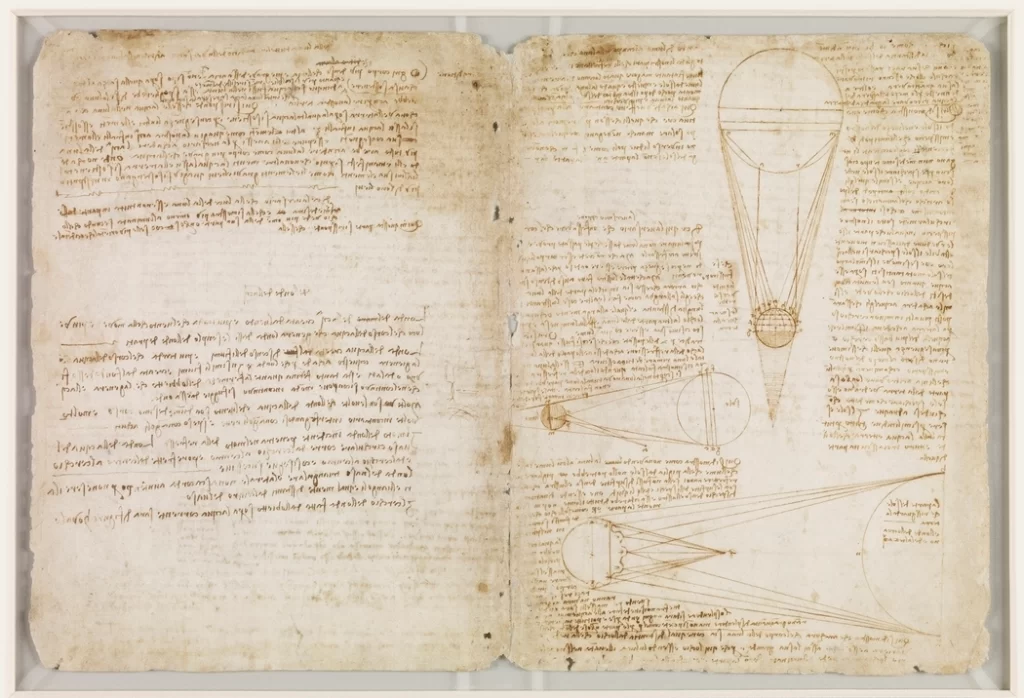
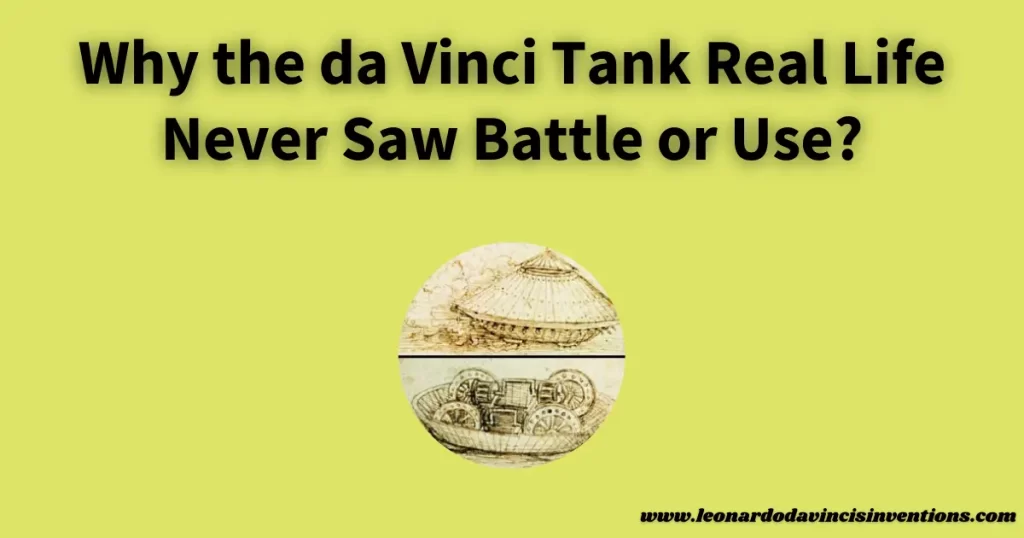
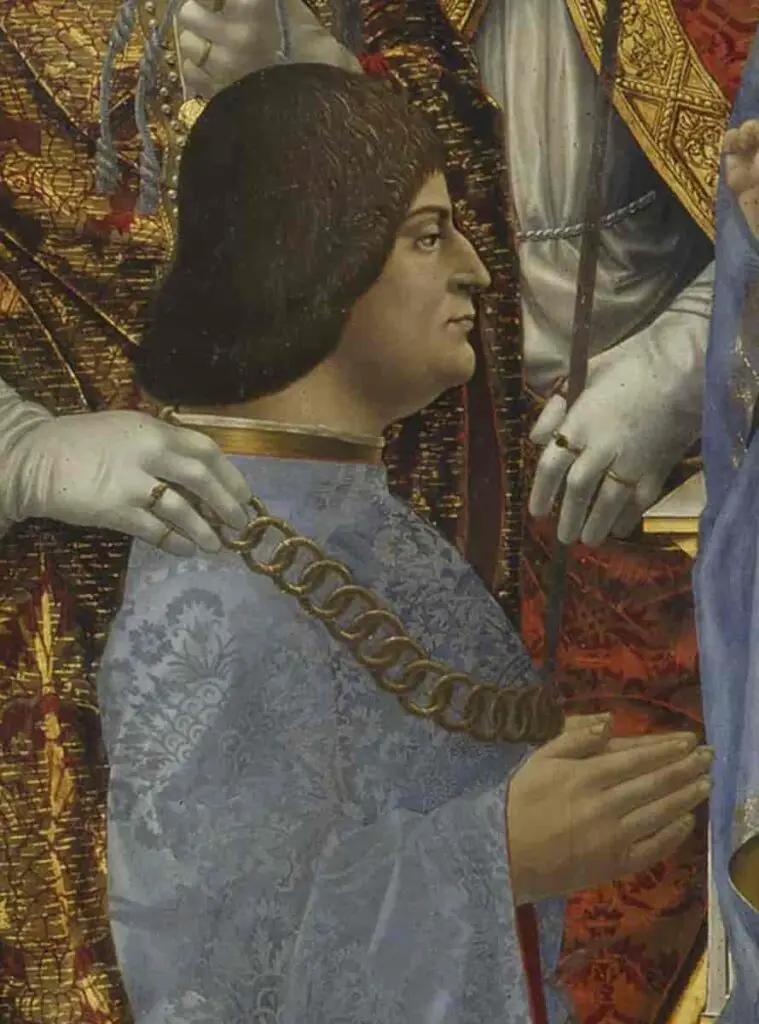
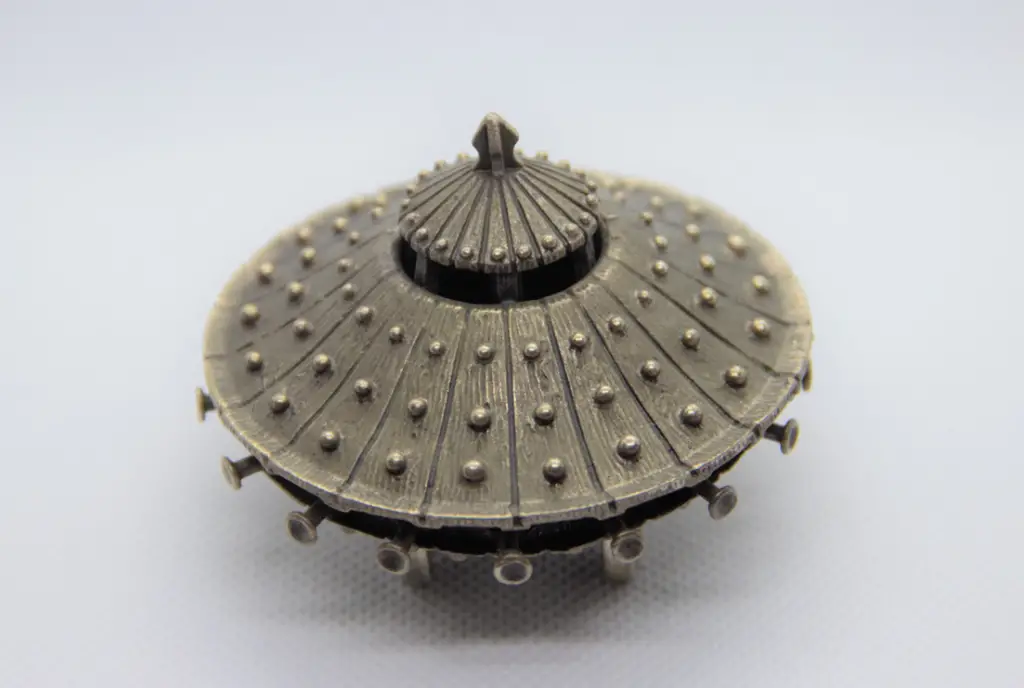
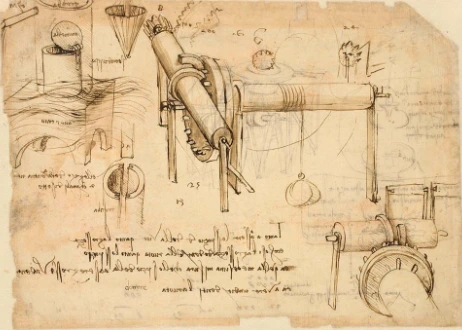


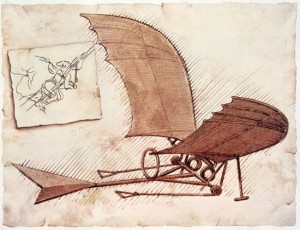
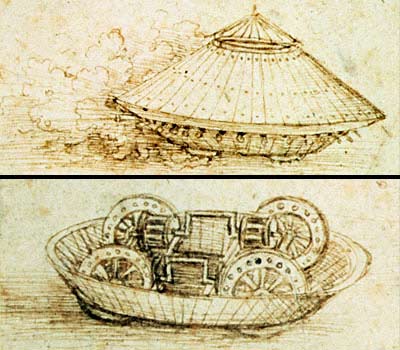
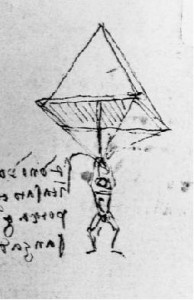
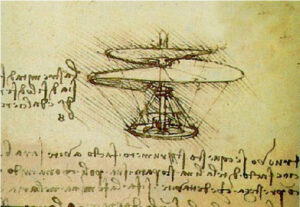
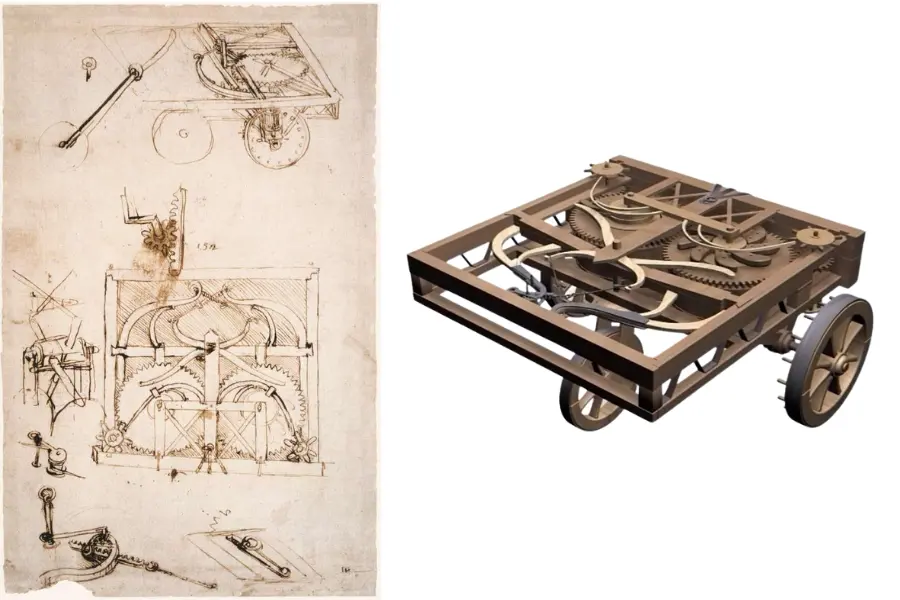
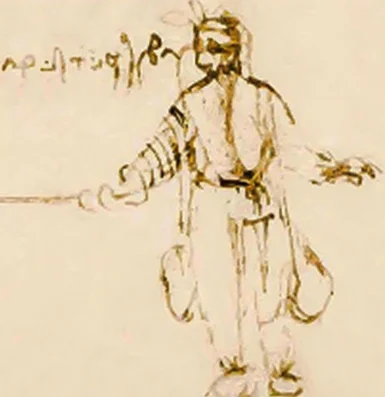
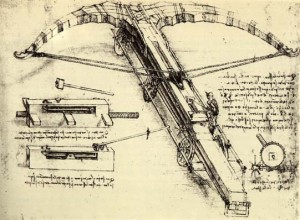
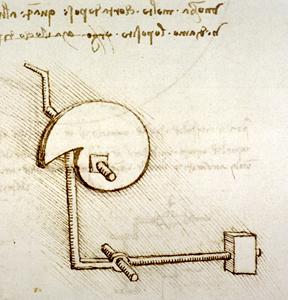
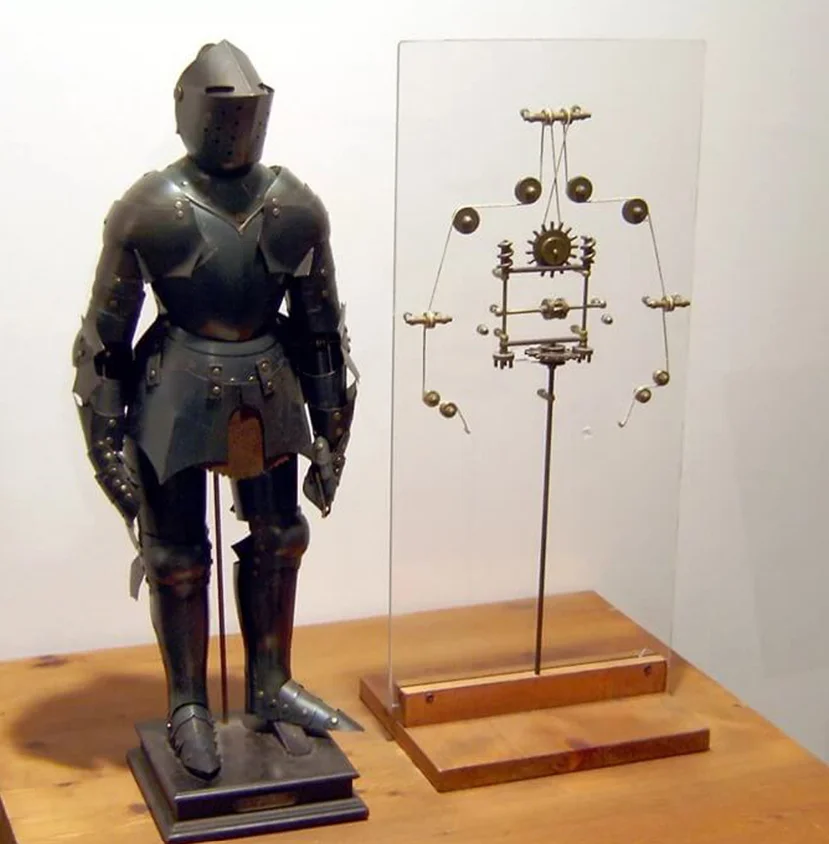
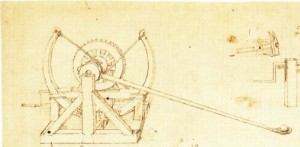
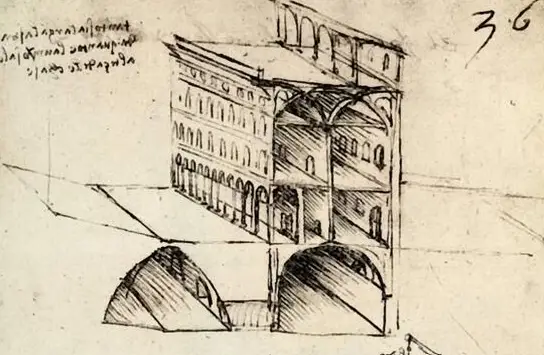
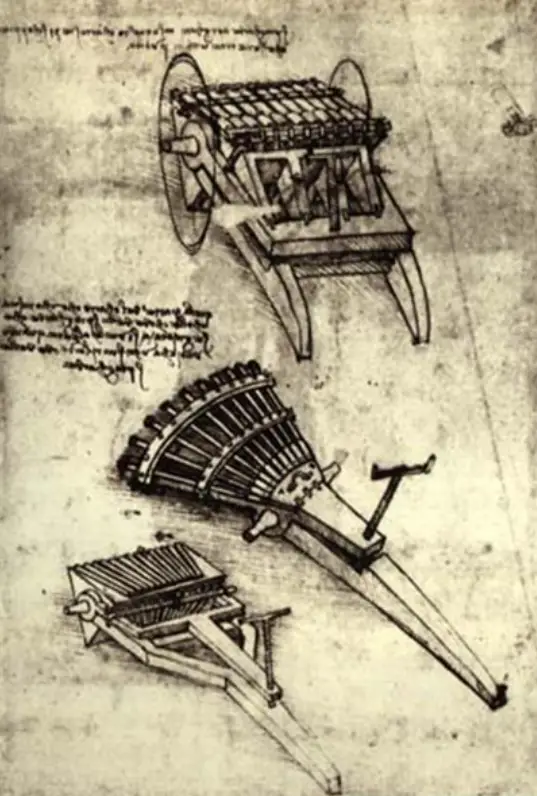
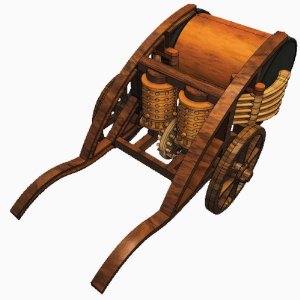
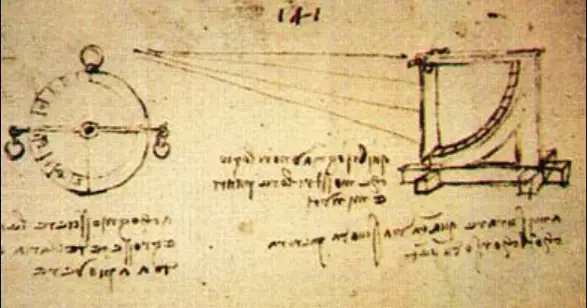
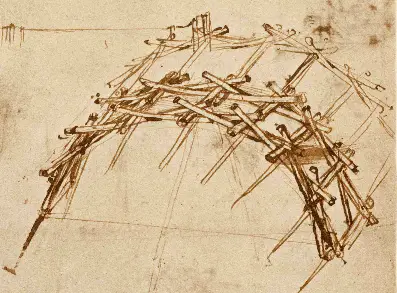
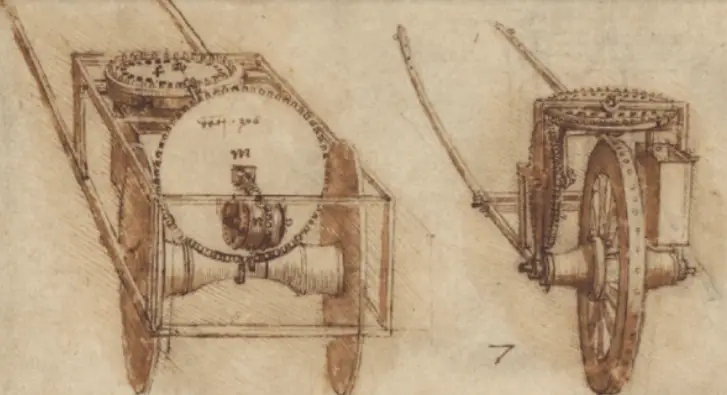
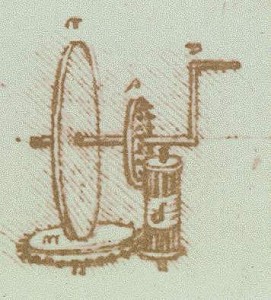
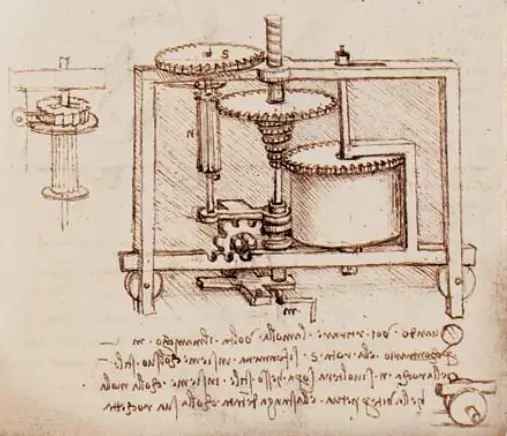
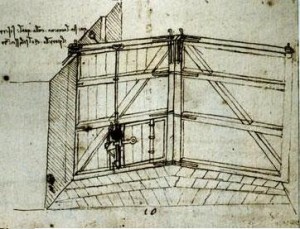
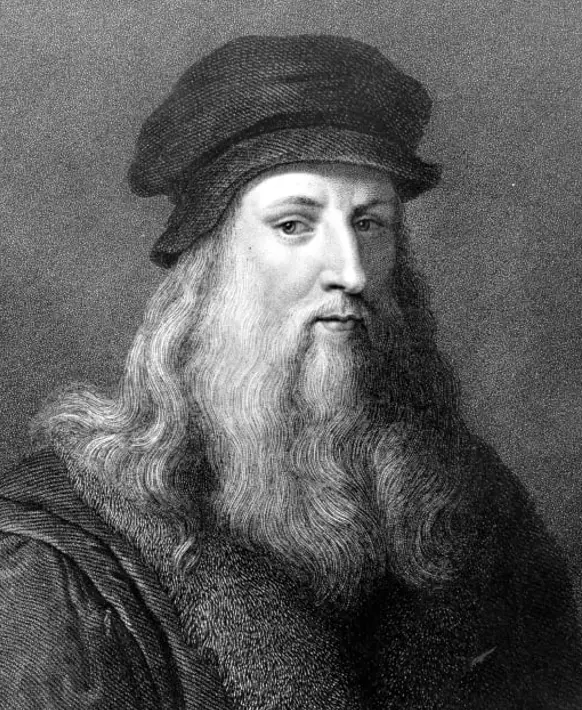


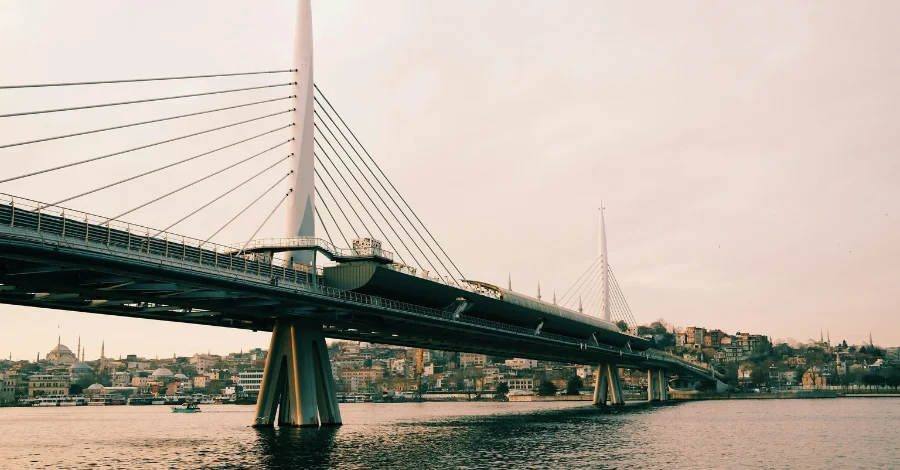

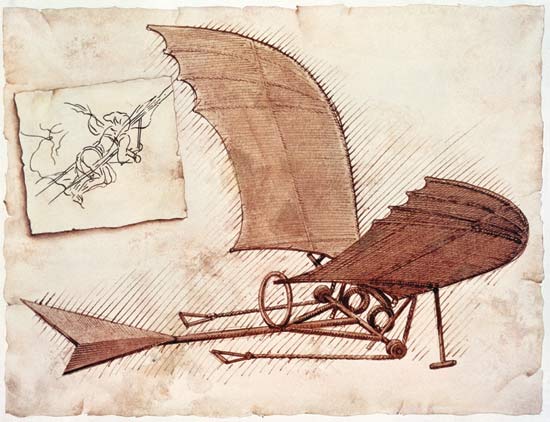
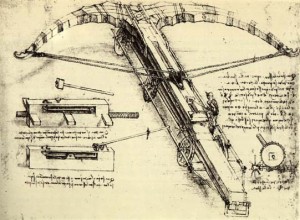
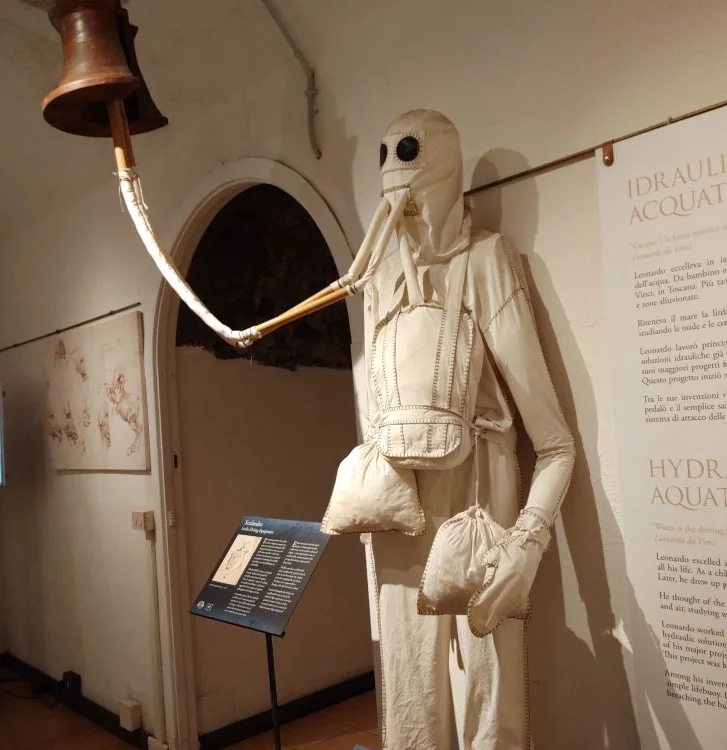
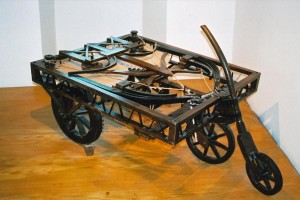
 Leonardo Bianchi is the founder of Leonardo da Vinci Inventions & Experiences, a cultural travel guide helping visitors explore Leonardo da Vinci’s art, inventions, and legacy across Italy and Paris.