Museo Nazionale Scienza e Tecnologia Leonardo da Vinci in Milan, Italy
(Last updated: April 2026)
The inventions of Leonardo da Vinci represent one of the most extraordinary leaps of human imagination in recorded history. Born in Tuscany in 1452, Leonardo filled thousands of notebook pages with designs for machines, structures, and devices that would not be realized for centuries.
His sketches described flying machines, armored vehicles, hydraulic systems, and robotic figures — all imagined during a time when most of Europe still relied on hand tools and animal labor.
Leonardo fascinates historians and travelers alike because he defied easy classification. He was a painter, sculptor, architect, musician, mathematician, and engineer — all at once.
His notebooks, scattered across the libraries and museums of Europe, reveal a mind that never stopped asking questions. Understanding his inventions means understanding the Renaissance itself: a moment when human curiosity about the natural world seemed to have no limits.
This post is all about the inventions of Leonardo da Vinci — tracing the ideas, machines, engineering principles, and cultural legacy that continue to inspire engineers, artists, and travelers around the world.
What Are the Inventions of Leonardo da Vinci?
The inventions of Leonardo da Vinci are a collection of mechanical, civil, and military designs recorded in his private notebooks between roughly 1478 and 1519. They include flying machines, early automotive concepts, hydraulic engineering solutions, and war machines — ideas that were centuries ahead of their time and continue to influence modern science and engineering.
Leonardo da Vinci and the Renaissance: The World That Shaped His Inventions
Leonardo was born at a remarkable moment. The Italian Renaissance was transforming European thinking about art, science, and the natural world.
Cities like Florence, Milan, and Venice were centers of wealth and patronage, and powerful rulers competed to attract the best minds of the age. Leonardo benefited directly from this environment.
He trained as a painter in Florence under the master Andrea del Verrocchio. But from the beginning, Leonardo’s curiosity extended far beyond the canvas.
He studied anatomy, geology, botany, and mechanics with the same intensity he brought to painting. His notebooks — written in his famous mirror script — document a lifelong habit of observation and experimentation.
Understanding this historical context is essential for anyone visiting Leonardo exhibitions or Renaissance museums. His inventions did not appear from nowhere. They were the product of a culture that celebrated inquiry, combined with a personal genius that could not be contained by any single discipline.
Leonardo’s Notebooks: The Source of His Inventions
Leonardo’s sketches of inventions survive in approximately 7,200 pages of manuscript material, spread across institutions in Italy, France, England, and Spain. Collections such as the Codex Atlanticus in Milan and the Windsor Collection in England preserve designs for everything from canal locks to flying machines.
These notebooks were never published during his lifetime. Many remained unknown for centuries. It was only as scholars began cataloguing and studying them in the 19th and 20th centuries that the full scale of his inventive genius became clear.
Today, Leonardo da Vinci’s inventions list searches reflect a global curiosity about what exactly this one man imagined.
Leonardo’s Patrons and the Demand for Innovation
Much of Leonardo’s engineering work was commissioned. Ludovico Sforza, Duke of Milan, employed Leonardo from around 1482 to 1499.
Leonardo’s famous letter of introduction to the Duke outlined his skills as a military engineer — designing war machines, fortifications, and siege weapons — before mentioning his abilities as a painter almost as an afterthought.
This context explains why so many of Leonardo’s inventions fall into the categories of military and civil engineering. His patrons needed practical solutions: better weapons, stronger city walls, more efficient waterways. Leonardo delivered designs — though many were never built.
Leonardo da Vinci Civil Inventions: Engineering the Renaissance World
Da Vinci Bridge
Leonardo’s ideas in civil engineering were deeply practical. He thought carefully about cities, water, infrastructure, and transportation. Many of his concepts anticipated developments that would not be realized for hundreds of years.
Leonardo da Vinci Canal Lock and Hydraulic Engineering
Water management was one of Leonardo’s great obsessions. He designed improvements to canals and irrigation systems for the plains of Lombardy in northern Italy. His concept for the canal lock — a device that allows boats to move between sections of water at different levels — helped transform inland navigation.
Leonardo studied water with the eye of both a scientist and an artist. His drawings of rivers, whirlpools, and flood patterns are extraordinarily accurate. His hydraulic work influenced canal construction across Europe and remains a touchstone of early civil engineering.
Da Vinci Bridge and the Swing Bridge
Leonardo designed at least two remarkable bridge concepts. His self-supporting bridge — a design requiring no nails, bolts, or adhesives — uses interlocking wooden beams to create a stable structure. A full-scale version of the design was built in Norway in 2001, proving its engineering soundness five centuries after Leonardo sketched it.
Leonardo da Vinci’s swing bridge concept offered military commanders a portable crossing that could be quickly assembled and disassembled. These designs demonstrate his ability to think about infrastructure as a strategic and logistical challenge, not merely a construction problem.
The Ideal City: Urban Planning Ahead of Its Time
After a devastating plague swept Milan in the 1480s, Leonardo proposed a radical redesign of the city. His ideal city concept introduced the idea of separating pedestrian and vehicular traffic across multiple levels—an idea central to modern urban planning. He also proposed underground canals for waste removal, anticipating modern sewage systems by centuries.
These urban ideas were never realized during his lifetime. But they reflect the same systematic thinking that characterized all of Leonardo’s work: observe the problem carefully, understand its causes, then design a solution that addresses the root, not just the symptom.
Leonardo da Vinci Flying Machine: Dreaming of Human Flight
Leonardo da Vinci Aerial Screw
Perhaps nothing captures the imagination more than Leonardo’s obsession with flight. He studied birds for decades, filling pages with careful observations of wing anatomy, feather structure, and the mechanics of lift. His flying machine concepts represent some of the most visionary engineering of the Renaissance.
Leonardo da Vinci Glider and the Ornithopter
Leonardo’s most famous flying machine designs include the ornithopter — a device with flapping wings powered by human muscle. He sketched dozens of versions, experimenting with different wing shapes and mechanical linkages. While human-powered ornithopters would not achieve true flight, Leonardo’s analysis of aerodynamics was remarkably sophisticated.
His glider concept, by contrast, recognized that fixed wings could generate lift without flapping. This insight anticipated the principles of modern gliding and fixed-wing aircraft. The Leonardo da Vinci glider designs show an understanding of airflow over curved surfaces that would not be formalized in physics for another three centuries.
Leonardo da Vinci Helicopter: The Aerial Screw
One of Leonardo’s most iconic sketches depicts what he called the aerial screw — a device with a large helical rotor designed to compress air and achieve vertical lift. This concept directly anticipates the principle of the modern helicopter, though Leonardo’s version could not have worked with the materials and power sources available in the 15th century.
The aerial screw remains one of the most recognized images from his notebooks. Replicas appear in science museums worldwide, and the design is frequently cited as evidence of Leonardo’s extraordinary capacity to visualize physical principles before the science existed to explain them.
Leonardo da Vinci Parachute and Landing Gear
Leonardo also sketched a pyramidal parachute design, describing a linen canopy large enough to slow a person’s descent from any height. Modern testing of replicas has confirmed that the design is aerodynamically sound.
Even more remarkably, he also designed a form of Da Vinci landing gear — a shock-absorbing structure intended for an aerial vehicle. The fact that he considered the problem of landing, not just of flight, demonstrates the systematic completeness of his engineering thinking.
Leonardo da Vinci Mechanical Inventions: The Machine Age Before Its Time
Leonardo da Vinci Car
Beyond civil engineering and flight, Leonardo designed a remarkable range of mechanical devices. Many of these anticipated industrial technologies by centuries. His understanding of gears, bearings, cams, and springs was far ahead of his time.
Leonardo da Vinci Car: The Self-Propelled Cart
Leonardo designed what many historians consider the world’s first self-propelled vehicle — a cart driven by coiled spring mechanisms and steerable using a rudimentary steering system. The Leonardo da Vinci car was not designed to carry passengers; it was likely intended as a prop for theatrical performances at the Sforza court.
A working reconstruction was built by researchers at the Museo Nazionale della Scienza e della Tecnologia in Milan in 2004, confirming that the design functions as intended. The cart is widely cited as an ancestor of the modern automobile.
Da Vinci Ball Bearing, Cam Hammer, and the Mirror Grinding Machine
Leonardo’s mechanical notebooks include early descriptions of ball bearings — devices that reduce friction between moving parts. These are now fundamental components in almost every motor and machine in the modern world. His understanding of friction and rotational mechanics was centuries ahead of the formal physics of the time.
His cam hammer design used rotating cams to repeatedly lift and drop a hammer head, anticipating automated manufacturing. The Leonardo Mirror Grinding Machine — designed to grind concave mirrors with mechanical precision — represents an early vision of factory automation. These designs answer the question of what da Vinci invented in ways that continue to surprise even professional engineers.
Leonardo da Vinci Mechanical Drum and Robotic Knight
Da Vinci also designed musical automatons and mechanical performers. Leonardo da Vinci’s mechanical drum used cams to create programmable rhythmic patterns — an early form of mechanical music sequencing.
Most astonishing of all is the Leonardo da Vinci robotic knight — a suit of armor animated by internal cables and pulleys, capable of sitting, standing, and moving its arms. Reconstructions suggest it was built for court entertainment. It is considered one of history’s first humanoid robots.
These designs illustrate how Leonardo’s interests in art, engineering, and entertainment were inseparable. For him, a mechanical drummer and a flying machine were simply different expressions of the same curiosity about how the world moves.
Da Vinci War Machines: Engineering for the Battlefield
Leonardo da Vinci Tank
War was a constant reality of Renaissance Italy. City-states fought each other for territory, influence, and survival. Engineers who could design better weapons and defenses were enormously valuable. Leonardo offered his military engineering skills to multiple patrons, and his notebooks contain some of his most dramatic designs.
Leonardo da Vinci Tank and Armored Vehicle
Among the most famous of his war machines is the Leonardo da Vinci tank — a covered, armored vehicle shaped like a turtle shell, armed with cannons on all sides, and powered by men turning cranks inside. The design anticipated the armored fighting vehicle by more than four centuries.
Historians have noted an apparent flaw in the gear design: the wheels would turn in opposite directions, preventing the gear from turning. Some scholars believe this was intentional — a deliberate sabotage to prevent the design from being used. Whether accidental or deliberate, the design’s conceptual ambition is extraordinary.
Leonardo da Vinci Crossbow, Catapult, and Multi-Barrel Gun
Leonardo designed massive crossbows on wheeled platforms, capable of firing projectiles with enormous force. He also sketched improved catapult designs with adjustable firing mechanisms. These siege weapons reflected the military needs of Renaissance rulers, who defended walled cities and attacked fortifications.
Leonardo da Vinci machine gun design — technically a multi-barrelled organ gun — placed multiple barrels in a fan arrangement, allowing one group to fire while others were reloaded. This concept of continuous fire anticipated the principle of the modern machine gun. These designs show Leonardo thinking systematically about the problem of sustained firepower.
Leonardo da Vinci Diving Suit: War Beneath the Waves
One of Leonardo’s most unusual military designs is his diving suit — a leather suit with a bag for air storage and breathing tubes, intended to allow a diver to approach enemy ships underwater and damage them from below. The suit was designed for use in Venice, whose lagoon setting made underwater sabotage a plausible military tactic.
The design is technically credible, and its military purpose is clear. It represents Leonardo’s willingness to think across all dimensions of the battlefield — land, air, and water.
Where to Experience Leonardo’s Legacy
The Uffizi Gallery in Florence, Italy — Renaissance masterpieces shaped by powerful artistic patronage.
Leonardo’s life and work touched several major European cities, each of which preserves a different aspect of his genius. For travelers interested in Renaissance history, following Leonardo’s trail is one of the most rewarding journeys Italy and France offer.
Florence: Where Leonardo Began
Florence is where Leonardo grew up and trained. The Uffizi Gallery houses some of his early paintings, including the Annunciation and the unfinished Adoration of the Magi. The Museo Nazionale del Bargello contains sculptural works from his early Florentine period.
The city itself is a Renaissance museum. Walking through the historic center — a UNESCO World Heritage Site — means moving through the same streets where Leonardo encountered the art, ideas, and patrons that shaped his early career.
Milan: The Heart of Leonardo’s Engineering Work
Milan is arguably the most important city for understanding Leonardo the engineer and inventor. He lived and worked there from approximately 1482 to 1499 and again from 1506 to 1513.
The Museo Nazionale della Scienza e della Tecnologia Leonardo da Vinci is the world’s largest Leonardo museum, housing an extraordinary collection of models based on his notebook drawings — including reconstructions of the aerial screw, the armored vehicle, the robotic knight, and dozens of other machines.
The Castello Sforzesco, where Leonardo worked under Ludovico Sforza, still stands and contains frescoes connected to his studio. And in the nearby refectory of Santa Maria delle Grazie, visitors can view The Last Supper — one of the most important paintings in the world — in its original location.
Vinci and Paris: Birthplace and Final Home
The hilltop town of Vinci, in Tuscany, is Leonardo’s birthplace and the site of the Museo Leonardiano — a dedicated Leonardo museum spread across two historic buildings. The museum offers a comprehensive introduction to his life, art, and inventions, and the surrounding countryside recalls the Tuscan landscape that appears in many of his paintings.
Leonardo spent his final years in France, at the Château du Clos Lucé near Amboise, at the invitation of King Francis I. The château has been preserved as a museum and includes a park with large-scale models of Leonardo’s machines. The nearby Château d’Amboise, where Leonardo is buried, completes the journey.
Experience Leonardo’s World in Person
Reading about Leonardo’s inventions is one thing. Seeing reconstructed models, handling interactive exhibits, and walking through the spaces where he worked is something altogether different. Several dedicated Leonardo museums and Renaissance cities offer exceptional experiences for curious travelers.
Dedicated Leonardo Museums
The Museo Nazionale della Scienza e della Tecnologia in Milan is the premier destination for Leonardo’s legacy in mechanical and engineering. The Leonardo da Vinci galleries present over 130 models based on his drawings, accompanied by original facsimile pages from his notebooks. The museum also offers educational programs and guided tours in multiple languages.
The Museo Leonardiano in Vinci presents the full arc of his life, from his birth in the Tuscan hills to his final years in France. For visitors who want to understand Leonardo the man as well as the inventor, Vinci is an essential destination.
Renaissance Cities and Cultural Tours
Florence, Milan, Venice, and the Loire Valley in France all form part of the broader Leonardo travel circuit. Guided tours focusing on Renaissance art and engineering are available in each of these cities, ranging from half-day museum visits to multi-day itineraries covering the full geography of his life.
Many tours combine visits to Leonardo sites with broader Renaissance history — the Uffizi, the Duomo, the Sforza Castle, the Loire châteaux — providing rich context for understanding why Leonardo emerged from this particular time and place.
Interactive Exhibitions and Traveling Shows
In recent years, large-scale traveling exhibitions dedicated to Leonardo da Vinci have toured major cities in Europe, North America, and Asia. These exhibitions typically combine facsimile notebook pages, reconstructed machine models, and immersive digital displays to bring his work to new audiences.
Whether visiting a permanent museum in Milan or a traveling exhibition in your home city, engaging with Leonardo’s inventions in three dimensions transforms the experience of his genius from historical fact into something viscerally present.
Final Thoughts
This post is all about the inventions of Leonardo da Vinci across four major domains: civil engineering, flight, mechanical design, and military technology. Across all of these fields, a consistent pattern emerges: Leonardo observed the natural world with exceptional precision, identified underlying principles, and translated those principles into practical designs that anticipated technologies by centuries.
His legacy is not merely historical. Leonardo da Vinci’s inventions used today — from ball bearings to parachutes, from hydraulic engineering to the concept of the armored vehicle — remind us that the gap between imagination and reality is, in the end, a matter of time and materials. Leonardo had the imagination. The world eventually caught up with the materials.
FAQs about The Inventions of Leonardo da Vinci
What are the major inventions of Leonardo da Vinci?
Leonardo da Vinci’s major inventions include flying machines such as the ornithopter and the aerial screw (an early helicopter concept), the parachute, an armored vehicle (a tank), a diving suit, and mechanical devices such as a robot and a self-propelled cart. Most existed only as sketches, but many have been successfully reconstructed from his detailed notebook designs.
Was Leonardo da Vinci LGBTQ?
There is no conclusive evidence about Leonardo da Vinci’s sexuality, though many historians suggest he may have been gay. In 1476, he was accused of sodomy in Florence, but the charges were dropped due to insufficient evidence. Since he never married and left little personal documentation, his private life continues to be debated by scholars.
What is the most famous thing Leonardo da Vinci did?
Leonardo da Vinci is most famous for painting the Mona Lisa and The Last Supper, two of the most influential artworks in history. Beyond art, he is also celebrated for his scientific studies and inventive designs, which helped define the ideal of the Renaissance “universal genius.”
Did Da Vinci invent the gun?
Leonardo da Vinci did not invent the gun, which already existed in Europe before his time. However, he designed advanced military devices such as multi-barreled cannons and other weapons that improved firing efficiency, showing his innovative approach to warfare technology.
What was the most important invention?
There is no single “most important” invention, but Leonardo’s flying machine concepts—especially the aerial screw (helicopter-like design)—are often considered the most influential. These ideas anticipated modern aviation principles centuries before they became technologically possible.
What was da Vinci’s IQ?
Leonardo da Vinci’s IQ is unknown, as modern intelligence testing did not exist during his lifetime. Some estimates suggest it may have been extremely high, often speculated around 180–220, but these figures are not scientifically verifiable and should be viewed as informal guesses rather than factual measurements.
Leonardo da Vinci diving suit is a captivating illustration of his boundless imagination and inventiveness.
This suit, designed in the 16th century, was intended to allow underwater sabotage by enabling men to cut holes in enemy ship hulls. However, due to a lack of funding, the concept never got past the blueprint stage.
For those intrigued by historical inventions, the details of da Vinci’s design offer a fascinating glimpse into early ideas of underwater exploration.
The suit included a leather outfit with a mask featuring cane tubes, ropes, and weapons. Though it was never built, this vision highlighted da Vinci’s ability to envision technology far beyond his time.
Interest in da Vinci’s works often centers on his art, yet his engineering feats reveal an equally significant aspect of his genius.
Exploring his inventions, such as the diving suit, allows us to appreciate his contributions to art and science. The intersection of creativity and practicality in his designs reminds us of the endless possibilities imagined by one of history’s greatest minds.
The Concept of the Leonardo da Vinci Diving Suit
Leonardo da Vinci’s diving suits were among his many inventive ideas. His conceptual designs, which reflected his innovative spirit, aimed to equip people with tools for underwater exploration and military use.
Overview of Leonardo da Vinci’s Inventions Diving Suit
The Leonardo da Vinci diving suit featured a leather body and a bag-like head mask. Da Vinci included breathing tubes connected to a floating device above the water. This design reveals his understanding of the underwater air-supply needs.
The suit’s drawing shows advanced thinking for his time, with the intricate details reflecting da Vinci’s desire to push the boundaries of technology.
Modern assessments highlight how his suits, though never built during his life, were precursors to later diving equipment.
The Purpose Behind the Da Vinci Diving Suit
Da Vinci’s idea for the diving suit was primarily military. He envisioned using it to sabotage enemy ships by cutting holes in their hulls from below the waterline. The diving suit designed by Leonardo da Vinci was not only a piece of engineering but also a strategic tool in naval warfare.
His suit also suggests curiosity about human capabilities underwater. By designing suits that enabled extended underwater stays, Leonardo explored ways humans could interact with and manipulate the environment below the surface.
Historical Context of Diving Gear in the Renaissance
During the Renaissance, diving gear was rudimentary and lacked the sophistication of Leonardo’s ideas. Most diving attempts relied on simple tools like ropes and weights.
The da Vinci diving suit concept was groundbreaking. It proposed a new approach to underwater exploration before modern scuba gear existed.
His work shows a shift in the Renaissance mindset towards innovation and scientific exploration. Though the suit was never realized in his lifetime, it remains a testament to his visionary approach and understanding of engineering principles.
When Was the Diving Suit Invented?
Leonardo da Vinci Diving Suit Sketch
The development of diving suits traces back to Leonardo da Vinci’s inventive vision. His ideas sparked innovations, influencing subsequent designs. Key elements of his sketches remain relevant today.
Timeline of Leonardo da Vinci’s Diving Suit Development
Leonardo da Vinci began conceptualizing his diving suit around 1485 in Venice. He envisioned it as a tool for military strategy, aiming to protect the city by sending men underwater to sabotage enemy ships.
This Leonardo da Vinci diving suit invention featured a leather outfit with a bag-like mask and breathing tubes designed to reach the surface and supply air.
Though plans existed, there is little evidence that he constructed the suit. Despite this, his sketches offered a foundation for imagining human exploration beneath the waves and inspired future inventors.
Comparison with Other Historical Diving Suits
Da Vinci’s inventions set a precedent for other diving suits that emerged centuries later. In 1602, Jerónimo de Ayanz y Beaumont developed another early model.
Compared to later suits, da Vinci’s design lacked the practicality and safety of more advanced suits, such as those designed in the 18th and 19th centuries.
The introduction of metal helmets and air pumps significantly improved divers’ experience and safety. This evolution demonstrates an important advancement in diving technology, while da Vinci’s early concepts laid the groundwork for these improvements.
The Influence of Da Vinci’s Design on Modern Diving Gear
Leonardo da Vinci’s scuba suit ideas laid the groundwork for future advancements in underwater exploration. Many of the design elements he envisioned underpin modern innovations in diving gear.
For instance, his use of air supply mechanisms predated and influenced the development of scuba technology.
Features of the Leonardo da Vinci Underwater Diving Suit
The Leonardo da Vinci underwater diving suit is an innovative creation that reflects his genius in tackling the challenges of underwater exploration. This invention features unique design elements, thoughtful material selection, and intriguing functionality.
Unique Design Elements of the Diving Suit Leonardo da Vinci Created
Leonardo da Vinci’s diving suit stands out due to its remarkable design. The suit included a bag-like mask covering the diver’s head, allowing them to see and breathe easily. Attached to this mask were cane tubes resembling modern snorkels. These tubes provided a means of breathing while submerged.
The suit’s design was purposeful, targeting naval warfare and utility in defending against invaders. The conceptual elements highlight da Vinci’s foresight and inventive approach, offering unique insights into his thinking.
Materials and Construction of the Leonardo da Vinci Scuba Gear
The diving suit was made using readily available materials of the time. It is comprised of leather, a durable and flexible choice well-suited to crafting the main body of the suit. Leather’s natural properties offered some protection against underwater elements and allowed for necessary movement.
Additionally, the air tubes were crafted from cane, a lightweight, breathable material. These elements show a balance between innovation and practicality. Da Vinci’s choice of materials reflects an understanding of their properties and how they could work together to form an effective diving suit.
Analyzing the Functionality of the Diving Suit
Examining the functionality reveals a well-thought-out strategy for underwater operations. Thanks to its clever air-supply system, the suit was designed to allow divers to remain submerged for extended periods. By enabling divers to breathe underwater, da Vinci envisioned using the suit for strategic military maneuvers.
While the da Vinci diving suit was never built to its full potential, the design demonstrates how it might have performed effectively in its intended role. Its concept hints at a multifunctional tool that could have changed the way we approach marine conflict.
Did Leonardo da Vinci’s Diving Suit Work?
Leonardo da Vinci’s diving suit, designed in the 16th century, intrigues historians and engineers alike. This section explores whether this invention could function as intended and why it garnered such interest.
Testing the Theories: Did the Da Vinci Diving Suit Function?
Leonardo da Vinci’s diving suit was likely not tested during his lifetime. He created designs for a leather suit equipped with a breathing tube. This tube provided an air supply from the surface for underwater activities. However, there is no evidence that the suit was ever constructed or used.
Without records or prototypes, it’s unclear if the design truly worked. Today, historians speculate about its potential practicality and effectiveness for underwater endeavors.
Expert Opinions on the Effectiveness of Leonardo’s Design
Experts agree that Leonardo’s design was ahead of his time. The diving suit’s concept included a buoyancy control system, which still influences modern scuba gear.
However, some argue that limitations in materials and technology during Leonardo’s era would have made his suit impractical. Many reinforce that, while the idea was genius, it couldn’t succeed back then due to insufficient resources and poor execution.
Modern Interpretations of the Leonardo da Vinci Diving Suit Facts
Today’s researchers often analyze Leonardo da Vinci’s diving suit design to understand its historical context and potential use. His suit inspires modern submariners and historians, who appreciate its visionary aspects.
The design also continues to captivate artists and innovators, reinforcing themes of creativity and exploration. These studies highlight how Leonardo’s ideas inspired developments in underwater exploration technologies despite being purely theoretical in his time.
Artistic Representations of the Diving Suit
Leonardo da Vinci, a master of blending art and innovation, designed a unique diving suit. These designs are not just historical artifacts but an artistic testament to his genius, influencing the evolution of visual art and diving technology.
The Leonardo da Vinci Diving Suit Drawing: A Closer Look
The Leonardo da Vinci diving suit drawing showcases his foresight and creativity. In it, da Vinci depicts a suit made from waterproof leather with breathing tubes.
This artwork highlights his ability to combine aesthetic appeal with practical engineering solutions. Da Vinci’s attention to detail is evident in the representation of the suit’s components, which are clearly illustrated to reveal their function and potential use underwater.
Insights from the Leonardo da Vinci Diving Suit Sketches
The diving suit sketches provide critical insights into Leonardo da Vinci’s inventions, such as the diving suit. His designs included large pockets, a component meant to address buoyancy issues.
It reflects his complex problem-solving approach, aiming to adapt human anatomy for undersea exploration.
The sketches serve as an educational tool, showing da Vinci’s ingenious methods and foresight in envisioning solutions for underwater navigation that were way ahead of their time.
The Impact of Da Vinci’s Diving Suit Design on Art and Science
Da Vinci’s diving suit design transcends mere invention; it had a lasting impact on art and science. The da Vinci scuba suit design fundamentally influenced future depictions of diving apparatuses.
Artists and designers drew inspiration from his innovative approach, which married form and function.
His designs laid the groundwork for modern diving technology, showcasing da Vinci’s role as a pioneer who bridged creativity and functionality, inspiring both fields for centuries.
Final Thoughts
Leonardo da Vinci’s diving suit is a fascinating insight into his innovative mind. It was designed for military purposes and showcased Leonardo’s attention to engineering and human capability.
While it was never built in his lifetime, his sketches offer a glimpse into potential advancements in diving technology.
The suit featured a leather design with a bag-like head mask. It included attached cane tubes for air supply, indicating Leonardo’s understanding of the need for breathable air underwater.
While deemed impractical at the time, this early conceptualization paved the way for future developments in scuba gear.
Despite its impracticalities, such as the challenge of rebreathing exhaled air, Leonardo’s idea was ahead of his time. Today’s diving suits have evolved significantly, yet they still echo the spirit of exploration that da Vinci’s design embodied.
Key Takeaways: Leonardo da Vinci’s diving suit reflects his forward-thinking approach. While not feasible in his era, his ideas laid the groundwork for future innovations in diving technology. This early dive into underwater exploration remains a testament to his genius and curiosity.
FAQs about Leonardo da Vinci Diving Suit
Did Leonardo da Vinci invent the diving suit?
Leonardo da Vinci did not invent the modern diving suit, but he designed one of the earliest known concepts in the early 1500s. His sketches depict a leather suit with a mask and breathing tubes connected to a floating air supply, enabling divers to remain underwater for military purposes.
What is the 120 rule in diving?
The “120 rule” in diving is a guideline used by recreational divers, stating that the sum of a diver’s depth (in feet) and bottom time (in minutes) should not exceed 120 to reduce the risk of decompression sickness. However, it is a simplified rule and not a substitute for official dive tables or dive computers.
What did Da Vinci say before he died?
There is no fully verified record of Leonardo da Vinci’s exact last words, but a commonly attributed quote suggests he regretted not accomplishing more, saying he had “offended God and mankind” by not fulfilling his potential. This account comes from later historical sources rather than direct evidence.
Did a diver survive 30 minutes without oxygen?
In normal conditions, humans cannot survive 30 minutes without oxygen; brain damage typically begins within minutes. However, rare cases of extended survival have occurred in extremely cold water, where low temperatures can slow metabolism and temporarily protect the brain.
What is Da Vinci’s greatest invention?
There is no single “greatest” invention, but Leonardo da Vinci’s flying machine designs are often considered his most famous. These early attempts to achieve human flight demonstrated an advanced understanding of aerodynamics and inspired future developments in aviation.
Who invented a diving suit?
The first practical diving suits were developed centuries after Leonardo, with early versions created in the 18th century and later improved by inventors like Karl Heinrich Klingert and Augustus Siebe, who helped establish modern diving equipment.
Leonardo da Vinci Robotic Knight stood as a fantastic feat of engineering during the Renaissance. This humanoid automaton, designed in the late 15th century, showcased Leonardo’s visionary mind and deep understanding of mechanics.
The Robotic Knight could perform human-like motions, such as moving its arms and sitting down, employing a complex system of gears and pulleys.
For modern enthusiasts, the Robotic Knight remains a fascinating study of early robotics and mechanical design. Its creation involved a German suit of armor fitted with an intricate cable-and-pulley system that allowed it to mimic human movements.
Leonardo’s invention highlights his genius and influences today’s technology in robotics and automation.
Historical Context of Leonardo da Vinci Robotic Knight
The development of the Leonardo da Vinci Robotic Knight showcases the Renaissance’s innovative spirit and the budding exploration of robotic technology.
Groundbreaking inventions and a surge in scientific curiosity marked this era.
Leonardo da Vinci’s Era
Leonardo da Vinci lived during the Italian Renaissance, a period of creativity and new ideas spanning the 14th to the 17th century. This era was characterized by significant advancements in art, science, and technology.
Da Vinci was a central figure in this movement, known for his wide-ranging interests and talents.
During this time, da Vinci explored various mechanical concepts, including the Leonardo da Vinci Robot Knight, a humanoid machine designed around 1495. This design demonstrated his understanding of mechanics and motion and reflected the era’s fascination with machines and automation.
Advent of Renaissance Robotics
The Renaissance laid the groundwork for modern technology, with figures like Leonardo leading the way.
Da Vinci’s interest in mechanics and engineering led to the creation of the Robotic Knight. He designed this automaton using a complex system of gears, pulleys, and cables—an innovation for its time.
This mechanical knight could stand, sit, and raise its visor, capturing the imagination of future inventors.
Although it is uncertain whether the knight was ever built, the designs highlight the era’s adventurous spirit in exploring new technologies.
The Robotic Knight, created by Leonardo da Vinci, is one of his most fascinating inventions. It blends art with mechanical ingenuity and showcases Leonardo’s ability to think ahead of his time.
Design and Inspiration
Leonardo da Vinci robotic knight was a remarkable feat of design. Constructed in the late 15th century, this automaton was housed in a German-style armor suit. The design involved a series of complex gears, pulleys, and cables.
These components allowed the knight to perform various movements, including sitting, standing, and moving its arms.
The inspiration for the robot knight came from Leonardo’s deep interest in the human body and mechanics.
His studies in anatomy greatly influenced the robot’s motion mechanics, enabling it to simulate human actions with impressive accuracy.
This creation was not merely a display piece; it represented Leonardo’s vision of what machines could achieve, mirroring the human form and movement.
Leonardo’s ability to interlace art with engineering laid a foundation for future developments in robotics.
Mechanical Engineering Feats
The mechanical engineering behind Leonardo da Vinci robotic knight was truly ahead of its time.
Using basic principles of physics and mechanics, Leonardo created a humanoid automaton that could mimic human gestures.
The internal structure comprised sophisticated gear systems, allowing a range of motion not seen before in mechanical creations.
This invention highlighted Leonardo’s genius in combining artistic vision with technical prowess. The engineering principles seen in the knight influenced later developments in automation and robotics.
His work on this device exemplifies his trailblazing ideas, paving the way for future engineers and inventors.
Functionality and Characteristics
Leonardo da Vinci robotic knight was a groundbreaking invention that showcased his genius in mechanical design and automation. Thanks to its sophisticated system of pulleys and gears, the robotic knight could perform human-like motions.
Simulated Anatomy
Leonardo da Vinci robot knight was engineered to mimic the functions of a human body. It could sit, stand, move its arms, and even tilt its head.
This creation was largely possible thanks to Leonardo’s innovative use of anatomy, which enabled the knight to mimic human motion. The internal structure included complex systems of cables and pulleys resembling muscles and tendons.
His meticulous study of human anatomy heavily influenced his design. Each joint and limb of the da Vinci robot knight was carefully crafted to allow fluid movement.
Through these designs, Leonardo demonstrated his vision of human-machine interaction, blending mechanical engineering with biological insight to form a mechanical knight that remains a topic of fascination.
Innovative Mechanisms
Leonardo’s robot showed innovation through its mechanisms, which used gears and pulleys to bring the knight to life.
This mechanical setup powered the knight’s arms in a lateral embrace, simulating human motion. Leonardo da Vinci’s mechanical genius is evident in his ability to incorporate flexible neck movement into the knight’s design.
By integrating these components, Leonardo da Vinci robots were far ahead of their time, paving the way for later advancements in robotics.
The robotic knight was not merely a mechanical marvel but also an embodiment of da Vinci’s forward-thinking approach, showcasing how art, science, and technology could merge.
Cultural and Historical Impact
The Leonardo da Vinci Robotic Knight is a notable creation that has significantly influenced robotics and left a lasting mark on popular culture. It demonstrates Leonardo’s foresight in mechanical engineering.
Influence on Modern Robotics
Leonardo da Vinci’s mechanical knight, designed in 1495, represents a pivotal moment in the history of robotics. This early robot knight featured a complex system of gears and pulleys, allowing it to mimic human movements.
It has inspired contemporary engineers and roboticists, offering a glimpse into automated machines long before the technology was feasible.
This invention highlights how Renaissance innovations laid the groundwork for future developments.
It is considered a precursor to modern robotic designs, embodying principles that continue to influence today’s robotic engineering.
Inventors often return to da Vinci’s work for inspiration, examining the balance of form and function he achieved.
The combination of creativity and technology in the robotic knight exemplifies the timelessness of Leonardo da Vinci’s vision of robotics.
Representation in Popular Culture
The da Vinci robotic knight is featured prominently across various media, and its story captivates audiences across generations.
This Leonardo da Vinci robot has appeared in documentaries, books, and exhibitions, educating the public about its unique design and functionality.
It brings magic to historical explorations of da Vinci’s life, merging the fantastical with the factual.
In popular culture, the robot knight Leonardo da Vinci is an emblem of the Renaissance period.
It showcases the intersection of art and science that defines Leonardo’s legacy.
By influencing storytellers and artists, the knight perpetuates Leonardo da Vinci’s revolutionary ideas, underscoring his lasting impact on technology and culture.
Preservation and Study
The preservation of Leonardo da Vinci robotic knight involves physical restoration efforts and various exhibitions showcasing this remarkable invention. These activities help maintain the knight’s historical significance and advance its understanding and appreciation among audiences.
Restoration Efforts
The study and restoration of Leonardo da Vinci robotic knight requires meticulous attention to detail.
Efforts focus on preserving mechanical integrity and historical accuracy.
Historians and engineers collaborate to ensure the reconstruction aligns with da Vinci’s original sketches. The Codex Madrid, for example, captures essential insights into the knight’s mechanism.
Preservation involves analyzing materials and techniques from the Renaissance to maintain authenticity.
Teams use non-invasive methods to study and restore the gears and pulley systems without damaging them. These careful routines help maintain the knight’s condition for future generations.
Exhibitions and Displays
Exhibitions are crucial in showcasing Leonardo da Vinci’s robotic knight to the public.
Museums worldwide, such as the Leonardo3 Museum, offer visitors opportunities to explore the intricacies of the knight’s design.
These displays often use interactive models and digital reconstructions, allowing visitors to experience the knight’s functionality visually and physically.
Special exhibitions sometimes feature the knight alongside da Vinci’s other innovations, such as the self-propelled cart and the armored car.
Such presentations highlight Leonardo’s ingenuity and emphasize the advanced nature of his thinking for his time. These events help enhance public interest and deepen appreciation for Leonardo’s inventions.
Final Thoughts
Leonardo da Vinci Robotic Knight is a testament to his incredible vision and inventive spirit. This creation, designed in the late 15th century, highlights da Vinci’s deep understanding of mechanics and anatomy.
His work paved the way for future developments in robotics.
The Robotic Knight was envisioned to move via gears and pulleys, depicting Leonardo’s innovative mastery of mechanical devices. This invention displayed his foresight, anticipating advancements that would captivate minds centuries later.
Leonardo was well ahead of his time in his fascination with human and machine movement. His designs merged artistry with engineering, emphasizing the importance of interdisciplinary thinking.
Key Takeaways:
Leonardo da Vinci’s Robotic Knight is a prime example of early robotics.
His designs have inspired many modern-day engineers and artists.
Leonardo’s contributions to mechanical inventions continue to influence and inspire, showcasing how art and engineering can interconnect seamlessly.
FAQs about Leonardo da Vinci Robotic Knight
Who was the first human death by a robot?
The first widely recognized human death caused by a robot was Robert Williams, a factory worker who was killed in 1979 in Michigan when a robotic arm struck him while he was retrieving parts. This incident is considered the first documented fatality involving an industrial robot.
Did Leonardo da Vinci invent the first robot?
Leonardo da Vinci did not invent the first robot in the modern sense, but he designed one of the earliest known humanoid automata—the mechanical knight around 1495. His design used pulleys, gears, and cables to mimic human movement, making it one of the earliest recorded concepts of a robot.
Will we have robots in 2050?
Yes, experts widely expect robots to be even more advanced and common by 2050. Robotics is already rapidly evolving, with applications in healthcare, manufacturing, and daily life, and current trends suggest robots will become more autonomous, intelligent, and integrated into society.
What was da Vinci’s IQ?
There is no documented or verifiable IQ score for Leonardo da Vinci, as IQ testing did not exist during the Renaissance. However, historians widely regard him as a genius due to his extraordinary achievements in art, science, and engineering.
Did Leonardo da Vinci have a child?
Leonardo da Vinci is not known to have had any children. Historical records indicate that he never married, and his estate and notebooks were passed to his student, Francesco Melzi, after his death.
What caused Leonardo da Vinci’s death?
Leonardo da Vinci died on May 2, 1519, at the age of 67, likely from natural causes. Some historical accounts suggest he may have suffered a stroke in his later years, which could have contributed to his declining health before his death.
Leonardo da Vinci swing bridge showcases his brilliance in blending art and engineering.
This unique invention was designed to pivot, allowing bridges to be retracted to prevent enemy crossings while also enabling friendly passage.
By exploring da Vinci’s ingenuity, you can appreciate how his designs for a movable bridge addressed both functional and strategic needs at the time.
The da Vinci swing bridge represents a fascinating example of innovation for those intrigued by historical engineering marvels.
This bridge used a series of winches and wheels, showcasing the advanced thinking that da Vinci applied to solving practical problems. Da Vinci’s Revolving Bridge further illustrates his contributions to military strategy by enabling quick, effective transport across water obstacles.
Through this exploration, one gains insight into da Vinci’s versatility. His ability to design for civilian and military purposes highlights his invaluable contributions to civil engineering.
The swing bridge is just one example of how his mechanical ideas inspire innovation today.
Overview of the Leonardo da Vinci Swing Bridge
Leonardo da Vinci designed the swing bridge to combine practicality and innovation.
It served civilian and military purposes, providing quick and strategic access across waterways while keeping enemies at bay. Key aspects include its functional use and historical significance in engineering.
The Concept Behind the Swing Bridge
The Leonardo da Vinci swing bridge was crafted with versatility in mind.
Intended for tactical advantages, it allowed travelers and soldiers to cross rivers swiftly.
What made it distinct was its ability to swing open and retract to prevent enemy access. This design showcased da Vinci’s brilliance in engineering, blending simplicity with strategic depth.
The structure used wooden beams interlocked to provide strength and flexibility. This engineering feat reflected da Vinci’s understanding of physics and mechanics, enabling the bridge to support significant weight while remaining operationally efficient.
Such concepts demonstrated how innovative design approaches could solve practical problems of the time.
Historical Context of Leonardo da Vinci’s Designs
During Leonardo’s era, the need for movable bridges was essential, particularly in times of conflict.
The Leonardo da Vinci bridge was developed under the patronage of powerful leaders like Cesare Borgia, who sought effective solutions for military campaigns.
Da Vinci’s designs were not just architectural marvels but also tools of war.
His bridges, including the swing and revolving bridges, were pioneering in their time and laid the groundwork for modern movable bridges.
Through these designs, da Vinci provided insights into how to build a Leonardo da Vinci bridge using practical yet advanced techniques that have inspired engineers for generations.
How the Leonardo da Vinci Swing Bridge Works
Modern use of a swing bridge
The Leonardo da Vinci swing bridge represents an ingenious feat of engineering. Its design allows for practical use and strategic defense, providing insights into da Vinci’s brilliance.
Mechanics of the Swing Bridge Design
The swing bridge is a masterpiece of engineering. Its central pivot allows it to turn 360 degrees.
This pivot is fixed on one bank, enabling the bridge to rotate quickly. Ropes and pulleys complement this mechanism, helping move the bridge smoothly.
Despite its size, a single person could maneuver the swinging bridge, illustrating da Vinci’s clever use of force distribution.
Crafted to be functional and defensive, the bridge was initially designed for military purposes.
It could span rivers or trenches and then be swung aside to prevent enemy crossings. This design’s simplicity and adaptability highlight da Vinci’s innovative approach to construction in the 15th century.
Advantages of the Swing Mechanism
The swing mechanism provided several advantages.
First, it offered rapid deployment and retraction, making it ideal for military operations. Soldiers could cross and secure strategic points quickly without needing a permanent bridge.
Additionally, the revolving nature of the da Vinci bridge allowed it to be moved to prevent enemy access.
This strategic advantage meant that it functioned not only as a passage but also as a deterrent.
The design also reflects da Vinci’s broader philosophy of harmonizing design with natural forces.
The way forces interlocked and provided stability showcases his understanding of engineering principles.
This combination of practicality and innovation makes the Leonardo da Vinci swing bridge a standout in the history of engineering.
Applications of the Leonardo da Vinci Swing Bridge
The Leonardo da Vinci Swing Bridge, a marvel of engineering, was not just a concept but a practical solution for various scenarios.
It combined innovation and functionality, allowing for military and civilian applications throughout history.
Historical Uses in Warfare
Leonardo da Vinci designed the swing bridge with military purposes in mind.
Mobility was crucial for armies during his time, especially when crossing rivers or canals. The revolving bridge enabled troops to cross bodies of water swiftly, facilitating strategic deployments and retreats.
The da Vinci Bridge could rotate 90 degrees, using a system of winches and wheels, to allow or block boats’ passage.
This function made it a defensive asset, providing a tactical advantage by controlling access to certain areas.
Modern Interpretations and Uses
Today, the Leonardo da Vinci Swing Bridge concept continues to inspire modern engineering projects.
Its design principles are used in educational settings to demonstrate the ingenious application of levers and balance. The self-supporting bridge exemplifies how ancient techniques can influence modern architecture and mechanical design.
Contemporary designers have adapted these principles to create structures requiring quick assembly or temporary setups.
This bridge’s ability to facilitate smooth water traffic control has been mirrored in several current canal and river management projects.
The da Vinci Swing Bridge remains a testament to Leonardo da Vinci’s forward-thinking approach and its lasting relevance in modern engineering.
Final Thoughts
Leonardo da Vinci’s swing bridge is a testament to his innovative spirit and engineering mastery.
Designed for functionality, the bridge could swing open to allow ships to pass, showcasing its practicality during his time.
His design demonstrates a blend of creativity and functionality. The swing bridge concept involved rotating the bridge to make way for boats, highlighting da Vinci’s forward-thinking approach.
The simplicity and efficiency of da Vinci’s design continue to capture interest.
This bridge wasn’t just about mechanics; it was an example of harmonious design and utility working together.
Leonardo’s contributions go beyond art; his work, like the swing bridge, underscores his broad impact in engineering and design.
Key Takeaways: Leonardo da Vinci’s swing bridge illustrates an incredible fusion of creativity and practicality, inspiring future innovators.
FAQs about Leonardo da Vinci Swing Bridge
What is special about Da Vinci’s bridge?
Leonardo da Vinci’s bridge designs are special because they were innovative, portable, and based on advanced engineering principles. His movable bridges—such as the swing and revolving bridges—could rotate or be quickly assembled, allowing armies to cross waterways efficiently while maintaining mobility and strategic advantage.
Who invented the swing bridge?
Swing bridges, as a general concept, evolved over time and were not invented by a single person. However, Leonardo da Vinci designed an early rotating (swing) bridge concept in the 15th century, showing one of the earliest detailed ideas of a movable bridge operated by mechanical systems.
What was the theory of the Da Vinci bridge?
The theory behind Da Vinci’s bridge designs was based on mobility, mechanical advantage, and structural efficiency. His swing bridge used pivot points, winches, and wheels to rotate the structure, allowing it to open for boats or close for crossing, demonstrating an early understanding of dynamic infrastructure systems.
Did Leonardo da Vinci invent the revolving bridge?
Leonardo da Vinci did not invent movable bridges in their entirety, but he designed a revolutionary version of a revolving bridge. His design used ropes, pulleys, and counterweights so the bridge could swing into position quickly and be transported easily by soldiers.
Who invented the Da Vinci bridge?
The Da Vinci bridge was designed by Leonardo da Vinci himself in the late 15th century, while he was working as a military engineer. He created several bridge concepts—including self-supporting and movable bridges—for use in warfare and infrastructure projects.
Did Da Vinci ever build his bridge?
There is no evidence that Leonardo da Vinci’s original bridge designs were built during his lifetime. However, modern engineers have successfully constructed models and real-world versions based on his designs, proving that his concepts were structurally sound.
Da Vinci mechanical drum is one of Leonardo da Vinci’s lesser-known civil inventions. It exemplifies his innovative spirit and continues to captivate and inspire us today.
5 questions about the da Vinci Mechanical Drum
What is a mechanical drum?
A mechanical drum, also known as a drum machine or automated drum, is a barrel-shaped device invented by Leonardo da Vinci in the late 15th century. When activated, it consists of hammers and beaters that strike its surface to produce a variety of rhythmic sounds.
Who invented the mechanical drum?
Leonardo da Vinci invented the mechanical drum in the late 15th century.
How does a mechanical drum work?
The mechanical drum rotates when a crank is turned or a mechanism is activated. The hammers and beaters attached to its surface strike it as it rotates, creating a musical beat and producing rhythmic sounds.
What was the purpose of the mechanical drum?
The mechanical drum provided a means of creating rhythmic sounds and musical beats. It allowed for the production of consistent, repetitive drumming patterns without human intervention.
What was the significance of da Vinci mechanical drum?
Leonardo da Vinci mechanical drum was a remarkable invention of its time, showcasing his ingenuity and creativity. It paved the way for the development of later drum machines and automated musical devices, leaving a lasting impact on music technology.
The importance and Relevance of da Vinci Mechanical Drum inventions
Technological Advancement
Da Vinci mechanical drum represented a significant leap forward in technological innovation during the Renaissance period. It demonstrated da Vinci’s mechanical ingenuity and ability to bridge the gap between art and engineering.
The creation of a machine capable of producing a rhythmic beat with precision was a testament to his understanding of mechanics and acoustics.
Musical Experimentation
The mechanical drum paved the way for musical experimentation and composition. It served as an early precursor to modern drum machines and sequencers, enabling the creation of rhythmic patterns and beats.
This invention laid the foundation for exploring the possibilities of automating musical production and inspiring future musicians and composers.
Influence on Modern Music
Da Vinci mechanical drum is a historical precedent for contemporary drum machines and electronic music production. Today, drum machines are widely used in various musical genres, enabling musicians to create complex rhythmic patterns with ease.
The influence of the mechanical drum is evident in the development of electronic music, where programmed beats and synthesized sounds have become fundamental elements of composition.
Cross-Disciplinary Inspiration
Da Vinci mechanical drum exemplifies his multidisciplinary approach to innovation. It highlights the interplay between art, science, and engineering, a characteristic that has become increasingly relevant in today’s world.
The drum’s design and functioning demonstrate da Vinci’s ability to merge his anatomy, mechanics, and acoustics knowledge, showcasing the importance of interdisciplinary collaboration in solving complex problems.
Leonardo da Vinci mechanical drum is a testament to his visionary mind and innovative spirit. Its significance extends beyond its historical context, inspiring modern advancements in music production and demonstrating the power of interdisciplinary thinking.
By recognizing the importance of da Vinci’s civil invention, we pay homage to a genius who continues to shape and influence our world, even centuries after his time.
FAQs about Leonardo da Vinci Mechanical Drum
Did Da Vinci’s flying machine work?
Leonardo da Vinci’s flying machine did not work successfully in practice. His designs relied on human-powered flapping wings, but modern analysis shows that a person could not generate enough power to lift the machine off the ground, making it impractical with Renaissance technology.
What is the Da Vinci mechanism?
The “Da Vinci mechanism” generally refers to Leonardo’s use of gears, pulleys, cranks, and cam systems to convert motion and automate tasks. These mechanical principles appear across his inventions, including clocks, carts, and devices such as the mechanical drum, demonstrating an early understanding of engineering and automation.
What is Da Vinci’s most famous invention?
Leonardo da Vinci’s most famous invention is often considered his flying machine, inspired by the movement of birds. His detailed studies of flight and innovative designs made it one of the earliest serious attempts to achieve human flight.
What were some of Da Vinci’s mechanical designs?
Leonardo created many mechanical designs, including the self-propelled cart (an early automobile), mechanical drum, hydraulic devices, cranes, and automated machines. These inventions demonstrate his ability to combine art, physics, and engineering into functional concepts.
How does da Vinci’s machine work?
Many of Da Vinci’s machines work by converting motion using mechanical linkages such as gears, springs, and cranks. For example, his mechanical drum uses wheel movement to drive internal mechanisms that trigger drumsticks in a programmed rhythm, illustrating early automation.
Why is the flying machine so good?
Leonardo’s flying machine is considered “good” because it was far ahead of its time, based on careful observation of birds and early aerodynamic thinking. Although it could not function with the materials and power available, it laid conceptual foundations for later aviation developments.
Da Vinci Bridge is one of Leonardo da Vinci’s most fascinating engineering ideas—a structure that can stand without nails, ropes, or fasteners. If you’ve ever wondered how a simple arrangement of wooden beams could support itself, the answer lies in Leonardo’s brilliant use of geometry, tension, and balance.
This post is all about the da Vinci bridge—including how it works, where it appears today, and 11 fascinating facts that reveal the genius behind the design.
What Is the Da Vinci Self-Supporting Bridge?
A Masterpiece of Balance and Ingenuity
Leonardo da Vinci self-supporting bridge is an engineering marvel from the Renaissance.
It stands purely through balance and clever design. This bridge captures Leonardo’s ability to merge art, science, and functionality in a single masterpiece.
How Does the Da Vinci Bridge Work?
The Secrets of Tension and Compression
The bridge works by using tension and compression. Logs or beams interlock to create an arch that supports itself. Each piece presses against its neighbors, holding the whole structure together.
This approach distributes weight evenly, eliminating the need for additional support materials.
Leonardo’s Mathematical Precision
Leonardo mastered geometry and the laws of nature to create this design. He carefully calculated each angle and placement.
His work demonstrates his profound understanding of the world around him, encompassing anatomy and flight.
Historical Context: Why Leonardo Designed the Bridge
Military Innovation and Practical Needs
Leonardo created this bridge while working as a military engineer for Cesare Borgia. His goal was to help troops cross rivers quickly and safely.
The bridge could be assembled fast, carried efficiently, and dismantled after use. This gave armies a considerable advantage.
A Vision Beyond the Battlefield
Leonardo’s connection to the Medici family also supported his bold ideas. He saw bridges not just as military tools but as symbols of connection and progress.
Leonardo even designed a giant bridge for the Golden Horn in Istanbul. Though it was never built, it showed his forward-thinking approach. His ideas would inspire architects and engineers for centuries to come.
Modern Reconstructions and Global Influence
Bringing Leonardo’s Vision to Life
Da Vinci Bridge, the town of Ås, Norway
Leonardo never built the original bridge himself. But today, people around the world have brought his vision to life. The full-scale pedestrian bridge in Ås, Norway, completed in 2001, demonstrates that his design works in practice.
Education and Interactive Displays
Museums and science centers often feature smaller models. These hands-on displays help people of all ages understand how the bridge stands. Some universities use it to teach future architects and engineers about simplicity and balance.
Where Leonardo’s Engineering Ideas Took Root
Leonardo’s bridge concepts were shaped by the intellectual climate of Florence and the military demands of Milan. Visiting these Italian cities reveals how his architectural thinking developed within real workshops, courts, and Renaissance landscapes.
In Milan especially, Leonardo worked at the center of court-sponsored engineering, canal planning, and military design — a period that shaped many of his structural experiments. Readers interested in how this environment influenced his bridge concepts can explore the Leonardo in Milan guide, which traces the physical settings where these ideas matured.
Explore Leonardo’s Engineering Legacy in Italy
Leonardo’s bridge designs gain deeper meaning when placed within the cities where he studied geometry, served powerful patrons, and developed his architectural ideas. The Leonardo Travel Hub provides a city-by-city guide to Florence, Milan, Venice, and beyond—connecting his engineering legacy to real places you can explore today.
Optional experiences • No extra cost • Supports this site
How to Build A Leonardo Da Vinci Bridge with Popsicle Sticks (DIY Guide)
Fun, Educational, and Hands-On
Building a Da Vinci bridge at home or in the classroom is fun and educational. You can use popsicle sticks, pencils, or even wooden dowels.
Materials you’ll need:
Popsicle sticks (about 20–30 or more, depending on your desired length)
A flat surface (like a desk or table)
Patience and a curious spirit!
Da Vinci Bridge Instructions (step-by-step guide)
Step 1: Arrange your base sticks. Place four popsicle sticks on a flat surface, parallel to each other and evenly spaced. In your guide, these are shown with the orange side up and the blue side down to help visualize orientation.
Step 2: Lift the base. Gently lift the parallel sticks slightly off the surface. This begins creating the arch shape and allows weaving to start smoothly.
Step 3: Insert two cross sticks. From the right side, weave two black popsicle sticks through the lifted structure. These sticks secure the base together and form the first layer of crossing.
Step 4: Lift again. Carefully lift the structure higher to create space and tension for the next set of sticks. This helps stabilize the early framework.
Step 5: Add two more parallel sticks. Place two additional popsicle sticks on top, parallel to the original base sticks, with the same orange side up and blue side down. This starts creating the layered arch.
Step 6: Weave in two more cross sticks. From the right side again, insert two more black sticks, weaving them through the new parallel sticks. By this point, the structure should start to hold itself — this is the self-supporting stage.
Repeat and extend. Repeat Steps 5 and 6 as many times as you’d like to extend the bridge. Each additional layer makes it longer and stronger.
Test and fine-tune. Once your bridge stands on its own, carefully test it by placing small objects on top. Watch how the forces distribute and adjust if needed. Try different lengths or angles to explore how the design changes.
Tips:
Use smooth, sturdy sticks for better stability and easier weaving.
Move slowly and gently when lifting or weaving to avoid collapse.
Challenge yourself by using pencils, chopsticks, or dowels for a different style!
Leonardo’s bridge helps students learn about balance, geometry, and design thinking. By building it, they see how forces work together to create stability.
Real-World Engineering Inspiration
In real-world engineering, his principles enable the rapid assembly of bridges for emergencies or military operations. Modern architects also borrow from his focus on simplicity and natural strength.
His design even connects to modular and prefabricated construction methods today. Over 500 years later, Leonardo’s ideas still guide engineers and architects.
Cultural and Artistic Significance
A Symbol of Beauty and Connection
The Da Vinci Bridge is more than an engineering feat. It’s an artistic statement. Its graceful arches and clean lines reflect Renaissance ideals of harmony and beauty.
Artists and architects use this form in modern sculptures and public installations. The bridge symbolizes connection, resilience, and the endless potential of human creativity.
Leonardo’s Other Bridge Innovations
Beyond the Self-Supporting Bridge: Military and Mobile Designs
Leonardo called it the “Bridge of Safety.” The da Vinci Bridge was just one of the ingenious structures he had designed throughout his life.
He also invented several other bridges, including a revolving bridge that, according to Leonardo da Vinci, “could be quickly packed and transported to enable fleeing armies to cross waters,” “cross streams or moats, put the bridge on the other side for easy passage of soldiers” and “fitted with a system of ropes and pulleys for quick deployment and easy transport.”
These tools are helpful for those who once aspired to military supremacy in Italy, but they are more useful for 21st-century Renaissance individuals.
11 Fascinating Facts about the Da Vinci Bridge
1) What inspired Leonardo da Vinci to design a bridge spanning the Golden Horn in Istanbul?
One of Leonardo da Vinci’s most famous architectural designs is a bridge spanning the Golden Horn in Istanbul, Türkiye.
The Golden Horn played a significant role in the Ottoman Empire. In the late 15th century, Sultan Bayezid II asked Leonardo da Vinci to design a bridge over the harbor.
Inspired by the beauty and importance of the Golden Horn, Leonardo da Vinci envisioned a functional, aesthetically pleasing, sturdy, and graceful bridge with a simple and elegant design.
Despite its simplicity, the design was highly innovative. It used a series of arches and buttresses to support the bridge, making it one of the most stable of its era.
Golden Horn Bridge, Istanbul
Unfortunately, the bridge was never built, but modern engineering and technology now make it possible to construct Leonardo da Vinci’s design, allowing us to appreciate its genius.
The Golden Horn bridge design (Leonardo da Vinci’s self-supporting bridge) inspires architects and engineers worldwide and sets a high standard for bridge design that continues to influence the field.
2) What is unique about the Da Vinci Bridge?
The Da Vinci Bridge is known for its innovative and unconventional design. Unlike traditional bridges, which rely on solid supports and multiple structural elements, this bridge is a self-supporting arch made entirely from interlocking wooden planks.
Its simplicity and elegance make it a remarkable feat in both engineering and architecture.
3) How does the Da Vinci bridge work?
The bridge’s design is based on the principles of compression and tension. The self-supporting arch distributes the bridge’s weight evenly, utilizing the structure’s inherent strength.
The forces are balanced by precisely arranging the planks, allowing the bridge to stand without external support.
4) Did Da Vinci build a bridge?
Although Leonardo da Vinci is renowned for his drawings and sketches of the bridge, there is no historical evidence that he himself constructed it.
However, his detailed drawings and concepts demonstrate his deep understanding of engineering and ability to envision groundbreaking structures.
5) Where is the Da Vinci Bridge located?
One of the surviving replicas of the da Vinci bridge can be found in the town of Ås, Norway.
The bridge, built in 2001, is a testament to its lasting legacy. It is based on Leonardo’s original design.
6) Why is the Da Vinci Bridge so strong?
The strength of the da Vinci bridge lies in its unique geometric design. The interlocking structure distributes the weight evenly, enabling the bridge to withstand heavy loads.
The arch shape and the compression forces along the curved structure ensure its stability and resilience.
7) What is the most interesting thing about Leonardo da Vinci?
One of Leonardo da Vinci’s most fascinating aspects is his ability to bridge the gap between art and science. He was a masterful painter, a prolific inventor, an engineer, and an anatomist.
His insatiable curiosity and passion for knowledge enabled him to make groundbreaking contributions across various fields, leaving an indelible mark on history, as evidenced by his famous quotes.
8) How did Leonardo da Vinci’s design influence modern bridge engineering?
Leonardo da Vinci’s design for the Golden Horn Bridge in Istanbul, Türkiye, has had a profound impact on modern bridge engineering. Although it was created over 500 years ago, it remains relevant and inspiring to engineers today.
Leonardo da Vinci’s innovative use of arches and buttresses to support the bridge was ahead of its time. It helped set a standard for bridge design that continues to influence the field.
Leonardo da Vinci’s principles of stability and simplicity, which he applied in his bridge design, remain influential in modern bridge construction worldwide.
Today’s engineers have built upon Leonardo da Vinci’s ideas and incorporated new materials and technologies to create stronger, more durable bridges.
9) What challenges did Leonardo da Vinci face when creating his bridge design for the Golden Horn?
Leonardo da Vinci faced numerous challenges when designing his bridge for the Golden Horn in Istanbul, Turkey. One of the primary challenges was to create a bridge that was both functional and aesthetically pleasing.
The Golden Horn was a vital waterway in the Ottoman Empire, and the bridge accommodated both pedestrian and horse-drawn traffic, while also serving as an attractive landmark.
Another challenge was the limited technology and materials available at the time. Unlike modern engineers, who have access to advanced technologies such as computer-aided design (CAD) and materials like steel and concrete, Leonardo da Vinci had to rely on his knowledge and intuition to create a design that would be both stable and durable.
10) How has Leonardo da Vinci’s bridge design been preserved and celebrated over time?
Leonardo da Vinci’s bridge design for the Golden Horn in Istanbul, Türkiye, has been preserved and celebrated in several ways. Even though the design was never actually built, it remains one of Leonardo da Vinci’s most famous and revered works.
In the centuries following his death, his plans were rediscovered and studied, and today they are widely regarded as some of the most significant architectural designs in history.
The legacy of Leonardo da Vinci’s bridge design has been preserved through books, exhibitions, and digital archives. Numerous books and exhibitions have showcased the design and explored its significance in engineering and architecture.
In recent years, digital archives have allowed people worldwide to access and study Leonardo da Vinci’s bridge design efficiently. This will enable them to appreciate the genius of his work and understand its impact on the field.
Additionally, efforts have been made to build full-scale models and replicas of the design to demonstrate its functionality and highlight its innovative features.
Leonardo da Vinci’s bridge design for the Golden Horn remains a pivotal historical achievement and continues to inspire architects and engineers worldwide.
11) Which technological advancements enabled the construction of Leonardo da Vinci’s bridge design nowadays?
Advances in technology have made it possible to construct Leonardo da Vinci’s bridge design for the Golden Horn in Istanbul, Türkiye, today. Modern engineering techniques and materials have significantly expanded the capabilities of bridge construction, enabling engineers to bring Leonardo da Vinci’s designs to life in a manner previously impossible.
New materials, such as advanced composite materials and high-strength steel, enhance durability and stability. At the same time, computer-aided design and simulations enable engineers to test and optimize designs for optimal performance.
Additionally, modern construction techniques have made it easier to build large, complex structures, such as bridges. Advances in crane technology, for example, have enabled engineers to build bridges taller and longer than ever before.
Prefabricated components and modular construction methods have also enabled faster, more efficient bridge construction, resulting in less waste.
These technological advancements have enabled engineers to construct a bridge design inspired by Leonardo da Vinci’s for the Golden Horn with greater precision and efficiency, ensuring its stability and longevity for future generations.
Leonardo’s Broader Legacy
The Genius Beyond Bridges
Leonardo’s bridge is just one example of his genius. His sketches also include flying machines, anatomical studies, and clever mechanical devices. Each idea shows his love for blending science and art.
Explore more on our Leonardo da Vinci Inventions page. You can also check out Smithsonian Magazine and The British Museum for more in-depth explorations of his life and work.
The Italian Settings Behind the Self-Supporting Bridge
The Da Vinci Bridge was not created in isolation; it emerged from Renaissance Italy’s blend of art, engineering, and patronage. Exploring Florence, Milan, and even Venice offers context for how Leonardo’s architectural experiments connected theory with real-world ambition.
Milan in particular provided sustained patronage under Ludovico Sforza, allowing Leonardo to test structural ideas across architecture, hydraulics, and military engineering. For a focused look at where these developments unfolded, see the Milan guide to Leonardo’s works and engineering sites.
Final Thoughts
This post is all about the da Vinci bridge, a remarkable example of Leonardo da Vinci’s vision and engineering genius. Through this design, he introduced ideas that were centuries ahead of their time.
Leonardo’s self-supporting bridge design showcases his profound understanding of architectural principles and natural forces. This structure offers insight into his skillful application of geometry, balance, and aesthetics.
Theself-supporting bridge exemplifies his innovative approach to problem-solving.
To understand where Leonardo’s early scientific thinking developed, it helps to explore Florence—the city where Renaissance art, engineering, and experimentation first shaped his creative worldview.
FAQ About the da Vinci Bridge
How does the Da Vinci bridge work?
Da Vinci bridge works as a self-supporting structure made of interlocking wooden beams that require no nails, ropes, or fasteners. The pieces are arranged so that their weight creates compression and friction, locking the structure together and allowing it to stand on its own.
What is the story behind Da Vinci’s bridge?
Leonardo da Vinci designed his self-supporting bridge in the late 15th century while working as a military engineer. It was intended to be a portable bridge for troops, allowing quick assembly and disassembly during campaigns. He also proposed a much larger bridge in 1502 to span the Golden Horn in Istanbul, though it was never built.
How much weight can a Da Vinci bridge hold?
The exact weight capacity depends on the size and materials used, but modern prototypes show that Da Vinci-style bridges can support significant loads relative to their size. For example, a small wooden version has been shown to hold around 500 kg (1,100 lbs), demonstrating the design’s efficiency.
How strong is the Da Vinci bridge?
Da Vinci bridge is surprisingly strong because it becomes more stable as weight is added. The added load increases compression between the beams, tightening the structure and enhancing its overall strength and stability.
What are the physics behind the Da Vinci bridge?
The bridge relies on key physics principles such as compression, friction, and load distribution. The interlocking beams transfer forces evenly across the structure, while gravity pushes the pieces together, creating a self-locking system that keeps the bridge stable without external supports.
Can children build a Da Vinci bridge?
Yes, children can build a Da Vinci bridge using simple materials like wooden sticks or logs. Because the design requires no tools or fasteners, it is often used as a hands-on educational activity to teach basic engineering and physics concepts.
Related Post You May Like
Disclosure: This page may contain affiliate links. If you choose an experience through them, it helps support the site at no extra cost to you.
Leonardo Bianchi is the founder of Leonardo da Vinci Inventions & Experiences, a travel and research guide exploring where to experience Leonardo’s art, engineering, and legacy across Italy and Paris.

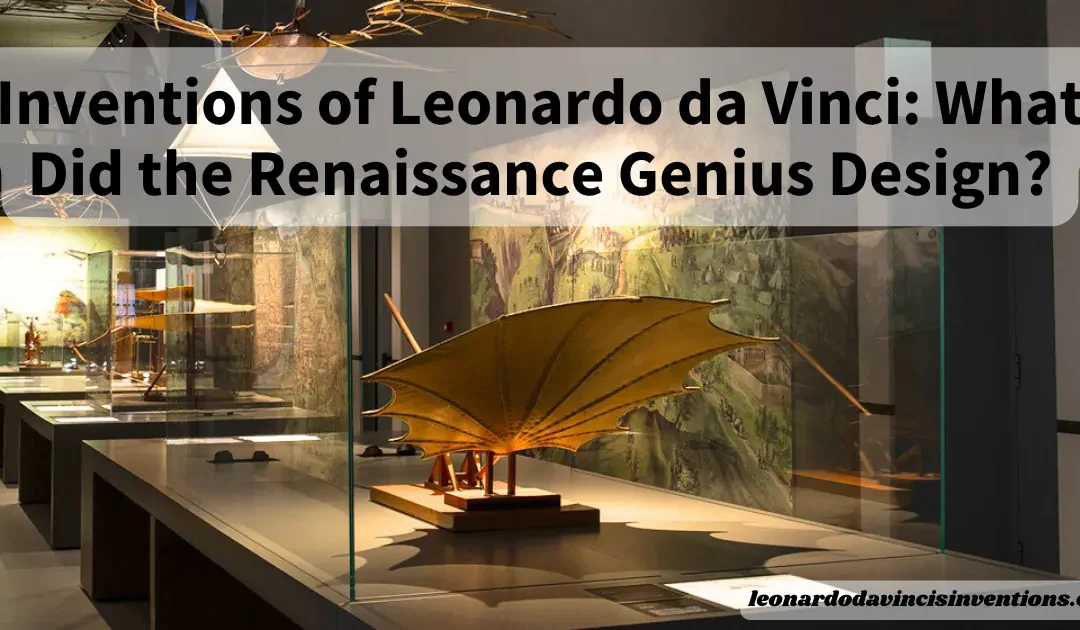
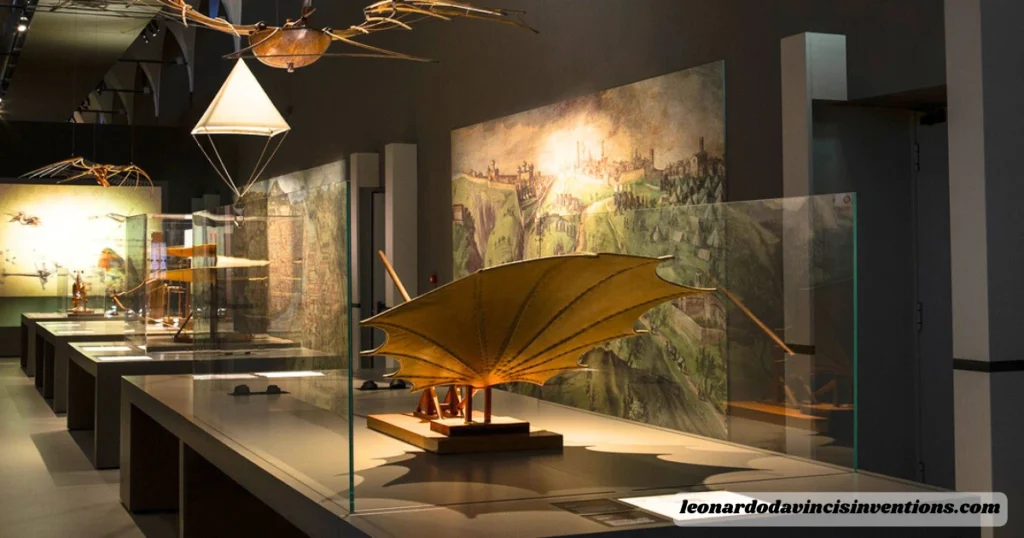
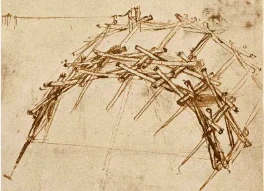
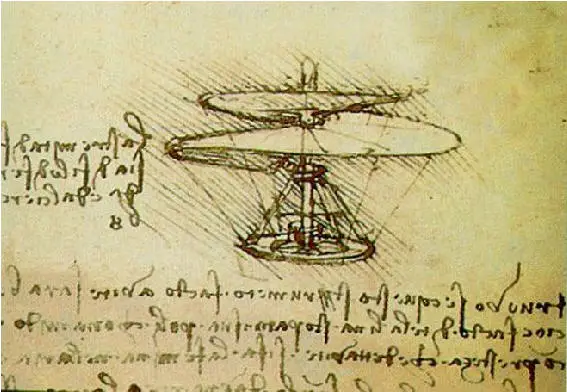
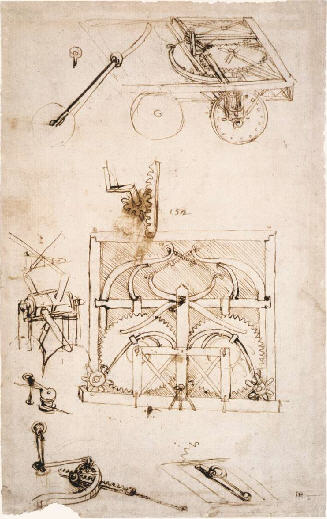
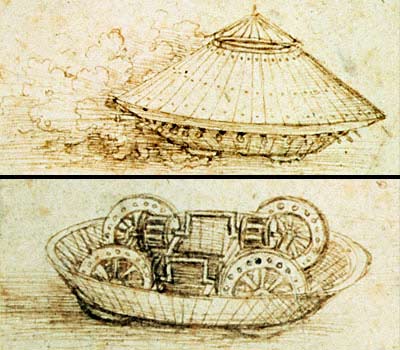
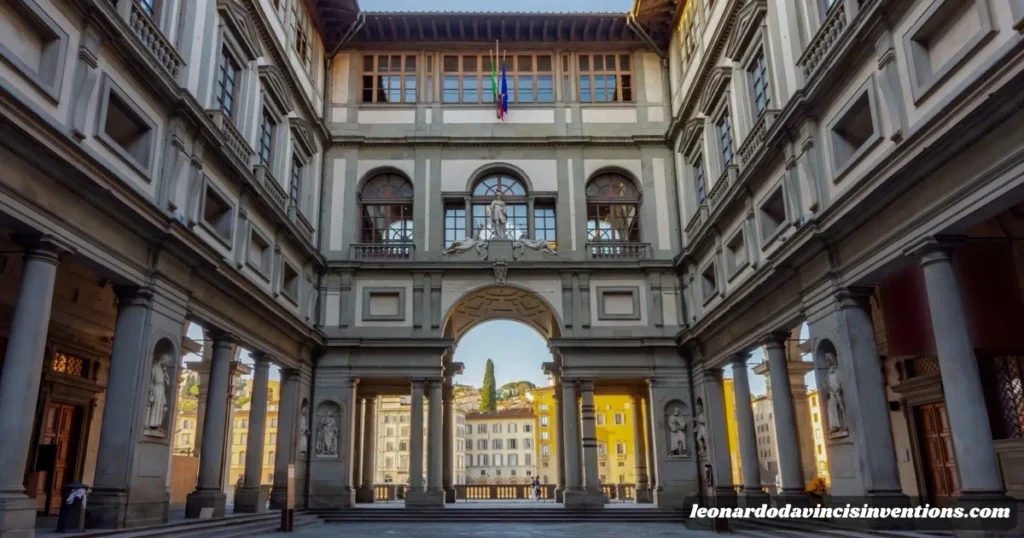
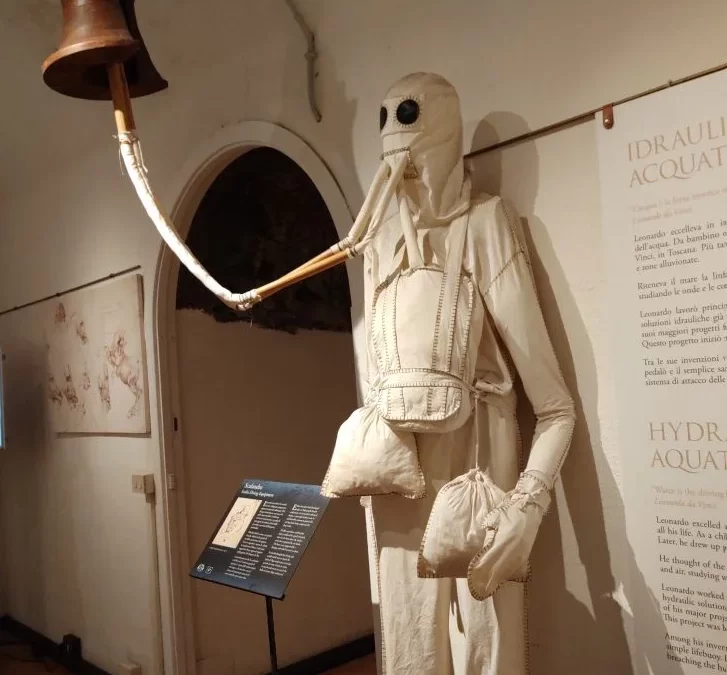
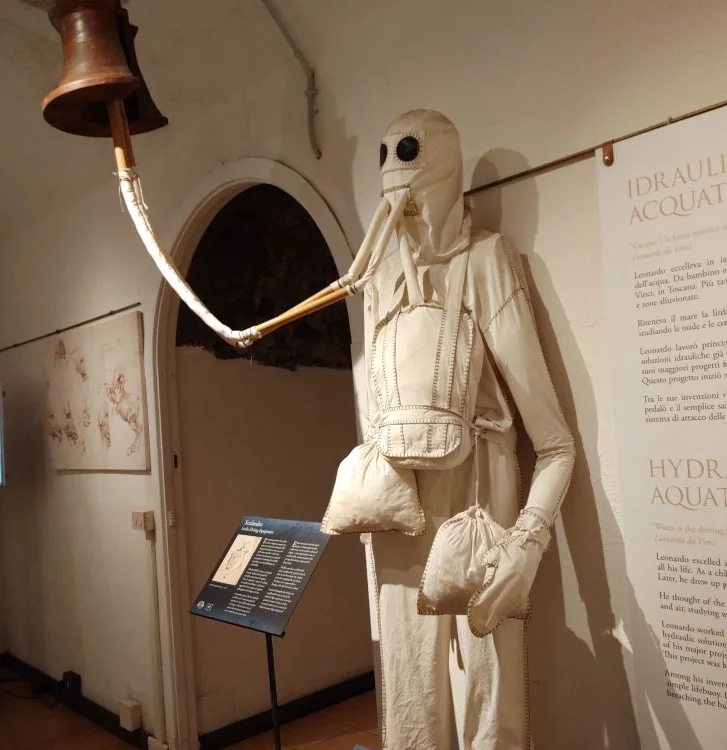
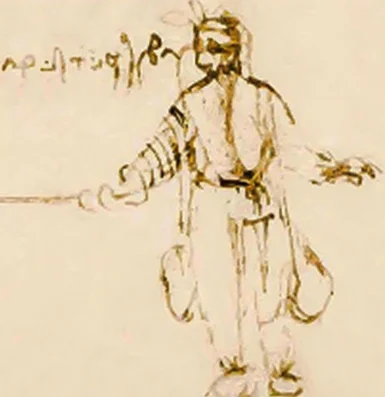
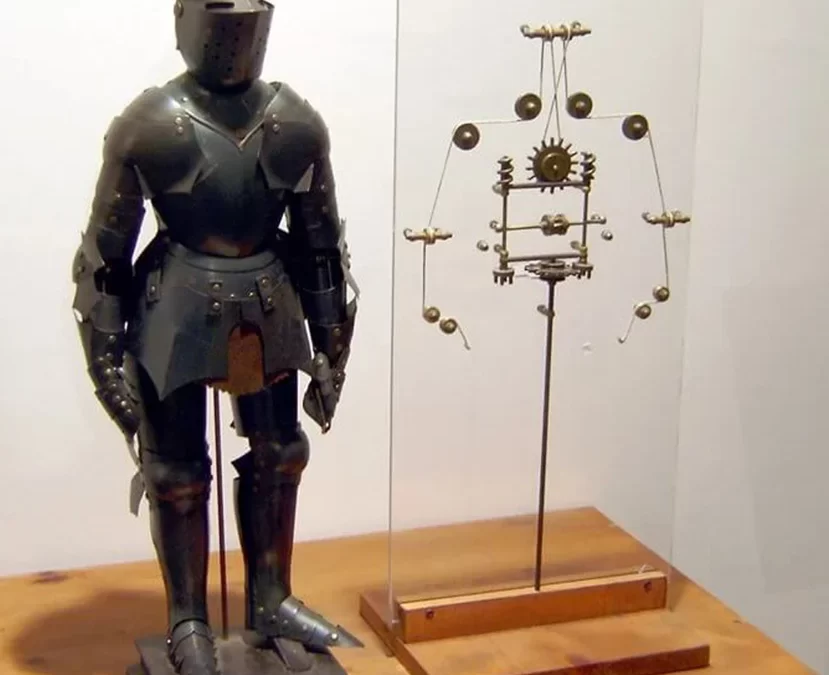
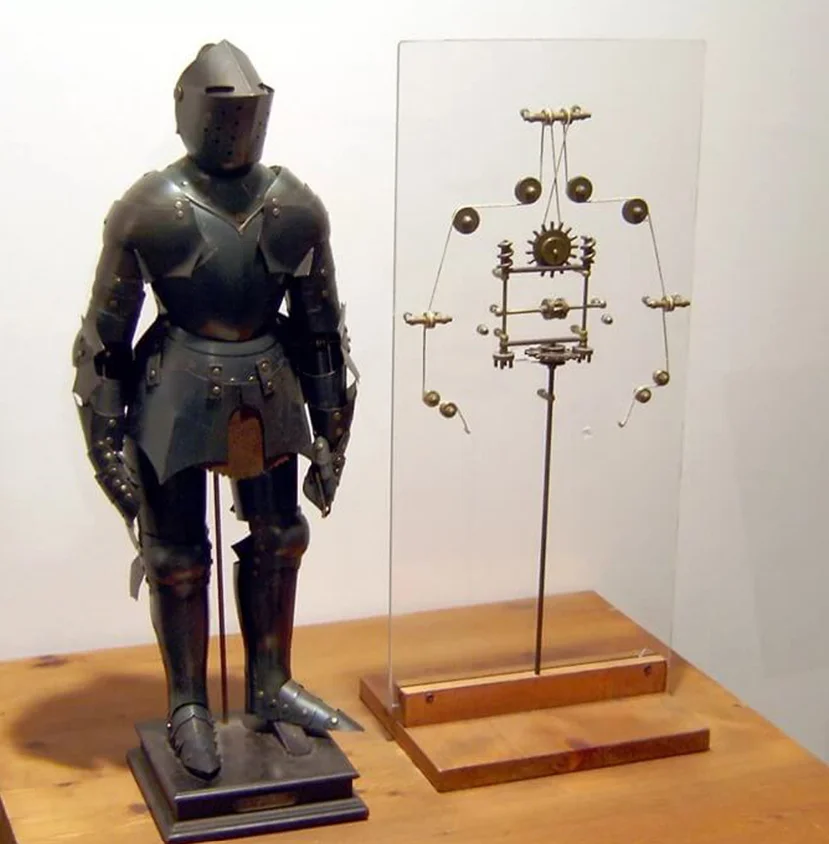
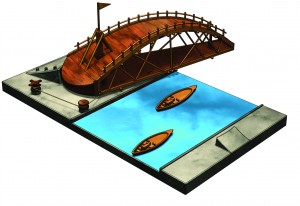
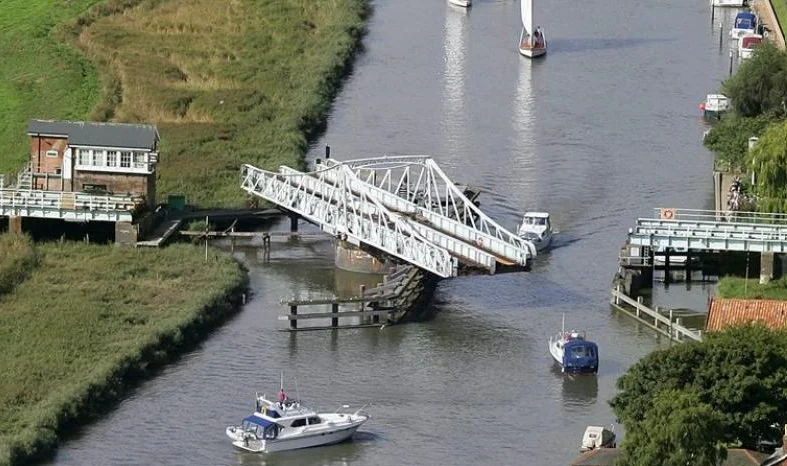
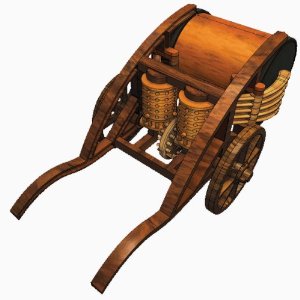
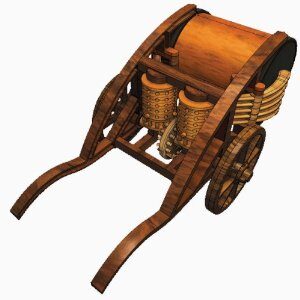

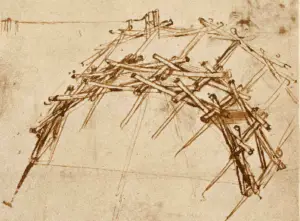
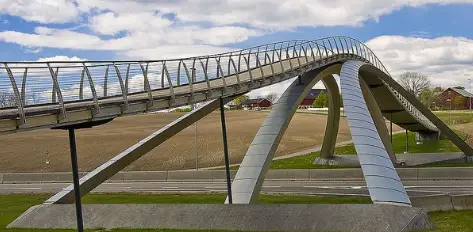
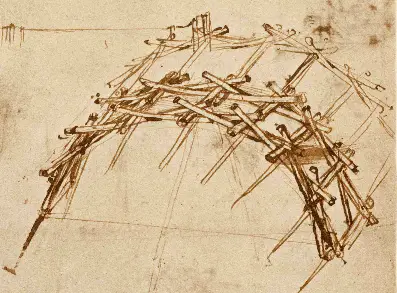
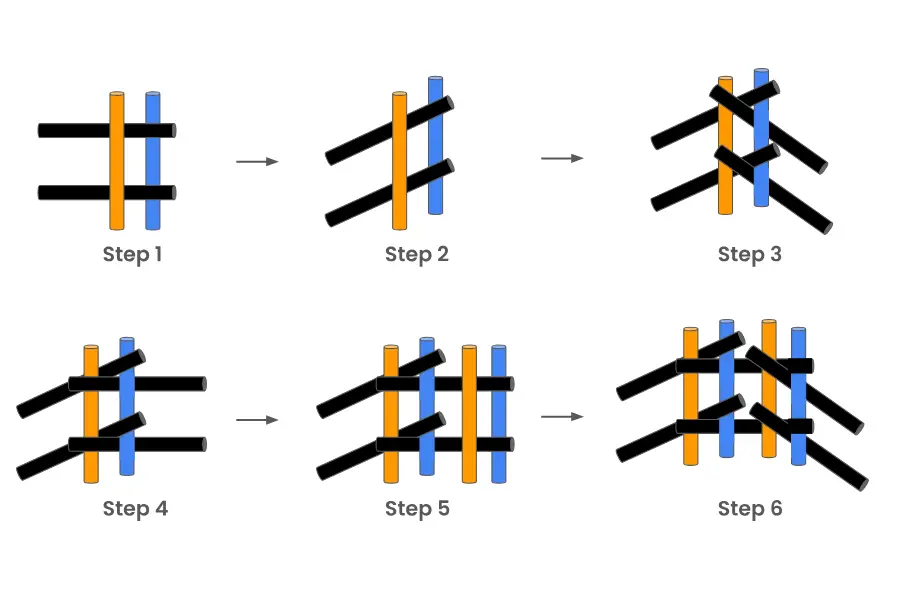



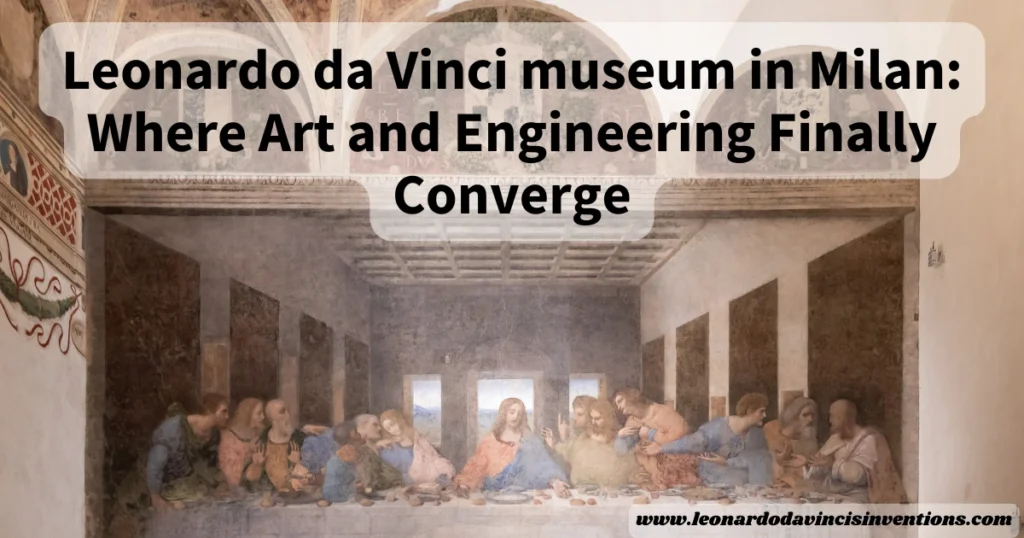
 Leonardo Bianchi is the founder of Leonardo da Vinci Inventions & Experiences, a travel and research guide exploring where to experience Leonardo’s art, engineering, and legacy across Italy and Paris.