
(Last updated: Sep 2026)
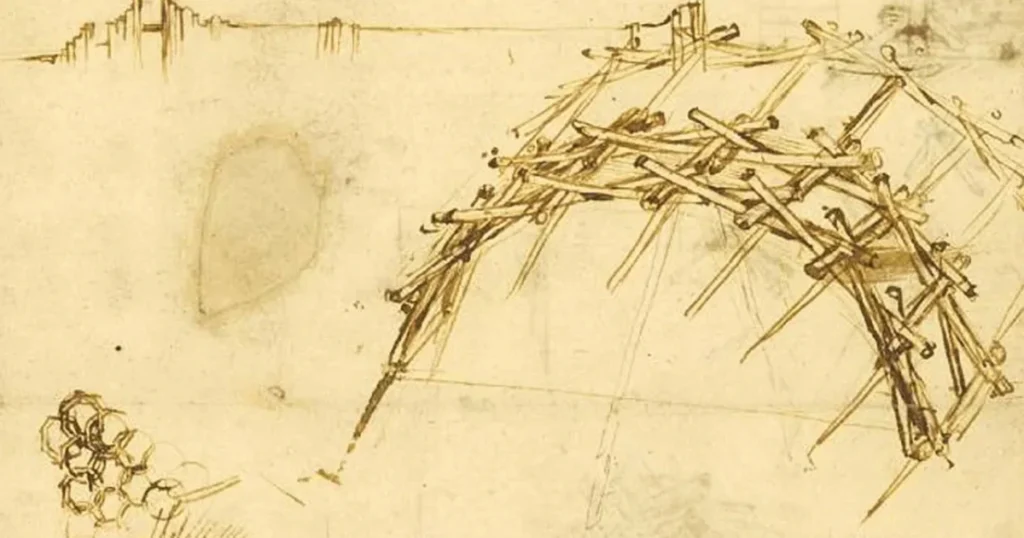
The Leonardo da Vinci bridge is one of the most quietly radical ideas to emerge from the Renaissance. Long before modern engineers had computers or steel cables, da Vinci sketched a structure that could hold itself together using nothing but the geometry of its own parts.
It looked simple on paper, almost like a puzzle. But the idea behind it solved a real military problem, and centuries later, it still fascinates engineers, historians, and curious travelers alike.
This bridge matters because it shows how da Vinci thought differently than almost anyone else of his time. He wasn't just drawing pretty diagrams; he was solving practical problems with logic, balance, and physics that wouldn't be formally understood for another three hundred years.
That's also exactly why it enhances any trip through Renaissance Italy — standing where these ideas were born gives history a physical weight that a textbook never can.
This post is all about the Leonardo da Vinci bridge, how it works, and where you can actually see it brought to life today.
What is the Leonardo da Vinci Bridge?
The Leonardo da Vinci bridge is a self-supporting wooden structure designed by Leonardo around 1487–1490, likely for rapid military deployment. It uses interlocking beams held together purely by pressure and geometry — no nails, ropes, or fasteners of any kind. The design allowed troops to build and remove a working bridge in minutes.
The Engineering Idea Behind the Leonardo da Vinci Bridge
A Military Problem Da Vinci Wanted to Solve
Da Vinci worked for years as a military engineer, first for various Italian city-states and later for figures like Cesare Borgia. This side of his career rarely gets the same attention as his paintings, but it shaped a huge portion of his notebooks. Leonardo da Vinci as an inventor was just as focused on siege equipment, fortifications, and battlefield logistics as he was on art.
Armies of the time faced a recurring problem: rivers and ravines slowed troops, and building a stable bridge on the spot required time, tools, and materials that weren't always available in the field. A traditional bridge needed nails, ropes, or metal joints, all of which had to be carried, and all of which took time to assemble under pressure. If enemy forces were closing in, that delay could be fatal.
Da Vinci's answer was a bridge that didn't need any of that. His notebooks show a structure made from simple straight logs, cut and notched so they could lock into one another. No blacksmith, no nails, no ropes. Just wood and geometry doing all the work.
It's a design that reflects how Leonardo da Vinci approached military engineering in general: strip a problem down to its simplest physical principles, then build a solution around those principles rather than around available tools.
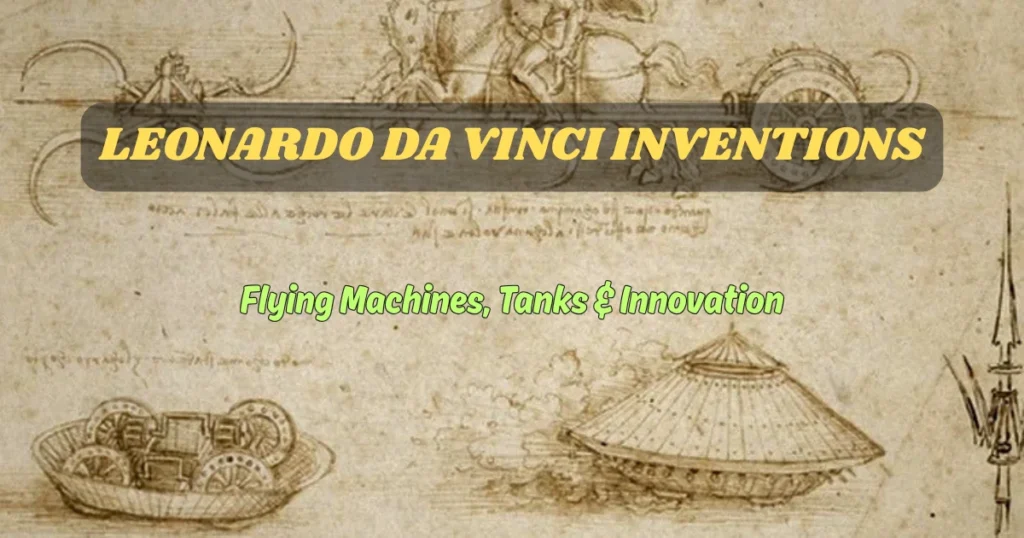
This wasn't an isolated idea, either. Da Vinci's military inventions included proposals for armored vehicles, multi-barreled guns, and scaling ladders, all sketched with the same obsessive attention to mechanical detail. The bridge fits into that same body of work: practical, fast to deploy, and engineered for soldiers rather than architects.
The Logic of Self-Supporting Structures
This is where da Vinci's design becomes genuinely clever. Instead of relying on a single strong beam to span a gap, he distributed the load across many shorter beams that pressed against each other. Each piece supports its neighbor, and the whole structure locks into place under its own weight.
Think of it like a stack of interlocking fingers. On their own, each finger is weak and would bend under pressure. Laced together the right way, they suddenly resist force from multiple directions at once.
That's essentially what happens across the length of the Leonardo da Vinci bridge design — dozens of small, individually unremarkable pieces of timber becoming one rigid structure the moment they're locked together correctly.
It's the same basic principle you'll find in some modern self-supporting timber structures, sometimes called reciprocal frame structures, and it's part of why historians consider da Vinci's civil engineering work as advanced in concept as his more famous paintings and inventions. What makes it remarkable is the timing.
The mathematical language to formally describe these forces — the study of structural mechanics — wouldn't be developed until well into the 18th and 19th centuries. Da Vinci arrived at a working version of the same ideas through observation, sketching, and trial and error alone.
Seeing a working scale model of this kind of structure in person is genuinely different from reading about it, which is part of why many visitors touring Renaissance workshops in Milan choose to pair a museum stop with a guided Leonardo da Vinci experience, where working models of his inventions are demonstrated hands-on.
How the Leonardo da Vinci Bridge Works
The Physics of Compression and Balance
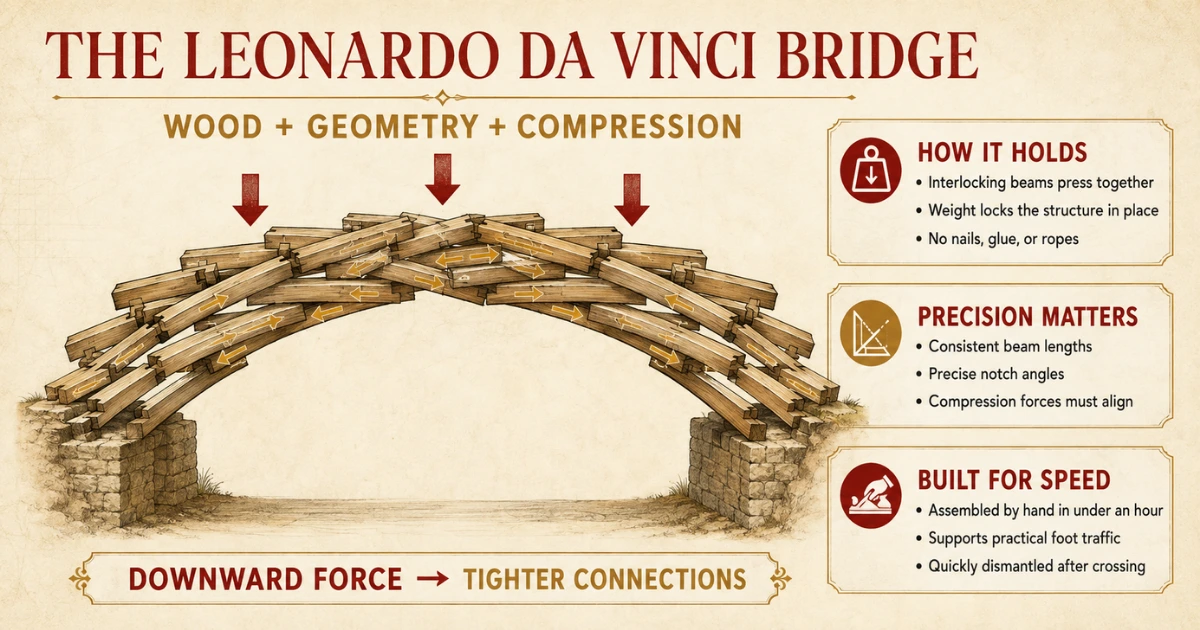
At its core, the da Vinci self-supporting bridge relies on compression rather than tension. Every beam pushes against another beam, and that pushing force is what keeps the whole thing rigid. There's no glue holding it together — the weight of the structure itself is what locks the pieces in place.
This is why the design is sometimes described as a puzzle bridge. Pull out the wrong piece, and the structure can come apart. Assemble it correctly, and it becomes remarkably stable, even without a single fastener.
The more weight that's placed on top of the structure, in fact, the tighter the beams press against one another — meaning a loaded bridge can actually behave more stably than an empty one, up to a point.
This self-reinforcing quality is what separates da Vinci's bridge from a simple stack of logs. A pile of wood collapses under weight. His arrangement does the opposite: it uses that same downward force to hold itself together.
Da Vinci's Bridge Calculations Explained
Da Vinci's notebooks reveal a level of geometric planning that was unusual for his era. He worked out the exact angles and lengths so that each beam would sit at the right tension point relative to the next. Modern engineers who have modeled his sketches note that the math checks out — the structure genuinely can bear meaningful weight when built to his proportions.
Engineering researchers who have studied da Vinci's bridge calculations point out that the design depends heavily on consistent beam length and a precise notch angle. Change either variable too much, and the compression forces no longer line up correctly. Da Vinci seems to have understood this intuitively, since his sketches include multiple variations testing different beam counts and spans, almost like an engineer running design iterations today.
That's part of why the question "is the da Vinci bridge strong?" comes up so often. The honest answer: yes, within the scale and materials he intended. It wasn't designed to replace permanent stone bridges — it was designed to get an army across a gap quickly and safely, then be taken apart just as fast. Judged against that goal, rather than against a modern highway bridge, it's a genuinely successful piece of engineering.
Building It Without a Single Nail
Modern reconstructions, including ones built by engineering students and museums, have confirmed that the bridge can be assembled by hand in under an hour using only straight timber. Watching one go up is oddly satisfying — pieces that look unstable on their own suddenly lock into a rigid arch the moment the last beam slides into place.
Some reconstructions have gone further, testing the bridge's real-world load capacity by having people walk across it. These tests generally confirm what da Vinci's sketches implied: the design holds up under practical foot traffic, though it was never intended to carry the loads a modern vehicle bridge would need to handle. For a 15th-century military crossing, that was more than enough.
What's easy to miss is how quickly the bridge could be dismantled as well. A structure this dependent on precise compression can be taken apart almost as fast as it's assembled, simply by removing key beams in the right order. For an army trying to cross a river and then prevent pursuit, that reversibility was arguably as valuable as the initial build speed.
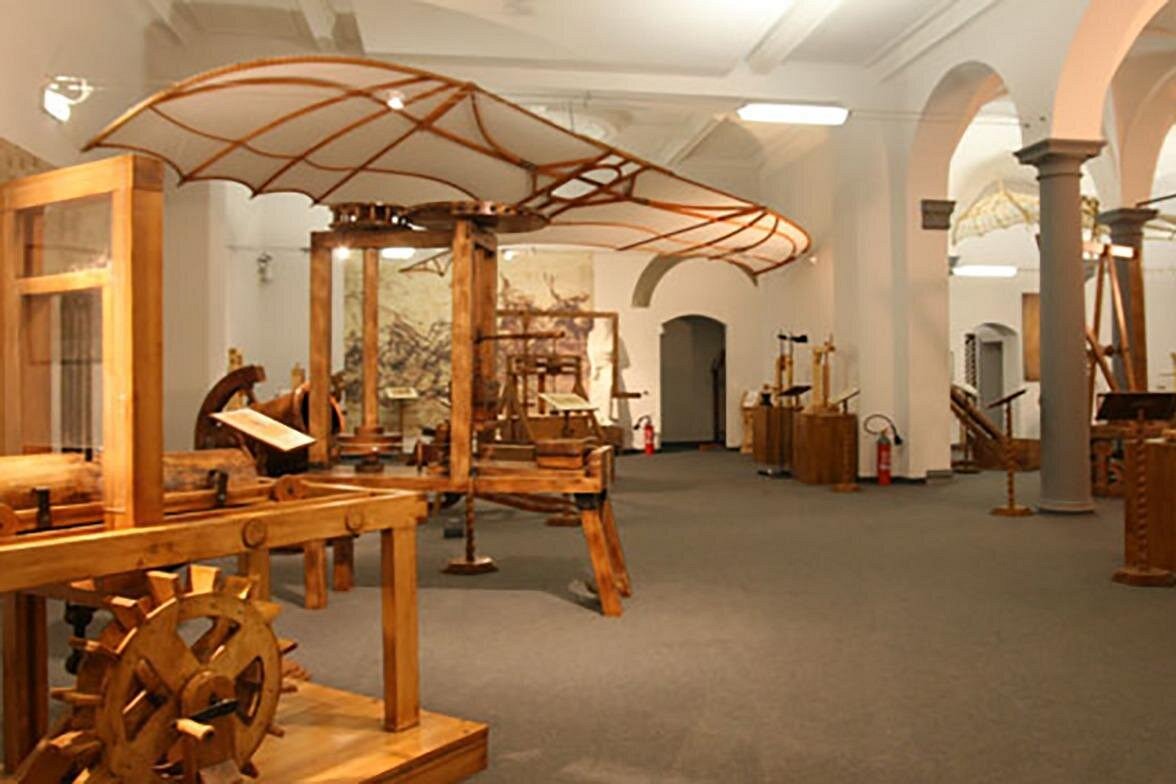
Discover Leonardo Machines in Milan
See full-scale reconstructions of Leonardo’s inventions and discover the engineering ideas behind his designs
Explore Leonardo Museum ToursLeonardo da Vinci Museum Visit, Milan
A guided walk through rooms of full-scale working models built directly from da Vinci's original sketches.
- Hands-on demonstrations of his self-supporting bridge design
- Models of his military and flying inventions in the same collection
- Skip-the-line entry with a knowledgeable local guide
Visitors often note how much clearer the engineering feels once they see the pieces move. Check availability
Where to See the Leonardo da Vinci Bridge Today
Modern Replicas and Museum Exhibits
You won't find da Vinci's original bridge standing anywhere — it was never built at full scale during his lifetime, at least not to the extent that historical records confirm. What you will find are faithful working models, built strictly from his notebook sketches, on display in several museums dedicated to his inventions across Italy.
These models let visitors do something da Vinci's own contemporaries rarely got to do: actually see the bridge assembled, load-tested, and explained piece by piece.
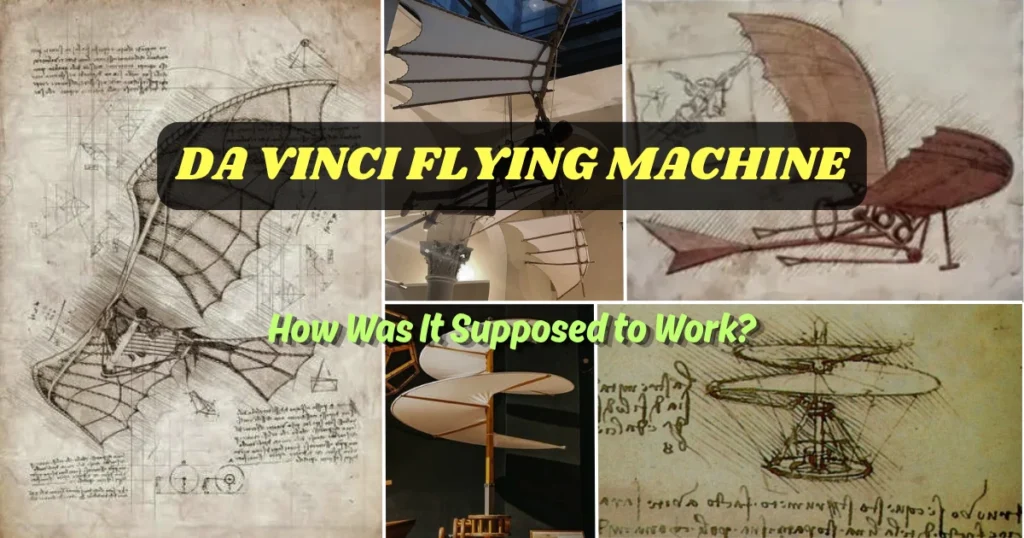
Many of these exhibits sit alongside reconstructions of his other engineering sketches, from armored tanks to early parachute designs, which helps place the bridge in the wider context of his career as a military engineer rather than treating it as an isolated curiosity.
Cities Where You Can Experience Da Vinci's Engineering Legacy
Florence and Milan both hold significant collections of da Vinci-inspired engineering models, since these were the two cities where he spent the most time developing his ideas as a young engineer. Milan in particular has strong ties to his civil engineering work, since it's where he was formally employed as a military and hydraulic engineer under Ludovico Sforza for nearly two decades.
Smaller exhibits and touring collections occasionally appear in Rome and Venice as well, often tied to broader Renaissance exhibitions. If your travel plans include more than one of these cities, it's worth checking current exhibit schedules before you go, since some of the larger touring collections rotate locations throughout the year.
Exploring Leonardo da Vinci in Milan, Florence, Venice, Rome, and Paris
Da Vinci's engineering mind didn't develop in isolation — it was shaped by the cities he lived and worked in. In Milan, he served as a military and civil engineer under Ludovico Sforza, sketching canal systems and fortifications alongside his bridge designs. In Florence, his early training as an artist and craftsman gave him the technical drawing skills that made his engineering notebooks so precise.
Further afield, Venice commissioned da Vinci for defensive engineering work, including proposals for protecting the lagoon city from naval attack. Rome connects to his later years working under papal patronage, a quieter chapter compared to his time as a military engineer but one that still shows the same restless curiosity in his notebooks.
Paris holds a different kind of legacy entirely — it's where da Vinci spent his final years, invited by King Francis I, and where many of his original notebooks eventually entered public collections.
Each city adds a different layer to the story. Milan shows the engineer. Florence shows the craftsman learning his trade. Venice and Rome show a consultant solving problems for powerful patrons. Paris shows the final chapter, where a lifetime of sketches and unfinished ideas finally came to rest.
Visiting more than one of these cities on the same trip makes the throughline in da Vinci's work much easier to see than reading about any single location in isolation.
Experience Leonardo da Vinci's Genius in Person
Reading about the da Vinci self-supporting bridge is interesting. Standing next to a working model of it, watching someone lock the final beam into place and step back as the whole structure holds its own weight, is a different kind of understanding entirely.
Several museums across Italy have built exhibits specifically around da Vinci's engineering sketches, pairing full-scale bridge models with his other military inventions — catapults, armored vehicles, and early diving equipment. Walking through one of these spaces turns the notebooks into something tangible: you see the same logic that built the bridge repeated across dozens of his other designs.
Many visitors say the bridge model is the exhibit that sticks with them longest, simply because it's the one you can watch come together in real time. If you're planning a stop in Florence or Milan, it's worth building in time for one of these guided visits — the context a knowledgeable guide adds is hard to get from a plaque alone.
Explore Leonardo da Vinci Experiences
Final Thoughts
This post was all about the Leonardo da Vinci bridge — a design that reveals just how far ahead of his time da Vinci really was. Long before modern engineering had the language to describe compression forces and load distribution, he had already worked it out with wood, geometry, and careful observation.
That's the broader story of the Renaissance itself: a period where art, science, and problem-solving weren't separate disciplines but different expressions of the same curious mind.
Da Vinci didn't see a contradiction between painting a masterpiece and sketching a battlefield bridge in the same notebook. Both were, to him, problems of proportion, balance, and observation.
Seeing da Vinci's bridge in person, even as a modern reconstruction, connects you directly to that mindset. It's one thing to admire his genius from a page. It's another to watch it hold its own weight in front of you, built from nothing more than wood, geometry, and an idea that was centuries ahead of its time.
Related Post You May Like
Disclosure: This page may contain affiliate links. If you book through them, we may earn a small commission at no extra cost to you. Learn more.
Free Leonardo Milan Travel Guide
Plan Your Leonardo Trip in Milan
A premium mini guidebook for smarter Milan planning, including the best ticket strategy, Leonardo map, and practical visitor advice.
Get the Free Guide
Download the guide and receive practical Milan planning tips by email.
Download the Free Guide >> Leonardo Bianchi is the founder of Leonardo da Vinci Inventions & Experiences, a cultural travel guide helping visitors explore Leonardo da Vinci’s art, inventions, and legacy across Italy and Paris.