
(Last updated: April 2026)
Northern Renaissance art stands as one of the most extraordinary achievements in the history of Western civilization — a flowering of painting, printmaking, and intellectual inquiry that transformed how Europeans understood the world and their place within it.
While Italy blazed the early trail of Renaissance thinking, a parallel revolution was taking shape north of the Alps. In the workshops of Bruges, Ghent, Nuremberg, and Antwerp, artists developed a distinctive vision: meticulous detail, luminous oil paint, and an intense fascination with the human face and natural world.
Leonardo da Vinci occupies a unique position in this story. As an Italian master deeply aware of northern techniques, he bridges both worlds. Understanding northern European Renaissance art deepens our appreciation of Leonardo's genius and enriches every visit to the great museums and Renaissance cities of Europe.
This guide explores the world of Northern Renaissance art — its origins, masters, defining characteristics, and places where you can still encounter it today.
What Is Northern Renaissance Art?
Northern Renaissance art was a cultural movement in Northern Europe (the Netherlands, Belgium, Germany, and France) from the late 14th to the 16th century, known for its detailed realism, mastery of oil painting, and focus on everyday life.
The Origins and Historical Context of the Northern Renaissance
To understand the Northern Renaissance, we need to step back to the late Middle Ages. Northern Europe in the 1300s and early 1400s was a world of prosperous trading cities, powerful merchant families, and a Church that commissioned art on a grand scale. This was the fertile ground from which a new kind of art would grow.
When Was the Northern Renaissance?
Historians generally date the Northern Renaissance from around 1380 to 1600, though the most celebrated period runs from the early 1400s through the mid-1500s. The movement did not appear overnight. It grew gradually as artists, scholars, and merchants exchanged ideas across the continent.
The invention of the printing press by Johannes Gutenberg around 1440 greatly accelerated the spread of Renaissance ideas. Books, illustrations, and prints could now reach audiences across Europe in ways never before possible.
What Was the Northern Renaissance?
The Northern Renaissance was not simply an imitation of Italian ideas. It was an independent movement shaped by local traditions, religious culture, and the particular needs of its patrons. Northern artists were fascinated by the visible world — light falling through a window, the texture of cloth, the expression on a merchant's face.
While Italian Renaissance artists pursued idealized beauty and classical proportion, northern painters often embraced the particular and the specific. Their altarpieces, portraits, and landscapes feel startlingly real, as if we could step into the scene.
Trade, Cities, and the Rise of a New Art World
The cities of the Low Countries — Bruges, Ghent, and later Antwerp — were among the richest in Europe. Wealthy merchants and powerful guilds commissioned ambitious works of art. This commercial prosperity gave northern artists access to the finest materials and a sophisticated, demanding audience.
Italy had its Medici; the north had its merchant princes. Both groups understood that great art was also a statement of cultural authority.
Northern Renaissance Art Characteristics: What Makes It Distinctive?
One of the most common questions students and travelers ask is: What sets Northern Renaissance paintings apart?
The table below highlights the key characteristics that define Northern Renaissance art, from mastery of oil painting to detailed realism and expressive portraiture.
| Characteristic | What It Means | Why It Matters |
|---|---|---|
| Oil Painting Mastery | Artists like Jan van Eyck perfected oil paint for smooth blending and light effects | Created rich colors, depth, and luminous paintings |
| Attention to Detail | Extreme precision in textures, objects, and fine elements | Reflected both technical skill and spiritual meaning |
| Portraiture & Realism | Focus on individual faces and psychological depth | Showed human identity and emotion more clearly |
| Landscape Integration | Detailed natural backgrounds and environments | Elevated nature as an important artistic subject |
| Light & Texture Effects | Use of layered glazes to capture light, reflections, and surfaces | Made artworks appear realistic and lifelike |
The Mastery of Oil Paint
If there is one technical achievement that defines early northern Renaissance art, it is the development and perfection of oil painting. Jan van Eyck, working in Bruges in the early 1400s, brought oil paint to a level of refinement that astonished contemporaries and continues to astonish us today.
Oil paint dries slowly, which allows artists to blend colors smoothly, build up layers of translucent glaze, and capture effects of light that earlier tempera paint simply could not achieve. The result is paintings that seem to glow from within.
Extraordinary Attention to Detail
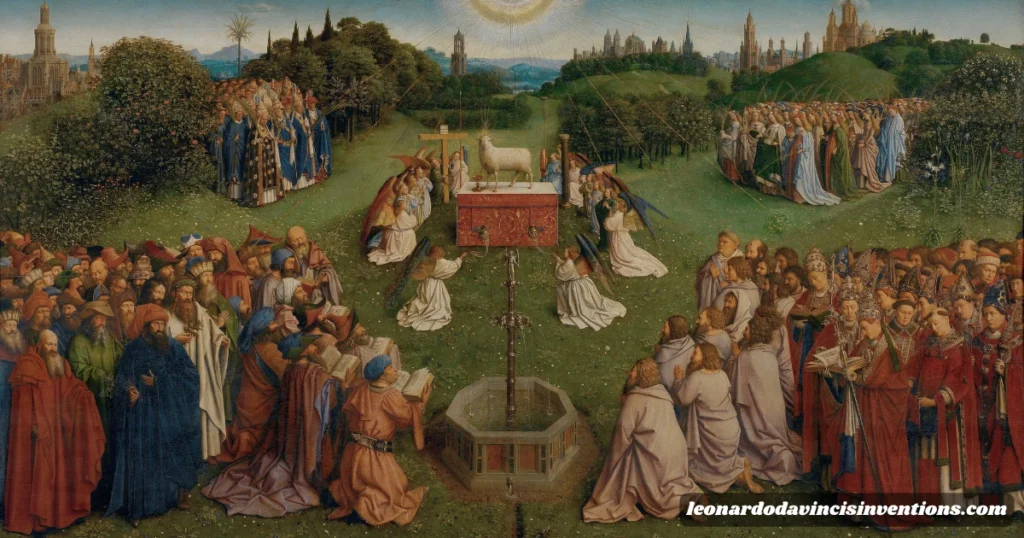
Northern Renaissance paintings are famous for their minute observation of the physical world. A Jan van Eyck altarpiece rewards hours of close looking — every jewel, every fold of fabric, every strand of hair is rendered with breathtaking precision.
This love of detail was not mere technical showing-off. It reflected a theological conviction that God's creation was worth studying and celebrating in every particular. The visible world was a mirror of the divine.
Portraiture and the Human Face
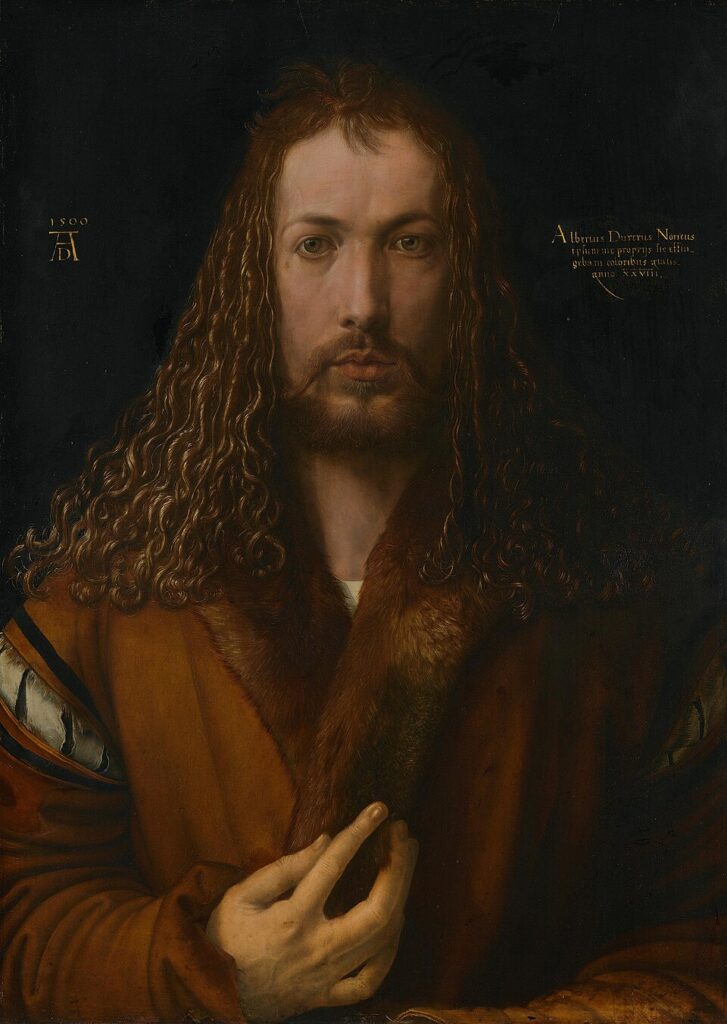
Northern Renaissance painters were pioneers of portraiture. Works such as the Annunciation by Jan van Eyck in Washington (held in the National Gallery of Art) and the famous self-portrait of Albrecht Dürer — the Self Portrait at the Age of Twenty-Eight — reveal an intense interest in individual personality and psychological depth.
Dürer's 1500 self-portrait is particularly striking. He depicts himself with a Christ-like gravity, asserting the dignity of the artist as a creative genius. It is one of the most powerful images produced by any northern Renaissance artist.
Landscape as Subject
Northern European Renaissance art gave landscape a prominence it had not enjoyed before. Flemish and German masters painted backgrounds of extraordinary depth and beauty — hills, rivers, cities glimpsed through windows. In time, landscape became an independent subject, a northern contribution to European art that would influence painting for centuries.
Famous Northern Renaissance Artists and Their Masterworks
The gallery of famous northern Renaissance artists is rich with extraordinary talent. These painters created works that continue to define how we understand art, humanity, and the natural world.
Jan van Eyck: Father of Flemish Painting
Jan van Eyck (c. 1390–1441) is arguably the greatest of all northern Renaissance painters. Working for the Duke of Burgundy and wealthy Bruges merchants, he produced works of staggering beauty and complexity.
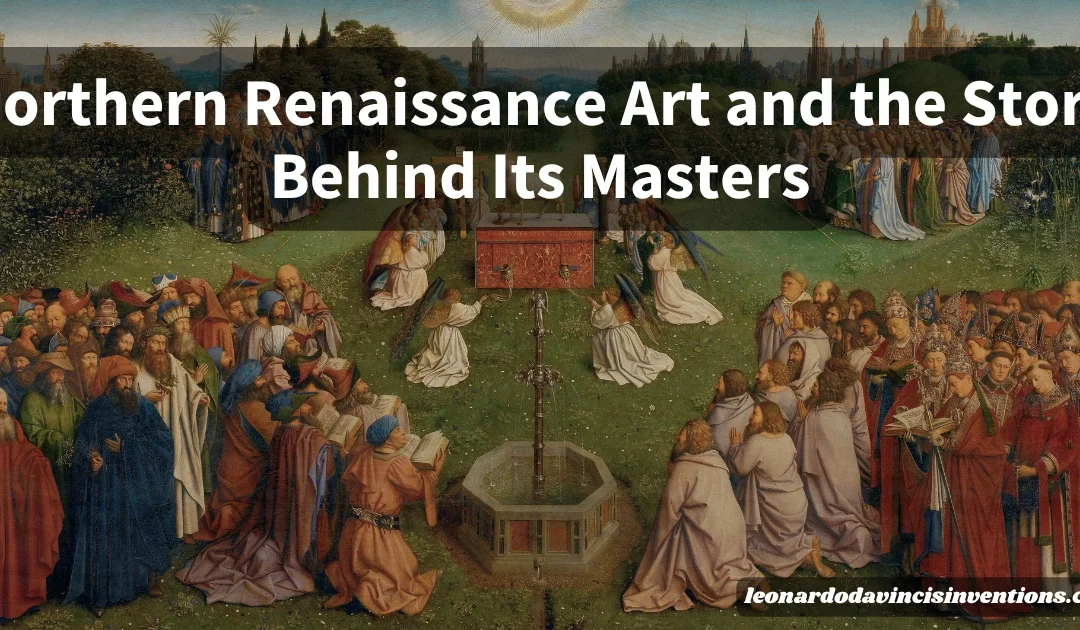
His Ghent Altarpiece, completed in 1432, is considered one of the most important paintings in Western art. The Annunciation (Washington) and the Arnolfini Portrait (London) show his mastery of oil paint and his ability to transform ordinary scenes into moments of profound significance.
Albrecht Dürer: The Universal Genius of the North
If Leonardo was the universal genius of Italy, Albrecht Dürer (1471–1528) was his northern counterpart. Born in Nuremberg, Dürer traveled to Italy and absorbed Renaissance ideas about proportion, perspective, and the dignity of the artist.
His prints — woodcuts and engravings — spread Renaissance imagery across Europe more effectively than any other medium. His Self Portrait at the Age of Twenty-Eight remains one of the most analyzed paintings of the entire Renaissance period. We dedicate a full article to Dürer's life, his Italian journeys, and his enduring influence.
Hans Holbein, Rogier van der Weyden, and Pieter Bruegel
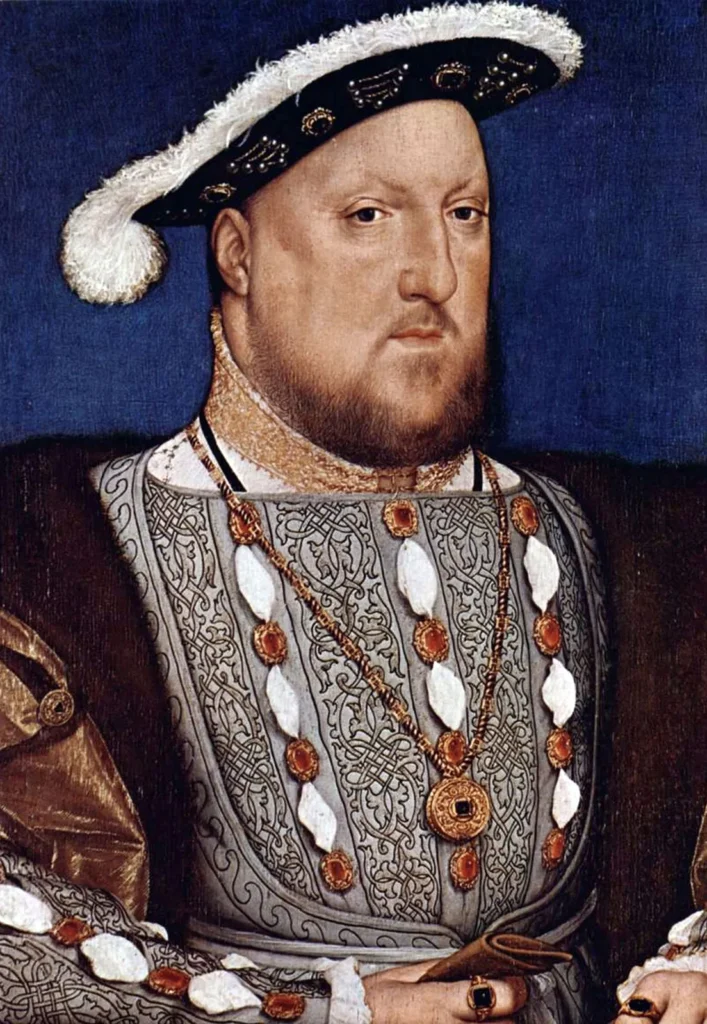
The list of famous northern Renaissance artists extends far beyond van Eyck and Dürer. Rogier van der Weyden brought profound emotional intensity to religious painting. Hans Holbein the Younger became the supreme court portraitist of the Tudor age, capturing Henry VIII and his court with cool, penetrating clarity.
Pieter Bruegel the Elder turned to the everyday world — peasant festivals, winter landscapes, the chaos of village life — and elevated it to the level of high art. Each of these masters deserves a dedicated exploration, and our supporting articles cover their key works, techniques, and historical context in detail.
Northern Renaissance vs Italian Renaissance: Two Visions of a New Age
No question in Renaissance studies is more debated than this: how do the northern and Italian Renaissances compare? The answer is not simply that one was better or more advanced — they were genuinely different, shaped by different cultures, patrons, and artistic traditions.
When Did the Italian Renaissance Start?
The Italian Renaissance is generally dated from the late 13th and early 14th centuries, with figures like Giotto and Dante laying its foundations. The high point came in the 15th and early 16th centuries — the age of Donatello, Botticelli, Leonardo da Vinci, Michelangelo, and Raphael.
Italian Renaissance art placed enormous emphasis on the classical world of ancient Greece and Rome. Proportion, ideal beauty, and the nude human figure were central concerns. Italian Renaissance facts — such as the discovery of linear perspective by Brunelleschi around 1420 — had a profound impact on Western art.
Northern Renaissance painters were less interested in classical antiquity and more focused on the immediate, visible world. Where Italian artists idealized the human body, northern painters observed it in minute, unsentimental detail.
Yet both movements shared a core conviction: that the individual human being mattered, that careful observation of the world was worthwhile, and that art could illuminate the deepest truths of existence. The southern and northern Renaissances were, in a sense, two languages describing the same great transformation.
How Leonardo Bridges Both Worlds
Leonardo da Vinci is unique in Renaissance history because he was deeply aware of northern techniques. He studied Flemish paintings and shared the northern passion for natural observation — dissecting bodies, studying plants, and filling notebooks with meticulous drawings.
Understanding the northern European Renaissance helps us see Leonardo in a richer context. He was not simply an Italian genius working in isolation — he was part of a pan-European conversation about art, science, and what it means to be human.
Where to Experience Leonardo's Legacy
For travelers inspired by the Northern Renaissance and Leonardo's world, Europe offers an extraordinary range of museums, exhibitions, and historic sites. These places preserve masterpieces that have survived wars, revolutions, and the passage of centuries.
Florence and the Uffizi Gallery
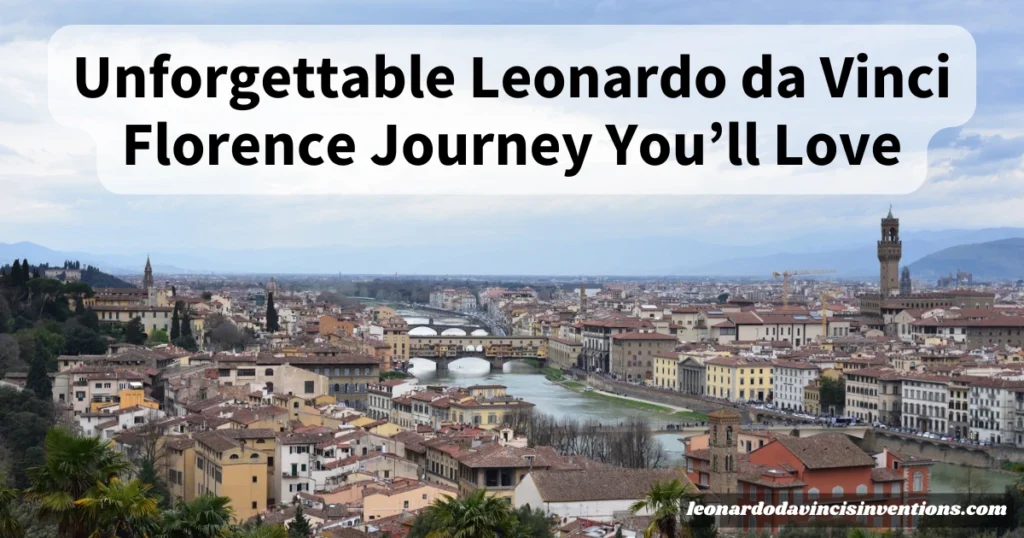
Florence remains the spiritual capital of Renaissance art. The Uffizi Gallery holds Leonardo's early Annunciation and Adoration of the Magi, alongside masterpieces by Botticelli, Raphael, and Titian. Walking through the Uffizi is like moving through the entire arc of Italian Renaissance history in a single afternoon.
The city itself is a living Renaissance monument. The Duomo, the Baptistery, the churches of Santa Croce and San Marco — all reward the curious traveler.
Milan and The Last Supper
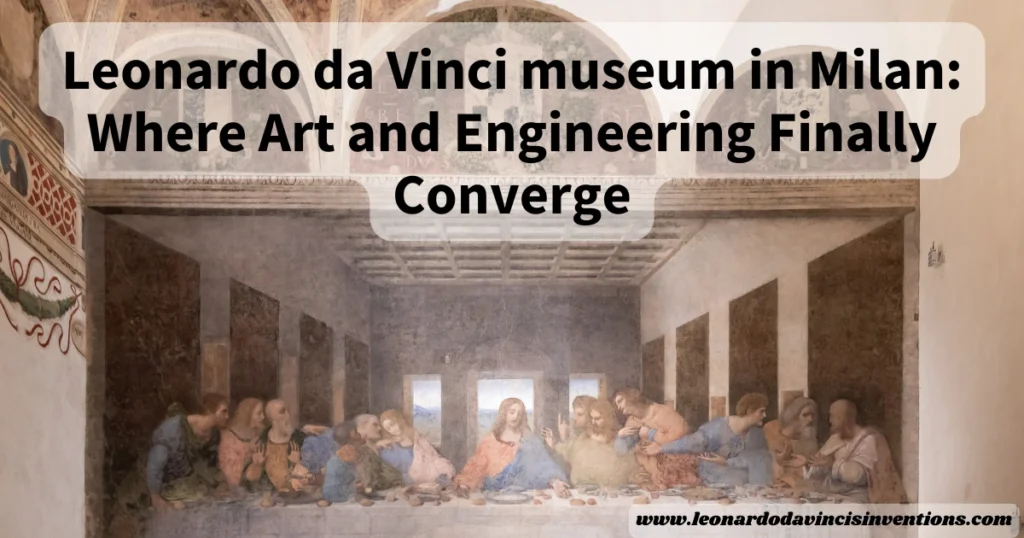
Milan is home to Leonardo's most famous work, The Last Supper, painted on the refectory wall of Santa Maria delle Grazie. This fragile masterpiece — damaged almost from the moment it was completed — can only be viewed in small groups by timed reservation. Booking well in advance is essential.
Milan's Museo Nazionale della Scienza e della Tecnologia presents full-scale models of Leonardo's machines, making it an ideal destination for visitors interested in his engineering inventions alongside his art.
Paris, the Louvre, and Northern Renaissance Treasures
The Louvre in Paris houses one of the world's greatest collections of Renaissance art. Leonardo's Mona Lisa and Virgin of the Rocks are here, but so are extraordinary examples of Netherlands Renaissance art — Flemish altarpieces, van Eyck-influenced panels, and portraits that illuminate the northern tradition.
The Louvre's Department of Paintings and its dedicated Leonardo exhibitions make Paris an essential destination for any serious student of Renaissance art.
Ghent, Bruges, and the Heart of Flemish Painting
For travelers seeking the origins of northern European Renaissance art, the Belgian cities of Ghent and Bruges are unmissable. The Ghent Altarpiece by Jan van Eyck is installed in the Cathedral of Saint Bavo in Ghent — a work so important that it was stolen multiple times throughout history, most recently by the Nazis during World War II.
Bruges preserves its medieval character more completely than almost any other European city. Walking its canal-side streets, it is easy to imagine the world that Jan van Eyck and his contemporaries inhabited.
Experience Leonardo's World in Person
Reading about the Northern Renaissance in books and articles is rewarding — but nothing compares to standing in front of the works themselves. The scale, texture, and luminosity of original paintings cannot be reproduced in photographs or on screens.
Planning Your Leonardo and Renaissance Tour
A well-planned Renaissance tour might begin in Florence, move north to Milan, cross the Alps to Nuremberg or Ghent, and end in Paris. Each city adds a new dimension to the story.
Florence shows you the Renaissance beginnings. Milan shows you Leonardo at the height of his powers. The Low Countries show you the northern tradition at its most brilliant.
Guided tours led by art historians can transform a visit from a pleasant sightseeing experience into a genuine intellectual adventure. Many specialist operators offer itineraries focused on Leonardo, the Italian Renaissance, or northern European painting — often combining museum visits with access to private collections and lesser-known sites.
Key Leonardo Museums and Exhibitions
Beyond the major cities, a number of dedicated Leonardo museums and exhibitions offer deep dives into his world. The Museo Nazionale della Scienza e della Tecnologia in Milan, the Château du Clos Lucé in Amboise (where Leonardo spent his final years), and the Museo Leonardiano in Vinci (his birthplace in Tuscany) all offer remarkable perspectives on his life and work.
Vinci itself — a small hilltop town in the Tuscan countryside — rewards a half-day visit. The museum houses models of Leonardo's machines and provides a biographical context that larger institutions cannot.
Practical Tips for Museum Visits
Major Leonardo sites — especially The Last Supper in Milan — require advance booking, often months ahead. The Uffizi and the Louvre offer online ticketing that skips the longest queues. Many museums offer early-morning or late-evening openings that allow visitors to experience the works in relative quiet.
If your primary interest is northern Renaissance painting, consider visiting mid-week and outside peak summer months. Ghent and Bruges, in particular, are far more atmospheric in autumn or early spring.
Final Thoughts
This post was all about Northern Renaissance art — its origins in the prosperous cities of the Low Countries, its defining characteristics of oil painting and extraordinary detail, its master artists from Jan van Eyck to Albrecht Dürer, and its relationship to the Italian Renaissance tradition that produced Leonardo da Vinci.
The Northern Renaissance was not a footnote to the Italian achievement. It was a parallel revolution — different in emphasis, rooted in different soil, but equally ambitious and equally profound. Understanding it gives us a richer, more complete picture of one of history's great creative eras.
Whether you are a student encountering these works for the first time, a traveler planning a European journey, or a lifelong admirer of Renaissance painting, the world of northern Renaissance art offers endless rewards. Explore the supporting articles on this site to go deeper into the stories, the paintings, and the places that bring this remarkable era to life.
FAQs about Northern Renaissance Art
Northern Renaissance art was defined by realism, meticulous detail, and the advanced use of oil painting. Artists focused on everyday life, religious themes, and symbolic meaning, often depicting textures, light, and natural settings with extraordinary precision.
One of the most famous Northern Renaissance paintings is the Ghent Altarpiece by Jan van Eyck. Completed in 1432, it is celebrated for its intricate detail, luminous oil technique, and complex religious imagery.
Albrecht Dürer was strongly influenced by Northern Renaissance art. He combined Northern realism and detail with ideas from Italy, helping spread these techniques across Europe and elevating printmaking and portraiture.
Northern Renaissance art emphasized realism, detailed observation, and oil painting techniques, while Italian (southern) Renaissance art focused more on classical ideals, balance, and linear perspective inspired by ancient Greece and Rome.
Three key qualities were: intense realism, intricate detail, and rich use of oil paint for light and texture. These elements enabled artists to create lifelike images rich in symbolic meaning and visual depth.
The broader Renaissance is generally characterized by humanism, realism, perspective, classical influence, individualism, scientific inquiry, and artistic innovation. These qualities shaped both Northern and Italian Renaissance art, though each region expressed them differently.
Related Post You May Like

Disclosure: This page may contain affiliate links. If you choose an experience through them, it helps support the site at no extra cost to you.
 Leonardo Bianchi is the founder of Leonardo da Vinci Inventions & Experiences, a cultural travel guide helping visitors explore Leonardo da Vinci’s art, inventions, and legacy across Italy and Paris.