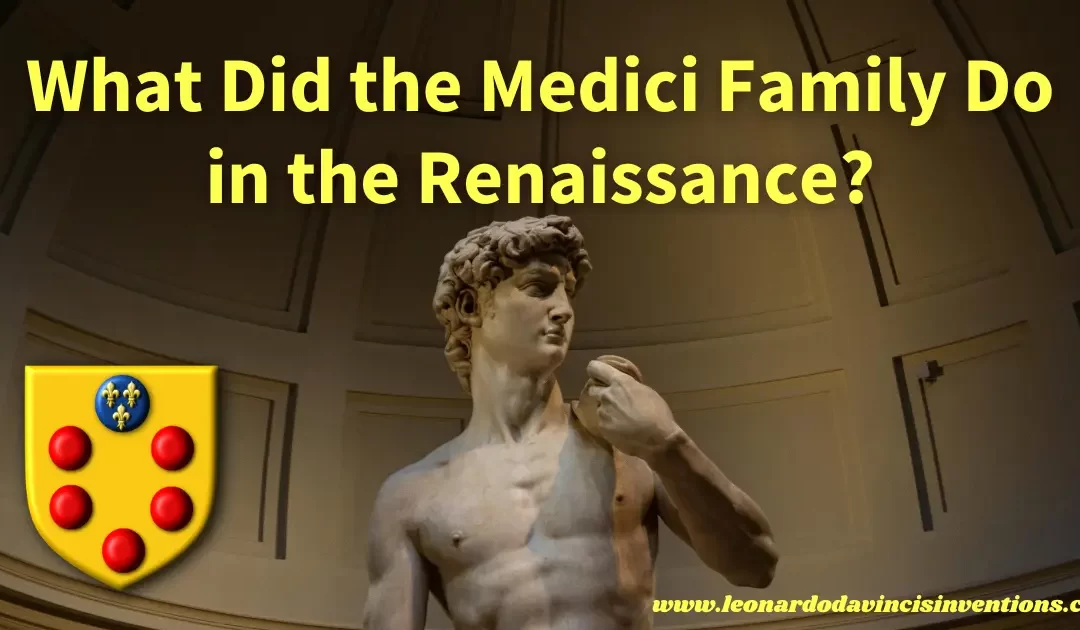
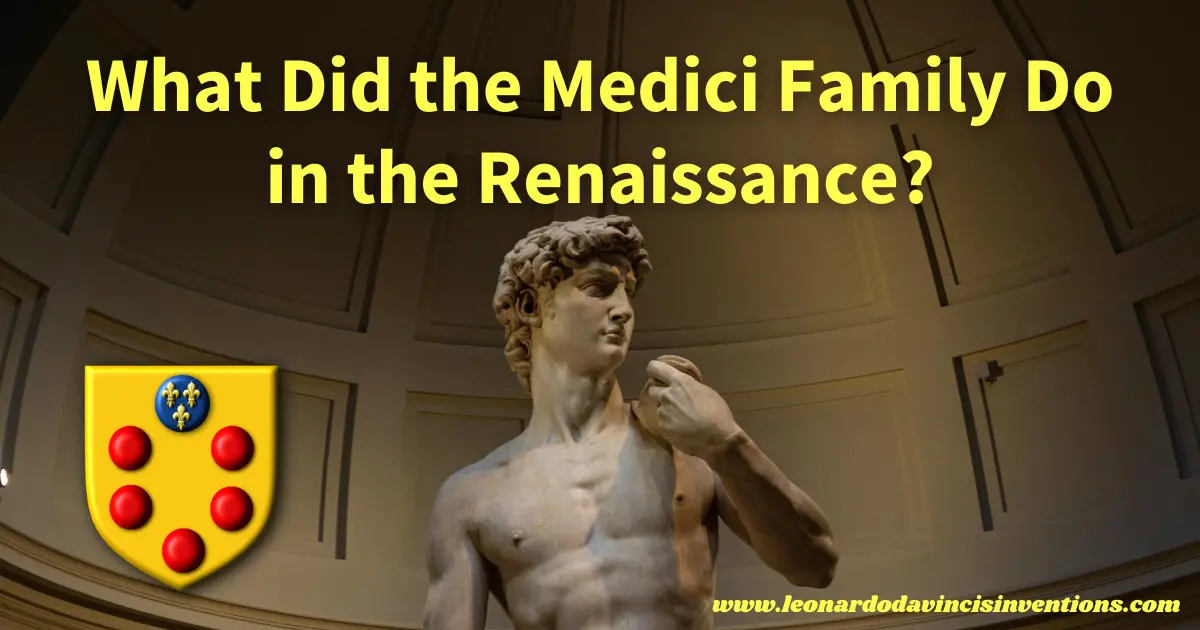
The Medici family Renaissance story is filled with power, influence, and art. Many people feel confused about what made this wealthy Florentine family so important, but you can learn how their choices shaped history.
By exploring their patronage, politics, and famous family members, you’ll discover new details to help you understand the Renaissance.
The Medici family played a pivotal role in launching and guiding the Renaissance by supporting artists, funding large-scale building projects, and exerting significant influence in Florence.
Their banking success gave them power, which they used to change government, culture, and even religion in Italy.
From painters such as Botticelli and Leonardo to landmarks like the Florence Cathedral, the Medici family's legacy touches every part of Renaissance Florence.
The Medici Family Renaissance: Rise to Power and Influence in Florence
The Medici family’s ascent relied on their expertise in banking, strategic marriages, and deep ties to Florence’s political scene. Their strong control over commerce enabled them to become powerful rulers and patrons of the arts.
The House of Medici: Banking, Wealth, and Political Power
The Medici family began building their fortune with the Medici Bank. This bank became one of Europe's most trusted and prosperous, handling money for merchants and the papacy.
Successful banking led to vast wealth and influence. The Medici utilized their economic power to secure political positions in Florence, supporting their allies and influencing decisions at the city council.
Their control of finances made them an essential part of Renaissance commerce. They funded public buildings and supported artists.
The family created a network of supporters who helped protect and expand Medici interests.
Medici Rule in Florence: From Commerce to Nobility
With growing wealth and power, the Medici moved from business leaders to rulers. Members of the family held top offices in Florence, serving as unofficial leaders while initially avoiding the titles of king or duke.
The Medici increased their standing by marrying into noble families and supporting causes the public cared about. Their influence extended to the church, with family members becoming popes and shaping religious policy.
This mix of commerce, politics, and noble alliances allowed the Medici to shape Florentine society. Their rule faced plots and conspiracies, but their ability to survive power struggles helped maintain family rule for generations.
The Medici Dynasty’s Role in Shaping Florentine Society
The Medici dynasty ruled and profoundly influenced Renaissance Florence through cultural and social investments. They were leading patrons of the arts, commissioning many works of architecture, sculpture, and painting that still define the city's landscape.
Their patronage extended to artists like Michelangelo and Leonardo da Vinci, who produced masterpieces that reflected the new ideas of humanism and innovation.
The Medici’s support for science, education, and literature promoted learning and encouraged creativity in Florence.
By supporting cultural rebirth and public works, the Medici’s impact on society was lasting, shaping the culture and legacy of Florence and the Renaissance period.
Patronage and Artistic Innovation: How the Medici Family Funded the Renaissance
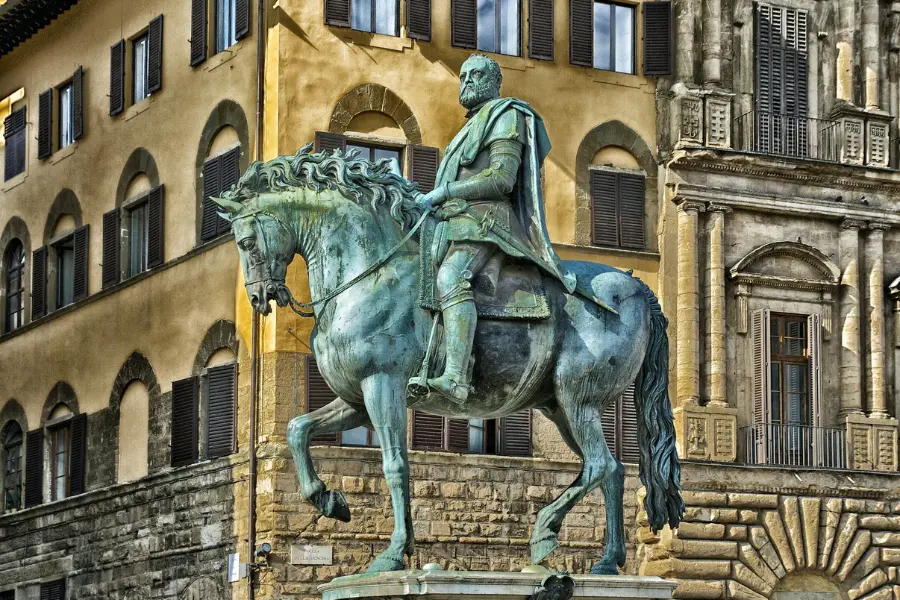
The Equestrian Monument of Cosimo I de Medici, Piazza della Signoria in Florence, Italy
The Medici family’s wealth from banking and commerce transformed Florence into a cultural and innovative hub. They left a powerful legacy that shaped Renaissance society by supporting artists, architects, and scholars.
The Medici Family Renaissance and the Patronage of the Arts
The House of Medici rose to prominence after gaining economic power and political influence in Florence. Their interest in art and humanism pushed the city to the front of the Renaissance movement.
Cosimo de' Medici, known as Cosimo the Elder, began a tradition of using family wealth to fund works of art, libraries, and schools. The Medici’s patronage was more than a matter of personal taste—it was a means to reinforce their status and expand their influence throughout Florentine society.
The Medici family supported many famous artists, including Botticelli and Michelangelo. They nurtured the careers of those who would define Renaissance culture.
This approach helped form the Medici Patronage Network, which deeply penetrated politics and education.
Sponsorship of Art and Science: Supporting Artists, Architecture, and Literature
Lorenzo de’ Medici expanded the sponsorship of art and science, investing in architecture, sculpture, and literature. The family provided financial backing for artists and scholars who needed resources for their creative and academic projects.
Under the Medici’s rule, Florence became a hub of artistic innovation and scientific learning. They directly funded new buildings such as the Medici Chapel and supported advancements in education and humanism.
The Medici’s role extended beyond art. They gave thinkers like Leonardo da Vinci and Galileo opportunities to work and learn.
This sponsorship fueled a wave of creativity that would ripple across Europe.
Artistic Commissions, Renaissance Art, and the Medici’s Legacy
The Medici’s artistic commissions shaped some of the greatest masterpieces of Renaissance art. By funding paintings, sculptures, and grand architectural projects, the dynasty created a lasting cultural rebirth in Florence.
Their legacy encompasses public works and private collections, many of which have become the foundation for museums and galleries.
Medici contributions ensured that Florence remained a beacon for artists and scholars long after their political power faded.
The Medici Family’s Lasting Impact on Renaissance Culture and Society
The Medici family shaped Florence's politics, religion, and learning during the Renaissance. Their influence reached across art, science, the Papacy, and even the structure of European society.
Medici Popes, Papacy Influence, and Political Intrigue
Medici power extended deeply into the Catholic Church. Members of the family, including Leo X and Clement VII, became popes, thereby granting the Medici control over both religious and political decisions in Europe.
The Medici used their wealth and connections to help friends and allies gain church offices. They became central figures in significant events, such as the Sack of Rome, and received massive art commissions in Vatican City.
Their time as popes strengthened the Medici’s reputation for political intrigue, alliances, and conspiracies within church leadership. This allowed the family to support artistic projects and influence papal policy at the highest level.
Education, Humanism, and the Medici’s Support of Science
Cosimo and Lorenzo de’ Medici championed education, humanism, and the revival of classical learning. They sponsored scholars who translated ancient texts and opened libraries that made books available to the public.
Their home became a meeting place for philosophers, scientists, and artists. The Medici’s support of science helped spark innovation.
They financially backed thinkers like Galileo and Leonardo da Vinci, laying the groundwork for progress in astronomy, anatomy, and engineering. Their sponsorship helped the Florentine Renaissance become a center of learning.
Medici’s Rise and Fall: Corruption, Conspiracy, and Family Legacy
The family’s rise to power relied on banking, trade, and political maneuvering. The Medici Bank funded much of Florence’s wealth.
Their rule sparked jealousy, leading to conspiracies and attempts on their lives. The Pazzi Conspiracy was a deadly plot against Lorenzo, showing the dangers of their growing power.
Corruption and economic trouble weakened the family by the late 1500s. Yet, their artistic patronage and cultural legacy in Renaissance Florence live in the city’s buildings, paintings, and sculptures.
Despite its downfall, the Medici family remains a symbol of innovation and artistic rebirth in European history.
Frequently Asked Questions
The Medici family significantly influenced Florence during the Renaissance, but their power was marred by controversy, betrayal, and decline. Their story involves political control, art patronage, personal challenges, and changing fortunes.
What was the dark side of the Medici family?
The Medici family was often involved in ruthless politics, financial manipulation, and violence. Some members used bribery and even ordered assassinations to keep their position.
They faced scandals that left a lasting mark on Florence’s history.
Why was the Medici family so powerful?
Their wealth came mainly from banking and finance. The Medici Bank became one of the most successful in Europe.
This money enabled them to influence politics, support the church, and become leading patrons of Renaissance art, thereby gaining control in Florence and beyond. They even became rulers in Tuscany for centuries.
Did the Medici Family Renaissance Really Change History?
The Medici family played a major role in shaping the Renaissance. They supported famous artists such as Michelangelo and Leonardo da Vinci.
Their patronage helped Florence become a center of art, science, and culture. This influence spread and had a profound impact on history.
Does the Medici family still exist today?
The original ruling Medici bloodline ended in the 18th century. Although some people may have Medici ancestry today, none hold official power or titles associated with their former dynasty.
What caused the downfall of the Medici family?
Poor leadership and a loss of financial power led to the Medici family's decline. Political enemies and other powerful families also contributed to their fall.
Later generations were unable to manage the family wealth and influence as effectively.
Who betrayed the Medici family?
The Pazzi family is infamous for attempting to betray the Medici family. In the Pazzi Conspiracy, they tried to kill Lorenzo de' Medici and his brother Giuliano during church.
This attack led to Giuliano’s death and caused a major crisis in Florence’s history.
Why did the Medici bloodline end?
The Medici family bloodline ended mainly due to a lack of male heirs in the final generations. The last Medici ruler, Anna Maria Luisa, died in 1743, marking the end of the dynasty.
Is Netflix's Medici historically accurate?
The Netflix series “Medici” is based on the family’s history and major events. However, it alters some facts and adds drama for entertainment purposes.
Some characters and timelines are inaccurate, so viewers should not rely on them as a primary historical source.
What brought down the Medici family?
Weak leadership and the loss of their banking fortune both played significant roles. Competing families and foreign powers also challenged their control.
By the 18th century, they could not maintain their influence or defend their position in Tuscany.
What illness did Medici have?
Several Medici family members had health problems, such as tuberculosis and gout. Some died young from these diseases.
Close marriages within the family may have caused genetic issues.
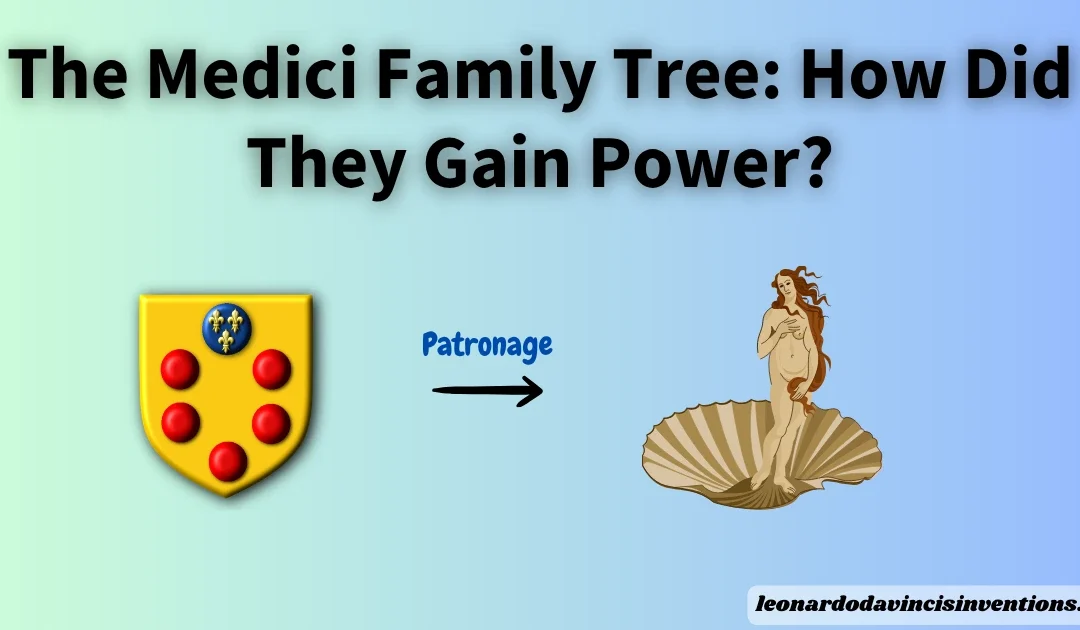
The Medici family tree is renowned for its profound connection to the Italian Renaissance and the artists who made that era so significant.
If you’ve ever wondered how certain artists became so well-known, you’re not alone. By exploring which artists were supported by the Medici family, you’ll get a clearer picture of their influence and discover the names connected to their powerful patronage.
The Medici family supported major artists, including Leonardo da Vinci, Michelangelo, Botticelli, Donatello, Fra Angelico, and Fra Filippo Lippi.
Their financial and personal backing of these creative minds helped shape European art for generations to come. Through their support, buildings, paintings, and sculptures flourished, making Florence a leading cultural center.
Their interest in the arts continued across generations of the Medici family tree. From Cosimo de’ Medici’s early interest in art and libraries to Lorenzo de’ Medici’s famous friendships with artists, each family member left a mark.
Key Renaissance Artists Supported by the Medici Family Tree
The Medici family, rulers of Florence and a leading Italian banking dynasty, played a decisive role in shaping the Renaissance. Their patronage of the arts elevated Florence to a center of creativity and left a lasting cultural legacy by supporting artists such as Leonardo da Vinci, Michelangelo, and Botticelli.
Medici Family Tree: How the Medici Family Connects to the World Today
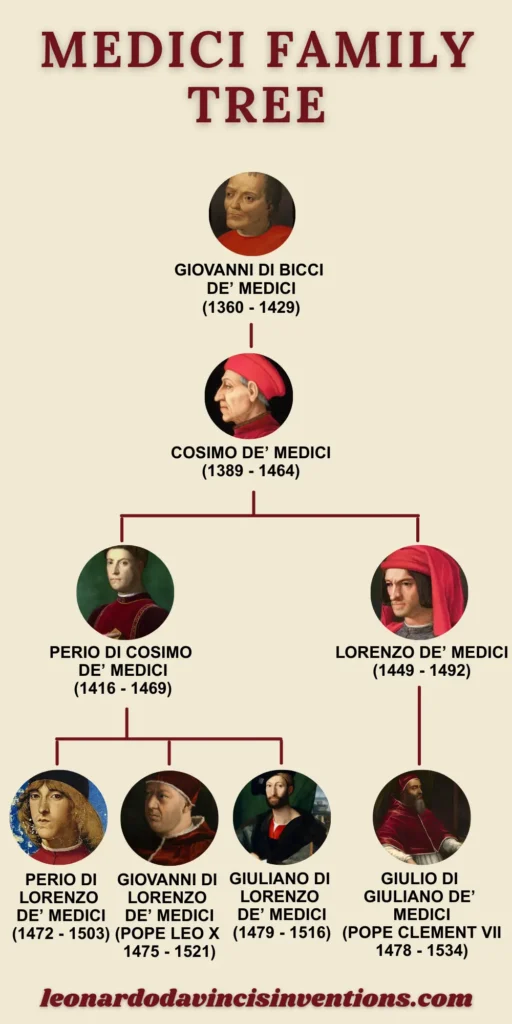
This Medici family tree infographic traces the lineage from Giovanni di Bicci de’ Medici to influential descendants like Lorenzo the Magnificent, Pope Leo X, and Pope Clement VII.
It highlights how the family’s power extended through politics, religion, and art during the Renaissance.
Leonardo da Vinci and the Patronage of the Arts
Leonardo da Vinci began his career in Florence at a time when the House of Medici held great power and influence. Lorenzo de’ Medici, sometimes called “Lorenzo the Magnificent,” recognized Leonardo’s talent early and gave him access to the Medici’s workshops and connections.
This support allowed Leonardo to grow as an artist and scientist, experimenting freely with new ideas. The Medici family’s wealth and backing enabled Leonardo to work with materials, models, and skilled assistants that few others in Italy could match at the time.
Much of his development as a Renaissance master was made possible by this unique environment of artistic freedom and innovation.
Michelangelo’s Rise to Power in Florence
Michelangelo’s early career flourished under the strong support of the Medici family. As a young man, he was invited to live at the Medici palace, where Lorenzo de’ Medici became his patron.
This relationship afforded Michelangelo access to the city's finest teachers, resources, and a close circle of artists and scholars. The environment fostered by the Medici helped Michelangelo create works that have become icons of the Renaissance.
The family’s consistent patronage helped him secure critical public commissions. Their connections later enabled him to work on major projects in both Florence and Rome.
Botticelli’s Legacy in the House of Medici
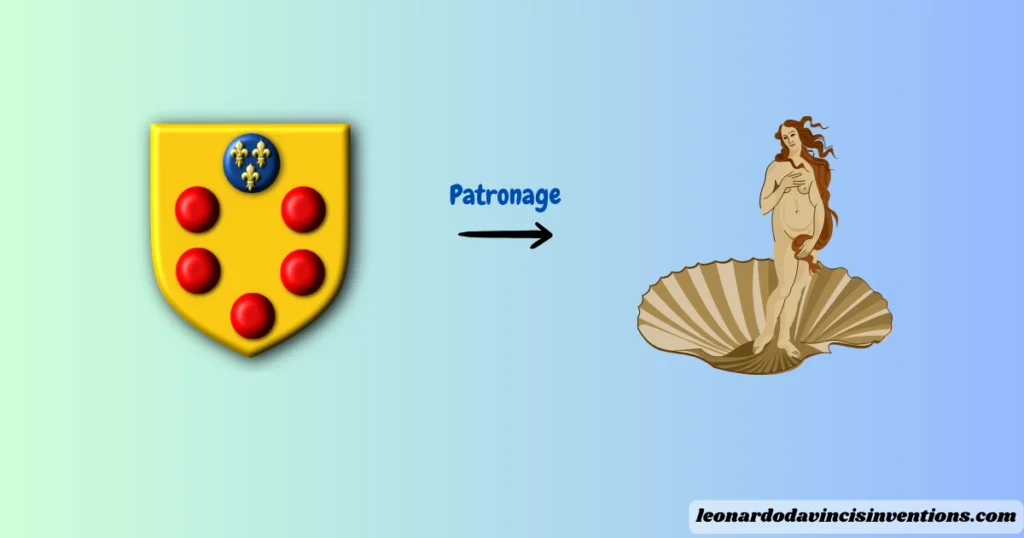
Botticelli created some of his most famous paintings, including "The Birth of Venus" and "Primavera," for members of the Medici family. The family’s enthusiasm for art and culture set the stage for Botticelli to explore mythological themes and innovative styles not seen in Florence before.
His close relationship with the Medici placed him at the heart of the family’s social and political events. Their commissions gave him lasting fame.
Because of Medici patronage, Botticelli’s works came to symbolize both the era's achievements and its taste.
How the Medici Family Tree Shaped Art and Culture in Tuscany
The Chapel of the Magi in Palazzo Medici Riccardi features famous frescoes by Benozzo Gozzoli depicting the Procession of the Magi
The Medici family’s rise to power sparked artistic and cultural advances across Tuscany. Through their banking empire and political leadership, the Medici dynasty left a long-lasting legacy that shaped art, architecture, and culture for centuries.
The Influence of Medici Wealth and Banking on Artists
Medici banking wealth provided the foundation for the family's artistic patronage. Their banking house, which became one of the most powerful in Europe, enabled the Medici to fund paintings, sculptures, buildings, and churches throughout Florence and Tuscany.
Artists such as Michelangelo, Leonardo da Vinci, and Sandro Botticelli received direct financial support thanks to the Medici’s substantial resources. The family’s banking success also brought new business to Florence, allowing for a flourishing of commerce, culture, and creativity.
By investing in the arts, the Medici helped transform Florence into a leading city of the Renaissance.
Patronage, Politics, and the Artistic Revolution
The Medici family used their political influence to promote art as a display of power and wisdom. As rulers of Florence and a key political dynasty, they frequently linked art projects to significant events or achievements.
Public buildings, cathedrals, and palaces became symbols of Medici strength and Florentine pride. The Medici housed creatives, provided studio space, and even helped decide artistic subjects.
The Medici’s long-standing support enabled artists to focus on their craft, resulting in works that defined the Renaissance in Italy.
The Role of Grand Dukes of Tuscany in Supporting Art
When the Medici family became Grand Dukes of Tuscany, their influence on art expanded across the entire region. The Medici line included rulers like Cosimo I, who funded large-scale projects, including gardens, fountains, and public monuments.
Key Medici rulers established:
The Uffizi Gallery
Medici Palaces in Florence and beyond
Collections of ancient and modern art
This support shaped Tuscany’s visual landscape and left landmarks that people still visit today. The Grand Dukes ensured that the Medici heritage of artistic patronage endured through shifting times and changing Italian politics.
Where the Medici Legacy Can Still Be Seen Today
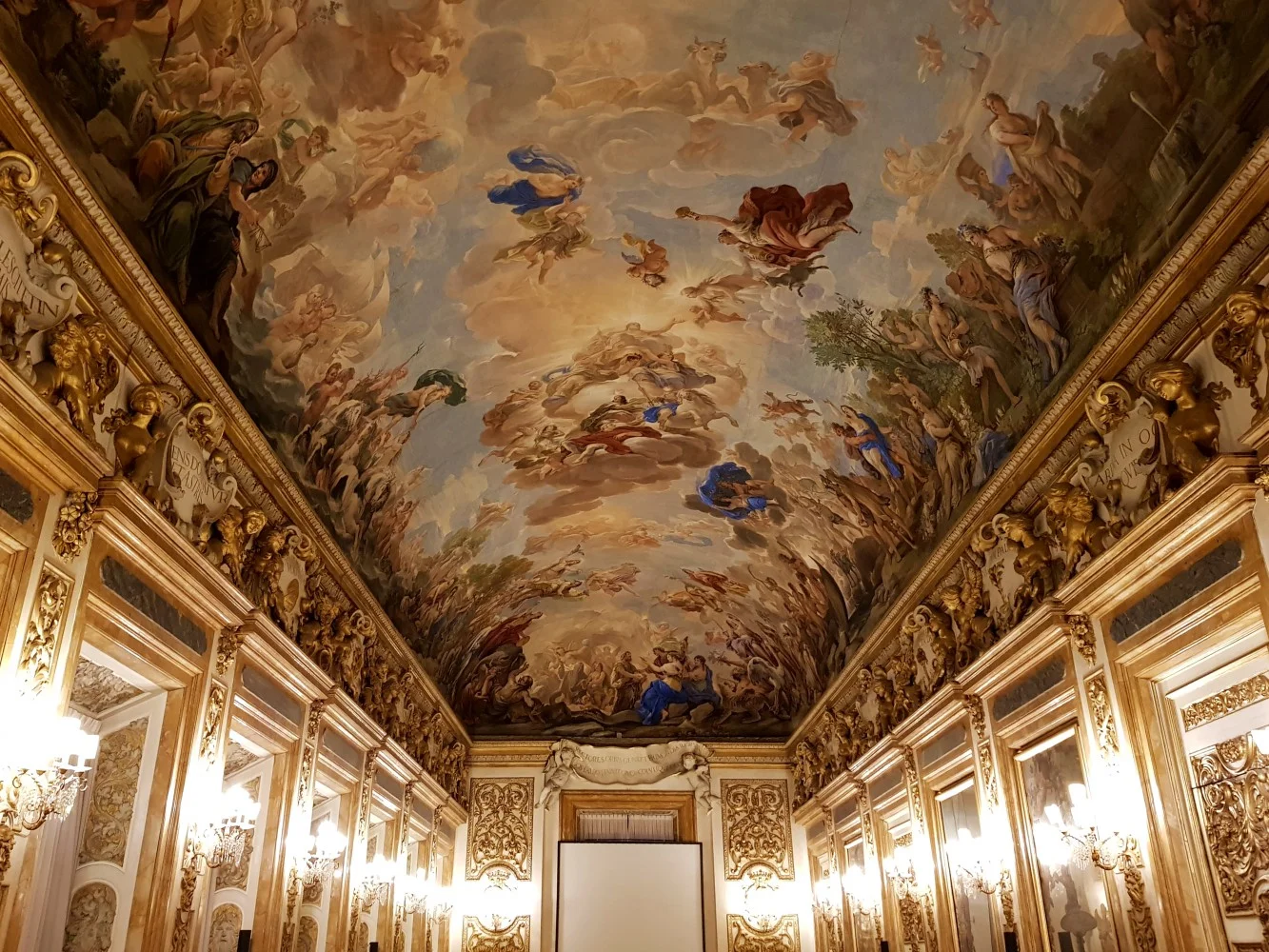
Many of the places shaped by the Medici family still stand in Florence and across Tuscany. Palaces, chapels, galleries, and public squares preserve the artistic world they helped build, allowing visitors to see Renaissance masterpieces in the very spaces where they were first commissioned and celebrated.
The Lasting Impact of the Medici Family Tree on Italian Heritage
The Medici family tree profoundly shaped Italy's culture and future by connecting banking, politics, and the arts. Their support changed Florence and Tuscany, influencing not only artists but also rulers and noble families across Europe.
Succession of Rulers and Their Support of Artists and Scientists
The Medici family tree started with Giovanni di Bicci de’ Medici, whose banking success gave the House of Medici the influence to control Florence’s government. Later rulers like Cosimo de’ Medici, known as the first “Father of the Nation,” made Florence a center for scholars and artists.
Lorenzo the Magnificent continued the tradition of support, helping talents like Michelangelo and Leonardo da Vinci succeed. Several members of the Medici family became popes, including Pope Leo X and Pope Clement VII, thereby extending the dynasty’s influence within the Catholic Church.
The family’s support for thinkers and inventors encouraged innovation and scientific discoveries in the heart of Tuscany.
Medici’s Contribution to the Renaissance and Florence’s Golden Age
Patronage from the Medici played a pivotal role in shaping the Italian Renaissance, a period characterized by groundbreaking ideas in art and science. Their wealth allowed them to commission masterpieces from artists such as Botticelli, Donatello, and Brunelleschi.
Many artists were trained, housed, and protected by the dynasty, allowing them to create freely. The House of Medici also funded critical architectural works, including the Medici Chapel and the dome of Florence Cathedral.
This boom in creativity transformed Florence into a symbol of beauty and progress. The family's efforts contributed to what many historians call Florence’s golden age, characterized by notable achievements in painting, sculpture, and architecture.
The Medici Family Tree’s Legacy in Italian History and Nobility
The Medici legacy remains a vital part of Italy’s heritage. They produced several notable historical figures, including rulers, popes, and queens like Catherine de’ Medici.
Their policies helped change Florence from a medieval republic into the Grand Duchy of Tuscany. Medici palaces and landmarks still stand as reminders of their power.
The family's influence extended through marriages into other royal families, weaving their lineage into the broader network of European nobility.
Tracing the Medici Footprint Through Florence and Tuscany
The story of the Medici family is not confined to books or paintings. Across Florence and the Tuscan countryside, churches, gardens, and historic residences still reflect their influence. Exploring these locations offers a deeper understanding of how Renaissance art, politics, and daily life were woven together under Medici patronage.
Frequently Asked Questions
The Medici family tree features some of the most influential figures in European history. Their fortunes, legacy, relationships, and controversies continue to spark curiosity.
Does the Medici family still exist today?
The main Medici bloodline came to an end in the 18th century. However, descendants may exist through other families related by marriage. The family no longer holds power or wealth as it did during the Renaissance.
Who inherited the Medici fortune?
When Anna Maria Luisa de’ Medici died in 1743, the direct line of the Medici family came to an end. She left much of the family’s property, art, and treasures to the city of Florence, ensuring that the public could enjoy the Medici collection.
How is Catherine De Medici related to Cosimo De Medici?
Catherine de Medici was a descendant of Lorenzo the Magnificent, who was Cosimo de’ Medici’s grandson. This makes Catherine a member of the extended Medici family tree.
Is Netflix's Medici historically accurate?
The Netflix series “Medici: Masters of Florence” is based on real people and events. However, the show alters timelines and dramatizes stories for entertainment, so some details do not align with historical accuracy. Not all characters and events are depicted accurately.
What was the dark side of the Medici family?
The Medici family employed political influence, bribery, and occasionally violence to maintain its power. There were plots, betrayals, and scandals involving murder and corruption. These actions helped them stay at the top of Florentine society, but also made many enemies.
How did the Medicis lose their money?
The Medici bank, once the wealthiest in Europe, declined due to poor management, risky lending practices, and political turmoil. The family spent a significant portion of their fortune on art and war, and later generations mismanaged the remaining assets, ultimately leading to financial ruin.
Who was the most powerful family in Italy?
The Medici family rivaled other powerful dynasties. They stood out due to their vast wealth and significant political influence in Florence. Their influence reached the Catholic Church. Their family tree included popes and queens.u003cbr/u003eThis made them one of Italy’s most powerful families during the Renaissance.
Why did the Medici family fall?
Financial problems and weak leadership led to their decline. The political climate shifted, and other families and countries gained power. The Medici lost their influence. The dynasty ended when its direct bloodline became extinct.
Which Medici died of syphilis?
Many members of the Medici suffered from poor health. Some historians believe Alessandro de’ Medici, the first Duke of Florence, died from complications of syphilis. Health records from the time are not always clear.
Who is the most famous Medici?
Lorenzo de’ Medici, also known as Lorenzo the Magnificent, is the most famous member of the Medici family. He led as a patron of the arts and helped the Renaissance flourish. Lorenzo supported artists like Michelangelo and Botticelli.
Disclosure: This page may contain affiliate links. If you choose an experience through them, it helps support the site at no extra cost to you.
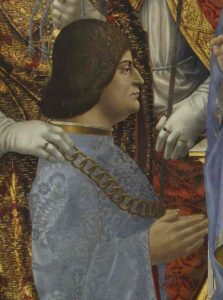
Ludovico Sforza was one of the most powerful and ambitious rulers of the Italian Renaissance, and the man who first gave Leonardo da Vinci a stage worthy of his genius. Known by his epithet Ludovico il Moro — the Moor — this Duke of Milan transformed his court into one of the most dazzling cultural centres in fifteenth-century Europe.
Few rulers in history have shaped the career of a single artist so profoundly. The relationship between Ludovico Sforza and Leonardo da Vinci produced some of the most celebrated works ever created: from the haunting Lady with an Ermine to the monumental Last Supper. Understanding this partnership means understanding the Renaissance itself — its ambition, its contradictions, and its extraordinary creative energy.
Patronage was the engine of Renaissance art. Without wealthy and politically calculating sponsors, there would have been no Sistine Chapel, no David, no School of Athens. Ludovico Sforza understood this perfectly. He used art, architecture, and engineering not just as luxuries but as instruments of power. By inviting Leonardo to his court in Milan, he made one of the most consequential decisions in the history of Western culture.
Visiting Milan today means walking through the world Ludovico helped build. The Castello Sforzesco, Santa Maria delle Grazie, and the Pinacoteca Ambrosiana all carry his imprint. For anyone travelling through northern Italy in search of Leonardo, Ludovico Sforza's story is the essential starting point.
This post is all about Ludovico Sforza — his rise to power, his role as Leonardo's greatest patron, and why the legacy of this remarkable duke still shapes the experience of visiting Milan today.
Who was Ludovico Sforza?
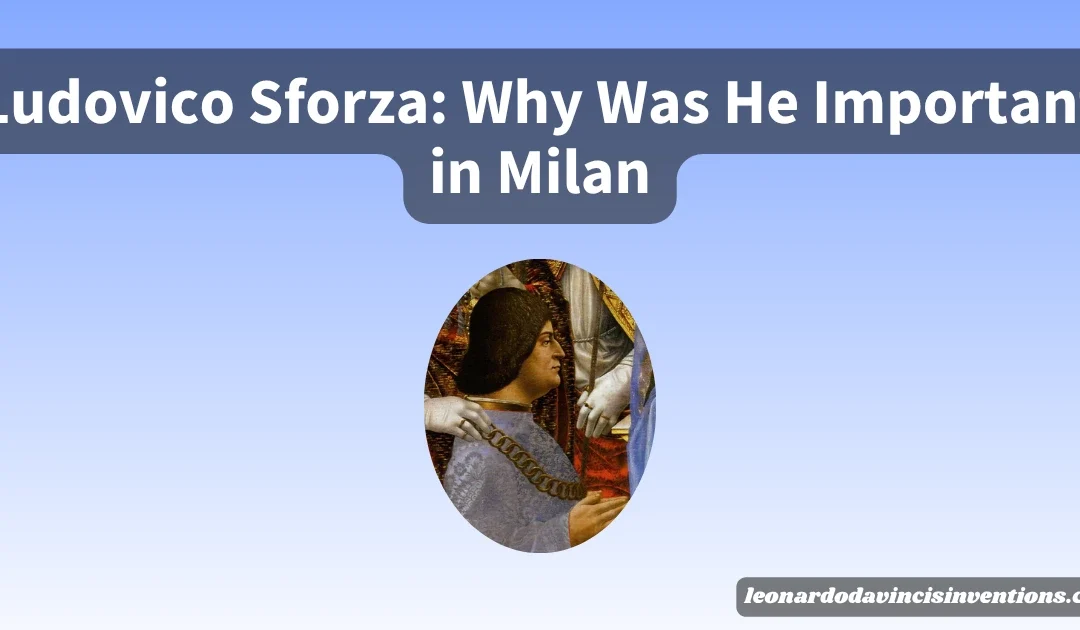
Ludovico Sforza (1452–1508), also known as Ludovico il Moro, was the Duke of Milan and one of the most influential patrons of the Italian Renaissance. As ruler of the Sforza family's Milanese duchy, he invited Leonardo da Vinci to his court, commissioning major works including The Last Supper and inspiring some of Leonardo's most celebrated paintings and engineering projects.
The House of Sforza and the Rise of Ludovico il Moro
The Sforza Family and Their Grip on Milan
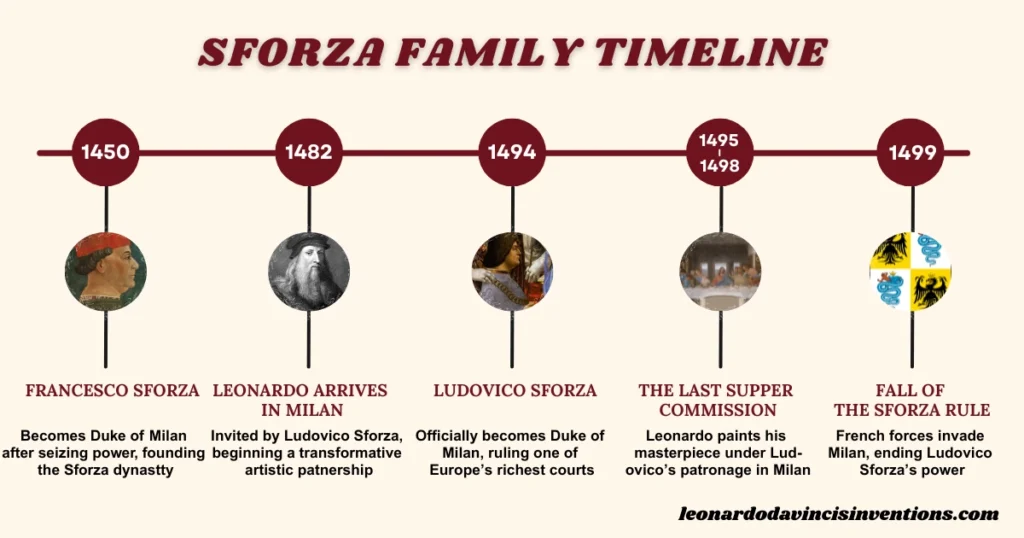
The house of Sforza did not inherit power — they seized it. The family's founder, Francesco Sforza, was a condottiere, a mercenary warlord who parlayed military success into political dominance. By 1450, he had made himself Duke of Milan, founding a dynasty that would control the city for the rest of the fifteenth century.
Ludovico Maria Sforza was Francesco's fourth son, born in 1452. He was not supposed to rule. That was the role of his older brother, Gian Galeazzo. But Ludovico was shrewd, patient, and ruthless. By the early 1480s, he had effectively pushed aside his young nephew and taken de facto control of the duchy. He would not assume the title of Duke officially until 1494, but he governed Milan with absolute authority for years before that.
The city he controlled was one of the wealthiest in Europe. Milan's textile and armour industries were famous across the continent. Its strategic position in the Po Valley made it a crossroads of trade and military movement. Duke Ludovico Sforza inherited a powerful state and had every intention of making it magnificent.
A Court Built for Power and Culture
Ludovico understood that cultural prestige was inseparable from political authority. He looked south to Lorenzo de' Medici's Florence and north to the courts of Burgundy and France, and he decided that Milan would match them all.
He rebuilt the Castello Sforzesco as a residence fit for a Renaissance prince. He sponsored poets, musicians, philosophers, and architects. He commissioned elaborate court spectacles — theatrical events combining music, dance, machinery, and lighting — that were the Instagram of their day: carefully designed displays of wealth and sophistication.
And then, around 1482, he received a letter that would change the course of art history.
The Letter That Changed Everything
Leonardo da Vinci's letter to Ludovico Sforza is one of the most remarkable documents of the Renaissance. Leonardo wrote it as a kind of professional pitch, a catalogue of his skills addressed to the most powerful man in northern Italy.
The letter is extraordinary for what it reveals about Leonardo's priorities. He devoted most of it to military engineering: bridge-building, siege warfare, canal construction, and armoured vehicles. Only at the very end did he mention painting and sculpture, almost as an afterthought. He knew his audience.
Ludovico was impressed. Leonardo arrived in Milan probably around 1482 and would remain for nearly two decades — the most productive and settled period of his career.
Ludovico Sforza and Leonardo da Vinci
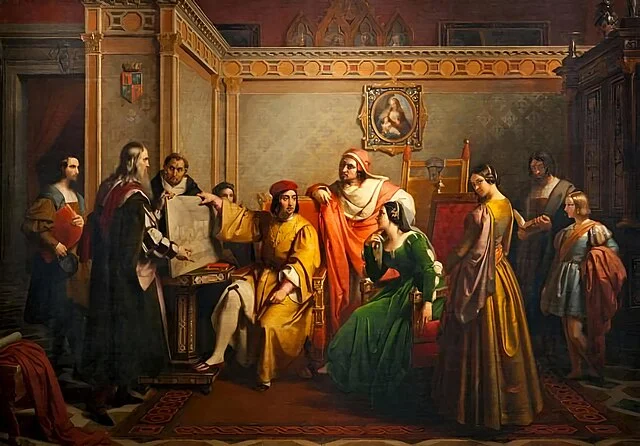
Leonardo da VincLeonardo presents The Last Supper sketch to Duke Ludovico Sforza, with Beatrice and Cardinal Ascanio nearby.
Leonardo's Role at the Sforza Court
Leonardo da Vinci was not simply a court painter for Ludovico Sforza. His role was far more complex and fascinating. He served as a military engineer, a pageant designer, an architect, a musician, and yes — occasionally — a painter.
The Sforza court was a place of constant activity. Leonardo designed elaborate festival costumes and mechanical sets for court entertainments. He worked on plans for a canal system to improve navigation around Milan. He studied the city's fortifications and proposed improvements. He designed a giant bronze equestrian statue — the Sforza Horse — intended as a monument to Ludovico's father, Francesco.
This last project consumed years of Leonardo's energy and remained unfinished when the French invaded in 1499. It was one of the great lost works of the Renaissance.
Cecilia Gallerani and the Portrait of a Court
Among the paintings Leonardo produced for Ludovico, Lady with an Ermine stands apart. The subject is Cecilia Gallerani, the young and highly educated mistress of Ludovico Sforza. She was not simply a companion — she was a poet and intellectual who held genuine influence at court.
Leonardo's portrait of her is revolutionary. She is turned in three-quarter view, alert and intelligent, her gaze directed off-canvas, as if she is responding to something just outside the frame. The ermine she holds is both a symbol of purity and a pun on her name — the Greek word for ermine is similar to Gallerani. It is exactly the kind of layered, witty visual intelligence that made Leonardo the perfect court artist for an ambitious duke.
The painting today hangs in the Czartoryski Museum in Kraków, Poland — one of the few Leonardo paintings outside Italy, and well worth a dedicated visit.
The Last Supper: Ludovico's Greatest Commission
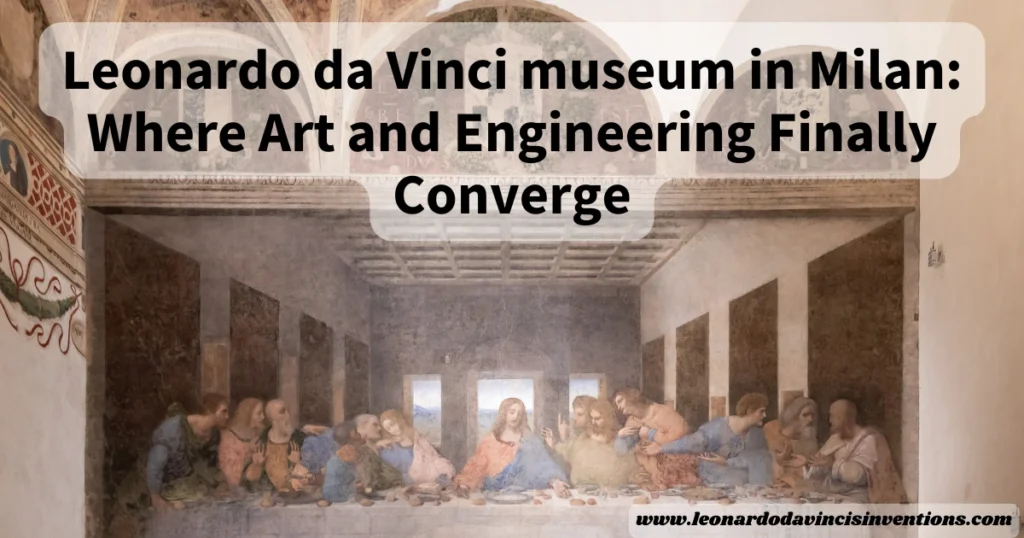
The single most important commission Ludovico Sforza gave Leonardo was The Last Supper. Painted between approximately 1495 and 1498 on the refectory wall of Santa Maria delle Grazie in Milan, it is one of the most analysed paintings in human history.
Ludovico chose Santa Maria delle Grazie as the burial place for the Sforza family. He wanted it decorated in a manner that would project dynastic power for centuries. The Last Supper was part of that plan. What he got was something far beyond what he could have imagined: a painting that would redefine how human emotion could be expressed in art.
Leonardo depicted the precise moment Christ announces that one of the disciples will betray him. Every figure reacts differently. The psychological complexity is astonishing. It took Leonardo years of work, experimentation with technique, and relentless observation. And it has survived war, flooding, and centuries of decay to remain one of the defining images of Western civilisation.
Where to See Ludovico Sforza's Legacy Today: Milan
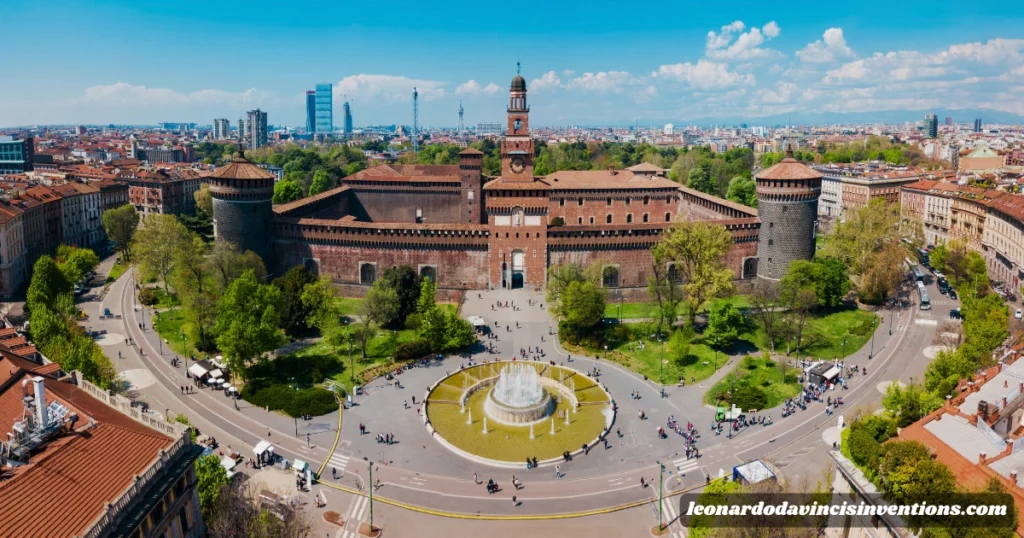
Aerial view of the Castello Sforzesco (Sforza Castle) in Milan, Italy
The Castello Sforzesco
The Castello Sforzesco dominates the northwestern edge of central Milan. It was the seat of Sforza's power, and under Ludovico it became one of the most impressive court complexes in Renaissance Italy. Today, it houses several important museums, including collections of sculpture, archaeology, and decorative arts.
Inside the castle, the Sala delle Asse — a vaulted room decorated with a painted canopy of intertwined mulberry branches — bears Leonardo's hand. It was commissioned by Ludovico himself and represents one of the few surviving examples of Leonardo's work in architectural decoration. Recent restoration work has revealed additional painted details, making it an increasingly important site for Leonardo scholars and visitors alike.
Santa Maria delle Grazie and The Last Supper
The experience of visiting The Last Supper is unlike almost anything else in cultural travel. You book in advance — sometimes months in advance — for a timed fifteen-minute viewing. The refectory is controlled for humidity and temperature. Visitor numbers are strictly limited.
When you enter, the painting fills the far wall. At roughly nine metres wide and four and a half metres tall, it is far larger than most reproductions suggest. The figures are nearly life-size. The spatial illusion Leonardo constructed — a painted room that appears to extend the real refectory — remains visible despite centuries of deterioration.
It is impossible to stand before it and not think of Ludovico Sforza, the man who made it possible.
The Pinacoteca Ambrosiana
The Pinacoteca Ambrosiana holds one of the most important collections of Leonardo drawings and documents in the world. The Codex Atlanticus — a vast collection of Leonardo's notes covering engineering, mathematics, botany, and art — is preserved here. Facsimile pages are regularly displayed, and the museum holds works connected directly to the Milanese period.
The Ambrosiana also houses the Portrait of a Musician, a painting long attributed to Leonardo that depicts a young man associated with the Sforza court. Whether or not it is entirely Leonardo's hand, it offers an intimate glimpse into the world he and Ludovico inhabited.
Exploring Leonardo da Vinci in Milan
Milan is the essential city for anyone serious about Leonardo da Vinci. He spent nearly twenty years here, and the traces of that period are woven into the city's fabric in ways that a single day cannot exhaust. The Castello Sforzesco, Santa Maria delle Grazie, the Pinacoteca Ambrosiana, and the Museo Nazionale della Scienza e della Tecnologia — which holds remarkable reconstructions of Leonardo's machines — form a constellation of sites that reward slow, thoughtful exploration.
Beyond the major landmarks, Milan repays the curious traveller who walks the streets Ludovico and Leonardo once walked: the canals Leonardo helped engineer, the churches he studied for architectural inspiration, the piazzas where Sforza pageants once unfolded. The city is a living archive of Renaissance ambition.
If you are building a broader Leonardo itinerary across Italy, Milan is the natural anchor for the northern route. You might also explore:
Planning Your Visit: Tickets, Tours, and the Full Experience
Seeing The Last Supper requires advance booking — this is not optional. Tickets sell out weeks or months in advance, especially during peak season. Timed entry slots are issued in fifteen-minute windows, so arriving without a reservation means missing the painting entirely.
Many visitors choose to combine The Last Supper with a guided tour of the Castello Sforzesco, allowing them to cover both of the most significant Ludovico Sforza sites in the city in a single half-day. A knowledgeable guide can connect the dots between the duke's political history, his relationship with Leonardo, and the specific works you are looking at — a context that transforms a visit from pleasant tourism into genuine understanding.
If you plan to see this work in person, it helps to compare ticket types before your visit. Entrance-only tickets offer flexibility, while guided tours provide the historical depth that makes the experience far more memorable.
This post was all about Ludovico Sforza — the ambitious, calculating, and culturally visionary Duke of Milan who gave Leonardo da Vinci the resources, the freedom, and the commissions to produce some of the greatest works in Western art history. Without Ludovico il Moro, there would be no Last Supper as we know it. Without the Sforza court, Leonardo might have remained a gifted but restless artist without a stage equal to his talents.
The story of their partnership is, in many ways, the story of the Renaissance itself: a collision of power and genius, of political ambition and artistic vision, producing something that neither man could have achieved alone. Ludovico fell from power in 1499, was captured by the French, and died in a Burgundian prison in 1508. Leonardo left Milan and never returned for long. But what they built together — the paintings, the engineering projects, the transformed city — outlasted both of them by centuries.
Standing before The Last Supper in Milan, or looking up at the restored ceiling of the Sala delle Asse in the Castello Sforzesco, you are not simply looking at art. You are looking at the physical evidence of what happens when a brilliant ruler decides to invest in human genius. That is the lesson Ludovico Sforza left the world, and it still resonates with extraordinary clarity today.
FAQs about Ludovico Sforza
What happened to Ludovico Sforza?
Ludovico Sforza lost power when French forces invaded Milan in 1499. He was later captured and imprisoned in France, where he died in 1508.
How did Leonardo da Vinci impress Ludovico Sforza?
Leonardo da Vinci impressed Ludovico by sending a detailed letter outlining his skills in military engineering, architecture, and invention, presenting himself as a valuable court engineer before even emphasizing his artistic talents.
Does the Sforza family still exist?
The Sforza dynasty ruled Milan until the 16th century, but its direct ruling line eventually died out. Some distant branches survived for a time, though the family no longer holds political power today.
Why did Ludovico Sforza commission the Last Supper?
Ludovico Sforza commissioned The Last Supper for the church of Santa Maria delle Grazie as part of a grand project to enhance his family’s prestige and establish a dynastic burial site.
Who was Leonardo da Vinci's lover?
Leonardo da Vinci’s personal life remains uncertain, but historical sources often mention his close relationship with his assistant Gian Giacomo Caprotti (known as Salaì), who lived with him for many years and may have been his companion.
Does the Italian royal family still exist?
Yes, descendants of the former Italian royal family, the House of Savoy, still exist today, although Italy is now a republic and they hold no political power.
Leonardo Bianchi is the founder of Leonardo da Vinci Inventions & Experiences, a cultural travel guide helping visitors explore Leonardo da Vinci’s art, inventions, and legacy across Italy and Paris.
Planning Milan?
See The Last Supper Without Missing the Details
Tickets are limited and visits are short. Start with the Milan guide before choosing your Last Supper experience.
If you're visiting Milan for Leonardo da Vinci, these are the experiences most travelers prioritize first — especially when tickets are limited and time is short.
This site is built for travelers who want more than surface-level sightseeing — helping you plan smarter visits around Leonardo da Vinci’s art, museums, and cities across Italy and Europe.

 Leonardo Bianchi is the founder of Leonardo da Vinci Inventions & Experiences, a cultural travel guide helping visitors explore Leonardo da Vinci’s art, inventions, and legacy across Italy and Paris.