How did Leonardo da Vinci contribute to the Renaissance?
Many people know his name, but few understand how much he shaped art, science, and technology.
If you have ever wondered why Leonardo is mentioned in textbooks and museums, you will find out how his mind changed the world.
Leonardo da Vinci made remarkable contributions to painting, engineering, architecture, anatomy, and even inventions ahead of his time.
His thirst for knowledge and deep curiosity led him to revolutionize art and science, setting new standards for creativity and research during the Renaissance.
By learning more about him and his works, you can explore how his masterpieces and discoveries still impact our lives today.
Leonardo da Vinci’s Artistic Contributions to the Renaissance
Leonardo da Vinci set new standards for painting by combining science, engineering, and art. His work shaped the direction of the Renaissance by defining the High Renaissance art period and promoting innovation in technique and storytelling.
Leonardo da Vinci and the Birth of High Renaissance Art
Leonardo da Vinci played a vital role in the rise of High Renaissance art by blending realism with creativity. He set himself apart through careful observation of nature and advanced studies in anatomy.
His figures appeared lifelike and expressive. Leonardo joined technical skill with imagination, raising expectations for artists of his time.
His use of perspective, shading, and light helped create accurate and emotionally powerful art. This approach allowed him to merge scientific study with painting, inspiring peers and future generations.
Masterpieces That Defined an Era: Mona Lisa, The Last Supper, and Salvator Mundi
Salvator Mundi
Leonardo’s Mona Lisa is famous for her mysterious smile and delicate use of light and shadow. The painting’s lifelike detail and emotional depth made it revolutionary.
Leonardo arranged the figures in The Last Supper to highlight drama, emotion, and each Apostle’s unique reaction. This set a new standard for storytelling in art.
Another key work, Salvator Mundi, showcases da Vinci’s skill in combining spiritual themes with precise detail. These masterpieces showed how art could stir emotions and tell complex stories, not just capture appearances.
Leonardo da Vinci helped define what Renaissance painting could achieve, influencing every painter who followed him.
Revolutionizing Painting Techniques: Innovation in Art and Optics
Leonardo da Vinci revolutionized painting through technique. He advanced sfumato, blending colors and tones to create soft edges and realistic light effects.
This innovation made his subjects appear more natural, with skin, cloth, and hair that seemed to glow from within. He also studied optics, examining how light and shadow work in nature.
By applying his understanding of physics and observation, he made scenes look three-dimensional and full of life. His discoveries linked scientific study with visual art, bringing painting techniques closer to realism.
The Role of Storytelling and Writing in Leonardo’s Artistic Vision
Writing and storytelling were central to Leonardo’s vision as a painter. He filled notebooks with drawings, story ideas, and notes on everything from engineering to anatomy.
His creative process included planning scenes, sketching character poses, and shaping the story behind each painting. By arranging figures, expressions, and gestures, Leonardo brought complex emotions and narratives to life on canvas.
This focus on storytelling made his art meaningful and beautiful. Through his studies and writing, da Vinci’s works delivered layered stories that viewers could interpret and explore.
Legacy in Western Art History: How Leonardo Shaped Future Generations
Leonardo da Vinci’s artistic legacy still shapes Western art history. He showed later artists how painting could combine beauty, technical mastery, and deep meaning.
His focus on the scientific method, anatomy, and perspective pushed art forward. Da Vinci’s sketches and inventions influenced art and fields like mechanical engineering and hydrodynamics.
His legacy encouraged intellectual curiosity and observation in painting, urban planning, and medical physics. Leonardo’s influence paved the way for centuries of innovation and artistic excellence.
Leonardo da Vinci’s Scientific and Engineering Innovations
Da Vinci self supporting bridge showcased his innovative engineering, blending art and science to advance Renaissance technology
Leonardo da Vinci’s investigations reached across engineering, anatomy, and city planning during the High Renaissance. His careful observation and inventive mind gave rise to ideas and discoveries that shaped art, science, and knowledge in the Western world.
Leonardo’s Interdisciplinary Contributions: Bridging Art, Science, and Engineering
Leonardo da Vinci blended art and science in groundbreaking ways. He believed understanding how things work was essential for creating better paintings and inventing new machines.
In his notebooks, he combined drawing, writing, and experimentation. These books show his fascination with geometry, optics, and mechanics.
His paintings, including the Mona Lisa and The Last Supper, display artistic expertise and a deep understanding of anatomy and physics. This mix of disciplines allowed Leonardo to pioneer new methods in painting and invent devices that were centuries ahead of their time.
By bridging art and science, he helped shape the Renaissance idea of a true “universal genius.”
Anatomy and Medical Physics: A Natural Genius Explores the Human Body
Leonardo’s curiosity about the human form led him to study anatomy deeply. He dissected humans and animals, making hundreds of precise sketches of bones, muscles, nerves, and organs.
His anatomical drawings, including the well-known Vitruvian Man, show ideal human proportions. These studies improved his paintings and advanced medical physics and biomedical studies.
Leonardo’s exploration of the heart, blood vessels, and how the body moves went further than most doctors of his era. Though he never published his work, historians agree that his research offered new insights into medicine and the scientific study of anatomy.
He combined careful observation and early scientific method in his approach.
Mechanical Engineering and Hydrodynamics: Inventions Ahead of Their Time
As an inventor, Leonardo da Vinci designed machines far ahead of the Renaissance. He sketched concepts for a helicopter, parachute, armored vehicle, and various mechanical devices for lifting and transporting.
These inventions show his expertise in mechanical engineering and his creative thinking. Leonardo also studied the movement of water, or hydrodynamics.
He designed pumps, water wheels, and canal systems to manage water in towns and cities. Many of these ideas remained visions on paper, but some inspired later generations of engineers.
His notebooks are filled with gears, levers, and cams, showing how he brought scientific ideas into practical engineering. Many of his plans were not built in his lifetime but proved influential later.
Urban Planning and Cartography: Visionary Ideas for Renaissance Cities
Leonardo’s vision for cities included wide, clean streets and organized neighborhoods to improve health and movement. He drew detailed city plans with separate areas for foot traffic, carts, and waterways.
He helped shape modern urban planning ideas and advanced the art of cartography by drawing precise maps and topographical sketches.
These maps often included natural features, roadways, and buildings. Leonardo’s work helped leaders better understand and visualize their territories.
His approaches to city design reflected his desire to solve problems like disease and overcrowding. His innovations set standards for city layouts and civic engineering during the Renaissance.
Early Scientific Method and Intellectual Curiosity in Leonardo’s Work
Leonardo’s work shows the beginnings of the modern scientific method. He believed direct observation and repeated experiments were the best ways to learn about nature.
His notebooks contain careful notes, step-by-step tests, and critical thinking. This intellectual curiosity drove Leonardo to challenge accepted beliefs.
He wrote about the need for evidence over tradition and wanted to understand the cause and effect of every phenomenon. This early use of experiment, observation, and logic set him apart from many scholars of his age.
Leonardo helped revolutionize art and science for future generations. His legacy stands as a foundation for cross-disciplinary study and the evolution of knowledge in Western art history.
The Broader Impact of Leonardo da Vinci on Renaissance Thought and Knowledge
Leonardo’s “Skull Sectioned” is a detailed early anatomical drawing showing a median cut of the human skull to study its internal and external structure
Leonardo da Vinci impacted the Renaissance through bold innovations, bridging art and science in new ways. His natural genius pushed the boundaries of engineering, philosophy, anatomy, and invention.
Philosophy and the Evolution of Knowledge During the Renaissance
Leonardo da Vinci shaped Renaissance philosophy by pushing for observation over blind acceptance of tradition. He insisted on questioning what was already known, which led him to challenge the ideas of ancient scholars and Church doctrine.
Leonardo centered learning on experimentation and direct study, which sparked growth in anatomy and optics.
His notes, sketches, and scientific studies encouraged evidence and careful observation. Leonardo’s thinking influenced other thinkers to see the world more logically and scientifically.
The Renaissance saw a rise in the scientific method due to its clear focus on testing and proof. As a result, the fields of philosophy and science changed in lasting ways during the High Renaissance.
Leonardo as an Inventor: Innovation Rooted in Observation of Nature
Leonardo is known as an inventor who closely studied the natural world. His notebooks contain sketches and ideas for machines such as a bicycle, a flying device, and early versions of the helicopter.
Many of these never became fundamental inventions in his lifetime, but his ideas reflected creative problem-solving and a deep curiosity about how things work. Leonardo’s inventions, like his designs for military machines and water pumps, show an early understanding of engineering and hydrodynamics.
His contributions to engineering and scientific study sparked future innovation. He believed that mimicking nature could help invent useful machines.
His focus on observation helped him understand human anatomy and animal motion. This approach improved the way later inventors and scientists explored new technologies.
Leonardo’s natural genius as an inventor still inspires engineers and inventors today.
Cross-Disciplinary Approach: How Leonardo Revolutionized Art and Science
Leonardo da Vinci is the classic example of a “Renaissance man.” He revolutionized art and science by combining disciplines to make discoveries.
Leonardo used scientific techniques to study muscles and facial expressions. This helped his masterpieces feel lifelike.
He applied mathematical ratios and optical science to improve realism in his art. His scientific study led to better art, and his artistic mind brought creativity to engineering.
Writing and Documentation: Preserving Leonardo’s Ideas for Posterity
Leonardo da Vinci recorded his observations and documented every part of his studies. His notebooks cover topics ranging from cartography and architecture to medical physics.
He wrote in mirror script, possibly to keep his work private or to make writing easier as a left-hander. These notebooks are important artifacts from the Renaissance because they preserve early forms of the scientific method.
They offer step-by-step explanations, sketches, and personal reflections. Many later engineers and scientists learned from Leonardo’s habit of documentation.
His detailed notes allowed people to study his advances in anatomy, optics, and mechanical design hundreds of years later.
Writing and organizing his ideas helped make Leonardo’s legacy in Western art history possible.
The Enduring Legacy of Leonardo da Vinci in Renaissance Culture and Beyond
Leonardo’s influence on Renaissance culture endures in both art and science. His masterpieces, such as the Mona Lisa and Salvator Mundi, remain icons of Western art history.
Museums and researchers still study his notebooks to understand his role in shaping engineering, innovation, and storytelling. He inspired a tradition of intellectual curiosity and the pursuit of knowledge.
Leonardo’s interdisciplinary contributions made it common for people to work across fields. Today, people remember him not just as a painter, but as a symbol of creativity and human potential.
His legacy extends into urban planning, biomedical studies, architecture, and modern design. Leonardo da Vinci’s impact on the Renaissance still shapes scholarship and creativity worldwide.
Frequently Asked Questions
Leonardo da Vinci is known for his art, science, engineering, and anatomical work during the Renaissance. He left a lasting mark on both creative and scientific fields and inspired future generations in many areas.
What were the contributions of Leonardo da Vinci to the Renaissance?
Leonardo made key advances in painting, with works like the Mona Lisa and The Last Supper. He also recorded detailed studies of anatomy and engineering in his notebooks.
Although not built in his lifetime, his inventions and scientific sketches showed new ways of thinking and learning in the Renaissance.
Why is Leonardo da Vinci considered a Renaissance person?
Leonardo da Vinci is called a “Renaissance man” because he excelled in many areas, including art, science, engineering, and anatomy. He blended creative talent with scientific study, making him an example of the well-rounded thinker valued during the period.
His curiosity led him to study everything from painting to designing machines.
How did art impact the Renaissance?
Art in the Renaissance reflected new ideas about people, nature, and the world. Artists studied anatomy, perspective, and light to create more realistic paintings and sculptures.
Their work helped spread ideas and inspired interest in science and discovery.
Which painter was active during the Renaissance?
In addition to Leonardo da Vinci, other well-known Renaissance painters were Michelangelo, Raphael, and Sandro Botticelli. These artists are famous for changing how people thought about art with their techniques and subjects.
What was the influence of Leonardo da Vinci?
Leonardo’s influence reached many fields, such as engineering, architecture, anatomy, and philosophy. His ability to mix science with art inspired others to explore and learn in new ways.
This overview of his contributions shows that he played a big role in shaping the culture of the Renaissance.
What started the Renaissance period?
The Renaissance began in Italy in the late 1300s. It was sparked by renewed interest in classical learning from ancient Greece and Rome, the growth of cities, and support from wealthy patrons for art and science.
What else was Leonardo da Vinci famous for?
Leonardo was also known for his scientific observations, engineering designs, and detailed anatomical drawings. His notebooks were full of studies on flight, water, and mechanics.
He also created plans for machines like helicopters and tanks.
Who were the inventors of the Renaissance?
Besides Leonardo, important inventors included Johannes Gutenberg, who made the printing press, and Galileo Galilei, who improved the telescope. These inventors changed communication, science, and technology during the era.
What contributions did Raphael make to the Renaissance?
Raphael was known for his clear, balanced paintings and work on the Vatican’s rooms, called the Stanze di Raffaello. His artwork, mainly portraits and religious scenes, contributed to new styles and standards in painting.
What is Leonardo da Vinci’s legacy today?
Leonardo’s legacy continues in both art and science. His paintings remain celebrated and studied worldwide.
People still admire and teach his approach to learning. As explained in this biography on Britannica, he combined imagination with careful observation and experimentation.
Leonardo da Vinci‘s impact on the Renaissance still fascinates people today. Many wonder how one person could shape such a significant era.
You are not alone if you have ever wondered whether his ideas and work influenced others. In this post, you will get clear answers about his impact and learn what sets him apart from his peers.
Leonardo da Vinci’s influence on the Renaissance reached far beyond painting. He inspired new thinking in both art and science.
He became a role model for other artists and inventors, showing how creativity could work in tandem with curiosity and observation.
You’ll discover how his experiments and studies in anatomy, engineering, and natural science helped shape future generations of humanists and thinkers.
By looking at specific examples, you’ll see how da Vinci’s skills and discoveries made others believe that they, too, could blend art and science to create something new and meaningful.
To understand the full reach of his influence, follow along as this article further explores his inventions, sketches, and bold ideas.
The Leonardo da Vinci Impact on the Renaissance and Its Artistic Innovation
Leonardo da Vinci shaped the Renaissance by combining artistic innovation with scientific inquiry. His mastery of painting techniques, empathy in art, and curiosity about the natural world set new standards for artists and thinkers.
Leonardo da Vinci’s Genius and Artistic Innovation in the Renaissance
Leonardo da Vinci’s impact on the Renaissance came from his unique combination of creativity, observation, and intellect. Known as a true Renaissance man, he excelled in painting, anatomy, engineering, and architecture.
He merged these fields through a multidisciplinary approach. He filled dozens of notebooks with sketches and questions inspired by nature, science, and inventions.
This process made him a pioneer in both artistic and scientific observation. His anatomy and physiology studies deepened his understanding of the human figure, improving art and medicine.
Leonardo’s blend of imagination and reason helped drive advances in painting and science. His vision inspired other artists and scientists to experiment and innovate.
Masterpieces Like Mona Lisa and The Last Supper Shaping Renaissance Art
Leonardo’s famous works, including the Mona Lisa and The Last Supper, marked key moments in Renaissance art. These masterpieces showcased advanced painting techniques and brought new depth to portrait and religious painting.
The Mona Lisa stands out for its soft transitions between light and shadow, natural landscape, and mysterious expression. The Last Supper uses perspective, gesture, and composition to tell a biblical story with clarity and emotion.
Both paintings use detailed observations of nature and human emotion to achieve lifelike results. Leonardo’s masterpieces have been studied and admired for centuries.
During the Renaissance, they established high standards for skill, realism, and artistic innovation in portraiture and storytelling.
Painting Techniques and the Use of Light and Shadow (Chiaroscuro)
Leonardo introduced pioneering painting techniques during the Renaissance. He perfected chiaroscuro, contrasting light and shadow, to model form and create three-dimensional effects.
This method made figures appear more lifelike and scenes more dramatic. He also used sfumato to blend colors and tones without harsh lines, giving paintings a soft, realistic look.
These techniques brought out subtle details in skin, fabric, and landscape. Leonardo’s approaches influenced other artists to experiment with light, perspective, and composition.
Many painters adopted his methods, spreading his legacy and raising the quality of Renaissance art across Europe.
Creativity, Empathy in Art, and the Philosophy of Art During the Renaissance
Leonardo da Vinci believed that art should show what people look and feel. He focused on empathy in art, giving paintings a sense of soul and emotion.
This made viewers connect with his subjects on a deeper level. He believed that art and science are linked.
Observing the natural world and understanding human anatomy made art stronger and more prosperous. This belief reflected the Renaissance goal of connecting different fields and valuing direct observation.
Leonardo inspired artists to pay attention to emotions, nature, and realism. His ideas still shape art and art education today.
Influence on Later Generations Through Art and Artistic Innovation
Leonardo’s influence stretched far beyond his own time. Later artists studied his sketches, scientific notebooks, and paintings for inspiration.
His mastery of multiple fields showed the power of a multidisciplinary approach. Architects and engineers learned from his studies of structure, urban planning, and inventions.
Leonardo da Vinci’s methods of scientific observation and detailed recording of the natural world became models for art and science. His impact led to advances in anatomy, perspective, and artistic innovation.
Leonardo da Vinci Impact on the Renaissance in Science and Multidisciplinary Studies
Leonardo da Vinci’s drawing of a fetus in the womb is an early, detailed anatomical study of the human fetus inside the uterus
Leonardo da Vinci shaped the Renaissance with his innovative approach and mastery across many fields. His commitment to blending science and art changed how people understood the natural world.
His careful studies, sketches, and inventions showcase a dedication to observation and experimentation.
Anatomy Studies and Scientific Inquiry: Bridging Art and Science
Leonardo da Vinci’s anatomy studies transformed artistic and scientific understanding during the Renaissance. He dissected human and animal bodies to learn how muscles, bones, and organs work.
These explorations helped him create more lifelike paintings and advanced knowledge of anatomy and physiology. He drew hundreds of sketches showing the structure and movement of the human body.
Using careful observation, he revealed how different parts connected and functioned. Leonardo’s notebooks, filled with labeled drawings and notes, allowed later artists and doctors to learn from his discoveries.
His blend of art and scientific inquiry became a key example of the Renaissance humanist ideal. Today, his anatomy studies are considered a bridge between the arts and sciences.
Observation, Empiricism, and Detailed Study of Nature in Leonardo’s Work
Leonardo approached nature with precise observation and a belief in direct experience, also known as empiricism. He watched how light and shadow played across objects, water moved, and plants grew, recording these observations in his sketchbooks.
This focus on scientific observation led him to discoveries and made his art more realistic. He wrote down what he saw and tested ideas by drawing them from different angles using correct perspective and proportion.
Leonardo’s work often explored the natural world down to tiny details like the patterns of leaves or the anatomy of birds’ wings. His scientific curiosity led him to ask questions and seek answers by watching, sketching, and sometimes conducting small experiments.
This dedication to careful study was rare in his time but became central to the later scientific method. Leonardo’s legacy as a pioneer of natural observation and empiricism shows how he inspired future scientists and artists to trust their careful study of the world around them.
Engineering, Inventions, and Technological Advancements of a Renaissance Visionary
As a Renaissance visionary, Leonardo did not limit himself to painting and drawing. He designed bridges, war machines, flying devices, and urban planning and architecture tools.
While not all were built during his life, he drafted blueprints for inventions that demonstrated creative ideas far ahead of his era. Leonardo’s sketches include machines like an early helicopter, a mechanical knight, and advanced water pumps.
He explored urban design, imagining new ways to make cities healthier and safer. His drawings often showed how each device part would move, using his deep knowledge of mechanics and physics.
These inventions had a lasting impact. Later, engineers used his sketches and ideas to build similar machines.
Leonardo’s constant drive for technological advancements and innovation reinforced the Renaissance ideals of curiosity, creativity, and progress.
Integration of Art and Science Through Sketches, Notebooks, and Experimentation
Leonardo’s many notebooks are filled with sketches, scientific diagrams, and experimental notes. He recorded both artistic studies and scientific observations, making these notebooks a remarkable record of his multidisciplinary approach.
He often used drawing to solve problems, plan inventions, and test theories. His notebooks explored subjects like light and shadow (chiaroscuro), anatomy, geometry, and principles of architecture.
Leonardo constantly experimented, mixing paints, trying new materials, and testing new painting techniques to increase the realism in masterpieces like the Mona Lisa and The Last Supper. Integrating art and science in Leonardo’s work encouraged later thinkers to value creative imagination and critical observation.
His sketches show how art can be a method for discovery and how scientific methods can improve artistic results.
Legacy and Influence on Later Intellectual and Multidisciplinary Approaches
Leonardo da Vinci’s legacy shaped the history of art, science, and the spirit of the Renaissance. His multidisciplinary approach inspired later generations of intellectuals, artists, and scientists to pursue knowledge across fields.
Leonardo’s notebooks, inventions, and masterpieces set new standards for creativity and investigation. His blending of observation, experimentation, and artistic expression models the Renaissance ideal of a “universal genius.”
Today, Leonardo da Vinci is frequently recognized as an early master of interdisciplinary studies. His work inspires those interested in innovation and integration across fields even centuries later.
The Broader Cultural and Philosophical Impact of Leonardo da Vinci on Renaissance Ideals
Leonardo da Vinci’s influence on the Renaissance shaped not just art and science, but also new ways of thinking about humanity’s place in the world. His ideas and creations set standards for creativity, observation, and innovation, inspiring artists and thinkers of his time and future generations.
Humanism and the Renaissance Humanist Ideal in Leonardo’s Philosophy
Leonardo da Vinci approached the world with deep curiosity and respect for the individual. He believed in the importance of direct observation and hands-on experience rather than blindly accepting traditional ideas.
This curiosity reflected Renaissance humanism—the belief in the value and dignity of people and the power of human achievement. He saw nature as a model of perfection.
For Leonardo, understanding nature and applying this understanding through art or science showed respect for the world’s harmony and beauty. His writings and sketches blend scientific observation with the humanist drive to learn.
Through these efforts, Leonardo became known as a true Renaissance man.
Contributions to Architecture, Urban Planning, and Cartographic Studies
Leonardo made important contributions to architecture, urban planning, and cartography. He designed buildings, bridges, and ideal cities focused on better living spaces and public health.
His detailed designs appear in his notebooks, where he drew new fortifications and advanced city layouts that used flowing water for cleanliness.
He improved maps and geographical drawings, raising standards for accuracy and detail. Leonardo used careful observation in his cartographic studies, setting the stage for later scientific mapping.
His inventive plans and maps advanced urban design and cartography during the Renaissance.
Perspective, Proportion, and Pioneering Techniques in Renaissance Art and Science
Leonardo da Vinci transformed art by studying light, shadow, perspective, and proportion. He used chiaroscuro to blend light and dark for realism and sfumato to create soft transitions between colors.
These methods made his paintings unique and influenced artists across Europe. He studied the human body closely, carefully drawing muscles, bones, and organs.
His anatomy studies helped artists and doctors understand how the body worked and moved. Masterpieces like the Mona Lisa and The Last Supper show his natural poses, lifelike perspective, and accurate anatomy.
Speculation, Philosophy, and the Intellectual Spirit of the Renaissance
Leonardo embraced speculation and the search for truth. He asked questions about everything he saw, from water flow to birds’ flight, and tested his ideas through experiments and study.
This mix of philosophy and investigation drove much of his work. He saw connections between different subjects, linking art, science, nature, and invention.
By viewing the world as patterns and relationships, he encouraged interdisciplinary studies. His intellectual spirit reflected the Renaissance’s openness to exploring new knowledge.
Leonardo’s Lasting Legacy in Shaping Renaissance Ideals and Influence on Future Generations
Leonardo da Vinci’s visionary work continues to inspire people today. His notebooks and sketches reveal a genius who pushed for innovation in engineering, architecture, medicine, and painting.
He helped define the Renaissance thinker by mastering many subjects and embracing creativity. Future artists, scientists, and inventors built on his foundations, adopting his careful observation, creative problem-solving, and fearless experimentation.
The interdisciplinary approach he modeled guides modern education and research. His legacy remains central to the Renaissance and beyond.
Frequently Asked Questions
Leonardo da Vinci shaped art and science during the Renaissance and inspired generations. His studies and achievements influenced Western history, education, and creative expression.
What impact did Leonardo have on the Renaissance?
Leonardo da Vinci changed painting by using perspective, shading, and anatomy to create lifelike images. He contributed ideas in engineering, architecture, and science, moving Renaissance culture toward careful observation and experimentation.
His work encouraged other humanists and artists to explore science and art together.
How did art impact the Renaissance?
Art in the Renaissance reflected a growing interest in realism, emotion, and the human body. Artists like Leonardo used scientific discoveries to make their paintings and sculptures more natural and detailed.
Art inspired people to think about new ideas and helped spread knowledge throughout Europe.
What is the influence of Leonardo da Vinci?
Leonardo’s impact stretches across many fields. He is seen as a founder of the High Renaissance style and inspired artists to strive for naturalism and harmony.
Leonardo’s scientific studies encouraged others to ask questions and experiment. His influence appears in painting, science, engineering, and anatomy.
Why was Leonardo da Vinci considered a Renaissance person?
Leonardo was called a Renaissance person because he had skills in many areas. He was not just a painter but also an inventor, scientist, and engineer.
His interests and talents included art, science, technology, and more, showing the era’s wide-ranging curiosity.
Why was Leonardo da Vinci important to the Renaissance quizlet?
Leonardo da Vinci is important in history lessons about the Renaissance, especially his masterpieces in painting and his scientific inventions. He is often mentioned for his creativity and intelligence and for setting new standards in art and research.
His work appears in many educational resources.
Which artist most embodied the spirit of the Renaissance?
Leonardo da Vinci is often seen as the artist who best embodied the Renaissance’s ideals. He combined creativity, curiosity, and innovation, excelling in many subjects.
Michelangelo and Raphael were also leading figures, but Leonardo’s broad interests, as seen in his notebooks and artworks, set him apart.
How did the Mona Lisa impact the Renaissance?
The Mona Lisa introduced a new way to paint portraits with lifelike details and a realistic expression. Its use of light, composition, and subtle smile made it a model for other artists.
The painting is studied for its techniques and has become one of the period’s most famous works.
What did Leonardo da Vinci do in his early life?
In his early life, Leonardo worked as an apprentice in Florence. He learned drawing, painting, and sculpture from masters in the city.
These years gave him the skills and knowledge he used in his later artwork and inventions.
What were the effects of the Renaissance?
The Renaissance brought advances in art, science, music, and literature. It led people to question old beliefs and value education.
Many inventions and discoveries from this era changed Europe and had a lasting impact on the world.
What did Leonardo da Vinci do in Florence?
While in Florence, Leonardo da Vinci created early works, such as sketches and paintings, and worked on engineering projects.
He studied with local masters. Leonardo designed inventions in his notebooks.
His time in Florence helped him develop his artistic style and expand his scientific interests, making him a key figure of the Renaissance.
Many people wonder how Leonardo Da Vinci could shape an entire era. It can be difficult to see how an artist affects science, engineering, and city planning, but Leonardo’s story is remarkable.
Leonardo da Vinci transformed Renaissance culture by blending his talents in art, science, and invention. He set new standards for creativity and learning that inspired generations.
Leonardo became known for his famous paintings, experiments, and inventions. His discoveries touched everything from anatomy to architecture, showing how art and science could work together.
If you are curious about how his imagination changed the world, you are about to discover his impact on the Renaissance and beyond.
You will learn about Leonardo’s remarkable contributions. His influence on engineering, architecture, and science inspires artists and thinkers today.
Leonardo Da Vinci as the Ultimate Renaissance Man and Genius
Leonardo Da Vinci’s impact on Renaissance culture went far beyond his art. He shaped science, engineering, and philosophy, bringing the humanist ideal to life through curiosity and invention.
The Humanist Ideal Embodied by Leonardo Da Vinci
Leonardo Da Vinci excelled in many fields, making him the model of the Renaissance man. His life reflected the humanist ideal, focusing on each person’s potential and value.
Leonardo’s interests spread from art and painting to philosophy, literature, and science. He believed that careful observation and a thirst for knowledge led to personal growth.
He used skills from anatomy, perspective, and mathematics to achieve realism in masterpieces like the Mona Lisa and The Last Supper. This devotion to learning inspired others to embrace humanism and creativity.
Leonardo’s Role as an Intellectual Individual and Pioneer
Leonardo Da Vinci’s drive to understand the world led him to pioneer new methods in science and art. He questioned widely held beliefs and tested ideas for himself.
He kept notebooks filled with scientific inquiry and sketches, showing his methodical approach to learning. To improve his knowledge of anatomy, he performed autopsies and human dissections.
This work advanced the understanding of the human body. Leonardo set standards for future generations’ study of nature and medicine by combining observation and experimentation.
How Leonardo’s Natural Genius Shaped Renaissance Values
Leonardo’s natural genius helped shape key Renaissance values such as curiosity, creativity, and innovation. He moved effortlessly between disciplines, using what he learned in one field to enhance his work in another.
This ability to cross traditional boundaries encouraged others to take a broader view of knowledge. He applied artistic techniques like perspective and realism to his art, engineering, and architecture.
Leonardo designed inventions, such as an early version of a helicopter and plans for an aqueduct system. These designs showed the era’s belief in technological ingenuity and progress.
His mindset influenced not just artists, but scientists and inventors as well.
The Legacy of Leonardo as a Multidisciplinary Innovator
Leonardo Da Vinci’s legacy as a multidisciplinary innovator remains strong. He made groundbreaking contributions to engineering, architecture, urban planning, cartography, and scientific studies.
His curiosity brought new ideas to fields such as waterworks and city design. He pioneered the use of detailed sketches and models, which are now standard tools for engineers and architects.
Leonardo inspired a tradition of combining art with science. Later generations of artists, inventors, and thinkers looked to his work for ideas and direction.
The Evolution of Knowledge Through Leonardo’s Interdisciplinary Approach
Leonardo’s interdisciplinary approach played a key role in the evolution of knowledge during the Renaissance. He connected art, engineering, and science by using detailed drawings to explain his ideas in anatomy, inventions, and urban planning.
His interest in cartography led to more accurate maps, and his efforts in observation and experimentation opened new paths in research.
Leonardo helped shape the modern view that learning gains strength from many disciplines by freely moving between the arts and sciences. This spirit of crossing borders and sharing knowledge became the foundation for future innovation.
Artistic Mastery: Leonardo’s Impact on Renaissance Art and Painting
Leonardo da Vinci, The Last Supper
Leonardo da Vinci transformed Renaissance art through skill, creativity, and curiosity. His artistic mastery, innovative techniques, and studies in science pushed the boundaries of art.
He inspired other artists and shaped the future of painting.
The Mona Lisa and The Last Supper: Masterpieces That Define an Era
Leonardo’s most famous works, the Mona Lisa and The Last Supper, capture the spirit of the Renaissance. The Mona Lisa stands out for her mysterious smile and lifelike presence.
This painting highlights Leonardo’s deep interest in human emotion and realism. The Last Supper is a large mural that shows Jesus with his disciples during a dramatic moment.
Leonardo’s use of composition, perspective, and light helps tell the story and fills the scene with life. Both works are seen as Renaissance masterpieces that display the ideals of humanism and the pursuit of reality in art.
Artistic Techniques: Perspective and Realism in Leonardo’s Work
Leonardo’s art was ahead of its time because of his methods. He mastered techniques like linear perspective, which creates the illusion of depth and space in paintings.
This skill helped make works like The Last Supper look as if the viewer is right inside the room. He also developed sfumato, blending colors and edges so shadows and details appeared softer and more realistic.
Leonardo carefully observed nature and the human body, which allowed him to draw and paint accurately. His focus on perspective and realism helped advance the skill of Renaissance art.
Influence on Later Artists and the Broader Renaissance Art Movement
Leonardo became a model for other artists during and after the Renaissance. They learned from his approaches to perspective, anatomy, and the use of light.
His notebooks and sketches showed future artists how observation, experimentation, and creative thinking could improve their work. Renaissance painters such as Raphael and Michelangelo adopted some of Leonardo’s techniques to advance their style.
His impact on the broader art movement can be seen in how art shifted towards more natural depictions of people and landscapes. Leonardo’s vision helped shape Renaissance values of creativity and the humanist ideal.
Creativity and Innovation in Leonardo’s Approach to Art
Leonardo’s inventive mind led him to try new tools and ideas. He used a multidisciplinary approach, linking art with engineering, anatomy, and urban planning.
He often used his knowledge of machines and the human body to find new ways to represent movement and emotion in his paintings. He focused on observing the world closely and experimenting with new ways to mix paint or prepare surfaces.
Leonardo’s creativity and willingness to innovate helped establish him as a true Renaissance man. He made important contributions to art and painting that influenced generations beyond his own.
How Leonardo’s Scientific Inquiry Enhanced His Artistic Vision
Leonardo believed in learning from nature through observation and scientific study. He performed autopsies and human dissections to understand better muscles, bones, and how the body worked.
This knowledge allowed him to portray people more accurately in art. He filled his notebooks with drawings of the human body, plants, and animals, as well as designs for inventions and architecture.
Leonardo brought new life and realism to his paintings by combining scientific inquiry with his art. This interdisciplinary approach showed how science and art could work together, making his work a cornerstone of artistic and scientific progress during the Renaissance.
Leonardo’s Scientific and Engineering Contributions to Renaissance Culture
Leonardo da Vinci advanced Renaissance culture by combining observation and creativity across many fields. His work in anatomy, engineering, mapping, and inventions influenced how people explored the world during the Renaissance.
Anatomy and Autopsy: Groundbreaking Scientific Studies
Leonardo became a pioneer in anatomy through his detailed drawings and studies of the human body. He performed autopsies to understand muscles, organs, and bones, which led to hundreds of accurate sketches.
His work revealed how the human body moves and works and supported the Renaissance value of scientific inquiry. He mixed artistic techniques with careful scientific observation.
He used perspective and realism to show the structure of the body. Leonardo’s notes and sketches became important resources that influenced later anatomists, even though most of his findings did not appear in print during his lifetime.
By focusing on the body’s beauty and function, he helped bridge the gap between art and medicine.
Engineering, Architecture, and Urban Planning Innovations
Leonardo’s inventions and designs revealed his natural genius for engineering and architecture. He drew plans for bridges, war machines, and buildings that showed creativity and innovation.
He devised ideas for self-supporting bridges and advanced machines ahead of his time. Leonardo also designed better ways to improve cities, focusing on urban planning for health and efficiency.
His ideal city layouts included wide streets and sewer systems to support public health. Leonardo became a leading figure in engineering, architecture, and urban planning during the Renaissance.
Cartography and the Evolution of Technological Ingenuity
Leonardo created detailed maps and landscape studies. He used observations from nature and mathematics to make maps more accurate than most others.
He applied perspective and shading to add depth and accuracy. Leonardo made city plans, river maps, and territory diagrams to help military planners and builders.
His maps blended art with science, using new technology and careful observation. Leonardo’s cartographic work paved the way for future mapmakers to create realistic and practical world representations.
Leonardo’s Inventions and Their Role in Scientific Inquiry
Leonardo designed parachutes, early helicopters, clocks, and many other machines. He combined observation and experimentation, using nature as inspiration.
Most of his inventions remained sketches, showing his wide-ranging interests. His notebooks include drawings of gears, mechanical arms, and water-driven devices.
He used inventions to solve problems and test ideas, reflecting the Renaissance spirit of discovery. Leonardo inspired future inventors and scientists, earning a reputation as a Renaissance man.
The Aqueduct System and Other Practical Contributions to Society
Leonardo focused on society’s practical needs. He designed aqueduct systems to bring clean water to cities and prevent flooding.
He blended engineering with natural observation, aiming to improve daily life. Leonardo also created plans for irrigation canals and water-lifting devices.
Frequently Asked Questions
Leonardo da Vinci shaped art, science, and engineering during the Renaissance. His detailed studies blended creativity with observation and inspired future artists, inventors, and thinkers.
How did Leonardo da Vinci’s work impact the Renaissance?
Leonardo advanced the use of perspective and realism in painting, as seen in the Mona Lisa and The Last Supper. He also contributed to anatomy, engineering, and architecture.
His notebooks show ideas for inventions and discoveries in human anatomy and engineering, which impressed his peers and influenced future generations.
Why was Leonardo da Vinci important to the Renaissance Quizlet?
Leonardo da Vinci is often highlighted for his many talents and curiosity. He set new standards in painting, drawing, and scientific study, making him a key figure in spreading Renaissance values.
His ability to connect art and science showed others what one person could accomplish during this period.
How did art impact the Renaissance?
Art during the Renaissance reflected new interest in science, nature, and classical ideas. Artists began focusing more on realism, perspective, and the human body.
This helped people view the world differently and led to advances in anatomy and engineering.
How did the Mona Lisa impact the Renaissance?
The Mona Lisa became famous for its realistic portrait style and mysterious expression. Leonardo’s use of shading and perspective influenced many other painters.
This painting increased interest in portrait art and showed how artists could use new techniques to capture real emotions.
What was Leonardo da Vinci’s biggest impact?
Leonardo’s most significant impact was combining art and science. He studied the human body, drew detailed sketches, and developed ideas for machines ahead of his time.
His inventions and art inspired artists and scientists for centuries. As the Niels Bohr Institute’s article Leonardo da Vinci and the Renaissance explains, his naturalistic style remains vital in art history.
What started the Renaissance period?
The Renaissance began in Italy during the 14th century. Increased trade and contact with other cultures brought new knowledge.
Wealthy families, like the Medici, supported the arts and education, which helped artists and thinkers share new ideas.
Who did Da Vinci inspire?
Leonardo inspired artists such as Raphael and Michelangelo. Many scientists and inventors also studied his notebooks for inspiration.
His work continues to influence artists, engineers, and inventors today.
Which artist most embodied the spirit of the Renaissance?
Leonardo da Vinci is widely seen as the person who best represented Renaissance ideals. Michelangelo and Raphael were also key figures, but Leonardo’s blend of creativity and curiosity set him apart.
He explored many subjects, a trait valued by the era.
How did Leonardo da Vinci’s inventions help us?
Leonardo designed flying machines, early tanks, and water systems. While many of his inventions remained in his notebooks, his ideas showed the importance of observation and design.
These sketches inspired future inventors and engineers to look at problems differently. For more, visit Leonardo da Vinci: Facts, Paintings & Inventions – History.com.
Why does Leonardo da Vinci fit the term Renaissance man?
People call him a “Renaissance man” because he was skilled in many fields. He excelled in painting, engineering, architecture, anatomy, and science.
He wanted to learn about everything. This curiosity made him a perfect example of Renaissance ideals, where people valued knowledge and skills in many subjects.
How Did Leonardo Da Vinci Affect The Renaissance? This question opens the door to one of history’s most fascinating stories.
You may wonder how one person could simultaneously shape art, science, and culture, and why his impact still matters today.
This article explores how Leonardo left a lasting mark on the Renaissance and brings together well-known and surprising facts.
Leonardo da Vinci changed the Renaissance culture by blending art and science, creating new ways of thinking, and helping to set modern standards in painting and scientific study.
Leonardo encouraged others to see the world differently through his paintings, inventions, and detailed notebooks. He advanced ideas that inspired later artists and scientists.
Leonardo’s influence is evident when you look at his role as a true Renaissance man, combining creativity and discovery.
His life and work made the Renaissance a time of new beginnings, changing how people created and understood knowledge.
Leonardo Da Vinci’s Role as a Renaissance Man and Cultural Innovator
Leonardo da Vinci transformed art and science through creativity, critical thinking, and careful observation.
He connected painting, anatomy, and engineering, shaping Renaissance culture and inspiring future generations.
The Renaissance Spirit Embodied by Leonardo da Vinci
Leonardo’s work focused on classical knowledge, innovation, and personal achievement.
His masterpieces, such as the Mona Lisa and The Last Supper, reflect the era’s passion for realism and perspective in painting.
Leonardo adopted new artistic techniques, such as sfumato, making his paintings lifelike.
He believed observation was key to learning and influenced artists and thinkers to look closely at nature.
His commitment to studying the world helped others value careful research and experimentation.
How Leonardo’s Interdisciplinary Approach Fueled Innovation
Leonardo explored many subjects instead of focusing on just one.
He used an interdisciplinary approach that combined painting, anatomy, engineering, and architecture.
For example, his anatomical drawings improved his art and advanced scientific study of the body.
Table: Leonardo’s Fields of Work and Key Contributions
Field
Notable Work/Impact
Art
Mona Lisa, The Last Supper
Anatomy
Detailed studies of the human body
Engineering
Designs for bridges and machines
Architecture
Urban planning sketches and ideas
Leonardo created new ideas and inventions by combining knowledge from different fields, such as sketches for flying machines and unique mechanical devices.
His thinking inspired others during the Renaissance to cross boundaries between subjects and search for creative solutions.
Leonardo’s Intellectual Curiosity and Its Cultural Impact
Leonardo’s curiosity led him to fill dozens of notebooks with scientific sketches, nature studies, and questions about how things work.
These notebooks included ideas on human anatomy, water movement, leaf shapes, and urban planning.
He practiced detailed observation and experimentation, often using a scientific method before it was fully developed.
His studies helped promote the idea that knowledge comes from careful observation and direct experience.
This approach influenced artists, scientists, engineers, and thinkers, encouraging a culture of curiosity and learning.
The Influence of Humanism and Renaissance Ideals in His Work
Humanism shaped Leonardo’s philosophy of art and science.
He believed humans could understand and shape the world.
In his paintings, he showed realistic emotions and used perspective to create three-dimensional scenes.
Leonardo studied classical texts and applied their ideas to new questions about science and art.
He admired nature and believed art should reflect its proper form.
This commitment advanced artistic realism and scientific progress, making him a leading figure in the spread of humanist values.
Leonardo’s Legacy as a Multidisciplinary Genius in Renaissance Culture
Leonardo da Vinci set new standards for artistic and scientific excellence.
He encouraged detailed study and experimentation.
Artists and inventors looked to his example for inspiration in creativity and innovation.
His masterpieces, designs, and scientific discoveries continue to inspire.
Leonardo’s fusion of art and science remains central to understanding Renaissance intellectualism and the pursuit of knowledge.
He showed that creative problem-solving can connect many fields, leaving a lasting mark on culture and progress.
Leonardo’s art, anatomical studies, and engineering experiments were shaped by the vibrant cities of Renaissance Italy. Discover the places where his cultural legacy can still be experienced through museums, historic sites, and preserved works.
He studied how light and shadow changed how things looked, improving his ability to make objects seem three-dimensional.
He experimented with perspective in every painting and drawing, creating realistic spaces that felt true to life.
By closely observing nature, Leonardo learned about structure, movement, and how forms fit together.
This approach improved his images of people, animals, and plants and set a model for other artists who wanted their work to be more accurate.
His notebooks are filled with sketches of landscapes, people, and animals, showing his dedication to studying nature and experimenting.
The Fusion of Scientific Observation and Artistic Realism
Leonardo combined careful observation with artistic creativity.
He based his art on what he could see and measure, using scientific principles for more precise results.
Through scientific observation, he studied how muscles, bones, shadows, and reflections worked in real life.
He treated art and science as linked subjects, using his studies to improve his pictures and scientific diagrams.
This interdisciplinary approach laid the foundation for more accurate representations and inspired a new way of thinking in both fields.
Anatomy Studies and Human Body Representation in Leonardo’s Art
Leonardo spent years studying anatomy.
He dissected bodies to learn how muscles, bones, and organs worked.
This allowed him to draw and paint the human form with great precision.
His detailed drawings, such as the “Vitruvian Man,” show his understanding of proportion and human structure.
This attention to detail changed how artists approached representation and set new standards for anatomy studies during the Renaissance.
His findings also helped doctors and scientists better understand human biology, linking artistic influence with advances in medicine and science.
How Leonardo’s Detailed Studies Advanced Both Art and Science
Leonardo created many sketches, diagrams, and notes showing his artistic talent and scientific curiosity.
He explored engineering, architecture, mechanical inventions, and cartography.
He used illustration to record new devices, anatomical discoveries, and early drafts for flying machines.
His detailed studies helped bridge the gap between art and science, making it easier for others to learn from his work and build on his ideas.
Leonardo’s focus on knowledge, observation, and the connection between artistic and scientific progress represents the spirit of Renaissance intellectualism and innovation.
Leonardo Da Vinci’s Innovations in Science, Engineering, and Urban Planning
Leonardo da Vinci brought together observation, experimentation, and creativity.
He worked in many fields and changed people’s views of knowledge, city life, scientific progress, and the artist’s role during the Renaissance.
Leonardo’s Contributions to Engineering and Mechanical Inventions
Leonardo da Vinci created detailed sketches of machines far ahead of his time.
He designed early versions of helicopters, tanks, and gear-driven devices, showing his deep interest in engineering and innovation.
His notebooks include clear diagrams that explain how levers, pulleys, and gears work together.
These creative concepts went beyond art and entered practical engineering.
His ideas, especially those related to flight, inspired future inventions.
His engineering work influenced the Renaissance view of technology and progress.
Advancements in Architecture and Urban Planning Inspired by Leonardo
During the Renaissance, Leonardo da Vinci studied architecture and urban design using a scientific approach. He believed well-planned city layouts could improve public health and daily life.
Leonardo’s drawings show modern street grids and water systems. He also suggested separating the city into clean and dirty parts.
His designs included open spaces and squares to encourage community gatherings. He used perspective and proportion to create functional and beautiful buildings.
Many of his large city projects were never built. Still, his ideas influenced Renaissance architects and improved urban planning practices.
Cartography and Scientific Diagrams: Mapping Renaissance Knowledge
He used advanced techniques to make maps more accurate than earlier ones. Leonardo filled his notebooks with clear, labeled scientific diagrams.
He drew human muscles, plant roots, and rock layers. These visuals made complex ideas easier to understand and helped spread knowledge about anatomy, biology, and geology.
His approach connected scientific discovery with the visual arts. This set a standard for future scientific communication.
Experimentation and the Scientific Method in Leonardo’s Work
Leonardo da Vinci experimented in ways similar to the modern scientific method. He observed nature, repeated his studies, and wrote down results to test his ideas.
Leonardo’s notebooks contain questions, experiments, and measurements. For example, he studied blood flow in veins, bird flight, and water movement in natural channels.
He valued hands-on learning and questioned knowledge that came only from books. Leonardo’s focus on experimentation encouraged the use of evidence during the Renaissance.
Walking Through Leonardo’s Cultural Landscape
The Renaissance ideals Leonardo championed — curiosity, realism, and human potential — were rooted in real places across Italy. Visiting museums, churches, and historic districts connected to his life offers a deeper perspective on how art, science, and humanism reshaped an entire era.
Frequently Asked Questions
Leonardo da Vinci changed how people viewed art, science, and learning during the Renaissance. His creative inventions, detailed studies of nature, and famous paintings left a lasting mark on culture and history.
What was Leonardo da Vinci’s impact on the Renaissance?
Leonardo da Vinci influenced the Renaissance by pushing the boundaries of art and science. His paintings, like the Mona Lisa, set new standards for realism and technique.
He also studied the human body, created detailed sketches, and designed inventions that inspired future generations.
How did Leonardo da Vinci contribute to the Renaissance Quizlet?
On platforms like Quizlet, Leonardo da Vinci’s contributions to the Renaissance include his advancements in painting, anatomy, engineering, and architecture. Students learn that he improved perspective in art and made discoveries in science and technology ahead of his time.
What was Leonardo da Vinci’s biggest impact?
Leonardo da Vinci’s most significant impact was blending science and art in a new way. He helped shape the idea of the “Renaissance man,” someone skilled in many fields.
His work in painting, such as using light and shadow, changed how artists approached their craft.
How did art impact the Renaissance?
Art during the Renaissance focused more on realism, the study of anatomy, and the use of perspective. Artists like Leonardo da Vinci inspired new techniques and a better understanding of the human form, making artwork more lifelike and expressive.
How did the Mona Lisa impact the Renaissance?
The Mona Lisa changed the art world by showing new ideas about portrait painting. Leonardo’s use of sfumato (soft edges and blending) and attention to detail set a new standard.
The painting symbolized the Renaissance’s focus on realism and individual expression.
What was Leonardo da Vinci’s IQ?
No official test or record of Leonardo da Vinci’s IQ exists from his lifetime. Some experts believe he had high intelligence, but any specific number is just speculation.
What were the effects of the Renaissance?
The Renaissance led to significant societal changes, including new ideas about art, science, and human potential. It encouraged learning, the spread of books, and more questioning of old beliefs.
Artists, scientists, and thinkers like Leonardo da Vinci helped shape a new worldview during this period.
Which artist most embodied the spirit of the Renaissance?
Leonardo da Vinci is often considered the artist who best represented the Renaissance spirit. His work combined curiosity, creativity, and knowledge across many areas.
He is a key figure in Renaissance art and culture, along with Michelangelo and Raphael.
What started the Renaissance period?
The Renaissance began in Italy in the late 1300s. The rediscovery of ancient Greek and Roman knowledge, new wealth from trade, and societal changes that valued education and discovery all played a role.
Why does Leonardo da Vinci fit the term Renaissance man?
Leonardo da Vinci fits the term “Renaissance man” because he excelled in many fields. He was an accomplished painter, scientist, engineer, inventor, and thinker.
His broad interests and talents make him the classic example of a true Renaissance man.
Disclosure: This page may contain affiliate links. If you choose an experience through them, it helps support the site at no extra cost to you.
You are not alone if you have ever wondered how a once-rich and powerful family could lose everything.
The Medici family’s fall resulted from financial troubles, shifting politics, and a loss of influence in Florence.
Their story includes drama, rivalry, and surprising twists that shaped Italian history.
The Rise and Decline of the Medici Dynasty in Florence
The Medici family started as powerful bankers and rose to rule Florence. They shaped the city’s politics, economy, and culture through their banking empire.
Their decline began with financial mismanagement, rivalry, weak leadership, and growing debt.
The Medici Banking Empire and Its Role in Political Power
The Medici built their wealth on a successful banking empire during the early Renaissance. Giovanni di Bicci de’ Medici founded the Medici Bank, making it one of Europe’s most influential banks by managing accounts for the Papacy and other powerful clients.
This financial success gave the Medici political power in Florence. They used their wealth to control government positions and form alliances.
The family sponsored the arts and supported artists like Michelangelo and Leonardo da Vinci, which boosted their prestige. As their power grew, the Medici moved from behind-the-scenes influencers to the de facto rulers of Florence.
Their roles as bankers, patrons, and statesmen gave them unmatched control over Florence and much of Italy.
How Wealth and Excessive Spending Led to Financial Mismanagement
The Medici spent heavily on palaces, art, festivals, and political schemes. This spending improved their reputation but strained the family’s finances and the bank’s solvency.
Over time, the Medici Bank faced unpaid loans and risky investments. They gave too much credit to monarchs and nobles who often did not repay, causing severe losses.
Financial mismanagement weakened the family’s core business. As debts grew, the Medici lost the economic strength that had made them powerful.
By the late 17th century, the dynasty faced bankruptcy under Cosimo III de’ Medici, making it difficult to maintain their influence and patronage.
Rival Families and Political Instability in Renaissance Florence
Other powerful families in Florence, such as the Pazzi and Strozzi, competed for political control. This led to constant power struggles and conspiracies.
The famous Pazzi Conspiracy, which began in 1478, tried to assassinate Lorenzo de’ Medici and end Medici rule. These rivalries created ongoing political instability in Florence.
The Medici’s enemies sometimes joined with outside forces or the papacy to reduce Medici influence. At times, the Medici faced exile and had to fight for restoration, using violence or outside help.
Frequent changes in the political climate weakened the Medici’s hold over government and public opinion. When rival families took key positions, the Medici’s monopoly eroded, and they lost control over Florence.
Leadership Failures and Succession Issues Within the Medici Family
Strong early leaders like Cosimo the Elder and Lorenzo the Magnificent helped the Medici maintain power and guide Florence to prosperity. Later generations faced succession issues and frequent leadership failures.
Some rulers lacked political skill or could not handle family conflicts. Others spent lavishly without considering the family’s finances.
Disputes over inheritance and leadership further divided the dynasty. Without strong direction, the Medici struggled to manage crises.
Their reputation for good governance faded, and stability disappeared. Leadership failures and internal disputes left the family open to threats from inside and outside.
The Impact of Economic Crisis and Debt on the Medici Decline
As Europe faced economic hardship and wars, borrowing costs increased, and trade slowed. The Medici faced mounting debt as their banking empire lost business, government incomes shrank, and their ability to collect taxes in Florence declined.
Economic crises hit during periods of weak leadership, exacerbated by financial mismanagement. The Medici had to sell assets and property to pay debts, reducing their land and wealth.
Social unrest grew as Florentine citizens became unhappy with high taxes and lost trust in the Medici rulers.
Political and Social Factors Behind the Medici Fall
The Medici family’s decline was hastened by the failed Pazzi conspiracy (painted by Stefano Ussi) of 1478, a violent plot by rival nobles to assassinate Medici leaders and seize power in Florence
The Medici family’s decline involved corruption, factional fighting, outside pressure from the church, and growing social unrest. The weakening of their banking empire and the complicated politics of Florence added to the dynasty’s troubles.
Corruption and Power Struggles Among Medici Rulers
Corruption and internal conflict significantly weakened the Medici dynasty. Many years later, the Medici rulers focused on growing their wealth and power, often ignoring Florence’s needs.
Accusations of bribery, favoritism, and financial mismanagement increased. Frequent disputes over succession split the family into rival branches.
These succession issues led to instability and reduced public trust in Medici leadership. As corruption grew, other wealthy Florentine families began challenging their control.
These power struggles hurt the Medici’s ability to rule effectively. The focus on their interests over those of the city pushed Florence toward political instability and decline.
Influence of the Papacy and Medici Popes on Family Governance
The Medici family’s close ties to the papacy brought benefits and risks. Two Medici rulers, Leo X and Clement VII, became popes.
Their time as Medici popes increased the family’s influence in Europe and gave them direct control over church policy and finances. However, these connections also led to excessive spending to support the Vatican and maintain Rome’s luxury.
This contributed to debt and strained the Medici’s banking empire. Family control of both secular and religious spheres led to resentment from rival families and local leaders, who saw the Medici as overreaching.
The focus on papal concerns distracted Medici rulers from governing Florence. In times of crisis, leaders often prioritize church or personal interests over the city.
Religious Conflicts and Social Unrest During the Medici Era
Religious conflicts during the Renaissance weakened the Medici’s power. Periods of reform and the rise of movements like Savonarola’s in Florence led to social unrest and demands for change.
The Medici faced public backlash when accused of suppressing reformers or ignoring church corruption. Popular figures such as Savonarola gained power and pushed for the exile of the Medici rulers.
This unrest fueled revolts against the Medici authority, making it hard to create lasting stability. Religious division, often mixed with economic hardship, amplified protests and damaged their leadership reputation.
Political Alliances, Rivalry, and the Fall from Power
Rival families and political alliances shaped the Medici rise and fall. Groups such as the Albizzi and Pazzi families challenged Medici control and plotted to remove them from power.
Some alliances shifted quickly, making it hard for the Medici to count on support in Florence or abroad. After losing support from key allies, the Medici faced repeated periods of exile and attempts at restoration.
Family disputes increased after failed alliances, leading to more infighting. Their enemies took advantage of these moments of weakness to seize power.
Without strong, lasting alliances, the Medici could not keep the Florentine Republic under their rule.
Public Opinion, Nobility, and the Loss of Control Over Florence
Public opinion and the attitude of the nobility deeply affected the Medici’s fortunes. Early on, the family gained influence through the patronage system and by sponsoring art and learning.
Over time, popular support faded as taxes rose and the effects of the economic crisis became clear. Florence’s nobility and business leaders blamed the financial decline and social unrest on failures of Medici leadership.
As the banking collapse deepened, leaders lost the ability to win back public confidence. Crowds demanded change or even the restoration of the Florence Republic.
Without strong support from the people and the nobility, the Medici dynasty could not withstand the final challenges to its power.
Legacy, Cultural Impact, and Attempts at Restoration
The Medici family’s decline left a lasting mark on Florence and nearby regions. Their support for art clashed with rival families, and efforts to regain power changed their dynasty and Renaissance Europe.
Patronage of the Arts and the Sponsorship System in Renaissance Italy
The Medici family transformed Florence into a cultural center by funding the work of great artists, architects, and scholars. Their patronage of the arts, known as the sponsorship system, led to the rise of artists such as Leonardo da Vinci, Michelangelo, and Botticelli.
They used the wealth from their banking empire to commission works that still define the Renaissance. The Medici saw cultural spending as a mark of status and a tool of political power.
They also supported churches, universities, and public buildings, making Florence a beacon of art and learning.
The Medici Family Branches and Their Influence in Europe
The Medici dynasty was not limited to Florence. Different branches of the Medici family spread throughout Italy and later across Europe, marrying into noble houses and even royalty.
These connections increased their influence in Rome, France, and England. Several Medici became powerful figures in the Catholic Church, including the popes Leo X and Clement VII.
Their extended family affected art, finance, politics, and religion well beyond their original domains.
Family Disputes, Exile, and Political Decline of the Medici Dynasty
Internal family disputes and power struggles weakened the unity of the Medici rulers. The dynasty faced succession issues and leadership failures after key leaders died or went into exile.
Rival families and shifting alliances made the family’s hold on Florence more fragile. Repeated exiles during public unrest and social instability led to a decline in the Medici’s direct power.
Reformers like Savonarola and republican forces sometimes drove the Medici from power. The family would later return, starting a cycle of restoration attempts and a fall from power.
The Florence Republic and the Political Ruin of the Medici
The Florence Republic replaced Medici rule after repeated political ruin. The family lost control over governance and faced opposition from the population and the nobility.
Their harsh rule, high taxes, and financial mismanagement increased resistance. Anti-Medici sentiment grew as banking crises and war debt mounted.
This economic decline and pressures from the Papacy and other European powers pushed the Medici further down. The fall of the banking empire signaled the loss of control over Florence’s political system.
Legacy and Cultural Impact of the Medici Despite Their Fall
Even after their decline, the Medici left a lasting legacy and cultural impact on Florence and Europe. Their art sponsorship created world-famous buildings and works of art.
The family’s support of art and learning continues to shape European culture. Museums, churches, and universities in Florence show what the Medici accomplished.
Despite debt and rivalry, the legacy of their innovations and taste in art still attracts admiration worldwide.
Frequently Asked Questions
The Medici family’s rule in Florence ended due to political conflicts, poor leadership, changing alliances, and loss of power. Their legacy is connected to banking, art patronage, and controversy during the Italian Renaissance.
What caused the Medici downfall?
Rival families in Florence, such as the Albizzi, challenged the Medici’s rule. Weak later rulers and poor financial decisions hurt the family’s stability.
Foreign invasions and shifting alliances also weakened their control.
What brought down the Medici family?
The Medici failed to adapt to changing political climates. The rise of new powers in Italy and Europe, such as Spain and France, put pressure on Florence.
Popular uprisings in Florence drove them out more than once and gradually reduced their influence.
Why did the Medici bloodline end?
The Medici bloodline ended because their last direct heirs had no children. The last surviving member, Anna Maria Ludovica de’ Medici, died in 1743.
Without surviving children or close family to inherit, the Medici dynasty’s line ended.
Why was the Medici family corrupt?
Many people accused the Medici of using their wealth to buy power and control in Florence. Their banking business sometimes led to unfair practices.
The family’s involvement in politics, bribery, and manipulation led to corruption charges by rivals and critics.
Are there still Medicis today?
No direct descendants of the famous Medici rulers remain. Some distant relatives may exist, but no influential Medici family exists in Italy today.
The dynasty’s line officially ended in the 18th century.
Who betrayed the Medici family?
Several people turned against the Medici, but one famous betrayal involved members of the Pazzi family. In 1478, the Pazzi Conspiracy tried to kill Lorenzo de’ Medici and his brother Giuliano.
Other political rivals also betrayed them later.
Why did Italy hate the Medicis?
Some Italians disliked the Medici for acting as tyrants and interfering in Florence’s government. Rivals accused them of greed and abusing their financial power.
Their strong ties with the Catholic Church and use of force created more enemies among the people and nobles.
What is the oldest bank in the world?
Banco di Monte dei Paschi di Siena, founded in 1472, is considered the oldest bank still in business. The Medici Bank, though famous and influential, no longer exists.
More details can be found on the banking history in Italy at the House of Medici.
Did the Medici family go broke?
The Medici bank collapsed due to poor management, bad loans, and risky ventures. The family’s loss of its banking fortune weakened its power.
By the time the last Medici rulers died, most of their wealth had disappeared.
Who ruled Florence after the Medici?
After the Medici family fell, Austria took control of Florence.
In the 19th century, Florence became part of the Kingdom of Italy.
Where is the Medici Family now? This question fascinates people who love history and mystery. Many believe the Medici line vanished, but hints of their legacy and indirect descendants remain today.
The Medici’s descendants exist through families intermarried with them, even though the main line ended centuries ago.
This fact surprises many who think the dynasty disappeared completely.
The Medici ruled Florence and became huge patrons of art and science. Their influence remains visible in the city’s buildings and museums.
People curious about their story can find out, if possible, where the Medici heirs live now. Prince Lorenzo de’ Medici, who claims heritage from the family, works to keep the Medici name alive.
Where Is the Medici Family Now and Their Historical Roots in Florence
The Medici family started as rural peasants in Tuscany and rose to become powerful bankers and rulers in Florence. Their impact on art, architecture, and European history still shapes the world today, even though the main family line ended in the 18th century.
The Medici Family Origins and Rise as a Banking Family
The Medici family began in the 12th century in the Tuscan countryside, near Cafaggiolo. By the 14th century, they moved to Florence and established themselves as a thriving banking family.
The Medici Bank became one of the most important in Europe, handling money for kings, popes, and merchants. Their business skills and marriage alliances helped them grow their wealth and status.
This financial power formed the foundation for their political influence in Florence.
Florence’s Role in the Medici Political Dynasty and Renaissance Power
Florence became the center of Medici political rule and cultural influence. The city’s republican system initially limited their official power, but the Medici guided much of the government behind the scenes.
As leaders, the Medici used their resources to become major patrons of the arts and the Renaissance. Artists like Michelangelo and Leonardo da Vinci thrived under their support.
Their patronage transformed Florence into a symbol of culture and innovation in Europe.
Cosimo de’ Medici and Lorenzo de’ Medici’s Impact on the Medici Legacy
Cosimo de’ Medici, known as Cosimo the Elder, set the standard for Medici leadership in the 1400s. He used his banking wealth to stabilize Florence’s finances and promote peace between rival families.
Lorenzo de’ Medici, called “Il Magnifico,” was Cosimo’s grandson and took Medici patronage to new heights. He supported writers and artists, helping create masterpieces that defined the Renaissance.
Both men shaped the Medici legacy in government, culture, and diplomacy.
Key Figures Table:
Name
Role
Legacy
Cosimo de’ Medici
Banker, Statesman
Founder of political power
Lorenzo de’ Medici
Patron, Ruler
Boosted Renaissance arts
The Medici Family Tree and Bloodline Through the Centuries
The Medici family tree includes popes, queens, and dukes. Notable members like Catherine de’ Medici became Queen of France, and popes Leo X and Clement VII influenced the Catholic Church.
Over time, the family split into several branches. The main line ended with Anna Maria Ludovica in 1743, but Medici descendants survive today in European nobility.
Few carry the Medici name, but their bloodline connects to many royal houses.
Medici Palaces, Villas, and Tombs as Symbols of Their Wealth and Influence
The Medici family built grand palaces and villas across Florence and Tuscany. The most famous is the Pitti Palace, now a museum.
They first lived in the Palazzo Medici Riccardi, a symbol of their entry into city life. Their tombs in the Basilica of San Lorenzo showcase Michelangelo’s fine art and architecture.
Many Medici buildings still exist as heritage sites and museums. These landmarks provide a window into Florence’s Medici wealth and cultural influence.
Where Is the Medici Family Now and Their Influence on Art and Culture
The Medici family, renowned patrons of the arts during the Renaissance, commissioned masterpieces such as Raphael’s Transfiguration, which symbolizes their profound influence on art and culture
The Medici family’s current location interests those studying European history and the Renaissance. Their legacy is visible in Florence’s museums, archives, and art and science scene.
The Medici family’s wealth, political power, and patronage have lasting effects on society and culture in Tuscany and beyond.
Medici Art Patronage and Their Role as Patrons of the Arts
The Medici family became major patrons of the arts during the Renaissance in Florence. They spent enormous amounts commissioning works from artists like Michelangelo, Leonardo da Vinci, Botticelli, and Raphael.
Cosimo de’ Medici, known as “Cosimo the Elder,” began this tradition by supporting artists and architects. Lorenzo de’ Medici, called “Lorenzo the Magnificent,” personally sponsored poets, sculptors, and painters.
Their sponsorship helped Florence become the center of Renaissance art and learning. Artworks and buildings from the period continue to draw visitors and researchers.
How the Medici Family Shaped Renaissance Art and Science
The Medici used wealth from their banking empire to fund art and scientific discovery. They supported thinkers such as Galileo Galilei and Leonardo da Vinci, who advanced astronomy, anatomy, and engineering.
The Medici encouraged blending art and science. Lorenzo opened the villa’s libraries to scholars, helping spread Renaissance knowledge.
Florence became the starting point for breakthroughs in literature, humanism, architecture, and mathematics. The Medici family’s influence on Renaissance art and science shaped how museums, research, and universities work today.
Medici Museums and Heritage Sites Preserving Their Family Contributions
Several vital sites in Florence and Tuscany preserve the Medici family legacy: the Uffizi Gallery and the Pitti Palace house art collections started by the Medici dynasty.
These museums display paintings, sculptures, and treasures collected over centuries. Medici palaces, villas, and tombs are reminders of their power and influence.
The Medici Chapels hold the family tombs, decorated by Michelangelo. Villas like Villa Medici at Fiesole show their taste for beauty and nature.
Today, tourists and locals visit these Medici heritage sites to learn about Renaissance culture and the family’s role in shaping European art.
Medici Family Archives and the Preservation of Their Historical Importance
The Medici family archives are critical for researchers studying Italian history, the Medici family tree, politics, and Renaissance art and science. These records are located mainly in Florence and include letters, contracts, marriage alliances, banking documents, and wills.
Scholars use these documents to understand how the Medici bank grew and how political power shifted. The archives help confirm events such as the Medici’s exile, return to power, and eventual decline.
Preserving these materials ensures that the Medici legacy and importance in European history survive for modern generations and historians.
Medici Family Influence on Culture and Political Power Shifts in Tuscany
The Medici family influenced political rule and power shifts in Tuscany for almost three centuries. When in power, they controlled Florence and much of the surrounding region.
Through strong alliances and careful resource management, the family gained social status and loyalty from the people. During periods of exile and return, the Medici shaped the government and encouraged the growth of trade, the arts, and learning.
Their promotion of culture helped strengthen Florence and expand their influence. Even after the Medici decline and fall in the 18th century, their impact on politics, art, and education in Tuscany is still clear today.
Where Is the Medici Family Now, and the Status of Their Descendants Today
Where Is the Medici Family Now? Explores the fate of the Renaissance’s most influential banking family. The Medici family’s estates, legacy, and current status continue to interest people in Florence and beyond.
Medici Descendants Today and the Continuation of the Medici Bloodline
Medici descendants are no longer part of the ruling circles today, but their bloodline has likely continued through collateral lines. The main Medici family tree from Cosimo de’ Medici and Lorenzo de’ Medici produced several branches, though the direct male line ended in the 18th century.
Some people with the Medici surname claim that relations and distant relatives may still exist through marriage alliances and extended branches. For example, Prince Lorenzo de’ Medici has publicly identified himself as carrying on the family name.
Historians debate the authenticity of these claims, but the Medici legacy continues through cultural and symbolic connections.
Medici Family Branches, Estates, and Their Presence in Italian Nobility
The Medici family established many branches and built substantial estates across Tuscany.
Famous sites include the Palazzo Medici Riccardi in Florence and the Medici villas and gardens in the countryside.
Some minor Medici branches married into other Italian noble families. This spread their influence across the region.
Although the direct ruling family is gone, the House of Medici left a mark on local nobility and patterns of property ownership.
Many of their palaces now serve as museums and public spaces rather than private estates.
The Medici Family Name and Its Legacy in Modern Florence
The Medici family name remains tightly linked to Florence.
Many landmarks, such as the Uffizi Gallery and the Medici Chapels, remind people of the family’s importance to art, culture, and history.
This strengthens Florence’s image as a center of Renaissance art.
The Medici coat of arms is still visible on many city buildings.
Their role as patrons of the arts is taught worldwide.
Medici Family Exile, Decline, and Return to Power Through History
The Medici family experienced several periods of exile and dramatic returns to power.
They faced exile in Florence on more than one occasion due to political shifts, especially under the rule of Savonarola and rival families.
Despite these setbacks, the Medicis managed to regain power several times.
Their political dynasty reached its peak during the Grand Duchy of Tuscany.
After the last Medici grand duke died in 1737, their era came to an end.
The Medici Family’s Wealth Sources and Social Status in Contemporary Times
The Medici family’s original wealth came from banking, trade, and investments, starting with Cosimo de’ Medici.
Their banking family became the richest in Europe, but their fortune faded over time with the fall of the Medici bank and the loss of direct political power.
Today, Medici family members no longer rank among Europe’s richest or most powerful.
Their status is honorary primarily.
Their prominent presence is in the cultural and historic sectors.
Medici museums, archives, and art collections remind visitors of their impact on Florence, Tuscany, and the wider world.
Frequently Asked Questions
The Medici family played a major role in Italian history, shaping Florence and Tuscany.
Their influence extended through politics, banking, and the arts for centuries.
Is there any Medici family left?
There are no direct male heirs of the main Medici line today.
The family’s dynasty ended in 1737 with Anna Maria Ludovica, the last of the line.
Some distant relatives by marriage may exist, but no well-known, verifiable Medici descendants are part of public life now.
Who inherited the Medicis’ wealth?
When the last Medici, Anna Maria Ludovica, died in 1743, she left the family’s art and property to the state of Tuscany.
Leonardo Bianchi is the founder of Leonardo da Vinci Inventions & Experiences, a travel and research guide exploring where to experience Leonardo’s art, engineering, and legacy across Italy and Paris.

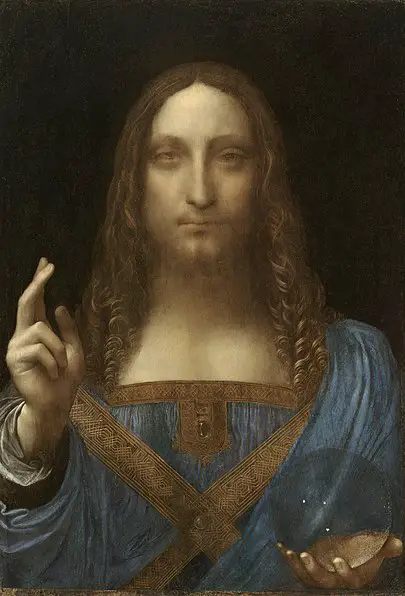
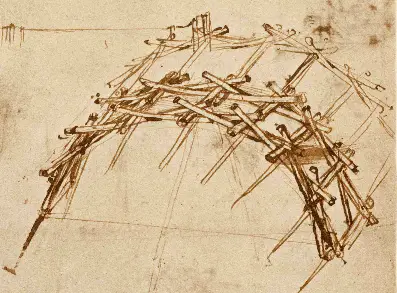
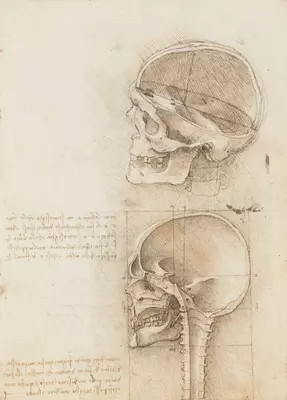
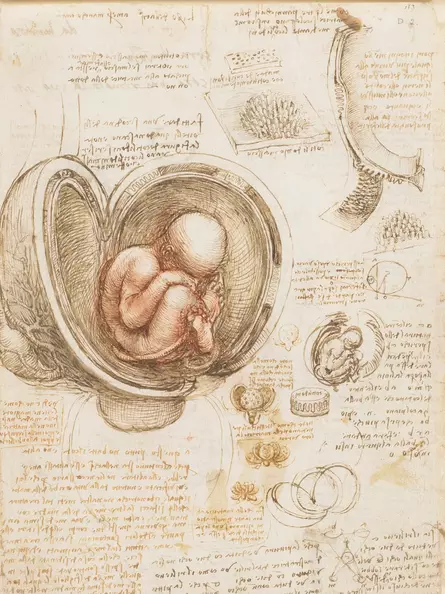
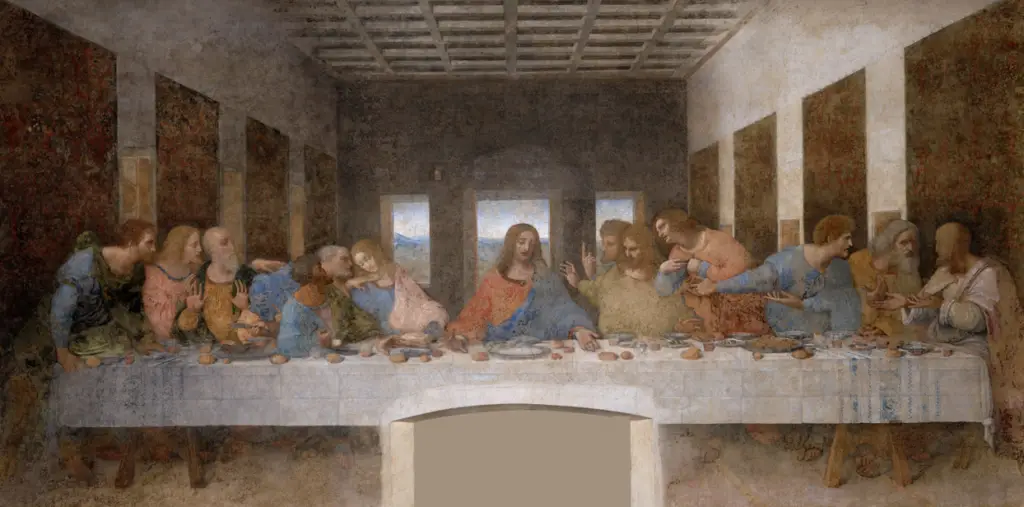
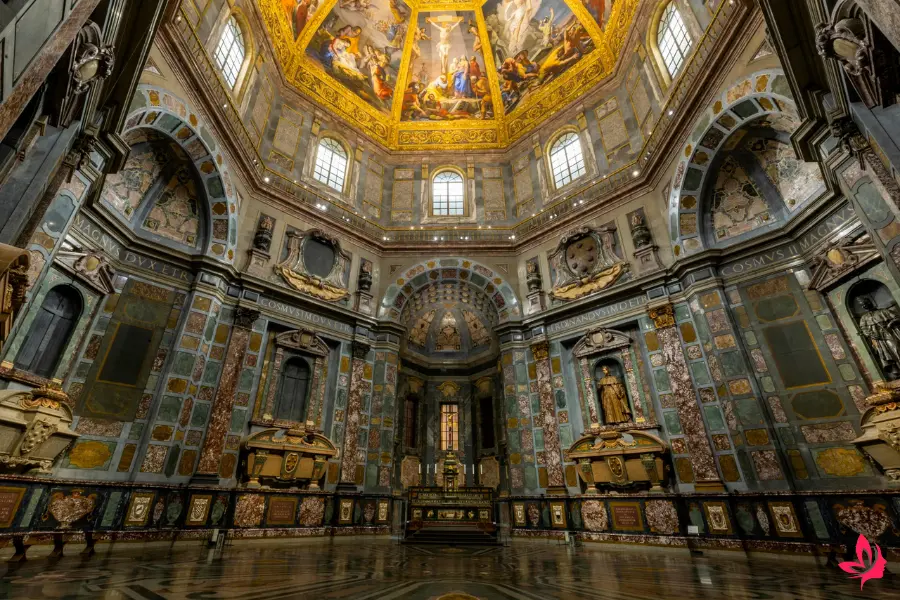
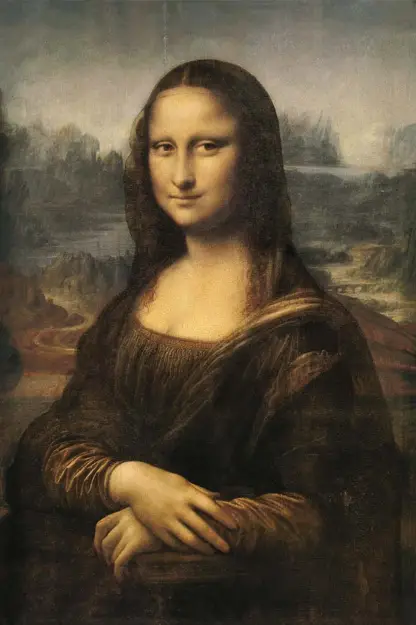
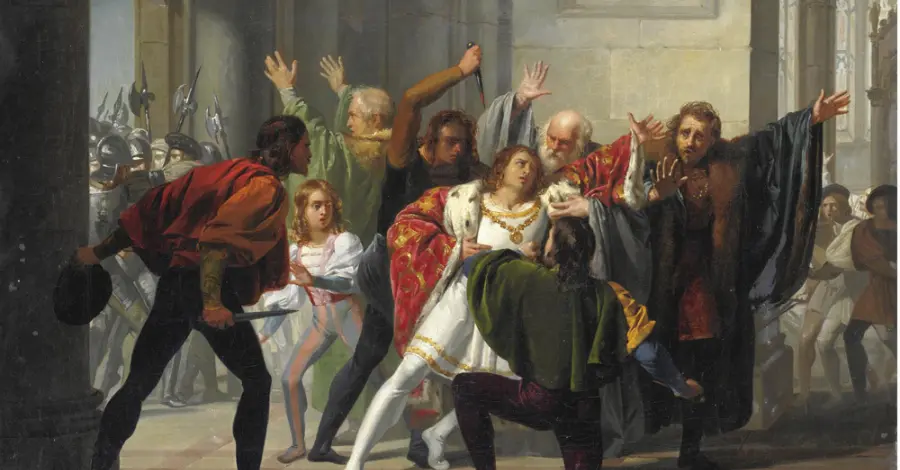
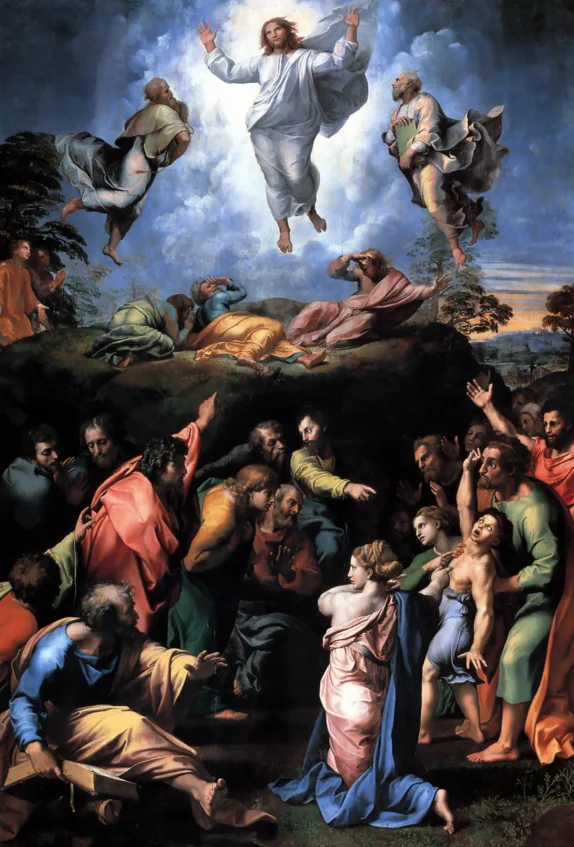
 Leonardo Bianchi is the founder of Leonardo da Vinci Inventions & Experiences, a travel and research guide exploring where to experience Leonardo’s art, engineering, and legacy across Italy and Paris.