Comparison of Medieval Food vs. Renaissance Food showing the shift from humble, survival-based meals in a dim medieval kitchen to lavish, art-filled banquets of the Renaissance (conceptual illustration)
The food of the Renaissance era truly diverged from the simple, limited diets of medieval times. Suddenly, culinary exploration and social dining became the norm.
The biggest changes? New World ingredients like tomatoes and chocolate, the rise of sugar as a sweetener, and meals transforming from basic sustenance into elaborate displays of wealth and status.
During the Renaissance, food evolved into an art form and a status symbol, rather than just a means of survival. The growing middle class began to acquire spices and cooking techniques that were once reserved for the nobility.
The medieval period was characterized by the Catholic Church’s rules for modest eating and a rigid feudal system that limited most people’s food choices to a bleak range. Then came the Renaissance, and suddenly, luxury and experimentation were in style.
This revolution touched everything—what proteins people ate, how bread marked social class, and how fresh produce from faraway places changed daily meals. Dining turned into a cultural event, not just a necessity.
The Transformation of Meat and Protein in Renaissance Era Food
https://youtu.be/15N69PnXsc4?si=YybkPbiVe6kdbMnu
Renaissance cooks began to move away from salted, preserved meats. Fresh preparations and exotic game birds stole the spotlight at noble tables.
Roasted peacock and swan became showpieces. Fresh fish started to replace salted versions, especially for those who could afford it.
From Preserved Pork to Fresh Roasted Meat: A Culinary Revolution
Medieval diets leaned heavily on preserved pork, bacon, and salted meats. That was mostly because storage options were limited.
With the Renaissance came better preservation and supply chains. Suddenly, cooks could serve fresh roasted meat much more often.
Fresh roasts became the stars of Renaissance banquets. Wealthy families flaunted their status with elaborate dishes of beef, veal, and mutton.
These new dishes required skilled cooks and the latest techniques. Improved ovens and equipment enabled the development of more flavorful and visually appealing presentations.
Exotic Game Birds Replace Medieval Staples: Peacock, Swan, and Pheasant on Noble Tables
The nobility ditched simple chicken and duck for dramatic game birds. Peacock, swan, and pheasant became must-haves for aristocratic feasts.
Cooks would re-feather peacocks after roasting them, turning dinner into a visual spectacle. Swans and cranes made appearances at the grandest banquets.
Pheasant and partridge were more practical but still impressive. They tasted great and were easier for kitchen staff to manage.
Hosting exotic game birds showcased artistry and wealth. It was all about making a statement—look at what I can hunt, look at what I can serve.
The Rise of Fresh Fish vs. Salted Fish: Cod, Salmon, and Sturgeon
Medieval tables were loaded with salted cod and herring. As transport improved, fresh fish became the new favorite for those who could get it.
Salmon gained popularity for its rich flavor and attractive appearance on the table. Sturgeon, especially its caviar, became a delicacy among the wealthy.
Fresh trout and pike showed up often at noble feasts. Coastal folks enjoyed oysters, mussels, and other shellfish. Sometimes, even porpoise and whale made an appearance at the most lavish spreads.
Preparing fresh fish took real skill. Renaissance cooks experimented with sauces and new methods to bring out the best in these premium proteins.
Wild Game and Unusual Proteins: Venison, Boar, and Even Dormice
Venison and wild boar were top prizes for Renaissance hunters. Serving these meats showed off your access to hunting grounds and noble connections.
Some tables even featured dormice, hedgehogs, or beavers. That might sound strange now, but back then, it was all about culinary adventure and trying something new.
Rabbit and hare were a bit more common and bridged the gap between everyday and exotic. Middle-class kitchens often included these wild proteins in their meals.
Turkey Arrives: How New World Poultry Changed Renaissance Era Food Forever
Turkey changed everything after Spanish explorers brought it back from the Americas. This large bird provided ample meat for growing households.
Its size made it perfect for grand presentations. Renaissance cooks developed new methods for preparing turkey, distinct from traditional European poultry recipes.
Turkey’s arrival kicked off a global culinary exchange. It effectively summarized how Renaissance-era food culture began to evolve as exploration introduced new flavors and ideas.
Bread, Grains, and the Social Hierarchy of Renaissance Era Food
Bread wasn’t just food anymore—it became a marker of social status. The type of grain, how it was prepared, and the final bread all said a lot about who you were.
White Bread vs. Brown Bread: Manchet, Rye, and the Class Divide
Meanwhile, the lower classes ate rye and mixed-grain breads. Darker, more nutritious, but definitely not a status symbol. The way bread was ground and baked mattered for both nutrition and social standing.
The Pasta Revolution: Tagliatelle, Ravioli, and Tortellini Enter European Cuisine
Tagliatelle, ravioli, and tortellini emerged as sophisticated new grain dishes. Italian cooks crafted these pastas to highlight their culinary skills and ingredients.
Making these pastas took refined flour and real technique. Noble households hired skilled cooks to create filled pastas with cheese and roasted meats.
The pasta craze spread from Italy through trade. Wealthy merchants brought these dishes to other courts, turning wheat into edible art.
Barley, Oats, and Millet: Medieval Porridge Gives Way to Renaissance Refinement
Barley, oats, and millet have been elevated from basic porridge to fancier dishes. Gruel was out, and seasoned, textured grain sides were in.
Cooks started adding vegetables like onions and garlic to these grains. The result? More complex recipes and a move away from just boiling everything.
The upper classes treated these grains as side dishes, not main courses. It’s a testament to how Renaissance cuisine elevated even humble ingredients.
Rice and Wheat Flour: Luxury Grains That Defined Renaissance Era Food
Rice arrived in the Mediterranean region via the trade route as a highly valued exotic luxury. The wealthy used it in sweet dishes and elaborate sides, setting it apart from everyday wheat.
Wheat flour quality mattered more than almost anything else. The whitest, finest flour produced the best breads and pastries for noble tables.
Processing and transporting these grains is costly. Serving them showed off wealth and access to trade.
How Bread Quality Signaled Status: From Black Bread to Aristocratic Manchet
Black bread sat at the bottom of the social ladder. Made from coarse grains, it was basic fuel for laborers and peasants who couldn’t afford better.
Aristocratic manchet needed skilled bakers and pricey ingredients. It went hand in hand with fine meats, such as venison, at feasts—luxury foods working together to showcase status.
Fresh Produce and New World Ingredients Transform Renaissance Era Food
New ingredients from the Americas began to appear during the Renaissance, disrupting traditional European fruit and vegetable varieties. Root vegetables remained important, but tomatoes and potatoes gradually made their way into kitchens, changing the culinary landscape.
Root Vegetables vs. Leafy Greens: Turnips, Carrots, and the Food Hierarchy
Root vegetables were everywhere. Turnips kept peasants going, while carrots gained favor with wealthier folks for their sweetness and color.
Parsnips and rutabagas helped people survive winter. These veggies stored well, making them indispensable during the cold months.
Leafy greens, such as cabbage, lettuce, and watercress, hold a distinct place in the food hierarchy. Cabbage was for the masses, often pickled into sauerkraut to extend its shelf life.
Preparation styles split along class lines. Peasants boiled roots into thick stews with the odd scrap of bacon, while the rich enjoyed fancy versions spiced up with exotic seasonings.
Seasonal Produce and Preserved Fruits: Apples, Pears, and Candied Delicacies
Fresh fruit eating followed the seasons during the Renaissance. Apples and pears filled autumn baskets, giving people crucial vitamins before winter set in.
People used preservation techniques to transform seasonal abundance into treats that could be enjoyed throughout the year. Wealthy households made candied fruits with imported sugar, transforming everyday apples into prized sweets.
Preservation Method
Common Fruits
Cherries, oranges, and lemons
Dried
Apples, pears, plums
All classes
Candied
Cherries, oranges, lemons
Wealthy only
In syrup
Peaches, pears
Upper class
Seasonal produce included strawberries, cherries, and early summer berries. These delicate fruits showed up fresh at wealthy feasts, but only for a short time each year.
Grapes played two roles—people ate them fresh and used them for wine. Both white and red grapes thrived in Mediterranean regions, fueling local economies.
The Arrival of Tomatoes and Potatoes: Exotic Foods That Changed Everything
Tomatoes appeared in Europe in the mid-16th century, but most folks saw them as decorative oddities. Wealthy Europeans cultivated these unusual plants in their gardens, not in their kitchens.
Potatoes also met with skepticism, despite being a nutritious food. Farmers in Europe stuck to familiar roots, such as turnips and parsnips, instead of these new tubers.
Change came slowly through the late Renaissance. Italian cooks started using tomatoes in sauces, laying the groundwork for what we call modern cuisine.
Spanish and Portuguese explorers brought these foods through their trade networks. Still, it took generations for people to embrace them truly.
Mediterranean Flavors: Artichokes, Fennel, and Fresh Herbs in Renaissance Cooking
Artichokes gained significant value in Italian Renaissance kitchens. Wealthy tables featured these Mediterranean vegetables, accompanied by olive oil and fresh herbs.
Fennel is offered in both bulb and seed form for cooking. Cooks used the bulbs as vegetables and ground the seeds into spice for roasted meats.
Fresh herbs like basil, rosemary, thyme, and sage brought simple ingredients to life. Monastery and castle gardens across Europe grew these herbs.
Italian cooks in the Renaissance combined herbs to enhance, rather than mask, natural flavors. That approach stood out in comparison to medieval cooking, which relied heavily on imported spices.
Mediterranean cooking styles spread north through trade. French and English kitchens gradually adopted Italian methods of preparing vegetables and herbs.
Beans, Peas, and Legumes: From Peasant Staples to Refined Renaissance Era Food
Beans and peas crossed class lines in the Renaissance. Poor families relied on these protein-rich foods, while the wealthy incorporated them into elaborate dishes.
Fava beans led the way in early Renaissance gardens, long before American varieties arrived. When people combined these hardy beans with grains, they got a solid protein boost.
Lentils and chickpeas frequently appeared in Mediterranean kitchens. Cooks flavored them with olive oil, garlic, and fresh herbs instead of just boiling them plain.
How people prepared legumes said more about class than the ingredients themselves. Peasants made basic porridge from dried peas, while aristocrats enjoyed them with pricey spices and bits of roasted meat.
Gardeners grew fresh peas as a luxury springtime treat. Wealthy tables across Europe celebrated these tender pods as a sign of seasonal plenty.
Frequently Asked Questions
Renaissance food differed from medieval meals due to the introduction of new ingredients, such as sugar and tomatoes, as well as more sophisticated cooking and presentation techniques. People enjoyed a greater variety and developed dining habits that showcased both their nutritional needs and social status.
What food did they eat during the Renaissance?
Renaissance folks ate bread, meat, and vegetables as staple foods. The wealthy went all out with exotic spices, sugar, and fancy dishes at banquets.
Exploration brought in new foods. Tomatoes, peppers, and chocolate arrived in the New World from the Old World in the 16th century.
The middle class got access to better ingredients than before. They could afford improved cooking and more variety than medieval peasants ever dreamed of.
What did people in the Renaissance eat for breakfast?
Breakfast in the Renaissance was usually simple. Most people ate bread, porridge, or leftovers from the day before.
The wealthy might add cheese, eggs, or a bit of meat. Breakfast wasn’t the main meal—people didn’t fuss over it.
The big meal happened at midday. Evening meals were lighter, especially compared to lunch.
What was the most common food eaten in medieval times?
Bread was the backbone of the medieval diet. Porridge from grains was another staple for most families.
Vegetables like cabbage, onions, and turnips appeared frequently. The peasants and commoners were often limited to a monotonous and unappetizing diet.
Meat is too expensive for most people, so only the wealthy can afford to eat it regularly. Commoners might get pork, chicken, or fish when they could.
What was Leonardo da Vinci's favorite food?
Leonardo da Vinci liked simple, light meals that wouldn’t slow him down. He ate vegetables, fruit, and usually skipped heavy meat dishes.
Records say he enjoyed minestrone and fresh bread. Da Vinci thought that overeating dulled the mind and hurt creativity.
He appreciated a glass of wine with meals, but only in moderation. His eating habits matched Renaissance ideas about balance and self-control.
What did people drink in the Renaissance?
Water wasn’t always safe, so people turned to ale, beer, and wine. Alcoholic drinks were safer than questionable water sources.
The wealthy enjoyed imported wines and special drinks. Sugar became more widely available and was used to sweeten beverages.
People drank milk fresh when they could get it. Herbal teas and fruit juices were also on the menu, if they were lucky.
What did food look like in the 1500s?
Food presentation became much fancier during the 1500s. The Renaissance introduced haute cuisine, characterized by more intricate preparations and elaborate displays.
Wealthy families often took pride in presenting their meals in elaborate and decorative ways. Sugar sculptures and ornate pastries typically sat at the center of the table as eye-catching centerpieces.
The colors on the plate started to pop more, thanks to the addition of new spices and ingredients. Tomatoes and peppers arrived, adding reds that people hadn't seen before.
Formal dinners typically consisted of several courses, served one after another. Hosts arranged each dish to impress their guests and show off a bit—maybe even a lot—of wealth and taste.
Galileo Galilei is best known for discovering the four largest moons of Jupiter, now called the Galilean moons—Io, Europa, Ganymede, and Callisto in 1610.
This article will explain the key discoveries and inventions that made Galileo famous, so you can understand why his name matters today.
Galileo’s telescopic observations changed how people view the universe. He revealed facts like mountains on the moon and Jupiter’s moons, supporting the idea that not everything orbits the Earth.
These findings stood out when most believed Earth was central to everything. Galileo’s courage to challenge this belief made history.
You will learn about his discoveries in space, work on motion, and inventions, like the improved telescope, which helped spark a new era in science.
Galileo used careful observation and experimentation. His methods changed the world and still influence science today.
What Is Galileo Galilei Best Known for in Astronomy and Telescopic Discoveries
Galileo Galilei changed astronomy with his telescopic observations and discoveries. He used experiments and evidence-based science to challenge traditional beliefs about the universe.
His work laid the foundation for modern observational astronomy.
How Galileo Revolutionized Astronomy With the Telescope
Galileo was the first to use a telescope for scientific night sky observations. He made his improved version of the telescope, allowing him to see things never viewed before.
Instead of trusting old beliefs, Galileo used his instrument to gather evidence and share what he found.
This was a significant innovation during the Renaissance. His detailed sketches and notes helped others in the scientific community understand what he observed.
Galileo’s techniques set new standards for the scientific method and became a model for evidence-based astronomy.
His work supported the idea that science should be based on observations rather than tradition.
Galileo’s use of the telescope led to discoveries that overturned the geocentric (Earth-centered) model of the universe. This started a revolution in science and physics, marking a break from medieval natural philosophy toward modern classical physics.
Discovering the Moons of Jupiter and Other Celestial Bodies
In January 1610, Galileo discovered four moons orbiting Jupiter. These are now called the Galilean moons: Io, Europa, Ganymede, and Callisto.
This was the first time anyone had found celestial bodies revolving around a planet other than Earth.
This discovery provided strong evidence against the ancient geocentric model. It showed that not everything in the heavens revolved around Earth, supporting the idea of heliocentrism, where the planets, including Earth, orbit the Sun.
Along with the moons of Jupiter, he spotted countless new stars in the Milky Way and observed Saturn’s mysterious shape.
Observing Sunspots, Phases of Venus, and Mountains on the Moon
Galileo saw things in the sky that had never been described before. He observed dark spots moving across the Sun, called sunspots, proving the Sun was not perfect and unchanging.
This was shocking in his time.
He saw Venus go through phases like the Moon when he tracked Venus. This showed that Venus orbits the Sun, not Earth, giving more proof for heliocentrism.
Galileo also used his telescope to see mountains and craters on the Moon. He showed that it was rough, not smooth, as people once believed.
These discoveries further evidenced that the heavens were changeable and imperfect, which went against what the Church and many scholars taught.
Galileo’s observations and commitment to the scientific method helped establish him as the “father of modern science.”
What Is Galileo Galilei Best Known for in Physics and the Scientific Method
Galileo Galilei transformed natural philosophy into a precise science focused on observation and mathematical proof.
His studies on motion and gravity and experiments set the groundwork for modern physics and introduced the scientific method.
Uncovering the Laws of Nature and Motion of Falling Bodies
Galileo studied how objects move and fall. He did experiments by dropping objects of different weights from the same height.
He found that if there is no air resistance, all objects fall at the same speed, regardless of their weight.
Before Galileo, most people believed that heavier things fall faster. This belief came from Aristotle’s ideas.
Galileo proved this was not true through experiments. He proved that the laws of nature could be understood by watching how things behave rather than just trusting what people say.
He also used mathematics to describe how objects roll down inclines. His work changed how people describe and predict the natural world.
It helped lay the foundation for later discoveries about gravity and motion by figures such as Isaac Newton.
Challenging Traditional Beliefs With Evidence-Based Science
During Galileo’s time, people often listened to ideas from ancient books rather than experimenting for themselves. Galileo changed this by relying on observations, measurements, and testing ideas with experiments.
He believed that nature follows rules that can be described with mathematics.
He used the scientific method: asking questions, making predictions, testing those predictions, then sharing the results.
This was a big change from older ways of thinking.
This method of seeking evidence, rather than just accepting tradition, led Galileo into conflict with the Catholic Church. When his observations supported the idea that the Earth revolves around the Sun (heliocentrism), the Inquisition put him on trial.
Galileo’s Contributions to Modern-Era Classical Physics
Galileo’s work forms the roots of modern-era classical physics. He introduced ways to measure and describe natural events using straightforward mathematics and numbers.
He advanced the study of the strength of materials, showing how different shapes and sizes react to stress.
He also introduced ideas about inertia, which later became part of Newton’s first law of motion.
Galileo proved that the language of mathematics is the key to unlocking the laws of nature.
Today, people call Galileo the father of modern science because his experiments and ideas changed how people view physics and the scientific method.
His work made it possible to predict how things move or react using clear and testable scientific rules.
What Is Galileo Galilei Best Known for During the Renaissance and His Conflict With the Church
Galileo Galilei made major discoveries in astronomy using a telescope. His evidence supporting heliocentrism and his conflict with the Catholic Church helped spark the Scientific Revolution during the Renaissance.
Supporting Heliocentrism and the Earth Revolving Around the Sun
Galileo is best known for supporting the idea that the Earth revolves around the Sun, which is called heliocentrism. At the time, the traditional belief was geocentrism, which stated that everything in the universe revolved around Earth.
Galileo challenged this old idea by making discoveries with his telescope.
He was the first to report telescopic observations, including seeing the moons of Jupiter, the phases of Venus, and mountains on the Moon. These discoveries showed that not everything orbits Earth.
When he observed the moons of Jupiter, he saw objects moving around another planet, not Earth. This provided direct evidence against geocentrism.
The phases of Venus also proved that Venus orbits the Sun, not Earth. His observational astronomy changed natural philosophy and provided strong evidence for the mathematical language of nature.
The Inquisition, Trial by the Church, and Scientific Revolution
Galileo’s support for heliocentrism put him in conflict with the Catholic Church. The Church supported geocentrism and believed heliocentrism was against both Scripture and tradition.
His views were seen as dangerous and led to a trial by the Inquisition.
In 1633, the Inquisition called Galileo before them. He was ordered to recant his support for heliocentrism.
The trial ended with Galileo being found guilty of heresy and sentenced to house arrest for the rest of his life.
This marked a turning point in science because it showed the risks of challenging traditional beliefs.
This moment during the Renaissance reinforced the need for evidence-based science. Galileo's use of the telescope for astronomy and his public demonstrations helped drive the Scientific Revolution and innovation.
Galileo as the Father of Modern Science and His Lasting Legacy
Galileo is often called the “Father of Modern Science.” He combined math, physics, and careful experiments, laying the foundation for modern classical physics.
He invented methods for testing hypotheses, focusing on measurable and repeatable experiments.
His discoveries, such as the motion of falling bodies and the laws of nature, helped explain gravity and inertia. He set new standards for the scientific method by insisting on careful observation and evidence.
This changed how people think about the natural world.
Galileo’s legacy as a pioneer in telescopic discoveries, evidence-based science, and challenging traditional beliefs remains strong.
His work continues to inspire those who value innovation and the pursuit of knowledge through observation and experimentation.
Final Thoughts
Galileo Galilei changed how people understood the universe with his discoveries.
He used a telescope to study the skies and found moons around Jupiter.
This challenged the idea that everything revolved around Earth.
Other major discoveries:
Sunspots on the sun’s surface
Phases of Venus
Mountains and craters on the Moon
Laws about how objects fall and move
Galileo studied gravity and motion by carefully measuring and experimenting.
He worked on inertia and supported the heliocentric model, which helped shape modern science.
He faced opposition from powerful groups who disagreed with his ideas.
Galileo continued to share his findings and set new standards for scientific research.
Galileo Galilei is best known for astronomy, physics, and the motion that changed how we see the world.
His work is still studied and respected in science classes today.
Science continues to move forward, building on Galileo’s methods of observation and testing.
Frequently Asked Questions
Galileo Galilei made key contributions to astronomy and physics, invented the telescope, and changed people's views of the universe.
His findings challenged old beliefs and shaped modern science.
What is Galileo Galilei famous for?
Galileo Galilei discovered Jupiter's four largest moons, now known as the Galilean moons.
He was the first to use a refracting telescope for significant astronomical discoveries.
He also studied gravity, motion, and improved the design of scientific instruments.
What is Galileo most remembered for?
He is most remembered for using the telescope to observe the heavens.
His observations showed that the moon was not smooth and that Jupiter had moons orbiting it.
Galileo’s work supported the idea that the Earth orbits the sun.
How did Galileo Galilei impact the world?
Galileo changed how people understood the universe.
His discoveries challenged traditional views about the cosmos and supported the sun-centered model.
He pioneered the experimental scientific method, which is important in science today.
What did Galileo do before he died?
Before he died, Galileo continued studying astronomy and physics, even while under house arrest.
He wrote important works, including "Dialogue Concerning the Two Chief World Systems" and "Discourses and Mathematical Demonstrations Relating to Two New Sciences."
These writings shared his ideas with future generations.
When did Galileo go blind?
Galileo lost his sight later in life.
He became completely blind around 1642, just a few years before he died.
Who is the father of science?
Many consider Galileo Galilei to be the “father of modern science.”
This is because of his experiments, discoveries, and how he used observation to study nature.
What are 5 facts about Galileo?
Galileo improved the telescope and used it to study planets and stars.
He discovered Jupiter's four biggest moons.
He observed the rings of Saturn.
Galileo studied gravity and invented scientific tools.
He spent his later years under house arrest for his scientific views.
Was Galileo the first to see Saturn's rings?
Galileo was the first person to observe Saturn through a telescope.
His telescope was too weak to see the full rings, so he described them as "handles" or "ears" on the planet.
Later, stronger telescopes revealed they were rings.
How did Galileo discover the Milky Way?
Galileo studied the Milky Way using his telescope.
He saw that the cloudy band across the sky was made of countless stars.
His telescope observations showed the universe was much larger and more detailed than once believed.
The Annunciation, Leonardo’s linear perspective Renaissance artwork
Linear perspective in Renaissance art was a groundbreaking technique that transformed how artists depicted space and depth. This approach allowed a more realistic representation of three-dimensional spaces on two-dimensional surfaces.
Developed in the early 15th century by Filippo Brunelleschi, linear perspective introduced the concept of parallel lines converging at a single vanishing point, providing depth and realism.
Many Renaissance artists, such as Leonardo da Vinci and Raphael, embraced this method to create stunning works that still captivate viewers today.
The technique revolutionized art by organizing compositions and drawing the viewer’s eye to the focal points of scenes. This clever use of perspective made settings appear more lifelike, a sharp departure from the flattened images of the earlier Gothic period.
For those curious about the dramatic changes this brought to art, exploring how linear perspective was rediscovered during the Renaissance provides fascinating insights.
It wasn’t just a technical advance; it also complemented the humanist ideals of the time by highlighting the beauty of the natural world and the human form.
The Impact of Linear Perspective on Renaissance Art
Linear perspective, which creates an illusion of depth on a flat surface, transformed how artists portrayed space and depth, leading to a more realistic representation of Renaissance art. This technique allowed artists to create paintings with a three-dimensional appearance on two-dimensional surfaces.
To understand its impact, it’s essential to explore its early applications and the figures who played pivotal roles in its development.
Early Applications in Renaissance Art
Renaissance artists quickly embraced linear perspective to enhance realism in their work. Before its use, paintings often appeared flat and lacked depth.
Linear perspective uses a mathematical approach to create the illusion of space. Artists established a horizon line and vanishing points, which allowed objects in a painting to diminish in size as they receded into the distance.
This method was used in many famous pieces from the era, giving a new life to compositions and making them more visually engaging.
Even though Filippo Brunelleschi is widely credited with its initial development around 1415, artists like Masaccio and Piero della Francesca were key in applying it to their work, leading to remarkable painting advancements.
Key Figures in Its Development
A few notable figures were instrumental in developing linear perspective during the Renaissance.
Italian architect Filippo Brunelleschi is often credited with devising the system, marking a pivotal moment in art history. His innovative ideas were soon incorporated by other artists, like Leon Battista Alberti, who documented the method in his work “On Painting,” providing guidelines for others to follow.
These early pioneers of perspective laid the groundwork for subsequent masters, including Leonardo da Vinci and Raphael, who used these techniques to create some of the most iconic paintings of the Renaissance. Their work solidified linear perspective as a cornerstone of artistic practice, influencing numerous European artists.
Fundamentals of Linear Perspective
The School of Athens, Raphael’s linear perspective Renaissance artwork
Linear perspective is used in art, particularly during the Renaissance, to create a sense of depth on a flat surface. It involves several key elements, including the horizon line, vanishing points, and orthogonal.
These components work together to give paintings a more realistic three-dimensional appearance.
Defining the Horizon Line
The horizon line is a crucial element in linear perspective. It represents the viewer’s eye level, where the sky meets the ground in the distance.
Artists organize their compositions using the horizon line. This line determines where the vanishing points will be placed and influences how the scene is constructed.
In linear perspective drawing, the horizon line is key to creating depth and spatial relationships within the artwork. Without it, the framework for perspective collapses, making it challenging to achieve realism.
Vanishing Points and Convergence
Vanishing points are where parallel lines appear to converge on the horizon line. These points are essential for creating the illusion of depth in linear perspective art.
An artwork can have one or more vanishing points. A single vanishing point, or one-point perspective, is often used for simpler compositions, while multiple vanishing points are for more complex scenes.
The technique of convergence, where lines seem to meet at these points, helps mimic how objects recede into the distance in the real world.
Role of Orthogonal
Orthogonal are diagonal lines that lead to vanishing points and help guide the viewer’s eye through the composition. These lines create a sense of depth by showing how objects shrink as they move further away.
In perspective artwork, orthogonal is vital for maintaining the illusion of space. They help maintain proportion among elements in a scene, ensuring a consistent depth throughout.
Types of Linear Perspective
Linear perspective in Renaissance art revolutionized how depth and space were depicted, allowing for more realistic and proportionate compositions. This method relies on lines converging to vanishing points on the horizon.
One-Point Perspective
A one-point perspective is characterized by a single vanishing point. This technique is often used when looking directly at the front of an object or scene.
All lines recede towards this point on the horizon line, creating a sense of depth.
This method was prevalent in Renaissance art, showcasing depth in interior scenes and roads. Artists like Leonardo da Vinci and his contemporaries effectively used the one-point perspective to create structured space in their works.
This approach is still widely used in architectural drawings and basic art compositions.
Two-Point Perspective
The two-point perspective involves two vanishing points on the horizon line. This technique is commonly used when viewing a corner of an object rather than a flat side.
Each set of parallel lines recedes to its respective vanishing point, adding complexity to the artwork.
This perspective became prominent in portraying buildings and cityscapes, giving a more dynamic view in Renaissance paintings. It provides a realistic depiction of spatial depth, a significant development during the Renaissance era.
Three-Point Perspective
The three-point perspective introduces a third vanishing point above or below the horizon line. This technique captures scenes from an unusual angle, like a bird’ s-eye or worm’ s-eye view. It helps depict exaggerated height or depth.
In Renaissance art, the three-point perspective was less common, but it demonstrated advanced spatial awareness by artists.
It was mainly applied to create dramatic compositions, enhancing the sense of towering structures or deep chasms. Today, it is mostly found in modern architectural drawings and comic art to portray extreme viewpoints.
Techniques for Creating Depth and Volume
Strategic Object Placement and Accurate Scaling in Leonardo da Vinci’s The Last Supper Painting
Artists in the Renaissance used various techniques to depict depth and volume in their paintings.
These methods transformed flat surfaces into dynamic, three-dimensional spaces. Key strategies include scaling, overlapping, and using atmospheric effects.
Scaling of Objects
Scaling objects is crucial to creating depth. In linear perspective art, artists adjust the size of objects to suggest distance.
Larger items appeared closer, while smaller ones seemed farther away. This clever size variation gave the illusion of depth on a flat medium.
Painters like Leonardo da Vinci mastered this technique. They ensured that objects placed strategically within a composition effectively directed viewers’ focus.
By accurately scaling elements, artists enhanced realism and engaged viewers with convincing scenes.
Layering and Overlapping
Layering and overlapping are pivotal in depicting volume. Painters conveyed spatial relationships by positioning objects in front of or behind one another.
This method helped build a sense of depth in composition, making some elements appear closer to or further from the viewer.
Early Renaissance artists like Masaccio used simple geometric shapes to create depth. These techniques allowed for complex narratives within confined spaces.
By overlapping forms, they could highlight focal points and seamlessly guide the viewer’s attention through the artwork.
Atmospheric Perspective Adjunct
Atmospheric perspective complements depth creation by using color and contrast.
Artists reduced contrast and softened colors to suggest distance. Distant objects appeared lighter and less detailed, mimicking how the human eye perceives environmental depth.
Leonardo da Vinci was a master of atmospheric perspective, often seen in his landscape backgrounds.
He created a sense of vastness and openness by adjusting clarity and hue. This technique added realism to paintings by effectively imitating natural atmospheric conditions and enhancing the overall illusion of space.
Impact on Artistic Representation
Linear perspective revolutionized Renaissance art by enabling more accurate and realistic depictions in paintings and drawings. This technique allowed artists to create depth and dimension, enhancing the storytelling and perception of their work.
Changes in Visual Storytelling
The use of linear perspective changed how stories were told in Renaissance art. Artists like Filippo Brunelleschi and others applied mathematical principles to their compositions.
This allowed scenes to unfold in a more structured space.
In linear perspective artwork, parallel lines converge at a single vanishing point. This technique allows the viewer’s eye to naturally move through the scene, creating a more engaging narrative.
This approach also enabled artists to present multiple themes within a single painting. They could position different elements strategically to lead the viewer’s attention from foreground to background.
Influence on Viewer Perception
Linear perspective significantly impacted viewers’ perceptions of Renaissance paintings. This technique provided a sense of depth that made the artwork appear three-dimensional.
The illusion of space made figures seem more lifelike and realistic.
Artists created natural depth in their scenes by using a horizon line, which allowed for a more immersive experience for the viewer.
They could feel as though they were part of the scene rather than observing from afar.
Perspective in art during the Renaissance also encouraged viewers to consider their viewpoint. As people engaged with these paintings, they experienced art in a new way, gaining a fresh perspective on storytelling and the world depicted in the artwork.
Final Thoughts
Linear perspective in Renaissance art transformed how artists depicted the world around them. By employing this technique, paintings and drawings gained a new depth, enabling viewers to see more realistic scenes. This method was significant in moving away from earlier art’s flat, abstract representation.
One key figure associated with this technique was Filippo Brunelleschi, who was vital in rediscovering linear perspective. His work laid the groundwork for many artists of the time to experiment and refine their methods, shaping an entire era of art.
Linear perspective had a profound impact, influencing renowned artists such as Leonardo da Vinci and Raphael. They used this approach to create captivating, three-dimensional works that are admired today. This became a defining characteristic of the Renaissance art era.
The method relies on making parallel lines appear to converge towards a single vanishing point on the horizon. This clever use of geometry allowed artists to portray spatial relationships more effectively, giving their work a sense of depth and realism.
Key Takeaways: Linear perspective revolutionized Renaissance art by providing a method to depict depth effectively. It remains a foundational element in art and design today, demonstrating its enduring influence.
Frequently Asked Questions
Linear perspective revolutionized Renaissance art by creating a sense of depth and realism. This technique used math to make objects appear smaller as they got farther away, changing how viewers interacted with paintings.
What is linear perspective in Renaissance art?
Linear perspective in Renaissance art is a technique that creates an illusion of depth on a flat surface.
Parallel lines converge at a point on the horizon, known as the vanishing point, to give a sense of three-dimensional space. This method was key to achieving realism in artworks of this period.
What was the perspective of art during the Renaissance?
During the Renaissance, artists focused on accurately representing space and form. Employing scientific and mathematical principles, they created more realistic and proportionate images that often depicted religious, mythological, and historical scenes.
What is an example of a linear perspective?
Leonardo da Vinci’s painting The Last Supper exemplifies linear perspective. Its architectural elements direct the viewer’s eyes to a vanishing point behind Jesus, enhancing the three-dimensional effect.
Who was one of the pioneers of linear perspective in Renaissance art?
Filippo Brunelleschi, an Italian architect, is credited as one of the pioneers of linear perspective. He developed the early system in the early 15th century, which was crucial for later Renaissance artists.
Did Van Gogh use linear perspective?
Van Gogh did not primarily employ a linear perspective, as it was during the Renaissance. His style focused more on expressive use of color and brushwork rather than strict adherence to realistic depth and perspective.
What techniques were used in Renaissance art?
Renaissance art techniques included linear perspective, chiaroscuro, and sfumato. These approaches marked a shift toward greater realism.
What is the effect of a two-point linear perspective?
The two-point linear perspective uses two vanishing points on the horizon line to depict an object in three dimensions.
This technique allows artists to create more dynamic compositions and is often used to represent objects at an angle rather than straight on.
What is a three-point linear perspective in art?
A three-point linear perspective involves three vanishing points and depicts objects from a high or low point of view.
This method can create dramatic effects of height or depth and helps create more exaggerated angles in architecture or urban scenes.
Did Leonardo da Vinci use linear perspective?
Yes, Leonardo da Vinci used linear perspective. His works often demonstrate this technique, allowing him to create realistic spatial arrangements and depth, as seen in The Last Supper.
What are some important characteristics of the Renaissance?
Important characteristics of the Renaissance include an interest in classical antiquity, the use of perspective techniques, humanism, and proportion in art and architecture. These elements came together to create remarkable artistic and intellectual growth.
Leonardo's Salvator Mundi was sold for $450.3 million at Cristie's in New York (2017)
The lost Leonardo painting refers to the controversial and mysterious Salvator Mundi.
This painting, allegedly attributed to Leonardo da Vinci, has sparked debate over its authenticity. Some experts question whether da Vinci created it.
This intrigue has only intensified since the painting was sold for a record-breaking $450 million, captivating art enthusiasts and historians worldwide.
The Salvator Mundi had humble beginnings, initially purchased for just $1,175 at a New Orleans auction house. It wasn't long before a restorer found evidence of Renaissance brushstrokes beneath layers of varnish, suggesting its prestigious origin.
These findings led to intense scrutiny and interest, as highlighted in The Lost Leonardo documentary, which dives deep into the painting's journey and controversies.
Art historians continue to explore the painting's history, delving into its possible links to other lost works by Leonardo da Vinci.
Questions about its authenticity and origins remain a fascinating puzzle, making the story of the Salvator Mundi a captivating subject for those interested in art and mystery.
The Mystery of the 'Salvator Mundi'
The Salvator Mundi
The Salvator Mundi painting believed to be a lost Leonardo da Vinci masterpiece, has fascinated art enthusiasts and historians alike.
Known as "Savior of the World," the portrait depicts Christ holding a glass orb. This painting's journey from anonymity to worldwide fame adds to its allure and mystery.
This creation was long considered a copy until it was rediscovered and restored in the 2000s. Experts have debated if it’s genuinely a da Vinci original or if other artists contributed to it. The artwork gained notoriety after its exhibition at the National Gallery in London in 2011.
An intriguing aspect is the transparent orb held by Christ, which does not distort light as expected. Some believe this suggests Leonardo's involvement, as he had a firm grasp of optics and physics.
Computer scientists have recently investigated this detail and published that a hollow orb does not cause such distortion. After studying light refraction through various orbs, they estimated that the glass of the orb in Salvator Mundi was only a fraction of an inch thick, giving it its ethereal optical quality.
The painting's value skyrocketed when it sold for $450 million at auction in 2017, making it the most expensive artwork ever sold. This vast sum reflects its debated authenticity and the world's fascination with Leonardo’s genius.
Controversies around its ownership, including disputes involving a Russian billionaire, further contribute to its storied past. These ongoing battles over authenticity and ownership keep the lost Leonardo at the center of art world intrigue.
Historical Context and Discovery
The Salvator Mundi painting, often called the lost Leonardo, represents a remarkable chapter in art history. Once considered a mere copy, it emerged as a rare treasure linked to Leonardo da Vinci.
Art Historical Significance
The Salvator Mundi painting is of exceptional importance due to its attribution to Leonardo da Vinci, an artist with very few extant works.
The painting depicts Christ as the Savior of the World and showcases da Vinci's mastery in capturing intricate details and human emotion. Its rediscovery in 2005 led to intense scrutiny and debate among art experts about its authenticity and artistic value.
The da Vinci piece became a focal point during his exhibition at the National Gallery in London, captivating audiences with its artistry. The documentary The Lost Leonardo further explores these themes, providing deeper insights into its significance within art history.
Provenance and Ownership
Tracking the Salvator Mundi's history involves uncovering a complex trail of ownership. Purchased for just $1,175 at a New Orleans auction, the painting's journey is marked by obscurity and mystery.
Subsequent restoration and authenticating elevate its status, igniting a frenzy among collectors and museums worldwide. The painting famously sold for an astounding $450 million, setting records and reflecting its immense value.
This transaction involved a high-profile dispute, including the involvement of Russian billionaires and art dealers.
Its current ownership remains a topic of speculation as collectors vie for this extraordinary piece linked to one of the most celebrated artists.
Authentication Debate
https://youtu.be/j0lXLGgQjYY?si=eCLd4MYJx2Vfi7qi
The lost Leonardo painting, Salvator Mundi, has sparked significant debate about its authenticity. This debate involves art experts, scientific analysis, and questions about the painting's origin and significant Salvator Mundi price.
Expert Opinions
Many art historians and specialists have offered perspectives on whether the Salvator Mundi is an authentic Leonardo da Vinci work.
Some experts argue that the painting's style and technique closely match Leonardo's known works. These supporters emphasize the historical documentation and stylistic details that suggest it is a missing da Vinci masterpiece.
Opponents, however, raise doubts due to differences from other Leonardo paintings.
Critics point to inconsistencies in brushwork and composition. Others question the painting’s provenance, suggesting gaps in its history cast doubt on its authenticity.
This divide in expert opinion keeps the discourse active, with each side presenting compelling arguments based on historical and artistic evidence.
Scientific Analysis
Scientific analysis plays a vital role in authenticating the lost Leonardo painting. Techniques such as infrared reflectography and X-ray fluorescence have been applied to explore the painting's layers and materials.
These methods reveal underdrawings and materials consistent with the Renaissance period, supporting the claim that Leonardo might have painted it.
Despite these findings, some scientific analyses are inconclusive, leaving room for speculation. For instance, studies have shown evidence of Leonardo's techniques and patterns suggesting later restorations.
This complex interplay of historical and scientific data leaves the question of the painting’s true origin partially open, fueling ongoing debates and interest in its authenticity. The investigation into the Salvator Mundi’s origins continues to captivate the art world.
Record-Breaking Auction Sale
When news that a long-lost Leonardo da Vinci painting, the "Salvator Mundi," surfaced, art enthusiasts were eager to witness its significance.
The masterpiece, which shows Jesus Christ holding a crystal orb, captivated collectors worldwide. On November 15, 2017, the Salvator Mundi painting made history with its astonishing sale at Christie's auction house.
Auction Date: November 15, 2017
Sale Price: $450 million
Auction House: Christie's, New York City
This event marked the highest price for a work of art at auction. The painting's incredible journey from obscurity to fame involved years of verification and restoration, leading experts to authenticate it as an original Leonardo da Vinci piece.
The painting's hefty price tag intrigued many. Art market analysts predicted a record-breaking sale due to da Vinci's works' rarity and historical value.
Since the lost Leonardo belonged to a select few surviving pieces by the Renaissance master, it was no surprise that bidding escalated dramatically.
The Salvator Mundi price surpassed the previous record of Picasso's "Les Femmes d'Alger." Collectors and historians regard the painting as a symbol of cultural and artistic achievement, making its sale a pivotal moment in art.
Today, the whereabouts of the painting remain a topic of interest for scholars and enthusiasts. The sale broke records and ignited discussions about the significance and meaning of the lost Leonardo painting in the context of art history.
Controversies and Theories
The Salvator Mundi painting, attributed to Leonardo da Vinci, has generated intense debates about its origin and significance. Issues range from cultural impacts to various conspiracy theories that cloud its authenticity.
Cultural and Political Impact
The Salvator Mundi painting galvanized attention worldwide when it shattered records by selling for $450.3 million at auction in 2017. This staggering amount made it the most expensive painting ever sold, drawing attention from art enthusiasts and political figures.
The painting's sale led to a debate over its rightful attribution, as many questioned whether Leonardo da Vinci or his followers indeed crafted it.
The controversy echoed through museums and the art world, causing exhibition plans to be paused or canceled.
In particular, its expected display at the Louvre Abu Dhabi was delayed, raising eyebrows about its ownership and display rights. Its significance extends beyond art, impacting diplomatic relations, which is evident by discussions around Saudi Arabia’s involvement, adding a layer of complexity to its story.
Conspiracy Theories
Various conspiracy theories have enveloped the lost Leonardo painting, questioning whether it is an authentic creation of Leonardo da Vinci.
Some theorists argue that the painting might be a masterful forgery or partly the work of Leonardo's students. Scrutiny intensified after its restoration revealed changes that further blurred the lines of its authenticity.
Several claims pinpoint the involvement of high-profile figures, asserting that the painting's astronomical price could be a money-laundering operation.
Others theorize about its mysterious disappearance from public view, fueling speculation about the lost Leonardo painting's whereabouts. These narratives contribute to public intrigue, shrouding the painting in a veil of myth and speculation.
Final Thoughts
The Lost Leonardo painting Salvator Mundi has captured global interest not only for its artistry but also because of its history.
After being bought for a mere $1,175 at a New Orleans estate sale, this piece went on to become the most expensive painting ever sold at auction. The excitement surrounding this artwork expanded with the release of documentaries like The Lost Leonardo.
Art historians and enthusiasts debate the painting's authenticity, value, and history. Some argue about Leonardo da Vinci's involvement in creating this masterpiece.
The controversial questions keep the painting in the limelight, giving it an air of mystery that intrigues the art community and the public.
The Lost Leonardo painting illustrates a tangled web of relationships and motivations, from its initial restoration to its high-profile sales.
The intersecting layers of art, commerce, and power make this story a compelling topic in both art history and modern culture.
Key Takeaways: The Lost Leonardo painting is more than just art; it’s a fascinating story of discovery, debate, and value. Its journey reflects the complex nature of the art world and how historical artifacts shape modern narratives.
Frequently Asked Questions
The Lost Leonardo Painting, often called "Salvator Mundi," is a subject of intrigue and debate, especially regarding its authenticity and astonishing $450 million sale price.
Is the lost Leonardo painting real?
There is ongoing debate about the authenticity of the painting attributed to Leonardo da Vinci. Some experts believe it is a genuine work by Leonardo, while others question its origins and credit other artists from his workshop.
What is the lost Leonardo about?
The painting "Salvator Mundi" depicts Jesus Christ holding a crystal orb. It was created to showcase both spiritual and literal salvation.
Where is the lost Leonardo painting now?
The current location of "Salvator Mundi" remains uncertain. Some reports suggest it is held in Saudi Arabia, possibly on a yacht owned by Crown Prince Mohammed bin Salman.
What is Leonardo's lost masterpiece?
"Salvator Mundi" is often referred to as Leonardo's lost masterpiece due to its disputed attribution and exceptional value. It gained fame after being considered lost for centuries.
Who bought the $450 million painting?
Prince Badr bin Abdullah purchased the painting on behalf of Saudi Arabian Crown Prince Mohammed bin Salman. It was sold at a Christie's auction in 2017.
What is controversial about Salvator Mundi?
Controversies surround its attribution to Leonardo da Vinci, with debates over whether it was painted by Leonardo himself or his workshop. Additionally, restoration efforts and the dramatic increase in value have fueled discussion.
How much did the lost Leonardo sell for?
The painting sold for $450 million at a Christie's auction in 2017, making it the most expensive painting ever sold.
What is Jesus painting sold for $450 million?
"Salvator Mundi," depicting Jesus Christ, sold for $450 million. Its sale set a world record for the highest price ever paid for a painting.
What is the most expensive picture of Jesus?
"Salvator Mundi" is the most expensive depiction of Jesus Christ due to its record-breaking sale price. Its extraordinary cost reflects its intriguing history and debated authenticity.
What were Leonardo da Vinci's last words?
The exact last words of Leonardo da Vinci are not definitively recorded. However, it is often quoted that he expressed regret over not having accomplished more with his life.
Niccolò Machiavelli was a pivotal figure of the Italian Renaissance, known for his groundbreaking works in political philosophy.
His most famous book, The Prince, offers insights into power dynamics, leadership, and statecraft that continue to influence contemporary politics.
You will explore Machiavelli's life, controversial ideas about morality and power, and the lasting impact on political thought through engaging explanations and key historical contexts.
Living in Florence during a time of political turmoil, Machiavelli spent years serving as a diplomat.
His observations during this period formed his writings, which present a pragmatic, sometimes harsh view of human nature and governance.
Many regard The Prince as a manual for rulers seeking power and stability in challenging times.
His unique approach reflects the complexities of his time and offers timeless lessons in leadership and strategy.
Early Life and Education
Niccolò Machiavelli, a key figure of the Italian Renaissance, was born into a period of political uncertainty. His early years were shaped by his family's social status and his education, which in turn influenced his later work as a statesman and philosopher.
Birth and Parentage
Niccolò Machiavelli was born in Florence, Italy, on May 3, 1469.
He was born to Bernardo di Niccolò Machiavelli, a lawyer, and his wife, Bartolomeo di Stefano Nelli.
Though his family was part of the minor nobility, they were not wealthy. The Machiavelli family had a history of civic duty, which likely instilled in Niccolò a sense of public service.
Bernardo's interest in education ensured that Niccolò had access to a variety of texts and learning materials.
Formative Years
During his formative years, Machiavelli grew up in Florence, rich in political activity and cultural vibrancy.
It is believed that he worked for a Florentine banker from 1487 to 1495, which introduced him to the city's political and financial matters.
Thanks to his father's dedication, his family's modest financial state did not hinder his educational opportunities.
This period laid the groundwork for his understanding of political affairs, ultimately leading him to write influential works, such as The Prince.
Classical Education
Niccolò Machiavelli's education began at age seven.
He studied grammar, rhetoric, and Latin, a standard for a boy from a professional family in Renaissance Florence.
These subjects were foundational for understanding classical texts, profoundly influencing Machiavelli's writing and ideas.
A deep love of books characterized his childhood, laying the groundwork for his future as a pivotal figure in political philosophy.
Niccolò's education resonated throughout his works, including insights into human nature and governance in The Prince.
Entry Into Politics
Niccolò Machiavelli
Niccolò Machiavelli began his political career in Florence, gaining firsthand experience in governance and diplomacy. His roles and missions influenced his later writings, especially The Prince.
Initial Roles and Responsibilities
Machiavelli entered the service of the Florentine Republic in 1498.
He was appointed Secretary to the Second Chancery, where he dealt with diplomatic missions and military affairs.
This position enabled him to interact with influential leaders and gain insight into political strategies.
His responsibilities included organizing correspondence, recording proceedings, and applying his insights to statecraft.
During this period, Machiavelli developed foundational ideas that later appeared in his works, including "The Prince."
His work prepared him to manage foreign relations and understand power dynamics within different regimes.
Diplomatic Missions and Observations
His diplomatic career involved several critical European missions, mainly to France and the Papal States.
Engaging with foreign courts, Machiavelli observed the interplay of power, alliances, and realpolitik.
These missions shaped his views on leadership and strategy, emphasizing the necessity of adaptability and shrewdness.
He learned about the importance of maintaining power and control, themes central to "The Prince."
His observations laid the groundwork for his reputation as a realist in political theory.
The Prince
Niccolò Machiavelli's The Prince explores the complexities of political power. It is both a guide for rulers and a reflection of the political environment of the time. This work remains influential in understanding political maneuvers and strategic rulership.
Context of Writing
Niccolò Machiavelli wrote The Prince in 1513, during a tumultuous period in Florence's history.
This was after the Medici family regained power, and he had been ousted from his governmental position.
He aimed to offer a pragmatic guide to help new rulers master the art of governance.
Machiavelli blended his diplomatic experiences with historical insights to create this manual, intending it to be practical rather than moralistic.
The work was published posthumously in 1532, further cementing Machiavelli’s legacy as a pioneering political thinker.
Major Themes and Theories
Machiavelli's The Prince presents several key themes, notably the acquisition and maintenance of power.
It emphasizes the idea that the ends justify the means in political contexts.
The text advocates for employing cunning, strategy, and sometimes deception to achieve political objectives.
Machiavelli's belief that a ruler might have to sacrifice personal morality for the sake of statecraft underpins his work.
This pragmatic approach is encapsulated in Machiavelli's definition, often associated with political manipulation.
The emphasis on realpolitik and a ruler's need to be loved and feared remains influential in political thought.
Impact and Controversies
The impact of The Prince on political theory is profound and far-reaching.
It introduced the concept of Machiavellian politics, often linked with cunning and ruthless tactics.
While admired for its candid exploration of power, the book also sparked controversy for its perceived endorsement of unethical behavior.
Critics have debated whether Machiavelli genuinely supported the views outlined or presented them as cautionary observations.
Regardless of its ethical stance, the text remains a staple in discourse on leadership and power dynamics.
Its examination of politics' darker aspects continues to provoke thought and discussion.
Other Political Works
Other Political Works of Niccolò Machiavelli
Niccolò Machiavelli's influence extends beyond "The Prince." He made significant contributions to political literature with works such as "Discourses on Livy" and "Florentine Histories." His diplomatic writings also offer valuable insights into his political thought.
Discourses on Livy
"Discourses on Livy" is another major contribution by Niccolò Machiavelli.
Written between 1512 and 1517, this work explores the history and structure of the Roman Republic.
Machiavelli uses the text to discuss ideas on republicanism and civic virtue.
It contrasts with "The Prince" by advocating for collective governance.
He argues that a republic can ensure stability and prosperity through active citizen participation.
The text critiques contemporary governance, aiming to inspire reforms.
Through historical examples, Machiavelli emphasizes the importance of military strength and civic engagement in sustaining a free state.
Machiavelli examines the intricate political and social dynamics within the city.
He presents a narrative that combines historical analysis with his observations.
The work highlights the importance of unity and effective leadership in maintaining a prosperous city-state.
Through this text, Machiavelli provides valuable insights into the political landscape of Renaissance Italy.
It also illustrates his belief in pragmatic governance.
Diplomatic Dispatches and Correspondence
Machiavelli's diplomatic dispatches reveal his practical approach to politics.
As a diplomat for Florence, he engaged in numerous missions between 1498 and 1512.
These writings provide a unique insight into the complex political dynamics of the Renaissance in Europe.
Machiavelli reported on military strategies, international relations, and the intricacies of power play.
His correspondence reflects his keen understanding of human behavior and statecraft.
Readers can trace his development as a thinker and strategist through these documents.
They illustrate how his experiences influenced his later works, including "The Prince."
These dispatches are valuable for understanding Machiavelli's political philosophy and impact on modern political thought.
Later Career and Retirement
Statue of Niccolò Machiavelli
Niccolò Machiavelli faced numerous challenges in his later life, including a decline in political favor, which led him to redirect his efforts into writing. His writings during this period have become some of his most enduring works. Financial difficulties also marked his personal life after retiring from public service.
Fall from Political Favor
Machiavelli's political career declined after the Medici family overthrew the Republic of Florence in 1512.
This change in power left him without a position in the government.
Accused of conspiracy against the Medici, he was imprisoned and tortured briefly but released due to lack of evidence.
After his release, the ruling Medici did not trust him. As a result, Niccolò Machiavelli was forced to retire from public life.
This situation prompted him to focus on his writing projects, including his famous book, "The Prince," which aimed to advise rulers on power dynamics.
Later Writings
During his retirement, Machiavelli produced several influential texts.
While not immediately famous, "The Prince" has become a cornerstone of political philosophy. This work examines power and the qualities of a successful ruler.
Alongside "The Prince," he wrote the "Discourses on Livy," offering his thoughts on republican governance.
These writings display Machiavelli's deep understanding of politics and human nature.
His literature during this period remains significant in political thought, underlining his adaptability and insight.
Personal Life and Finances
In retirement, Machiavelli faced financial struggles.
His family's remaining wealth was modest, and he had little income.
Despite these challenges, he continued to write and engage with intellectual circles in Florence.
Machiavelli enjoyed corresponding with friends and engaging in intellectual discussions. This interaction provided a sense of purpose beyond his financial woes.
Although financially strained, his dedication to his work and philosophical pursuits persisted until he died in 1527.
Philosophical and Cultural Legacy
Niccolò Machiavelli left a lasting mark on political thought and culture. His realistic approach to power and governance laid the groundwork for modern political theory. He also introduced the term Machiavellianism. His influence is evident in contemporary political strategies and popular culture.
Influence on Political Philosophy
Machiavelli's impact on political philosophy is profound. He is best known for his work The Prince, which offers pragmatic advice on power and leadership.
Unlike earlier thinkers such as Aristotle, Machiavelli suggested that rulers prioritize stability and authority, even if it means resorting to deceit or cruelty.
His ideas sparked debates about ethics in politics. Is it better to be feared or loved as a leader?
Machiavelli popularized this question, which continues to challenge political leaders and scholars alike. His influence on political philosophy is undeniable, and his works are frequently cited in academic studies of politics.
Machiavellianism
Machiavellianism has come to be used to describe a personality trait or behavior characterized by cunning, manipulation, and a focus on self-interest. It stems from the strategies outlined by Machiavelli in his writings. This term is widely used in psychology and business to describe individuals who engage in deceit and manipulation to achieve their goals.
The concept has also influenced corporate and diplomatic strategies, encouraging leaders to adopt a realistic, sometimes ruthless, approach. While some criticize these tactics, others argue they are necessary in a complex world. The Machiavellian approach remains relevant in discussions about power dynamics and ethical leadership.
References in Modern Culture
Niccolò Machiavelli's legacy extends beyond philosophy to modern culture. His influence is evident in literature, film, and music. The term "Machiavelli" frequently appears in works exploring themes of power and betrayal.
Rappers like Tupac Shakur adopted the nickname "Makaveli," showing Machiavelli's reach in pop culture. Movies and TV shows often feature Machiavellian characters, highlighting their cunning and strategic skills. These references keep Machiavelli's ideas alive, proving that his insights into human nature and politics remain relevant today.
Death and Posthumous Recognition
Death of Niccolò Machiavelli (June 21, 1527)
Niccolò Machiavelli's influence as a political philosopher indeed soared after his death. His works, especially The Prince, significantly influenced the discourse on political reality and strategy, establishing him as a pivotal figure in modern political philosophy.
Final Years
In the years following his death, Niccolò Machiavelli returned to his family estate in Sant'Andrea, Percussina, near Florence. His political career suffered setbacks when the Medici family returned to power, and he lost his diplomatic position.
During this time, Machiavelli devoted himself to writing and produced some of his most influential works, including The Prince. These final years were marked by personal and political reflection, which led to profound insights into the dynamics of power and human nature.
On June 21, 1527, Machiavelli died in Florence. Despite his death, his thoughts on power and governance continue to resonate, influencing thinkers and leaders across generations.
Legacy and Memorials
Machiavelli's legacy is rooted in his revolutionary ideas about politics and power. His book, The Prince, has become a cornerstone of political theory, offering timeless lessons on leadership and governance.
Many consider Machiavelli the father of modern political philosophy because of his candid assessments of power. His works, particularly The Prince, highlight the often brutal realities of political life, making them essential reading for anyone studying politics.
Machiavelli's influence endures in modern times, as his ideas are examined in various academic and political contexts. Monuments in Florence commemorate his contributions, and scholars continue to discuss the profound impact of his writings, solidifying his status as a seminal figure in world history.
Historiographical Debates
Niccolò Machiavelli's works have sparked wide-ranging debates among historians and scholars, with differing interpretations shaping his legacy and influencing how he is perceived in political and historical contexts.
Interpretations of 'The Prince'
Machiavelli's most famous work, The Prince, has been interpreted in many ways. Some view it as a straightforward guide for rulers, while others see it as a satirical piece critiquing power politics.
The book is known for the phrase "the ends justify the means," suggesting that rulers sometimes use deception to maintain power.
This concept has led to debates about whether Machiavelli was endorsing ruthless tactics or merely describing the realities of political life at the time.
Machiavelli's Reputation
Various interpretations of his work have shaped Machiavelli's reputation. He is often associated with cunning and unscrupulous political maneuvers.
Despite his reputation, some scholars argue that he was more of a realist than a cynic. They claim Machiavelli's goal was to show how politics functioned rather than endorse unethical behavior.
As a former diplomat and bureaucrat, he had firsthand experience with the complexities of power. His reputation as a "Machiavellian" is similarly complex, encompassing negative and positive perceptions.
Final Thoughts
Niccolò Machiavelli has left a lasting legacy in the field of political philosophy. His pragmatic ideas, particularly in "The Prince," challenge conventional notions of morality in governance.
He argued that leaders must be cunning and strategic to maintain their power. Machiavelli's insights are not limited to politics; his teachings can be applied to various areas of life, emphasizing the importance of adaptability and foresight.
Many leaders, even today, find value in his perspectives on power dynamics.
Key Takeaways: Machiavelli's work encourages critical thinking about leadership and ethics. These lessons remain relevant and continue to influence modern political thought.
Niccolò Machiavelli offers rich material for exploring power and leadership, showing the complexity of human interactions in political contexts.
Frequently Asked Questions
Niccolò Machiavelli was a pivotal figure in the development of political thought. His ideas on power and governance continue to spark discussion and debate to this day.
What is Machiavelli most known for?
Machiavelli is best known for his book The Prince, which provides advice on political leadership and the use of power. This work explores the effectiveness of pragmatic and, at times, ruthless political strategies. It’s often associated with the idea that the ends justify the means.
What was Machiavelli's theory?
Machiavelli's theory is rooted in political realism. He believed rulers must be pragmatic and willing to act immorally when necessary to maintain power and protect the state. This perspective diverged from previous idealistic political philosophies.
Why is Machiavelli controversial?
Machiavelli is controversial because he is perceived as endorsing deceit and political manipulation. His ideas challenge traditional ethical values by suggesting that immoral actions can be justified if they achieve necessary outcomes, making him a provocative figure in political theory.
What was Machiavelli's most famous quote?
One of Machiavelli's most famous quotes is, ' It is better to be feared than loved, if you cannot be both. 'u0022 This statement reflects his belief in the importance of power and control in governance.
Why did Tupac call himself Makaveli?
Tupac Shakur adopted the name Makaveli as a nod to Machiavelli. During his time in prison, he was influenced by Machiavelli’s thoughts on politics and strategy. The alias symbolizes a deeper exploration of the themes of power and betrayal.
Why was Machiavelli exiled?
When the Medici family regained power, Machiavelli was exiled from Florence after falling out of favor with the new rulers. His association with the former republican government led to his arrest and eventual banishment in 1512. During this time, he wrote many of his important works.
Why is Machiavelli so popular?
Machiavelli remains popular due to his novel and relevant ideas on power. His realistic approach to leadership has influenced political leaders and theorists, and his works continue to prompt ongoing dialogue about ethics and morality in governance.
Why is Machiavelli called the child of his age?
Machiavelli is often referred to as the u0022child of his ageu0022 because his work reflects the political upheavals of Renaissance Italy. The turbulent political landscapes of cities like Florence significantly shaped his insights, which in turn profoundly influenced his thoughts on power and statecraft.
What did Machiavelli teach us?
Machiavelli taught that successful rulers must adapt to changing circumstances and, if necessary, use unscrupulous tactics. He also emphasized the importance of understanding power dynamics and suggested that effective leadership sometimes requires moral flexibility.
Is Machiavellian good or bad?
The term u0022Machiavellianu0022 often has a negative connotation. It implies cunning and deceit in pursuit of goals. While some view this approach as unethical, others see it as a realistic acknowledgment of political complexities. Whether seen as good or bad largely depends on individual perspectives on morality and power.
Author Bio
Leonardo Bianchi is the founder of Leonardo da Vinci Inventions & Experiences, a cultural travel guide helping visitors explore Leonardo da Vinci’s art, inventions, and legacy across Italy and Paris.
Planning Milan?
See The Last Supper Without Missing the Details
Tickets are limited and visits are short. Start with the Milan guide before choosing your Last Supper experience.
If you're visiting Milan for Leonardo da Vinci, these are the experiences most travelers prioritize first — especially when tickets are limited and time is short.
This site is built for travelers who want more than surface-level sightseeing — helping you plan smarter visits around Leonardo da Vinci’s art, museums, and cities across Italy and Europe.

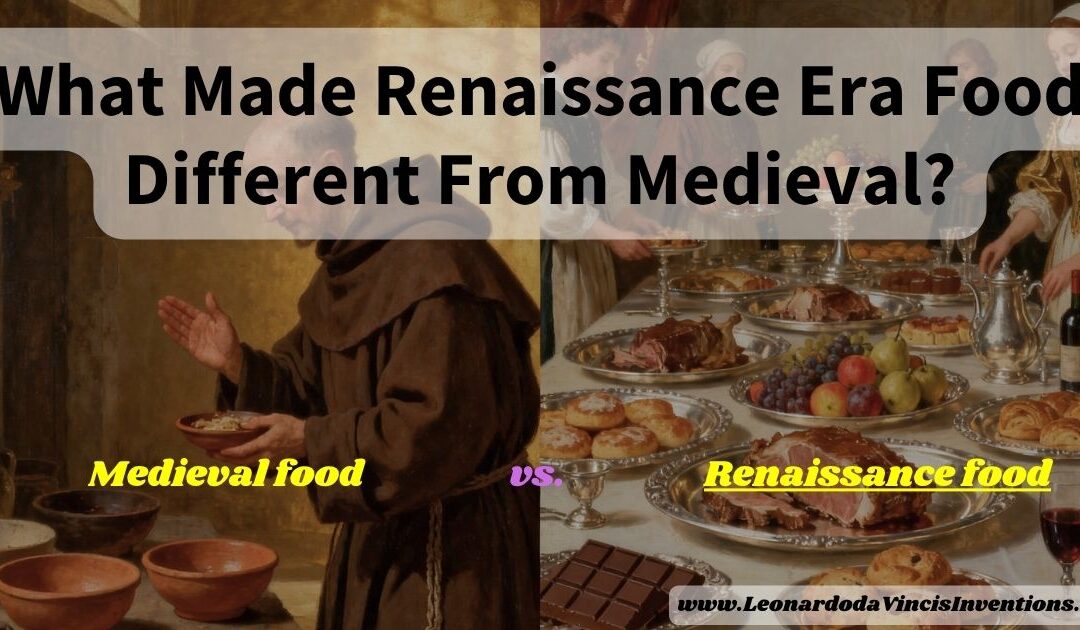
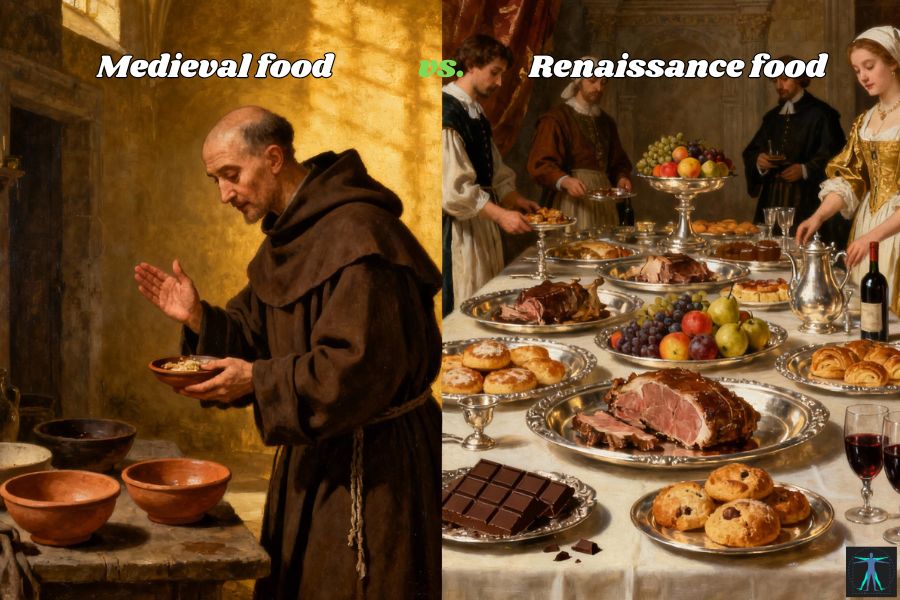
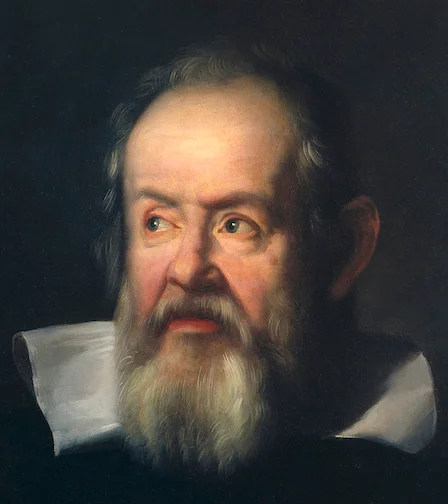
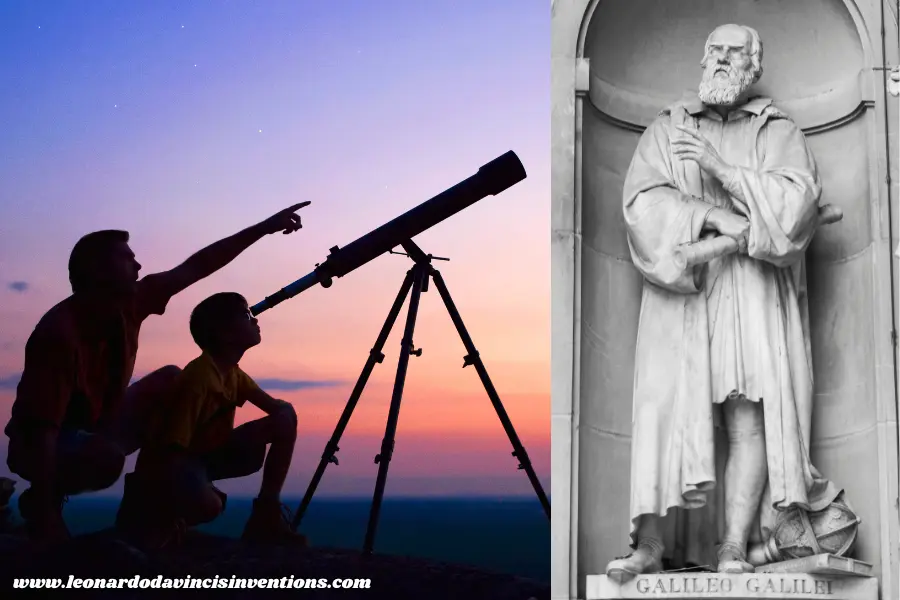
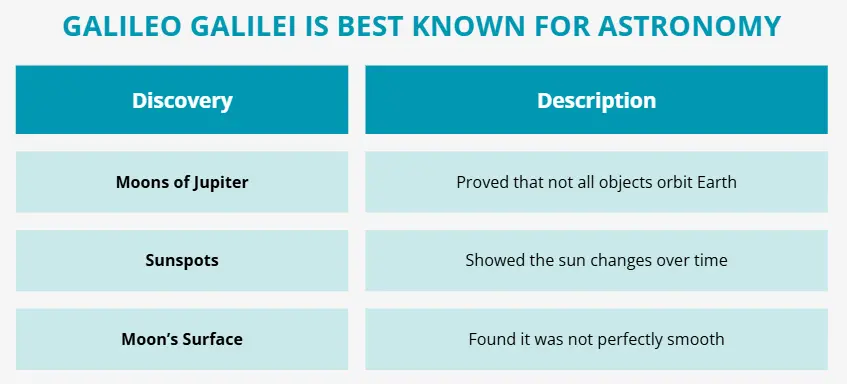
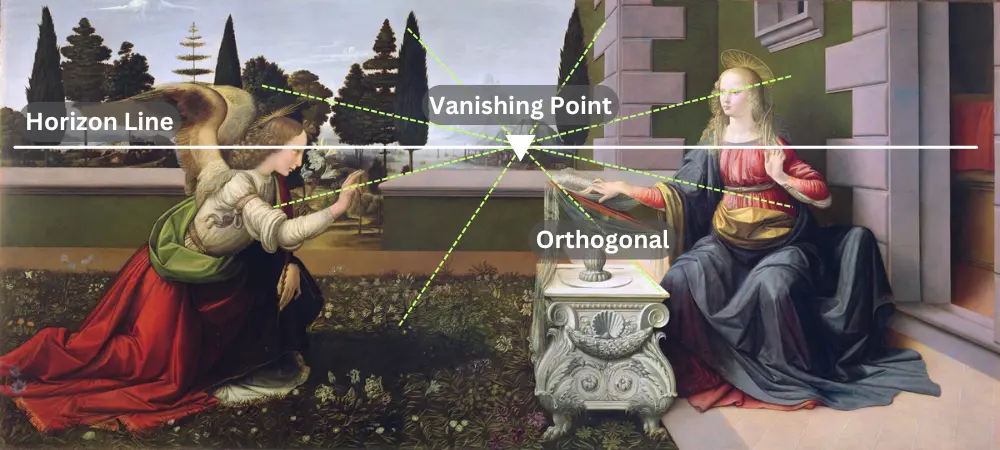
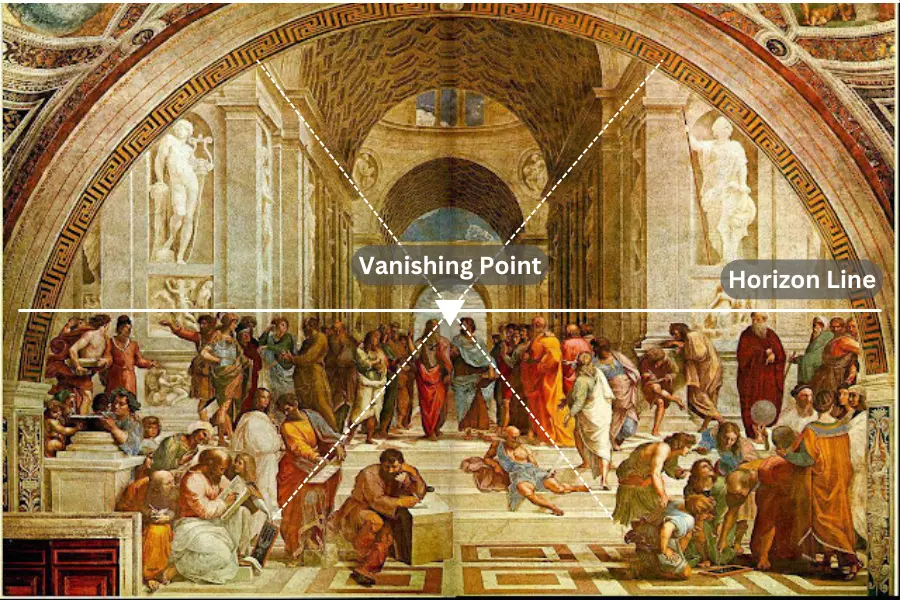
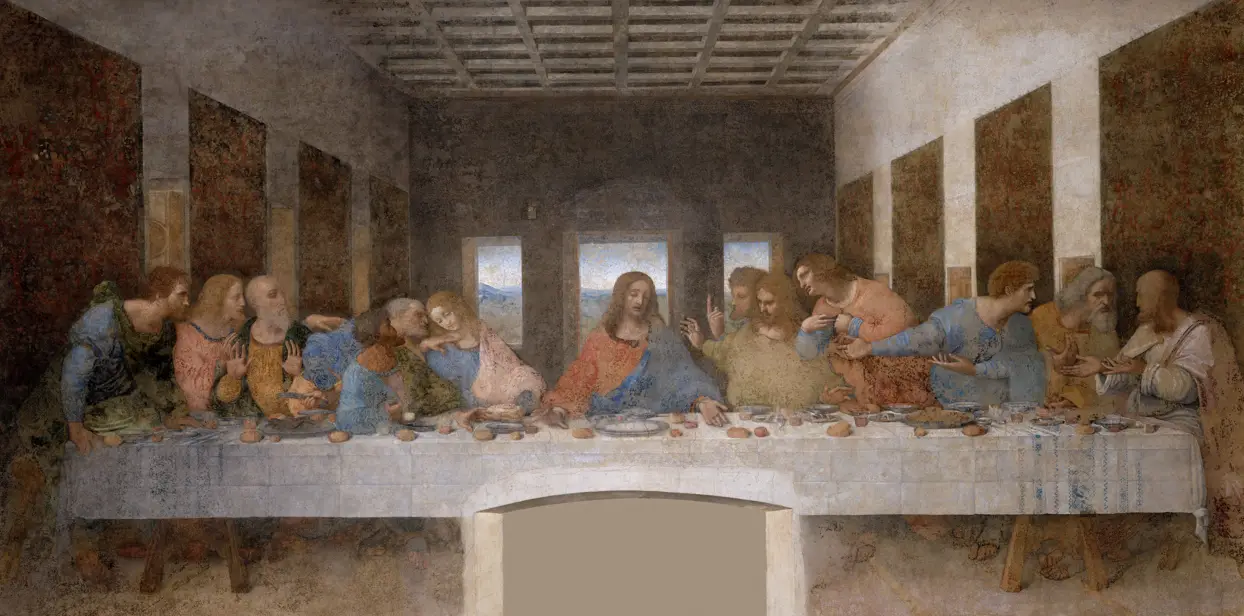
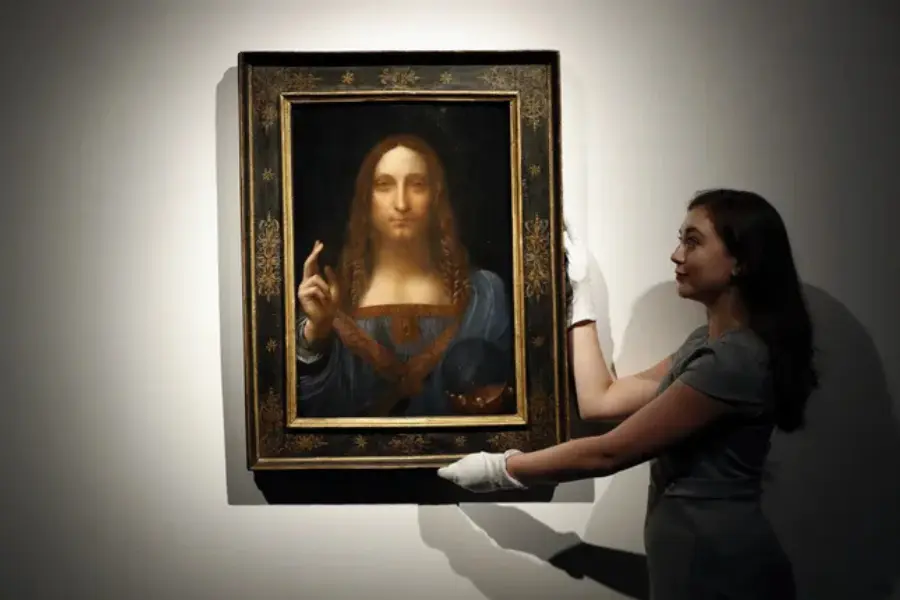
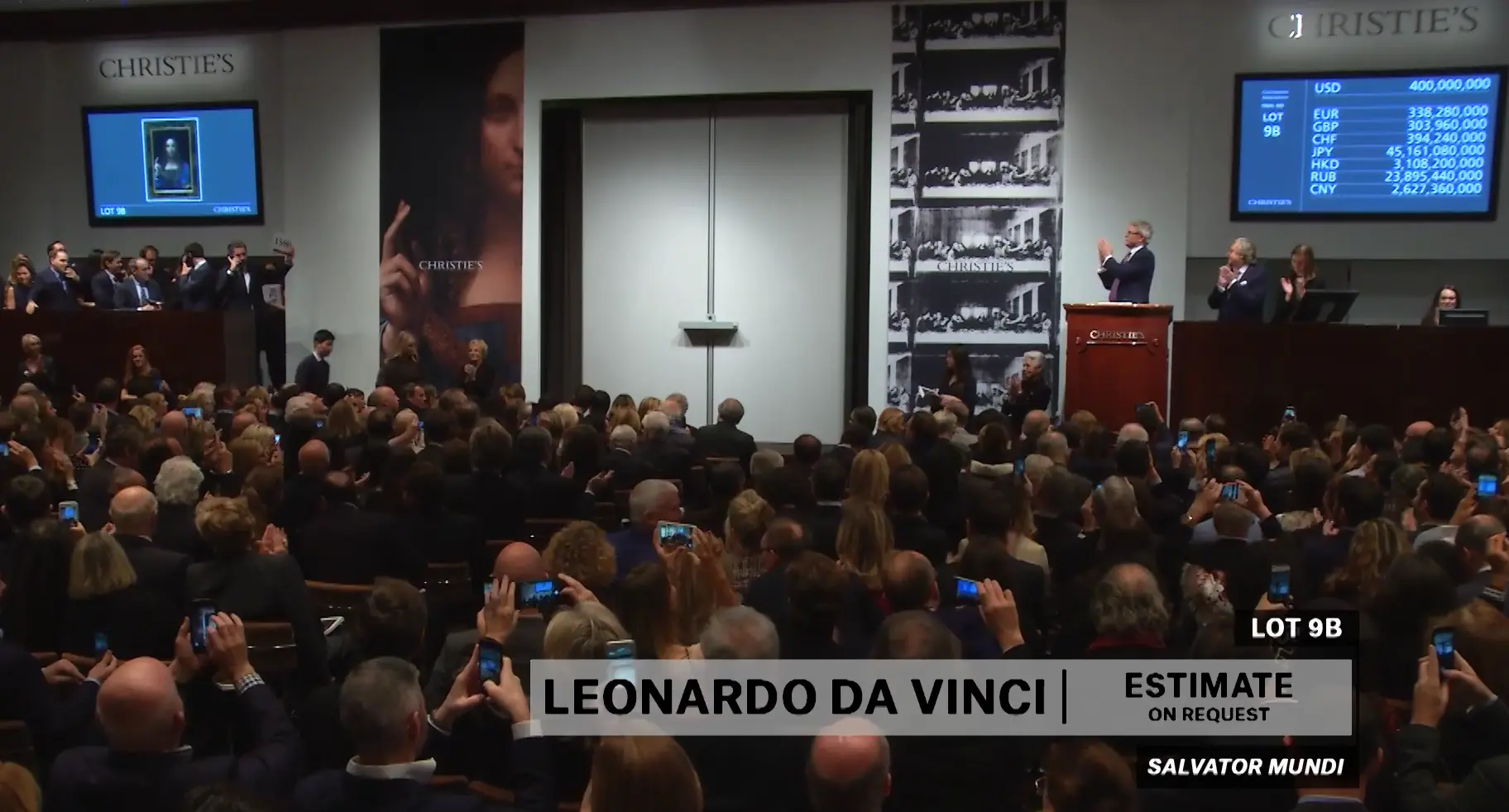
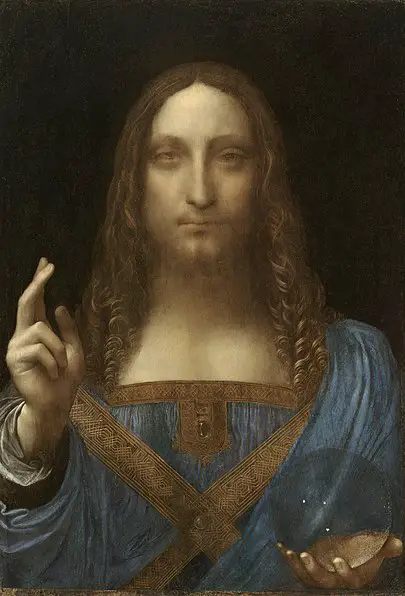

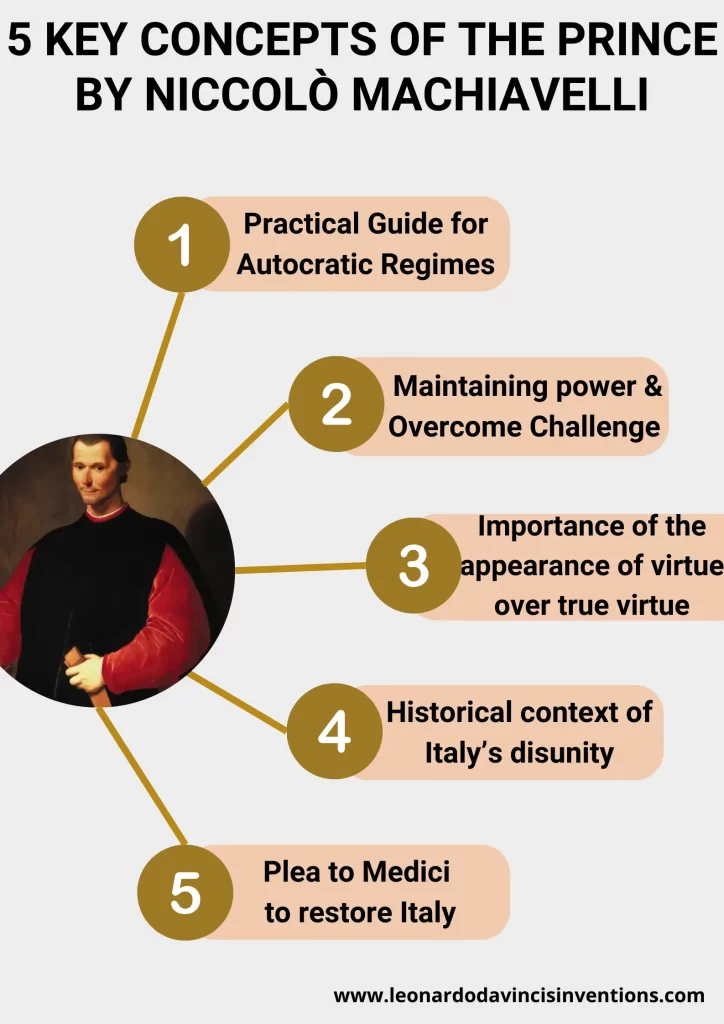
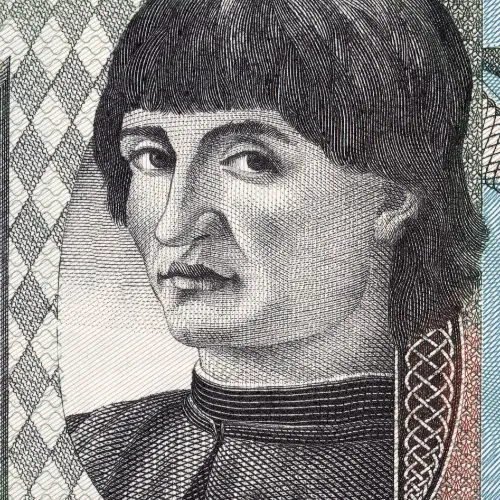
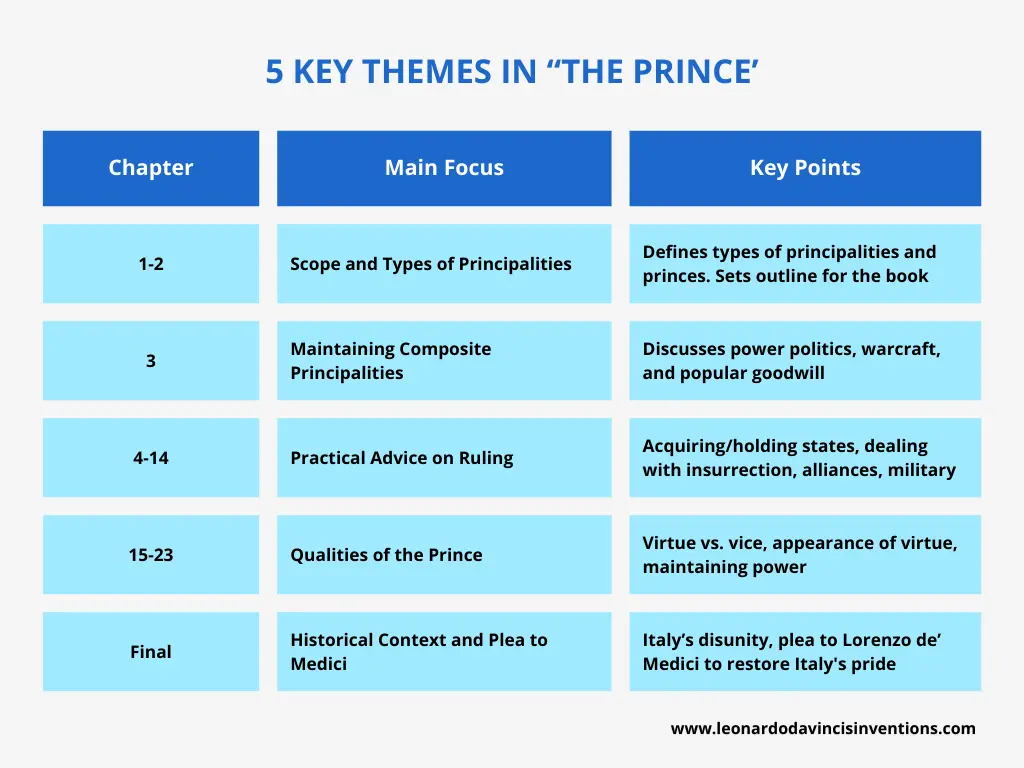
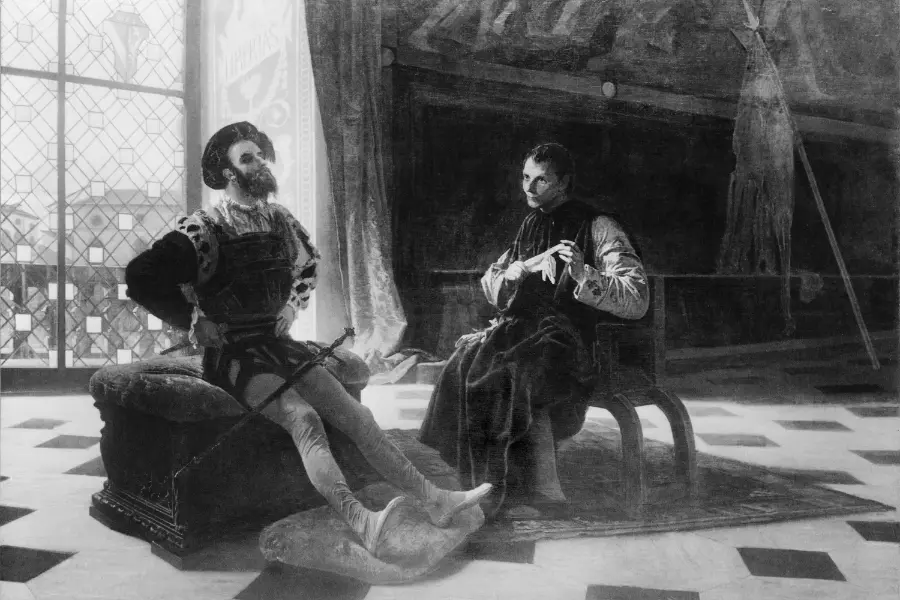
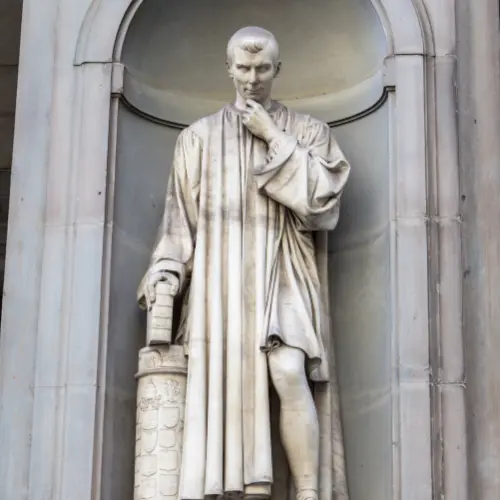
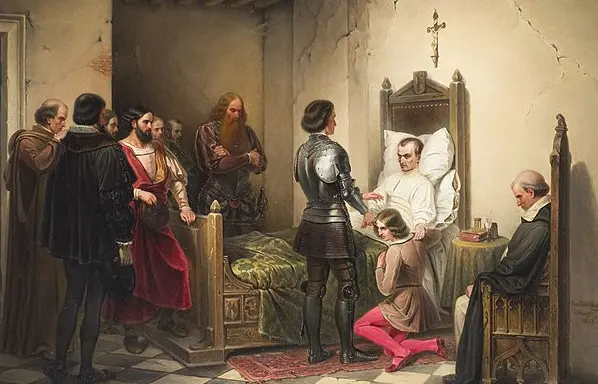
 Leonardo Bianchi is the founder of Leonardo da Vinci Inventions & Experiences, a cultural travel guide helping visitors explore Leonardo da Vinci’s art, inventions, and legacy across Italy and Paris.