Leonardo da Vinci chiaroscuro often leaves modern artists questioning how much light and shadow can transform a painting.
His approach to strong contrasts gives depth, emotion, and realism, even challenging today’s digital art techniques.
If you are curious about how da Vinci’s centuries-old style continues to influence and push the limits of modern art, this post will explain why chiaroscuro still matters.
You can spot its impact everywhere from galleries to movie screens.
The Foundations of Leonardo da Vinci Chiaroscuro in Renaissance Art
Leonardo da Vinci’s approach to chiaroscuro redefined painting techniques during the Renaissance.
His mastery over light, shadow, and realistic forms set the stage for modern art’s focus on visual drama and depth.
Understanding Chiaroscuro and the Play of Light and Dark
Chiaroscuro comes from the Italian words "light" and "dark." The term describes the sharp contrasts Leonardo da Vinci used to create lifelike images.
He placed strong highlights next to deep shadows, making objects or figures stand out in three-dimensional space.
Leonardo used light as a tool for storytelling, not just to copy nature.
His handling of light and dark created atmosphere and emotion, turning his paintings into studies of visual drama.
In works like the Mona Lisa, subtle transitions between light and shadow give faces a gentle, believable presence.
Renaissance painters before Leonardo used flatter lighting, but he developed a deeper understanding of how light moves across curved surfaces.
This approach led to a new level of realism and inspired later artists to use chiaroscuro for intensity and focus.
The Role of Contrast and Tonal Gradation in Leonardo’s Artistic Technique
Leonardo paid close attention to value, or how light or dark a color appears.
He blended paint layers to create smooth tonal gradations, making his figures seem to emerge naturally from the background.
As explained on Webexhibits, this technique resulted in a unified sense of form and texture.
He used a range of midtones between the brightest highlights and the darkest shadows.
This subtle shading creates a strong sense of volume, missing from earlier painting styles.
Leonardo avoided flatness by applying gradual tonal changes, bringing his figures to life.
He directed the viewer’s eye and created visual interest, shaping how later artists designed their compositions.
How Leonardo da Vinci Used Modelling to Create Depth and Volume
Modelling, or shaping forms using highlights and shadows, stands at the heart of Leonardo's technique.
In paintings like The Last Supper, he used soft transitions and blended tones to create believable human figures.
He applied a method called sfumato, which uses fine shading to blur the edges of shadows.
This effect eliminated hard outlines and made surfaces look gradual and smooth, increasing the three-dimensional effect.
Modelling through light and shadow helped Leonardo achieve a greater sense of depth.
His focus on volume and spatial depth set a new standard for painting technique during the Renaissance.
He inspired other artists to experiment with light modelling and shadow play.
The Influence of Human Anatomy and Proportions on Visual Perception
Leonardo’s dedication to studying human anatomy and proper proportions gave his artwork authenticity.
He observed muscle structure, joints, and body movement, allowing him to create figures that moved and breathed naturally.
He used his scientific studies to shape faces and bodies in a way viewers could understand and relate to.
Accurate anatomy made chiaroscuro more powerful because light and shadow matched the real shapes of muscles and bones.
His compositions brought together accurate form, light, and spatial arrangement, influencing the development of visual storytelling and modern artistic innovation.
Masterpieces Exemplifying Leonardo da Vinci Chiaroscuro
Leonardo da Vinci’s chiaroscuro technique masterfully uses light and shadow to create depth and realism, exemplified in the subtle modeling of the Mona Lisa’s face
Leonardo da Vinci’s skillful use of chiaroscuro in painting created new possibilities for light, shadow, and realism.
He redefined the modeling of form, emotional depth, and visual storytelling by using precise control over tonal gradation, contrast, and perspective.
Dramatic Lighting and Shadow Play in The Last Supper
Leonardo da Vinci’s The Last Supper shows how chiaroscuro shapes the viewer’s experience.
Leonardo used dramatic lighting in this fresco to draw attention to Jesus at the center.
The figures are sculpted with light and shadow, creating depth and guiding the eye along the table.
He employed a single, unseen light source that creates consistent highlights and deep shadows.
This contrast was rare among his contemporaries.
With careful gradations, Leonardo ensured that each apostle’s expression and gesture felt real.
Perspective and geometry are key.
One-point linear perspective makes the room recede toward Christ, while the interplay of light and dark emphasizes the three-dimensional effect.
Chiaroscuro brings realism and helps structure the narrative, setting The Last Supper apart in Renaissance art.
The Mona Lisa’s Highlights and Three-Dimensional Effect
In the Mona Lisa, Leonardo da Vinci’s use of chiaroscuro gives the portrait its iconic sense of volume and mystery.
Soft, gradual shading—known as sfumato—creates subtle transitions between light and shadow on her face and hands.
This technique allows her features to blend smoothly, without harsh lines separating light and dark.
The shadow under her chin and the gentle highlights on her forehead and cheeks help model her form realistically and give a lifelike quality.
Her enigmatic smile seems to shift depending on where the viewer stands, resulting from Leonardo’s control over shadow and light.
The way he balances highlight and shadow generates a three-dimensional effect.
The Mona Lisa’s gaze and posture appear natural, and her skin seems to glow with an inner light not common in other portraits of the period.
Artistic Mastery and Emotional Expression in Leonardo’s Visual Storytelling
Leonardo da Vinci used chiaroscuro to communicate the psychological depth of his subjects.
The play of shadow and highlight models the surface of the face or clothing and expresses complex emotions.
In his drawings and lesser-known paintings, Leonardo uses subtle shadows around the eyes or mouth to create empathy in art.
The viewer is drawn into the sitter’s inner world by his innovative compositions and understanding of human anatomy.
Through careful control of tonal contrast, his works evoke strong feelings and invite viewers to participate in the story.
This emotional expression is a hallmark of Leonardo’s artistic mastery.
Theatrical Effect and Visual Drama as Tools of Artistic Innovation
Leonardo da Vinci pioneered theatrical effects and visual drama to enhance the narrative power of his paintings.
He created scenes where figures emerge from darkness into focused beams of light, increasing the sense of drama and anticipation.
In his compositions, Leonardo staged light sources to highlight moments of tension or revelation.
The chiaroscuro technique adds suspense, making each painting feel like a scene on stage.
By controlling the interplay of light and shadow, he pushed the boundaries of what painting could achieve.
This artistic innovation shaped how future artists approached visual drama and theatrical effect.
Renaissance Traditions and Leonardo’s Unique Approach to Painting Techniques
Leonardo da Vinci built on Renaissance traditions but developed a unique approach to painting techniques.
While other Renaissance painters used light and dark, Leonardo’s method was more refined and systematic.
He studied how light interacts with objects, observing real life to understand texture, form, and geometric principles.
This scientific mindset made his application of chiaroscuro more truthful and consistent.
His layering of oils and glazes enabled soft transitions and lifelike skin tones, setting his work apart from earlier artists.
By mastering this technique, Leonardo set a standard for realism and naturalism in Renaissance art.
He influenced future painters and expanded the possibilities of artistic experimentation.
Comparison of Chiaroscuro, Sfumato, Linear Perspective, and Fresco in Leonardo da Vinci’s Art
Feature / Technique
Chiaroscuro
Sfumato
Linear Perspective
Fresco
Definition
Use of strong contrasts between light and dark to create depth and volume
Soft, gradual blending of colors and tones to eliminate harsh edges
Technique to create the illusion of depth using converging lines
Painting on wet plaster, allowing pigments to merge with the wall surface
Purpose
Enhance three-dimensionality and dramatic effect
Create realistic, smoky transitions and atmospheric effects
Achieve realistic spatial depth and proportion
Durable mural technique for large-scale wall paintings
Visual Effect
Bold shadows and highlights emphasizing form
Soft edges and hazy outlines for naturalism
Accurate depiction of spatial relationships
Matte, integrated surface with vibrant colors
Use in Leonardo’s Work
Adds volume and emotional intensity (e.g., The Last Supper)
Creates lifelike skin tones and soft transitions (e.g., Mona Lisa)
Organizes composition and depth (e.g., The Last Supper)
Used in wall paintings, though Leonardo preferred other media
Artistic Impact
Creates visual drama and contrast
Enhances realism and subtlety
Provides scientific accuracy in spatial representation
Preserves large-scale narrative scenes
Related Concepts
Light and shadow, modelling, tonal gradation
Blending, atmospheric perspective, softness
Geometric principles, vanishing point
Pigment absorption, plaster chemistry
How Leonardo da Vinci Chiaroscuro Challenges Modern Art Practices
Leonardo da Vinci’s use of chiaroscuro set new standards for depth, light, and emotional engagement in painting.
His methods shaped the visual language artists use today to explore realism and innovative artistic expression.
Revisiting Artistic Experimentation and Texture in Contemporary Works
Leonardo da Vinci’s artistic technique of layering light and dark brought a new level of texture to painting.
He applied oil glazes in thin layers, a method known as sfumato, giving his subjects a soft, realistic quality.
This approach highlights form without harsh lines and lets artists create depth with subtle transitions.
Modern artists continue to experiment with these methods.
Painters today often play with materials and surfaces to produce textured effects, but Leonardo’s precise control over paint and light still pushes them to reconsider how they achieve realism.
They look back at works like the Mona Lisa, noting how its lifelike skin and background result from careful use of texture and contrast.
Balancing Realism and Naturalism Through Light Modelling and Shadow
Leonardo mastered light modelling using highlights and shadows to create a three-dimensional effect. In paintings such as The Last Supper, he placed a strong light source and shaped each figure’s features by adjusting the strength of the shadow and the placement of each highlight.
Today’s artists, even using digital tools, rely on similar light and shadow techniques to add realism and drama. The practice of modelling objects with tonal gradation, just as Leonardo did, remains critical for producing depth and making scenes appear lifelike.
He set the precedent for modern practices by linking careful observation of light to naturalistic representation in art.
The Legacy of Geometric Principles and Form in Modern Visual Arts
Geometry played a central role in Leonardo’s art. He used one-point linear perspective and precise proportions to create realistic illusions of space and volume.
The clear structure of his paintings shows his deep understanding of form, anatomy, and the mathematics of art. Modern artists use these geometric principles to craft convincing three-dimensional space on flat surfaces.
Leonardo’s work balances visual drama with mathematical proportion and continues to inspire artists who blend abstraction and realism. His geometric insights remain foundational to composition and form in today’s visual arts.
Empathy in Art and Emotional Expression Inspired by Leonardo’s Techniques
Leonardo da Vinci set himself apart by infusing his subjects with empathy and subtle emotional cues. His chiaroscuro technique lets him control the mood, making faces and gestures seem human.
This skill is clear in works like the Mona Lisa, where gentle light and dark transitions suggest inner life. Contemporary artists study this method to amplify emotional expression in their pieces.
They use dramatic lighting and soft shadow play to convey complex feelings or tell a visual story. Leonardo’s sensitivity to how light affects emotion guides today’s artists in pursuing empathy and intimacy in visual storytelling.
Leonardo da Vinci as a Renaissance Man Shaping Today’s Artistic Innovation
As a Renaissance man, Leonardo’s passion for science, anatomy, and invention set him apart among Renaissance painters. He applied his studies to artistic innovation, blending art with scientific knowledge.
By studying human anatomy, perspective, and how light moves across forms, he achieved naturalism and depth that changed art history. Modern innovators draw inspiration from his blend of technical mastery and creative vision.
Whether developing new painting techniques or exploring digital art, artists often return to Leonardo’s process—testing ideas, observing the world closely, and experimenting to solve artistic problems. His legacy challenges them to push artistic boundaries and pursue mastery in craft and concept, as seen in the evolution of chiaroscuro and other foundational techniques.
Frequently Asked Questions
Leonardo da Vinci explored the use of light and shadow with refined techniques. His work with chiaroscuro influenced painting methods and textures, while sfumato helped create soft transitions and realistic depth.
Did Leonardo da Vinci use chiaroscuro?
Leonardo da Vinci used chiaroscuro, a technique that uses light and shadow to create a sense of three-dimensionality. This approach helped define forms and give his artwork a lifelike appearance.
Paintings like the Mona Lisa show his skill with chiaroscuro.
Who invented chiaroscuro?
Chiaroscuro developed during the Renaissance in Italy. Artists like Leonardo da Vinci advanced and popularized it.
Other artists, such as Caravaggio, used it in dramatic ways later on.
Is Mona Lisa chiaroscuro?
The Mona Lisa is a well-known example of Leonardo’s use of chiaroscuro. He carefully shaded her face and hands, creating soft transitions from light to dark.
This effect makes her look more realistic and gives her features subtle depth.
What was Leonardo da Vinci's tone?
Leonardo applied tonal unity by keeping a consistent range of light and dark in his paintings. He often used gentle transitions between tones, which made his art appear calm and balanced.
His style avoided sudden contrasts and focused on harmony.
What techniques did Leonardo da Vinci use in art?
Leonardo used techniques like chiaroscuro and sfumato. Sfumato allowed him to blend colors and tones smoothly without harsh lines, creating a smoky effect.
He also sketched with charcoal or chalk and gradually built up layers of light and shadow.
Does the Last Supper use chiaroscuro?
The Last Supper uses chiaroscuro to model the figures and highlight the scene's drama. Leonardo used careful lighting to emphasize faces and gestures, making the composition three-dimensional.
Shadows and highlights help separate each figure from the background.
What technique does Da Vinci use in The Last Supper to create depth?
Leonardo used linear perspective and chiaroscuro in The Last Supper. He drew lines that converged at a vanishing point to create depth in the room.
Using shadows and highlights on the figures also helps them stand out, adding to the visual depth.
What is the difference between sfumato and chiaroscuro?
Chiaroscuro models forms using strong contrasts between light and shadow. Sfumato is a technique for smoothly blending edge transitions from light to dark without obvious outlines.
Leonardo perfected sfumato, especially in the Mona Lisa, to make features look softer and lifelike.
Why did Leonardo da Vinci use oil paints?
Leonardo used oil paints because they dried slowly and were easy to blend. This allowed him to refine details, build layers, and achieve smooth transitions.
Oil paint also produced rich colors and subtle effects that matched his style.
Did Picasso use chiaroscuro?
Pablo Picasso used chiaroscuro at certain times in his career. He added shading and light for form in his early Blue and Rose Period paintings.
His later Cubist works focused less on traditional light and shadow. He took a different approach from Leonardo da Vinci.
Da Vinci’s best painting, the Mona Lisa, has fascinated people for centuries. Many still wonder what makes this artwork so special.
Millions visit, study, and admire the Mona Lisa because of its mysterious expression and unique techniques.Its impact on art and popular culture remains strong.
People who look closely at da Vinci’s painting find new inspiration. Art from the past can shape the way you see the world today.
If you have ever wondered what makes this masterpiece so powerful, you are not alone. Discover the secrets behind its influence and see how da Vinci’s work inspires creativity, learning, and even modern inventions for millions around the globe.
The Enduring Legacy of da Vinci best painting in Renaissance Art
Leonardo da Vinci’s best painting remains one of art history's most studied and influential works. Its groundbreaking techniques and striking realism have inspired artists, historians, and admirers for centuries.
How Leonardo da Vinci’s Masterpiece Shaped Renaissance Art
Leonardo da Vinci’s Mona Lisa transformed Renaissance art by setting new standards in portrait painting and composition. His attention to detail and use of light and shadow made figures appear lifelike.
The Mona Lisa’s mysterious smile became a hallmark of Leonardo’s skill. European artists tried to imitate his ability to capture subtle expressions and emotions.
The painting’s impact helped define the ideals of artistic mastery and naturalism in Western art. It is displayed at the Louvre Museum and attracts millions of visitors annually.
Exploring the Artistic Genius Behind da Vinci best painting
Leonardo da Vinci approached painting as both a science and an art. His observations of the world around him shaped his unique style.
In the Mona Lisa, he used delicate layers of paint to create lifelike skin tones and soft transitions between light and dark. His studies in engineering, anatomy, and natural phenomena enriched his portraits with depth.
Leonardo’s thoughtful composition and atmospheric perspective gave his paintings a rare sense of dimensionality. His willingness to experiment made him a true Renaissance master.
He set a new artistic expression and detail standard by focusing on human emotion and personality. Artists today continue to feel his influence.
The Role of Human Anatomy and Proportions in His Work
Leonardo da Vinci’s fascination with human anatomy and proportions shaped every aspect of his art. He filled notebooks with sketches and anatomical studies to help him depict the body accurately.
The Mona Lisa shows Leonardo’s commitment to realistic anatomy. The careful structure of her hands, face, and posture reflects his understanding of bone and muscle beneath the skin.
He often used mathematical principles to guide the placement and size of features, as seen in his drawing of the Vitruvian Man. This scientific approach raised the bar for Renaissance art and encouraged other artists to study anatomy more carefully.
Sfumato Technique and Its Impact on Artistic Expression
Leonardo’s sfumato painting technique set a new standard for blending colors and edges. He avoided harsh lines in paintings like the Mona Lisa and Lady with an Ermine, creating soft transitions between tones and shadows.
Sfumato allowed Leonardo to portray realistic light effects and subtle facial expressions. This technique gave his portraits an enigmatic and dreamlike quality.
Da Vinci’s mastery of sfumato influenced countless artists during and after the Renaissance. Today, art historians regard this blending technique as a mark of his artistic genius and a foundation for modern portrait painting.
Symbolism and Religious Themes in da Vinci best painting
Symbolism and religious themes played a significant role in Leonardo’s work. The Mona Lisa's background landscape may suggest harmony between humanity and nature.
Leonardo explored Christian beliefs and moral lessons in works like The Last Supper. He embedded subtle details within his paintings to encourage reflection.
Hand positions, facial expressions, and objects often held deeper meanings tied to spiritual or philosophical ideas. His ability to blend religious themes with naturalistic detail allowed Leonardo to create artworks that are both accessible and thought-provoking.
Iconic Artworks That Define da Vinci's Best Paintings: Timeless Appeal
Leonardo da Vinci Mona Lisa
Leonardo da Vinci’s masterpieces showcase a level of artistic genius that shaped art history. Each iconic artwork stands out thanks to its technique, creativity, and lasting influence on Renaissance art and beyond.
The Mona Lisa’s Mysterious Smile and Artistic Mastery
The Mona Lisa remains the most recognized painting in the world. People celebrate her mysterious smile and realistic details.
Housed in the Louvre Museum, this artwork draws millions of visitors annually. Da Vinci’s use of sfumato creates lifelike transitions between light and shadow.
Her enigmatic expression continues to spark debates and interpretations. The Mona Lisa is often called the pinnacle of Renaissance art for its balance of technique and emotion, as detailed in collections of famous artworks by Leonardo da Vinci.
The Last Supper: Visual Storytelling and Composition Excellence
The Last Supper shows da Vinci’s skill in composition and storytelling. Painted on the wall of a convent in Milan, this masterpiece depicts the dramatic moment when Jesus reveals a betrayal among his disciples.
Da Vinci organized the figures to lead the viewer’s eye toward Christ at the center. The use of perspective, gesture, and expression gives depth to the scene.
Its religious themes and emotional depth have secured its status as a landmark in art history. Restoration projects highlight the importance of art preservation for works with such historical significance.
Vitruvian Man and the Fusion of Art and Science
Vitruvian Man blends artistic vision and scientific understanding. Leonardo sketched this figure to show human anatomy and perfect proportions.
The drawing is vital for studying human symmetry, showing how the body fits within a square and a circle. It stands as an example of da Vinci’s innovation and desire to connect art with science.
This image continues to inspire artists, scientists, and students interested in the relationship between art and science.
Lady with an Ermine and the Art of Portrait Innovation
Lady with an Ermine highlights da Vinci’s talent for creating lifelike portraits with distinct personalities. The subject, Cecilia Gallerani, is captured holding an ermine, and her gentle gaze sets her apart from traditional portraits of the time.
Light, shadow, and subtle hand gestures introduce a sense of movement and realism. The animal adds symbolism, linking innocence and virtue to her character.
This painting broke new ground in how portraiture could express identity and status. Its artistic innovation continues to stand out in the history of Renaissance art.
Salvator Mundi and Virgin of the Rocks: Art Exhibitions and Preservation
Salvator Mundi and Virgin of the Rocks reveal da Vinci’s approach to spiritual and religious themes. He used both complex composition and delicate color.
Virgin of the Rocks uses innovative techniques to create a mysterious, atmospheric setting. Salvator Mundi captures Christ with subtle gestures and a serene expression.
Both paintings show intricate attention to detail and symbolism. Their displays in museums and auctions underscore the art legacy and fascination surrounding da Vinci’s name.
Ongoing conservation ensures that these iconic artworks will continue to inspire future generations.
Artistic Innovation and Cultural Impact of da Vinci best painting
Da Vinci’s paintings have stood the test of time. They shape how people view art and creativity.
His attention to detail, new painting techniques, and ability to show deep emotion leave a strong mark on artists and art lovers everywhere.
How da Vinci best painting continues to Inspire Artistic Exploration
Artists worldwide study da Vinci’s masterpieces to explore new ways of expressing themselves. The Mona Lisa fascinates viewers with its mysterious smile and lifelike presence.
Artists often try to understand how da Vinci used light, shadow, and delicate lines to create such emotion. Young painters use da Vinci’s methods, like sfumato, to add subtle transitions between colors and shadows.
Schools and museums use his works to teach about perspective, composition, and the use of color. Da Vinci’s drive to blend science with art motivates new generations to experiment with different media and techniques.
Creative exploration is now a foundation of many art programs. The standards he set during the Renaissance continue to inspire artists today.
The Influence of Leonardo da Vinci on Modern Painting Style
Modern painting owes much to da Vinci’s approach. His use of proportion, depth, and precise anatomy has guided artists for hundreds of years.
Painters often use techniques that da Vinci established to create dramatic effects. These include realistic lighting and careful composition.
Artists also study how da Vinci arranged his paintings to learn how to guide the viewer’s eye across a canvas. The balance between foreground and background remains important in modern works.
Da Vinci’s commitment to improvement and experimentation still inspires artists. Many push boundaries by mixing classic ideas with new materials and subjects.
Art Interpretation and the Fascination with Iconic Artwork
Interpreting da Vinci’s best painting remains a favorite topic for art historians and the public. The Mona Lisa’s mysterious expression sparks constant debate about her identity and feelings.
People are drawn to the artwork because it invites personal interpretation. This fascination has made the painting a symbol of artistic genius and creativity.
Museums like the Louvre host exhibitions, and millions visit to see the Mona Lisa. The mystery in da Vinci’s art encourages people to look deeper into the meaning behind his paintings.
These discussions explore symbolism, emotion, and the power of images.
The Role of Artistic Detail and Technique in Timeless Creations
Da Vinci’s masterpieces stand out for their precise technique and rich details. His careful study of human anatomy, plants, and nature helped him create lifelike and balanced paintings.
Small touches, like the subtle shading on the Mona Lisa’s face, show his skill in achieving artistic perfection. Da Vinci used sfumato to make his compositions feel soft and smooth.
His knowledge of perspective added depth to his work. Each brushstroke serves a purpose, highlighting his technical skill and creative vision.
Modern artists focusing on realism often look to da Vinci’s techniques for guidance. His devotion to detail shows how small features can significantly impact the finished work.
The Cultural Impact and Historical Significance of da Vinci best painting
Da Vinci’s best painting has become a symbol of the Renaissance and Western art. Its fame has reached beyond galleries and into popular culture.
The Mona Lisa, for example, often represents beauty, mystery, and intellectual achievement. Historians recognize its historical significance and cultural impact in art history.
It has inspired movies, books, and advertising, showing how art can shape society. The broad interest in da Vinci’s work means his influence will remain strong for many years.
Frequently Asked Questions
Leonardo da Vinci's artworks are studied for their creativity, detail, and influence on the art world. His paintings hold major records for fame, value, and historical importance.
What was Leonardo da Vinci's best painting?
Many experts consider the Mona Lisa Leonardo da Vinci's best painting. Its realistic style, mysterious expression, and fine techniques make it stand out among his works.
What is Da Vinci's most valuable painting?
Leonardo da Vinci's painting Salvator Mundi is currently his most valuable painting. According to National Geographic, it sold at auction for $450.3 million, the highest price for any historical painting.
Who bought the $450 million painting?
Saudi Arabian prince Badr bin Abdullah bin Mohammed bin Farhan al-Saud, reportedly on behalf of Saudi Crown Prince Mohammed bin Salman, bought Salvator Mundi for $450.3 million.
What is the #1 most famous painting in the world?
The Mona Lisa is often called the most famous painting in the world. Visitors from many countries visit the Louvre Museum in Paris to see it in person.
Why is Mona Lisa's painting so expensive?
The Mona Lisa is expensive because of its creator, unique history, legendary status, and unmatched influence. Its fame, da Vinci's genius, and use of techniques like sfumato add to its value.
Where is Mona Lisa buried?
The Mona Lisa is not a person who can be buried; it is a painting. If asking about Lisa Gherardini, the woman believed to be the model, her remains are thought to be in Florence, Italy.
Why is Mona Lisa so popular?
The Mona Lisa stands out for its lifelike look, gentle smile, and detailed background. Its fame also comes from da Vinci's skill, the mystery around the subject, and historical events like its theft and recovery, which added to its legend.
What is Leonardo da Vinci's 2nd most famous painting?
Many consider The Last Supper da Vinci's second most famous painting. It shows Jesus and his disciples during a key moment and is praised for its composition and emotional depth.
Is the Mona Lisa on display real?
Yes, the Mona Lisa on display at the Louvre Museum is the original painting by Leonardo da Vinci. The museum keeps it in a special glass case for protection.
What was Leonardo da Vinci's masterpiece that got destroyed?
One of Leonardo’s best-known lost works is The Battle of Anghiari. He painted this large mural in Florence's Palazzo Vecchio.
Later, someone repainted the wall, and the mural was lost.
Leonardo da Vinci paintings of Christ often leave people wondering what makes them stand apart from works by other artists.
His art stands out because he combines detailed human emotion, creative composition, and deep symbolism in each scene he paints.
If you want to discover why masterpieces like The Last Supper or Salvator Mundi are so famous, this article will help you see Leonardo’s skill with new eyes.
These paintings capture more than just religious stories.
They invite you to notice the feelings and hidden meanings in every brushstroke.
When exploring da Vinci’s approach, you might find surprising details, such as his use of color and unusual painting techniques that make his biblical images memorable.
The Historical and Religious Context of Leonardo da Vinci Paintings of Christ
Leonardo da Vinci’s paintings of Christ reflect the religious atmosphere of late fifteenth-century Europe.
He blended Christian iconography with human emotion and artistic innovation, developing a visual style that made these religious paintings enduring icons in Western art.
The Significance of the Last Supper in Renaissance Art
The Last Supper is one of the most important artistic masterpieces of the Renaissance.
Painted between 1494 and 1498 in Milan, this fresco marks a breakthrough in technical skill and religious storytelling.
Leonardo captured the exact moment when Jesus Christ announced the betrayal by Judas Iscariot, putting dramatic tension at the heart of the scene.
Leonardo’s perspective pulls viewers into the moment, making the Twelve Apostles and Christ feel present and real.
Each apostle reacts differently, showing a range of emotions from shock to sorrow.
The layout and seating arrangement tell the Biblical narrative visually clearly.
Depicting Jesus Christ and the Twelve Apostles with Spiritual Devotion
Leonardo showed spiritual devotion in representing Jesus Christ and the Twelve Apostles.
Instead of stiff poses, he painted lifelike gestures and mysterious expressions.
The artist believed that body language and facial features reveal inner thoughts and faith, which is why every disciple in the Last Supper looks unique.
In the painting, Jesus is placed at the center, with light and shadow drawing attention to his calm presence.
The grouping of the apostles in three sets reflects unity and balance in composition.
Leonardo’s technique heightened the spiritual intensity through these choices and deepened the narrative.
By mixing drama and emotion, he made a religious painting that feels alive and meaningful for viewers.
Understanding the Biblical Narrative and Sacred Themes
Leonardo based many of his religious paintings on sacred themes found in the Bible.
The story of the Last Supper, where Jesus Christ dines with his followers before his arrest, is grounded in the Gospel narrative.
In his works, like The Baptism of Christ and The Annunciation, he used visual symbolism and composition to tell these sacred stories clearly and powerfully.
Leonardo’s attention to storytelling is evident in how he captured the moment of betrayal and the apostles' reactions.
By focusing on human emotion and relationships, he made the Biblical narrative accessible and vivid.
His paintings of Christ, such as those with the Virgin Mary and the Christ Child, emphasized the divinity and humanity of the figures, making them meaningful for both his time and today.
The Role of Milan and the Gospel of John in Da Vinci’s Work
Milan played a significant role in Leonardo’s career during the Renaissance, providing resources and support from wealthy patrons.
He painted the Last Supper fresco in Milan, which still draws visitors and scholars worldwide.
This city was also a center for religious thought, inspiring Leonardo to engage deeply with Christian themes.
The Gospel of John influenced the content and feeling of his paintings of Christ.
John’s Gospel provided the story setting for the Last Supper, emphasizing love, betrayal, and Jesus’s sacrifice.
These themes helped Leonardo focus on pivotal moments and emotional depth in his work, connecting Renaissance art with biblical tradition.
Religious Symbolism and Christian Iconography in Da Vinci’s Paintings
Religious symbolism and Christian iconography fill Leonardo da Vinci’s paintings of Christ.
Common symbols include using light as a sign of divinity, placing hands to show blessing or betrayal, and geometric compositions like the pyramidal balance seen in the Virgin and Christ Child paintings.
These methods brought layered meanings to each scene.
Leonardo also used elements like the halo, bread, and wine to connect his art with Christian rituals and beliefs.
The arrangement of figures, their gestures, and even background architecture reinforced theology and history for his viewers.
His focus on artistic innovation made these symbols accessible and visually striking.
Combining deep spiritual meaning and visual storytelling sets Da Vinci’s religious paintings apart as foundational works in Western art and religious symbolism.
Artistic Innovation and Techniques in Leonardo da Vinci Paintings of Christ
Pinin Brambilla Barcilon, a pioneering restorer, dedicated 21 years to the meticulous restoration of Leonardo da Vinci’s The Last Supper, overcoming technical, societal, and personal challenges to preserve this iconic masterpiece
Leonardo da Vinci paintings of Christ stand out for their creative approaches to composition, use of light, and emotional storytelling.
His works left a lasting effect on Western art by advancing religious painting with new artistic innovation and a focus on human emotion.
Mastering Fresco: The Last Supper Fresco and Its Restoration
The Last Supper fresco, painted in the late 1490s in Milan, showcases da Vinci’s skill and experimentation with technique.
Instead of following the typical method for fresco painting, he tried an oil and tempera mix on dry plaster.
This gave richer colors but made the artwork more vulnerable to damage.
Over the centuries, The Last Supper suffered from flaking and fading.
Pollution, humidity, and war damage forced continuous efforts at painting restoration.
Recent restorations attempted to preserve what remains of da Vinci’s original brushwork.
Leonardo da Vinci Technique: Use of Perspective and Light and Shadow
Leonardo da Vinci revolutionized religious painting by using linear perspective to create depth.
In The Last Supper, all the perspective lines draw the viewer’s attention to Jesus Christ, highlighting his central role in the biblical narrative.
This structure carefully guides the eyes and adds balance to the composition.
He also applied sfumato and chiaroscuro, advanced methods for blending light and shadow.
These subtle gradations made figures more lifelike and dynamic.
The warm and cool areas shape the faces and hands, drawing out human emotion in art.
Pyramidal Composition and Composition Balance in Religious Painting
Pyramidal composition is clear in several Leonardo da Vinci paintings of Christ, including those featuring the Virgin Mary, the Christ Child, and sometimes the Infant John the Baptist or an Archangel.
The figures are often arranged in triangular groupings, which create a sense of harmony and spiritual devotion.
This balanced structure anchored the religious symbolism and helped visually tell the Gospel of John or other Biblical stories.
Whether in The Last Supper or the Adoration of the Magi, each person’s position and gesture served a purpose in the broader composition.
The approach also influenced generations of later Western art.
Mysterious Expressions, Drama, and Emotion in Depicting Betrayal
Da Vinci’s genius shines in his ability to capture mysterious expressions during dramatic moments.
In The Last Supper, he paints the Twelve Apostles when Christ announces the Betrayal by Judas Iscariot.
The reaction of each figure is different, revealing tension, shock, and sadness.
He avoided exaggerated dramatic poses, instead displaying subtle shifts in expression and gesture.
This realism allowed viewers to sense the intense drama and emotion embedded in the biblical narrative.
Such techniques became iconic in artistic masterpieces and set new standards for Christian iconography.
The Integration of Symbolism and Human Emotion in Art
Symbolism is woven throughout Leonardo da Vinci paintings of Christ.
He used objects, gestures, and even how light falls on each figure to reinforce sacred themes.
For example, in The Last Supper, Jesus is framed by the window behind him, suggesting a halo and spiritual significance.
Leonardo did not separate religious symbolism from human emotion.
He made the characters relatable so viewers could connect with the human side of events, like the Adoration or the betrayal declaration.
These choices deepened the spiritual message and considered the historical context of each biblical event.
The Enduring Legacy of Leonardo da Vinci Paintings of Christ
Leonardo da Vinci Paintings of Christ have changed how artists, scholars, and believers view Christian art.
These works are admired for their artistic innovation, deep symbolism, and influence on both religious painting and Western art.
The Artistic Masterpiece Status of The Last Supper and Other Works
Leonardo da Vinci's The Last Supper is an iconic work of art and one of the most recognized fresco paintings in history.
Painted in Milan between 1495 and 1498, this masterpiece uses perspective and composition to draw attention to Jesus Christ at the scene's center.
Leonardo uses light and shadow to focus viewers’ attention and create a sense of drama and emotion among the Twelve Apostles.
The work’s technical challenges, especially the choice of materials, required several painting restorations over the centuries.
The Last Supper helped set new religious storytelling standards, attracting visitors and experts worldwide.
Depicting Iconic Figures: Virgin Mary, Christ Child, Infant John the Baptist, and Archangel
Leonardo’s religious paintings often include the Virgin Mary, Christ the King, Infant John the Baptist, and sometimes an Archangel. They show his skill at expressing sacred themes through realistic figures.
Works like the Baptism of Christ and Madonna of the Rocks use pyramidal composition and detailed human emotion in art. Instead of making holy figures distant or abstract, Leonardo gives them gentle, mysterious expressions and natural gestures.
This approach brings a sense of closeness and humanity. These biblical characters become relatable to viewers.
He uses Christian iconography to blend Renaissance art techniques with spiritual devotion. Many artists after him followed his influence.
The Betrayal Declaration and the Role of Judas Iscariot in Art History
Leonardo’s painting The Last Supper shows Jesus declaring betrayal when he says one disciple will betray him. Judas Iscariot’s reaction in the painting stands out for its placement and expressive detail.
Leonardo places Judas on the same side of the table as Jesus and the other Apostles, which increases tension and draws viewers into the biblical story.
This moment highlights da Vinci’s skill in capturing drama and emotion. His approach shapes how later generations see Judas's role in art history.
Religious Storytelling and Spiritual Devotion Through Da Vinci’s Genius
Leonardo uses light, gesture, and setting to bring biblical stories to life. He inspires viewers’ spiritual devotion through his art.
His scenes do more than tell a story. They reveal human feeling and deep religious symbolism.
Leonardo’s technique focuses on subtle facial expressions, body language, and balanced composition. This method makes viewers feel like witnesses to the Gospel of John or other scriptural moments.
How Leonardo da Vinci Paintings of Christ Influenced Western Art and Artistic Legacy
Leonardo da Vinci’s religious paintings changed the future of Western art. He used perspective, detailed human anatomy, and symbolic touches as guides for later painters.
His innovations moved religious painting away from stiff, flat traditions. By combining artistic mastery with spiritual meaning, da Vinci expanded the possibilities of Christian art.
Generations of artists study his technique and try to capture the same sense of drama and spiritual depth. His paintings of Christ remain a central part of his artistic legacy and continue to inspire today's art world.
Frequently Asked Questions
Leonardo da Vinci created several paintings of Christ. His unique interpretations stand out even among other Renaissance artists.
His work includes famous pieces that have sparked conversations about art, faith, and history.
Did Leonardo da Vinci paint Jesus?
Leonardo da Vinci never met Jesus, so he did not paint a real-life portrait. He painted images of Jesus based on religious texts and artistic traditions of his time.
His most well-known works featuring Christ are "The Last Supper" and "Salvator Mundi".
Did Leonardo da Vinci believe in Christ?
There is little concrete evidence about Leonardo’s religious beliefs. Although he grew up in a Catholic society, some scholars think he questioned traditional teachings.
He still painted several religious scenes, including those featuring Christ, for patrons and churches.
Which Leonardo da Vinci painting of Jesus Christ sold for $450 million?
The painting "Salvator Mundi" by Leonardo da Vinci sold for $450 million at auction. This piece shows Jesus making a gesture of blessing and holding a crystal orb.
It became the most expensive painting ever sold at that time. More details about Salvator Mundi can be found here.
Who was the model for Leonardo da Vinci's painting of Jesus?
The actual model for Jesus in Leonardo’s paintings is not known. Renaissance artists often used male models from their studio or community.
No historical record identifies a specific individual as the model for Christ in Leonardo’s paintings.
Who is the famous painting of Jesus?
The most famous painting of Jesus by Leonardo da Vinci is "The Last Supper." This mural shows Jesus with his twelve apostles when he reveals that one will betray him.
Another well-known painting is "Salvator Mundi", portraying Jesus Christ.
Did Leonardo da Vinci paint Mary Magdalene?
Leonardo did not create a portrait known as "Mary Magdalene." In "The Last Supper," some speculate about the figure's identity as being in Jesus’s right, but art historians agree that this figure is John the Apostle.
There is no verified da Vinci painting of Mary Magdalene.
Did anyone ever paint a picture of Jesus?
Many artists across history have painted images of Jesus Christ. Leonardo da Vinci is one of the most recognized, but others include Michelangelo, Raphael, and El Greco.
Early images were based on stories from the Bible and ideas about Jesus's appearance.
Why did Da Vinci paint the Last Supper?
Leonardo painted "The Last Supper" as a commission for Milan's Santa Maria delle Grazie dining hall. The mural shows the dramatic moment when Jesus tells the apostles one of them will betray him.
The painting stands out for its emotion and attention to detail.
Who is the artist who painted Jesus?
Leonardo da Vinci painted Jesus in several works, most famously in "The Last Supper" and "Salvator Mundi". He is known for his careful study of human emotion and anatomy, which shows in his religious paintings.
Many other artists have also painted Jesus throughout history.
Why is Salvator Mundi so controversial?
"Salvator Mundi" is controversial because some scholars question whether Leonardo painted it entirely himself. Restoration work and the painting’s long-lost status have caused debates over its authenticity.
Many people still recognize it as an important work related to Leonardo’s paintings of Christ.
Leonardo da Vinci paintings mirrored have fascinated art lovers and experts for centuries. You are not alone if you have ever wondered why some of his works appear reversed or why da Vinci used mirrored techniques.
This article clarifies the confusion and explains the simple reasons behind this distinctive style. You will gain a fresh perspective on his creative process.
Leonardo da Vinci often used mirrors and reversed images to see his artwork with “new eyes.” This helped him spot mistakes and improve accuracy.
The mirrored effect also comes from his habit of writing in reverse. This habit likely resulted from being left-handed and wanting to avoid smudging his work.
Artists today still use similar methods, flipping or mirroring their art to get a fresh look. This technique can be traced back to da Vinci’s studio practices.
The Artistic Techniques Behind Leonardo da Vinci Paintings Mirrored
Leonardo da Vinci paintings mirrored effects attract interest for their use of symmetry, technical skill, and hidden meanings. These mirrored techniques connect science, psychology, and Renaissance innovation to create masterpieces full of visual depth.
Symmetry, Reflection, and Visual Effects in Da Vinci’s Artworks
Symmetry and reflection play a significant role in Leonardo da Vinci’s art. He often created balance by arranging figures and backgrounds to mirror each other.
This method guides the viewer's eye across the painting, allowing it to move smoothly and naturally. It adds harmony and depth, making his works feel more lifelike.
In da Vinci’s art, mirrored images sometimes produce visual illusions and secret meanings. Art historians have discovered that specific compositions reveal hidden shapes or faces when viewed in reverse.
Such careful planning blends beauty with mathematical precision—key concepts of the Renaissance. By combining scientific observation with artistic skill, da Vinci elevates the use of symmetry and reflection.
These choices result in a more engaging and immersive experience for the viewer.
The Role of Anatomy and Composition in Mirrored Masterpieces
Anatomical accuracy is a hallmark of Leonardo’s paintings. He studied the human body for years, often using mirrored sketches to master proportion and movement.
This close attention to anatomy allowed him to create portraits with realistic poses and emotional depth. Mirrored forms in his compositions also highlight duality and balance.
For example, the arrangement of hands, eyes, and other features can show graceful motion and inner character. Such choices express empathy and an understanding of human emotion.
Renaissance Innovation and the Science of Mirrored Techniques
The Renaissance was a period of exploration of new scientific ideas and artistic secrets. Leonardo da Vinci utilized mirrors in his workshop, experimenting with perspective, light, and reversed images.
This unique use of science helped create illusions and depth in his artworks. Mirrored techniques sometimes hid messages or clues about the subjects of his paintings.
By applying a scientific approach to his art, da Vinci bridged the gap between observation and creativity. His work influenced future artists to explore the science and illusion of mirrored art.
Hidden Meanings and Symbolism in Mirrored Da Vinci Paintings
Leonardo da Vinci, The Last Supper
Leonardo da Vinci employed mirrors and symmetry in his paintings to incorporate hidden layers of meaning and clever visual effects.
These mirrored effects often reveal more profound symbolism, secret messages, and unique insights about the human mind and body.
Uncovering Hidden Messages and Artistic Secrets
Many experts believe Leonardo da Vinci's paintings often mirrored specific details to conceal messages or prompt viewers to think more deeply. Some artworks show mirrored images or reversed features, inviting analysis and curiosity.
His famous use of mirror writing shows his interest in secrets and coded information. Mirrored text and images help protect ideas from being easily stolen and draw attention to the mystery behind mirrored da Vinci paintings.
Leonardo’s fascination with puzzles influenced his art. This playful use of reflection often led to speculations about hidden meanings in Leonardo’s paintings and whether he used visual tricks to challenge viewers’ perception and understanding.
Symbolic Use of Mirrors and Illusion in Da Vinci’s Masterpieces
Leonardo da Vinci used mirrors to explore illusion and reality. In some of his masterpieces, he painted objects or faces with mirrored symmetry, creating striking visual effects that challenged viewers.
This symmetry and reflection in Renaissance art exposed his scientific approach to painting. Mirrored images in da Vinci’s art added harmony, balance, and innovation to his paintings.
He utilized mirrors' reflective properties to study anatomy, enhance accuracy, and comprehend how light interacts with surfaces. His attention to optical effects made his compositions appear more lifelike and detailed.
Iconography, Duality, and Psychological Depth in Da Vinci’s Works
Leonardo’s mirrored compositions often reflect themes of duality and psychological complexity. In works like “The Last Supper,” experts have analyzed how symmetry and positioning suggest inner struggles, character, and emotion.
He employed mirrored forms to convey the physical and mental aspects of the human body and mind. This duality in Leonardo’s art shows empathy and grace, capturing human experience and subtle emotional states.
Iconographic analysis of da Vinci’s works highlights his use of symbolism and layered meaning. His innovative compositions and perspectives gave Renaissance painting new psychological depth and influenced how art interprets complex human emotions and interactions.
The Enduring Impact of Mirrored Paintings on Art and Interpretation
Leonardo da Vinci paintings mirrored effects have changed how people see and understand art. His use of symmetry and reflection helped inspire new ways to express depth, human emotion, and scientific ideas in Renaissance masterpieces.
Empathy, Human Body, and Character in Mirrored Portraits
Da Vinci’s mirrored images often highlight empathy and human expression in paintings. By carefully choosing how a figure faces or interacts with its reflection, he created a feeling of connection between the artwork and the viewer.
These visual techniques helped show subtle emotions and inner thoughts. In portraits like the Mona Lisa, the balanced and almost symmetrical posture supports an illusion of calm grace.
Mirrored forms in da Vinci’s art allowed him to capture lifelike facial features, adding psychological depth and revealing the character of his subjects.
The use of mirrors or mirrored effects was not just for visual trickery. It allows the artist to compare two sides of a person’s face or body, enabling them to show empathy through a realistic depiction of the human form and spirit.
Analysis and Interpretation of Famous Da Vinci Mirrored Paintings
The analysis of famous da Vinci mirrored paintings, such as The Last Supper, uncovers hidden messages and secret symbolic meanings in Leonardo’s paintings.
Some historians suggest that mirrored images or reversed writing may conceal clues or additional layers of meaning within da Vinci’s masterpieces.
Mirrored compositions contribute to visual balance in his artworks. By symmetrically arranging figures, da Vinci achieved harmony and drew attention to central symbols.
These mirrored structures prompt new forms of interpretation as viewers search for duality, hidden messages, or spiritual themes woven into the scene. The creative use of symmetry creates degrees of visual illusion, balance, and iconography.
Influence of Science and Anatomy on Da Vinci’s Mirrored Artworks
Da Vinci’s study of anatomy and science played a key role in the appearance of mirrored forms. He used innovative composition and meticulous human body study to create accurate and lifelike renditions.
His scientific curiosity paved the way for anatomical accuracy and mirrored forms that were unmatched during the Renaissance. Da Vinci's artistic techniques, such as using a mirror to study perspective and body mechanics, allowed him to understand how muscles and bones functioned in both normal and reversed positions.
The role of mirrors in Renaissance painting enabled da Vinci to refine his figures and convey a sense of harmony and proportion. Mirrored images in da Vinci’s art reveal his unique blend of art and scientific thinking.
Frequently Asked Questions
Leonardo da Vinci used mirror writing in many of his notebooks, and some of his paintings and sketches show uncommon techniques.
His works and habits have led to questions about his life, his skills, and unique traits like ambidexterity.
Did Leonardo da Vinci do mirror writing?
Leonardo often wrote his notes in mirror writing, meaning the text appears reversed, as if seen in a mirror. He was left-handed, and writing this way may have kept his hand from smudging the ink.
Some also suggest he did it for privacy, but the smudge prevention is the most widely accepted explanation. For more details, see why he used mirror writing.
Who bought the $450 million dollar painting?
The "Salvator Mundi" painting sold at auction for over $450 million. Saudi Arabian prince Badr bin Abdullah reportedly bought it on behalf of Crown Prince Mohammed bin Salman.
Was Leonardo da Vinci ambidextrous?
Leonardo is believed to have been ambidextrous. Writing in reverse with his left hand and painting with both hands helped him work efficiently and skillfully.
What is the mysterious painting of Leonardo da Vinci?
"Salvator Mundi" is often called the mysterious painting because its authorship and restoration history have sparked intense debates.
Its dramatic rediscovery and record-setting price made headlines around the world.
Is mirror writing rare?
Mirror writing is uncommon among adults but can be learned with practice. Some left-handed people, like Leonardo da Vinci, find it more natural.
In children, it may appear as part of early writing development.
Did Leonardo da Vinci have ADHD?
Some experts have suggested Leonardo displayed traits similar to modern ADHD, such as difficulty finishing projects and being easily distracted. However, there is no formal diagnosis since ADHD was not recognized in his time.
What does it mean if a child writes a mirror image?
If a child writes mirrored letters or words, it can be a regular part of learning to write. Many young children reverse letters as they develop handwriting skills.
Older children who continue to write in mirror image may face learning challenges.
Who was Leonardo da Vinci's lover?
Historical records do not indicate any romantic relationships in Leonardo's life, but some scholars have speculated about his close relationships.
However, there is no concrete evidence of a romantic partner.
What is the mirror writing of the ambulance?
The word "AMBULANCE" appears in reverse on vehicles. Drivers can read it correctly in their rearview mirrors and move aside quickly.
What did Leonardo da Vinci invent?
Leonardo designed many devices, including flying machines and a type of armored vehicle.
Leonardo da Vinci anatomical drawings stand as a testament to his genius, marrying art and science in unprecedented ways.
These drawings showcase his artistic skill and deep interest in understanding the human body.
Leonardo's work, created when scientific illustration was rare, provided detailed insights into human anatomy ahead of its time.
Leonardo's work provides a perfect example for those curious about the intersection of art and science.
His anatomy studies began as part of his artistic endeavors but evolved into something more significant. His ability to dissect and accurately depict the human form was artistic and scientific.
Exploring Leonardo's anatomical sketches transports one into his world. There, he dissected bodies, often at night, by candlelight, with a cloth covering his mouth and nose.
These drawings were part of his ambitious project to create an anatomical treatise, which was unfortunately lost for centuries. Nevertheless, they continue to make a significant contribution to art and science today.
Leonardo da Vinci: A Brief Biography
The Statue of Leonardo da Vinci, Piazza del Duomo, Milan
Leonardo da Vinci was born in Vinci, Italy, on April 15, 1452. As a polymath of the Renaissance, he excelled in multiple fields, including art, science, and engineering. His artistic masterpieces, including the "Mona Lisa" and "The Last Supper," are celebrated worldwide.
He was not only skilled in painting but also created intricate anatomical drawings.
These sketches demonstrated a remarkable understanding of the human body. His observations made significant contributions to both art and science.
In his lifetime, Leonardo produced numerous anatomical sketches that displayed his keen eye for detail.
Leonardo’s interest in anatomy led him to dissect human bodies. He made extensive notes and drawings that revealed the structure of muscles, bones, and organs.
These insights are considered groundbreaking in the field of human anatomy even to this day.
Besides being an anatomist, Leonardo was also an inventor. His sketches of flying machines, war engines, and other devices highlight his inventive mind.
Although many of his inventions were never built, they paved the way for future innovations.
Leonardo’s talents extended far beyond anatomy and art. He was also a skilled musician, architect, and mathematician. His diverse abilities made him a true Renaissance man.
Overview of da Vinci's Anatomical Studies
Leonardo's drawing of the skull sectioned
Leonardo da Vinci's anatomical studies combined art and science, advancing our understanding of the human body. His work included detailed anatomical drawings and observations, showcasing the potential of art to convey complex scientific concepts.
Historical Context
During the Renaissance, the focus on humanism and the pursuit of knowledge fostered a new interest in understanding the human body.
Leonardo da Vinci thrived in this vibrant intellectual environment, influenced by contemporaries such as Leon Battista Alberti. Alberti encouraged artists to depict human figures based on anatomical knowledge.
Da Vinci started his anatomical studies in the late 15th century, during his time in Milan. A blend of traditional beliefs and direct observations from dissections influenced these studies.
His methodical approach and detailed illustrations set his work apart from previous studies.
The anatomy drawings da Vinci created remained superior in both accuracy and artistic expression, illustrating muscles, bones, and organs in ways never seen before.
His collaboration with doctors and access to dissection resources significantly contributed to his understanding and the detailed sketches he created.
Major Contributions to Anatomy
Leonardo da Vinci anatomical drawings, particularly his studies of the human skeleton, muscles, and organs, marked a significant advancement in the field.
He produced pioneering studies of the human brain, heart, and prenatal development.
His work revealed groundbreaking insights, such as the accurate depiction of the heart's ventricles and the aortic valve's function, years before they were officially recognized.
Many of his discoveries were meticulously documented in drawings and notes, intended for a comprehensive anatomy book that was never published during his lifetime.
The Renaissance master's blending of precise artistic techniques with anatomical research, exemplified in Leonardo's "Study of Anatomy," helped lay the foundation for modern anatomy.
Techniques and Materials Used
Leonardo's drawing of the skeleton
Leonardo da Vinci anatomical drawings are renowned for their precision and detail. Leonardo set new standards in the study of human anatomy by combining artistic skill with scientific inquiry.
His choice of methods and materials was crucial in these groundbreaking works.
Drawing and Dissection Methods
Leonardo systematically blended artistic techniques with scientific methods. He often conducted dissections to gain firsthand insight into human anatomy.
This hands-on approach enabled him to create realistic anatomical sketches based on observation.
By carefully examining muscles, bones, and organs, Leonardo depicted the human body with unparalleled accuracy, a level of detail that some studies describe as akin to viewing an anatomy textbook.
His meticulous dissection practices and keen observational skills informed these works, ensuring that his drawings were both scientifically valuable and artistically compelling.
Paper and Ink Selection
Leonardo's choice of materials was key in producing his detailed drawings.
He often used high-quality paper that could withstand the fine lines and shading of his work.
Ink, crafted from natural substances, provided the rich contrasts he needed for his chiaroscuro technique. This method, which involved the interplay of light and dark, added depth and realism to his anatomical sketches.
Many of his drawings, such as his studies on the human spine, remain influential, highlighting the importance of material selection in the longevity and impact of his art.
The strategic use of materials significantly contributed to the enduring brilliance of da Vinci's anatomical studies.
The Vitruvian Man: Combining Art and Anatomy
Leonardo's drawing of the Vitruvian Man
The Vitruvian Man by Leonardo da Vinci is a remarkable fusion of art and science. This iconic drawing features a nude male figure in two superimposed positions. The figure is perfectly inscribed in a circle and a square, highlighting proportions inspired by the ancient Roman architect Vitruvius.
Leonardo, renowned for his profound anatomical drawings, utilized his talents to explore the human form in great depth.
His studies in anatomy, reflected in the Vitruvian Man, demonstrate the intersection of geometry and human structure.
These observations emphasize how the human body reflects the order of the universe.
Da Vinci's meticulous approach to anatomical sketches illustrates his dedication to understanding the body's intricacies.
By dissecting and observing human bodies, he developed insights far ahead of his time. His work bridged the gap between artistic representation and scientific examination.
The Vitruvian Man is more than just a drawing; it is a visual embodiment of Renaissance humanism.
This perspective appreciates humans as the center of the universe while celebrating their connection with the world.
Da Vinci's drawing incorporates principles from art and science, representing his belief in the harmony between nature and man.
In addition to its artistic prowess, the piece symbolizes Leonardo da Vinci's role as an anatomist.
His pursuit of knowledge through Leonardo da Vinci anatomy drawings set a precedent for future studies. By merging artistic skill with scientific inquiry, he brought the world a new understanding of both disciplines.
Human Anatomy
Leonardo da Vinci anatomical drawings provided valuable insights into the human body, focusing on its intricate structures and functions. These drawings highlight key areas, including the skeleton, musculature, and internal organs.
Skeleton
Leonardo's drawing of the skull sectioned
The skeleton is depicted with remarkable accuracy in da Vinci's anatomical sketches.
He illustrated the position and connections of each bone within the human body.
His study of the skeletal system showed an understanding of its supportive structure, which underlies all bodily movements.
Joint mechanics, including how bones like the femur and humerus work together to provide motion, were given detailed attention.
Musculature
Leonardo's drawing of the superficial anatomy of the shoulder and neck
Leonardo da Vinci's anatomy studies also displayed a profound examination of musculature.
He meticulously recorded the layers of muscles, highlighting their placement and function.
His drawings often depict muscles in action, revealing the complex interplay that enables varied movements.
Through this work, musculature was shown not just as static elements but as dynamic parts essential for the human body's performance.
Internal Organs and Heart Muscle
Leonardo's drawing of the heart with blood vessels
Da Vinci's exploration of internal organs was groundbreaking.
His studies included the positioning and function of organs within the body cavity.
The heart was a particular focus, as his drawings showcased its chambers and movement.
His work helped pave the way for the modern understanding of cardiovascular function, visually capturing the principles of heart muscle function and circulation.
Blood Vessels
Leonardo's drawing of blood vessels in the neck and upper shoulder
The depiction of blood vessels in da Vinci's work provided insights into their pathways and connections.
He drew detailed maps of the circulatory system, noting how vessels supply blood across the body.
These anatomical drawings illustrate the relationships between major arteries and veins, highlighting the complexity of the circulatory network.
Nervous System
Leonardo's drawing of the brain
Leonardo's study of the nervous system addressed the intricacies of neural pathways and brain structure.
His anatomical sketches depicted the distribution of nerves and their role in coordinating body functions.
Although his knowledge was limited by the scientific understanding of his time, his work showed a keen interest in the relationship between the brain and the body.
Sexual Organs and Reproduction
Leonardo's drawing of a fetus in the womb
Da Vinci's investigations into sexual organs and reproduction demonstrated a systematic approach to understanding human reproduction.
His illustrations covered male and female reproductive anatomy, documenting their structures in detail.
In these studies, da Vinci aimed to convey the biological processes of reproduction, although his interpretations were influenced by the cultural and medical limitations of his era.
Animal Anatomy and Comparative Anatomy
Leonardo's drawing of the anatomy of a bear's paw
Leonardo da Vinci's anatomical drawings showcased human anatomy and explored the forms of animals. For example, his studies of bears and horses demonstrate his profound curiosity about the similarities and differences between species. These works reveal his commitment to understanding the essence of life in all its forms.
Da Vinci meticulously observed the anatomical differences between animals and humans. He noted shared features, such as muscles and skeletal structures, which he captured through detailed anatomical sketches. His ability to highlight these parallels underscores his expertise in both art and science.
Leonardo's drawings of the human foot (left) and the bear paw (Right)
Leonardo often focused on specific parts in these sketches, such as the limbs and joints. This focus helped him illustrate how the movement and strength of animals were similar yet distinct from those of humans. By comparing these aspects, da Vinci contributed valuable insights to comparative anatomy.
Leonardo da Vinci's art techniques made complex details accessible. Bold lines, shading, and careful observation are evident in his work, giving his drawings depth and realism. These techniques helped convey his findings in a visual, informative, and aesthetically pleasing form.
His studies in animal anatomy influenced many fields, including medicine and biology. Today, his anatomical drawings remain valuable resources for those studying the links between human and animal physiology. His work inspires artists and scientists, bridging the gap between art and science.
Da Vinci's Influence on Modern Medicine
Leonardo's drawing of the muscles of the arm, the veins of the arm, and the trunk
Leonardo da Vinci's anatomical drawings had a profound impact on modern medicine. By pioneering new approaches to understanding the human body, da Vinci laid the groundwork for advancements in surgical techniques and medical education.
Surgical Techniques
Da Vinci's anatomical sketches significantly transformed surgical practices. His detailed studies of the human form, encompassing bones, muscles, and organs, provided a more precise and accurate understanding of human anatomy.
His medical drawings showed how organs functioned and how they fit into the body, offering insights critical to more effective surgical techniques.
Surgeons began employing more precise and informed methods, improving surgical outcomes. His work with dissecting cadavers revealed crucial insights into how surgeries could be performed more safely and efficiently.
This contributed significantly to the evolution of surgical instruments and techniques, many of which are still influenced by his findings today.
Educational Legacy
Leonardo da Vinci anatomical drawings are also vital to medical education. His illustrations were renowned for their clarity and detail, making them teaching tools for centuries. In his collaboration with Marcantonio della Torre at the University of Pavia, he created comprehensive anatomical sketches of the human body.
These drawings served as educational material, guiding medical students and practitioners in accurately identifying and understanding different bodily structures. Da Vinci's ability to blend art with science allowed his anatomy manuals to convey complex information effectively.
His educational impacts resonate in medical schools today, where visual aids remain crucial for training future medical professionals.
Challenges and Controversies
Leonardo da Vinci's anatomical drawings demonstrate his keen interest in understanding the human body. He faced many obstacles and criticisms.
Key issues included the Church's resistance to dissections and questions about the accuracy of some of his sketches.
Church Opposition
The Church had a profound influence on societal norms during Leonardo da Vinci's time. Due to religious beliefs, the Church frequently opposed dissections of human bodies. To avoid controversy, Leonardo conducted many of his studies in secret.
Despite this risk, his detailed anatomical sketches laid the groundwork for future scientific advancements. His courage helped advance scientific thinking, but his work was constrained by the religious restrictions of his era.
Anatomical Inaccuracies
Although Leonardo's drawings were groundbreaking, they contained some inaccuracies. This was partly due to the limited scientific knowledge of the time and restricted access to bodies for dissection.
Some of his drawings contained errors in organ placement or proportions. Despite these inaccuracies, his attempts to detail human anatomy were revolutionary. He prioritized understanding the human form with a precision that surpassed many of his contemporaries.
Preservation and Digitization of the Drawings
Leonardo's drawing of the rearing horse
Leonardo da Vinci's anatomical drawings have fascinated scholars and artists for centuries. His intricate sketches of the human body testify to his keen observations and artistic mastery. Preserving these masterpieces ensures they remain accessible to future generations.
Museums and galleries worldwide have taken steps to securely store and display Leonardo da Vinci's anatomical drawings.
These institutions often use climate-controlled environments to maintain the integrity of the delicate paper and ink. Regular inspections ensure that any signs of deterioration are promptly addressed.
Digitization is crucial in preserving Leonardo da Vinci's work. He converted his anatomical drawings into digital formats by scanning them at high resolution.
This protects the original pieces and allows people worldwide to explore his genius without needing to view them in person.
Interactive platforms make the experience even more prosperous. Online collections, such as the Royal Collection Trust, offer detailed annotations and zoom features, enabling users to appreciate every stroke and detail of Leonardo da Vinci's anatomical sketches.
These efforts continue Leonardo da Vinci's legacy as a pioneering anatomist. By combining traditional conservation techniques with modern digital tools, a comprehensive approach is provided to preserve and share his invaluable medical drawings with a global audience.
Display and Exhibition of the Anatomical Works
Leonardo da Vinci anatomical drawings continue to fascinate the public. These sketches, which showcase his in-depth study of human anatomy, have been featured in numerous renowned exhibitions. The Queen's Gallery hosted an exhibition of this kind, offering a rare opportunity to view these masterpieces.
Da Vinci's studies involved meticulous dissection and careful observation. These pioneering sketches showcase his revolutionary approach, seamlessly blending art and science.
Today, the Royal Collection Trust holds many of these works and occasionally displays them publicly, captivating audiences with their historical and scientific significance.
The exhibitions often pair da Vinci's work with modern imagery, such as MRI scans, illustrating how his techniques foreshadowed today's medical imaging. Visitors can see original 16th-century bindings in some events, adding a touch of history to their experience.
Curators highlight the enduring impact of da Vinci's innovative methods by displaying his drawings alongside contemporary anatomical images. These exhibitions enable people to appreciate the artistic and scientific value of his work.
Seeing Leonardo da Vinci's anatomical sketches is a unique educational experience, as they bridge historical achievements and modern understanding, offering insights into the early study of human anatomy and the genius behind these illustrations.
Final Thoughts
Leonardo da Vinci anatomical drawings are a remarkable blend of art and science. His work has profoundly influenced both fields, as he meticulously studied the human body to improve his art. These drawings remain significant, showcasing his genius and passion for understanding the human form.
Leonardo examined and sketched human anatomy while working alongside scholars like Marcantonio della Torre at universities. His techniques were ahead of his time, reflecting his dedication to accuracy and detail. His illustrations captured the intricacies of muscles, bones, and organs.
Leonardo’s use of dissection enabled him to observe the human body in great detail. Despite the challenging conditions of his time, he created some of the most precise anatomical works of the Renaissance. His sketches, like his study of the human spine, are still used in medical schools as reference material.
His works demonstrate a profound understanding of how art and anatomy intersected during his era. Examining his studies gives insight into his dual role as an artist and a scientist. These anatomical drawings not only informed his paintings but also paved the way for future studies in anatomy.
FAQs about Leonardo da Vinci Anatomical Drawings
Did Leonardo da Vinci draw the human anatomy?
Yes, Leonardo da Vinci made extensive studies of human anatomy. He dissected human bodies and produced hundreds of detailed drawings of muscles, bones, organs, and the skeleton, combining artistic skill with scientific observation.
Are Da Vinci's drawings anatomically correct?
Leonardo’s anatomical drawings are considered remarkably accurate for their time. Many closely match modern medical understanding, although some internal structures—such as parts of the reproductive system—contain errors due to limited access and knowledge.
Why did Leonardo da Vinci make anatomical drawings?
Leonardo created anatomical drawings to better understand the structure and function of the human body. Initially motivated by improving his art, his studies evolved into a scientific pursuit driven by curiosity about how the body works and its connection to nature.
What drawings did Leonardo da Vinci draw?
Leonardo produced a wide range of anatomical drawings, including studies of the skeleton, muscles, heart, brain, and internal organs, as well as a fetus in the womb. He also drew animals to compare their anatomy with humans.
What did Da Vinci say before he died?
There is no verified record of Leonardo da Vinci’s exact last words. A later account claims he regretted not fully using his talents, but historians consider this anecdote uncertain and unsupported by contemporary evidence.
What was Leonardo da Vinci diagnosed with?
Leonardo da Vinci was not formally diagnosed in modern medical terms, but historians believe he likely suffered a stroke later in life. This may have affected his ability to use his right hand in his final years.
The Vitruvian Man drawing is one of Leonardo da Vinci's most iconic works. It represents the perfect blend of art and science.
This masterpiece showcases the ideal human proportions, as inspired by the writings of the ancient Roman architect Vitruvius.
It stands as a symbol of the Renaissance's dedication to exploring humanity's connection with the universe.
Exploring this drawing offers insights into Leonardo's harmonious vision of geometry, anatomy, and symmetry.
You can marvel at how the male figure fits perfectly within a circle and a square, representing the harmony between humans and nature. Leonardo's work continues to fascinate people with its blend of meticulous observation and philosophical inquiry.
Those seeking to understand the drawing's significance must be aware of how Vitruvius' ideas on architecture and the human body influenced Leonardo's exploration of these themes.
The Vitruvian Man is a fundamental study of the balance between art and anatomical science. It captures the essence of the Renaissance quest for knowledge and understanding.
Vitruvian Man Drawing: Historical Context
Leonardo da Vinci's drawing of the Vitruvian Man is a remarkable blend of art and science. It captures human proportions with mathematical precision and artistic mastery.
Two key influences shaped this iconic artwork: da Vinci's Renaissance environment and the teachings of the ancient Roman architect Vitruvius.
Leonardo da Vinci's Era
Europe experienced a revival of art, science, and culture during the Renaissance. Leonardo da Vinci epitomized this era's spirit of discovery.
He combined artistic skill with scientific inquiry, as seen in the Vitruvian Man drawing.
This period sparked a profound interest in human anatomy, which led Da Vinci to explore the human form with unmatched detail.
Influential thinkers and artists of his time shared knowledge, fostering interdisciplinary studies.
This cultural environment significantly impacted da Vinci's approach to his work, which combined the visual arts with empirical study.
His innovative methods offered a new perspective on art and its connection to science.
Influence of Vitruvius
The Vitruvian Man by Vitruvius
An ancient Roman architect, Vitruvius outlined principles of architecture and proportion that inspired da Vinci. His writings emphasized harmony between human dimensions and architecture.
Da Vinci applied these concepts to human anatomy in his drawing, illustrating the ideal proportions of the human body.
This influence is evident in the geometric forms of the Vitruvian Man drawing, where the human figure aligns with a circle and a square.
This representation showcases Vitruvius' belief in symmetry and brings a philosophical dimension to da Vinci’s creation.
The combination of Vitruvius’ ideas with Leonardo’s artistry highlights the drawing's significance as a fusion of art and science.
Analysis of the Artwork
The Vitruvian Man by Leonardo da Vinci is a remarkable representation of the blend between art and science. This illustration employs geometric forms to connect the human body with the universe, revealing profound insights into Renaissance ideals.
Iconography
The iconography of the Vitruvian Man showcases da Vinci's engagement with proportion and symmetry.
This drawing perfectly fuses the principles of ancient Roman architect Vitruvius withRenaissance ideals.
It features a male figure in two superimposed positions with arms and legs apart, inscribed in a circle and a square.
This Vitruvian Man artwork becomes a potent symbol of harmony in mathematics and the universe, capturing the humanist belief that humans mirror the larger cosmos.
He achieves balance and harmony within the drawing by using precise geometric shapes.
The two positions of the figure inside the circle and square create a dynamic visual design.
The meticulous placement of the limbs demonstrates da Vinci's attention to detail and indicates his understanding of human anatomy and mathematical precision.
This piece's composition makes it an enduring example of the intersection of science and art during the Renaissance era.
Proportions
The proportions in the Vitruvian Man drawing reflect da Vinci’s exploration of thehuman form's mathematical dimensions.
The figure's outstretched limbs fit perfectly within the circle and square, representing ideal human proportions.
According to Britannica, the drawing underscores the notion that the body and these shapes have a precise geometric correspondence, symbolizing physical and cosmic harmony.
Scientific Significance
The Vitruvian Man by Leonardo da Vinci is more than an artwork; it represents the blend of art and science.
It reflects Leonardo da Vinci's mastery of anatomy and his fascination with geometry and proportion.
Anatomical Accuracy
Da Vinci's Vitruvian Man drawing showcases remarkable anatomical accuracy.
At a time when the human body was often misunderstood, this drawing highlighted a detailed understanding of human anatomy.
Leonardo studied cadavers, gaining insights into muscles, bones, and skin.
The Vitruvian Man demonstrates this scientific exploration, showing how the body's parts fit together harmoniously.
His ability to combine art with detailed anatomical study set a new standard for realistic human representation, influencing artists beyond the Renaissance.
Geometry and Symmetry
Geometry plays a crucial role in the Vitruvian Man artwork.
Da Vinci aligned the figure within a square and a circle, representing geometric symmetry, which was central to Renaissance art.
Vitruvian Man geometry illustrates the connection between human proportions and architectural principles.
This combination highlights the belief that humans reflect the universe's structure.
It emphasizes symmetry as an ideal in art and architecture.
By doing so, Leonardo illustrates the beauty and mathematical logic inherent in nature and design.
The Golden Ratio
The concept of the Golden Ratio is evident in the proportions of the Vitruvian Man.
This mathematical principle suggests a harmoniously pleasing ratio found in nature.
Leonardo's portrayal aligns with the Golden Ratio, linking the human body to universal design principles.
The Vitruvian Man proportions illustrate how different body parts relate to one another numerically.
This drawing serves as a visual definition of mathematical beauty, merging art, mathematics, and nature.
Through this, Leonardo demonstrated how art and science are not separate but deeply interconnected disciplines.
Cultural Impact
Leonardo da Vinci's drawing of the Vitruvian Man has left a lasting mark onRenaissance and modern cultures. This iconic artwork symbolizes the blend of art and science and has inspired various interpretations over the centuries.
Renaissance Influence
During the Renaissance, the Vitruvian Man artwork embodied the era's fascination with human anatomy and proportions.
Artists and scholars admired how Da Vinci combined scientific accuracy with artistic expression.
The drawing'sgolden ratio and geometric patterns mirrored the Renaissance pursuit of perfection.
Many artists of the time were motivated by this work to explore similar themes.
Leonardo aimed to capture the harmony between the human body and the universe by depicting a man with perfect proportions.
Thus, the drawing symbolized the Renaissance's focus on the ideal human.
Contemporary Interpretations
In modern times, the Vitruvian Man's meaning has evolved beyond its initial artistic and scientific context.
Today, it represents concepts of balance and symmetry in various fields, including architecture and design.
Artists and creators continue to reinterpret this drawing, seeing it as a model of human potential and exploration.
In popular culture, the Vitruvian Man image is often used to illustrate the intersection of art, science, and philosophy.
Its iconic nature makes the drawing a recognizable reference in modern media, highlighting its timeless significance and enduring relevance.
Preservation and Conservation
The Vitruvian Man drawing requires careful handling to ensure its longevity. Due to its delicate nature, experts store it in a controlled environment.
Controlled light and temperature levels help prevent damage to its fragile ink and paper.
To protect this iconic work of art, the Vitruvian Man, it is rarely displayed in public. When shown, it is generally under strict supervision, using protective barriers to minimize exposure. Preventing any direct contact is crucial for most cultural institutions.
Storage Guidelines:
Temperature: 18-22°C
Humidity: 40-50%
Lighting: Low UV-emitting sources
These measures are crucial for preserving the quality and longevity of Leonardo da Vinci's Vitruvian Man. The balance between public display and conservation is always a challenge for curators.
Reproductions and digital formats allow people to appreciate the Vitruvian Man image without risking the original. This approach supports education and preservation, ensuring the drawing remains part of cultural discussions about the Vitruvian Man proportions.
Institutions focus on educational efforts to explain what the Vitruvian Man means and its importance in artand science. Public access doesn't have to come at the expense of the drawing's integrity, ensuring that future generations can learn from this masterful work.
Exhibition History
Gallerie dell'Accademia in Venice, Italy
Leonardo da Vinci's Vitruvian Man drawing is a masterpiece often cited for its depiction of ideal human proportions. Though the artwork is renowned, its exhibition history has been selective due to its delicate nature.
Notable Displays
One of the most significant exhibitions of the Vitruvian Man was held at the Louvre in 2019, marking the 500th anniversary of Leonardo da Vinci's death.
Although typically kept out of public view due to its fragile condition, the Gallerie dell'Accademia in Venice lent the drawing. Previously, the Vitruvian Man had been displayed infrequently, underscoring its status as a rare yet treasured work in art history. Each exhibition offers a unique opportunity forart enthusiaststo appreciate the intricacies of da Vinci’s work.
Public Accessibility
The Vitruvian Man is generally kept out of public view to ensure its preservation. It is part of the collection at the Gallerie dell'Accademia in Venice, where it is carefully protected.
Because of its condition, the artwork is not included in regular exhibitions. Art lovers and scholars often rely on reproductions and analyses to study its proportions and meanings.
On rare display, it attractssignificant public attention, demonstrating its enduring fascination and importance in understanding Renaissance art and human anatomy.
Where Leonardo’s Renaissance Vision Can Be Experienced
The Vitruvian Man is preserved in Venice, but its intellectual roots trace back to Florence’s artistic workshops and Milan’s courts. Visiting these Italian cities reveals how Leonardo’s anatomical studies, artistic practice, and Renaissance environment shaped this iconic drawing.
Explore Leonardo’s Renaissance World in Context
The Vitruvian Man becomes more meaningful when placed within the cities where Leonardo studied anatomy, geometry, and classical texts. The Leonardo Travel Hub offers a city-by-city guide to Florence, Milan, Venice, and beyond—showing how his artistic and scientific legacy can be experienced today.
Optional experiences • No extra cost • Supports this site
Legal and Ethical Considerations
The Vitruvian Man drawing, a renowned work by Leonardo da Vinci, has sparked numerous legal and ethical debates, ranging from ownership claims to discussions of commercial rights.
Ownership Disputes
Ownership disputes over the Vitruvian Man drawing often center on national heritage laws and regulations. Italy has strict rules in place to preserve its cultural heritage. It considers such art national treasures, making it difficult for private entities to assert ownership claims.
These laws have sparked debates on whether artworks in public collections can be sold on the market. The Vitruvian Man ishoused in the Galleria dell'Accademia di Venezia, under Italy's robust cultural protection. This protection elevates the artwork’s status, complicating ownership-related legal battles.
Image Rights
The question of who controls the image rights of the Vitruvian Man artwork presents another legal challenge. Although Leonardo da Vinci died in 1519, making the image public domain under European laws, Italy implemented additional restrictions.
For example, using the Vitruvian Man image for commercial purposes requires permission and may incur fees.
Laws like these reflect a broader trend of governments influencing historical art. This regulation impacts everything from educational uses to commercial marketing.
Enforcement of these laws helps generate revenue for public institutions and preserves the integrity of the drawing. Legal professionals and artists must stay informed about these evolving rights to navigate the effective use of such iconic images.
Technical Studies
Leonardo da Vinci's Vitruvian Man drawing showcases impressivetechnical skills. Understanding the materials and how the artwork has been preserved is essential to appreciating its lasting significance.
Materials and Techniques
Leonardo da Vinci created the Vitruvian Man drawing in the late 15th century using a metal point, pen, and ink, as well as watercolor on paper.
The different media enabled precise lines and detailed shading, highlighting his mastery of both art and science.
He aimed to accurately capture human proportions, inspired by the ideas of the ancient Roman architect Vitruvius.
Leonardo's detailed study of the human body involved dissecting numerous corpses, which gave him the knowledge to illustrate the perfect proportions described by Vitruvius.
This dedication to precision and scientific inquiry makes this artwork remarkable within Renaissance art.
Condition Over Time
Over the centuries, the Vitruvian Man has faced challenges in preservation. Due to its age, the paper is delicate, and exposure to light can cause further deterioration.
Institutions must carefully manage their exposure to prevent damage.
While innovative, the skilled use of metalpoint and watercolor contributes to the drawing's fragility.
Art historians and conservationists take extraordinary measures to ensure its long-term preservation.
For instance, the drawing is usually kept in controlled environments to minimize exposure and maintain its condition.
The Vitruvian Man's status as a vital piece of art history requires ongoing efforts to preserve its integrity. This will allow future generations to explore its mathematical and artistic significance,as da Vinci understood.
Influence on Modern Art
The Vitruvian Man, a famed drawing by Leonardo da Vinci, significantly impacted modern art by highlighting the connection between art and science. This drawing has shaped artistic techniques and is used in education to explore proportion and human anatomy.
Artistic Inspirations
The influence of the Vitruvian Man in modern art springs from its unique representation of human proportions.
Artists have drawn inspiration from this iconic image to explore symmetry and balance.
Da Vinci's understanding of geometry and proportion inspired countless artists to integrate these concepts into their creations, resulting in more scientifically informed designs.
Modern artists often reference theVitruvian Man to explore themes of human perfection and the relationship between humans and the universe.
This drawing serves as a cornerstone for understanding proportion, a concept evident in various art forms and installations today.
Educational Use
The Vitruvian Man is essential for understanding human anatomy and proportion in educational settings.
The drawing illustrates ideal human body proportions, which have become helpful to both art students and those studying human biology.
Educational resources often incorporate theVitruvian Man drawing to teach these principles in a straightforward manner.
Art classes analyze drawings to understand their precision, while anatomy lessons use them to juxtapose scientific data with artistic interpretation.
This dual role underscores its significance in laying the groundwork for much of what is taught about human proportions today.
Comparative Analysis
The Vitruvian Man by Leonardo da Vinciis not just a drawing; it holds significant meaning in the history of art and human anatomy. This analysis explores how this piece relates to da Vinci's other works and contrasts with art from the same period.
Similar Works by da Vinci
Leonardo da Vinci often explored human anatomy in his art. The Vitruvian Man drawing is a prime example, showing detailed human body proportions.
This approach is evident in his anatomical sketches, particularly in his studies of the human skull and muscles.
In hisnotebooks, da Vinci combined scientific inquiry with artistry.
He used sketches to illustrate the balance between art and mathematics, echoing themes found in the artwork of the Vitruvian Man. These notebooks reveal da Vinci’s deep interest in the golden ratio, which he applied to his understanding of human proportions.
His painting, The Last Supper, also uses proportion and perspective. Both works demonstrate how da Vinci merged art with science.
The Vitruvian Man not only fits into this category but also serves as a guide on how proportions can define beauty and function.
Contrasts with Contemporary Art
Many artists during da Vinci's time focused on religious themes and symbolic imagery. The Vitruvian Man diverges from this by emphasizing mathematical precision and human anatomy.
While most contemporary art highlighted divine subjects, this piece explored the earthly form of man.
Art from the Renaissance often depicted religious scenes, but da Vinci's work took a different approach. The Vitruvian Man's meaning reflects a shift towards humanism and the study of the natural world.
Artists like Michelangelo also studied anatomy, but da Vinci's work went beyond what was typical at the time.
In contrast, other contemporary artists focused on spiritual or mythical themes. Da Vinci, however, used his observations to understand the human figure through the principles of geometry. This combination of science and art set his work apart, establishing a standard for future generations.
Final Thoughts
The Vitruvian Man drawing remarkably represents the harmony between art and science. Leonardo da Vinci skillfully blends anatomical precision with geometric principles, reflecting his interest in human proportion and symmetry.
This drawing is an artistic endeavor and a study of the human body. It shows the influence of Vitruvius, a Roman architect who believed in the correlation between human form and architectural proportion.
Key Elements:
Proportion: Balancing circles and squares to depict the human figure.
Symmetry: Highlighting harmony in form and function.
Influence: Inspiration drawn from Vitruvius' writings.
The Vitruvian Man is a masterpiece of the Renaissance, serving as a visual tool that bridges various fields, including art, science, and philosophy. Over the years, many scholars have praised its significance.
The Vitruvian Man drawing is an iconic representation of human proportion and the study of geometry. It connects art and science by exploring the human body's symmetry.
What does the Vitruvian Man symbolize?
The Vitruvian Man symbolizes the harmony between human proportions and the universe. Leonardo da Vinci illustrated how the human body reflects the symmetry of the cosmos.
What is the hidden message in the Vitruvian Man?
The hidden message explores the connection between physical realms and divine order. Da Vinci used the drawing to demonstrate the unity of art and science.
What does Vitruvian stand for?
Vitruvian refers to Vitruvius, a Roman author and architect whose principles on ideal human proportions inspired da Vinci's work.
Is the Vitruvian Man theory true?
The Vitruvian Man is based on geometric theories rather than empirical evidence. It is a conceptual illustration of ideal proportions rather than a scientific fact.
What is the math behind the Vitruvian Man?
The drawing embodies mathematical precision. It uses the ratios found in ancient texts to depict ideal human proportions, combining a circle and a square.
What do the words on the Vitruvian Man say?
The text accompanying the drawing refers toVitruvius's ideas on ideal body measurements. Da Vinci's notes provide insights into these ancient guidelines.
What was the original concept of the Vitruvian Man?
Vitruvian Man was conceived to illustrate Vitruvius's principles. It visualized how human anatomy mirrors the universe's structural design.
What does the Vitruvian Man tattoo mean for guys?
A Vitruvian Man tattoo often signifies the wearer's appreciation for the balance between art and science. It represents a pursuit of knowledge and understanding.
What is the meaning of the Vitruvian Woman?
While "Vitruvian Woman" is not a historical artifact, it draws from the same principles of proportion. It is a modern adaptation symbolizing equality in representation.
Why does the Vitruvian Man have 4 arms?
The four arms and legs show different positions of the man's movement. This illustrates the combination of human proportions fitting within a circle and a square.
Disclosure: This page may contain affiliate links. If you choose an experience through them, it helps support the site at no extra cost to you.
Leonardo Bianchi is the founder of Leonardo da Vinci Inventions & Experiences, a cultural travel guide helping visitors explore Leonardo da Vinci’s art, inventions, and legacy across Italy and Paris.
Planning Milan?
See The Last Supper Without Missing the Details
Tickets are limited and visits are short. Start with the Milan guide before choosing your Last Supper experience.
If you're visiting Milan for Leonardo da Vinci, these are the experiences most travelers prioritize first — especially when tickets are limited and time is short.
This site is built for travelers who want more than surface-level sightseeing — helping you plan smarter visits around Leonardo da Vinci’s art, museums, and cities across Italy and Europe.

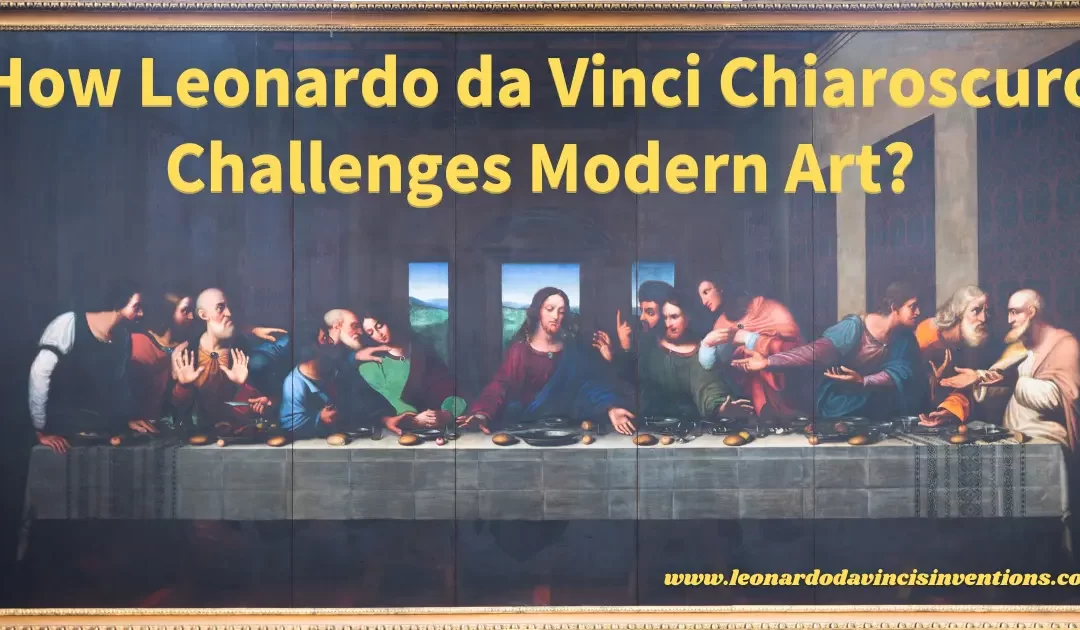
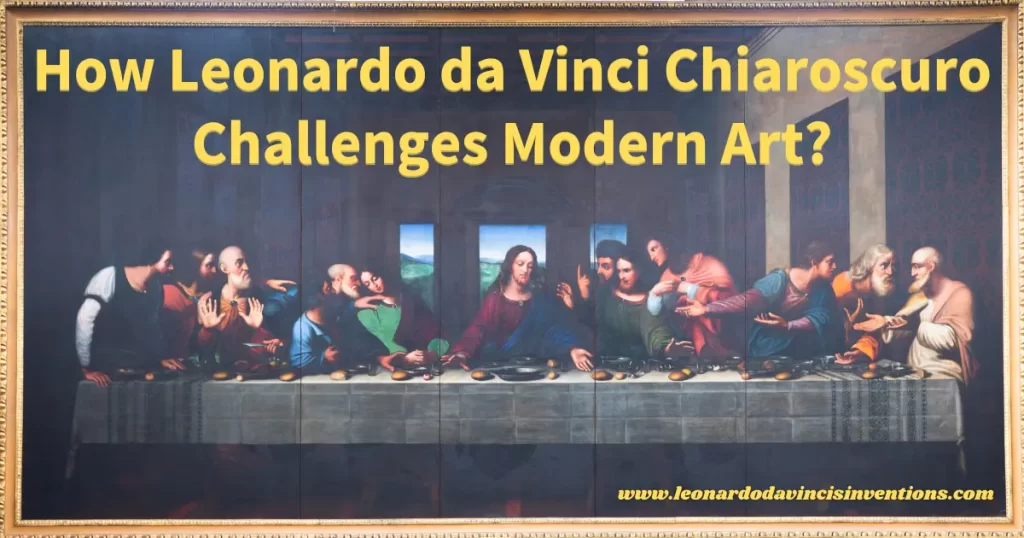
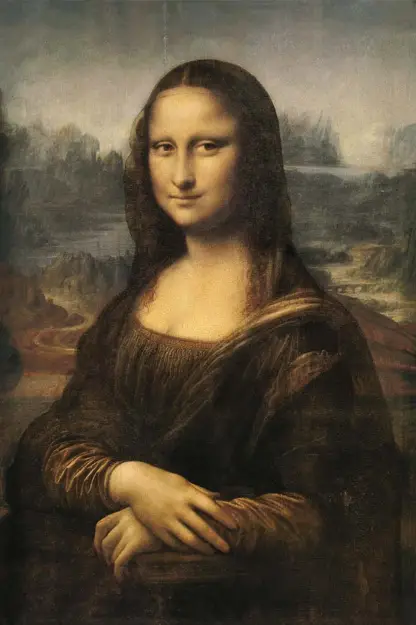
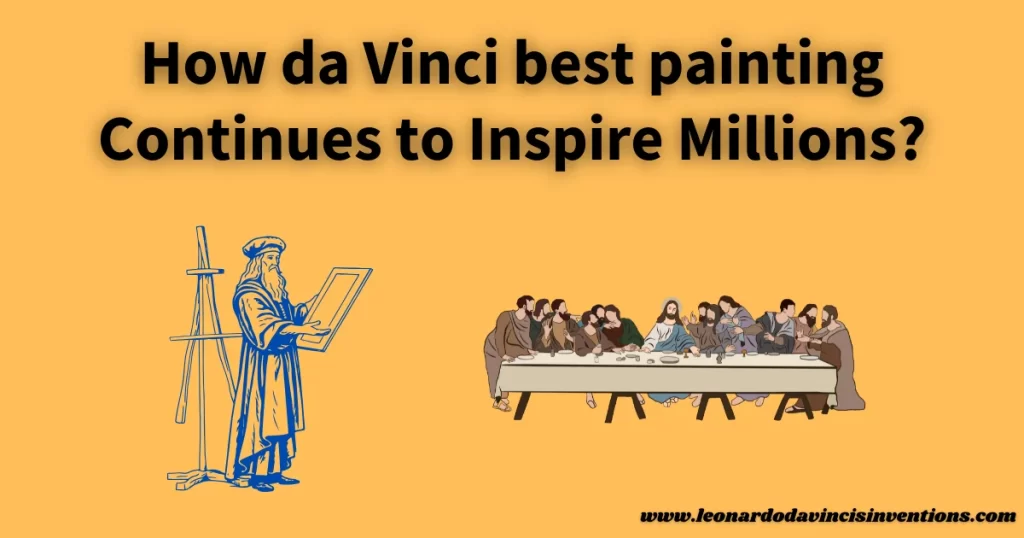
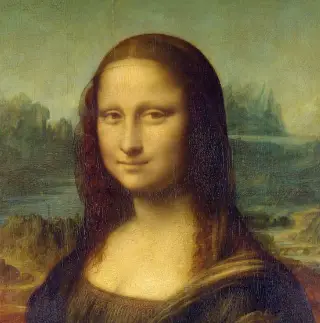
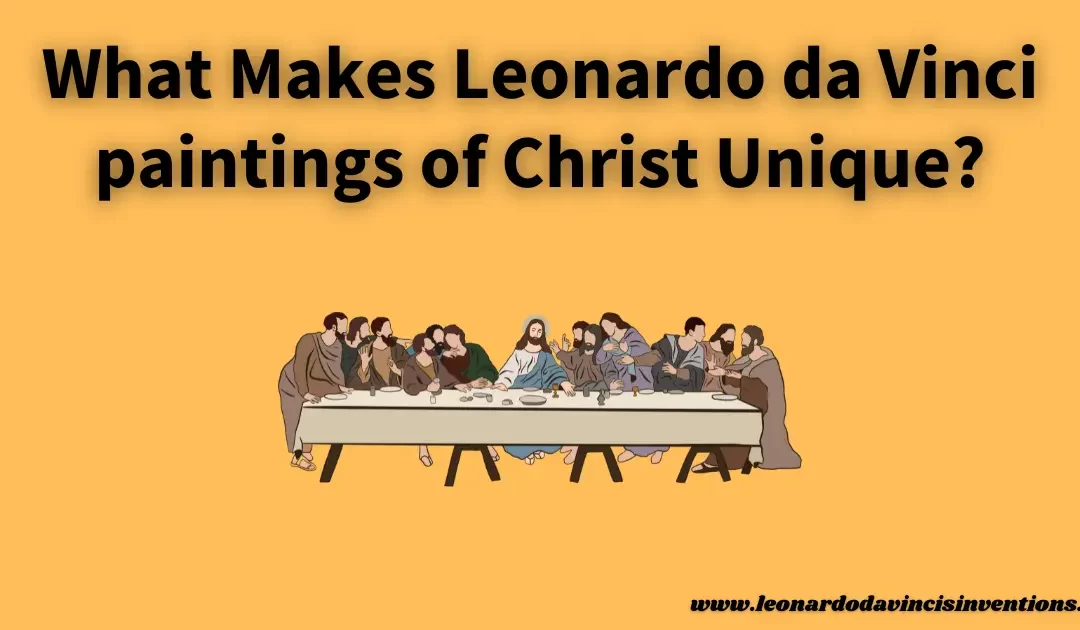
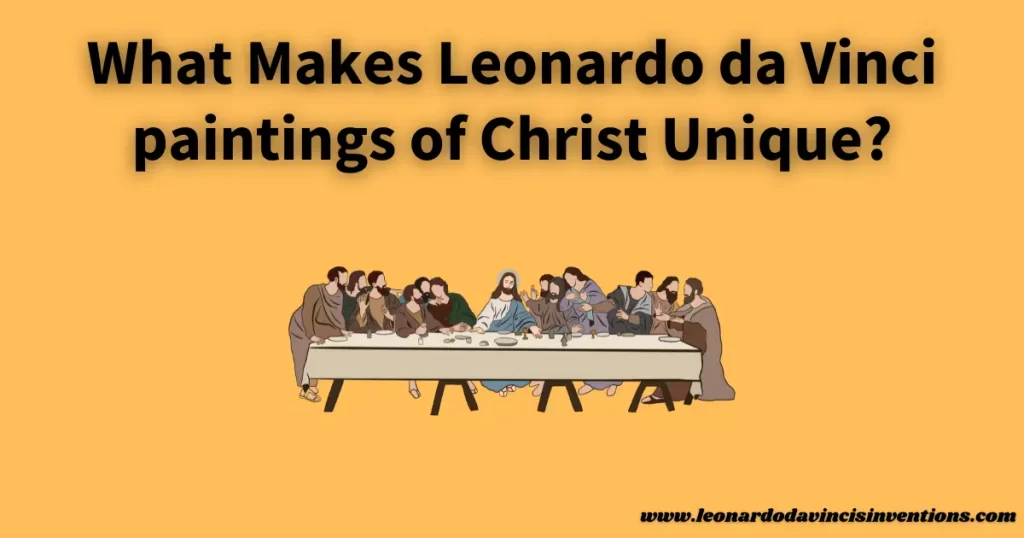
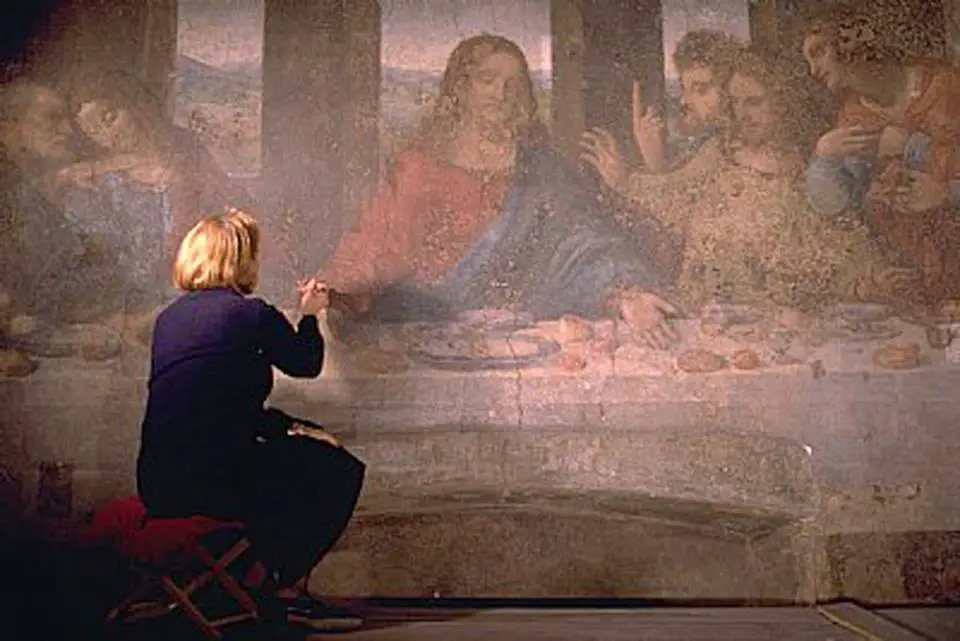
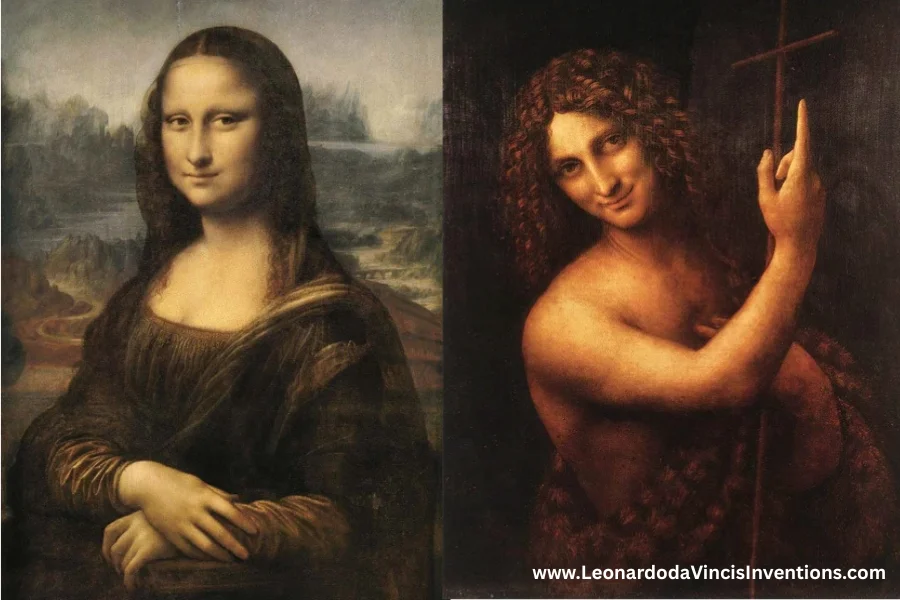
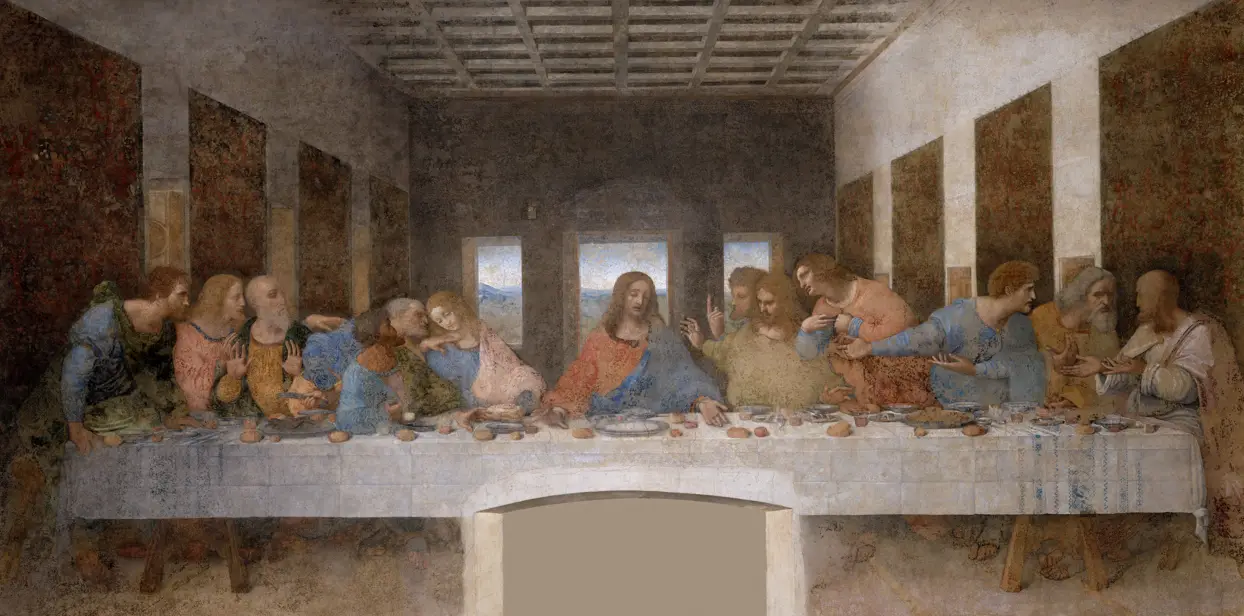
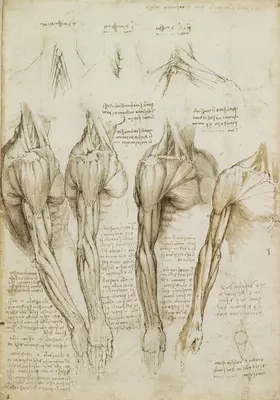
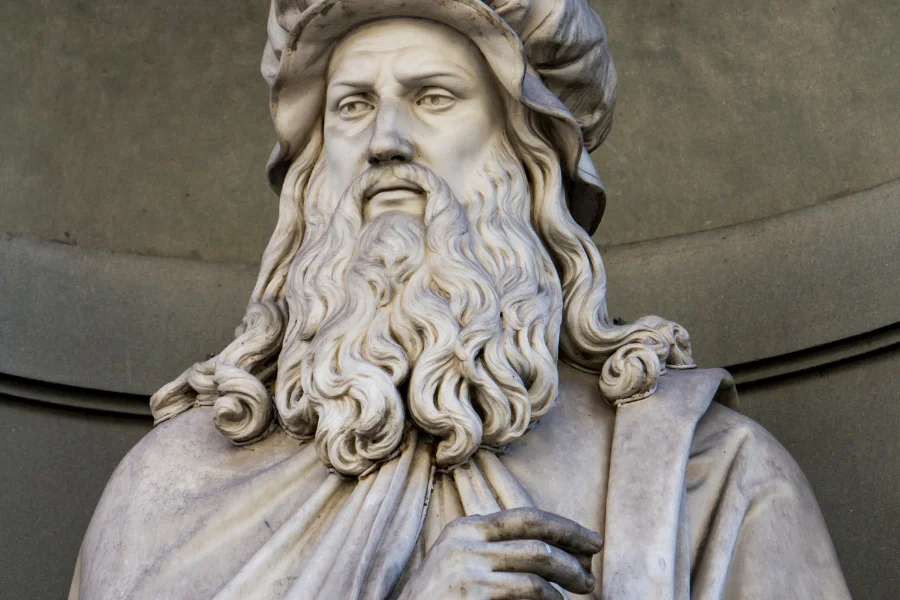
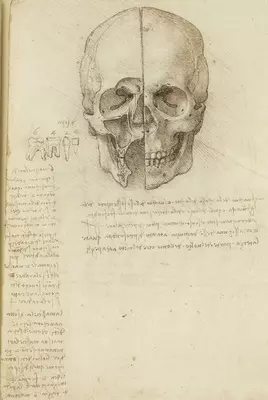
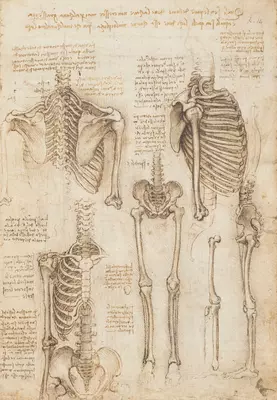
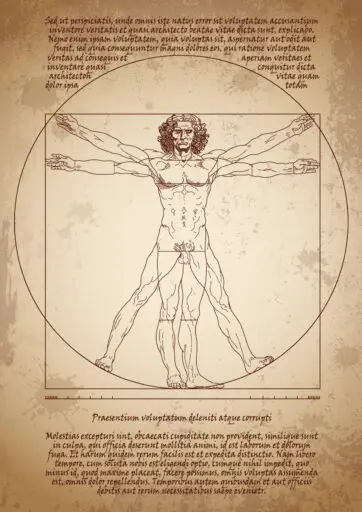
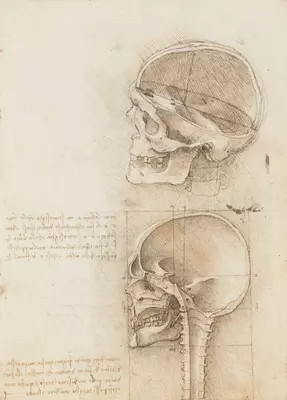
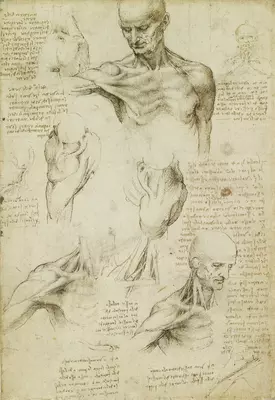
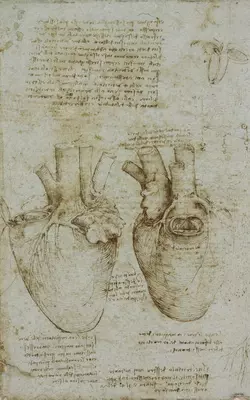
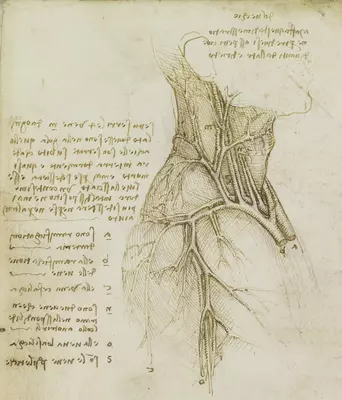
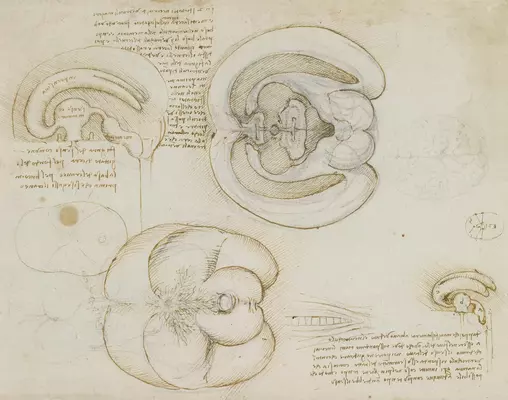
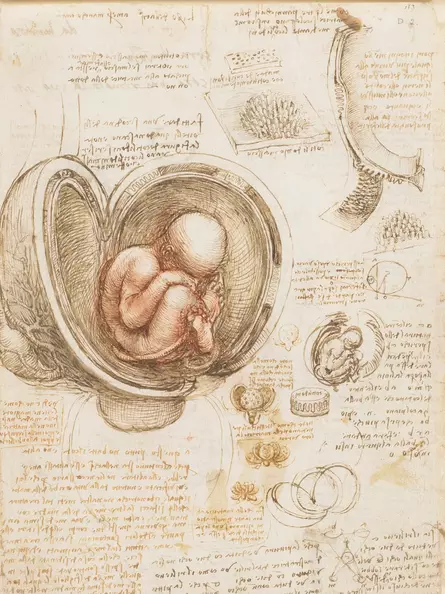
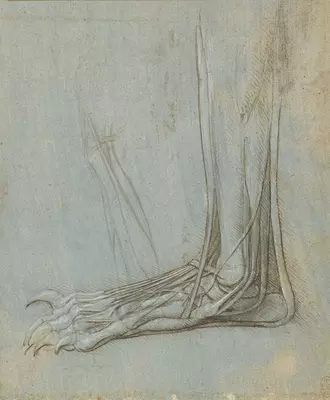
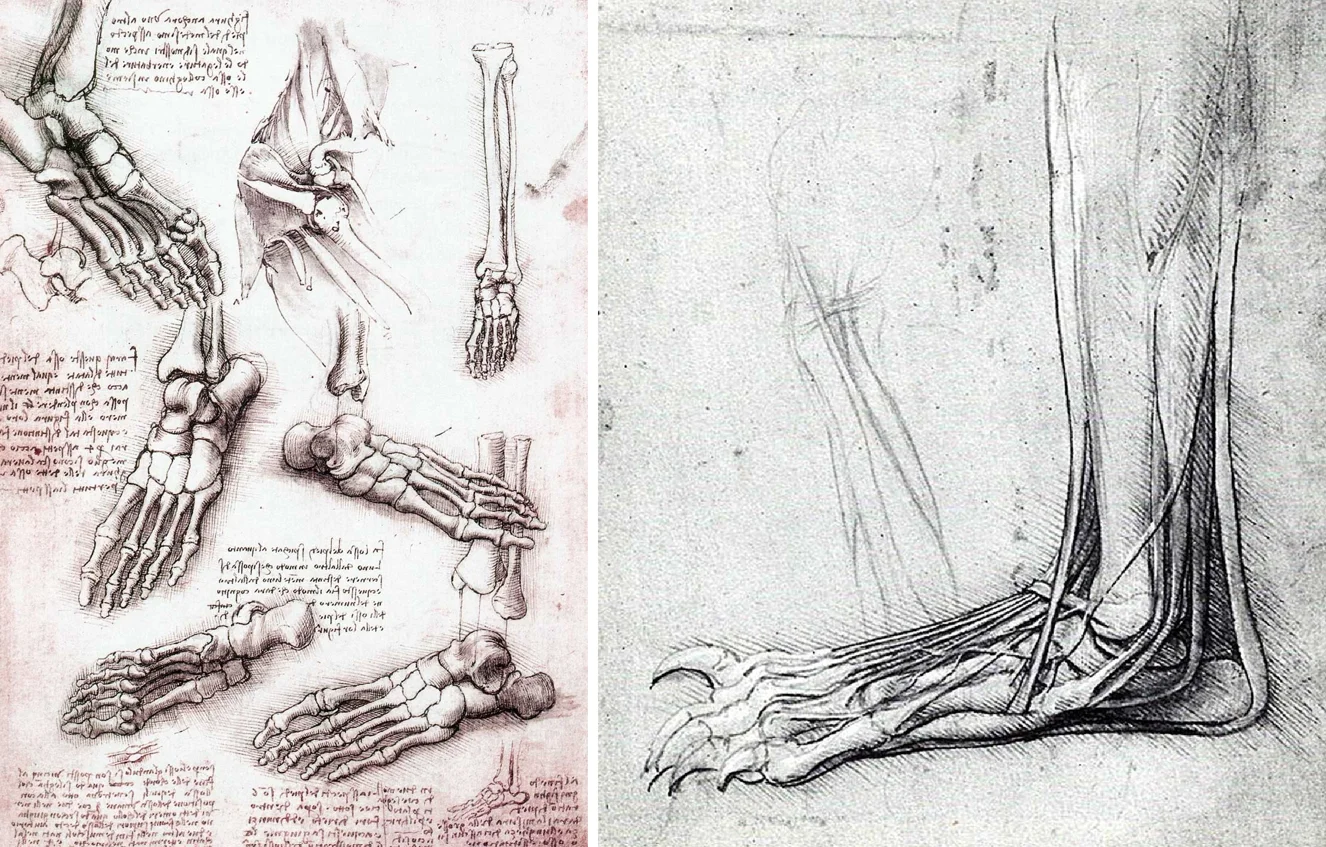
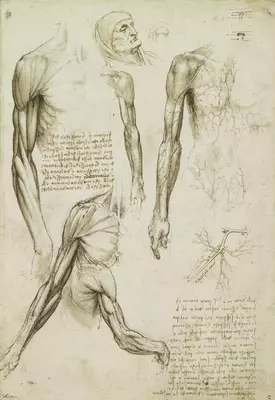
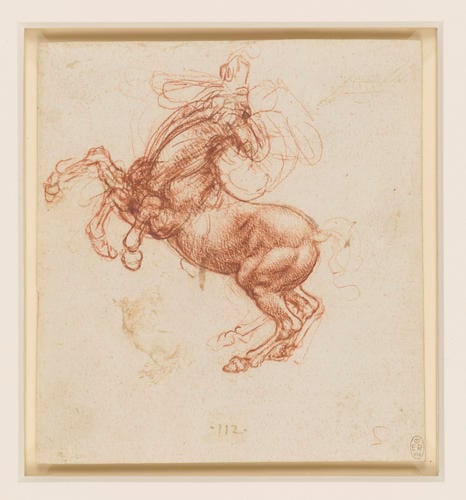
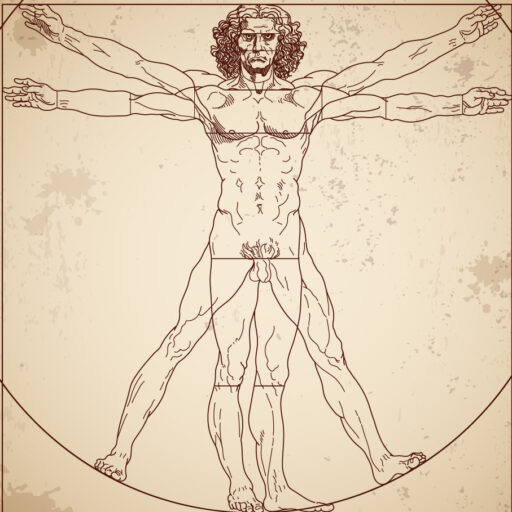
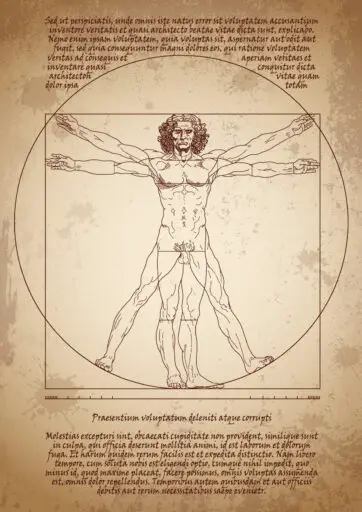
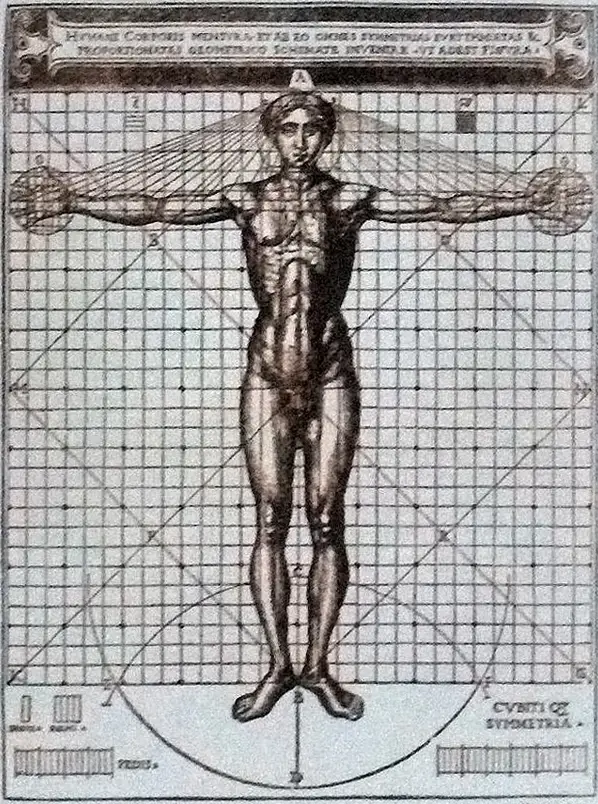
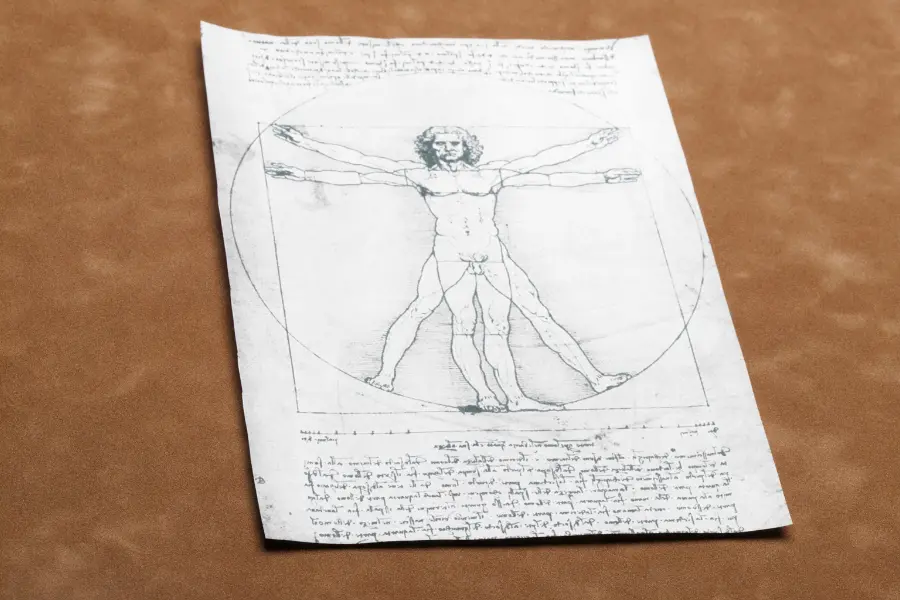
 Leonardo Bianchi is the founder of Leonardo da Vinci Inventions & Experiences, a cultural travel guide helping visitors explore Leonardo da Vinci’s art, inventions, and legacy across Italy and Paris.