
(Last updated: May 2026)
Renaissance patronage was the engine that powered one of the greatest cultural explosions in human history. Without wealthy sponsors willing to invest in artists, architects, and thinkers, the Renaissance as we know it might never have happened.
The Sistine Chapel, the dome of Florence Cathedral, and the notebooks of Leonardo da Vinci all owe their existence, at least in part, to a system where powerful individuals and institutions paid creative geniuses to make their visions real.
Leonardo da Vinci is perhaps the most compelling figure to emerge from this world. He worked under some of the most powerful patrons in Italy, including Lorenzo de' Medici in Florence, Ludovico Sforza in Milan, and later Francis I of France.
This post is all about Renaissance patronage—how powerful patrons shaped Leonardo da Vinci’s career through their ambitions, tastes, and political goals.
What Is Renaissance Patronage?
Renaissance patronage was a system where wealthy individuals and institutions funded artists and scholars. In return, they received works that enhanced their prestige. This support drove the remarkable creativity of the Renaissance.
Who Were the Patrons of Renaissance Art?
The patrons of Renaissance art came from several overlapping worlds: merchant families who had grown rich through banking and trade, ruling dynasties seeking to legitimize their power, and the Catholic Church, which remained the largest single commissioner of art throughout the period.
Understanding who these individuals were and what they wanted is essential to understanding early Renaissance art and the High Renaissance art that followed.
The Medici Family: Florence's Most Famous Renaissance Patrons
No family did more to shape Italian Renaissance art than the Medici of Florence. They were bankers who became rulers, and they used art as a tool of both personal expression and political power.
Cosimo de' Medici funded Brunelleschi's revolutionary architecture and supported the philosopher Marsilio Ficino. His grandson, Lorenzo the Magnificent, turned Florence into the intellectual capital of Europe.
It was in this Florentine environment that the young Leonardo da Vinci first developed his talents. Lorenzo de' Medici recognized extraordinary talent and brought gifted young artists into contact with thinkers, scientists, and leaders. Leonardo absorbed it all.
→ Explore our detailed articles on the Medici family, their art collections, and their role in shaping early Renaissance art in Florence.
The Church as a Patron Renaissance Institution
The Catholic Church was the original and most consistent patron in Renaissance Italy. Popes, cardinals, and bishops commissioned paintings, frescoes, sculptures, and entire buildings to glorify God and demonstrate the Church's authority. The Vatican itself became one of the world's greatest collections of Renaissance art.
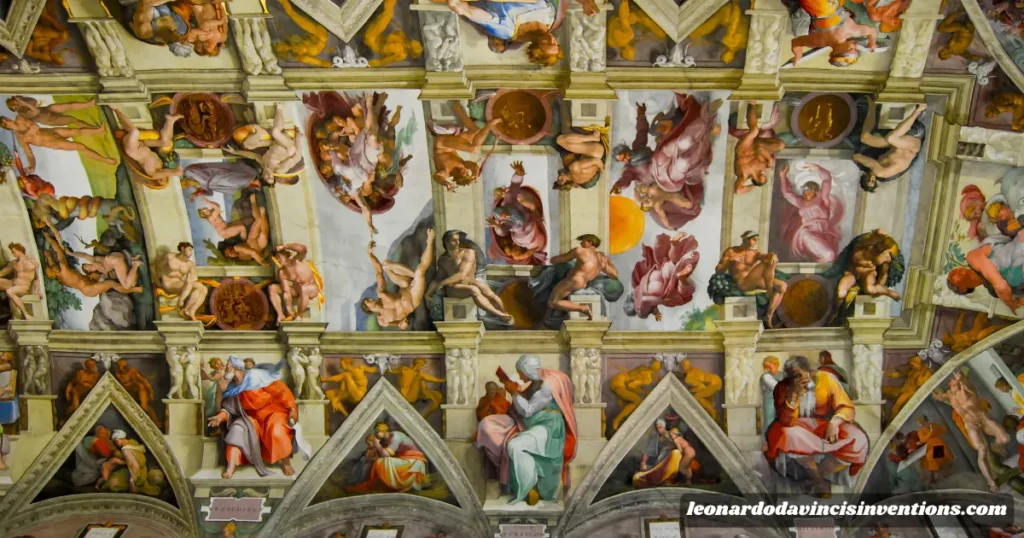
Pope Julius II, for example, commissioned Michelangelo to paint the Sistine Chapel ceiling and hired Raphael to decorate his private rooms. These projects were not just religious exercises. They were statements of power, prestige, and divine favor.
Ludovico Sforza and Patronage in the Milan Renaissance
When Leonardo left Florence for Milan around 1482, he entered the service of Ludovico Sforza, the Duke of Milan. This chapter of Leonardo's life illustrates the personal and political dimensions of the patron-artist relationship perfectly.
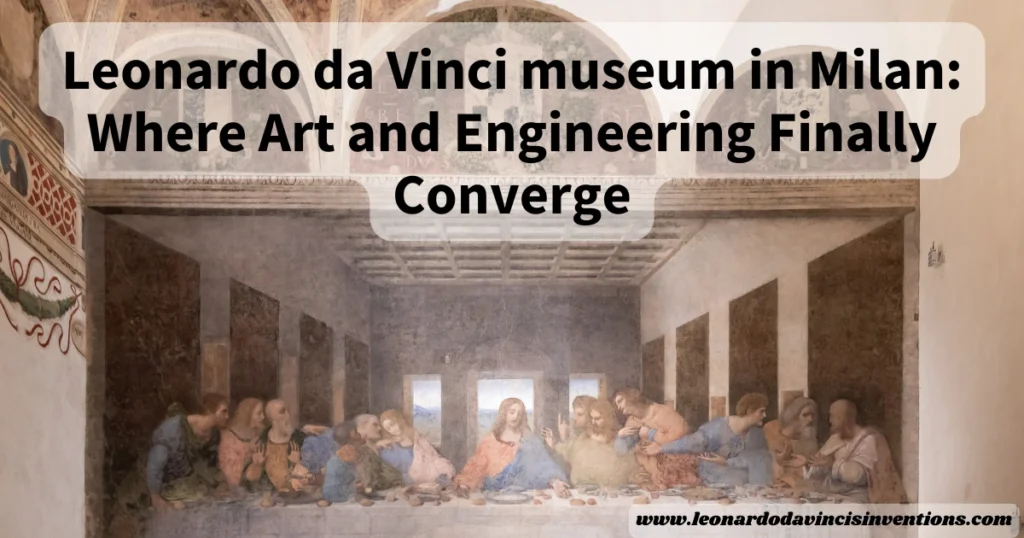
Ludovico wanted a court artist who could design war machines, stage theatrical spectacles, engineer canals, and produce breathtaking paintings. Leonardo delivered on all fronts. The result was one of the most productive periods in Renaissance history, culminating in The Last Supper, painted on the wall of Santa Maria delle Grazie.
→ Read our in-depth article on Milan Renaissance culture and the Sforza court to learn more about this chapter of Leonardo's life.
How the Patronage System Renaissance Worked
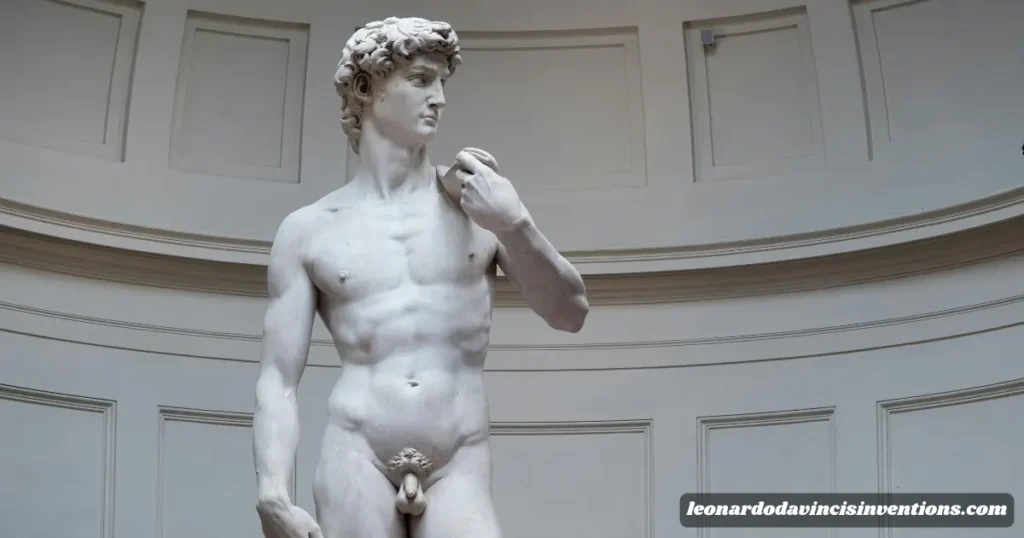
The patronage system Renaissance was not simply a financial transaction. It was a complex social relationship with specific obligations on both sides. Artists were not free agents. They worked within a framework of expectation, loyalty, and reputation.
Patron Definition Renaissance: More Than a Sponsor
So what exactly is a patron? The patron Renaissance definition goes well beyond simple funding. A patron was a protector, a promoter, and often a creative collaborator. They decided what would be made, what themes it would explore, and where it would be displayed. What is a patron in a sentence? A patron held the keys to an artist's career — and sometimes to their freedom and safety.
For Leonardo, this meant navigating the desires of powerful men while still pursuing his own insatiable curiosity. It was a balancing act he managed with extraordinary skill throughout his life.
Patronage Politics: Art as a Tool of Power
Patronage politics was real and deeply embedded in Renaissance culture. Commissioning a grand altarpiece or funding a public sculpture was a way of saying: I am powerful, I am pious, I am civilized. It was propaganda in marble and paint.
Families competed for the best artists. Cities competed for the grandest buildings. This competition drove quality upward. It is one reason why Italian Renaissance art produced such an extraordinary concentration of masterpieces within such a short period of time.
What Was a Humanist and Why Did Patrons Value Them?
To fully understand the patronage in Renaissance Italy, it helps to ask: What was a humanist? Humanism was the intellectual movement at the heart of the Renaissance. Humanists believed in the power of classical learning, in the dignity of human beings, and in the idea that education and art could improve society.
Wealthy patrons surrounded themselves with humanists because it signaled sophistication and culture. Supporting thinkers and artists was a way of participating in the great conversation of the age. Leonardo himself embodied the humanist ideal: painter, scientist, engineer, musician, and philosopher all in one.
Where to Experience Leonardo's Legacy
The story of Renaissance art patronage is not locked in the past. It lives in the museums, churches, and streets of Italy and beyond. Travelers today can walk in the footsteps of Leonardo and his patrons, standing before works commissioned centuries ago that remain breathtaking.
Florence: Birthplace of Renaissance Art Patronage
Florence is the city most associated with the birth of the Renaissance. The Uffizi Gallery houses one of the world's greatest collections of Italian Renaissance art, including works from Leonardo's formative years. The Palazzo Medici Riccardi offers visitors a direct connection to the family that shaped the era.
Walking through Florence is walking through living history. Every church, every piazza, every facade tells a story of patronage, ambition, and artistic vision. It remains one of the essential Renaissance sites for any serious traveler.
Milan: Leonardo's Most Productive Renaissance Site
Milan is home to The Last Supper, Leonardo's most famous painted work, and one of the most important Renaissance sites in the world. The refectory of Santa Maria delle Grazie, now a UNESCO World Heritage Site, preserves this masterpiece. Booking a visit well in advance is essential, as entry is tightly controlled to protect the fragile fresco.
The Pinacoteca Ambrosiana holds Leonardo's Codex Atlanticus, the largest surviving collection of his manuscript pages, as well as the Portrait of a Musician, attributed to Leonardo. The Castello Sforzesco — Ludovico's former residence — offers another direct link to the Milan Renaissance, which shaped Leonardo's career.
Vinci, Paris, and Other Essential Leonardo Museums
The small Tuscan town of Vinci is Leonardo's birthplace and home to the Museo Leonardiano, which displays detailed models of his inventions. It offers a quieter, more intimate connection to the artist's origins.
In Paris, the Louvre houses the Mona Lisa and the Virgin of the Rocks, drawing millions of visitors each year. Other essential Leonardo artworks can be found in Warsaw — Lady with an Ermine at the Czartoryski Museum — and in London at the National Gallery. These Leonardo museums and galleries preserve works commissioned by the very patrons discussed in this guide.
Experience Leonardo's World in Person
Reading about Renaissance history brings you so far. Standing in the actual spaces where Leonardo worked, observed, and imagined brings you much further. The experience of visiting Renaissance cities is transformative in a way that no book or screen can fully replicate.
Guided Tours of Renaissance Cities
Expert-guided tours of Florence, Milan, and Vinci offer context that neither a map nor an audio guide can provide. Specialist art historians and Renaissance guides can walk you through the political relationships between patrons and artists, pointing out details in paintings that reveal the dynamics of power and personality invisible to the untrained eye.
Look for small-group tours that include reserved entry to key sites such as The Last Supper. These tours often grant access to spaces and perspectives unavailable to independent travelers.
What to Look for in Leonardo Museums
When visiting any museum displaying Leonardo's work, bring the knowledge of patronage with you. Ask yourself: Who commissioned this? What did they want it to say? How did Leonardo fulfill those expectations while still expressing his own vision?
The Mona Lisa, for example, may have been commissioned by a Florentine merchant named Francesco del Giocondo. The Lady with an Ermine was almost certainly painted for Ludovico Sforza as a portrait of his mistress. Every major Leonardo artwork carries within it the story of a specific patron relationship.
Leonardo Exhibitions: Temporary Shows Worth Traveling For
Major institutions around the world regularly mount important Leonardo exhibitions drawing on manuscripts, drawings, and loaned artworks. These temporary shows often reveal new research, recently restored works, or rarely seen pages from his notebooks.
Check listings at the Louvre, the National Gallery in London, the Uffizi, and the Pinacoteca Ambrosiana for upcoming Leonardo exhibitions. They represent some of the most exciting events in the global Renaissance history calendar.
Final Thoughts
This post was all about Renaissance patronage in depth: its definition, its major players, its political dimensions, and the extraordinary creative culture it produced. From the Medici in Florence to Ludovico Sforza in Milan to Francis I of France, Leonardo da Vinci moved through a world where art and power were inseparable. He shaped that world as much as it shaped him.
What makes Leonardo endlessly fascinating is not just his talent. It is the way he navigated the Renaissance patronage system with both flexibility and integrity. He served powerful men without becoming their servant. He fulfilled commissions while pursuing knowledge that had nothing to do with any patron's needs. His notebooks — filled with observations about birds, water, anatomy, and light — are proof that his curiosity always ran deeper than any contract.
The Renaissance ended five centuries ago. But the works it produced, made possible by the patrons of art during the Renaissance, continue to speak to us. They hang on museum walls and stand in piazzas, still asking the questions that Leonardo and his world found so urgent: What is beauty? What is knowledge? What can a human being achieve? Visiting these works, in the cities where they were made, is one of the most rewarding journeys a curious person can take.
FAQs about Renaissance Patronage
Patronage during the Renaissance was a system in which wealthy individuals, families, or institutions financially supported artists, writers, and scholars. In return, they received artworks, buildings, or intellectual works that enhanced their prestige, power, or religious devotion. This system allowed artists to focus on their craft while relying on patrons for income and resources.
The main patrons of the Renaissance included powerful banking families like the Medici in Florence, the Catholic Church (including popes and bishops), royal courts, and wealthy merchants. These groups used their wealth to commission art and architecture, often to display status, influence, and cultural sophistication.
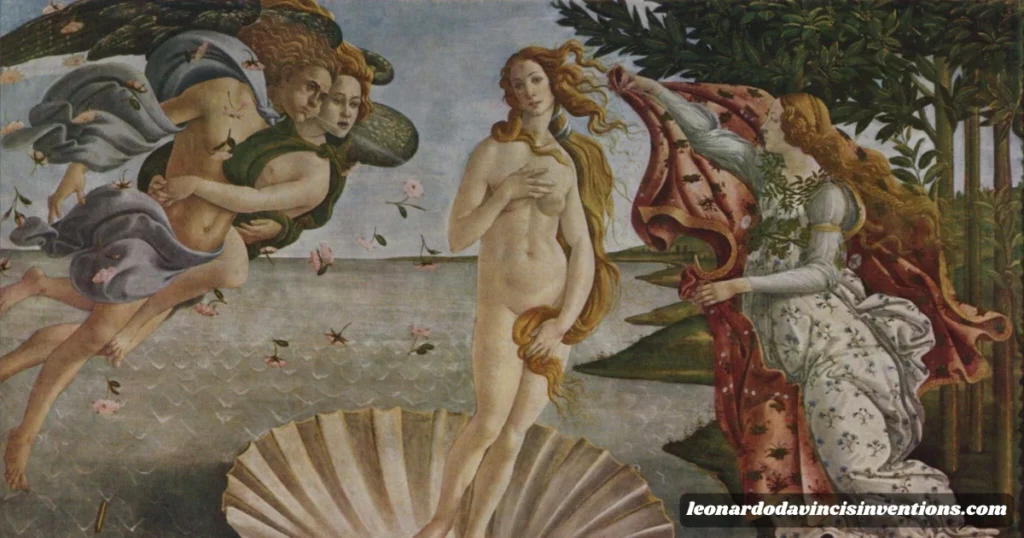
A classic example of patronage is the Medici family's support of artists such as Michelangelo, Leonardo da Vinci, and Botticelli. They commissioned famous works, such as Botticelli’s The Birth of Venus, and funded architectural and cultural projects that transformed Florence into a center of Renaissance art.
Patrons had a major impact on the Renaissance by funding artistic and intellectual work, which encouraged innovation and creativity. Their support created a competitive environment where artists developed new techniques and produced masterpieces, helping drive the cultural and artistic flourishing of the period.
Historically, patronage refers to the support, protection, or financial aid given by a powerful individual or institution to another person, often in exchange for services or loyalty. In the arts, it specifically means funding creative work such as painting, sculpture, or literature.
Patronage was given by wealthy and influential figures, including rulers, nobles, church leaders, and rich merchants. These patrons commissioned artworks and funded projects to demonstrate power, express religious devotion, or leave a lasting cultural legacy.
Related Post You May Like


Disclosure: This page may contain affiliate links. If you choose an experience through them, it helps support the site at no extra cost to you.
 Leonardo Bianchi is the founder of Leonardo da Vinci Inventions & Experiences, a cultural travel guide helping visitors explore Leonardo da Vinci’s art, inventions, and legacy across Italy and Paris.