The Medici family Renaissance story is filled with power, influence, and art. Many people feel confused about what made this wealthy Florentine family so important, but you can learn how their choices shaped history.
By exploring their patronage, politics, and famous family members, you’ll discover new details to help you understand the Renaissance.
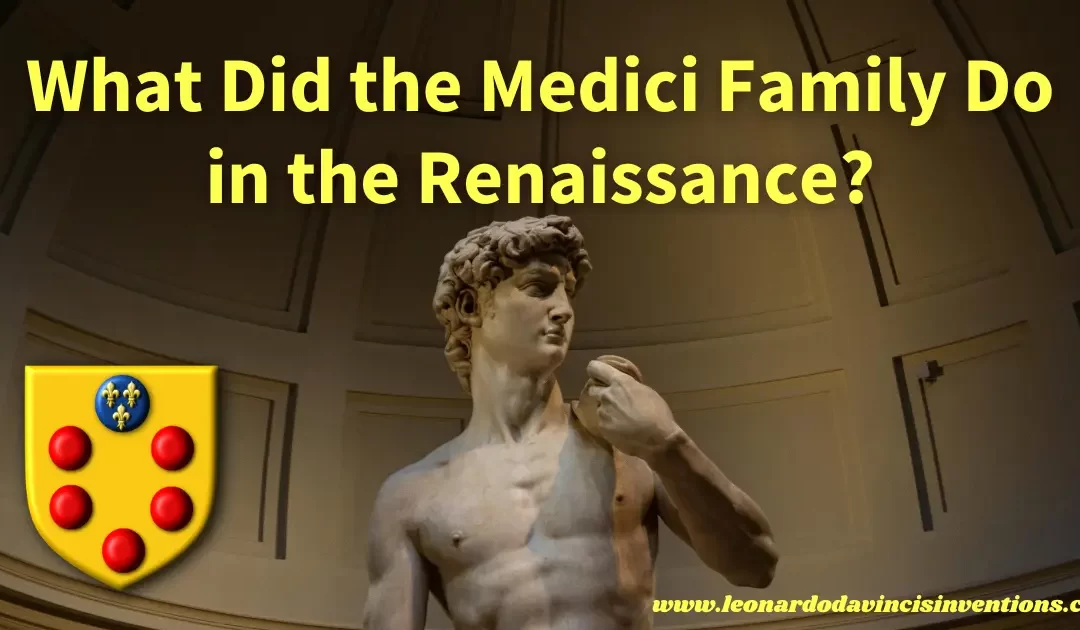
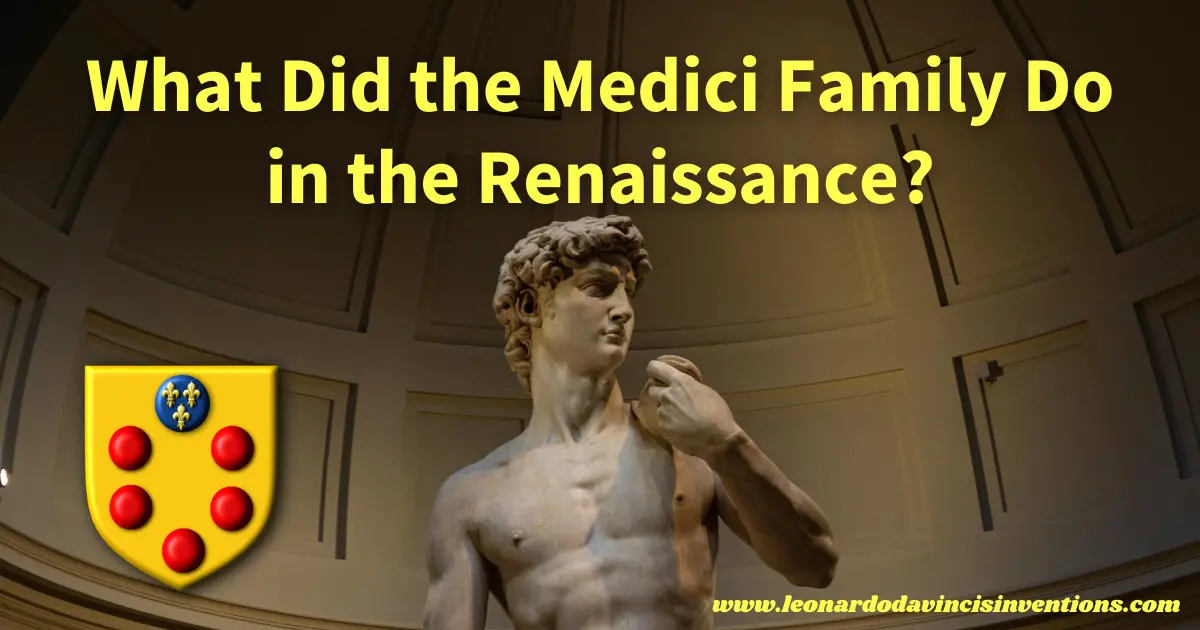
The Medici family played a pivotal role in launching and guiding the Renaissance by supporting artists, funding large-scale building projects, and exerting significant influence in Florence.
Their banking success gave them power, which they used to change government, culture, and even religion in Italy.
From painters such as Botticelli and Leonardo to landmarks like the Florence Cathedral, the Medici family’s legacy touches every part of Renaissance Florence.
The Medici Family Renaissance: Rise to Power and Influence in Florence
The Medici family’s ascent relied on their expertise in banking, strategic marriages, and deep ties to Florence’s political scene. Their strong control over commerce enabled them to become powerful rulers and patrons of the arts.
The House of Medici: Banking, Wealth, and Political Power
The Medici family began building their fortune with the Medici Bank. This bank became one of Europe’s most trusted and prosperous, handling money for merchants and the papacy.
Successful banking led to vast wealth and influence. The Medici utilized their economic power to secure political positions in Florence, supporting their allies and influencing decisions at the city council.
Their control of finances made them an essential part of Renaissance commerce. They funded public buildings and supported artists.
The family created a network of supporters who helped protect and expand Medici interests.
Medici Rule in Florence: From Commerce to Nobility
With growing wealth and power, the Medici moved from business leaders to rulers. Members of the family held top offices in Florence, serving as unofficial leaders while initially avoiding the titles of king or duke.
The Medici increased their standing by marrying into noble families and supporting causes the public cared about. Their influence extended to the church, with family members becoming popes and shaping religious policy.
This mix of commerce, politics, and noble alliances allowed the Medici to shape Florentine society. Their rule faced plots and conspiracies, but their ability to survive power struggles helped maintain family rule for generations.
The Medici Dynasty’s Role in Shaping Florentine Society
The Medici dynasty ruled and profoundly influenced Renaissance Florence through cultural and social investments. They were leading patrons of the arts, commissioning many works of architecture, sculpture, and painting that still define the city’s landscape.
Their patronage extended to artists like Michelangelo and Leonardo da Vinci, who produced masterpieces that reflected the new ideas of humanism and innovation.
The Medici’s support for science, education, and literature promoted learning and encouraged creativity in Florence.
By supporting cultural rebirth and public works, the Medici’s impact on society was lasting, shaping the culture and legacy of Florence and the Renaissance period.
Patronage and Artistic Innovation: How the Medici Family Funded the Renaissance
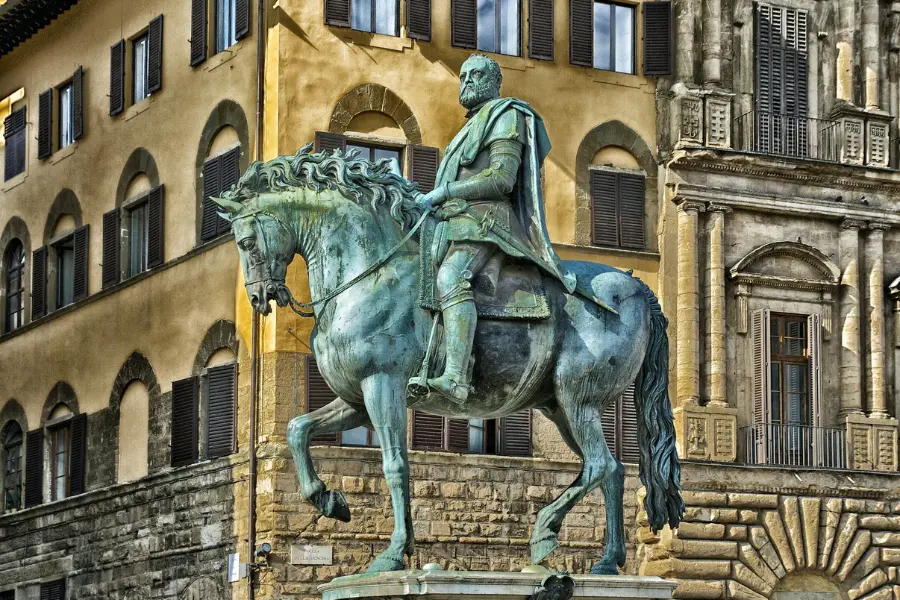
The Equestrian Monument of Cosimo I de Medici, Piazza della Signoria in Florence, Italy
The Medici family’s wealth from banking and commerce transformed Florence into a cultural and innovative hub. They left a powerful legacy that shaped Renaissance society by supporting artists, architects, and scholars.
The Medici Family Renaissance and the Patronage of the Arts
The House of Medici rose to prominence after gaining economic power and political influence in Florence. Their interest in art and humanism pushed the city to the front of the Renaissance movement.
Cosimo de’ Medici, known as Cosimo the Elder, began a tradition of using family wealth to fund works of art, libraries, and schools. The Medici’s patronage was more than a matter of personal taste—it was a means to reinforce their status and expand their influence throughout Florentine society.
The Medici family supported many famous artists, including Botticelli and Michelangelo. They nurtured the careers of those who would define Renaissance culture.
This approach helped form the Medici Patronage Network, which deeply penetrated politics and education.
Sponsorship of Art and Science: Supporting Artists, Architecture, and Literature
Lorenzo de’ Medici expanded the sponsorship of art and science, investing in architecture, sculpture, and literature. The family provided financial backing for artists and scholars who needed resources for their creative and academic projects.
Under the Medici’s rule, Florence became a hub of artistic innovation and scientific learning. They directly funded new buildings such as the Medici Chapel and supported advancements in education and humanism.
The Medici’s role extended beyond art. They gave thinkers like Leonardo da Vinci and Galileo opportunities to work and learn.
This sponsorship fueled a wave of creativity that would ripple across Europe.
Artistic Commissions, Renaissance Art, and the Medici’s Legacy
The Medici’s artistic commissions shaped some of the greatest masterpieces of Renaissance art. By funding paintings, sculptures, and grand architectural projects, the dynasty created a lasting cultural rebirth in Florence.
Their legacy encompasses public works and private collections, many of which have become the foundation for museums and galleries.
Medici contributions ensured that Florence remained a beacon for artists and scholars long after their political power faded.
The Medici Family’s Lasting Impact on Renaissance Culture and Society
The Medici family shaped Florence’s politics, religion, and learning during the Renaissance. Their influence reached across art, science, the Papacy, and even the structure of European society.
Medici Popes, Papacy Influence, and Political Intrigue
Medici power extended deeply into the Catholic Church. Members of the family, including Leo X and Clement VII, became popes, thereby granting the Medici control over both religious and political decisions in Europe.
The Medici used their wealth and connections to help friends and allies gain church offices. They became central figures in significant events, such as the Sack of Rome, and received massive art commissions in Vatican City.
Their time as popes strengthened the Medici’s reputation for political intrigue, alliances, and conspiracies within church leadership. This allowed the family to support artistic projects and influence papal policy at the highest level.
Education, Humanism, and the Medici’s Support of Science
Cosimo and Lorenzo de’ Medici championed education, humanism, and the revival of classical learning. They sponsored scholars who translated ancient texts and opened libraries that made books available to the public.
Their home became a meeting place for philosophers, scientists, and artists. The Medici’s support of science helped spark innovation.
They financially backed thinkers like Galileo and Leonardo da Vinci, laying the groundwork for progress in astronomy, anatomy, and engineering. Their sponsorship helped the Florentine Renaissance become a center of learning.
Medici’s Rise and Fall: Corruption, Conspiracy, and Family Legacy
The family’s rise to power relied on banking, trade, and political maneuvering. The Medici Bank funded much of Florence’s wealth.
Their rule sparked jealousy, leading to conspiracies and attempts on their lives. The Pazzi Conspiracy was a deadly plot against Lorenzo, showing the dangers of their growing power.
Corruption and economic trouble weakened the family by the late 1500s. Yet, their artistic patronage and cultural legacy in Renaissance Florence live in the city’s buildings, paintings, and sculptures.
Despite its downfall, the Medici family remains a symbol of innovation and artistic rebirth in European history.
Frequently Asked Questions
The Medici family significantly influenced Florence during the Renaissance, but their power was marred by controversy, betrayal, and decline. Their story involves political control, art patronage, personal challenges, and changing fortunes.
What was the dark side of the Medici family?
The Medici family was often involved in ruthless politics, financial manipulation, and violence. Some members used bribery and even ordered assassinations to keep their position.
They faced scandals that left a lasting mark on Florence’s history.
Why was the Medici family so powerful?
Their wealth came mainly from banking and finance. The Medici Bank became one of the most successful in Europe.
This money enabled them to influence politics, support the church, and become leading patrons of Renaissance art, thereby gaining control in Florence and beyond. They even became rulers in Tuscany for centuries.
Did the Medici Family Renaissance Really Change History?
The Medici family played a major role in shaping the Renaissance. They supported famous artists such as Michelangelo and Leonardo da Vinci.
Their patronage helped Florence become a center of art, science, and culture. This influence spread and had a profound impact on history.
Does the Medici family still exist today?
The original ruling Medici bloodline ended in the 18th century. Although some people may have Medici ancestry today, none hold official power or titles associated with their former dynasty.
What caused the downfall of the Medici family?
Poor leadership and a loss of financial power led to the Medici family’s decline. Political enemies and other powerful families also contributed to their fall.
Later generations were unable to manage the family wealth and influence as effectively.
Who betrayed the Medici family?
The Pazzi family is infamous for attempting to betray the Medici family. In the Pazzi Conspiracy, they tried to kill Lorenzo de’ Medici and his brother Giuliano during church.
This attack led to Giuliano’s death and caused a major crisis in Florence’s history.
Why did the Medici bloodline end?
The Medici family bloodline ended mainly due to a lack of male heirs in the final generations. The last Medici ruler, Anna Maria Luisa, died in 1743, marking the end of the dynasty.
Is Netflix’s Medici historically accurate?
The Netflix series “Medici” is based on the family’s history and major events. However, it alters some facts and adds drama for entertainment purposes.
Some characters and timelines are inaccurate, so viewers should not rely on them as a primary historical source.
What brought down the Medici family?
Weak leadership and the loss of their banking fortune both played significant roles. Competing families and foreign powers also challenged their control.
By the 18th century, they could not maintain their influence or defend their position in Tuscany.
What illness did Medici have?
Several Medici family members had health problems, such as tuberculosis and gout. Some died young from these diseases.
Close marriages within the family may have caused genetic issues.
The Medici family tree is renowned for its profound connection to the Italian Renaissance and the artists who made that era so significant.
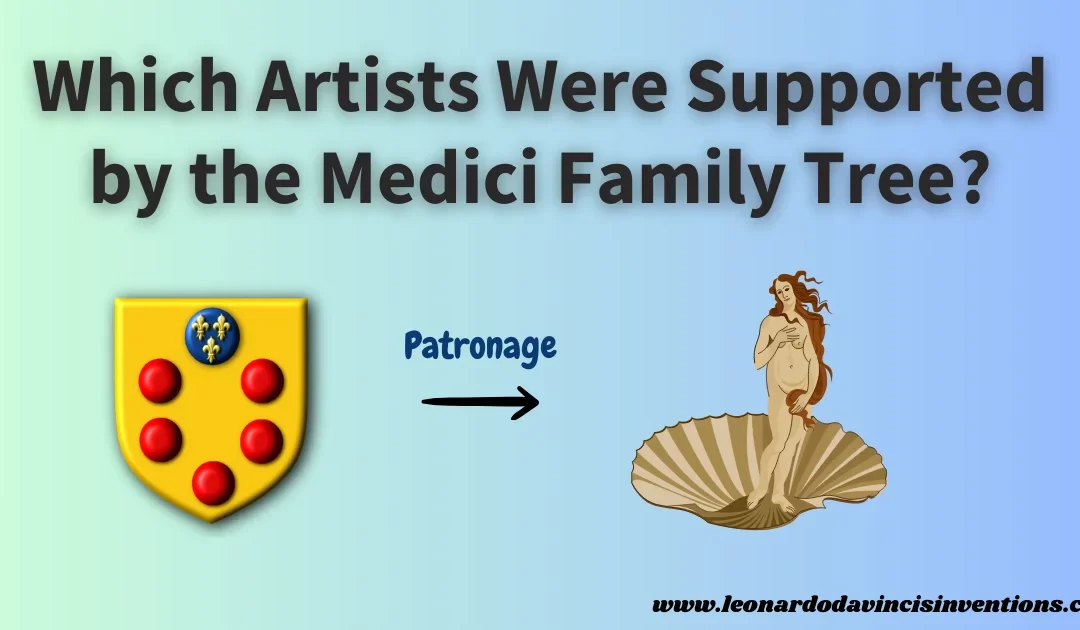
If you’ve ever wondered how certain artists became so well-known, you’re not alone. By exploring which artists were supported by the Medici family, you’ll get a clearer picture of their influence and discover the names connected to their powerful patronage.
The Medici family supported major artists, including Leonardo da Vinci, Michelangelo, Botticelli, Donatello, Fra Angelico, and Fra Filippo Lippi.
Their financial and personal backing of these creative minds helped shape European art for generations to come. Through their support, buildings, paintings, and sculptures flourished, making Florence a leading cultural center.
Their interest in the arts continued across generations of the Medici family tree. From Cosimo de’ Medici’s early interest in art and libraries to Lorenzo de’ Medici’s famous friendships with artists, each family member left a mark.
Key Renaissance Artists Supported by the Medici Family Tree
The Medici family, rulers of Florence and a leading Italian banking dynasty, played a decisive role in shaping the Renaissance. Their patronage of the arts elevated Florence to a center of creativity and left a lasting cultural legacy by supporting artists such as Leonardo da Vinci, Michelangelo, and Botticelli.
Medici Family Tree: How the Medici Family Connects to the World Today
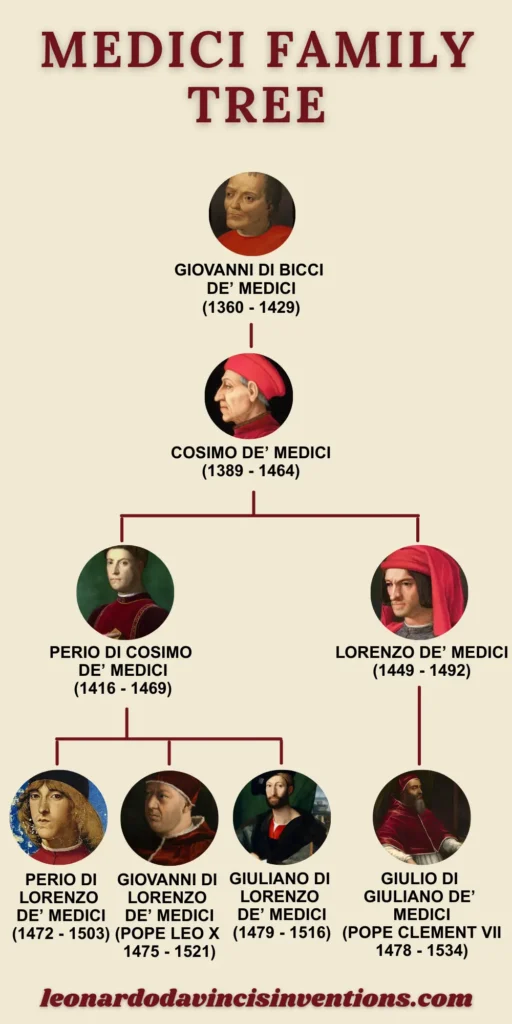
This Medici family tree infographic traces the lineage from Giovanni di Bicci de’ Medici to influential descendants like Lorenzo the Magnificent, Pope Leo X, and Pope Clement VII.
It highlights how the family’s power extended through politics, religion, and art during the Renaissance.
Leonardo da Vinci and the Patronage of the Arts
Leonardo da Vinci began his career in Florence at a time when the House of Medici held great power and influence. Lorenzo de’ Medici, sometimes called “Lorenzo the Magnificent,” recognized Leonardo’s talent early and gave him access to the Medici’s workshops and connections.
This support allowed Leonardo to grow as an artist and scientist, experimenting freely with new ideas. The Medici family’s wealth and backing enabled Leonardo to work with materials, models, and skilled assistants that few others in Italy could match at the time.
Much of his development as a Renaissance master was made possible by this unique environment of artistic freedom and innovation.
Michelangelo’s Rise to Power in Florence
Michelangelo’s early career flourished under the strong support of the Medici family tree. As a young man, he was invited to live at the Medici palace, where Lorenzo de’ Medici became his patron.
This relationship afforded Michelangelo access to the city’s finest teachers, resources, and a close circle of artists and scholars. The environment fostered by the Medici helped Michelangelo create works that have become icons of the Renaissance.
The family’s consistent patronage helped him secure critical public commissions. Their connections later enabled him to work on major projects in both Florence and Rome.
Botticelli’s Legacy in the House of Medici
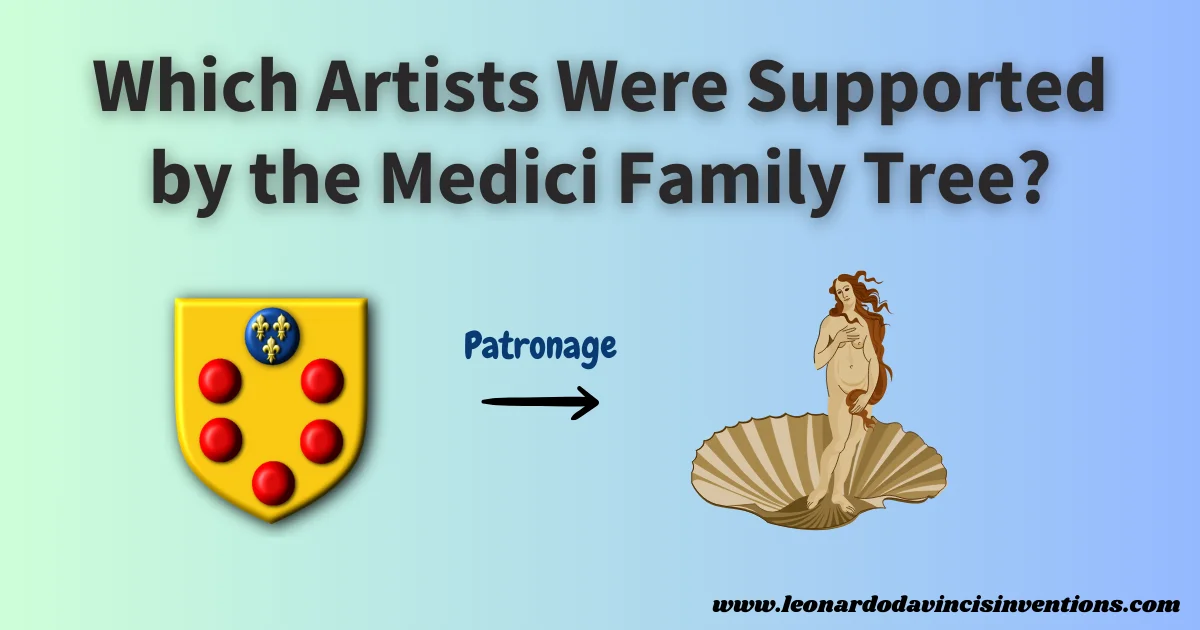
Botticelli created some of his most famous paintings, including “The Birth of Venus” and “Primavera,” for members of the Medici family. The family’s enthusiasm for art and culture set the stage for Botticelli to explore mythological themes and innovative styles that had not been seen in Florence before.
His close relationship with the Medici placed him at the heart of the family’s social and political events. Their commissions gave him lasting fame.
Because of Medici patronage, Botticelli’s works came to symbolize both the era’s achievements and its taste.
How the Medici Family Tree Shaped Art and Culture in Tuscany
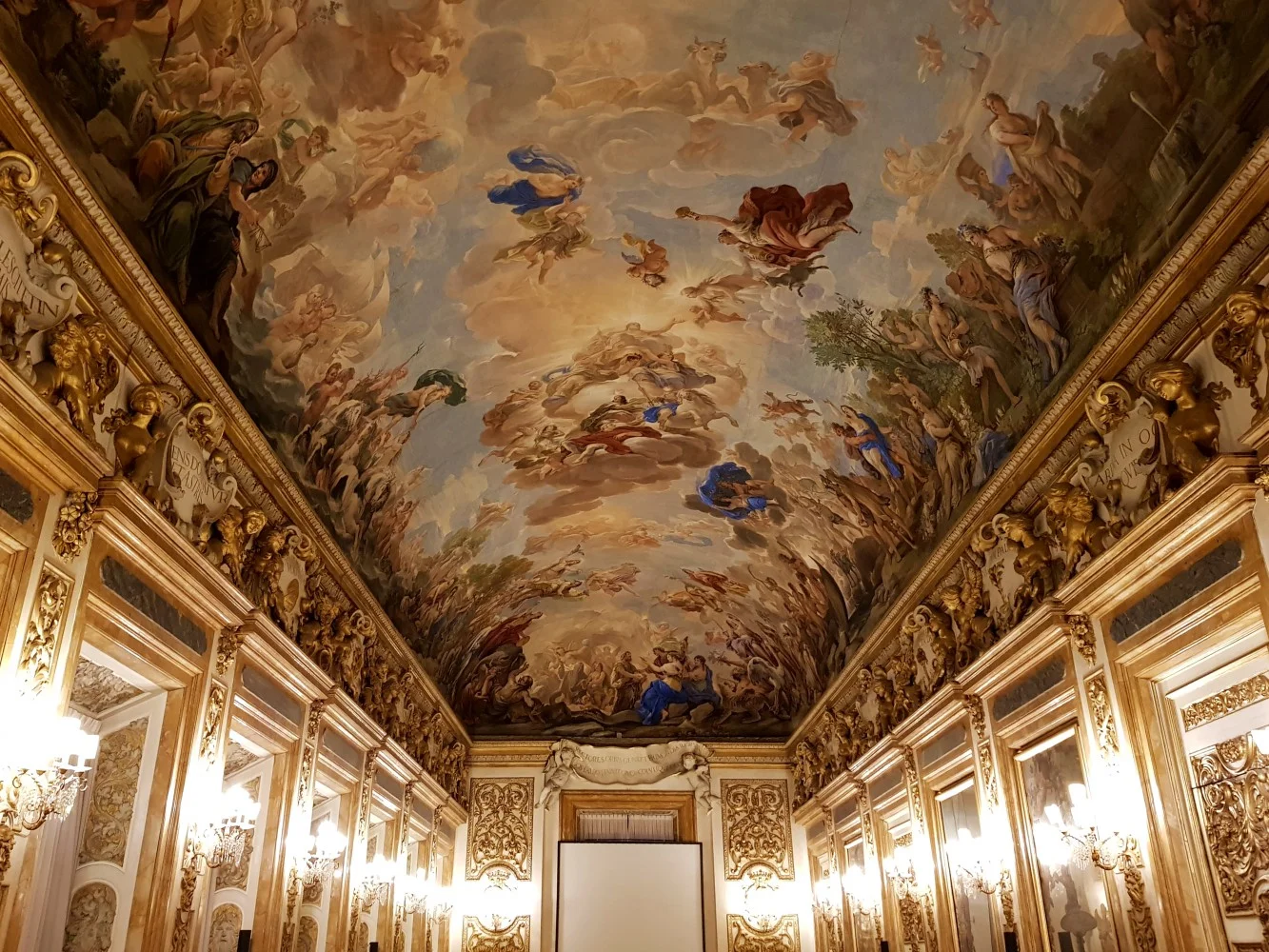
The Chapel of the Magi in Palazzo Medici Riccardi features famous frescoes by Benozzo Gozzoli depicting the Procession of the Magi
The Medici family’s rise to power sparked artistic and cultural advances across Tuscany. Through their banking empire and political leadership, the Medici dynasty left a long-lasting legacy that shaped art, architecture, and culture for centuries.
The Influence of Medici Wealth and Banking on Artists
Medici banking wealth provided the foundation for the family’s artistic patronage. Their banking house, which became one of the most powerful in Europe, enabled the Medici to fund paintings, sculptures, buildings, and churches throughout Florence and Tuscany.
Artists such as Michelangelo, Leonardo da Vinci, and Sandro Botticelli received direct financial support thanks to the Medici’s substantial resources. The family’s banking success also brought new business to Florence, allowing for a flourishing of commerce, culture, and creativity.
By investing in the arts, the Medici helped transform Florence into a leading city of the Renaissance.
Patronage, Politics, and the Artistic Revolution
The Medici family used their political influence to promote art as a display of power and wisdom. As rulers of Florence and a key political dynasty, they frequently linked art projects to significant events or achievements.
Public buildings, cathedrals, and palaces became symbols of Medici strength and Florentine pride. The Medici housed creatives, provided studio space, and even helped decide artistic subjects.
The Medici’s long-standing support enabled artists to focus on their craft, resulting in works that defined the Renaissance in Italy.
The Role of Grand Dukes of Tuscany in Supporting Art
When the Medici family became Grand Dukes of Tuscany, their influence on art expanded across the entire region. The Medici line included rulers like Cosimo I, who funded large-scale projects, including gardens, fountains, and public monuments.
Key Medici rulers established:
The Uffizi Gallery
Medici Palaces in Florence and beyond
Collections of ancient and modern art
This support shaped Tuscany’s visual landscape and left landmarks that people still visit today. The Grand Dukes ensured that the Medici heritage of artistic patronage endured through shifting times and changing Italian politics.
Where the Medici Legacy Can Still Be Seen Today
Many of the places shaped by the Medici family still stand in Florence and across Tuscany. Palaces, chapels, galleries, and public squares preserve the artistic world they helped build, allowing visitors to see Renaissance masterpieces in the very spaces where they were first commissioned and celebrated.
Explore the Renaissance in Its Original Setting
Florence and Tuscany preserve many of the landmarks shaped by the Medici family and the artists they supported. Discover how these historic sites connect Renaissance history with the cities and landscapes where it unfolded.
Optional experiences • No extra cost • Supports this site
The Lasting Impact of the Medici Family Tree on Italian Heritage
The Medici family tree profoundly shaped Italy’s culture and future by connecting banking, politics, and the arts. Their support changed Florence and Tuscany, influencing not only artists but also rulers and noble families across Europe.
Succession of Rulers and Their Support of Artists and Scientists
The Medici family tree started with Giovanni di Bicci de’ Medici, whose banking success gave the House of Medici the influence to control Florence’s government. Later rulers like Cosimo de’ Medici, known as the first “Father of the Nation,” made Florence a center for scholars and artists.
Lorenzo the Magnificent continued the tradition of support, helping talents like Michelangelo and Leonardo da Vinci succeed. Several members of the Medici family became popes, including Pope Leo X and Pope Clement VII, thereby extending the dynasty’s influence within the Catholic Church.
The family’s support for thinkers and inventors encouraged innovation and scientific discoveries in the heart of Tuscany.
Medici’s Contribution to the Renaissance and Florence’s Golden Age
Patronage from the Medici played a pivotal role in shaping the Italian Renaissance, a period characterized by groundbreaking ideas in art and science. Their wealth allowed them to commission masterpieces from artists such as Botticelli, Donatello, and Brunelleschi.
Many artists were trained, housed, and protected by the dynasty, allowing them to create freely. The House of Medici also funded critical architectural works, including the Medici Chapel and the dome of Florence Cathedral.
This boom in creativity transformed Florence into a symbol of beauty and progress. The family’s efforts contributed to what many historians call Florence’s golden age, characterized by notable achievements in painting, sculpture, and architecture.
The Medici Family Tree’s Legacy in Italian History and Nobility
The Medici legacy remains a vital part of Italy’s heritage. They produced several notable historical figures, including rulers, popes, and queens like Catherine de’ Medici.
Their policies helped change Florence from a medieval republic into the Grand Duchy of Tuscany. Medici palaces and landmarks still stand as reminders of their power.
The family’s influence extended through marriages into other royal families, weaving their lineage into the broader network of European nobility.
Tracing the Medici Footprint Through Florence and Tuscany
The story of the Medici family is not confined to books or paintings. Across Florence and the Tuscan countryside, churches, gardens, and historic residences still reflect their influence. Exploring these locations offers a deeper understanding of how Renaissance art, politics, and daily life were woven together under Medici patronage.
Frequently Asked Questions
The Medici family tree features some of the most influential figures in European history. Their fortunes, legacy, relationships, and controversies continue to spark curiosity.
Does the Medici family still exist today?
The main Medici bloodline came to an end in the 18th century. However, descendants may exist through other families related by marriage. The family no longer holds power or wealth as it did during the Renaissance.
Who inherited the Medici fortune?
When Anna Maria Luisa de’ Medici died in 1743, the direct line of the Medici family came to an end. She left much of the family’s property, art, and treasures to the city of Florence, ensuring that the public could enjoy the Medici collection.
How is Catherine De Medici related to Cosimo De Medici?
Catherine de Medici was a descendant of Lorenzo the Magnificent, who was Cosimo de’ Medici’s grandson. This makes Catherine a member of the extended Medici family tree.
Is Netflix’s Medici historically accurate?
The Netflix series “Medici: Masters of Florence” is based on real people and events. However, the show alters timelines and dramatizes stories for entertainment, so some details do not align with historical accuracy. Not all characters and events are depicted accurately.
What was the dark side of the Medici family?
The Medici family employed political influence, bribery, and occasionally violence to maintain its power. There were plots, betrayals, and scandals involving murder and corruption. These actions helped them stay at the top of Florentine society, but also made many enemies.
How did the Medicis lose their money?
The Medici bank, once the wealthiest in Europe, declined due to poor management, risky lending practices, and political turmoil. The family spent a significant portion of their fortune on art and war, and later generations mismanaged the remaining assets, ultimately leading to financial ruin.
Who was the most powerful family in Italy?
The Medici family rivaled other powerful dynasties. They stood out due to their vast wealth and significant political influence in Florence. Their influence reached the Catholic Church. Their family tree included popes and queens. This made them one of Italy’s most powerful families during the Renaissance.
Why did the Medici family fall?
Financial problems and weak leadership led to their decline. The political climate shifted, and other families and countries gained power. The Medici lost their influence. The dynasty ended when its direct bloodline became extinct.
Which Medici died of syphilis?
Many members of the Medici suffered from poor health. Some historians believe Alessandro de’ Medici, the first Duke of Florence, died from complications of syphilis. Health records from the time are not always clear.
Who is the most famous Medici?
Lorenzo de’ Medici, also known as Lorenzo the Magnificent, is the most famous member of the Medici family. He led as a patron of the arts and helped the Renaissance flourish. Lorenzo supported artists like Michelangelo and Botticelli.
Disclosure: This page may contain affiliate links. If you choose an experience through them, it helps support the site at no extra cost to you.
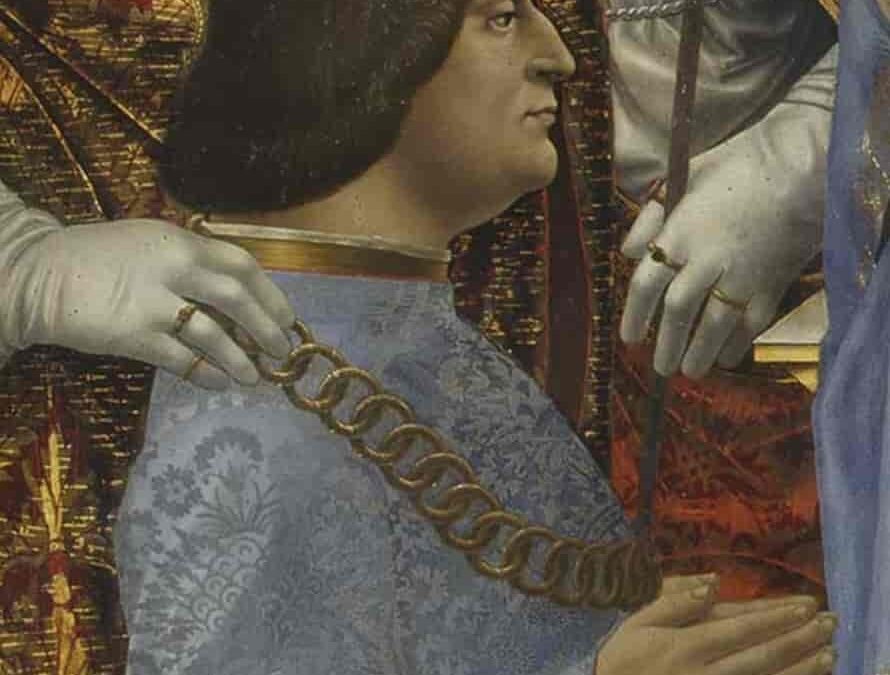
Ludovico Sforza, known as “Il Moro,” was a significant figure in Renaissance Italy. He was renowned for his patronage of the arts and tumultuous reign as the Duke of Milan from 1494 to 1499. This post is all about Ludovico Sforza’s life story, including his achievements and challenges.
As a member of the Sforza dynasty, Ludovico was instrumental in transforming Milan into a vibrant center of cultural and technological advancement. He sponsored numerous projects, including engineering endeavors and artistic commissions, that left a lasting legacy for the city’s heritage.
Ludovico Sforza is perhaps best remembered for his support of Leonardo da Vinci, whose iconic works, such as The Last Supper were created during Sforza’s rule.
Despite his contributions, Ludovico’s reign was marked by political strife and alliances, eventually leading to his downfall. Competing interests from France and the Holy Roman Empire created a turbulent environment, challenging his leadership and ultimately leading to his capture.
Early Life and Rise to Power
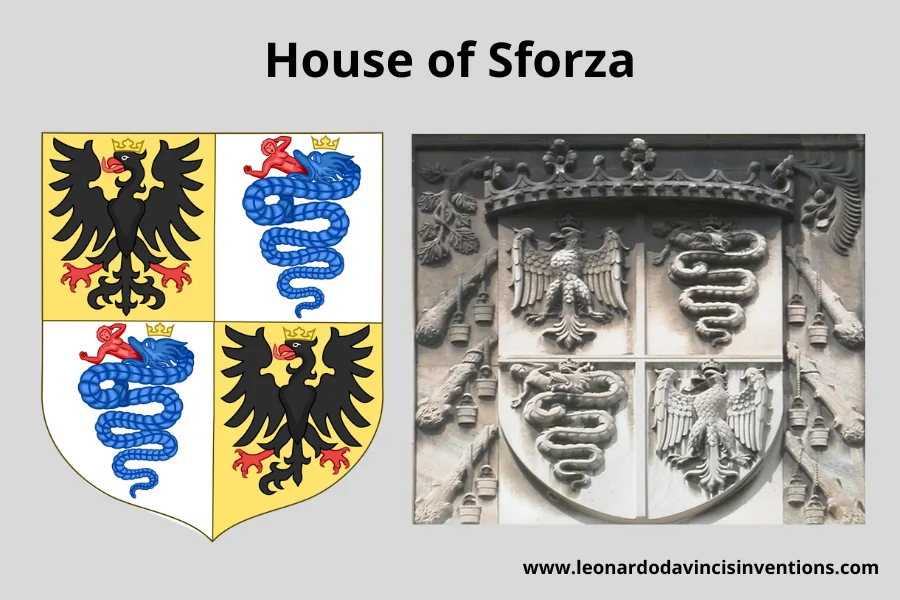
Arms of the House of Sforza
Ludovico Sforza was a key figure in late 15th-century Italian politics and a renowned patron of the arts. Throughout his life, he navigated complex family dynamics and Italian politics to secure power as the Duke of Milan.
Birth and Family Background
Ludovico Maria Sforza was born on July 27, 1452, in Vigevano, part of the Duchy of Milan. He was the son of Francesco Sforza, a leading military commander who became a Duke, and Bianca Maria Visconti.
As part of the influential Sforza family, Ludovico was involved in the political intricacies of the time from a young age. Being the fourth son, he was initially not seen as an heir to the duchy.
Despite this, his ambition and intelligence positioned him for eventual leadership. His family ties and early connections with influential figures across Italy were vital to his future ascent to power.
Education and Early Influences
Ludovico’s education focused on the humanistic ideals of the Renaissance, emphasizing arts and politics. Growing up surrounded by Renaissance art and culture, he developed a passion for artistic patronage.
His early influencers included scholars and artists such as Leonardo da Vinci, whose work in Milan shaped both Ludovico’s artistic tastes and political strategies.
He cultivated relationships with thinkers and artists, which later benefited his rule. These connections supported Ludovico’s political maneuvers and helped solidify his power base.
Path to the Duchy of Milan
Despite being Francesco Sforza’s fourth son, Ludovico skillfully navigated the political landscape to claim the title of Duke of Milan. After his elder brother, Galeazzo Maria Sforza, was assassinated, Ludovico became involved in the regency, strategically outmaneuvering his nephews in the power struggle.
By 1494, he positioned himself as the duchy’s powerhouse. He officially assumed the role of Duke amid complex alliances and rivalries, including those with the French and Habsburg (Maximilian I of Austria). He secured his rule by exploiting external pressures from European powers.
This strategic ascent marked a significant period in Milanese history, with Ludovico leaving a lasting impact through his rule and his patronage of the arts.
Ducal Reign and Administration
Ludovico Sforza played a complex role during his tenure as Duke of Milan. His reign included solidifying power, enforcing new policies, and interacting strategically with other Italian states.
Consolidation of Power
Ludovico Sforza, the Duke of Milan, rose to power during a turbulent time in Italian history. As the fourth son, he wasn’t originally expected to rule. He significantly increased his influence through strategic marriages and alliances, such as his bond with Caterina Sforza.
He secured support from important figures, employing clever political maneuvers to establish his dominion. His leadership was solidified when he was declared regent for his young nephew, further tightening his control over Milan. This period marked a significant power shift, enabling Ludovico to implement his ambitious plans.
Policies and Governance
Cultural and economic advancements characterized Ludovico’s governance. He supported Leonardo da Vinci as an arts patron, commissioning works like “The Last Supper” and contributing to Milan’s cultural richness.
He also invested in agricultural innovations and irrigation projects, enhancing the region’s economic well-being. His vision and support for the arts and sciences ushered in a prosperous era, indicative of his influence across Milan’s various facets of life. This approach was crucial in maintaining the city’s status as a Renaissance hub.
Relationship with the Italian States
Ludovico maintained a delicate balance in his relations with other Italian states. He sought to expand his influence beyond Milan through strategic alliances and warfare. His interactions with France were pivotal, offering both opportunities and challenges.
Despite his diplomatic efforts, conflict with France eventually led to Milan’s occupation, and Ludovico’s eventual capture and imprisonment highlighted the volatile nature of Italian politics. His reign exemplified the intricate web of allegiances and rivalries that defined the Italian states during this period.
Patronage of the Arts
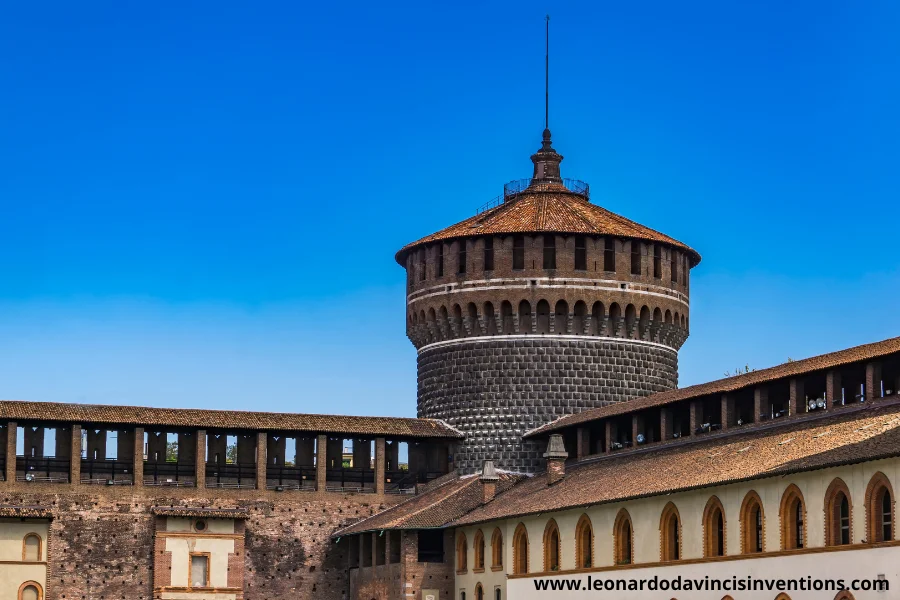
Sforza Castle, Milan, Italy. Francesco Sforza built it in the 15th century to fortify Milan.
Duke of Milan Ludovico Sforza significantly influenced the Renaissance through his patronage of the arts. His support for artists such as Leonardo da Vinci and his investment in cultural projects, such as the Sforza Castle, contributed to Milan’s status as a key cultural hub during this period.
Support for Leonardo da Vinci
Ludovico Sforza was instrumental in supporting Leonardo da Vinci’s works. As a patron, he enabled da Vinci to pursue various artistic and scientific endeavors, which were crucial in creating masterpieces such as The Last Supper.
A mutual appreciation for innovation marked the partnership between Sforza and da Vinci. Sforza provided da Vinci with resources and opportunities to apply his talents in art and engineering projects.
This relationship exemplifies how influential patrons like Sforza could foster the careers of great artists during the Renaissance.
Sforza Castle and Cultural Projects
Under Ludovico’s rule, the Sforza Castle in Milan became a center of cultural enhancement. He funded extensive renovations, making the castle a symbol of Milanese power and culture. These projects included hiring renowned artists and architects to redesign and expand the structure.
The castle didn’t just serve as a fortress but also as a vibrant hub for artistic expression. It hosted a range of activities, from musical performances to art exhibitions, reflecting Sforza’s ambition to position Milan as a cultural leader. This investment in cultural projects also had lasting effects, as elements of the castle can still be admired today.
Impact on Renaissance Art
The impact of Ludovico Sforza’s patronage on Renaissance art was profound. By supporting artists like Leonardo da Vinci and commissioning grand architectural projects, he helped Milan emerge as a Renaissance powerhouse. This patronage allowed for the creation of iconic artwork and significant advancements in artistic techniques.
His influence extended beyond individual artists to the broader art community, encouraging a culture that valued creativity and excellence. This focus on the arts helped spread European Renaissance ideals and reinforced Milan’s reputation as a cradle of creativity and innovation.
Ludovico Sforza and Leonardo da Vinci
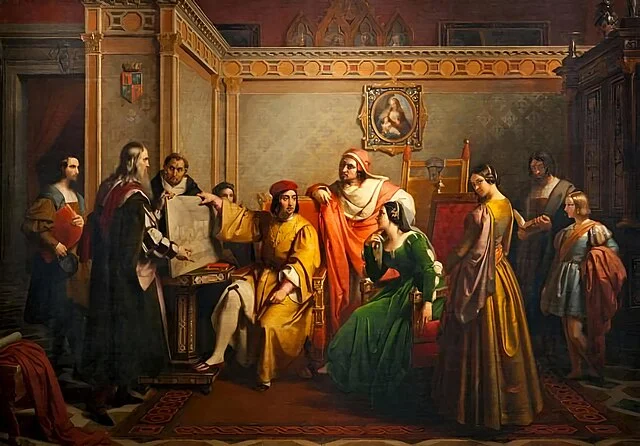
Leonardo da Vinci presents his sketch of The Last Supper to Duke Ludovico il Moro. At the center are the Duke, Duchess Beatrice, and Cardinal Ascanio, as depicted by Francesco Podesti in 1846.
Sforza’s Recruitment of Leonardo da Vinci
One of Ludovico Sforza’s most enduring legacies was his patronage of the polymath genius Leonardo da Vinci. Recognizing Leonardo’s unmatched talent, Ludovico invited him to Milan in 1482. This planned move was not merely about collecting art; it was a strategic endeavor to augment the cultural prestige of his court and city.
Roles Leonardo Played under Sforza’s Patronage
Under Sforza’s patronage, Leonardo da Vinci flourished as a painter, sculptor, architect, engineer, and scientist. In addition to producing iconic art, Leonardo was involved in several projects, from developing military strategies to designing canal systems. His diverse roles under Ludovico’s rule showcased his talents far beyond painting.
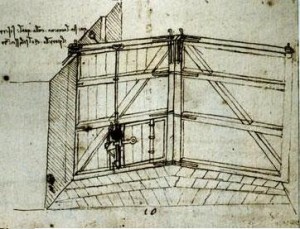
Leonardo’s Canal Lock
His Significant Projects and Inventions
Leonardo’s tenure in Milan under Ludovico’s patronage led to the conception of several groundbreaking projects and inventions. His works spanned numerous disciplines, including civil engineering, aeronautics, and military science. His sketches of ‘flying machines’ inspired future generations of aviation, while his designs for war machines revolutionized military engineering.
Key Artworks Commissioned by Sforza
While serving Ludovico, Leonardo da Vinci created some of his most celebrated works. These include the iconic ‘The Last Supper,’ a mural that continues to captivate audiences with its emotional depth and compositional innovation. Leonardo also began the monumental project of a horse statue, known as the ‘Gran Cavallo,’ which, although never completed, symbolized the ambition and grandeur of the Sforza court.
Another notable work is the ‘Madonna Litta,’ a testament to Leonardo’s mastery of portraying human emotion. The Codex Atlanticus, a collection of Leonardo’s drawings and writings compiled during his time in Milan, is an extraordinary record of Renaissance ideas.
Military Campaigns and Conflicts
Ludovico Sforza, known as Ludovico il Moro, was deeply involved in the military and political turmoil of the Italian Wars. His strategic alliances and conflicts significantly impacted the Duchy of Milan.
Italian Wars Involvement
The Italian Wars, beginning in the late 15th century, saw Ludovico Sforza play a significant role as a key figure. He allied with Charles VIII of France to secure his position in Milan.
This alliance, though strategic, led to a series of conflicts across Italy. Ludovico’s shifting allegiances were instrumental in forming the League of Venice, which aimed to push French forces out of Italy.
His involvement in these wars was marked by military maneuvers and diplomatic negotiations aimed at maintaining Milan’s independence and power.
Alliances and Rivalries
Ludovico Sforza engaged in complex alliances and rivalries as the Duke of Milan. His initial support for French forces turned against him, leading to partnerships with other Italian states and Spain.
The fluctuating allegiances created numerous adversaries and friends. Notably, his rivalry with the Republic of Venice was significant.
He was also known for his diplomatic relations with Maximilian in the Holy Roman Empire. These alliances and rivalries were strategic moves to retain authority in Milan amidst European power struggles.
Defense of Milan
The defense of Milan was a priority for Ludovico Sforza, particularly during France’s attempts to assert control.
As Duke, Ludovico fortified Milan against external threats. His military tactics and investments in fortifications, such as the castle in Milan, were crucial in defending the city.
Milan eventually fell to French forces in the Battle of Novara despite his efforts, leading to his capture. His time as Duke was characterized by a relentless defense of Milan, highlighting his commitment to retaining its regional autonomy and influence.
Downfall and Imprisonment
Ludovico Sforza encountered significant challenges in maintaining power during the late 15th century. His eventual capture and imprisonment marked the end of his rule and had lasting effects on his legacy.
Capture by the French
In 1499, Ludovico Sforza, often called Ludovico il Moro, faced an invasion by French forces led by King Louis XII. Seeking to reclaim Milan, Louis had a strong claim through his grandmother, Valentina Visconti.
Ludovico attempted to recruit Swiss mercenaries to defend his position. Despite these efforts, the French army proved too strong.
By April 1500, Ludovico was captured after being betrayed by his Swiss troops. This marked a significant turning point in Milan’s history, ending Ludovico’s rule and altering the region’s political landscape.
Life in Captivity
Once captured, Ludovico Sforza was imprisoned in the Château de Loches in France. His life in captivity was one of isolation and despair. He spent almost eight years there until he died in 1508.
During this time, he was largely cut off from the outside world, which weighed heavily on him.
Despite his situation, Ludovico remained a figure of intrigue. He was recognized for his earlier role as a patron of the arts, notably supporting Leonardo da Vinci.
The isolation didn’t overshadow his contributions to the Italian Renaissance, though his direct influence waned during these years.
Legacy after Death
Ludovico Sforza’s legacy endured well beyond his death in 1508. Often remembered for his patronage of Leonardo da Vinci, his rule was marked by cultural achievements, including da Vinci’s renowned “The Last Supper.”
Ludovico’s impact on Milan’s artistic and political environment remained significant despite his downfall. His descendants, including Francesco II Sforza, carried on the Sforza name, though they did not attain the same level of power.
Today, his contributions to art and culture are still celebrated, while the Sforza family remains a topic of historical interest.
Personal Life and Relationships
Ludovico Sforza receives the Imperial fief of Milan from Maximilian, with Bianca Maria as his consort.
Ludovico Sforza had complex personal ties that shaped his reign. His marriages, communications with notable figures, and the impact on his descendants showcase his influence during the Italian Renaissance.
Marriages and Issue
Ludovico Sforza married Beatrice d’Este in a politically motivated union. Their marriage was significant, aligning two powerful families.
They had two sons, Maximilian and Francesco II Sforza. Their offspring played key roles in Milan’s politics, especially during tumultuous succession disputes.
Additionally, Ludovico maintained a liaison with Lucrezia Crivelli, resulting in another son, Giovanni Paolo I Sforza.
These connections, both formal and informal, solidified Ludovico’s standing among the Italian nobility and impacted Milan’s history.
Correspondence and Personal Traits
Ludovico Sforza engaged in numerous correspondences, notably with Leonardo da Vinci. His letter to Ludovico requesting employment illustrates the duke’s influence as a patron.
Renowned for his diplomatic acumen, Ludovico was pragmatic and resilient. Despite political challenges, including French threats to his rule, he exhibited impressive strategic skills.
These traits, combined with his intellectual pursuits, underscored his ability to navigate and manipulate the political landscape of Renaissance Italy.
Influence on Descendants
Ludovico Sforza’s lineage, known as “the Moor” due to his dark complexion, continued to exert influence long after his death. His sons, especially Francesco II, contributed to political transitions within Milan.
Despite eventual decline, the Sforza family remains notable for their Renaissance contributions.
Ludovico’s descendants endured through strategic marriages and alliances, albeit with diminishing power. This legacy is marked by their enduring cultural and political residues in Italian history.
Cultural Depictions and Historiography
Ludovico Sforza, known as “Il Moro,” has influenced historical and cultural narratives. His role as a patron of the arts and his tumultuous reign in Milan offer rich material for artistic and scholarly exploration.
Representations in Literature and Art
Ludovico Sforza is a profound presence in literature and art. His close relationship with Leonardo da Vinci highlights his significant role as a patron.
Literature often portrays him as a complex figure who mixes ambition with vulnerability. His character appears in historical novels, and his political maneuvers and court life are dramatized in series like The Borgias.
The nickname “Il Moro,” meaning “The Moor,” adds intrigue and identity to his portrayals.
Modern Historical Reassessment
Recent historical studies have reevaluated Ludovico Sforza’s impact on Milan and the Renaissance. Known also as Ludovico Il Moro, scholars debate his leadership effectiveness and cultural contributions.
Modern historians highlight his patronage of artists, notably da Vinci, and his role in transforming Milan into a cultural hub.
Recent discoveries support the meticulous planning reflected in his strategies for fortification and involvement in secret passages and tunnels.
While his political endeavors ended in imprisonment and death, his legacy in the arts and architecture continues to be reassessed, emphasizing his contributions to the Milanese Renaissance and beyond.
Final Thoughts
Ludovico Sforza was a significant patron of the arts during the Italian Renaissance. His support attracted notable artists, including Leonardo da Vinci.
As the Duke of Milan, Ludovico commissioned ambitious projects like the renowned Last Supper mural. This commission reflects his commitment to cultural patronage.
Despite setbacks, such as political struggles and the eventual fall of Milan to French forces, he left a lasting mark on Milan’s artistic landscape.
His leadership fostered a culturally rich environment during a pivotal time in history.
Frequently Asked Questions
Ludovico Sforza played a significant role as the Duke of Milan during the Renaissance, influencing politics and the arts. His connections with figures such as Leonardo da Vinci and the cultural developments of his time mark key aspects of his legacy.
Why was Ludovico Sforza important?
Ludovico Sforza was a pivotal Duke of Milan figure known for fostering Renaissance art and culture. He patronized artists like Leonardo da Vinci, which helped make Milan a center of Renaissance culture. His political maneuvers and ambitions also impacted the Italian peninsula.
Who is Duke Ludovico Sforza?
Ludovico Sforza, also known as Ludovico il Moro, was the Duke of Milan. He ruled from 1494 to 1499 and was notable for his patronage of the arts and efforts to strengthen Milan’s political power. He was incredibly influential in the development of early modern military tactics.
Does the Sforza family still exist?
Once mighty in Milan, the Sforza family diminished in political influence over the centuries. While the family does not hold the power it once did, descendants of the Sforza family still exist today, but they are less prominent in contemporary public affairs.
How did Leonardo da Vinci impress Ludovico Sforza?
Leonardo da Vinci impressed Ludovico Sforza with his diverse art, science, and engineering talents. His detailed art and innovative designs captivated Ludovico, who became his patron. Notably, da Vinci painted the iconic “The Last Supper” during his time with Ludovico.
Who was Leonardo da Vinci’s patron for the Last Supper?
Leonardo da Vinci’s patron for “The Last Supper” was Ludovico Sforza. This commission was completed while da Vinci worked in Milan and under Ludovico’s patronage. The painting is regarded as one of Leonardo’s masterpieces.
Who killed Sforza in Medici?
The series Medici fictionalizes Ludovico Sforza and dramatizes events for historical narrative. However, the show does not provide a historically accurate account of who killed Sforza. Historically, Ludovico Sforza was imprisoned by the French and died in captivity.
How long did Da Vinci stay in the court of Ludovico Sforza?
Leonardo da Vinci stayed in the court of Ludovico Sforza from 1482 to 1499, a period of about 17 years, during which time he produced some of his most famous works, including “The Last Supper.” His extended stay in Milan marks a significant period in his career.
Who is Sforza in Medici?
In “Medici,” Ludovico Sforza is portrayed as a strategic and ambitious Duke of Milan. His character reflects his historical role in Italian politics and his artistic patronage. The show’s portrayal is dramatized but provides insight into his influence during the Renaissance.
Who was Leonardo da Vinci’s patron in Florence?
Leonardo da Vinci’s patron in Florence was Lorenzo de’ Medici. Lorenzo was a member of the powerful Medici family, known for supporting artists and intellectuals. Lorenzo recommended Leonardo to work in Milan under Ludovico Sforza’s patronage.
Why did Ludovico Sforza commission the Last Supper?
Ludovico Sforza commissioned “The Last Supper” to enhance Milan’s artistic and cultural standing. The painting was intended for the refectory of the Convent of Santa Maria delle Grazie and reflected Ludovico’s desire to leave a lasting cultural legacy.
Leonardo Bianchi is the founder of Leonardo da Vinci Inventions & Experiences, a travel and research guide exploring where to experience Leonardo’s art, engineering, and legacy across Italy and Paris.


 Leonardo Bianchi is the founder of Leonardo da Vinci Inventions & Experiences, a travel and research guide exploring where to experience Leonardo’s art, engineering, and legacy across Italy and Paris.