The Medici Family Line influenced Renaissance art and culture in ways that fascinate people today.
If you want to understand how art and power became closely linked, you are in the right place.
This post examines their impact on creativity and society, presenting compelling stories about their role in shaping history.
The Medici family utilized their wealth to support artists, construct stunning buildings, and foster innovative ideas, thereby shaping the course of European art and culture.
Their legacy remains visible in Florence and other parts of Italy, drawing visitors and scholars from around the world.
Many people want to know what made the Medici family so powerful and why their support was so important during the Renaissance.
By examining how they influenced painting and architecture, you will see how their choices shaped culture.
Origins and Rise of the Medici Family Line in Florence
The Medici family started as merchants and bankers in Florence.
They became one of the most powerful families in Renaissance Europe.
For centuries, their financial strength and political strategy shaped Florence’s culture, art, and politics.
The Medici Family Tree and Early Banking Empire
Giovanni di Bicci de’ Medici
The Medici family tree begins with Giovanni di Bicci de’ Medici, who established the Medici Bank in the late 14th century.
This bank soon became the largest in Europe.
Through careful business planning and partnerships, Giovanni set the groundwork for the Medici dynasty’s rise.
Table: Early Medici Family Tree
Name
Role
Date
Giovanni di Bicci
Founder, Banker
1360–1429
Cosimo de’ Medici
Son, Political Leader
1389–1464
Lorenzo the Magnificent
Grandson, Art Patron
1449–1492
Their banking empire enabled the Medici family to network with influential leaders in Italy and beyond.
With strong connections and financial security, the Medici gained significant influence in Florence.
Cosimo de’ Medici and the Foundation of Medici Wealth and Power
Cosimo de’ Medici
Cosimo de’ Medici, known as Cosimo the Elder, expanded the family’s wealth and reputation.
He used his banking fortune to gain power in Florence while remaining out of the public eye.
Cosimo funded churches, public buildings, and artists.
This patronage helped the family gain loyalty among the people of Florence.
Cosimo built alliances with both merchants and politicians.
His careful approach protected the family from rivals and made the Medici name trusted in the city.
Cosimo’s actions marked the beginning of Medici control, setting the stage for future generations to lead Florence.
Political Dynasty: Medici Influence on the Republic of Florence
Lorenzo de Medici
The Medici family transformed Florence from a simple republic into a city-state dominated by a single powerful family.
Under Cosimo and later Lorenzo de’ Medici, the Medici’s political dynasty used influence, not formal titles, to direct Florence’s government decisions.
Lorenzo de’ Medici became a key figure during the Italian Renaissance, famous for supporting artists and thinkers.
The Medici supported Renaissance art, culture, and humanism.
Their influence shaped the city’s future and secured their family’s legacy as “uncrowned rulers” of the Medici political dynasty.
Medici Marriage Alliances and Expansion of Political Power
The Medici family utilized marriage alliances to establish connections with European royalty and noble families.
Strategic marriages, such as Catherine de’ Medici’s union with the King of France, helped the Medici expand their reach beyond Florence.
These marriage alliances brought new political power and wealth.
Medici queens and popes used their family connections to influence Italian and European affairs.
These ties meant the Medici family’s legacy continued through influential in-laws and descendants of Medici marriage alliances.
Florence Politics and the Medici Dynasty Rise
Florence’s politics were shaped by rival families and shifting alliances.
The Medici family used their banking wealth to win friends and silence enemies.
They built the Medici Palace to symbolize their family’s place in the city.
By controlling the financial and political systems, the Medici dynasty’s rise transformed the governance of Florence.
Medici Patronage and Contributions to Renaissance Art and Culture
The Last Supper, painted by Leonardo da Vinci, depicts Jesus’ final meal with his disciples before his crucifixion
The Medici family significantly influenced the Italian Renaissance by leveraging their wealth, political power, and influence to support artists and thinkers in Florence.
Their support for painters, sculptors, scientists, and architects sparked changes that profoundly impacted Renaissance art and culture.
Lorenzo de’ Medici’s Role in Supporting Art and Artists
Lorenzo de’ Medici, known as “Lorenzo the Magnificent,” played a significant role in nurturing art and culture in Florence.
As the head of the Medici banking family, he utilized his fortune to support emerging artists, including Leonardo da Vinci, Michelangelo, and Botticelli.
Lorenzo opened his gardens to young sculptors, allowing them to train and learn from established masters.
He hosted scholars and poets at his court and funded workshops where artists could try new techniques.
This commitment fostered an atmosphere that encouraged creativity.
Lorenzo’s patronage enabled the creation of some of the most famous Renaissance art, such as Botticelli’s “The Birth of Venus.”
Medici Family Patronage of Renaissance Art and Culture
The Medici family’s influence on Renaissance culture extended beyond a single generation.
Members of the Medici dynasty, starting with Cosimo de’ Medici, bought and commissioned art for churches, palaces, and public spaces across Florence.
Their banking empire provided the resources to back large projects that would otherwise be impossible.
They supported poets, philosophers, scientists, and visual artists.
This kind of broad patronage turned Florence into a key center of the Renaissance.
Their support funded or inspired many masterpieces, shaping the city’s look and defining its spirit.
Medici Palace as a Center of Artistic Innovation
Medici palaces served as gathering places for artists, architects, and intellectuals.
These buildings were not only luxurious homes but also hubs for creative exchange and display.
Architects like Michelozzo designed the Medici Palace with open courtyards and grand rooms to show art collections and promote dialogue.
Key features of the Medici Palace included:
Display of commissioned sculptures and paintings
A library that collected important works of science and literature
Rooms dedicated to music and performances
The palace’s welcoming atmosphere allowed inventors and artists to share new ideas and promote artistic breakthroughs.
The Medici coat of arms became a powerful symbol, often used in commissions, signaling the family’s support for the arts.
Medici Contributions to Art and Science During the Italian Renaissance
The Medici family legacy in Florence included strong support for both art and science.
Some Medici rulers established botanical gardens and constructed observatories for scientists.
The Medici family also amassed a collection of manuscripts, ancient texts, and rare books, which ultimately led to the establishment of the Laurentian Library.
By backing both creative and scientific exploration, they promoted a balanced vision of knowledge that pushed the Renaissance forward.
Their patronage of science and art helped make Florence a leading center for discovery and culture.
The Impact of Medici Popes on Art and Religious Culture
Medici popes strengthened the connection between the Catholic Church and Renaissance art.
Pope Leo X and Clement VII, both from the Medici family, funded the work of major artists in Rome and Florence.
For example, Leo X commissioned Raphael to design tapestries for the Sistine Chapel and continued work on St. Peter’s Basilica.
Their influence extended to church music, religious festivals, and the decoration of chapels with fine art.
Medici popes utilized their religious authority to sponsor art, shaping the appearance and significance of sacred spaces during the Renaissance.
This blending of politics, religion, and culture reinforced the Medici family’s position as a leading force in European history.
Legacy and Influence of the Medici Family Line Beyond Florence
The Medici family’s rise as a banking dynasty in Florence enabled them to influence art, politics, and culture far beyond Tuscany.
Their marriage alliances, patronage, and political strategy shaped Renaissance art, European leadership, and science for centuries.
Catherine de’ Medici and the Medici Family Influence in France
Catherine de’ Medici
Catherine de’ Medici, a key member of the Medici family, became Queen of France in the 16th century through her marriage to Henry II.
She witnessed her country struggle with religious wars and leveraged her Florentine background and political acumen to promote peace and cultural development in France.
She introduced Italian customs, food, and art to the French court, bringing ideas from the Italian Renaissance.
Many French artists, chefs, and architects benefited from her influence, which led to changes in French fashion, gardens, and cuisine.
Catherine’s leadership helped spread Renaissance culture in France and connected two powerful royal families, strengthening the Medici’s influence across Europe.
Medici Queens and Their Role in European Political Strategy
Medici marriage alliances helped secure the family’s lasting power. Medici queens, such as Catherine de’ Medici and Marie de’ Medici, married into European royalty and linked the Medici family with the ruling houses of France and Spain.
These Medici queens used marriage and kinship as political tools. They shaped foreign policy and promoted the interests of Florence and the Medici family beyond Italy.
Their involvement in European courts allowed the Medici to influence not only art and culture but also government, religion, and international treaties.
List: Key Medici Queens
Catherine de’ Medici (Queen of France)
Marie de’ Medici (Queen of France)
Medici Family Legacy: From Banking Family to Political Dynasty
The Medici started as bankers in Florence. They lent money and managed investments for kings, popes, and merchants across Europe.
Their banking success gave them wealth and power. They controlled politics in Florence, sponsored Renaissance artists, and built alliances with other powerful families.
The Medici family became a political dynasty over time. They produced four popes and two French queens.
Medici rulers controlled Florence and Tuscany. They influenced decisions across Europe.
Their wealth enabled them to construct grand palaces and acquire fine art. They commissioned works from artists like Michelangelo and Botticelli.
Key Roles
Notable Members
Bankers
Cosimo de’ Medici
Rulers
Lorenzo de’ Medici
Popes
Leo X, Clement VII
Queens
Catherine, Marie
The Fall of the Medici Dynasty and Its Cultural Aftermath
The Medici dynasty began to fall in the 18th century. Internal struggles, costly wars, and a lack of male heirs all contributed to the family’s weakening.
The last Medici ruler died in 1737. After this, Tuscany passed to the House of Lorraine.
After their fall, support for Renaissance art in Florence slowed. Many Medici treasures remained in Florence, resulting in renowned collections like those in the Uffizi Gallery.
The Medici legacy continued to shape Florence and the Italian Renaissance. Their influence made Florence a center for art, learning, and innovation.
Medici Patronage of Science and Its Long-Term Cultural Impact
The Medici also supported science. Cosimo I and other family members supported scientists such as Galileo Galilei by providing them with funds, shelter, and public recognition.
They built libraries and encouraged study in math, astronomy, and medicine. During the Italian Renaissance, Florence emerged as a hub for scientific discovery.
These efforts helped advance science and technology across Europe. The Medici showed that wealth and power could drive innovation.
Key examples of Medici contributions include:
Funding astronomical research
Building the Laurentian Library
Supporting scientific gatherings and debate
Frequently Asked Questions
The Medici family played a key role in Florence during the Renaissance. Their influence touched banking, politics, art, and culture across Europe.
Is the Medici bloodline still existing?
The main Medici family line ended in the 18th century. Distant relatives may still exist, but the direct descendants who ruled Florence and Tuscany died out with Anna Maria Ludovica de’ Medici in 1743.
Today, there is no ruling on the Medici heir.
How is Catherine De Medici related to Cosimo De Medici?
Catherine de’ Medici was the great-granddaughter of Lorenzo the Magnificent. Lorenzo was the grandson of Cosimo de’ Medici, making Catherine a direct descendant of Cosimo.
What happened to the Medici family line?
Over the centuries, the Medici family’s power declined due to financial difficulties, a lack of heirs, and political shifts. Their official line ended in the 1700s after centuries as Florence’s leaders and influential patrons of art and science.
Were the Medici family royalty?
The Medici were not born into royalty, but later became dukes of Florence and grand dukes of Tuscany. Some family members became popes and married into other royal families, which increased their power.
Who inherited the Medicis’ wealth?
After the last Medici died, much of their wealth and art collections went to the city of Florence. Anna Maria Ludovica de’ Medici arranged for the family’s art treasures to remain in Florence, benefiting the city and its museums.
Those collections are still on display today.
Does the Pazzi family still exist?
The Pazzi family, known for the failed conspiracy against the Medici, still has descendants in Italy. Although they never regained their former influence, members of the Pazzi family continue to reside there.
Did the Medici family go broke?
The Medici bank, once the most powerful in Europe, suffered significant financial losses in the late 15th century due to risky business decisions and mismanagement. Later, the Medici still had wealth and land, but their power faded as fortunes declined and other families rose.
Who was the most powerful family in Italy?
During the Renaissance, the Medici family was the most powerful in Florence and had a profound influence in Italy. Families like the Sforzas in Milan and the Borghis in Rome were also influential, but few matched the Medici in politics, banking, and the arts.
Why were the Medicis so hated?
Some Florentines resented the Medici for using their wealth and banking power to control politics. They often clashed with rival families and faced conspiracies, such as the Pazzi plot.
Their actions led to distrust and opposition, especially from those who lost influence.
How much would the Medici family be worth today?
It isn’t easy to estimate the Medici family’s wealth in today’s terms. Historians suggest they would have been worth hundreds of millions, or even billions, in modern currency at their peak.
Their wealth funded art and architecture across Europe. They also used their resources to build political alliances.
The Medici family home symbolized wealth, power, and art during the Renaissance. Understanding its history can be overwhelming.
This article breaks down the top 10 most interesting facts about where the famous Medici family lived, making it easy to learn key details without confusion.
You will discover how the Medici residences shaped Florence and why their homes remain important to history today.
Whether you are curious about Italian culture or just starting to explore your family history, this post provides simple explanations and valuable insights into the iconic Medici home.
1. Palazzo Medici Riccardi was built in the 1440s for Cosimo de’ Medici.
Palazzo Medici Riccardi is a major landmark in the heart of Florence. In the 1440s, Cosimo de’ Medici, a powerful banking family head, commissioned this historical residence.
He wanted a home that would reflect the wealth and influence of the Medici family in Renaissance Florence. Cosimo chose Michelozzo di Bartolomeo as the architect.
Michelozzo designed the palace to be strong yet understated, in keeping with the early Renaissance style. Wide windows, a rusticated stone façade, and an open courtyard became models for later noble homes in the city.
For more on the building’s design, see The Palace—Palazzo Medici Riccardi. To obtain enough space, Cosimo had to buy properties from more than twenty landowners.
The result was a palace that matched both his social status and the ambitions of the Medici dynasty in Italian history. Construction began around 1444 and continued for several decades, with later generations adding subsequent renovations.
Palazzo Medici Riccardi became the center of the Medici family culture and art patronage. It sheltered the Medici family, as well as artists, thinkers, and political guests.
The palace played a pivotal role in disseminating Renaissance art and humanism throughout Florence. Today, it offers a glimpse into the life of the Medici and the culture of Renaissance Florence.
2. The palace is a prime example of Renaissance civil architecture.
The Medici family home, the Palazzo Medici, is a key example of Renaissance civil architecture in Florence. Built in 1444 for Cosimo de’ Medici, the palace set a new standard for wealthy families in the city.
Its design shows a strong sense of balance, symmetry, and proportion, important features of Renaissance architecture. The architect, Michelozzo di Bartolomeo, employed rusticated stone on the lower levels and smooth stone above, resulting in an exterior that is both solid and elegant.
The classic arches and orderly windows highlight the careful planning behind every detail. Inside, the Palazzo Medici impressed both guests and rival families by showing the Medici family’s wealth and power.
The large courtyard, with its graceful columns, provided space for gatherings and showcased their interest in art and learning. Art also played a significant role in shaping the palace’s look and feel.
The Medici family supported painters, sculptors, and scholars, directly connecting their home to the broader Renaissance art and culture movement. The walls and ceilings feature beautiful frescoes and decorations created by skilled artists of the time.
Over the years, the Medici’s influence turned the palace into a symbol of their political power and dedication to patronage of the arts. Even today, visitors to Florence can see how the Palazzo Medici defines Renaissance style and cultural heritage.
3. It features rusticated stone floors and a large cornice roofline.
Palazzo Medici, the historic residence of the Medici Family, is known for its impressive architecture in Florence. The building’s lower floors are made of rusticated stone, giving it a strong and solid appearance.
This style conveyed stability, power, and wealth to anyone passing by. Architects designed the rusticated masonry to appear rough and textured, making the lower parts of the palace seem secure.
In Renaissance Florence, families often used this stonework to show their status and influence. The Medici family wanted their home to be admired, so they chose expensive materials and strong designs that would last.
Another critical feature of Palazzo Medici is its large cornice roofline. A cornice is a decorative ledge at the top edge of a building.
At this palace, the massive cornice provides a dramatic finish, helping to separate the structure’s different levels. The rusticated floors and the prominent cornice reflect classic Medici architecture from the Renaissance period.
These features were not just for aesthetic purposes; they also served practical uses, such as protecting the walls from rain. The precise lines and organized shapes fit well with Renaissance ideas about beauty and order.
The exterior details of the Medici Palace contributed to the family’s rise as leaders in art, culture, and politics. These features continue to draw attention from those interested in cultural heritage and Italian history.
The focus on strong materials and elegant details continues to show the Medici family’s lasting impact on Florence’s skyline.
4. The Medici family lived in the Palazzo before moving to Palazzo Vecchio.
In Florence, the Medici family first established their home in the Palazzo Medici on Via Larga, now known as Via Cavour. This impressive building reflected their rising power as a leading banking family and political dynasty in Renaissance Florence.
Cosimo de’ Medici, often called Cosimo the Elder, commissioned the construction of this historic Medici family palace in the 15th century. Skilled workers and renowned architects designed the Medici family home to be strong, elegant, yet understated, fitting the family’s style and reputation.
The palazzo served as a stage for the Medici family’s political activities and gatherings. Here, the family hosted important guests, held meetings about city affairs, and displayed their famous patronage of the arts.
The building’s rooms featured Renaissance art, Medici portraits, and grand decorations. In 1540, the Medici family moved from the Palazzo Medici to the larger and more strategic Palazzo Vecchio.
Palazzo Vecchio became the center of Medici rule and the seat of government in Florence. This move marked another step in their rise as a force in Italian history and the cultural heritage of Renaissance Florence.
5. The Pitti Palace was another Medici residence in Florence.
The Pitti Palace is one of the most famous homes of the Medici family in Florence. Located on the south side of the Arno River, this grand building was originally the residence of a wealthy banker, Luca Pitti.
The Medici family purchased the Pitti Palace in 1549 and quickly made it their primary residence. As a key palace, it symbolized their vast wealth and political power.
The palace housed impressive art collections with Renaissance art, jewelry, and luxurious furnishings. Many important Medici portraits and works from the family’s era remain displayed there today.
During the Medici rule, the palace was not just a home but a center for Florence’s cultural heritage. It served as the stage for significant events and gatherings, making it an important part of Italian history.
The Medici also expanded the palace and created the famous Boboli Gardens behind it, showing their influence on Renaissance architecture and garden design. Several generations of the Medici dynasty resided in the Pitti Palace, further solidifying its role in Florentine power and the Medici family’s history.
Today, visitors to Florence can experience the splendor of this historical residence, tour its museums and gardens, and learn more about the Medici legacy.
6. The family crossed the Arno River to commute between Pitti Palace and the Uffizi.
The Arno flows through the Tuscany region of Italy
The Medici Family made strategic moves in Renaissance Florence to show their power. One of their most practical achievements was creating a safe passage across the Arno River.
This passage allowed them to travel between their home at the Pitti Palace and their offices at the Uffizi. In the 16th century, the Medici family built the Vasari Corridor to facilitate this commute.
The Vasari Corridor is an enclosed walkway. It offered privacy and protection from the public as the family moved between key buildings.
The corridor crossed the Ponte Vecchio bridge, which still stands today. It linked the Pitti Palace, the Medici family’s primary residence, with the government center at the Uffizi.
This route helped the political dynasty of the Medici family govern the city more smoothly. The Medici’s use of architecture for safety and convenience shaped the urban landscape.
Today, visitors can follow in their footsteps and experience the Medici legacy firsthand. The Vasari Corridor illustrates how the Medici family seamlessly integrated art, politics, and power into their lives.
It is a unique example of the Medici’s influence on city planning and architectural innovation.
7. Palazzo Medici Riccardi was designed by architect Michelozzo.
Palazzo Medici Riccardi is an essential part of Renaissance Florence. The Medici Family chose architect Michelozzo di Bartolomeo to design their grand home.
Cosimo de’ Medici, the head of the family, hired Michelozzo in the mid-15th century for this project. Michelozzo’s design marked a new era for Renaissance architecture.
He combined classic styles with local Florentine traditions. The building’s strong, balanced look reflects the wealth and influence of the Medici family.
Michelozzo used rusticated stone on the walls, including a prominent cornice along the roof. This feature became a symbol of Renaissance architecture in Florence.
The palace stands out for its arched windows and sturdy, geometric shape. These touches set the standard for later private homes in Italy.
Michelozzo planned the structure to be both private and impressive. He included a large courtyard, giving the palace a fortress-like appearance as it faced the street.
This residence became a center of art patronage and Medici family life. The Medici Palace was not just a home but a statement of the family’s place in society.
During the Renaissance, it helped set the tone for displaying Florentine power and humanism in art and culture. The building’s design continues to attract visitors interested in Medici architecture and the roots of Renaissance art.
8. The Medici homes were central to their political and banking power.
The Medici Family made their homes key centers of both business and politics in Renaissance Florence. These historical residences, including the famous Palazzo Medici, became symbols of their wealth and influence.
The Medici homes impressed rivals and showed strength. Important guests, like foreign ambassadors and local leaders, visited these grand palaces.
Here, the Medici dynasty hosted meetings and celebrations that helped them build their power. Inside these palaces, the family managed the Medici Bank, one of the most successful banks in Europe at the time.
They stored financial documents and treasures that proved their success as a banking family. Artworks filled the Medici family homes.
Medici portraits, sculptures, and frescoes decorated their walls, showing their dedication to Renaissance art. Their patronage of the arts was a tool for winning respect and loyalty.
These buildings were more than personal residences. They acted as nerve centers for the Medici family’s wealth, political strategy, and cultural projects.
The homes also stored crucial records in the Grand Ducal Archive. This helped the family control their vast network across Florence.
Architecture played a significant role in expressing the Medici family’s power. The style of the Medici Palace influenced building design in Florence and across Europe.
Today, these palaces remain a part of Italy’s cultural heritage. They offer insight into the Medici rule during the Renaissance.
9. The family residence was a cultural hub during the Renaissance.
The Medici Family home, known as the Palazzo Medici, stood at the heart of Renaissance Florence. During the 15th and 16th centuries, this residence became a center for art, learning, and social gatherings.
Artists, thinkers, and politicians often visited the Palazzo Medici. Famous figures like Michelangelo, Leonardo da Vinci, and Botticelli spent time there under the family’s patronage.
These visits helped support the development of Renaissance art and culture across Europe. The Medici dynasty utilized its wealth and political influence to acquire artwork and support new projects.
The Medici family gathered ancient sculptures and rare books, which filled their home and inspired many guests. The palace’s walls displayed frescoes and portraits that told stories of Florentine power and Medici influence.
Cosimo de’ Medici, the head of the banking family, invited scholars to discuss new ideas about science and humanism. He wanted the family residence to show their commitment to intellectual and cultural growth in Italian history.
The Medici Palace’s architectural design also set new trends in Florence. Its extensive gardens, grand halls, and detailed decorations made the home a model for future residences.
Medici architecture combined beauty and innovation. It shaped both the city and the era.
Thanks to their patronage of the arts, the Medici family home left a lasting mark on European cultural heritage. Today, many take Medici family home tours to see this vital piece of Renaissance Florence in person.
10. The Palazzo contains classical arched windows arranged along its facade.
The Palazzo Medici stands out in the center of Florence because of its classical arched windows, which line the building’s main facade and are easy to spot from the street.
Each window has a rounded top, a characteristic of Renaissance architecture. This use of arched windows started a trend that many other buildings in Renaissance Florence followed.
The design helped the Medici Palace become a model for other wealthy families’ homes. The windows contribute to the building’s famous balanced and harmonious look.
Cosimo de’ Medici, who commissioned the palace, wanted the home to look impressive but not too flashy. The windows give the palace an open feeling while still looking strong and secure.
They let in natural light, necessary for art collections and daily life. When people take Medici family home tours, they often notice these elegant arched windows first.
The windows exemplify how art, style, and function came together in one historic residence. The rounded arches are also visible in paintings and drawings from that time.
The windows contributed to the Medici family’s reputation as patrons of the arts. Light streaming through helped make the palace’s art and frescoes stand out, bringing attention to the Medici family’s taste and support for artists.
The arched windows remain a key part of the Medici legacy in Italian history.
Frequently Asked Questions
The Medici family left a mark on Florence with impressive homes and massive wealth. Many of their buildings and traditions have survived for centuries.
Their financial and social legacy still shapes the city today.
Where is the Medici family house?
The main Medici family home is the Palazzo Medici Riccardi, located in the center of Florence, Italy. It is located on Via Cavour, a major thoroughfare in the city.
Today, the palace is a museum open to visitors.
Is the House of Medici still around?
The original Medici family line ended in the 1700s. No living descendants belong to the main branch of the family.
As a political and banking power, the family is no longer active in Europe.
What did the Medici family live?
The family lived in several large palaces, including the Palazzo Medici Riccardi and the Pitti Palace in Florence. They also resided in the historic Palazzo Vecchio during their time in power.
Is the Medici home still standing?
Yes, the Palazzo Medici Riccardi still stands in Florence. It has been restored and serves as a public building and museum.
Other Medici houses, like the Pitti Palace, can also be visited.
Does the Medici Bank still exist?
The Medici Bank closed in the late 1400s due to financial troubles. It does not exist anymore.
The banking laws and practices they started still influence modern finance.
Where did the Medici wealth go?
Much of the Medici family’s wealth was spent on art, buildings, and political influence. After their bank collapsed and the last family members died, their fortune was absorbed by the state, and through marriages with other European families.
Who was the wealthiest family in Florence?
During the Renaissance, the Medici family was Florence’s wealthiest and most powerful. Their banking business and political roles made them wealthy and influential throughout Europe.
Where is the Medici family mausoleum located?
The Medici family mausoleum is in the Basilica di San Lorenzo in Florence. The Medici Chapels are a renowned feature of this church and house the tombs of many members of the Medici family.
How much wealth did the Medici family possess?
Exact amounts are difficult to determine. At its height, the Medici bank was the most powerful in Europe.
Their assets were worth millions of today’s dollars, but no official total survives.
Did the Medici family live in Palazzo Vecchio?
The Medici family lived in Palazzo Vecchio after they became rulers of Florence.
They later moved to the Pitti Palace, making it their primary residence.
Medici family accomplishments may seem distant, but they continue to shape the world today. If you have ever wondered why the Medici name remains a topic of discussion centuries later, this article will explore how their legacy continues to influence art, culture, and politics.
The Medici family is renowned for their support of artists, architects, and thinkers, which played a crucial role in shaping the Renaissance and laying the groundwork for modern Europe.
By examining how the Medici influenced banking, government, and culture, you can understand why their story remains relevant. Get ready to discover how the actions of one family from Florence changed history and why people still celebrate their remarkable achievements.
The Rise of the Medici Family and Their Political Power in Renaissance Florence
The Medici family rose to power in Florence, leveraging banking innovations to accumulate wealth and exert political influence. Through alliances and cultural patronage, they shaped Renaissance Florence and left a mark on European society.
The Origins of the Medici Family Banking Dynasty in Florence
The Medici family started as merchants in Florence but soon found greater success in banking. Giovanni di Bicci de’ Medici founded the Medici Bank in the late 1300s.
This bank introduced new methods, like double-entry bookkeeping, that made banking safer and more profitable. Giovanni expanded the Medici family’s economic power by lending money to powerful clients, including the Pope.
The bank quickly opened branches in other major cities. With wealth flowing in, the family had a significant influence on Florence’s social and political life.
How Cosimo de’ Medici Established Wealth and Influence
Cosimo de Medici took control of the Medici Bank after his father’s death, making the family the richest in Florence.
Cosimo used his wealth to shape the city and strengthen his political power. He supported numerous art commissions, sponsoring artists such as Donatello and contributing to the construction of important landmarks in Florence.
Cosimo’s patronage of the arts and architecture is evident in buildings such as the Medici Palace and the San Lorenzo Church. He used his influence to gain support from the people and other powerful families.
Cosimo’s leadership marked the beginning of the Medici family rule in Florence.
Lorenzo de’ Medici’s Role in the Medici Family Political Alliances
Lorenzo de’ Medici, known as “Lorenzo the Magnificent,” led the Medici family during the height of the Renaissance. He formed political alliances with other key Italian states and rulers through diplomatic means and strategic marriages.
These alliances protected Florence from external threats and helped maintain the Medici family’s power. Lorenzo’s leadership also fostered a culture of innovation.
He supported famous artists, including Michelangelo and Leonardo da Vinci, and brought together writers and thinkers at his court. Because he supported the arts and education, Florence became a center for new ideas and creative work.
Lorenzo’s strategy of building strong ties with others and sponsoring culture helped sustain the Medici legacyfor generations.
Medici Family Rule and the Florence Republic’s Transformation
The Medici family transformed Florence from a republic into a city ruled by a single family. Although Florence kept its republican name, the Medici used their economic power, friendships, and wealth to control decisions behind closed doors.
They placed their supporters in key government roles and made deals that kept rivals at bay. This way of ruling helped maintain peace and order in Florence.
However, it also made the government less open, giving the Medici nearly complete control. The Medici family’s control marked the city’s transition into a cultural and political powerhouse.
The Medici Pope and the Family’s Influence on the Catholic Church
The Medici family produced several popes, including Pope Leo X and Pope Clement VII. These Medici popes leveraged their position to benefit their relatives and enhance the family’s influence across Europe.
With a Medici on the papal throne, Florence gained more power in religious and political matters. The family’s close connection to the Catholic Church allowed them to direct church spending toward art and architecture in Florence.
Medici patronage enabled churches and artists to complete major projects, shaping the city’s religious life.
Medici Family Contributions to Art, Culture, and Innovation
The School of Athens by Raphael, a Renaissance artist supported by the Medici family
The Medici family played a pivotal role in shaping the Renaissance by supporting top artists, revolutionizing banking, and promoting cultural advancement. Their role in the rise of Florence as a center of art and learning made their name well-known worldwide.
Patronage of the Arts: Medici Family Support for Michelangelo and Leonardo da Vinci
The Medici family was a significant patron of major artists, including Michelangelo and Leonardo da Vinci. Cosimo de’ Medici and Lorenzo de’ Medici provided these artists with financial security and a community where they could flourish.
Their support allowed Michelangelo to sculpt masterpieces and Leonardo to work on paintings, inventions, and scientific studies. Both artists received direct commissions and lived under the protection of the Medici family in Florence.
This support provided them with the time and resources to focus on their art and science. Many landmark works from the era would not exist without the Medici patronage.
The family’s close ties with the arts show how their wealth and influence shaped creative achievements during the Renaissance.
Artistic Sponsorship and Medici Family Art Commissions
Medici artistic sponsorship set a standard for art funding in Renaissance Florence. They regularly commissioned well-known painters, sculptors, and architects.
Such artists included Sandro Botticelli, who painted “The Birth of Venus” for the Medici, and Donatello, whose sculptures decorated Medici-controlled public spaces. These commissions helped create a demand for high-quality art in Florence, turning the city into a cultural hub.
Due to the Medici’s art commissions, new techniques and styles spread rapidly among local artists. Their patronage of the arts remains a key reason their accomplishments continue to be studied and admired.
Architecture and Medici Family Architecture Projects in Tuscany
In architecture, the Medici family transformed Florence and Tuscany through large building projects. They financed structures like the Medici Palace, renowned for its distinctive style and robust design.
Supported by the Medici, Filippo Brunelleschi constructed the renowned dome of Florence Cathedral—a symbol of both religious faith and technical skill.
Table: Notable Medici Architecture Projects
Project
Architect
Location
Medici Palace (Palazzo Medici)
Michelozzo di Bartolomeo
Florence
Dome of Florence Cathedral
Filippo Brunelleschi
Florence
Medici Chapel
Michelangelo
Florence
These projects inspired other cities in Tuscany to build and innovate. They led to regional cultural growth and visible reminders of the Medici legacy.
The Medici Family Art Collection and Its Lasting Cultural Prosperity
The Medici family art collection became one of the most important in Europe. It included paintings, sculptures, manuscripts, coins, and rare books.
Many pieces collected by the Medici family members are now housed in the Uffizi Gallery. This collection served as a symbol of wealth, a means to share knowledge, and an inspiration to future artists.
Their collection helped foster the growth of museums and established Florence as a hub for the exchange of artistic ideas. Because the Medici legacy included public access to their art, their cultural impact lasted much longer than their political dynasty.
How the Medici Family Philanthropy Fostered Renaissance Florence’s Cultural Growth
Medici family philanthropy went beyond the arts. They funded libraries, schools, and academies, helping to educate young Florentines.
Cosimo de’ Medici supported the Platonic Academy, which led to significant advances in philosophy and humanism. These acts of giving significantly improved the lives of many people in Florence, not just the wealthy.
Their support for education and culture made Renaissance Florence a beacon of learning and culture. Investments in social projects, art, and public buildings tied their family name to cultural prosperity and the growth of ideas throughout Tuscany.
The Medici Family Legacy in Banking, Education, and Politics
The Medici family established its legacy in Florence through innovations in banking, artistic patronage, and political influence. Their influence profoundly reshaped Tuscany’s culture, education, and governance, particularly during the Renaissance.
Medici Bank Innovations and the Rise of Economic Power
Medici family accomplishments began with the creation of the Medici Bank, which became one of the most powerful banks in Europe. The bank introduced new accounting methods and letters of credit, making banking safer and more reliable.
These changes attracted business from kingdoms and the Catholic Church. The Medici family’s work as a banking dynasty gave them massive wealth and influence.
This helped them fund grand projects and shape the future of Renaissance Florence. Supporting trade and lending allowed Florence to thrive as a center of commerce and ideas.
The Medici legacy in banking remains a subject of study today, as their methods significantly influenced the development of modern finance. Learn more about how the Medici family shaped modern finance in this in-depth Medici family banking history.
Medici Family Influence on Politics and Medici Family Power Struggles
Cosimo de’ Medic (1389-1464, age 74 years)
Political power was another key to the Medici family’s story. The family won positions of influence in Florence and other city-states through strategic marriages and careful alliances.
Cosimo de’ Medici was the first to control Florence behind the scenes, setting a path for later leaders like Lorenzo de’ Medici. Rival families and political groups often challenged their rule.
Intense power struggles sometimes led to violence, plots, or forced exiles. Despite this, the Medicis established a political dynasty that endured for centuries, producing several popes, one of their most notable examples of their influence.
Medici Family Support for Art and Science: Education and Literature
The Medici family’s patronage of the arts is one of their most lasting contributions. They supported artists and thinkers like Michelangelo, Leonardo da Vinci, and Botticelli.
Their funding allowed these artists to create masterpieces that shaped the Renaissance. The Medici also invested in education by founding libraries and academies.
They promoted science and literature by supporting scholars, making Florence a center of learning and creativity.
Medici Family Diplomacy and Political Dynasty Across Tuscany
Diplomacy played a key role in the Medici’s rule over Tuscany. The family formed alliances with powerful states and families in Italy and beyond.
These relationships protected Florence’s interests and expanded Medici influence. Several members of the Medici family became Grand Dukes of Tuscany, thereby extending their influence across the region.
Their diplomatic skills made them a respected and sometimes feared political dynasty in Renaissance Europe. They maintained power through careful negotiation and, at times, military strength.
The Medici Family’s Rise and Fall and Its Impact on the Medici Legacy
The Medici family’s rise and fall changed both Florence and Italy. As their wealth increased, so did criticism and rivalry.
Internal conflicts and shifting politics led to periods of exile and instability. Strong leadership sometimes restored their power, but it was never certain.
Renaissance Florence still shows the mark of Medici architecture, art collections, and reforms. Their history remains central to understanding the era’s wealth and struggles for power.
Frequently Asked Questions
The Medici family supported artists, influenced politics, and played a significant role in shaping the Renaissance. Their wealth, leadership, and connections made them a powerful house in Florence and Europe.
What did the Medici family accomplish?
The Medici became one of the most influential families in Italy. They supported artists like Leonardo da Vinci and Michelangelo.
Their patronage helped create some of the key works of Renaissance art and architecture. They also built banks and held political control in Florence for generations.
How did the Medici change the world?
The Medici helped Florence become a cultural and intellectual center. Their investments in art and science led to significant advancements.
The Medici played a major role in starting the Renaissance era by funding thinkers, artists, and architects. This period had a profound and lasting impact on all of Europe.
Why were the Medici so successful?
The Medici became wealthy through banking. They established a network of businesses that generated substantial revenue and influence.
They used this wealth to gain political power and form strong alliances with popes and royalty.
Who was the most successful Medici?
Lorenzo de’ Medici, also called “Lorenzo the Magnificent,” was well known. He governed Florence and led the city during its golden age.
Lorenzo supported artists and scholars and was an important political leader.
Why is the Medici family still important today?
The Medici family’s impact on art, politics, and culture is still felt. The Renaissance works they sponsored remain important to historians, artists, and the public.
Their influence helped shape modern banking, government, and ideas about leadership. Their cultural legacy continues to inspire new generations.
Who was the most powerful family in Italy?
During the Renaissance, the Medici family was widely seen as the most powerful family in Italy. Their wealth and political connections gave them unmatched influence.
Other strong families existed, but the Medici shaped Florence and, at times, European events.
What was the downfall of the Medici family?
The Medici lost power as other families in Florence gained influence. Economic problems, political struggles, and a lack of direct heirs sometimes weakened them.
Their rule came to an end in the 18th century, marking the demise of their dynasty.
Are there any Medicis alive today?
The main Medici family line died out in the 1700s. Some distant relatives may still exist.
However, no members have the same wealth or power as their famous ancestors.
What gave the Medici family so much power?
Their early success came from running one of Europe’s largest banks.
They invested their money in politics, art, and influential marriages. These moves strengthened their position in Florence and enabled them to influence key European decisions.
What is the Medici Palace used for today?
The Medici Palace, also known as Palazzo Medici Riccardi, is a renowned museum in Florence.
Visitors can tour its historic rooms and view art collections.
Facts about the Medici family can initially seem confusing, especially with many vital names and stories from history.
You are not alone if you have ever wondered what made the Medici so influential. This article provides clear and direct details to help you easily learn about their impact and legacy.
The Medici family changed the course of history by shaping art, politics, and banking in Florence and beyond.
You will learn why this family holds a special place in Europe’s story and why their legacy continues to matter today.
This collection of facts will help anyone understand who they were and what made them famous.
1. The Medici family originated from the Mugello Valley near Florence in the 13th century.
The Medici family began in the Mugello Valley, north of Florence, around the 1200s.
This region in Tuscany was mainly agricultural and rural when the family first appeared.
By the 13th century, the Medici family had moved closer to Florence and was slowly gaining influence.
Their roots in Tuscany helped form close connections with local nobility and merchants.
Over time, the Medici used their growing power to build a banking dynasty. This banking success enabled them to become influential players in the politics and culture of Florence.
2. They began as wool merchants before expanding into banking and politics.
The Medici family started as successful wool merchants in Florence.
They used the wealth from this trade to gain influence and build connections.
They eventually founded the Medici Bank, one of the most powerful financial institutions in Europe.
Their role as a banking dynasty helped them enter politics and rise to become rulers of Florence.
This new power allowed the family to support art, science, and cultural advancement during the Renaissance.
3. Giovanni di Bicci de’ Medici founded the Medici Bank in 1397.
Giovanni di Bicci de’ Medici used his business skills to establish the Medici Bank in Florence in 1397.
The new banking dynasty quickly gained power and influence throughout Tuscany.
The Medici Bank gained a reputation across Europe for its robust financial practices and lucrative partnerships.
Their wealth enabled the family to support the arts, sponsor artists, and shape Florence’s culture during the Renaissance.
4. The Medici Bank became Europe’s most powerful financial institution in the 15th century.
The Medici Bank stood at the heart of Florence’s rise during the Renaissance.
Founded by Giovanni de’ Medici, the bank quickly expanded across Europe, opening branches in major cities.
Cosimo de’ Medici led the banking dynasty to new heights.
The Medici family used their economic power and influence to support politics, art, and science in Florence.
With their wealth, the Medici became powerful patrons of the arts, leaving a lasting legacy on European culture and architecture.
5. Cosimo de Medici, known as ‘The Elder,’ was the first family member to consolidate political power in Florence.
Cosimo de’ Medici, known as “The Elder,” made the Medici family the leading force in Florence during the Renaissance.
He leveraged his banking dynasty to accumulate wealth and exert political influence.
Cosimo’s control enables the family to shape culture through art patronage and support for artists like Donatello.
He set the stage for the Medici to rule Florence as an unchallenged political dynasty.
6. The Medici ruled Florence for approximately 300 years.
The Medici family ruled Florence for approximately 300 years, shaping the city through their influence in politics, banking, and culture.
Their rule began in the early 15th century and extended into the 18th century, with only a few interruptions.
As a political dynasty, the Medici had a profound influence not just on Florence but on all of Tuscany.
Their legacy includes the growth of the arts and the Renaissance, as they were important patrons to artists and thinkers.
7. Four popes were from the Medici family, including Leo X and Clement VII.
The Medici family produced four popes, leaving a profound mark on the religious landscape during the Renaissance.
Among these were Pope Leo X and Pope Clement VII. Both men played key roles in church politics and European events.
The political dynasty of the Medici gained more power and prestige through its connections with the Papacy.
These connections enabled the family to expand its influence across Italy and beyond.
8. Lorenzo de’ Medici, known as ‘The Magnificent’, was a notable patron of Renaissance arts.
Lorenzo de’ Medici, often referred to as “The Magnificent,” played a pivotal role in Florence’s cultural advancement during the Renaissance.
He supported famous artists like Botticelli and Michelangelo, helping them create lasting masterpieces.
Lorenzo’s patronage of the arts helped turn Florence into a center for innovation and creativity.
His support extended beyond painting and sculpture, encouraging progress in science, architecture, and humanism.
Lorenzo’s influence left a lasting legacy in art and culture, shaping Europe for centuries.
9. The Medici were key patrons for artists like Michelangelo, Leonardo da Vinci, and Botticelli.
The Medici family used their wealth and power in banking to promote art during the Renaissance.
They became famous as major supporters of artists such as Michelangelo, Leonardo da Vinci, and Botticelli, strengthening their influence on European culture in Florence and beyond.
This patronage, often referred to as mecenatism, enabled the family to influence the city’s culture and architecture.
Lorenzo de’ Medici, known as “the Magnificent,” played a massive part in supporting these artists.
Their legacy in art remains visible in Florence today, with collections on display at the Uffizi Gallery.
10. They were known for blending political power with cultural patronage.
The Medici family used their banking dynasty to gain political and economic power in Florence.
They took control of the Florentine Republic and exerted significant influence over much of Tuscany for centuries.
Medici patronage of the arts played a significant role in initiating the Renaissance.
They supported famous artists like Michelangelo and Botticelli, bringing culture and innovation to the city.
Their wealth supported major projects that left a lasting legacy in art and architecture, including the construction of the Uffizi Gallery and Palazzo Medici.
11. The family’s crest features six balls symbolizing wealth and influence.
The Medici family crest is famous for its six balls, or palle, displayed on a golden shield.
These balls symbolize the Medici’s wealth and power during the Renaissance.
Many believe the balls relate to the Medici’s origins as bankers in Florence.
They symbolized their legacy as a Banking dynasty and their political and economic power in Tuscany.
This coat of arms can still be seen on buildings and monuments across Florence.
12. The Medici used marriage alliances strategically to expand influence across Europe.
The Medici family expanded its power in Florence and beyond through strategic marriage alliances.
These political marriages enabled the dynasty to establish a strong connection with European nobility and royal families.
Marrying into powerful families also gave the Medici more control over politics, wealth, and influence across the continent.
Their connections strengthened the Medici Banking dynasty and helped protect their interests.
Medici women, such as Catherine de’ Medici, even became queens, bringing family influence to the highest levels of power in France.
13. The family produced two queens of France, Catherine de’ Medici and Marie de’ Medici.
Catherine de’ Medici was the daughter of Lorenzo II de’ Medici.
She married King Henry II of France and became queen consort, bringing the Medici family’s political dynasty into the French royal court.
Later, Marie de’ Medici, another influential family member, also became Queen of France through marriage.
Their marriages demonstrated how the Medici utilized marriage alliances to expand their influence and wealth beyond Florence.
Both queens played significant roles in French politics and culture.
14. Cosimo I de’ Medici became Grand Duke of Tuscany, further elevating the family’s status.
In 1569, Cosimo I de’ Medici became the first Grand Duke of Tuscany, raising the Medici family from Florentine rulers to Tuscan nobility.
Previously, Cosimo was recognized for his leadership in Florence and his contributions to expanding the Medici political dynasty.
By gaining this new title, Cosimo I secured greater political power and influence across Tuscany.
As numerous historical sources demonstrate, this move significantly enhanced the Medici family’s prominence in European Renaissance politics and culture.
15. The Medici were patrons of the famous Medici Chapel in Florence.
The Medici family used their wealth and influence to support one of Florence’s most important architectural landmarks, the Medici Chapel.
This chapel is a powerful symbol of the Medici dynasty and their lasting legacy in art and architecture.
The Medici Chapel is famous for its beautiful design and the artwork of Michelangelo, who contributed sculptures for the family tombs.
Their patronage helped shape the culture of Renaissance Florence, making the chapel a must-see destination for those interested in history and art.
16. They supported the Platonic Academy, reviving interest in classical philosophy.
Cosimo de’ Medici played a pivotal role in bringing scholars together to study classical Greek philosophy, thereby fueling the Humanism movement in Renaissance culture.
Their patronage of the Academy encouraged the translation and discussion of Plato’s works.
This effort helped advance art, science, and education throughout Tuscany, marking a turning point in Florence’s intellectual renaissance.
The Medici influence made Florence a center for learning and cultural advancement.
17. Medici popes were both patrons of the arts and involved in major religious controversies.
Medici popes played a pivotal role in the Renaissance, serving as both religious leaders and patrons of the arts.
These popes, such as Leo X and Clement VII, supported renowned artists and architects, leaving a lasting impact on both religious and cultural history.
Their rule also brought religious controversies.
The family’s political dynasty in Rome was closely tied to events such as the Reformation, illustrating their profound influence on the Catholic Church and the intersection of power, culture, and politics in Europe.
18. The Medici Bank collapsed in the late 15th century due to poor lending practices and political instability.
The Medici Bank, once the foundation of the family’s economic power in Florence, began to decline during the late 1400s.
Bad loans, poor management, and shifting political alliances led to its downfall.
The bank’s collapse weakened the Medici family’s influence and threatened their status as a political dynasty.
Managers stole from the bank, and risky decisions exposed branches, especially the Bruges branch, which suffered heavy losses.
19. The Medici maintained power through politics and family ties despite business setbacks.
The Medici family faced several financial problems, including the decline of the Medici Bank, but they did not lose their influence in Florence.
They utilized politics and strong family connections to maintain control.
Marriage alliances and strategic partnerships helped the Medicis remain a powerful dynasty.
Their involvement in politics enabled them to continue ruling and shaping Florence’s culture and architecture even when business was not strong.
20. The family’s influence led to Florence becoming a center of Renaissance culture and innovation.
The Medici family’s influence transformed Florence into a hub of Renaissance art and culture.
Their wealth from the Medici Bank supported many artists, scientists, and thinkers.
Cosimo de’ Medici and Lorenzo de’ Medici used their power and resources to patronize Renaissance artists.
The family’s generosity led artists like Michelangelo and Botticelli to create masterpieces.
Their political dynasty helped Florence become a center for innovation, education, and architecture.
This legacy continues to shape the city’s culture today.
21. Medici alchemists and scholars made significant contributions to science and humanism during the Renaissance.
Medici alchemists and scholars played a pivotal role in sparking cultural and scientific advancements in Florence during the Renaissance.
The family’s wealth and political power enabled them to support thinkers who changed people’s worldviews.
The Medici dynasty patronized famous scientists like Galileo Galilei.
Their support also encouraged artists and writers who connected art with new humanist ideas.
22. Many Florentine landmarks display the Medici coat of arms, reflecting their lasting legacy.
The Medici family crest appears on buildings throughout Florence.
This powerful banking dynasty ensured that its symbols were visible across the city as a sign of its influence and control.
Landmarks like the Palazzo Medici and many churches still show the Medici coat of arms.
Their architectural patronage left a clear mark on Florence’s culture and history, connecting modern visitors to the family’s lasting legacy.
23. The Medici family palace, Palazzo Medici Riccardi, is a masterpiece of Renaissance architecture.
Palazzo Medici Riccardi in Florence symbolizes the Medici family’s power and legacy during the Renaissance.
Cosimo de’ Medici, the head of the banking dynasty, commissioned the palace in 1444.
Michelozzo di Bartolomeo designed this building, which became an example for later Renaissance palaces.
Its elegant stone exterior and spacious courtyard reflect both wealth and innovation.
Inside, visitors admire the Cappella dei Magi, renowned for its art and vibrant frescoes.
The palace remains an architectural landmark in Florence.
24. The family commissioned Michelangelo’s statue of David.
The Medici family’s patronage shaped the art and culture of Florence during the Renaissance.
Their influence touched many aspects of daily life, including architecture and sculpture.
As rulers of Florence, the Medici supported great artists.
Michelangelo’s statue of David reflects this legacy in art and politics.
The commission for David began when the Florentine Republic wanted a symbol of civic strength after the Medici were expelled from power.
25. The Medici’s investment in art helped launch the careers of several Renaissance masters.
The Medici family’s patronage of art transformed Florence during the Renaissance.
Their banking dynasty provided the wealth to support famous artists such as Michelangelo, Botticelli, and Leonardo da Vinci.
Cosimo de’ Medici and Lorenzo de’ Medici used their influence to provide opportunities for painters, sculptors, and architects.
The Medici legacy remains visible in important sites and collections such as the Uffizi Gallery and the Palazzo Medici.
Frequently Asked Questions
The Medici family had a profound impact on the Renaissance, Italian politics, religion, and banking.
Their legacy includes contributions to the arts, religion, and the development of modern finance.
What are some facts about the Medici family?
The Medici family started as wool merchants in the Mugello Valley in the 13th century.
They gained fame after Giovanni di Bicci de’ Medici opened the Medici Bank in 1397.
The bank became the most powerful in Europe during the 15th century and helped them rise to power in Florence.
Cosimo de’ Medici was the first in the family to lead the city.
Over time, the Medici family produced four popes, including Leo X and Clement VII, and married into many royal European families.
Their support for artists such as Michelangelo and Leonardo da Vinci made Florence a center of the arts during the Renaissance.
What is true about the Medici family?
The Medicis became one of Europe’s wealthiest families by controlling Florence’s banking and politics.
They were key supporters of art and architecture, which helped lead to the Renaissance.
Their influence also extended to religion, with several family members becoming popes—a testament to their reach and power.
Why were the Medicis hated?
Some people disliked the Medici family for their wealth, power, and influence in politics.
Others viewed them as corrupt because they combined business and government for their benefit.
Their rivals often viewed them as outsiders, despite their contributions to the city.
What is Medici best known for?
The Medicis are best known for their roles as powerful bankers, art patrons, and rulers of Florence.
Their lasting support for artists helped initiate the Italian Renaissance and established Florence as a cultural center.
The family’s influence in banking set the stage for modern finance.
Why was the Medici family so powerful?
The family’s financial acumen enabled them to amass great wealth, which they leveraged to gain influence in politics and the church.
They formed strong alliances through marriages and by building relationships with influential people.
Their control of Florence’s government let them shape the city’s future.
How much would the Medici be worth today?
It is difficult to give an exact number, but the Medici fortune was considered vast for its time.
Modern estimates place their wealth in the hundreds of millions or possibly over a billion dollars, adjusted for today’s purchasing power.
The Medici Bank was once the most powerful financial institution in Europe.
Who was the most powerful family in Italy?
During the Renaissance, the Medici family was the most powerful in Italy.
Their role in banking, politics, and religion gave them unmatched influence.
Other families, like the Sforzas and Borgia, were important, but the Medicis’ long-lasting impact and ties to the church set them apart.
Who was the most loved Medici?
Lorenzo de’ Medici, known as “Lorenzo the Magnificent,” was the family’s most loved member.
He supported artists and writers, improved the city, and was respected for his contributions to politics and culture.
Many people in Florence admired him for his wisdom and vision.
Why was the Medici family corrupt?
Some members of the Medici family were accused of corruption, especially when they mixed banking and politics for personal gain.
They often used their wealth and power to influence city leaders, church officials, and even kings.
This control sometimes led to unfair practices and rivalries.
Where is Medici in Just Cause 3?
In the video game Cause 3, Medici is a fictional Mediterranean island. The game’s creators drew inspiration from Italy and other southern European countries.
The island bears no relation to the real Medici family of Florence. The name pays homage to the famous Italian legacy.
Medici family quotes have inspired people for centuries. Yet, finding their most powerful words in one place can be difficult.
If you are searching for meaningful sayings from this influential family, you may not know where to begin or which quotes are the most memorable.
This article compiles the best quotes from the Medici family, allowing readers to discover the wisdom and influence behind one of history’s most famous dynasties.
The Medici family shaped art, politics, and culture during the Renaissance. Their words reflect ambition, power, and a deep understanding of human nature.
This collection helps anyone explore the legacy of their thoughts and ideas.
45 Quotes by the Medici Family
Medici family quotes reveal their deep connection to power, money, and leadership in Renaissance Italy. They are remembered for ambition, vision, and their role as patrons of the arts in Florence.
1) “The truth is, not one of us is innocent.” – Medici
“The truth is, not one of us is innocent,” reminds us of the complexities within the Medici family and their dynasty. From Florence, Italy, their rise to power often meant making difficult choices.
Their ambition and vision shaped both politics and society during the Renaissance. Through banking, art patronage, and leadership, they shaped Europe’s culture and wealth.
2) “Love is a treacherous emotion.” – Medici
“Love is a treacherous emotion”, a belief the Medici family often held close. Their path to leadership in Florence demanded focus on power and ambition over personal feelings.
Protecting the family legacy meant they could not always trust matters of the heart. The Medici banking dynasty valued control and influence above everything else.
As guardians of culture and power, they understood that emotions could threaten their dynasty’s legacy.
3) “The whole tree does not die because one branch falls.” – Medici
“The whole tree does not die because one branch falls,” shows the Medici family’s understanding of resilience and leadership. Throughout history, the Medici dynasty from Florence, Italy, faced setbacks but kept its power and prestige.
This quote shows how they viewed hardship as part of maintaining authority. Their ambition and vision helped protect the family legacy, even in the face of loss or betrayal.
As noted in Medici: Masters of Florence, historians still study their influence on art, politics, and culture.
4) “There are more ways for a woman to be indispensable than in just bearing children.” – Medici
This statement highlights the complex roles women played in the Medici dynasty. Women contributed far beyond family life; their influence extended into politics, patronage of the arts, and leadership in society.
Throughout Florence, the Medici women strengthened the family’s power and prestige. They offered guidance and protection during times of change.
Their actions were vital to the enduring legacy of the Medici family in Renaissance Italy.
5) “Money to get power, power to protect the money.” – Medici Family Motto
“Money to get power, power to protect the money”—this simple phrase captures the Medici family’s ambition and strategy. They used wealth from their banking empire to gain influence and secure their position as leaders of Florence, Italy.
The Medici became known for political maneuvering and for protecting the family legacy. Their vision and ambition played a key role in the rise of their dynasty.
6) “Endeavour to live with regularity, and gradually to bring your expenses within those bounds.” – Lorenzo de’ Medici
Lorenzo de’ Medici advised his family to control spending and lead a disciplined life. This approach helped the Medici banking dynasty maintain its wealth and control over Florence and beyond.
Managing expenses was key in the Medici family’s rise to power during the Renaissance. Careful spending protected the Medici family’s legacy and ensured their influence in Italian politics and society for generations.
7) “Political questions are settled in my house.” – Cosimo de’ Medici
Cosimo de’ Medici ruled Florence, Italy, with firm ambition and vision. He used his family’s banking dynasty and wealth to gain power and authority.
This quote shows how Cosimo managed Florence’s politics from behind the scenes. His influence significantly shaped the city’s governance and enabled the Medici family to maintain control for generations.
Through strategic patronage and leadership, Cosimo left a legacy in Renaissance history.
8) “He it is who decides peace and war.” – Cosimo de’ Medici
This quote reflects Cosimo de’ Medici’s influence over Florence’s politics. Even though he was not the city’s official ruler, he made crucial decisions that shaped governance and society.
The Medici banking dynasty utilized its wealth and influence to shape peace and war. Their power extended beyond financial influence, shaping the political and cultural direction of Renaissance Italy.
Cosimo’s leadership affected all aspects of Florentine life. His role in shaping Florence’s history is a key example of political power in Renaissance Italy.
9) “A man who has not been in Italy is always conscious of an inferiority.” – Medici
A man who has not been to Italy is always conscious of inferiority. This reflects the Medici family’s pride in their homeland and the cultural importance of Florence during the Renaissance.
The Medici dynasty significantly influenced Italy’s artistic and economic development. Their patronage and leadership helped Florence become a cultural and political center.
10) “True happiness consists not in the multitude of friends, but in their worth and choice.” – Lorenzo de’ Medici
Lorenzo de’ Medici valued the quality of relationships over their number. As a leader in Florence, Italy, his words reflected the Medici family’s approach to power and society.
He helped the Medici preserve their wealth and maintain authority during the Renaissance by choosing trustworthy allies.
Building a strong circle protected the family’s legacy and influence in a city known for artistic and economic power.
11) “He who is brave is free.” – Medici
He who is brave is free links courage with the ability to shape one’s destiny. The Medici family used their ambition and vision in Renaissance Florence to navigate political challenges.
Their bold actions helped them secure rule and guide both politics and culture. The family’s leadership set them apart among the Italian aristocracy.
This idea connects to their legacy as a banking dynasty and patrons of the arts who shaped the Renaissance through courage and determination.
12) “It is noble to be good, but it is divine to be just.” – Medici
This Medici quote highlights a core ideal in the history of Florence, Italy. It recognizes that personal goodness matters, but true greatness requires fairness and justice.
Justice played an essential role in the family’s legacy of governance and leadership. The Medici’s authority often relied on balancing ambition with a sense of duty to society.
Their vision extended beyond wealth to encompass the greater good. They helped shape the culture and politics of the Renaissance era.
13) “No legacy is so rich as honesty.” – Medici
This quote speaks to the Medici family’s core values. In Florence, their reputation depended not just on their banking dynasty and wealth but also on trust and personal integrity.
Leadership during the Renaissance required more than money. It called for ambition and a public image rooted in honesty.
The Medici understood that an enduring legacy comes from principles as much as power. This quote, often associated with the Renaissance, reflects their approach to governing and maintaining societal authority.
14) “The wise man does at once what the fool does finally.” – Medici
“The wise man does at once what the fool does finally,” reflects the Medici family’s approach to ambition and leadership. This idea aligns with their history of making quick and decisive choices, particularly during their rule in Florence.
The Medici valued swift action to maintain their wealth and influence in Renaissance Italy. Their decisions protected the family legacy and grew their status in art, banking, and politics.
This mindset helped shape Florence’s cultural transformation.
15) “A wise man should always follow the paths beaten by great men.” – Medici
This quote captures the Medici family’s approach to ambition and leadership during the Renaissance in Florence. They relied on the wisdom and methods of successful figures before them to strengthen their family’s power and status.
Studying history taught the Medici how to build influence and protect their legacy. Their choices helped shape art, finance, and politics, creating a lasting mark on European culture.
16) “Life is a garden, and love is the flower.” – Medici
The Medici family played a pivotal role in shaping the Renaissance in Florence, Italy. Their vision combined wealth, culture, and power into a single legacy.
This quote illustrates the importance they placed on love, even as they pursued ambition and influence. As a banking dynasty, the Medici protected their family’s legacy with care and strong leadership.
With their patronage, the Medici family supported the arts and helped Florence flourish.
17) “Every noble work is at first impossible.” – Medici
“Every noble work is at first impossible,” reflects the ambition and vision often seen in the Medici family’s pursuit of greatness. They faced many challenges as they built their banking dynasty and gained influence in Florence.
Their legacy in shaping the Renaissance and supporting the arts did not happen overnight. It grew through persistence and the support of artists and thinkers.
The Medici protected and patronized innovators, and Florence became a cultural and political center under their leadership.
18) “To do good deeds is noble; to spare the wicked is base.” – Medici
This quote shows the Medici family’s view on justice and leadership in Florence, Italy. They believed in using their authority for good, not letting harmful actions go unpunished.
The Medici banking dynasty valued both nobility and clear rules. Their actions shaped the culture and politics of the Renaissance.
19) “Justice is the crowning glory of the virtues.” – Medici
“Justice is the crowning glory of the virtues”. This idea reflects how the Medici family viewed their role during the Renaissance as leaders of Florence.
The Medici banking dynasty viewed justice as a cornerstone of their authority and governance. They believed that ambition and vision for society depended on fairness and the well-being of their people.
Leadership and justice helped preserve their dynasty and influence across Europe.
20) “Patience and perseverance have a magical effect.” – Medici
Patience and perseverance shaped the rise of the Medici family in Florence. Their ability to withstand setbacks helped them maintain authority and extend their influence during the Renaissance.
As a powerful banking dynasty, the Medici knew that steady effort led to societal leadership. Their ambition and vision became a foundation for cultural transformation in Italy.
21) “We must always be drunk on something — wine, poetry, or virtue.” – Medici
This quote resonates with the Medici family’s profound connections to art, culture, and ambition. In Renaissance Florence, the Medici supported artists, poets, and thinkers, making them key patrons of the arts and shaping the city’s cultural landscape.
Their love for poetry and virtue reflects their desire for societal prestige and influence. The dynasty’s ongoing pursuit of art and virtue helped secure its lasting European legacy.
22) “Art is the highest form of hope.” – Medici
“Art is the highest form of hope.” The Medici family of Florence championed this idea, becoming famous patrons of the arts during the Renaissance.
Their ambition and vision supported artists like Michelangelo and Botticelli. Through their patronage, the Medici fueled a cultural transformation in Italy.
Their wealth and influence enabled them to shape history and enhance their family’s prestige, leaving a lasting legacy in art and society.
23) “Power wears out those who do not use it.” – Medici
Power was crucial in the Medici family’s rise as Florence’s leading banking dynasty. The family believed that unused influence faded over time.
Their ambition led them to shape the political and cultural landscape of Renaissance Italy. They maintained their status by actively engaging in governance and patronage of the arts.
This quote reflects their understanding of leadership and the importance of maintaining societal authority.
24) “Generosity is the flower of justice.” – Medici
Generosity is the flower of justice, a phrase tied to the Medici family’s approach to power and governance. In Renaissance Florence, the Medici understood that acts of giving could strengthen their position and reputation.
Their history as patrons of the arts and protectors of culture demonstrated their belief that justice and generosity often go hand in hand.
Through their banking dynasty, the Medici demonstrated that patronage and leadership profoundly shaped society, leaving an enduring legacy.
25) “A small matter is the cause of many great misfortunes.” – Medici
This Medici quote highlights how even minor issues can lead to serious trouble, especially for a powerful family like theirs. In Renaissance Florence, a single mistake in politics or banking could tarnish a dynasty’s legacy.
The Medici paid careful attention to every detail when guiding the rule of Florence and their family’s financial empire. Their leadership taught future generations about the risks that come with wealth and authority.
26) “Culture is the ornament and glory of the natural man.” – Medici
Culture plays a central role in the Medici family’s enduring legacy. Their influence reached across Florence, especially during the Renaissance.
The Medici dynasty’s dedication to art and learning helped shape modern society. Their patronage supported artists and thinkers, turning Florence into a center of creativity and innovation.
Through banking and politics, they gained power, but used it to support the arts and public life. Learn more about the Medici’s impact on Florentine culture and their legacy in history.
27) “Beautify the world around you with your actions.” – Medici
The Medici family believed in shaping Florence through positive actions. Their leadership set an example for others.
They showed that art and culture could raise a city’s prestige. Their patronage helped start the Renaissance, bringing new ideas and beauty to Italy.
The Medici banking dynasty used money and influence to protect their family legacy.
28) “Reason is the life of the soul.” – Medici
“Reason is the life of the soul” captures a guiding idea of the Medici family during their rule of Florence, Italy. The Medicis used logic and careful planning in their banking dynasty and political maneuvering.
Their influence helped shape the Renaissance, transforming both art and society. Medici leaders believed that power came not just from wealth, but also from clear thinking and vision.
They worked to maintain prestige and status by promoting reason in governance. The Medici supported artistic and economic innovation.
29) “A man cannot make a sure foundation by laying bricks hastily.” – Medici
This Medici quote reflects the family’s approach to building their dynasty in Florence, Italy. The Medici did not rush their rise to power.
They understood that careful planning and strong foundations were key to lasting influence. Although their banking dynasty took time to grow, it brought them both wealth and control.
30) “The best thing in the world is to do good to others.” – Medici
“The best thing in the world is to do good to others,” reflects the Medici family’s approach to leadership in Florence, Italy. They believed that using their wealth and power could have a positive impact on society.
As major patrons of the arts and culture during the Renaissance, the Medici demonstrated how influence can be used for the greater good. Their legacy includes supporting artists and thinkers who changed history.
31) “The meanest of all men is one who deceives himself.” – Medici
The quote, “The meanest of all men deceives himself,” reflects the Medici family’s understanding of leadership and ambition in Renaissance Italy. Self-deception leads to poor decisions, especially in a city like Florence, where power and influence shaped society.
The Medici banking dynasty valued integrity to maintain their wealth and authority. Honesty with oneself allowed them to navigate politics and protect the family legacy.
Self-awareness stood as a key to lasting success in their rule.
32) “Wisdom is the daughter of experience.” – Medici
“Wisdom is the daughter of experience” highlights the Medici family’s practical approach to leadership during the Renaissance. This idea aligns with their tradition of learning from real-world events rather than relying solely on theory.
The Medici family, known for transforming Florence’s culture, used experience to shape their political decisions and expand their banking dynasty. Their influence in art and society made them respected as guardians of Italian culture.
This quote is also associated with Leonardo da Vinci. It reflects the values of insight and practical knowledge that have been seen throughout Renaissance history.
33) “To govern is to serve.” – Medici
“To govern is to serve” reflects the Medici family’s unique approach to leadership during the Renaissance in Florence. They understood that true authority depended on serving people’s needs, not just on holding power.
Their ability to balance ambition, governance, and service helped build trust in their rule. This idea played a crucial part in the Medici legacy and influence as rulers, bankers, and patrons of the arts.
Their focus on culture and the protection of Florence shaped Italian society and politics for generations.
34) “The greatest power is the power of kindness.” – Medici
The Medici family understood that true power did not always come from money or authority. Acts of kindness helped them earn trust and respect in Florence, Italy.
Their legacy shows how generosity can strengthen leadership in society. Many historians highlight how the Medici used kindness to support artists and thinkers during the Renaissance.
Through patronage, they shaped culture and enhanced their family’s prestige.
35) “Endeavor to grow continually in virtue.” – Medici
The Medici family believed in the importance of character and moral growth. As leaders in Florence, Italy, they knew strong virtues supported stability and governance.
Their ambition and vision helped them shape the values of their society. By striving to grow in virtue, the Medici protected their family legacy.
36) “The more knowledge, the greater the pain.” – Medici
The Medici family, famous for their leadership in Florence, understood that knowledge held value and risk. As they gained more insight into politics and finance, they saw the challenges that came with their ambitions.
With learning came tough decisions and responsibility. The rise of their banking dynasty depended on money, wisdom, and authority.
37) “Happiness consists in contentment.” – Medici
Happiness consists in contentment, which highlights a central value of the Medici family during the Renaissance in Florence, Italy. They understood that true wealth and control meant more than riches; it meant finding satisfaction in both achievement and daily life.
The Medici banking dynasty achieved power and influence by balancing ambition with a desire for stability. Their ability to shape culture and society came from knowing when to seek more and when to value what they had.
38) “Patience is the companion of wisdom.” – Medici
“Patience is the companion of wisdom,” reflects the Medici family’s value of thoughtful decision-making. Their rise to power in Florence required both strategic planning and patience.
They used this approach to control politics, art, and banking. With steady ambition, the Medici helped shape the Italian Renaissance.
Their legacy as patrons of the arts shows how patience, combined with wealth and influence, shaped Italy’s history.
39) “A man’s worth depends on what he is, not on what he has.” – Medici
“A man’s worth depends on what he is, not on what he has”. The Medici family, known for patronizing the arts and leadership in Florence, Italy, believed that reputation and character mattered more than wealth.
They shaped the Renaissance through both influence and vision. Their actions show that societal leadership means more than money or status.
Members of the Medici dynasty valued ambition and innovation. This idea helped them leave a lasting legacy in politics and culture.
40) “The first step to wisdom is silence.” – Medici
“The first step to wisdom is silence” is a powerful phrase often linked to the Medici family. Silence gave them an edge in the world of politics and banking in Renaissance Florence, Italy.
The Medici strengthened their influence and protected the family legacy by listening more and talking less. Their approach clearly connected wisdom and authority.
Holding back and observing were keys to their leadership and prestige in a society full of ambition and competition.
41) “A friend is known in adversity.” – Medici
“A friend in need is a friend indeed” captures the Medici family’s wisdom about loyalty. In Florence, where the Medici ruled, alliances shifted quickly due to political ambition and the pursuit of power.
During times of struggle, loyal friends proved vital to the Medici’s survival and influence. Loyalty often determines who becomes a trusted advisor or a banking and governance partner.
This quote also reflects the Medici legacy as protectors of family and patrons of the arts.
42) “The soul that is within me no man can degrade.” – Medici
“The soul that is within me no man can degrade” highlights the resilience exhibited by the Medici family’s leadership during the rise of the banking dynasty in Florence, Italy.
Even when political influence shifted, members of the Medici dynasty continued to defend their status and authority in society.
Their ambition and vision shaped Florence’s artistic and economic influence. This quote reflects the Medici’s belief in inner strength, which helped them maintain power and become patrons of the arts during the Renaissance.
43) “Even the smallest good deed is never wasted.” – Medici
This quote reflects the values of the Medici family during the Renaissance in Florence, Italy. They believed even minor actions could shape history and culture.
Their patronage of the arts, as evidenced by their support for artists such as Michelangelo, demonstrates how small investments can evolve into significant transformations. The Medici banking dynasty amassed its wealth and exerted its control through strategic business decisions.
44) “Harmony in the family leads to strength in the state.” – Medici
Harmony within the Medici family created a solid foundation for their rise to power in Florence, Italy.
Their unity enabled them to maintain authority and manage internal disputes effectively.
The Medici understood that societal leadership started at home, influencing politics and culture for generations.
45) “To conquer oneself is the greatest victory.” – Medici
“To conquer oneself is the greatest victory,” shows the Medici family’s approach to leadership and ambition.
The Medici employed self-discipline and control to guide their actions as they built power in Renaissance Florence.
This mindset helped them maintain authority and influence.
The quote reflects the Medici’s view that authentic leadership begins with self-mastery, a principle they followed as guardians of culture and patrons of the arts.
Their rule in Florence and ability to shape the Renaissance left a lasting mark on European history.
Frequently Asked Questions
The Medici family is remembered for their power, wealth, and influence in Florence.
They played significant roles in art and politics, and inspired some of history’s most famous quotes.
What was Medici’s famous quote?
One well-known Medici quote is, “Money to get power, power to protect the money.”
Another that captures their philosophy is, “The truth is, not one of us is innocent.”
What was Catherine de Medici’s famous quote?
Catherine de Medici is linked to “There are more ways for a woman to be indispensable than in just bearing children.”
This reflects her strong, strategic role in European politics.
What was the dark side of the Medici family?
The Medici family frequently utilized their power to advance their interests, sometimes through manipulation or violence.
Their rule was marked by conspiracies and political intrigue, with enemies both within and outside Florence.
Their reputation includes both cultural achievements and ruthless tactics.
What is the Medici family famous for?
The Medici family is most famous for its banking, its rule over Florence, and its support for the arts.
They helped fund many Renaissance artists, including Leonardo da Vinci and Michelangelo.
Their legacy includes both political leadership and cultural patronage.
What was Machiavelli’s most famous quote?
Machiavelli, who worked for and wrote about the Medici, is famous for the line, “The ends justify the means.”
He is best known for his book “The Prince,” which explores the concepts of political power and leadership.
Why were the Medici so rich?
The Medici became one of the wealthiest families in Europe due to their extensive banking empire.
They managed finances for the Catholic Church and many royal families.
Their financial success also gave them political power in Florence and beyond.
What was Teresa’s famous line?
There is no widely cited famous line by someone named Teresa directly connected to the Medici family.
Why was Medici called the Magnificent?
Lorenzo de’ Medici earned the title “the Magnificent” for his leadership in Florence and his support of the arts and humanism.
He was admired for his wisdom, diplomacy, and generosity.
Why did Machiavelli dedicate The Prince to the Medici family?
Machiavelli dedicated “The Prince” to Lorenzo de’ Medici to gain favor and possibly a political post.
He wanted to regain influence after losing his position when the Medici returned to power.
What was Maria Ressa’s famous quote?
Maria Ressa is a modern journalist. She is not a member of the Medici family.
Her famous quote is, “Without facts, you can’t have truth; without truth, you can’t have trust.”
The Medici family names are often linked with power, art, and political intrigue. It can be challenging to keep track of the key individuals in their extensive history.
You may wonder which relatives truly shaped the family’s legacy, and which names are important to remember. This overview will help you easily identify the most influential Medici and understand how each person left their mark.
Cosimo de’ Medici, Lorenzo de’ Medici, and Catherine de’ Medici were among the most significant figures bearing the Medici name, each playing a pivotal role in the family’s rise in wealth and influence.
Other major members include Cosimo I, Francis I, and several popes, including Leo X and Clement VII.
Explore the connections between these names and the arts, politics, and religion through the Medici family tree and their remarkable history.
The Rise of the Medici Family in Florence and Tuscany
The Medici family transformed the history of Florence and Tuscany by establishing a powerful banking dynasty and exerting influence across politics, the arts, and the Church.
Their rise began with wealth and expanded through strategic marriages, political maneuvering, and support for artists and scientists.
Medici Family Names and Their Banking Dynasty Origins
Giovanni di Bicci de’ Medici (1360-1429)
The Medici family first became wealthy through successful banking. Giovanni di Bicci de’ Medici set the foundation for the Medici Bank in the late 1300s.
This bank soon became one of the most powerful in Europe. It managed accounts for popes, kings, and major city-states.
Giovanni’s son, Cosimo de’ Medici, expanded the family’s banking operations while also strengthening ties with Florence’s elite. Cosimo managed money carefully and supported neighbors and politicians, which increased the Medici’s wealth and influence.
By offering loans and funding public works, the family won loyalty and respect among both citizens and rulers. Their banking power let the Medici family become the chief financiers of the Papacy and other Italian states.
Banking contracts, investments, and financial innovation helped turn them into a true banking dynasty.
The Medici Family Tree and Noble Family Connections
Cosimo de’ Medici (1389-1464)
The Medici family tree includes famous names such as Cosimo de’ Medici (Cosimo the Elder), Piero de’ Medici, Lorenzo de’ Medici (Lorenzo the Magnificent), and Catherine de’ Medici. Members of the Medici family became popes, queens, and grand dukes, cementing their status among European royalty.
They strengthened family lineage through strategic marriages and alliances. For example, Catherine de’ Medici became Queen of France, and several members of the Medici family married into other ruling families.
The Medici coat of arms became a symbol of the noble family’s reach across Italy and Europe. These alliances made the Medici family a part of the broader network of European royalty and monarchs.
Their descendants included kings, grand dukes, and popes, which helped secure their legacy for centuries.
Florence, Tuscany, and the Republic of Florence’s Political Power
The rise of the Medici family in Florence led to their control of the Republic of Florence. Cosimo de’ Medici and his heirs mainly ruled behind the scenes, but their influence was decisive.
They utilized money and allies to outmaneuver their rivals and exert control over both politics and the economy. The Medici transformed Florence into a powerful city-state and the center of the Renaissance.
Their patronage of the arts attracted masters like Michelangelo and Leonardo da Vinci. Medici rulers later became Grand Dukes of Tuscany, expanding their power beyond Florence to encompass the entire region.
Their leadership left a lasting impact through monuments, libraries, and palaces, such as the Palazzo Medici. They shaped the culture and political history of both Florence and Tuscany.
Key Rulers and Influencers with Medici Family Names
The Medici family became one of the most powerful and influential noble families in Italian history. Through power consolidation, banking, art patronage, and strategic alliances, they shaped the Republic of Florence and impacted European royalty.
Cosimo de’ Medici and Giovanni di Bicci de’ Medici: Founders of Power
Giovanni di Bicci de’ Medici began the Medici family’s rise by founding its influential banking dynasty in Florence. His careful management and investments made the Medici Bank one of the most important banks in Europe.
Giovanni’s leadership set the groundwork for the family’s increasing wealth and reputation. Cosimo de’ Medici, also called Cosimo the Elder, expanded on his father’s success.
He acted as the unofficial ruler of Florence, exercising tremendous political power behind the scenes. Using an extensive network, Cosimo de’ Medici supported artists and thinkers, helping to spark the Renaissance.
Lorenzo de’ Medici and Piero de’ Medici: Art Patronage and Renaissance Leadership
Lorenzo de’ Medici (1449-1492)
Lorenzo de’ Medici, known as “Lorenzo the Magnificent,” was a powerful ruler who led Florence during the Renaissance’s peak. He supported leading artists such as Michelangelo and Leonardo da Vinci, transforming Florence into a cultural hub of influence.
Under his guidance, the Medici Palace became known for hosting poets, philosophers, and scientists. Piero de’ Medici, his son, did not enjoy the same level of respect.
He lost control of Florence due to unpopular decisions and conflicts, which led to the end of the family’s rule for a period.
Catherine de’ Medici and the Medici Legacy in European Royalty
Catherine de’ Medici (1519-1589)
Catherine de’ Medici‘s marriage brought the Medici lineage into the royal families of France. As queen, she influenced French politics during times of religious conflict and court intrigue.
Her children became kings and queens, spreading the Medici heritage in European royalty. Catherine’s background in the Medici family allowed her to bring Italian culture and artistic achievements to the French court.
She strengthened the Medici legacy through strategic marriages and alliances, extending their reach far beyond Tuscany and Florence. The impact of the Medici family tree is evident in the royal houses that followed.
The Medici Family’s Cultural Impact and Enduring Legacy
The Medici family shaped Renaissance Florence, becoming powerful rulers, prominent bankers, and key supporters of the arts and sciences.
Through patronage, dynastic intrigue, and political power, the Medici family left an enduring mark on Italian history and world culture.
Medici Patronage of the Arts: Michelangelo, Leonardo da Vinci, and More
Medici art patronage fueled the Renaissance’s flowering in Florence. Cosimo de’ Medici and Lorenzo de’ Medici, both famous rulers, commissioned artists such as Michelangelo, Leonardo da Vinci, Botticelli, and Donatello.
Their support helped launch masterpieces and elevate Florence into a leading cultural center. Lorenzo de’ Medici, known as “the Magnificent,” personally fostered young Michelangelo, allowing him access to the Medici Palace and collection.
The Medici family’s legacy in art is visible in landmarks such as the Medici Chapel, featuring its grand Medici tombs, and the Medici Library. The Medici also sponsored scientific studies and the translation of ancient texts, thereby advancing Western knowledge.
Medici Popes, Dukes, and Grand Dukes of Tuscany: Monarchs and Papacy
Pope Leo X (1475-1521)
Members of the Medici family tree became significant figures in European royalty and the Catholic Church. Four Medici popes—Leo X, Clement VII, Pius IV, and Leo XI—rose from this noble family, guiding the Church during crucial periods of religious change and dynastic struggle.
Pope Clement VII (1478-1534)
Medici popes used their wealth and influence to support art, architecture, and the Medici coat of arms in Rome. The Medici dynasty also produced dukes and Grand Dukes of Tuscany, ruling the region as monarchs for generations.
Their leadership transformed Florence and Tuscany, consolidating power while creating a lasting legacy of monuments, art, and scholarly achievements that extended across Italy and Europe.
Medici Influence on Culture, Medici Monuments, and Medici in Popular Culture
Medici’s influence on culture spans beyond art and politics. The family’s name adorns historic sites, such as the Palazzo Medici and the Medici Chapel.
Their funerary monuments stand as symbols of power and taste, while their archives preserve centuries of political and personal history. In recent years, Medici restoration projects have revived interest in the family’s heritage.
The Medici appear in popular culture, including TV shows, films, and literature, fueling fascination with their wealth, scandals, and dynastic intrigue. Alliances through marriage further intertwined the Medici genealogy with European royalty, deeply embedding their name in world history.
Frequently Asked Questions
The Medici family shaped Florence and European politics for centuries. Many people are curious about their current heirs, their wealth, hidden secrets, and the decline of their power.
Are there any Medici families today?
There are no direct male heirs from the historic Medici family. The original branch ended in the 1700s.
While some families in Florence have the Medici name, they are not related to the famous dynasty.
Who is the most famous Medici?
Lorenzo de’ Medici, known as Lorenzo the Magnificent, is often seen as the most famous. He ruled Florence during the Renaissance and supported artists such as Michelangelo and Botticelli.
People also know him for his political skills and leadership.
Who inherited the Medici fortune?
After the death of Anna Maria Luisa, the last direct descendant of the Medici, the family’s fortune and art collection were left to the Tuscan state. She made an agreement that ensured the Medici art would remain in Florence forever.
What was the Medici family called?
The family is commonly referred to as the House of Medici. Members included names like Giovanni di Bicci de’ Medici, Cosimo de’ Medici, and Lorenzo de’ Medici.
Their full name in Italian was “de’ Medici di Cafaggiolo,” more on key family names.
What was the dark side of the Medici family?
The Medicis employed bribery, marriage, and violence to acquire and maintain power. Political enemies sometimes faced exile or even death. Family members became involved in scandals and several murders.
Are there any living descendants of Mary, Queen of Scots?
Mary, Queen of Scots, was not part of the Medici family. Many European royals today can trace their bloodlines back to her.
How did the Medicis lose their money?
Later, the Medicis mismanaged the family’s banking business. Wars, political troubles, and overspending drained their fortune. By the 18th century, most of their wealth had been depleted.
Who was the last legitimate heir to the Medici dynasty?
Anna Maria Luisa de’ Medici was the last legitimate heir. She died in 1743, ending the family’s main line.
How much would the Medici be worth today?
It is hard to give a direct value. In today’s money, the Medicis could have been worth billions. Their banking, land holdings, and art collection made them among the wealthiest families in Europe.
Which Medici died of syphilis?
Alessandro de’ Medici, Duke of Florence, is rumored to have suffered from syphilis before his assassination in 1537.
However, historians remain uncertain about the medical details from that time.
Leonardo Bianchi is the founder of Leonardo da Vinci Inventions & Experiences, a travel and research guide exploring where to experience Leonardo’s art, engineering, and legacy across Italy and Paris.

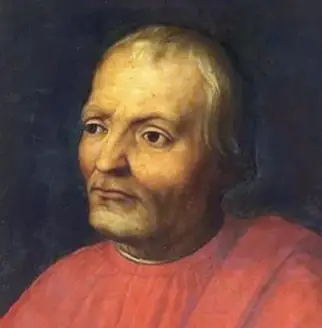
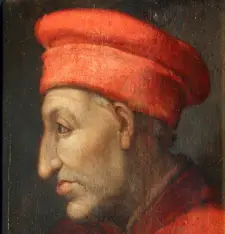
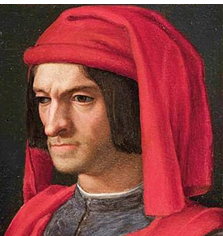
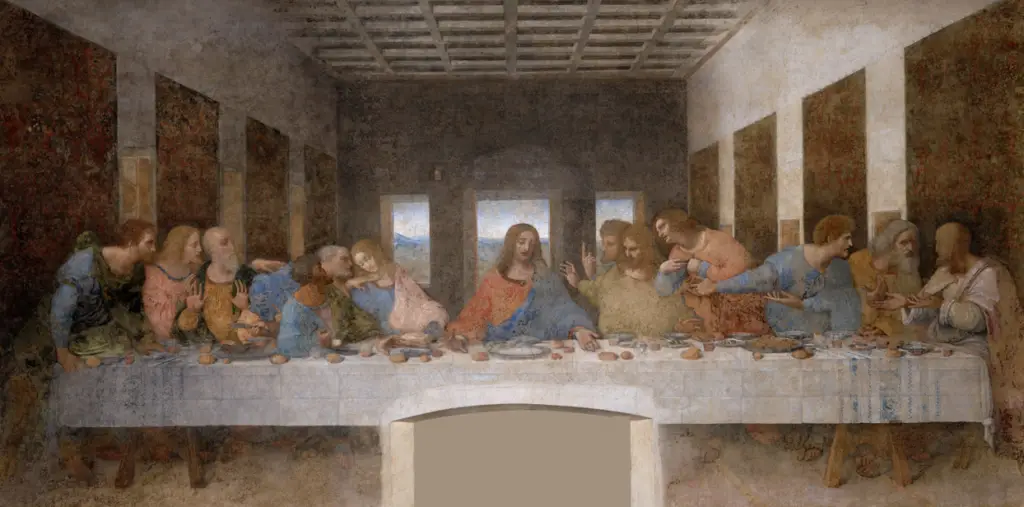
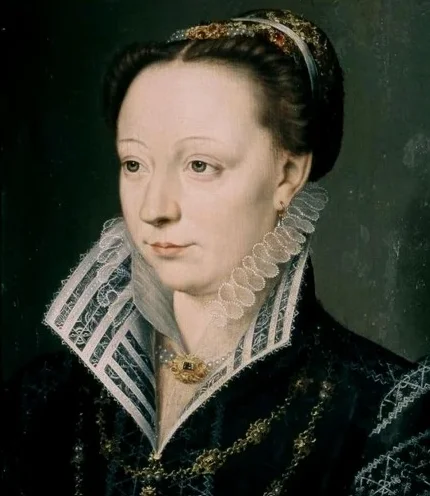

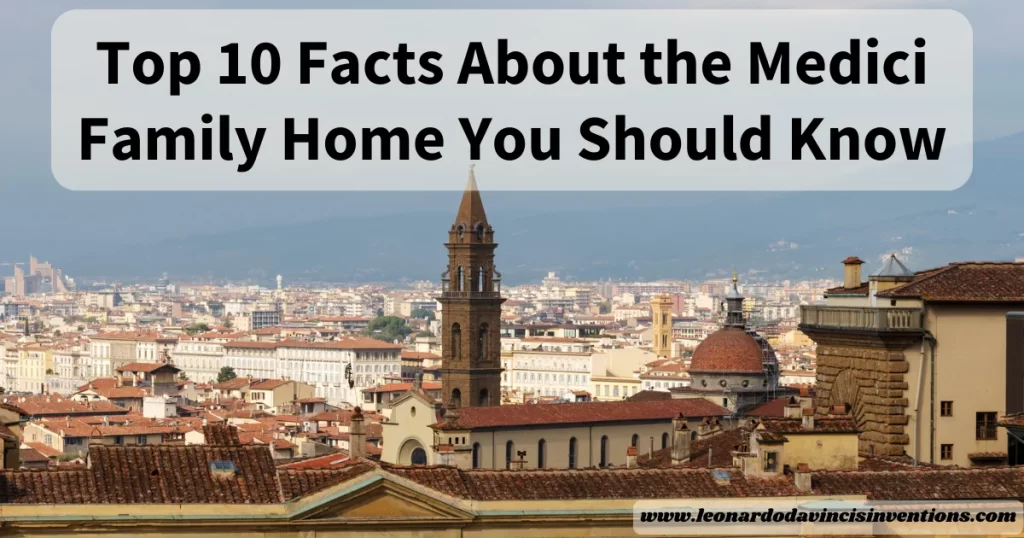
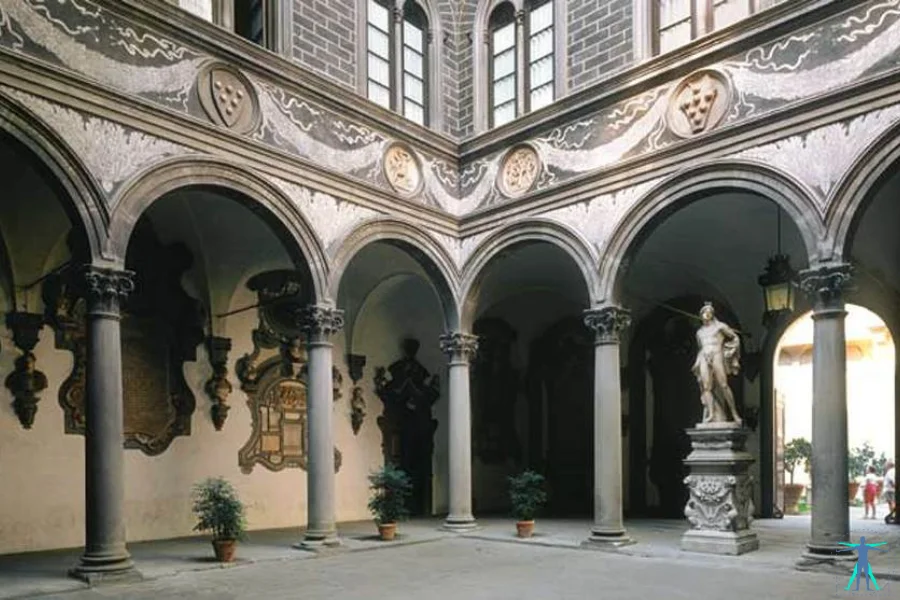
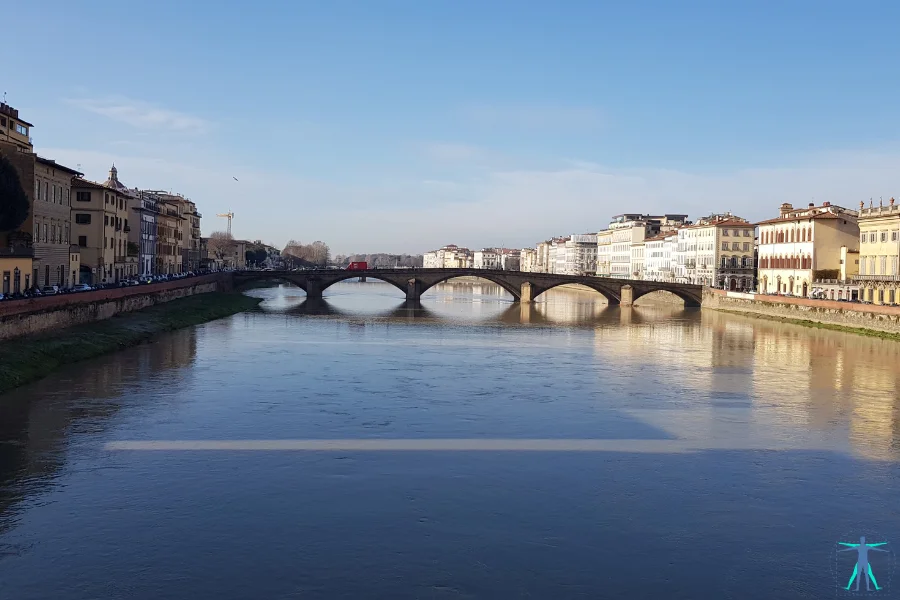


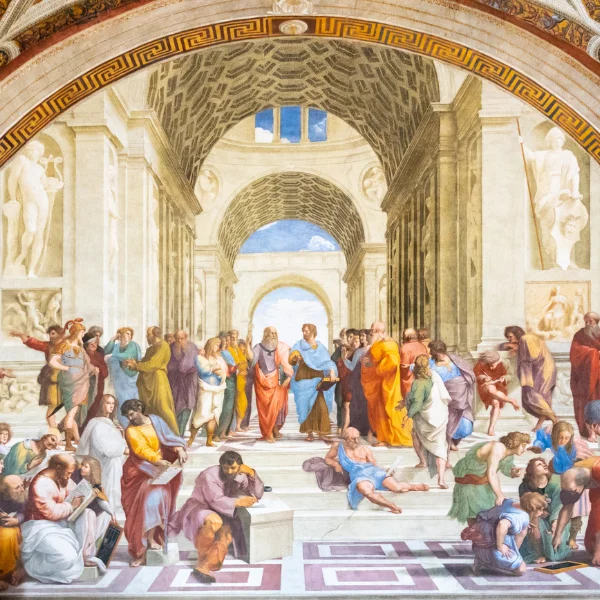
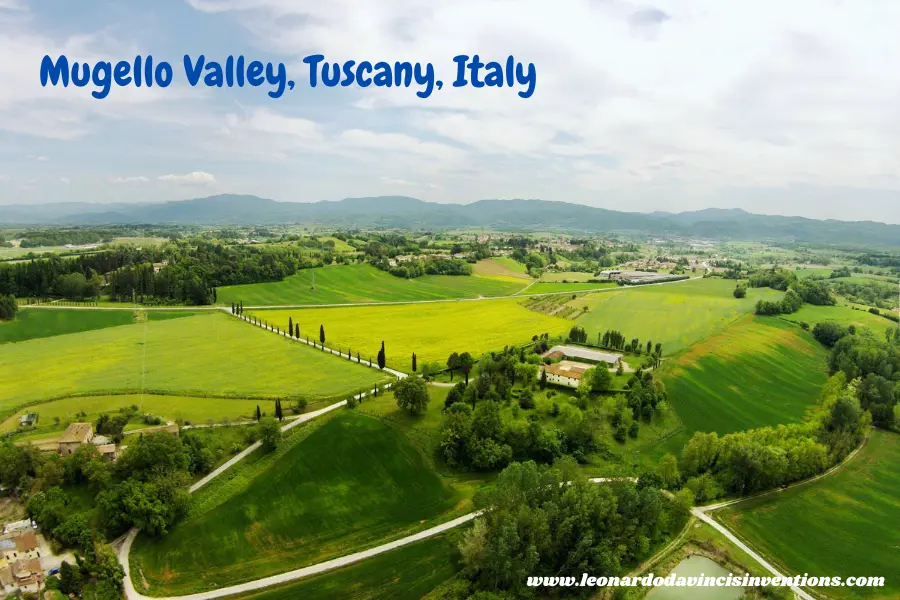
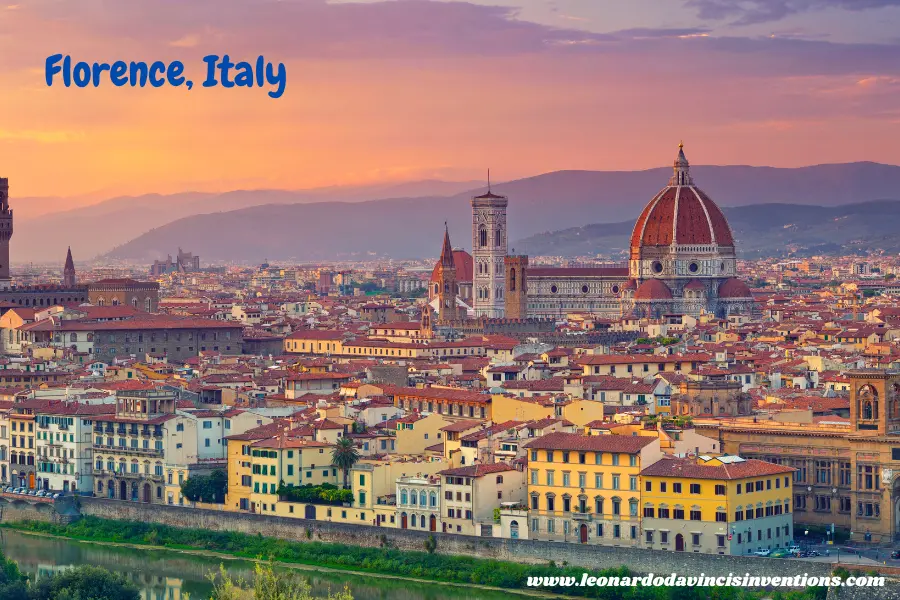

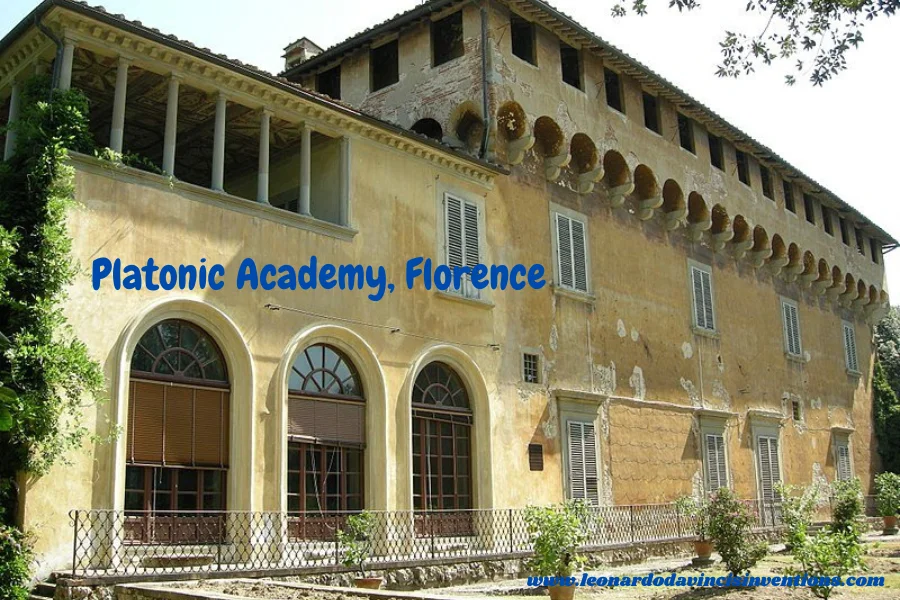
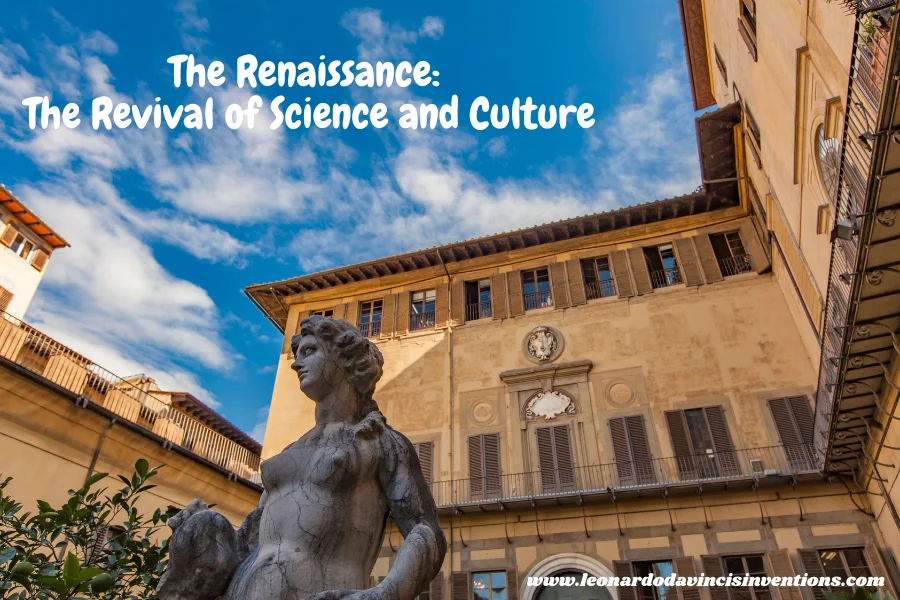







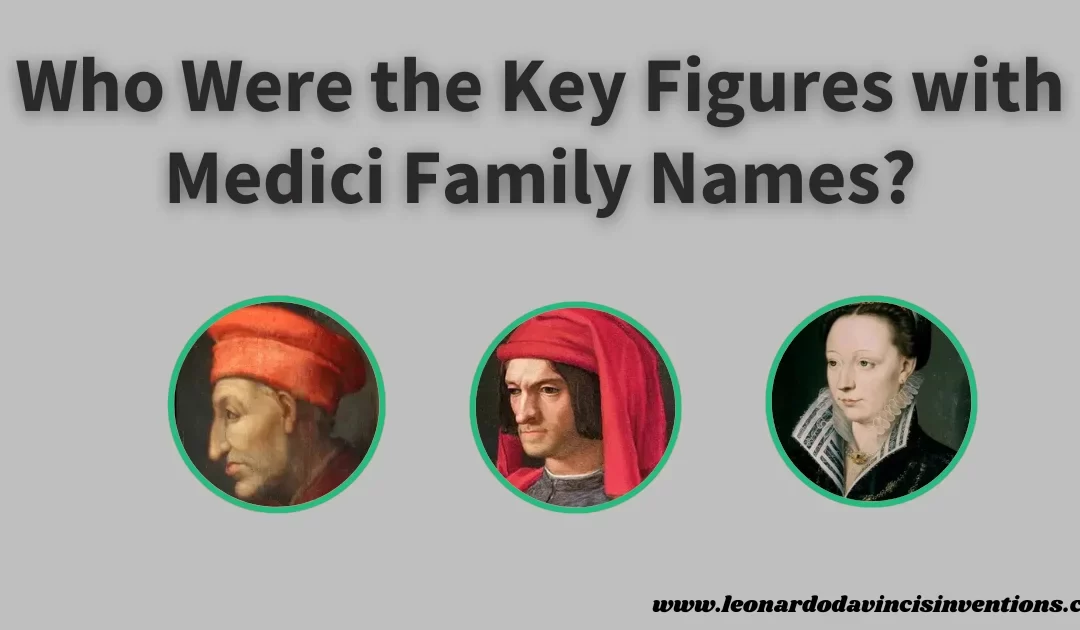
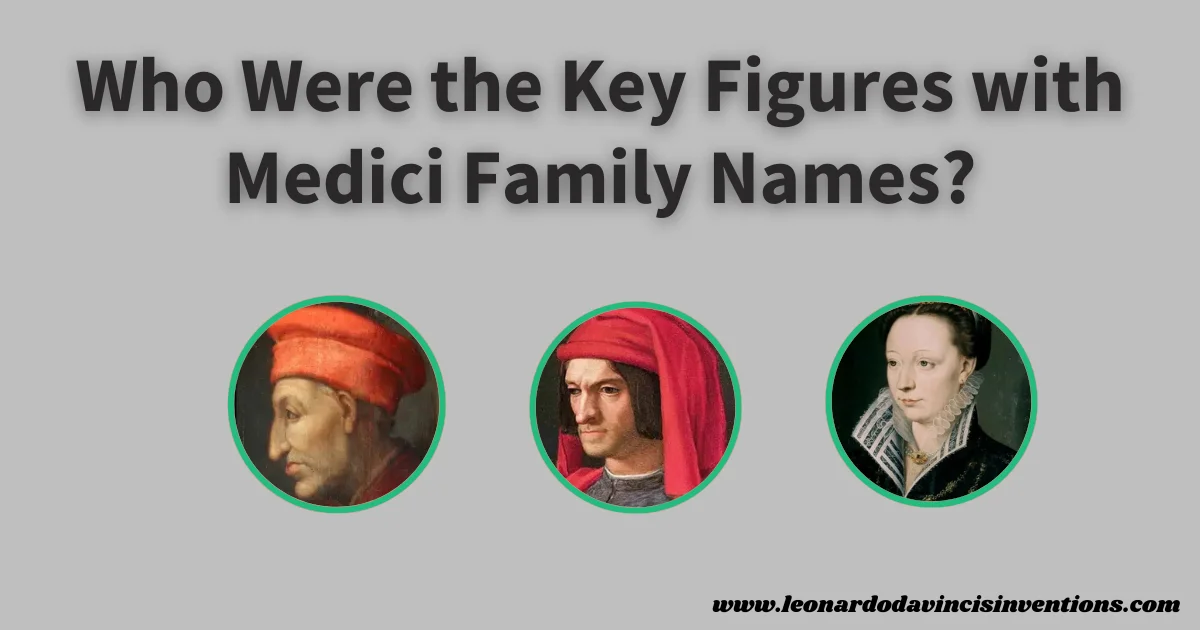
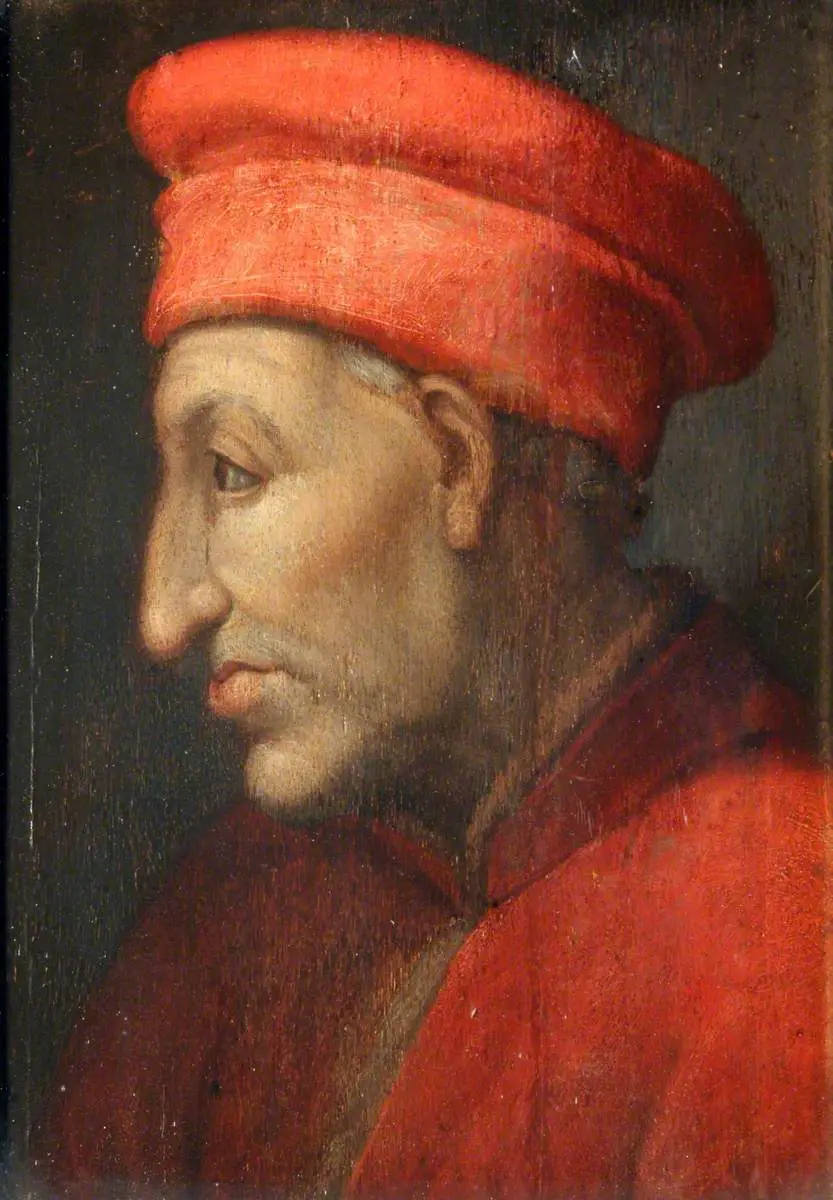
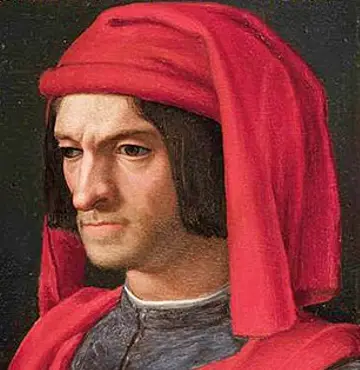
 Leonardo Bianchi is the founder of Leonardo da Vinci Inventions & Experiences, a travel and research guide exploring where to experience Leonardo’s art, engineering, and legacy across Italy and Paris.