Cosimo de' Medici biography offers a closer look at one of the most influential figures in the Italian Renaissance. Many people overlook his story, but it shaped the world you know today.
Understanding Cosimo's life and legacy is essential if you have ever wondered how Florence became a center of art, culture, and power.
Cosimo de' Medici's biography is important in history because he utilized his wealth and leadership to promote the arts, learning, and architecture, laying the foundation for the Renaissance in Florence.
Through his support for artists and thinkers, Cosimo changed the future of Europe and inspired generations. Exploring Cosimo’s life reveals how one person helped spark a cultural movement that still matters today.
The Rise of Cosimo de' Medici and the Medici Family in Florence
Cosimo de' Medici’s path to power changed the future of Florence and the wider Italian Renaissance. His success came from strong family foundations, financial expertise, and a new style of political leadership that shaped the Medici legacy.
Early Life and Influence of Giovanni de Medici, His Father
Giovanni de' Medici (1360-1429)
Cosimo de' Medici was born in 1389 into the influential Medici family. His father, Giovanni de' Medici, established the Medici Bank in Florence.
This financial institution quickly became one of the most respected banks in Europe. It gained a reputation for reliability and strong connections with the papacy.
Giovanni taught Cosimo the value of trust, careful planning, and support for the economy and the arts. His guidance helped Cosimo understand how money and reputation could shape political power.
Through his example, Giovanni set his son on a path to leadership in both business and society. Giovanni also emphasized philanthropy and supported many Florentine charities.
This created goodwill and loyalty toward the Medici family in the city. These early lessons prepared Cosimo to take over the family fortune and expand their political and economic influence.
Cosimo de' Medici as the Founder of the Medici Dynasty
Cosimo de' Medici (1389-1464)
Cosimo de' Medici is known as the founder of the main branch of the Medici dynasty. After his father’s death, Cosimo took control of the family bank and political strategy, establishing the Medici as leaders of the Florentine Republic.
His careful management helped the family rise without attracting negative attention from rivals. He used his fortune to gain support from influential families, bankers, and politicians.
Cosimo protected the Medici name by helping allies, forgiving debts, and mediating during unrest. His approach allowed the Medici to exert real influence even when they did not officially hold public office.
Cosimo built a network of loyal supporters and became Florence's effective ruler, or “uncrowned monarch.” He set the stage for later generations to continue the Medici rule well into the 16th century.
The Medici Banking Empire and Italian Banking Family Power
The Medici Bank, under Cosimo’s control, became a financial powerhouse. The Medici gained enormous wealth and political leverage by managing accounts for the Catholic Church and wealthy European merchants.
Their bank set standards in bookkeeping, lending, and partnerships that other banking families attempted to emulate. A simple table shows areas in which the Medici Bank excelled:
Area
Medici Bank Achievements
Papal Accounts
Managed finances for the Vatican
Lending
Offered credit to monarchs and traders
Innovation
Used double-entry bookkeeping
Cosimo used banking profits to sponsor arts, building projects, and public events. The banking empire also allowed him to fund political campaigns and maintain friendships across Italy and Europe.
His bank faced challenges from political adversaries and shifting market conditions. Cosimo’s attention to detail and ability to rebuild trust kept the bank strong during difficult times.
Florence Republic and the Political Power of the Medici Family
The Florence Republic was often influenced by powerful families. Cosimo de' Medici pushed the limits by becoming Florence’s leading political force without formal titles.
He worked behind the scenes, guiding votes, securing alliances, and choosing loyal people for city government positions. Cosimo paid close attention to Florentine politics and controlled key institutions, such as the Signoria.
He utilized his resources to garner public support and keep his opponents in check. Cosimo supported public works and charity, strengthening his position among ordinary citizens.
This made him a respected figure in both politics and daily Florentine life.
Cosimo the Elder’s Role as a Florentine Leader and De Facto Ruler
Cosimo the Elder served as Florence’s de facto ruler from 1434 until he died in 1464. Even though Florence was a republic, Cosimo handled many decisions that were usually left to official leaders.
He shaped policies about trade, city planning, and taxes, ensuring stability and growth. Cosimo lived much of his life at Careggi, a villa he made into a center for scholars and artists.
His patronage of architecture and art brought new energy to the Renaissance. Under his leadership, Florence witnessed the emergence of new buildings, sculptures, and paintings that would inspire later generations.
His balanced rule earned him the title "Pater Patriae," or Father of the Fatherland. Cosimo’s example shaped how the Medici governed for decades, helping Florence become one of Europe’s most important centers for trade, culture, and art.
Cosimo de' Medici’s Impact on Renaissance Culture and Art Patronage
Cosimo de' Medici commissioned Fra Angelico’s The Crucifixion, blending art with religious and political influence
In the 15th century, Cosimo de' Medici strengthened Florence’s reputation as a center for culture, art, and learning.
He reshaped the city’s society and identity through cultural investments, political power, and the establishment of legacy-building institutions.
Patron of the Arts: Medici Patronage of Artists and Renaissance Art
As a prominent Patron of the Arts, Cosimo de' Medici fueled the rise of Renaissance art in Florence. He used the wealth of the Medici banking empire to commission works from artists such as Donatello, Fra Angelico, and Brunelleschi.
His support was practical, providing artists with financial stability so they could focus on developing new techniques and ideas. Art patronage under Cosimo the Elder set trends across Italy, encouraging more nobles to support artists.
He championed humanism and the study of classical works, which influenced artists' styles and subjects. These practices laid the foundation for later achievements in Renaissance art, helping Florence become a hub of creativity and expression.
Cosimo’s patronage went beyond individual commissions. He sponsored workshops, studios, and the building of churches that became displays of artistic innovation.
Architecture and Art: Careggi's Villa as a Cultural Symbol
Careggi, Cosimo de' Medici’s villa outside Florence, symbolized Renaissance architecture and culture. He transformed this country house into a gathering place for scholars, artists, and thinkers.
The villa’s design, influenced by classical Roman architecture, reflected the new Renaissance ideals of beauty, order, and balance. Careggi was not just a private home; it hosted the Platonic Academy, where leading humanists held regular meetings.
These gatherings promoted discussion on philosophy, art, and science. By fostering intellectual exchange, Cosimo tied his identity as a Florentine leader to culture and learning, setting a standard for Italian elites.
The villa’s art, gardens, and architecture reflected Medici values and taste. Careggi became a model that other powerful families emulated, using architecture to showcase their status and contribute to the city's cultural life.
Medici Contributions to Florence’s Cultural Influence and Society
The Medici contributions to Florence’s reputation as a center for art, banking, and diplomacy were substantial. Cosimo de' Medici shaped public projects through his wealth in banking and political influence.
He funded libraries, built churches such as San Lorenzo, and helped establish institutions that promoted literacy and learning. His steady political leadership helped Florence stay stable during difficult times.
Cosimo’s support for civic festivals, libraries, and scholars raised the city’s profile across Europe. The Medici legacy also included efforts to blend new Renaissance ideas with Florence’s traditions.
His impact transformed daily life in Florence, creating a society where artists, scholars, and citizens could thrive together.
The Medici Family’s Role in Shaping the Italian Renaissance
The Medici family used a unique blend of economic power and cultural sponsorship to shape the Italian Renaissance. Cosimo, as the de facto ruler or “uncrowned monarch,” led the House of Medici’s rise to financial and political dominance.
Their ownership of a banking dynasty allowed them to offer critical loans to monarchs and the Church. Medici governance built alliances with artists and intellectuals, making Florence a magnet for talent.
The family’s political strategy relied on supporting both religious and secular projects to reinforce their rule. Their influence helped new ideas spread throughout Italy.
The Medici dynasty’s network extended beyond Florence. Their connections promoted Italian art and culture across Europe, making their impact broader and more lasting than that of most other Florentine families.
Medici Cultural Legacy and Its Lasting Historical Impact
The Medici cultural legacy is still visible in Florence today. Buildings, art collections, and public works from Cosimo’s era remain central to the city’s character.
Cosimo de' Medici’s decisions established patterns for rulers who sponsored the arts and learning for the public good, as well as their private prestige. Medici heirs continued his tradition, supporting artists like Michelangelo and Leonardo da Vinci.
The idea of the politician as a cultural leader became a model across Europe. Museums, universities, and churches associated with the Medici family are landmarks of world history.
Cosimo’s mix of political power, art patronage, and banking shaped European society. His legacy as a founder of the Renaissance stands out in the biography of Cosimo de' Medici and others, shaped by his vision.
Political Strategy, Governance, and the Enduring Medici Legacy
Cosimo de' Medici shaped Florence through careful political moves, economic strength, and long-term planning. His actions laid the foundation for the Medici family's ongoing cultural, political, and economic dominance during the Renaissance.
Cosimo de Medici’s Political Strategy and Governance of Florence
Cosimo de' Medici, known as Cosimo the Elder, leveraged his banking success to become a highly influential figure in Florence. As an experienced banker and politician, he gained influence quietly by forming alliances with other wealthy families and supporting both the common people and the elites.
He avoided official titles and ruled as an uncrowned monarch by placing loyalists in key government roles. He invested in the city’s infrastructure, arts, and education.
Cosimo balanced generosity with caution. He avoided appearing too ambitious, which kept opposition groups weak.
This approach made him a trusted leader among the citizens and strengthened the Medici family behind the scenes.
Medici Rule and the Establishment of a Political Dynasty
Under Cosimo's guidance, the Medici family transformed from a successful banking dynasty into a lasting political one. Their control of Florence depended on their wealth and a broad network of personal connections.
Cosimo united family interests with those of the city government, making the Medici essential to Florence’s well-being. Marriage alliances, clear lines of succession, and the cultivation of allies helped power pass smoothly within the Medici house.
The Medici dynasty continued to produce influential leaders long after Cosimo’s death, including his grandson, Lorenzo de Medici. These heirs kept the family’s power intact and strengthened Medici rule over Florence for generations.
Influence on Florentine Politics and Medici Family Power
Cosimo de' Medici’s control significantly influenced many aspects of Florentine politics. As de facto ruler, he influenced laws and policies without any official title.
He used his economic resources to reward supporters and to win the loyalty of citizens and politicians. Public works projects, patronage of the arts, and investment in public festivals improved the city and secured popular opinion.
Cosimo’s steady leadership made Florence a center of the Italian Renaissance. The family's continuing cultural influence strengthened their legitimacy and political power.
Medici Heirs, Medici Lineage, and the Continuation of Medici Wealth
Starting with Giovanni de Medici and strengthened by Cosimo, the Medici family used business expertise to build a vast banking empire. This wealth funded political activity, art sponsorship, and charitable works.
Medici heirs inherited money and strong connections to rulers, artists, and religious leaders. The careful management of the Medici wealth and banking empire helped later generations survive political setbacks and remain influential.
The family's art collections, architectural projects, and landholdings became symbols of both financial power and cultural achievement. These assets secured the Medici legacy for centuries.
The Historical Impact of Cosimo de Medici's Biography on Modern Understanding
Biographies of Cosimo de Medici help explain the rise of modern political and economic systems during the Renaissance. His life shows how finance, family, and politics shaped an era.
Cosimo's focus on patronage illustrates the connection between private wealth and public benefit in cultural development. His impact on architecture, art, and learning highlights how individuals can guide the direction of cities and countries.
The Medici family story remains a key part of modern studies on leadership and legacy. It also explains the forces behind Florence’s rise as a center of Renaissance art and culture.
Frequently Asked Questions
Cosimo de Medici was a powerful Florentine banker whose actions helped shape the Renaissance era in Italy. Politics, art patronage, family legacy, religious ties, and personal challenges marked his life.
What are 5 facts about Cosimo de' Medici?
Cosimo de' Medici, born in 1389, led the Medici family, which ruled Florence for over a century. He was a wealthy banker and a major supporter of the arts and architecture.
Cosimo introduced Ancient Greek manuscripts into Italy, helping to boost humanism. He lived simply despite his wealth, and his leadership made Florence a center of the Renaissance.
What happened to Cosimo Medici?
Cosimo de' Medici died in 1464. He lived through political ups and downs, including a temporary exile from Florence.
After returning, he regained his power and influence. He is remembered for his strong impact on Florence and the rise of the Medici family.
Why is Cosimo considered the godfather of Florence?
Cosimo de' Medici played a significant role in making Florence the heart of the Italian Renaissance. He utilized his wealth and influence to shape city politics and safeguard Florence's independence.
His ability to lead from behind the scenes earned him a reputation as the "godfather" of Florence's political and cultural revival.
What did Cosimo de Medici do with his money?
He used his wealth to fund building projects, support scholars, and sponsor artists. Cosimo invested in churches, libraries, and palaces, making Florence a more beautiful and educated.
He was a dedicated patron of the arts, learning, and architecture.
What illness did Cosimo Medici have?
Cosimo de' Medici suffered from gout later in life. This illness caused him pain and limited his movement, but it did not stop his involvement in public affairs.
Who inherited the Medicis' wealth?
After Cosimo's death, his son, Piero de' Medici, inherited his wealth and leadership role within the Medici family. The family’s power continued through the next generation, especially under Cosimo’s grandson, Lorenzo the Magnificent.
What was Cosimo de Medici accused of?
Cosimo was accused of controlling Florence's political system for his benefit. Some rivals accused him of bribery and election manipulation.
He was exiled for a year but later returned and regained influence.
What religion was Cosimo de' Medici?
Cosimo de' Medici was a Roman Catholic. He supported the Church and gave money to religious causes.
His faith influenced many of his decisions.
What church did Cosimo Medici build?
Cosimo helped fund and build the Church of San Lorenzo in Florence, which became the family’s main place of worship and burial.
It is a landmark of early Renaissance architecture.
Did Cosimo de Medici have an illegitimate child?
Historians believe Cosimo de' Medici had an illegitimate son named Carlo de’ Medici.
Carlo became a churchman and served as a canon in Florence.
The Cosimo de' Medici Tomb has fascinated historians, travelers, and art lovers for centuries. Many questions and mysteries remain about what lies within.
This article reveals the top 10 secrets behind the Cosimo de' Medici Tomb, providing a clear look at its hidden history and facts.
You will discover what makes this tomb unique. Experts continue to study it, and new evidence is helping researchers solve old mysteries.
Get ready to explore surprising details hidden for hundreds of years.
1. Location of Cosimo de' Medici's Tomb in the Medici Chapels, Florence
Cosimo de' Medici's tomb lies inside the New Sacristy of the Medici Chapels. This area connects directly to the famous Church of San Lorenzo in Florence.
The Medici family chose this location because San Lorenzo served as their parish. The church played a central role in Florence during the Renaissance.
Visitors will not find Cosimo de' Medici’s tomb among the grand marble monuments above ground. His final resting place is in the crypt below the main altar.
The family honored his great status and kept him close to the church relics, reflecting his importance as a leader and patron of the arts in Renaissance Florence.
The Medici Chapels are part of a larger complex, designed over centuries alongside San Lorenzo. These chapels also house the tombs of other prominent members of the Medici family.
This shows the wealth and power of the Medici family throughout Florentine history. The Medici mausoleum is known for its massive dome and rich materials.
It symbolizes the family’s influence and commitment to art and architecture. Cosimo de' Medici’s modest granite tomb slab, hidden beneath the altar, contrasts with the more elaborate tombs of the Medici family in the chapel.
This simple design choice reflects humility. It also underscores his profound legacy in Florence.
The burial site continues to draw people interested in the traditions of the Medici dynasty. Many also come to see the art and architecture that define Renaissance Florence.
2. Brass Plaques Marking Burial Sites but Lack of Precise Burial Records
Cosimo de' Medici’s tomb in the Church of San Lorenzo reflects the Medici family's wealth and status in Renaissance Florence. Brass plaques set into the floor mark the burial sites of members of this powerful dynasty.
These markers identify the locations of burials for figures like Cosimo and other Medici relatives. However, there are no precise records about the burials beneath these plaques.
Historians and archaeologists found that church documents and burial registers offered little detail about how the Medici tombs were used over time. This lack of specific information makes it hard to confirm who lies beneath each marker.
In 1947, researchers began studying the Medici family’s burial sites more closely. They discovered that while brass plaques indicate burial locations, the records do not always match the burials beneath them.
This challenge has sparked debates among experts studying the Medici's secrets and their legacy in Florence. The use of metal plaques represents a blend of art and architecture typical of Italian Renaissance funerary art.
Medici patronage of architecture and artistic commissions brought some of the best sculptors and designers to San Lorenzo. Yet, despite these contributions, the tomb design and burial records remain partly mysterious.
3. Relocation of Remains Below Chapel Floor for Protection
Cosimo de' Medici’s tomb is in Florence’s Church of San Lorenzo, a key Renaissance burial site
Cosimo de' Medici’s tomb tells a story of protection and care. During unsettled times, people worried about the safety of the Medici family’s burial site inside the Church of San Lorenzo.
Those in charge moved them below the chapel floor to protect the remains from theft and desecration. This measure kept them safe when the Medici tombs above ground were at risk from thieves or political upheaval.
Today, brass plaques in the floor indicate the hidden locations where these remains are stored. The decision to bury Cosimo beneath the chapel floor reflects the Medici dynasty’s wish for privacy and protection.
It also highlights the importance of commemoration and honor in Renaissance Florence. This act guarded the physical remains and preserved the memory of a wealthy family that shaped Florentine history.
The Medici patronage of architecture and funerary art is visible even in these hidden spots. The secret burial places connect to the traditions of the Medici mausoleum, blending safety and respect for their ancestors.
Visitors may not see the tombs immediately, but these stories contribute to the artistic heritage of the Medici in Florence. Small details, such as the plaques and the careful placement of the tombs below ground, reflect the Medici’s attention to design and their reputation as patrons of the arts.
Each choice about the burial site reveals more about their power and influence during the Italian Renaissance.
4. Evidence of Tomb Plundering Throughout History
Evidence of tomb plundering surrounds the Medici family burial site in the Church of San Lorenzo. Historical records indicate that the Medici tombs were not always left undisturbed.
Over the centuries, the growing reputation and wealth of the Medici family made their final resting places targets for thieves. In 1857, people discovered that the Medici tombs, then located above ground, had been plundered by grave robbers.
Stolen items and scattered remains told a story of disrespect for these prominent figures. As a result, authorities reburied the remains beneath the chapel floor for added security.
Florentine history shows that the Medici’s lavish tomb decorations, often crafted by famous sculptors, made the Medici mausoleum both an artistic marvel and a tempting target. Items made of bronze and marble, as well as precious funerary art, frequently led to repeated theft attempts.
The grandeur of the Medici patronage of architecture attracted looters seeking rare valuables. These acts of plundering harmed both the artistic heritage and the memorial purpose of the Medici tombs.
Many original elements vanished over time, including decorative sculptures and personal artifacts. Today, experts can only speculate about what was lost to these thefts.
Continuing research helps historians understand how the Medici dynasty’s burial traditions faced threats from human greed and changing times. Archaeological analysis continues to uncover new details about what survived centuries of interference.
5. Radiological Exams Revealing Inaccuracies in Medici Burial Myths
Radiological exams helped experts examine the burial site of Cosimo de' Medici in the Church of San Lorenzo more closely. Using modern medical imaging, researchers were able to see inside the tomb slab without disturbing the remains.
This allowed for more accurate information about the Medici family’s burial traditions. Many believed myths about how the Medici dynasty arranged their graves for years.
Some stories said that Cosimo de’ Medici’s tomb contained a large marble crypt filled with treasures and intricate decorations. Radiological results showed these tales were not wholly accurate.
The scans revealed a simpler tomb design, focused on respect and commemoration rather than wealth and power. Researchers found that the burial's layout matched Florence's early Renaissance style.
This finding helps historians better understand the true artistic symbolism used in Medici mausoleums. Radiological technology enabled the comparison of Cosimo de' Medici's tomb with others in the Medici Chapel.
By studying the fundamental structure beneath the bronze and marble materials, experts gained a deeper understanding of the Medici family’s lasting influence on Renaissance art and architecture. Their findings gave new insight into the Medici patronage of architecture in Renaissance Florence.
6. Malaria as a Contributing Factor to the Medici Family Deaths
Malaria affected the health of the Medici family during their period of wealth and power. Scientific studies found the deadly strain of this disease in the tissues of several members of the Medici dynasty.
Researchers detected malaria pathogens while examining mummified organs from the family tombs in Florence. Members of the Medici family, including those linked to Cosimo de' Medici’s legacy, spent time hunting and managing lands around Tuscany.
Many of these areas were marshy, spreading malaria. These habits and land management patterns put the Medici at additional risk.
Experts used modern medical techniques to find evidence of malaria within remains found in the Church of San Lorenzo, the site of many Medici tombs. These findings reveal the medical challenges even wealthy families faced in Renaissance Florence.
One high-profile example involves Francesco I de' Medici, who died along with his wife Bianca Cappello. Researchers now believe malaria, not poisoning, as once rumored, caused their deaths.
The presence of malaria shapes historians' understanding of the Medici family's burial traditions and tomb design. It adds complexity to the stories of art, patronage, and commemoration within the Medici chapel and Florentine history.
The Medici mausoleum stands as a testament to the power of politics and the legacy of artistic heritage. It also reminds us of the medical risks faced during the Italian Renaissance.
7. DNA Analysis Linking Organ Remains to Cosimo de' Medici
DNA analysis has provided experts with new tools to investigate the Medici tombs. This technology helps clarify if the remains found truly belong to Cosimo de' Medici.
Scientists have matched genetic material to the Medici family line by studying preserved organ tissue from the burial site. Researchers examined organ remains found inside the Medici mausoleum in Florence.
They compared this DNA to known living descendants and historical records. This process strengthens the link between the skeletons in the tomb and the famous Renaissance ruler Cosimo de' Medici.
Modern technology enables DNA to reveal personal details, including genetic traits and potential causes of death. In some cases, the analysis showed evidence of disease, such as a deadly strain of malaria found in the Medici organ samples.
The Church of San Lorenzo in Florence holds several Medici tombs. DNA studies bridge art, history, and science, demonstrating how funerary art and scientific research intersect.
These discoveries offer a deeper understanding of the Medici family's influence and their role as patrons of the arts during the Italian Renaissance. The genetic research highlights the Medici patronage of architecture and its lasting impact on Renaissance Florence.
DNA analysis confirms the identity of remains and adds detail to Cosimo de’ Medici’s legacy as Grand Duke of Tuscany.
8. Discovery of Missing Tombs of Medici Children
The discovery of missing tombs of Medici children has shed new light on Renaissance Florence and the Medici dynasty's burial traditions. For many years, historians wondered about the final resting places of several young members of the powerful Medici family.
In 1857, experts found that some Medici tombs had been plundered after they were brought to the surface in the chapel. To protect the remains, people relocated them beneath the floor of the Medici chapel, which is attached to the Church of San Lorenzo in Florence.
This action underscored the significance of honor and respect in the Medici burial customs. The Medici tombs' design and placement reflect the family's desire for commemoration and the careful use of artistic symbolism.
These details show the family's lasting influence on the art and architecture of the Italian Renaissance. The chapel is a monument to Medici patronage of architecture and funerary art.
Ongoing research and scientific study have played a significant role in revealing more about the burial locations of the children of the Medici. Modern researchers, including teams in the 2000s, examined the remains for clues about their identity and burial conditions.
Archaeology Magazine provides a detailed description of some of these discoveries. Floods and time have damaged many Medici tombs, making research into them more challenging.
The renewed focus has deepened understanding of the Medici family's role in shaping Florentine history. These discoveries help explain how the political dynasty used tombs, artistic commissions, and burial sites to reinforce their wealth and power during the Renaissance.
9. Historical Context of Medici Chapels Construction (16th- 17th Century)
The Medici Chapel in Florence includes the tomb of Cosimo de' Medici, showcasing Renaissance art and the Medici family's legacy
The Medici chapels, built in the 16th and 17th centuries, are central to understanding the Medici family’s impact on Florence’s art and architecture. These chapels serve as a vital extension of the Basilica of San Lorenzo, one of the city’s most historic churches.
Medici patronage of architecture and the arts reached its peak during the Renaissance. The construction of these chapels was closely linked to the family's desire to create a lasting memorial for their dynasty.
This effort reflected their wealth and influence as one of the most powerful families in Renaissance Florence. Cosimo de' Medici, as a Renaissance ruler, set the stage for his descendants to commission large-scale projects.
His legacy encouraged the Medici to support many artists and architects. These commissions included designing and decorating chapels that would serve as the family's main burial site for its most prominent members.
Florentine history contains examples of political power and artistic heritage coming together. The Medici tombs inside the chapels highlight the family’s approach to funerary art and memorialization.
Each tomb design shows careful attention to artistic symbolism and reflects the family's social status. Grand structures like the Medici mausoleum were not only places of rest but also showcased the patron's role as leaders in Italian Renaissance art.
Artists such as Michelangelo contributed sculptures that are still highly regarded today. These chapels testify to the Medici dynasty’s burial traditions and their ongoing significance in Florence.
10. Impact of the Renaissance Era on the Medici Burial Traditions
Cosimo de' Medici’s legacy shaped Florence's burial traditions during the Renaissance. The Medici family used their wealth and power to make their tombs into statements of both art and status.
Medici tombs, located in places such as the Church of San Lorenzo, feature impressive sculptures and rich materials. Renaissance Florence valued art and architecture as a means of showcasing a family's social standing.
The Medici dynasty’s burial traditions switched from simple graves to carefully planned tombs with symbolic decoration and detailed design. These changes coincided with the rise of Italian Renaissance art, during which artists such as Andrea del Verrocchio designed tombs in bronze and marble.
Medici patronage of architecture brought advancements in tomb design and the decoration of chapels and mausoleums. Burial sites such as the Medici Chapel became stages for Florentine history and artistic heritage.
Leaders like Cosimo I de’ Medici continued this trend, using grand tombs and artistic commissions to reinforce the Medici's role as a political dynasty. The Renaissance era encouraged the use of mathematical vocabulary in art, resulting in precise, balanced proportions in tomb designs.
Tomb decorations from this period often featured classical themes and symbols that linked the Medici family with ancient Rome. These artistic choices made the Medici mausoleum more than a burial place—they became lasting reminders of the family’s wealth and influence over Renaissance Florence.
The Medici burial site remains a testament to their patronage of the arts and their lasting mark on Florentine culture.
Frequently Asked Questions
Researchers have long been fascinated by Cosimo de' Medici's burial, his family's legacy, and the rich history of their tombs in Florence. Stories about the Medici family's wealth, artistic connections, and political influence continue to be the subject of ongoing study.
Where is Cosimo Medici's tomb?
Cosimo de' Medici is buried in the church of San Lorenzo in Florence. His tomb is located beneath the floor, marked by a simple stone slab.
The exact burial spot is located within the Medici Chapels, which are renowned for housing the remains of several family members.
Did Cosimo de' Medici build the Duomo?
Cosimo de' Medici did not build the Florence Cathedral (Duomo). The construction began before his time, in 1296, by Arnolfo di Cambio.
Cosimo and the Medici family were significant patrons of Florence, supporting numerous art and architectural projects throughout the city.
Did Michelangelo create a tomb for the Medici family?
Michelangelo designed and sculpted monuments for the Medici family at the Medici Chapels in San Lorenzo, Florence. These include the tombs of Lorenzo and Giuliano de' Medici, which are famous for their artistic details.
He did not design Cosimo de' Medici’s specific tomb.
What happened to Cosimo in Medici?
Cosimo de' Medici ruled Florence and became one of the most powerful figures of the Italian Renaissance. Known as Cosimo the Elder, he survived political challenges and strengthened his family's influence.
He died in 1464 and was honored as "Pater Patriae," or "Father of the Nation."
How much money did Cosimo de' Medici have?
Cosimo de' Medici was one of the wealthiest men of his time. He grew the Medici Bank into Europe’s most powerful financial institution.
Exact figures are lost, but his assets were so vast that they supported Florence’s government and significant buildings for decades.
Does the Medici house still exist?
The original Medici family house, the Palazzo Medici Riccardi, still stands in Florence. It is now a museum open to visitors.
It offers valuable insight into the family's history and influence on the city.
Who inherited the Medicis' wealth?
Most of Cosimo’s wealth passed to his son Piero, and later to his grandson Lorenzo the Magnificent. Over the generations, the Medici family remained major bankers, rulers, and patrons until their line ended primarily in the 18th century.
Did Cosimo Medici go into exile?
Political rivals sent Cosimo de' Medici into exile in 1433. After a year, he returned and regained power, strengthening his family's influence in Florence.
Where is the Medici family buried?
Many members of the Medici family, including Cosimo, are buried in the Medici Chapels at San Lorenzo in Florence. After tombs above ground were plundered, people moved their tombs below the chapel floor for protection.
Who is the head of the Medici family today?
The direct Medici line ended in the 18th century. No recognized head of the family exists today.
Some distant relatives may carry the Medici name. However, no one holds historical ties or authority related to the Medici legacy.
Cosimo I de Medici as Grand Duke of Tuscany, stands out in Italian history, but many people are unsure of his true significance.
The powerful Medici family played a major role in Europe, and this post explains who Cosimo I was, highlighting key facts about his rise to power and his impact on Florence and Tuscany.
Cosimo I de Medici was the second duke of Florence and became the first Grand Duke of Tuscany.
He ruled from 1537 to 1574, transforming Florence into one of Europe's most respected courts.
His actions shaped Tuscany's government, art, and culture. Today, his rule remains vital in understanding the region's history.
If you are interested in history, politics, or art, learning about Cosimo I offers insight into the roots of modern Tuscany.
The Rise of Cosimo I de' Medici, Grand Duke of Tuscany
Cosimo I de’ Medici (1519 - 1574)
Cosimo I de’ Medici, Grand Duke of Tuscany, became a key figure in Renaissance Italy. His rise to power involved family intrigue, political conflict, and significant changes in the governance of Florence and Tuscany.
Early Life and Medici Family Background in Florence
Cosimo I de’ Medici was born in 1519 in Florence. He belonged to the Medici family, a powerful banking family known for shaping Italian Renaissance politics.
Although not from the senior line, Cosimo was a descendant of Lorenzo de' Medici. This connection gave him significant ties to Florentine history and culture.
His father, Giovanni dalle Bande Nere, earned respect as a soldier. Cosimo spent much of his childhood at Castello near Florence, where he learned about administration and military leadership from his family.
The Medici heritage gave Cosimo both resources and legitimacy among the Italian nobility. Through their banking success, the Medici family controlled Florence, especially after the fall of the Florentine Republic.
Connections to art, architecture, and diplomacy enriched Cosimo’s early life with Renaissance culture.
The Assassination of Alessandro de' Medici and the Succession Crisis
In 1537, Alessandro de’ Medici, the first Duke of Florence, was assassinated by a cousin. This event left a power vacuum in Florence and sparked debate over succession and the future of Medici rule.
The main Medici branch lacked direct male heirs. Florence’s leading families and outside powers had to choose a successor.
At just 17, Cosimo became a surprise candidate. Many viewed him as inexperienced and easily controlled, but his Medici lineage and connections persuaded key political players to support his claim.
After Alessandro’s assassination, Florence stood at a crossroads. The city's influential leaders hoped Cosimo would maintain stability without disrupting the balance of political power.
His selection surprised many but showed a strong desire for continued Medici rule and the dynasty's survival.
Cosimo’s Coronation as Duke of Florence and Political Power
Cosimo’s coronation as Duke of Florence followed Alessandro’s assassination. He accepted the role with careful diplomacy, aiming to assert authority while avoiding resistance from rival families and foreign officials.
Supporters declared him Duke on July 6, 1537. Cosimo I de’ Medici quickly moved to consolidate power and restore order in Florence.
Early in his reign, Cosimo faced opposition from republican exiles and war with Siena. He relied on military campaigns and alliances, including support from the Holy Roman Emperor Charles V.
Cosimo’s rule focused on strengthening Medici authority and laying the groundwork for broader ambitions in Tuscany.
Consolidation of Power and Governance in 16th-Century Tuscany
As Duke, Cosimo strengthened political power by reorganizing Florence’s government. He reduced the influence of opposing families and centralized control under his administration.
Cosimo introduced legal reforms, improved tax collection, and built a standing army to maintain order. He extended his rule over more of Tuscany, eventually capturing Siena after a protracted conflict.
By integrating Siena into his territory, Cosimo set the foundation for the unification of Tuscany. He supported the arts, funded public architecture, and expanded the Medici court into a center of Renaissance culture.
As highlighted in Britannica's detailed account, Cosimo greatly expanded and stabilized the region under Medici leadership through skilled statecraft and diplomacy.
Establishing the Medici Dynasty and Nobility Titles
In 1569, Pope Pius V awarded Cosimo I de’ Medici the title Grand Duke of Tuscany. This new title recognized the Medici dynasty's expanded reach and elevated his family’s status among European royalty.
The creation of the Grand Duchy gave Cosimo and his heirs hereditary rule over nearly all of Tuscany. He created new noble titles and integrated Florentine and Sienese elites into the Medici administration.
Cosimo’s leadership helped establish succession and governance patterns that endured for generations in the Italian nobility. His achievements included building the Uffizi, strengthening the Medici palaces, and supporting art patronage in Florence.
His actions left a permanent mark on the history and legacy of the Medici family, tying Florence’s golden age to the Medici court's achievements.
Governance and Expansion under Cosimo I de' Medici, Grand Duke of Tuscany
Cosimo I de' Medici transformed the Palazzo Vecchio into his official residence and seat of power during his reign as Grand Duke of Tuscany
Cosimo I de' Medici, Grand Duke of Tuscany, changed the political, military, economic, and cultural landscape of Renaissance Tuscany through reforms, strategic expansion, and careful administration. His reign influenced both the Medici dynasty and the broader history of Florence in the 16th century.
Cosimo’s Rule: Political Reforms and Statecraft
Cosimo’s leadership began after the assassination of Alessandro de' Medici. He quickly consolidated power, reshaping the government's structure and reducing the influence of rival families.
Cosimo reorganized the government, giving himself more direct control while limiting the power of councils and powerful nobles. He established a group of loyal advisors and restructured the city’s magistracies, ensuring that decision-making rested with the Medici.
By centralizing authority, Cosimo weakened aristocratic opposition. He strengthened laws around property, taxation, and trade.
This new governance structure made the state more stable and efficient, helping Florence recover from past instability. Cosimo’s efforts showed a blend of strict control and careful planning, earning him respect and criticism. See more about his political reforms and rule.
Military Campaigns and the Expansion of Tuscany’s Borders
Through military campaigns, Cosimo I de' Medici increased Tuscany's size and strength. He led successful wars against Pisa and Siena, two important city-states in central Italy.
The defeat of Siena was a turning point, as it brought much of southern Tuscany under his control. His strategy involved alliances with major powers such as Spain and the Holy Roman Empire.
Using military force and diplomatic negotiations, Cosimo expanded the Medici dynasty's reach across the region. Incorporating new lands created a united territory for the new Grand Duchy of Tuscany.
Cosimo’s military efforts demonstrated his ambition and skill in navigating Italian Renaissance politics. His victories made Florence a leading power in Italy’s network of city-states.
Administration and Diplomacy in the Medici Court
Cosimo I understood that effective administration and diplomacy were essential to maintain control over a growing domain. He established a centralized bureaucracy to oversee taxes, justice, and public works.
Officials in the Medici court followed strict orders and reported directly to Cosimo or his most trusted advisors. He relied on skilled diplomats to manage relations with powerful neighbors, such as Spain and the papacy.
Cosimo tied the Medici family to other principal Italian nobility through marriage alliances, further strengthening his position. By building administrative centers, including the Palazzo Vecchio, Cosimo showed his commitment to a stable government.
His court became a center of culture, attracting artists, architects, and scholars, which boosted Florence's prestige.
Economic Development and Banking Family Influence
The Medici family’s history as a banking family provided Cosimo I with resources and connections. To improve trade, he invested in infrastructure projects, including roads and ports.
These projects created jobs and made Florence a significant player in regional commerce. Cosimo established protection for local industries, particularly silk and wool production, which were crucial to the Florentine economy.
Improved financial administration allowed the state to collect taxes more efficiently, supporting war efforts and cultural projects. Through careful management and investment, Cosimo increased the wealth of his dynasty and the city.
His support for banking and business reinforced Florence’s reputation as a leading economic center during the Italian Renaissance.
Tuscany’s Unification and the Creation of the Grand Duchy
One of Cosimo’s most significant achievements was the unification of Tuscany under the Medici dynasty. After securing Florence and gaining control of Siena, he formed a single political entity.
In 1569, the pope gave him the title of Grand Duke of Tuscany, recognizing his rule over the entire region. This new title made Cosimo the first to hold such a rank in Tuscany’s history.
The Grand Duchy brought greater stability, enabling further advancements in art, science, and architecture. Cosimo’s coronation marked a new era, connecting Medici governance to the broader European world of nobility titles and formal states.
His legacy shaped Tuscany’s identity for centuries and solidified the Medici heritage in Florentine history.
Cultural Legacy and Achievements of Cosimo I de' Medici, Grand Duke of Tuscany
Cosimo I de’ Medici built the Uffizi Gallery in 1560 as government offices, and it is now a famous art museum.
Cosimo I de’ Medici, Grand Duke of Tuscany, transformed Florence and the broader region through his leadership and artistic support. His impact shaped politics, art, and architecture during the 16th century, leaving a mark that defined the Medici dynasty and the Italian Renaissance.
Patron of the Arts and Renaissance Culture in Florence
Cosimo I was a strong patron of the arts. He played a crucial role in making Florence a center of Renaissance culture.
He understood that art could convey power and reflect the city’s cultural significance.
He supported artists like Giorgio Vasari, Benvenuto Cellini, and Agnolo Bronzino. Vasari created many works for Cosimo and worked as a court architect.
The Medici court attracted musicians, writers, and scientists. It became a hub for culture and learning.
Cosimo’s dedication to art promoted humanism and encouraged talented people to settle in Florence. These efforts enriched the city.
Architectural Projects and the Medici Palace
Cosimo I de' Medici led ambitious building projects that changed Florence’s appearance. He commissioned the Uffizi, which initially served as offices for Florentine magistrates and later evolved into a world-renowned art museum.
The Duke expanded the Medici palace, creating new gardens and halls. He hired top architects and engineers to design and build the city's robust fortifications and defensive walls.
Other significant projects included the Pitti Palace and the Boboli Gardens. These sites remain central to Florence’s identity and are key examples of Renaissance architecture.
Cosimo’s Achievements in Florentine History and Italian Renaissance Politics
Cosimo unified and strengthened Tuscany's political structure. After the assassination of Alessandro de’ Medici, Cosimo became Duke of Florence and, in 1569, the first Grand Duke of Tuscany.
He reduced the influence of rival families and increased the authority of the Medici lineage. Cosimo reorganized the government, introduced reforms, and strengthened the legal system to foster stronger governance.
His political strategies and military campaigns expanded Tuscan territory, including the capture of Siena. These achievements made Florence more stable and robust.
Cultural Influence and Art Patronage Across Tuscany
Cosimo I’s art patronage and cultural influence expanded beyond Florence into Tuscany. He encouraged the construction of projects, such as city halls and churches, in towns like Pisa and Livorno.
As Grand Duke, he promoted education, supported the establishment of botanical gardens, and contributed to the founding of scientific institutions.
He welcomed scholars and artists from across Italy and Europe, strengthening Tuscany’s ties with other Renaissance courts.
Cosimo founded manufactories and supported technical education. These actions spurred economic development in many Tuscan cities.
The Lasting Legacy of Cosimo’s Leadership and Medici Heritage
Cosimo I’s leadership defined the Medici dynasty in the 16th century. The unification of Tuscany under a single rule marked a significant chapter in the region’s history.
The Medici family’s commitment to art, architecture, and learning provided a cultural legacy that continues to attract people to Florence and beyond.
The Medici heritage endures through museums, monuments, and traditions associated with Cosimo’s rule.
Frequently Asked Questions
Cosimo I de' Medici was a prominent political and cultural leader who ruled Florence and Tuscany during the 16th century. With his power and influence, he and his family shaped the region's art, politics, and economy for generations.
Does the Medici family still exist today?
The main branch of the Medici family ended in the 18th century. Some people claim descent from distant branches today but do not hold political power.
The Medici name remains famous for its rich history in Florence.
What happened to Cosimo I de' Medici?
Cosimo I de Medici became the Duke of Florence in 1537 and the first Grand Duke of Tuscany in 1569. He ruled until he died in 1574.
He expanded the Medici's power and was known for reforms and patronage of the arts.
Who inherited the Medici's wealth?
After his death, Cosimo I de Medici’s sons inherited his power and wealth. The Medici estate was passed down through several generations until the family's ruling line came to an end.
What is Cosimo I de Medici best known for?
Cosimo I de' Medici is mainly remembered for becoming the first Grand Duke of Tuscany and for strengthening the Medici rule. He promoted the arts, built impressive buildings, and brought stability to Florence.
His legacy can be traced through Florence’s many Renaissance landmarks.
What was the dark side of the Medici family?
Like many powerful families, the Medici were involved in political schemes, rivalries, and violence. This included assassinations and firm control over rivals.
Some members faced accusations of cruelty or corruption during their rise to power.
How did the Medicis lose their money?
The Medici family’s wealth began to decline with the collapse of their banks and their continued spending. Poor investments, debt, and less profitable business ventures also weakened their financial power over time.
How much were the Medicis worth today?
It isn't easy to calculate an exact amount, but the Medici family’s fortune would be worth billions in today’s money. They were among the wealthiest families in Europe during Cosimo I's era.
Who was the most powerful family in Italy?
During Cosimo I de Medici’s rule, the Medici family was one of the most powerful in Italy. As the Grand Dukes of Tuscany, they controlled Florence and then all of Tuscany.
Other notable families included the Sforzas of Milan and the Borghis of Rome.
Why did the Medici family fall?
The Medici dynasty fell due to financial decline, a lack of male heirs, and changing European political tides. As power shifted, other families and nations emerged as dominant.
Who was the wealthiest family in Florence, Italy?
In Cosimo I’s time, the Medici were the wealthiest family in Florence.
They gained their wealth from banking and trade.
Later, their rule over the region increased their fortune.
Florence’s history is closely linked to the Medici family's leadership.
How did Cosimo de' Medici die is a question historians and curious minds have explored for centuries.
You may wonder if there is more to his death than just natural illness, and whether political intrigue or hidden motives played a part.
Cosimo de' Medici, the founder of the Medici family's power, died in 1464, and most sources agree that it was old age and gout. There is no substantial evidence pointing to foul play.
His later years were marked by both declining health and constant political challenges. By examining documents and accounts from his time more closely, you can gain a deeper understanding of what life was like for Cosimo and uncover the details of his health issues.
Rumors of conspiracy have followed his legacy. For anyone curious about the history of Florence, his story combines medical facts with the mysteries of Renaissance politics.
The Life and Legacy of Cosimo de' Medici Before His Death
Cosimo de' Medici’s Role as a Banker and Politician in Renaissance Florence
Cosimo de' Medici began as a successful banker and went on to become a leading politician in Florence. As the head of the Medici bank, he created a network of branches across Europe and handled the finances of popes, royalty, and merchants.
This made the Medici house one of the wealthiest and most influential families in Renaissance Italy. In addition to finances, Cosimo held political power.
He guided Florence behind the scenes, using his wealth to influence elections and city policies. Historical records show he avoided direct titles and preferred quiet control to open rule.
This strategy kept him safe from enemies and allowed him to maintain stability throughout his life.
The Rise of the Medici Family and Their Impact on Florentine Society
The Medici family’s rise transformed Florence into a hub of economic growth and culture. Under Cosimo’s guidance, the family’s fortune enabled major public works, artistic commissions, and charitable projects.
Their actions brought jobs and prosperity to the city, strengthening their popularity among citizens. Cosimo’s leadership also brought stability during periods of political and social trouble.
He supported laws that helped merchants and the working class, separating his family from wealthy houses. The Medici legacy in art and politics was rooted in these early efforts to link wealth with public benefit.
Cosimo’s Influence as a Patron of the Arts and Cultural Patronage
A key part of Cosimo’s legacy is his support for painters, sculptors, writers, and architects. He sponsored artists like Donatello and Fra Angelico and encouraged the building of key landmarks such as the San Lorenzo Church.
Cosimo saw cultural patronage as a means to uplift Florence and leave a lasting mark on the Medici name. Cosimo’s investments paved the way for the Renaissance to flourish in the city.
Through his support, Florence became a center for learning and creativity, attracting scholars from across Europe. These acts reflect Cosimo’s view that power and influence could advance art and science for the greater good.
The Power and Wealth Behind the Medici Dynasty and Political Leadership
The Medici dynasty’s wealth was unmatched, mainly from the Medici banking empire. This allowed Cosimo to fund alliances and secure his family’s political leadership.
His approach blended careful diplomacy with favors and loans to important groups and leaders. Cosimo kept Florence out of dangerous wars during his rule and promoted trade.
His style of leadership became a standard for later Florentine rulers. Cosimo’s discreet influence and strong finances protected the city from chaos and set the stage for the Medici to become Grand Dukes of Tuscany.
Succession and the Medici Lineage After Cosimo’s Death
According to historical accounts, Cosimo de' Medici died in 1464 at the age of 75 at his Careggi villa. He died most likely from natural causes and old age after years of health problems, including gout and arthritis. His funeral procession in Florence was large and showed the deep respect he earned from citizens and leaders.
After his death, Cosimo’s son Piero took over leadership, beginning the next stage of the Medici lineage. The Medici family faced challenges but kept its strong link to Florence’s political life and arts for many years.
Examining the Death of Cosimo de' Medici in 1464
Cosimo de' Medici spent his final years at the Careggi villa, a Medici family residence near Florence, where he ultimately died in 1464
Cosimo de' Medici died in 1464 at the age of 75, leaving a major impact on Florence and the Medici dynasty. His last days, cause of death, and reaction from Florentine society show how central he was to the city's Renaissance power and political stability.
Historical Records and Death Timeline of Cosimo de' Medici at Age 75
Historical records indicate that Cosimo di Giovanni de' Medici, the founder of the Medici family's fortune and a key political leader, passed away on August 1, 1464, at the age of 75. Chroniclers like Giovanni Cavalcanti carefully noted the final months before Cosimo’s death.
His declining health started several years earlier, possibly due to chronic illnesses common among his family. Joint pains, especially gout, were documented.
The Medici family closely monitored these health declines to prepare for the impending succession. Cosimo’s death marked a significant transition for Florence and the Medici lineage.
Careggi Villa: The Location and Circumstances of Cosimo’s Death
Cosimo died at the family’s Careggi villa, a country residence outside Florence. Unlike some later Medici rulers, he spent his last days away from the city center.
The villa provided a quiet space during illness and was often used by the Medici family for retreat and convalescence. Careggi had a reputation as a place of learning and discussion, where Cosimo hosted Renaissance thinkers and artists.
Friends, family, and important advisors gathered around him in his last hours. This private setting highlighted the personal side of a man best known for his roles as a banker, arts patron, and political figure.
The location shaped both his final days and the Medici legacy that followed. This History Today article provides an overview of Careggi’s significance.
Natural Causes or Illness? The Official Cause of Death According to Historical Accounts
Contemporary accounts agree that Cosimo’s death was due to natural causes, but health conditions played a major role. Chronic gout, arthritis, and bladder problems were frequently mentioned in diaries and letters.
According to modern historians, these conditions likely contributed to Cosimo's gradual decline in health. No evidence suggests that violence or political intrigue is involved.
His death was attributed to the effects of age and the illnesses that came with it.
Funeral Procession and the Public Reaction in Florence
After his death, Cosimo’s body was carefully transported from Careggi to the Church of San Lorenzo in Florence. His funeral became a major event in the city, drawing crowds along the procession route.
Contemporary observers noted signs of genuine mourning, reflecting his broad impact as a statesman and patron. Florentine society respected Cosimo’s political leadership and his role in supporting art, architecture, and learning.
The Medici dynasty’s power and influence became even more apparent during the funeral, when elites and ordinary people gathered to honor the man often referred to as "Pater Patriae"—Father of the Fatherland.
Old Age and Its Role in the Death of the Florentine Ruler
Cosimo’s age played a decisive role in his passing. Living to 75 in Renaissance Italy was unusual, as many rulers fell to violence, disease, or exile.
Cosimo outlived most of his political rivals and family members, which made his aging closely watched by Florentine society. Old age brought health challenges, but it also highlighted Cosimo's longevity as a person and leader.
Unlike other Florentine rulers who died young or under suspicious circumstances, Cosimo's death stood out for its quiet, natural decline.
Theories and Controversies Surrounding How Cosimo de Medici Died
Cosimo de Medici died in 1464 at the Careggi villa on the outskirts of Florence. He had been a banker, a politician, the founder of the Medici dynasty, and a major patron of the arts.
He exerted enormous influence over Renaissance Italy and Florentine society.
Alternative Cause of Death Theories Beyond Natural Causes and Illness
Cosimo de’ Medici died at 75, considered an advanced age in the fifteenth century. According to most historical records, his death was due to natural causes, specifically old age, compounded by illnesses such as gout, arthritis, and bladder problems.
Some later accounts and rumors raised the possibility of poisoning or foul play, perhaps by rivals hoping to seize the Medici fortune or influence. However, there is no substantial evidence to support these allegations.
The prevailing consensus is that Cosimo’s declining health was typical for someone of his status and age at that time. Modern studies of the Medici family’s medical history further support the conclusion that their deaths were natural.
Political Exile and Medici Family Decline in Contrast to Cosimo’s Death
Unlike other Medici family members, such as Francesco I de' Medici, whose deaths led to speculation of political exile, conflict, or even malaria, Cosimo’s death did not result from sudden violence or dramatic political upheaval.
Cosimo had experienced political exile earlier in his life.
In his later years, he firmly controlled Florence as its leading statesman.
After Cosimo’s passing, the Medici family suffered a significant decline during political instability and exile.
The Impact of Cosimo’s Death on Medici Dominance and Political Stability in Renaissance Italy
Cosimo de’ Medici’s death marked a turning point in the Medici dynasty’s hold over Florence and Renaissance Italy.
His political leadership created a stable government, balanced power among Florence’s major families, and supported the Medici banking empire's success.
The city publicly mourned his passing with a long funeral procession and widespread grief.
After his death, Florence faced uncertainty as his successors struggled to match his diplomatic skills and consensus-building abilities.
This led to political challenges within Florence, and the Medici’s grip on power temporarily weakened.
How Cosimo’s Death Influenced the Legacy of the Medici House and Florence’s Future
Cosimo’s death set in motion significant changes within the Medici house and Florentine society.
Cosimo, the founder of the Medici dynasty and a leading figure in cultural patronage, shaped the city's artistic identity and political landscape.
His investments in art, architecture, and education fostered a golden age of creativity in Florence.
After his death, the Medici family’s legacy as patrons of the arts continued.
Internal family struggles and challenges from outside powers made their dominance less specific.
Uncovering Clues from Historical Accounts and Medici Dynasty Records
Historical accounts from the time of Cosimo’s death describe a solemn atmosphere, noting the deceased's age, illnesses, and stature.
Contemporary chroniclers recorded the event precisely, noting the location at the Careggi villa and the importance attached to the funeral.
Records from the Medici dynasty show that Cosimo’s health had been failing for years, with frequent mentions of his struggles with gout and other ailments.
Archival evidence and eyewitness reports strongly support that he died from natural causes at age 75.
These records help clarify the circumstances and dismiss unfounded theories of the cause of death.
Frequently Asked Questions
Cosimo de' Medici played a pivotal role in Florence's early Renaissance history.
His life, health, and succession raised essential questions about the Medici family's power and legacy.
What happens to Cosimo Medici?
Cosimo de' Medici led Florence through a period of political and economic stability.
He shaped its government, funded the arts, and gained respect as a statesman.
Cosimo died at his villa in Careggi and was honored with a large public procession throughout the city.
When did Cosimo die?
Cosimo de' Medici died in 1464 at approximately 75.
Historical records show he passed away at his country estate near Florence.
The city held a public funeral gathering to mourn his death.
How did the Medici die out?
The Medici family line lost power mainly due to a lack of direct male heirs and political changes in Tuscany.
By the 18th century, the main branch of the Medici family had died out, and other European rulers had assumed control of Tuscany.
Was Cosimo Medici exiled from Florence?
Cosimo de' Medici was exiled from Florence in 1433 after his political rivals accused him of seeking excessive influence.
He spent about one year away from the city before returning.
What illness did Cosimo Medici have?
Records do not specify a single illness, but Cosimo's health declined with age.
He suffered from various ailments typical of older adults during that era.
There is no strong historical evidence that a specific disease caused his death.
What happened to Cosimo's Twin?
Cosimo de' Medici did not have a known twin.
Most historical sources mention only his brother, Lorenzo, but there is no record of Cosimo having a twin sibling.
Who ruled Florence after Cosimo?
After Cosimo died, his son Piero di Cosimo de' Medici became the head of the family and ruled Florence.
Piero was sometimes called Piero the Gouty because of his health issues.
How much money did Cosimo de' Medici have?
Cosimo de' Medici was one of the wealthiest men of his time.
His banking business helped him build a large fortune, and estimates put his wealth at hundreds of thousands of florins.
This wealth allowed him to influence politics and culture in Florence.
Who succeeded Cosimo Medici?
Cosimo was succeeded by his son, Piero di Cosimo de' Medici, who became the leader of the Medici family and Florence after Cosimo's death.
Piero tried to continue his father's political legacy.
Why did Cosimo cheat on Contessina?
No solid historical evidence exists to suggest that Cosimo de' Medici was unfaithful to his wife, Contessina de' Bardi.
Popular stories and fictional shows sometimes suggest affairs. Most historical records focus on his political career and family life rather than his marriage.
When Did the Medici Family Rule? This question often arises in world history, particularly for those interested in the origins of the Renaissance.
If you have ever wanted to know how a single family shaped the culture and politics of Florence for centuries, you are not alone.
This post will help you learn the key dates of Medici power and why their influence still matters.
The Medici family ruled Florence and later Tuscany from 1434 to 1737, with only short interruptions.
Their leadership turned Florence into a center of art, science, and banking during this long period.
The Medici supported famous artists like Michelangelo and Leonardo da Vinci.
They left a lasting mark on history through their contributions to both government and culture.
Their rise to power started with Cosimo de’ Medici, who built the family’s fortune through banking.
Later members, such as Lorenzo the Magnificent and Catherine de’ Medici, became important leaders in Florence and across Europe.
To understand the Medici family's origins and enduring influence, it is essential to examine their political rule and its impact on the arts and sciences.
How Long Did the Medici Family Rule and Establish Their Power in Florence and Tuscany
The Medici family controlled Florence and later Tuscany for centuries.
They shaped politics, society, and the arts, ranging from financial innovation to leading the city’s cultural golden age.
Origins of the House of Medici and Their Rise as a Banking Family
Early members gained prominence in the 13th and 14th centuries through their involvement in commerce and banking.
The Medici bank became one of the most successful financial institutions in Europe.
The success of the Medici banking family allowed them to accumulate substantial wealth and gain significant social influence.
Their financial power enabled them to forge important alliances with the church and key European leaders.
Using loans and investments, they supported the papacy and secured lucrative contracts.
Their financial operations helped lay the groundwork for their later political rise.
The Medici name became respected not just in Florence but across Renaissance Italy.
Their coat of arms began to appear on important public and private buildings.
Cosimo de’ Medici’s Role in Shaping Florence’s Political Leadership
Cosimo de' Medici (1389-1464)
Cosimo de' Medici, known as Cosimo the Elder, was the family’s first great political leader.
In the early 15th century, he transformed the Medici from wealthy bankers into de facto rulers of Florence.
Cosimo used his wealth to build loyalty networks among Florence’s leading families and the public.
He controlled elections and key decisions from behind the scenes.
Cosimo avoided official titles but held real power as Florence’s leading citizen.
His approach provided Florence with stability and contributed to the city's prosperity.
He patronized artists and humanists, launching the Medici legacy as a prominent patron of the arts.
Under Cosimo’s influence, Florence entered its golden age.
The Medici Family Rule from 1434 to 1737: A Timeline Overview
The Medici ruled Florence almost uninterrupted from 1434 to 1737, with a few periods of exile and restoration.
For nearly 300 years, they protected and shaped the region’s political and cultural life.
Key Dates Table:
Year
Event
1434
Cosimo de’ Medici seizes power
1494–1512
Medici exile from Florence
1512
Medici restoration
1527–1530
Second period of exile
1537
Cosimo I becomes Duke of Florence
1569
Appointment as Grand Dukes of Tuscany
1737
Death of Gian Gastone de’ Medici
During exile periods, Florentines restored the republic, but Medici supporters often engineered comebacks.
The dynasty ended with Gian Gastone de’ Medici's death in 1737, after which the family line came to an end.
Florence Republic to Grand Duchy: Evolution of Medici Governance
Florence was originally a republic, but the Medici gradually shifted the city’s government.
Through both soft power and legal changes, they faded out the republic’s functions and concentrated authority.
Cosimo I de’ Medici completed this shift.
He was named Duke of Florence in 1537 and became Grand Duke of Tuscany in 1569.
Medici rulers granted themselves new rights, controlled the armed forces, and built grand palaces.
The title of Grand Duke helped legitimize the Medici family's dynastic rule.
The political landscape of Florence and all of Tuscany underwent significant changes, resulting in new governance structures and increased central control.
Medici Wealth and Influence in 15th and 16th-century Renaissance Italy
The Medici family's wealth, particularly in the 15th and 16th centuries, enabled them to patronize artists, architects, and scholars.
Their patronage system supported figures like Michelangelo, Botticelli, and Galileo.
Medici's contributions to art and culture made Florence a center of the Renaissance.
They sponsored public works, libraries, and scientific research, leaving a long-lasting legacy.
Their power extended through marriage alliances, papal relatives, and strategic appointments.
The Medici influence in politics and culture profoundly shaped Renaissance Italy, helping to establish Florence as a cultural and artistic leader.
The Medici Family’s Cultural Impact and Political Power During the Renaissance
Florence thrived as a Renaissance hub under the powerful Medici family
The Medici family transformed Florence’s political landscape, making the city a leading force in Renaissance Italy.
Through banking, patronage, and political maneuvering, the Medici gained vast influence over art, religion, and government.
Lorenzo de’ Medici and the Patronage of the Arts in Florence’s Golden Age
Lorenzo de' Medici (1449-1492)
Lorenzo de’ Medici, known as Lorenzo the Magnificent, led Florence during its golden age in the late 15th century.
Under his leadership, the city became a major center for culture, learning, and creative innovation.
Lorenzo supported artists like Michelangelo and Leonardo da Vinci, commissioning public works and private masterpieces.
Florence flourished under Lorenzo’s patronage of the arts.
Artists, writers, and philosophers gathered at his court, shaping Western culture for centuries.
His investments made Florence not only wealthy but also influential across Europe.
Lorenzo’s influence helped the city emerge as a cultural heart of the Renaissance and a beacon for future generations.
Medici Contributions to Art and Culture Through Their Patronage System
The House of Medici established a patronage system that profoundly influenced art and culture in Florence and beyond.
Members of the dynasty paid leading artists to decorate chapels, paint portraits, and create sculptures.
They financed the construction of famous landmarks, including Florence Cathedral, and helped fund Saint Peter’s Basilica in Rome.
This support allowed artists to experiment and push artistic boundaries.
Painters like Botticelli and Donatello thrived under Medici sponsorship.
Their projects left a lasting mark on Renaissance Italy, setting standards for beauty and skill that influenced Europe as a whole.
The Medici patronage system turned Florence into an international center for high art and creativity.
Medici Popes and Their Influence on Religion and Politics
Several family members became Medici popes, including Leo X and Clement VII.
Their roles significantly expanded the Medici’s influence in religious and political affairs.
Leo X, for example, used his position to commission major works of art and architecture for the Vatican.
Medici popes shaped the Catholic Church’s policies during the turbulent 16th century.
They played a part in the Reformation’s response and increased the family’s clout over European politics.
These popes strengthened ties between Florence and Rome, helping secure the Medici family’s status in Italian and international history.
The Medici Bank’s Role in Consolidating Family Wealth and Power
The Medici bank, started in the 14th century, became one of Europe’s most powerful banking families.
Its branches stretched across Italy and other parts of Europe, including London and Bruges.
The Medici built great wealth through careful management, enabling them to fund political ambitions and art projects throughout the 15th and 16th centuries.
Their financial strength gave them control over the Florence government and allowed them to lend money to kings and popes.
This banking success also protected the Medici during periods of political exile, making their rule possible even after they faced power struggles and threats from rival families.
Medici Family Legacy: Patrons of Artists and Renaissance Cultural Impact
The Medici legacy is inextricably linked to their patronage of artists and leadership in the Renaissance.
Through their investments in art, architecture, and education, the Medici significantly influenced European culture long after their rule ended in 1737 with the death of Gian Gastone de’ Medici.
Their coat of arms still adorns significant places in Florence, such as the Medici Palace.
Key works by Michelangelo, Botticelli, and others reflect the Medici family’s priorities and taste.
Today, Florence’s museums and churches house many of these treasures, which, as noted here, remind us of the profound impact of the Medici dynasty on art, culture, and political leadership during one of the most pivotal periods in history.
Why Did the Medici Family Rule End? Decline, Exile, and Succession Challenges
The Medici rule ended in 1737 due to political conflicts, economic decline, exile, and the lack of a successor
The Medici family ruled Florence from 1434 to 1737, experiencing periods of strong leadership, exile, attempted resurgence, and ultimately extinction.
The dynasty’s end came after internal political conflict, challenges to their power, economic decline, and the failure of the last Medici ruler to produce an heir.
Political Power Struggles and Medici Exile Periods (1494-1512 and 1527-1530)
The House of Medici faced intense power struggles in the late 15th and early 16th centuries.
After Lorenzo de’ Medici died in 1492, Florence’s people grew tired of one family’s rule.
In 1494, the Medici were expelled as foreign armies invaded Tuscany, and political opposition increased.
They lived in exile until 1512, when Spanish forces helped restore their power.
Another revolt in 1527 forced the Medici into exile again.
These periods of absence weakened their influence and made the Florentine Republic more unstable.
Restoration in 1530, with Charles V’s help, marked the Medici’s shift from banking family to hereditary rulers as Grand Dukes of Tuscany.
The Role of Gian Gastone de’ Medici and the Final Succession Crisis
He had no children and lacked support from powerful allies. Gian Gastone faced pressure over who would succeed him in Tuscany.
His poor health and unpopular court hurt the Medici’s image even more.
When Gian Gastone died in 1737, the Medici family had no legitimate heir, creating a succession crisis in Tuscany.
Foreign powers, mainly the Austrian Habsburgs, took control of Tuscany through political agreements. The Medici family tree ended with Gian Gastone, formally closing the chapter on one of Europe’s most famous dynasties.
Medici Family Downfall: Declining Wealth and Influence in the 17th Century
During the 17th century, the Medici family’s economic base eroded. Their once-powerful Medici bank closed, cutting their revenue and weakening their European influence.
Trade and banking rivals in other states surpassed Florence’s influence. This shift shrank the Medici family’s power.
Extravagant spending on the arts and court expenses drained Medici wealth. Their finances dwindled, and they struggled to support artists and public projects.
This financial decline reduced their hold over Florence politics. The family became vulnerable to outside intervention.
Attempts at Medici Restoration and the End of the Dynasty in 1737
After each exile, members of the Medici family attempted to regain leadership in Florence. Cosimo I restored strong Medici control and transformed the role from civic leader to hereditary Grand Duke.
Later attempts to restore the Medici were less successful. The family struggled to maintain heirs.
After Gian Gastone's death, no recognized Medici remained. By agreement among Europe's leading powers, Tuscany passed to Francis Stephen of Lorraine, marking the end of approximately 300 years of Medici rule.
The Medici coat of arms and other symbols remained in Florence, but lost their political significance.
The Lasting Medici Legacy in Florence’s Government and Cultural History
Although the Medici family lost political power, their impact on art, science, and government in Florence endures. They established the Medici patronage system and supported artists such as Michelangelo and Leonardo da Vinci.
Their promotion of the Renaissance made Florence a leading cultural center in Italy. Medici contributions also shaped Florence’s government through the introduction of new laws and the construction of public buildings.
Landmarks such as the Medici Palace and grand artworks reflect their legacy today. The Medici defined an era of prosperity and creativity in Tuscany.
Frequently Asked Questions
The Medici family's rise to power in Florence profoundly shaped art, politics, and banking for centuries. Their leadership left a lasting impact on Italy's culture, power struggles, and royal families.
When did the Medici family gain power?
The Medici family started gaining power in Florence in the early 15th century. Cosimo de’ Medici took control in 1434, marking the beginning of the Medici family's long influence in the city.
Their power stemmed from their success in banking and astute alliances with other political groups.
Who was the last Medici to rule Florence?
Anna Maria Ludovica de' Medici was the last official member of the Medici family. She died in 1743, ending the Medici rule in Florence.
The family controlled most of the city’s affairs until the mid-18th century.
What was the legacy of the Medici family?
The Medici are remembered for supporting artists like Michelangelo, Leonardo da Vinci, and Botticelli. They played a significant role in the Renaissance by funding buildings, artwork, and educational initiatives.
Their rule also set the stage for modern banking and politics in Europe.
Are there still Medici families today?
There are no living direct descendants who have political power or rule. The line died out in the 18th century.
Some people bear the Medici name today, but they are not direct heirs to the famous ruling family.
Why were the Medicis so hated?
The Medicis gained many enemies because they controlled Florence’s government and economy. They used their wealth to influence or remove rivals.
Other noble families and some citizens resented their methods.
Who was the most powerful family in Italy?
During the Renaissance, the Medici family was the most powerful in Florence and one of the most influential in Italy. Other strong families included the Borgias and Sforzas.
The Medici dominance in banking and patronage set them apart. At their peak, they controlled much of central Italy.
What caused the Medici downfall?
Internal family conflicts and financial problems weakened their power. Changes in European politics and less success in banking made it hard for the Medici to keep control.
Other groups in Florence and beyond worked to limit their authority, which led to their decline.
What ended the Medici family?
The Medici line came to an end with the death of its last heir, Anna Maria Ludovica, in 1743. Other European rulers assumed the family's titles and holdings upon the absence of a male successor.
This marked the true end of Medici rule in Florence and Tuscany.
How old was Catherine de Medici when she got married?
Catherine de Medici married Henry, Duke of Orleans (later Henry II of France), in 1533. She was 14 years old when she married.
Who is the most famous Medici?
Lorenzo de' Medici, also known as Lorenzo the Magnificent, is often regarded as the most famous member. He led Florence from 1469 to 1492 and supported many artists.
Lorenzo played a key role in Florence’s political life. His leadership marked the height of Medici influence in the city.
How long did the Medici family rule? This question often puzzles history lovers and anyone interested in Florence's rise to fame.
You are in the right place if you have ever wondered how a single family could shape art, politics, and power for generations.
This article will explain the facts and clarify their long rule and dramatic end.
The Medici family ruled Florence for approximately 300 years, from 1434 until the dynasty ended in 1737.
Their influence shaped much of Europe, with periods of exile but remarkable comebacks.
The Rise and Duration of the Medici Family Rule in Florence and Tuscany
The Medici family’s wealth and influence helped Florence become a leading cultural and economic power in Tuscany
The Medici family’s path to power shaped Florence for centuries.
Their political leadership, banking success, and generous patronage transformed Renaissance Italy, leaving a lasting mark on Tuscany’s art and government.
Origins of the House of Medici and Their Banking Success
The House of Medici began its rise in Florence during the late 1300s.
Giovanni di Bicci de’ Medici, born in 1360, started the Medici bank.
This institution grew quickly, managing money for the papacy and wealthy European merchants.
The Medici bank became a symbol of status, trust, and advancement, enabling the Medici family to gain significant economic and political influence.
With their growing wealth, the Medici entered the political scene in Florence.
Their banking network let them form strategic alliances and support candidates for government positions.
By the early 15th century, the Medici family had become known as one of Italy's most respected banking dynasties.
How Long Did the Medici Family Rule Florence from 1434 to 1737?
The Medici family ruled Florence and later Tuscany from 1434 to 1737, with brief interruptions.
Their governance began when Cosimo de’ Medici took control in 1434, turning Florence into a center of Renaissance art and culture.
Their rule encompassed the region's transformation into the Grand Duchy of Tuscany, which began in 1569.
Medici control ended with Gian Gastone de’ Medici's death in 1737, marking the close of a chapter in the over 300-year leadership of the Medici dynasty.
Cosimo de’ Medici and the Establishment of Political Power
Cosimo de’ Medici, sometimes called Cosimo the Elder, became the effective ruler of Florence in 1434.
He balanced rival factions in the Florence government and kept the family’s power intact without taking a formal title.
Cosimo cemented his position by using his banking connections, respected reputation, and generous patronage.
He avoided open displays of authority and worked behind the scenes.
Under his leadership, the Medici family established alliances with prominent families and secured key positions in the republic.
Cosimo’s rise marked the beginning of the Medici's dominance in Florence and earned him recognition as the city's unofficial leader.
The Role of the Medici Bank in Building Wealth and Influence
The Medici bank played a central role in the family’s rise.
At its peak, it had branches in major cities such as Rome, Venice, London, and Geneva.
By handling papal finances, the Medici gained the trust of the Catholic Church.
This access allowed the family to secure church offices, obtain political favors, and expand business ventures.
Political Leadership and the Medici Dynasty’s Influence on the Florence Government
The Medici family served as de facto rulers of Florence for nearly 300 years, shaping its government and political structure.
Starting with Cosimo de’ Medici in 1434, they held power through financial control and strategic marriages.
Their leadership saw Florence become less of a republic and more controlled by one family.
The Medici sometimes faced political exile, such as during the periods of 1494-1512 and 1527-1530, but they always managed to restore power, ultimately ending their final rule in 1737.
Aided by their banking success, the Medici replaced rival families, shaped policies, and helped Florence avoid many conflicts that plagued other Italian city-states.
The Grand Duchy of Tuscany and Medici Rule in the 17th Century
In 1569, Cosimo I, a member of the House of Medici, became Grand Duke of Tuscany.
This gave the family new authority beyond Florence, covering most of central Italy.
As rulers of the Grand Duchy, the Medici used their title to enhance trade, build new cities, and promote scientific advancement.
They hosted figures such as Galileo Galilei, further connecting the dynasty to advances in science and art.
The Medici dynasty continued as grand dukes through the 17th century until the line ended with Gian Gastone de’ Medici in 1737.
Medici Patronage System and Its Legacy Among Renaissance Italy’s Patrons of Artists
The Medici patronage system became a model for other powerful families during the Renaissance.
They provided artists and thinkers with money, workspaces, and protection in return for masterpieces and loyalty.
This system enabled unknown artists to gain fame, funded numerous public works, and disseminated Renaissance culture throughout Europe.
The Medici support helped establish Florence as a center for art and learning.
The lasting legacy of the Medici family can be seen in museums, churches, and city squares, where their contributions to culture and art are still celebrated today.
The Decline and End of Medici Family Rule: Causes and Consequences
In 1478, the Pazzi family attempted but failed to assassinate Lorenzo de’ Medici and his brother in a bid to end Medici dominance in Florence
The Medici family’s long-lasting political power began to slip as unrest, weak leadership, and external threats challenged their hold on Florence and Tuscany.
As the Medici dynasty weakened, internal succession struggles and external pressures shaped the end of their rule, leaving a lasting impact on art, culture, and government.
Medici Exile Periods and Their Impact on Political Power Struggles
Throughout the 15th and 16th centuries, the House of Medici experienced two periods of political exile (1494-1512 and 1527-1530) that reshaped Florence's power balance.
The first significant exile happened in 1494 when anti-Medici factions expelled the family.
This brought turmoil to Florence’s government and opened the door to rival powers.
The Medici returned in 1512 with help from outside allies, only to be expelled again in 1527.
Both exile periods weakened their grip on Florence, signaling shifting alliances.
These struggles forced the Medici to rely even more heavily on foreign support, leading to fluctuations in Florentine leadership.
Succession Challenges and the Role of Gian Gastone de’ Medici in the Family Downfall
Succession issues played a key role in the fall of the Medici dynasty. Unlike earlier rulers such as Cosimo de' Medici and Lorenzo de' Medici, the later generations failed to produce strong heirs.
Many Medici heirs died young or without children. Gian Gastone de’ Medici, the last Grand Duke, struggled with personal isolation and political weakness.
He had no heir. His death in 1737 marked the end of the Medici family’s rule in Tuscany.
After Gian Gastone, Florence lost its Medici power base, and foreign rulers took control.
The Medici Family’s Political Exile and Restoration Attempts
Repeated exiles forced the Medici to attempt to restore their power through diplomacy and military support. Key family members, such as Alessandro de' Medici and Cosimo I, built alliances with the Holy Roman Empire and other European leaders.
Each return to power required concessions, which limited the Medici’s influence over Florence’s government. Restoration depended on foreign armies, which reduced support among local citizens.
These comebacks damaged the Medici family’s prestige and created resentment. The House of Medici’s political returns were always more fragile than their original reign.
How Wealth and Influence Diminished, Leading to the End of the Medici Rule
The Medici family amassed wealth through banking, real estate, and their control over Florence’s trade. Over time, mismanagement, wars, and market fluctuations led to the collapse of the Medici bank.
This loss of financial power meant the Medici could no longer maintain their traditional patronage or influence in art, politics, and culture. Financial difficulties made it challenging for the family to support the Medici patronage system that fueled Florence’s golden age.
The reduction in wealth limited their ability to fund public works and art
The Medici Legacy After 1737 and Its Lasting Cultural Impact
The Medici family’s rule ended in 1737, but their influence on Renaissance Italy and Europe continued. Their patronage of artists created landmarks, including the Medici Palace and many art collections.
The Medici coat of arms continues to symbolize Florence’s past power and culture. Many halls, museums, and artistic institutions in Tuscany remain connected to the legacy of the Medici family.
Their investments made Florence a center of art and learning during the Renaissance. Historians view the Medici as pivotal in shaping political leadership, government, and cultural life in early modern Europe.
Frequently Asked Questions
The Medici family played a pivotal role in shaping the Renaissance and controlled Florence for nearly 300 years. Their history includes years of exile, political intrigue, and a lasting influence on Italian culture and wealth.
How did the Medici family lose power?
The Medici family lost power due to political opposition and the lack of a suitable male heir. Rival factions drove them out of Florence in 1494 and 1527.
After returning, the family faded away when the last Medici ruler died in 1737, bringing the dynasty to an end.
Are there still Medici families today?
Direct descendants of the ruling branch are no longer alive. The main Medici line ended in 1737.
People with the Medici surname may still live in Italy, but they do not hold any power or official titles.
When did the Medici bloodline end?
The Medici bloodline ended in 1737 with the death of Gian Gastone de' Medici, who had no children. This marked the end of almost three centuries of Medici rule in Florence.
How long was Cosimo Medici exiled from Florence?
Cosimo de' Medici, the Elder, was exiled from Florence in 1433 due to political enemies. His exile lasted about one year; he returned in 1434 after his supporters regained control.
What was the dark side of the Medici family?
The Medici family took part in several plots, political murders, and faced accusations of corruption. Some members used ruthless tactics against rivals and manipulated politics to secure control over Florence.
Their banking operations also faced scandals and financial troubles at times.
Who inherited the Medici wealth?
After the last Medici ruler died, much of their wealth, art, and property went to the city of Florence or the Austrian House of Lorraine. Many Medici treasures remain in Florence's museums and collections.
Who betrayed the Medici family?
Various figures opposed or betrayed the Medici over the years. The Pazzi family led the Pazzi Conspiracy in 1478, trying to kill Lorenzo de' Medici and his brother.
Other rival families and anti-Medici factions also worked to oust the Medici from Florence.
Who was the most powerful family in Italy?
During the Renaissance, the Medici family was widely regarded as the most powerful in Italy, particularly in banking and politics. Families like the Sforzas in Milan or the Borghis in Rome were also influential.
However, the Medici dominance over Florence and Tuscany was unmatched for centuries.
Who overthrew the Medici family?
Anti-Medici factions, including republicans and rival families like the Pazzi, overthrew the Medici. These groups took control during the exiles of 1494 and 1527.
After their final decline, the Austrian House of Lorraine took power in Tuscany.
Why was the Medici family corrupt?
The Medici family was accused of corruption because it controlled Florence's political and banking institutions through bribery and manipulation.
Their rule relied on forming alliances. Sometimes, they used illegal methods to secure and keep power.
Powerful families often used these practices during that time.
Leonardo Bianchi is the founder of Leonardo da Vinci Inventions & Experiences, a cultural travel guide helping visitors explore Leonardo da Vinci’s art, inventions, and legacy across Italy and Paris.
Planning Milan?
See The Last Supper Without Missing the Details
Tickets are limited and visits are short. Start with the Milan guide before choosing your Last Supper experience.
If you're visiting Milan for Leonardo da Vinci, these are the experiences most travelers prioritize first — especially when tickets are limited and time is short.
This site is built for travelers who want more than surface-level sightseeing — helping you plan smarter visits around Leonardo da Vinci’s art, museums, and cities across Italy and Europe.

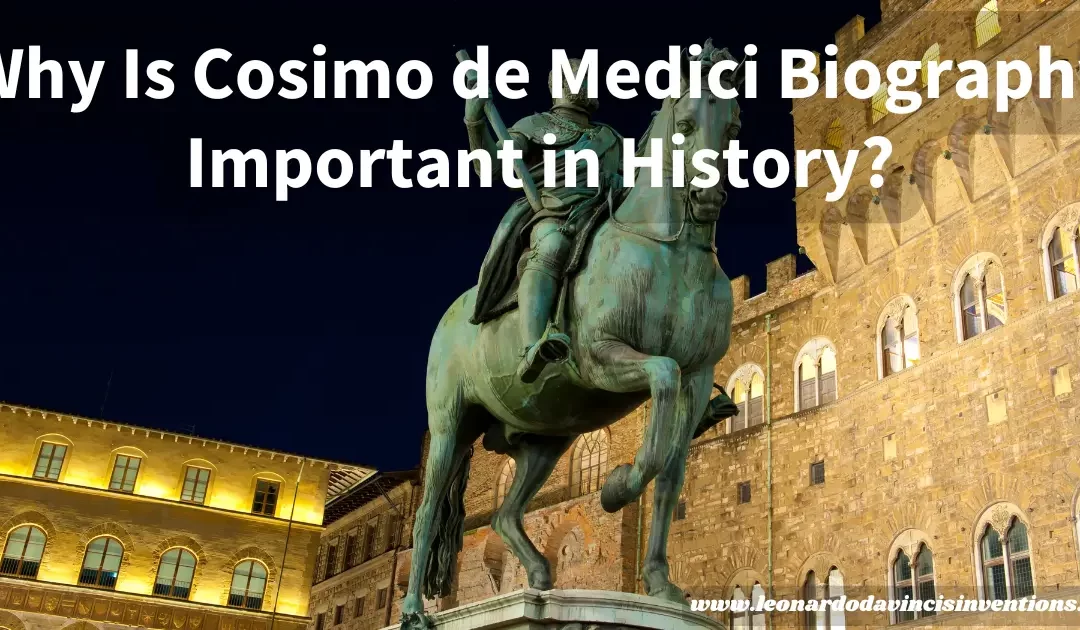
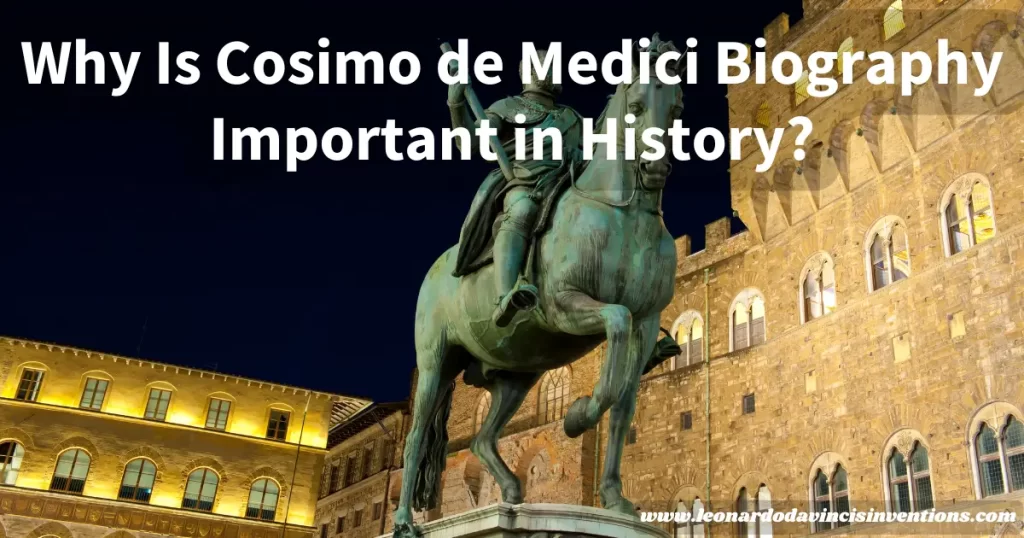
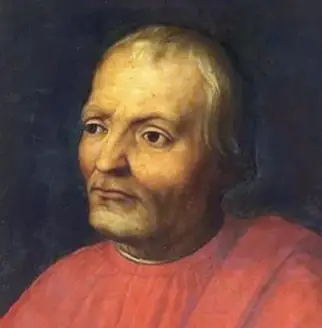
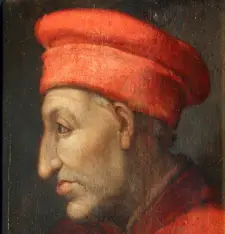
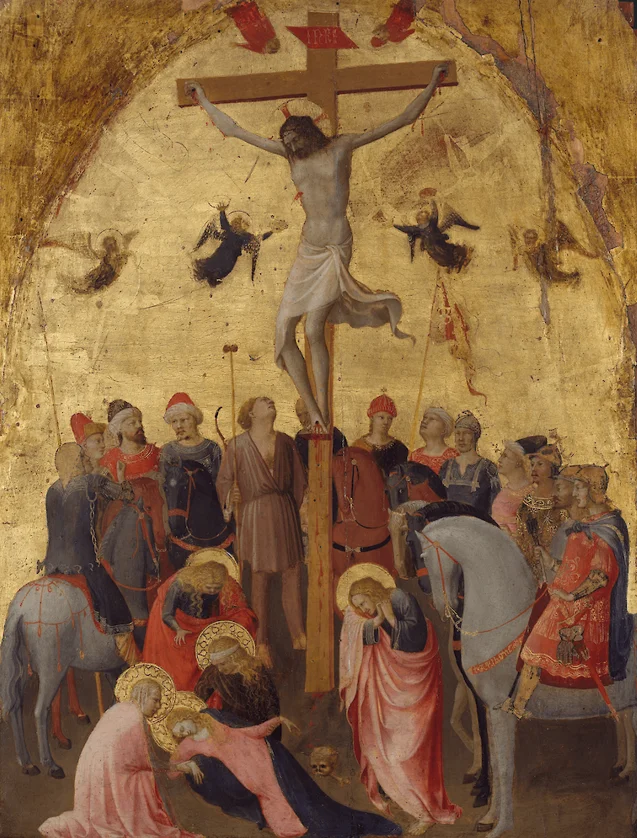
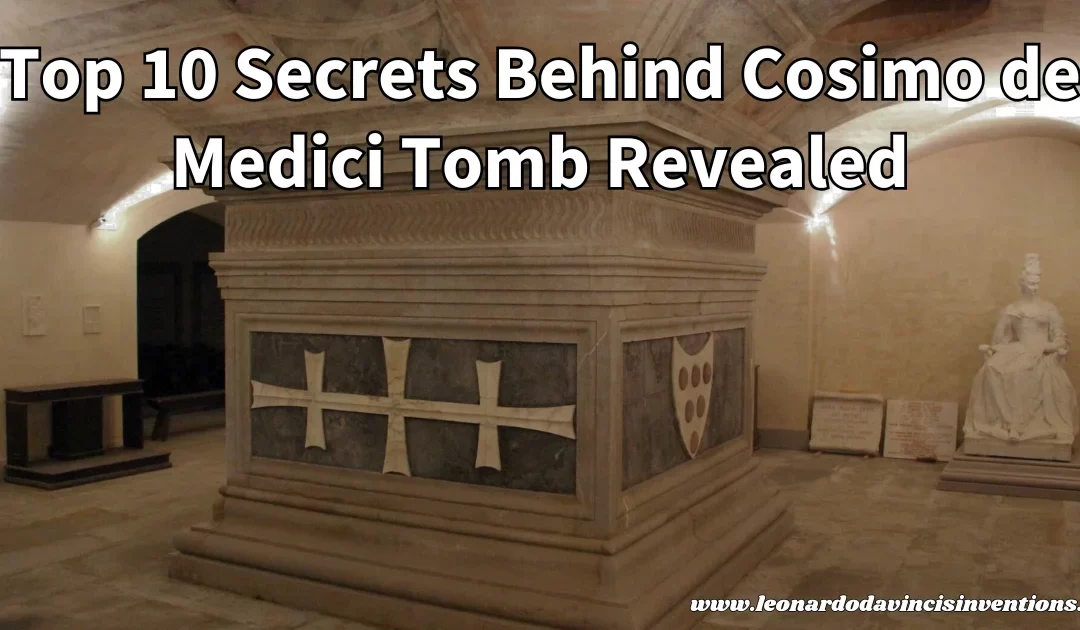
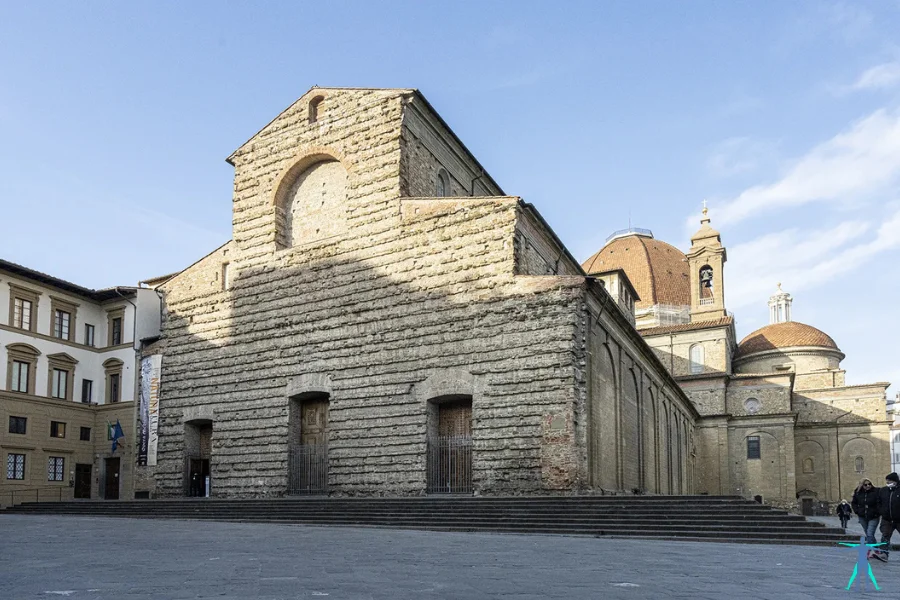
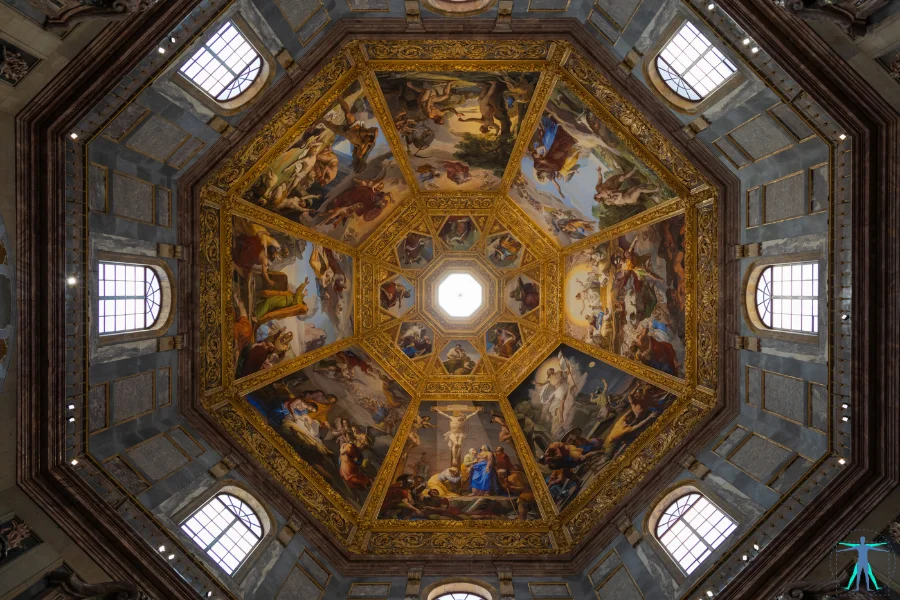
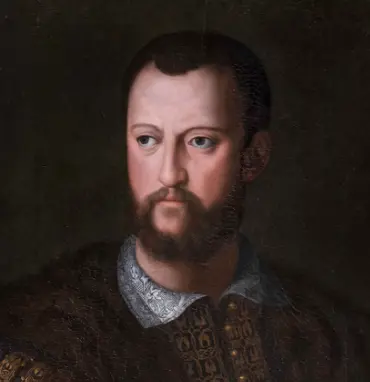
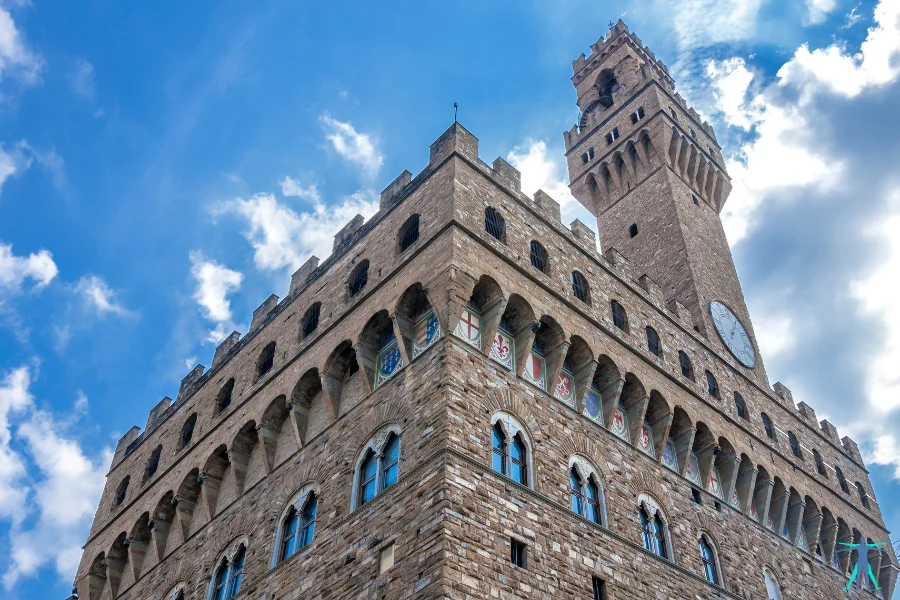
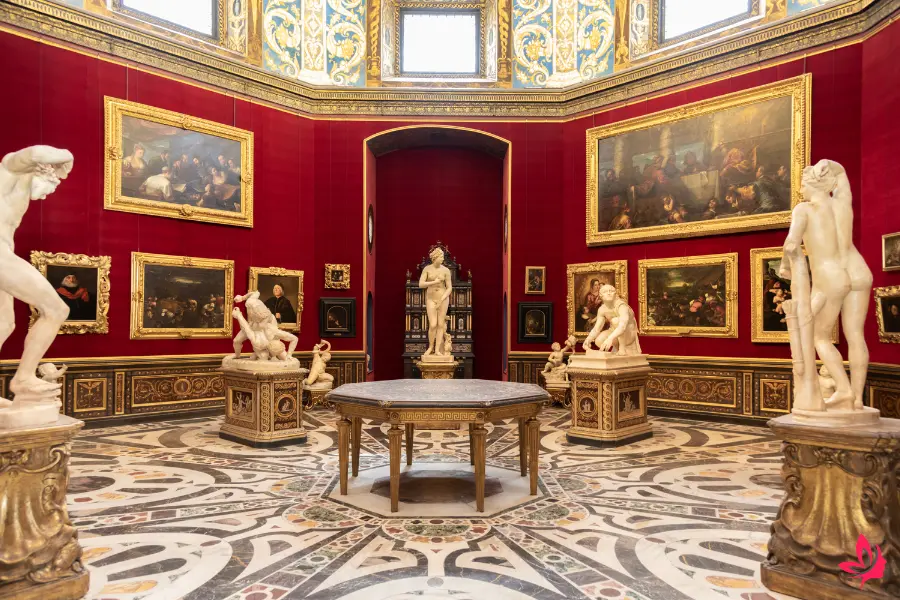

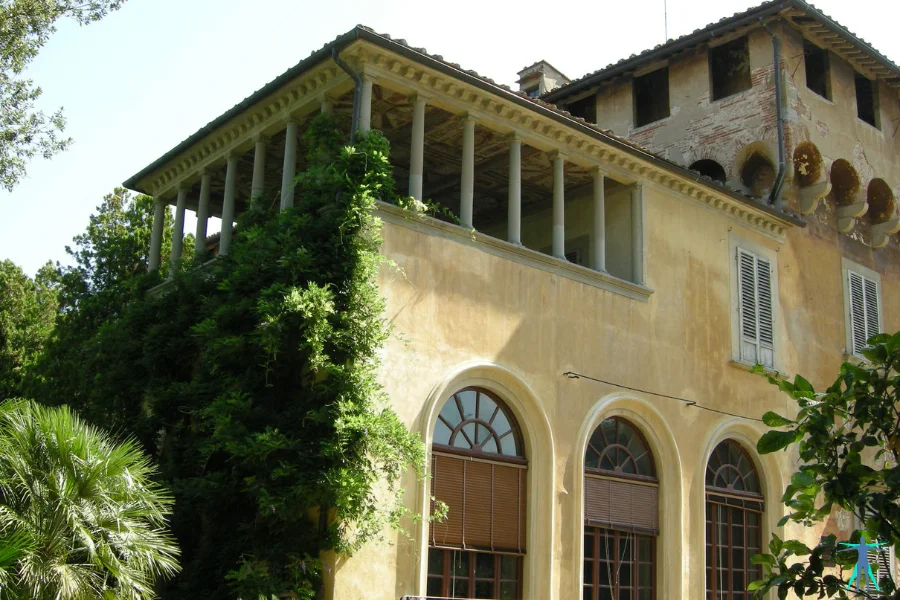
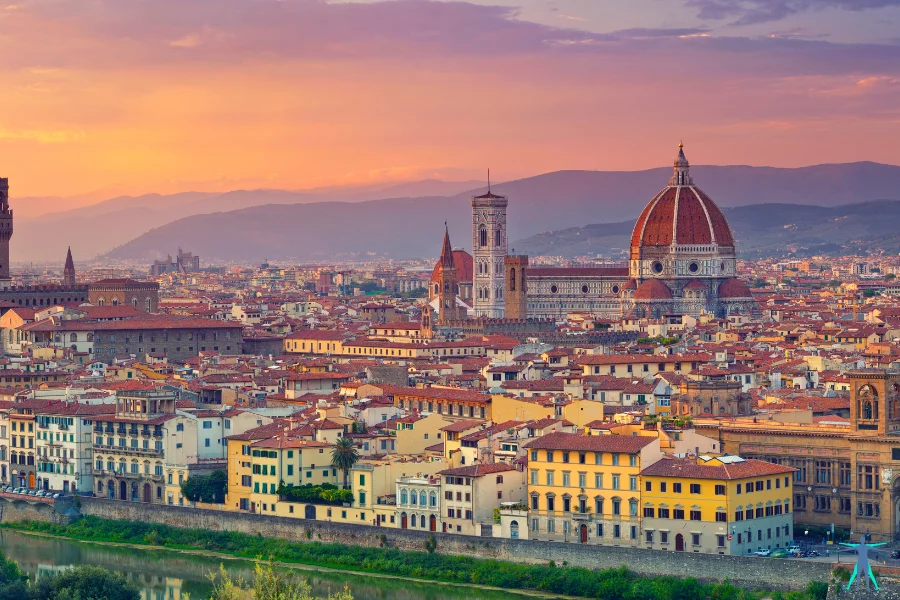
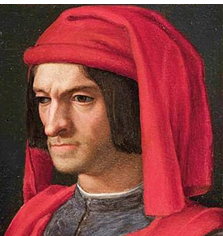
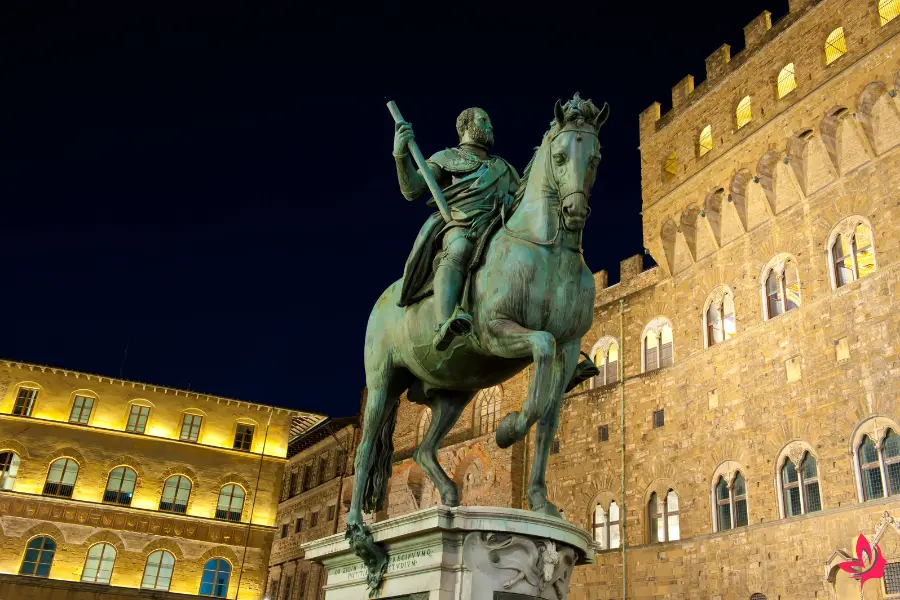
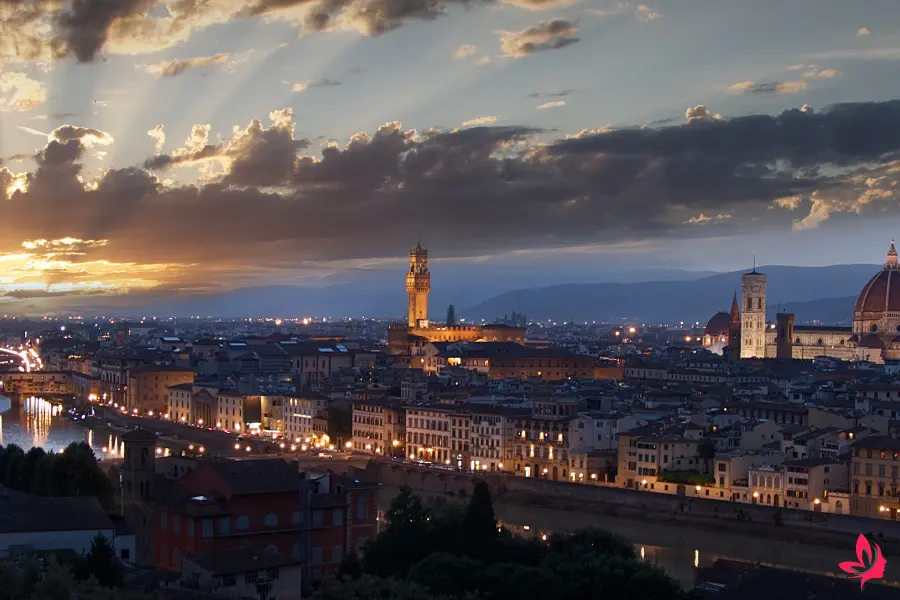
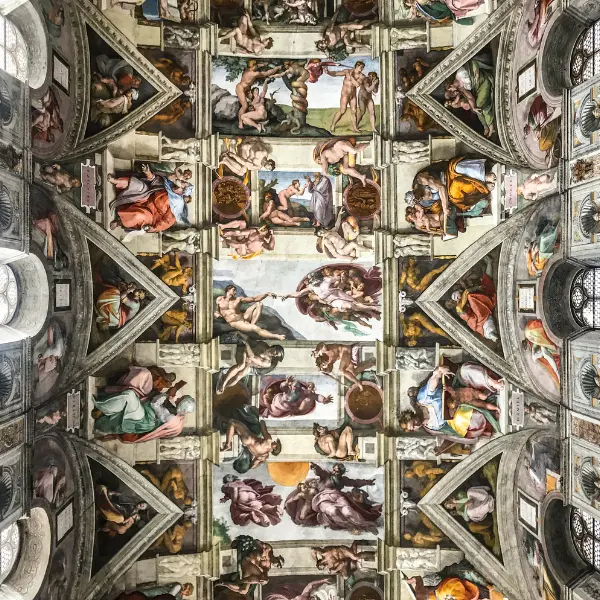
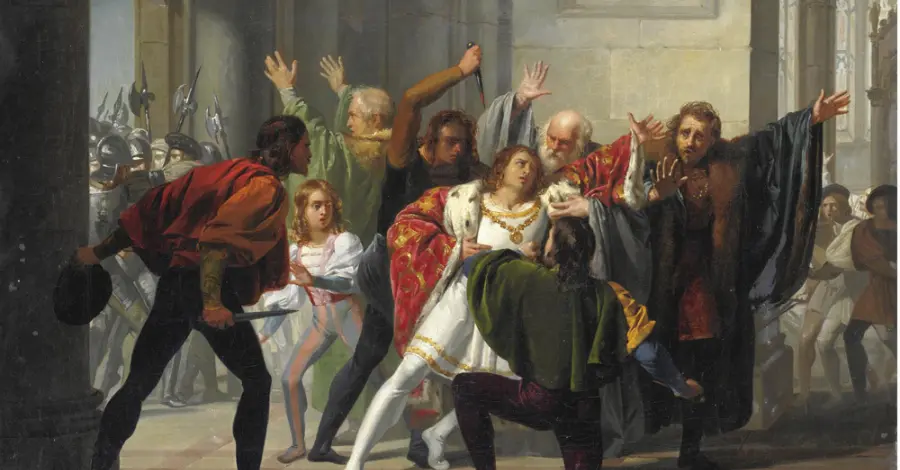
 Leonardo Bianchi is the founder of Leonardo da Vinci Inventions & Experiences, a cultural travel guide helping visitors explore Leonardo da Vinci’s art, inventions, and legacy across Italy and Paris.