
(Last updated: May 2026)
Want to know the best Leonardo da Vinci museum Milan has to offer that every visitor should experience? These are the must-see exhibits, hidden gems, and practical tips you need to know.
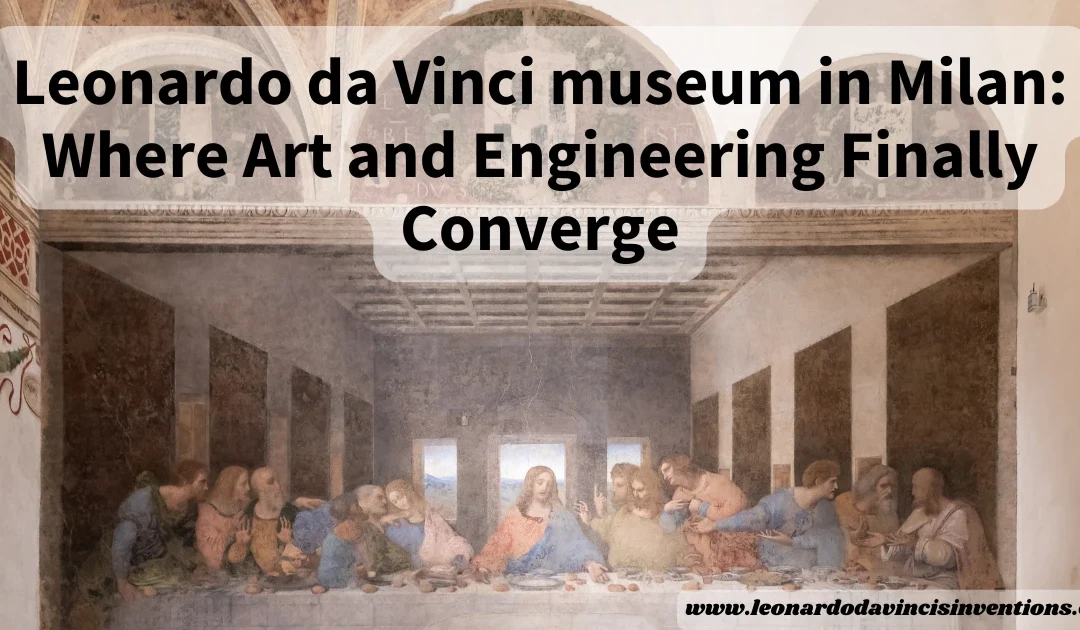
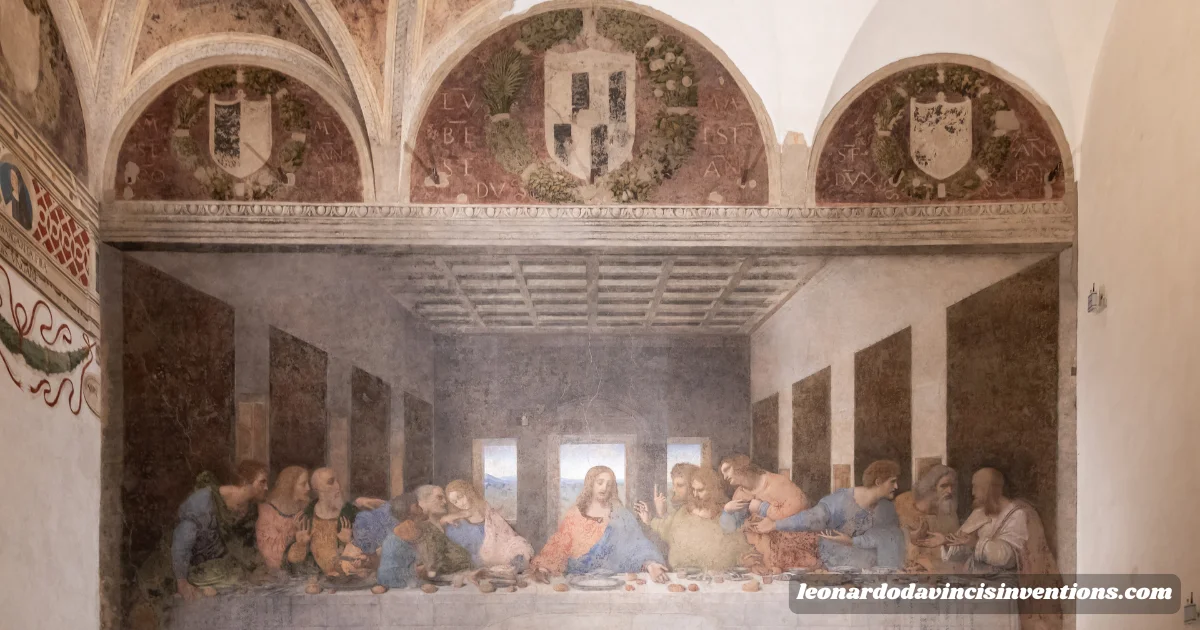
Milan wasn’t just a stop on Leonardo’s journey — it was where his ideas went from theoretical to real. The Museo Leonardo da Vinci and the wider Milan Leonardo museum scene stand as a testament to his years working under Duke Ludovico Sforza, where art, engineering, and urban planning collided. And beyond what any da Vinci museum in Milan has to offer, the city holds something truly unique: The Last Supper, still painted on the same wall where Leonardo worked over 500 years ago.
This post is all about the Leonardo da Vinci museum in Milan and the unmissable experiences that every visitor and history lover should consider.
What Milan Is Best For (Leonardo Perspective)
Milan excels at two things for Leonardo-focused travelers:
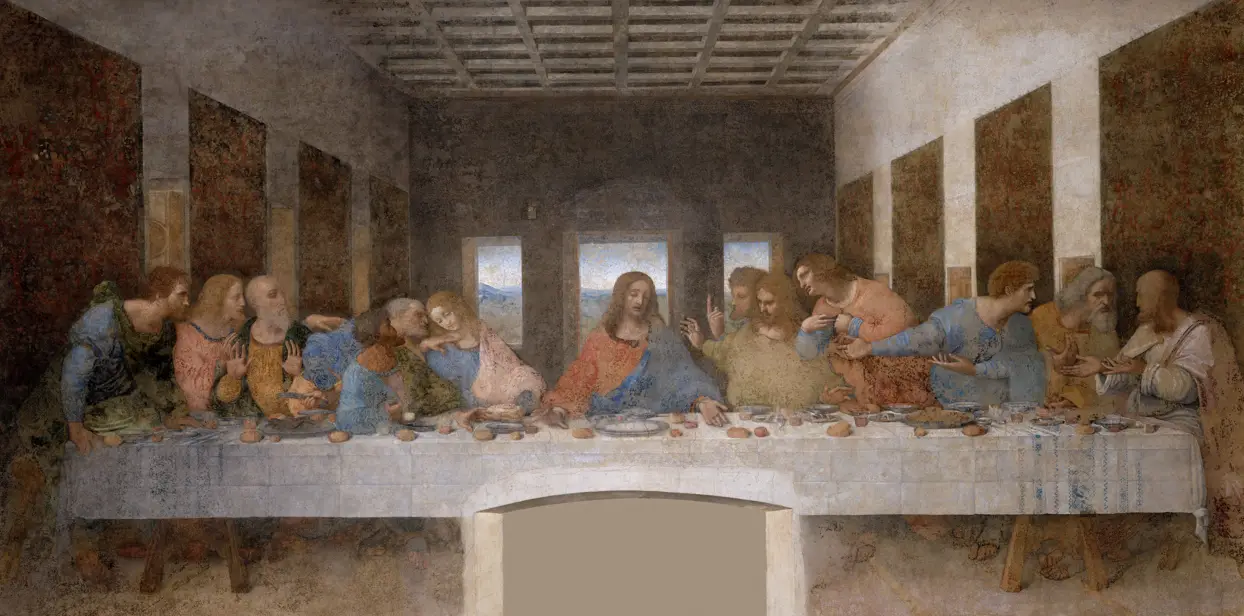
The Last Supper. This is non-negotiable. If you care about Leonardo’s art, you eventually have to come to Milan. The painting is here, and only here, in the Convent of Santa Maria delle Grazie. No reproduction or photograph captures what it feels like to stand in that room.
Leonardo’s mature career and applied engineering. Milan Leonardo museum locations and exhibits tell the story of his working years—not just what he painted, but what he designed, built, and tested. You’ll find material on his mechanical inventions, military projects, hydraulic studies, and urban planning ideas. This is Leonardo as a working engineer, not just a romantic genius.
Milan represents Leonardo at his most productive and practically engaged.
The Last Supper: Visiting Reality and What You Need to Know
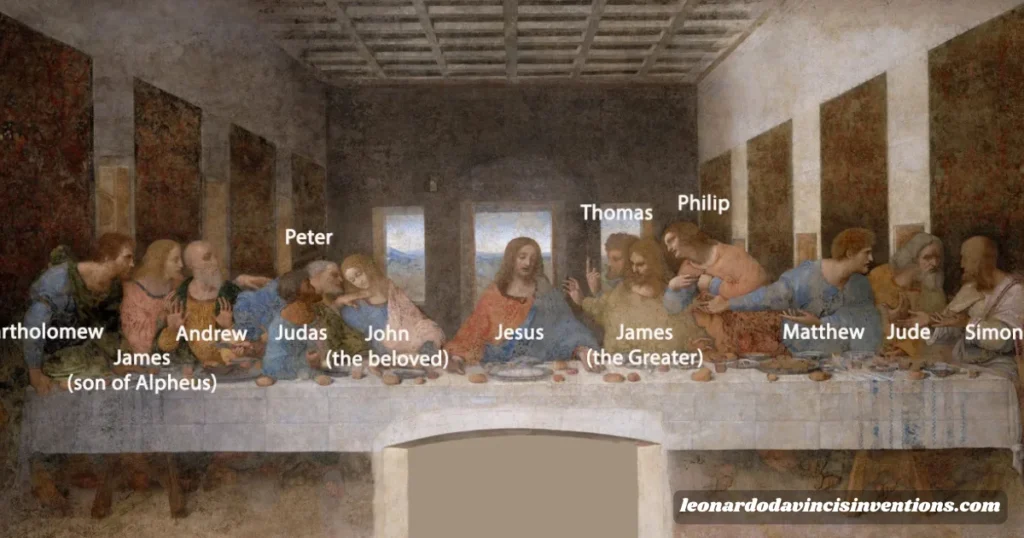
Let’s be direct: visiting The Last Supper is complicated. But it’s absolutely worth the effort.
Why The Last Supper Is Different
This isn’t a painting you can walk up to at any time. The mural’s current appearance is the result of extensive restoration campaigns, most notably the 21-year conservation project completed in 1999 by the Opificio delle Pietre Dure under the supervision of Italy’s Ministry of Cultural Heritage.
Here’s what that means in practice:
Visits are timed and limited. You’re allowed 15 minutes inside the room. Groups enter in controlled intervals. The number of daily visitors is capped.
Demand is extremely high. Tickets sell out weeks (sometimes months) in advance, especially during spring and summer. Last-minute availability is rare.
Booking independently requires planning. You need to check availability early and be flexible with your Milan dates if necessary.
This isn’t meant to discourage you. It’s meant to help you plan realistically.
The Booking Logic: What to Book First
If The Last Supper is a priority—and for most Leonardo travelers, it is—book it before you book anything else in Milan.
Not after you book your hotel. Not after you book your flights. Before.
Choose your Milan dates based on Last Supper availability, not the other way around. This single decision eliminates most of the stress people experience when visiting.
Your Ticket Options: Independent vs Guided
You have two main options for visiting The Last Supper. Neither is “better”—they serve different needs.
Option 1: Timed-entry tickets (book directly)
- Most affordable option
- Requires checking availability early and monitoring for openings
- No added context or explanation—just entry to the room
- Best if you’ve already researched the painting and prefer exploring on your own
Option 2: Guided entry with context
- Slightly more expensive
- Includes guaranteed entry plus explanation before and after your viewing
- Guides typically explain the composition, psychology, historical context, and technical challenges Leonardo faced
- Best if you want meaning and story without doing extensive research beforehand, or if independent tickets are already sold out
Both options give you the same 15 minutes inside the room. The difference is what happens before and after.
What the 15-Minute Visit Actually Feels Like
Fifteen minutes sounds short. And it is. But the experience is designed to be contemplative, not rushed.
You enter a quiet, climate-controlled room. The painting covers the far wall. You have space to look, absorb, move closer, step back. There’s no jostling for position like at the Mona Lisa. The room can hold about 25 people at a time.
What surprises most visitors:
- How much can you see in 15 minutes when the environment is calm
- How the composition reveals itself gradually as your eyes adjust
- How different it feels from seeing reproductions
The time limit isn’t arbitrary. It’s what makes the experience possible.
Understanding The Last Supper Beyond the Image
What makes The Last Supper extraordinary isn’t scale or color—both have been compromised by time and Leonardo’s experimental painting technique. What endures is composition, psychology, and the moment Leonardo chose to depict.
Guides and pre-visit research often explain:
Why the moment matters. Leonardo didn’t paint a serene dinner. He painted the instant after Jesus says, “One of you will betray me.” The painting captures reaction—disbelief, anger, confusion, denial. Each apostle responds differently.
How geometry directs attention. The perspective lines converge on Jesus’s head. The architecture frames him. The composition creates a visual focal point that mirrors the narrative focal point.
How emotion is structured visually. Leonardo grouped the apostles into clusters of three, each group forming its own mini-drama. The painting is psychologically layered.
This context transforms a 15-minute viewing into something that stays with you. If you’re choosing between ticket-only and guided entry, consider whether you want to do this research yourself or have it explained on-site.
Leonardo da Vinci Museum in Milan: Options Beyond The Last Supper
Milan offers more than a single artwork. If you’re interested in Leonardo’s inventions, engineering, and applied thinking, Milan offers strong material across multiple Leonardo museums.
Science and Technology Museums
The Museo Nazionale Scienza e Tecnologia Leonardo da Vinci features permanent galleries dedicated to Leonardo, with reconstructed machines, annotated drawings, and interactive explanations. You’ll see models of his flying devices, mechanical systems, hydraulic studies, and military designs.
This Museo Leonardo da Vinci helps connect Leonardo’s art to his engineering mindset. The same observational skills he used to paint faces, he applied to water flow, wing mechanics, and gear ratios.
The museum is accessible, family-friendly, and doesn’t require advance booking during most of the year. Plan 2–3 hours if you want to explore the Leonardo galleries thoroughly.
Leonardo-Themed Exhibitions
Milan regularly hosts temporary exhibitions focused on Leonardo’s work, ranging from multimedia presentations to traveling collections of drawings and codices. These change seasonally, so check current listings if you’re interested in going deeper than the permanent collections.
Some of the Da Vinci Museum Milan exhibitions focus specifically on his Milan years—his projects for Duke Sforza, his urban planning ideas, and the engineering challenges he tackled during this period.
Walking Milan’s Leonardo-Era Districts
Some walking tours focus on Leonardo’s Milan years—his studio locations, his projects for the Duke, and the city’s role in his career. These are less common than art-focused tours, but worth seeking out if you want spatial and historical context for your experience at the Milan Leonardo da Vinci museum.
Your Best Milan Itineraries: 1-Day and 2-Day Leonardo Focus
1-Day Milan Leonardo Plan
Best for: Travelers passing through Milan who want the essential Leonardo experience without adding extra days.
Morning or afternoon (depending on your Last Supper time slot): The Last Supper. Arrive 15 minutes early. Use the time before or after to explore the surrounding area of Santa Maria delle Grazie.
Remaining time: Visit the Museo Nazionale Scienza e Tecnologia Leonardo da Vinci or another Leonardo da Vinci museum in Milan. Spend 1–2 hours exploring mechanical models and invention displays.
Why this works: You see Leonardo’s most famous artwork and get a taste of his engineering mindset in a single day. The pacing is tight but manageable.
2-Day Milan Leonardo Plan
Best for: Travelers who want depth and time to absorb what they’re seeing.
Day 1 – The Last Supper and Context
- Morning or afternoon: The Last Supper (booked in advance)
- Before or after: Walk through the Santa Maria delle Grazie neighborhood
- Evening: Explore central Milan, settle into the city
Day 2 – Leonardo’s Engineering and Innovation
- Morning: Leonardo da Vinci museum Milano visit—Museo Nazionale Scienza e Tecnologia (2–3 hours)
- Afternoon: Additional Leonardo museum exhibit (if available) or broader Milan exploration
- Optional: Leonardo-focused walking tour covering his studio locations and Duke Sforza’s Milan
If You Want to Experience Milan in Context
Planning a Leonardo-focused day in Milan often means moving carefully between sites — from Santa Maria delle Grazie to the Duomo and onward through the historic center. Seen separately, each landmark tells part of the story. Viewed together, they reveal how Milan functioned during Leonardo’s years at court.
Experiencing these places within a single, connected narrative can make the city feel less like a checklist and more like a coherent chapter in his life.
Follow Leonardo Through Milan’s Historic Core
This private walking experience connects The Last Supper, the Duomo, and Sforza Castle into a single, guided narrative of Milan during Leonardo’s time. With pre-arranged access and a dedicated guide, it offers a more focused way to understand how the city shaped his later work.
How Milan Fits Into a Multi-City Leonardo Trip
Milan works best as:
Your art centerpiece. If Florence is your invention and context focus, Milan becomes your masterpiece focus. The Last Supper is the reason you add Milan to a Leonardo itinerary—everything else at the Leonardo da Vinci museum Milan locations supports or complements it.
The middle stop in a Florence → Milan → Paris route. This is one of the most common Leonardo travel patterns. Florence gives you the Renaissance context and inventions. Milan gives you The Last Supper and a mature career. Paris gives you the Mona Lisa and modern fame.
A standalone 1–2 day addition. Milan is well-connected by train to Florence (2 hours), Venice (2.5 hours), and other northern Italian cities. You can add Milan as a focused side trip without restructuring your entire itinerary.
Most Common Multi-City Combinations
Florence + Milan (3–4 days total): The strongest short route for Leonardo travelers. Inventions and context in Florence; The Last Supper and mature work in Milan.
Milan + Paris (4–5 days total): The two-masterpiece route. The Last Supper and the Mona Lisa, plus museum exhibits in both cities.
Florence + Milan + Paris (7+ days total): The full Leonardo circuit across invention, masterpiece, and legacy.
Milan anchors these itineraries because The Last Supper is irreplaceable. Everything else in a Leonardo trip is flexible—Milan is not.
Practical Tips for Milan Leonardo Travelers
Book The Last Supper first, before anything else. This cannot be emphasized enough. Availability determines your Milan dates, not the other way around.
Choose guided entry if it’s your first visit. The 15-minute time limit makes context especially valuable. Guides explain what to look for before you enter, which maximizes what you absorb during your brief viewing.
Balance art with invention-focused museums. If you’re spending two days in Milan, dedicate one to The Last Supper and one to a Leonardo da Vinci museum in Milan focused on engineering. The variety keeps the experience engaging.
Don’t rush. Milan’s Leonardo experience is intentionally slow and contemplative. Resist the urge to pack too much into one day. The Last Supper deserves space around it—time to arrive calm, time to absorb, time to reflect afterward.
Morning visits are often quieter. If you have flexibility in choosing your Last Supper time slot, early-morning entries tend to feel less hurried than late-afternoon ones.
Final Thought
This post was all about the Leonardo da Vinci museum in Milan — and why it deserves a top spot on every traveler’s and history lover’s itinerary.
FAQs about Leonardo da Vinci museum in Milan
Most visitors spend about 2–4 hours exploring the Museo Nazionale Scienza e Tecnologia Leonardo da Vinci, with some choosing a shorter 1.5–2.5 hour visit for highlights or up to 4+ hours for interactive exhibits and workshops.
Leonardo’s famous mural, The Last Supper, is displayed on the refectory wall of Santa Maria delle Grazie church in Milan, where visitors can view the masterpiece for 15 minutes on a timed basis.
In Milan, you can visit Leonardo-related sites, including The Last Supper at Santa Maria delle Grazie, the Museo Nazionale Scienza e Tecnologia Leonardo da Vinci, which features models of his inventions, and the interactive Leonardo3 Museum, devoted entirely to his work and machines.
The Museo Nazionale Scienza e Tecnologia Leonardo da Vinci is located at Via San Vittore 21 in Milan, inside a historic former monastery, and is Italy’s largest science and technology museum.
Yes — Sforza Castle (Castello Sforzesco) is widely considered worth visiting for its historic fortress setting, multiple affordable museums and art collections (including Renaissance works), and its pleasant park surroundings.
Other notable museums connected to Leonardo’s legacy include the interactive Leonardo3 Museum in Piazza della Scala and the nearby Pinacoteca Ambrosiana, which houses works and manuscripts by Renaissance masters, including da Vinci.
Related Post You May Like

Disclosure: This page may contain affiliate links. If you choose an experience through them, it helps support the site at no extra cost to you.
 Leonardo Bianchi is the founder of Leonardo da Vinci Inventions & Experiences, a travel and research guide exploring where to experience Leonardo’s art, engineering, and legacy across Italy and Paris.