Leonardo da Vinci artworks represent some of the most extraordinary achievements in the entire history of human creativity. Painted across five decades of restless genius, they still astonish us today — not just for their beauty, but for the questions they raise about nature, science, and what it means to be human.
Leonardo was more than a painter. He was an engineer, anatomist, botanist, and philosopher. His paintings carry the weight of all that curiosity. Every brushstroke reflects a mind that refused to separate art from science, or imagination from observation.
For historians and travelers, his works offer a unique window into the Renaissance — a period when Florence and Milan became the creative capitals of the Western world. Understanding these paintings enriches every visit to the great museums and cities where they now live.
This guide explores the world of Leonardo da Vinci artworks — their history, techniques, locations, and enduring legacy.
What Are Leonardo da Vinci Artworks?
Leonardo da Vinci artworks comprise paintings, drawings, and unfinished works produced by the Italian Renaissance master between approximately 1472 and 1517. Fewer than twenty paintings are reliably attributed to him today. Each one reflects his extraordinary blend of artistic skill, scientific observation, and philosophical depth. The Mona Lisa and The Last Supper are the most recognized examples.
Leonardo da Vinci Paintings in Historical Context
To understand Leonardo’s paintings, you need to understand the world he lived in. He was born in 1452 in Vinci, a small Tuscan hill town near Florence. He grew up during one of the most intellectually explosive eras in European history.
The Italian Renaissance was a cultural revolution. Scholars, artists, and thinkers were rediscovering the works of ancient Greece and Rome. Wealthy patrons — like the Medici family in Florence — were funding art, architecture, and philosophy on a grand scale.
Leonardo entered this world as an apprentice to Andrea del Verrocchio, one of Florence’s leading artists. He quickly surpassed his teacher.
Early Florence and the Apprentice Years
Leonardo’s earliest known works date from his time in Verrocchio’s workshop in the 1470s. The Baptism of Christ, largely painted by Verrocchio, contains one of Leonardo’s first contributions: the angel on the left. Even at that early stage, his figure had a softness and depth that set it apart from the rest of the painting.
Works like The Annunciation and Ginevra de’ Benci also date from this period. They already show his fascination with light falling on fabric, on skin, and on the subtle expressions of the human face.
The Milan Years and New Ambitions
In 1482, Leonardo moved to Milan and entered the service of Ludovico Sforza, the powerful Duke of Milan. This period produced some of his greatest works.
It was in Milan that he painted Lady with an Ermine — a portrait of Cecilia Gallerani, the Duke’s young mistress — and began work on The Last Supper, the monumental mural that still covers the refectory wall of Santa Maria delle Grazie.
Milan gave Leonardo stability, access to resources, and a platform for his most ambitious ideas. He also began filling his famous notebooks, connecting his artistic observations to studies in anatomy, geology, and hydraulics.
The Final Florentine Period and the Mona Lisa
Leonardo returned to Florence in 1500. It was almost certainly during this second Florentine period that he began the Mona Lisa, the painting that would eventually become the most recognized artwork in the world.
He also began The Adoration of the Magi — though he never finished it — and continued developing his ideas about composition, movement, and the depiction of emotion.
His unfinished works are as fascinating as his completed ones. They reveal his working process: the way he built up layers of underdrawing before applying paint, and how he constantly revised and refined.
Leonardo da Vinci Painting Style and the Sfumato Technique
Mona Lisa
What makes da Vinci artwork instantly recognizable? Part of the answer lies in a technique he developed and perfected over his lifetime: sfumato.
What Is Sfumato?
Sfumato comes from the Italian word for smoke. It refers to Leonardo’s method of blending colors and tones so gradually that there are no sharp edges — forms seem to emerge from shadow the way objects do in real life, or in haze.
Traditional Renaissance painting often used clear outlines to define forms. Leonardo abandoned this approach. He understood that the human eye never sees a perfectly sharp edge in nature. By blurring the transitions between light and shadow, he created a sense of depth and atmosphere that had never been achieved before.
The sfumato technique is most visible in the Mona Lisa — in the softness of her smile, the way her cheeks fade into shadow, and the hazy landscape behind her.
Chiaroscuro and the Mastery of Light
Alongside sfumato, Leonardo used chiaroscuro — the dramatic contrast of light and dark — to give his figures a three-dimensional presence. His figures seem to exist in real space rather than just on a flat surface.
This approach influenced virtually every painter who came after him, from Raphael to Rembrandt.
Composition and Psychological Depth
Leonardo’s compositions are never accidental. In The Last Supper, he arranged the twelve apostles into four groups of three, with Christ at the center — creating perfect symmetry while also capturing the psychological explosion of the moment when Jesus announces his betrayal.
He was also a master of expression. He spent years studying human anatomy specifically to understand how muscles create facial expressions. His figures don’t just stand there — they feel something, and viewers feel it too.
Exploring Leonardo’s painting style in depth reveals a lifetime of experimentation. Our detailed article on da Vinci’s painting style and sfumato technique explores these methods further, with comparisons across his major works.
Leonardo da Vinci’s Most Famous Paintings
The Last Supper
Fewer than twenty paintings are reliably attributed to Leonardo. Each one is a landmark. Together, they form one of the most important bodies of work in the history of art.
The Mona Lisa
The Mona Lisa is, quite simply, the most famous painting in the world. It hangs in the Louvre in Paris behind bulletproof glass, drawing millions of visitors every year.
Painted between approximately 1503 and 1519, it depicts a woman — almost certainly Lisa Gherardini, wife of a Florentese merchant — against a hazy, dreamlike landscape. The genius of the painting lies in its ambiguity: the famous smile that seems to shift depending on where you look, and the eyes that appear to follow you around the room.
Our dedicated article on the Mona Lisa explores its history, the mystery of its subject, and why it became an icon.
The Last Supper
The Last Supper is not a panel painting but a large mural covering the end wall of a dining hall in Milan. Leonardo painted it between 1495 and 1498 using an experimental technique — applying tempera and oil to a dry plaster wall rather than the traditional fresco method of painting on wet plaster.
That experiment was also a problem. The paint began to deteriorate within decades. What we see today is the result of centuries of damage, retouching, and restoration. Yet even in its imperfect state, it remains one of the most powerful images ever created.
Our article on The Last Supper covers its full history, including the recent restoration work and how to visit it today.
Other Essential Works
Beyond these two icons, Leonardo’s catalogue includes works of equal sophistication. Lady with an Ermine, painted around 1489, is a portrait of extraordinary intimacy — the subject gazes sideways as if interrupted mid-thought, and the ermine she holds seems almost alive.
The Virgin of the Rocks exists in two versions — one in the Louvre and one in the National Gallery in London — and demonstrates Leonardo’s mastery of geological landscape and divine light.
Salvator Mundi, sold at auction in 2017 for $450 million, depicts Christ as Savior of the World and remains one of the most debated attributions in art history.
Other significant works include Ginevra de’ Benci (National Gallery of Art, Washington D.C.), Saint John the Baptist (Louvre, Paris), The Adoration of the Magi (Uffizi, Florence), Madonna Litta, and the haunting, unfinished Saint Jerome in the Wilderness.
Each of these works has its own dedicated article exploring its history, attribution, and significance. Together, they form a complete picture of Leonardo da Vinci paintings in order of his artistic development.
Where to Experience Leonardo da Vinci Artworks
The Louvre Museum, Paris
One of the great pleasures of Leonardo’s legacy is that his works are spread across some of the world’s most compelling cities. Visiting them is not just an art pilgrimage — it is a journey through the heart of the Renaissance.
Florence: The Birthplace of Leonardo’s Art
Florence is where Leonardo began. The Uffizi Gallery holds some of his earliest surviving works, including The Annunciation, Ginevra de’ Benci (on loan from Washington), and the unfinished Adoration of the Magi — one of the most revealing works in his entire catalogue because it shows his underdrawing and compositional process in full.
Beyond the Uffizi, Florence itself is a living Leonardo museum. The streets, churches, and palaces he knew as a young man are largely intact. The town of Vinci, about an hour from Florence, houses the Museo Nazionale del Bargello’s collection of Leonardo-related material and the house where he was born.
Milan: Home of The Last Supper
Milan is essential for any serious Leonardo traveler. The Last Supper can be seen at Santa Maria delle Grazie — though visits must be booked months in advance, as only small groups are admitted at a time to protect the fragile mural.
The Pinacoteca Ambrosiana holds Portrait of a Musician, and the Castello Sforzesco contains drawings and artifacts from Leonardo’s years at the Sforza court. The Museo Nazionale della Scienza e della Tecnologia in Milan also holds reconstructed models of his engineering inventions.
Paris, London, and Washington D.C.
The Louvre in Paris holds the largest single collection of Leonardo paintings: the Mona Lisa, The Virgin of the Rocks, Saint John the Baptist, La Belle Ferronnière, and Saint Anne. A single morning in the Leonardo rooms of the Louvre is an extraordinary Leonardo exhibition in its own right.
The National Gallery in London holds the second version of The Virgin of the Rocks, as well as the recently restored Virgin of the Rocks, among the finest examples of his work in any public collection.
Ginevra de’ Benci is the only Leonardo painting on permanent display in the Americas, at the National Gallery of Art in Washington D.C.
How to Experience Leonardo’s World in Person
\Seeing a Leonardo da Vinci painting in a photograph is one thing. Standing in front of one is entirely another. The scale, the texture, and above all, the light — the way he made darkness and brightness coexist — cannot be replicated on a screen.
Planning a Leonardo Museum Visit
If you are planning a trip focused on Renaissance sites and Leonardo museums, some practical advice: book tickets for The Last Supper in Milan as far in advance as possible — popular slots sell out months in advance. The Louvre is best visited on a weekday morning to avoid crowds around the Mona Lisa, though even then, the room can still be busy.
Florence’s Uffizi Gallery requires advance booking during peak season (April through October). The city of Vinci itself is often overlooked, but a half-day visit to see the Museo Leonardiano and Leonardo’s birthplace in Anchiano is one of the most rewarding experiences for anyone deeply interested in his life.
Guided Tours and Cultural Experiences
Guided tours of Leonardo’s world — whether in Florence, Milan, or Paris — offer context that self-guided visits often miss. Expert guides can explain the technical details of sfumato, the political circumstances behind individual commissions, and the stories of the people Leonardo portrayed.
Many tour operators now offer specialist Renaissance art tours focused specifically on Leonardo, combining visits to multiple museums and historical sites across northern Italy. These itineraries often include access to lesser-known Leonardo drawings and manuscripts held in private or institutional collections.
Beyond the Paintings: Notebooks and Drawings
Leonardo’s paintings are only part of his legacy. His notebooks — thousands of pages of drawings, observations, and inventions, including the iconic Vitruvian Man — are held in collections across Europe, including the Biblioteca Ambrosiana in Milan, the Royal Collection at Windsor Castle, and the Institut de France in Paris.
Exhibitions drawing on these notebooks appear regularly in major cities. They offer a remarkable window into his thought process, showing how his scientific investigations and artistic work constantly informed one another. Checking museum websites for upcoming Leonardo exhibitions before you travel is well worth the effort.
Final Thoughts
This post is all about Leonardo da Vinci artworks — the paintings, the techniques, the history, and the enduring fascination they inspire. There is no other body of work quite like it in the history of art.
Leonardo painted very few pictures in his lifetime, yet each one seems inexhaustible. Scholars have spent centuries studying the Mona Lisa and The Last Supper, and new discoveries — new interpretations of the sfumato technique, new analyses of his underdrawings using infrared reflectography — continue to emerge.
What makes Leonardo da Vinci so endlessly fascinating is the scale of his ambition. He was not content to be a great painter. He wanted to understand everything — the movement of water, the structure of the human body, the mechanics of flight, the nature of light itself.
His paintings are where that ambition took its most concentrated and beautiful form. Visiting them, in the great museums and Renaissance cities where they have found their permanent homes, is one of the most rewarding experiences that cultural travel can offer.
FAQs about Leonardo da Vinci Artworks
What is Leonardo da Vinci’s most famous piece?
Leonardo da Vinci’s most famous piece is the Mona Lisa, widely regarded as the most famous painting in the world. Its mysterious expression, innovative techniques, and global recognition have made it an enduring cultural icon displayed at the Louvre in Paris.
What artworks did Leonardo da Vinci make?
Leonardo created a small but influential body of work, including paintings, drawings, and studies. His most notable artworks include the Mona Lisa, The Last Supper, the Vitruvian Man, the Lady with an Ermine, and the Virgin of the Rocks, as well as many scientific sketches in his notebooks.
Who bought the $450 million painting?
The painting Salvator Mundi, attributed to Leonardo da Vinci, was sold in 2017 for about $450 million to a buyer linked to Saudi Arabia, widely reported as acting on behalf of the Saudi crown prince. It remains the most expensive painting ever sold at auction.
What are the top 3 most famous paintings?
The three most famous paintings by Leonardo da Vinci are generally considered to be the Mona Lisa, The Last Supper, and The Virgin of the Rocks. These works represent his mastery of composition, technique, and psychological depth during the Renaissance.
Was Leonardo da Vinci LGBTQ?
There is no definitive proof of Leonardo da Vinci’s sexuality, but historical records show he was accused of sodomy in 1476, though the case was dismissed. Because he never married and left little personal evidence, historians continue to debate his private life.
What is Da Vinci’s most valuable painting?
Leonardo da Vinci’s most valuable painting is Salvator Mundi, which sold for approximately $450 million in 2017, setting the world record for the highest price ever paid for a painting at auction.
Leonardo’s drawing of the muscles of the neck, shoulder, and arm
(Last updated: April 2026)
Leonardo da Vinci anatomical drawings stand as a testament to his genius, marrying art and science in unprecedented ways.
These drawings showcase his artistic skill and deep interest in understanding the human body.
Leonardo’s work, created when scientific illustration was rare, provided detailed insights into human anatomy ahead of its time.
Leonardo’s work provides a perfect example for those curious about the intersection of art and science.
His anatomy studies began as part of his artistic endeavors but evolved into something more significant. His ability to dissect and accurately depict the human form was artistic and scientific.
Exploring Leonardo’s anatomical sketches transports one into his world. There, he dissected bodies, often at night, by candlelight, with a cloth covering his mouth and nose.
These drawings were part of his ambitious project to create an anatomical treatise, which was unfortunately lost for centuries. Nevertheless, they continue to make a significant contribution to art and science today.
Leonardo da Vinci: A Brief Biography
The Statue of Leonardo da Vinci, Piazza del Duomo, Milan
Leonardo da Vinci was born in Vinci, Italy, on April 15, 1452. As a polymath of the Renaissance, he excelled in multiple fields, including art, science, and engineering. His artistic masterpieces, including the “Mona Lisa” and “The Last Supper,” are celebrated worldwide.
He was not only skilled in painting but also created intricate anatomical drawings.
These sketches demonstrated a remarkable understanding of the human body. His observations made significant contributions to both art and science.
In his lifetime, Leonardo produced numerous anatomical sketches that displayed his keen eye for detail.
Leonardo’s interest in anatomy led him to dissect human bodies. He made extensive notes and drawings that revealed the structure of muscles, bones, and organs.
These insights are considered groundbreaking in the field of human anatomy even to this day.
Besides being an anatomist, Leonardo was also an inventor. His sketches of flying machines, war engines, and other devices highlight his inventive mind.
Although many of his inventions were never built, they paved the way for future innovations.
Leonardo’s talents extended far beyond anatomy and art. He was also a skilled musician, architect, and mathematician. His diverse abilities made him a true Renaissance man.
Overview of da Vinci’s Anatomical Studies
Leonardo’s drawing of the skull sectioned
Leonardo da Vinci’s anatomical studies combined art and science, advancing our understanding of the human body. His work included detailed anatomical drawings and observations, showcasing the potential of art to convey complex scientific concepts.
Historical Context
During the Renaissance, the focus on humanism and the pursuit of knowledge fostered a new interest in understanding the human body.
Leonardo da Vinci thrived in this vibrant intellectual environment, influenced by contemporaries such as Leon Battista Alberti. Alberti encouraged artists to depict human figures based on anatomical knowledge.
Da Vinci started his anatomical studies in the late 15th century, during his time in Milan. A blend of traditional beliefs and direct observations from dissections influenced these studies.
His methodical approach and detailed illustrations set his work apart from previous studies.
The anatomy drawings da Vinci created remained superior in both accuracy and artistic expression, illustrating muscles, bones, and organs in ways never seen before.
His collaboration with doctors and access to dissection resources significantly contributed to his understanding and the detailed sketches he created.
Major Contributions to Anatomy
Leonardo da Vinci anatomical drawings, particularly his studies of the human skeleton, muscles, and organs, marked a significant advancement in the field.
He produced pioneering studies of the human brain, heart, and prenatal development.
His work revealed groundbreaking insights, such as the accurate depiction of the heart’s ventricles and the aortic valve’s function, years before they were officially recognized.
Many of his discoveries were meticulously documented in drawings and notes, intended for a comprehensive anatomy book that was never published during his lifetime.
The Renaissance master’s blending of precise artistic techniques with anatomical research, exemplified in Leonardo’s “Study of Anatomy,” helped lay the foundation for modern anatomy.
Techniques and Materials Used
Leonardo’s drawing of the skeleton
Leonardo da Vinci anatomical drawings are renowned for their precision and detail. Leonardo set new standards in the study of human anatomy by combining artistic skill with scientific inquiry.
His choice of methods and materials was crucial in these groundbreaking works.
Drawing and Dissection Methods
Leonardo systematically blended artistic techniques with scientific methods. He often conducted dissections to gain firsthand insight into human anatomy.
This hands-on approach enabled him to create realistic anatomical sketches based on observation.
By carefully examining muscles, bones, and organs, Leonardo depicted the human body with unparalleled accuracy, a level of detail that some studies describe as akin to viewing an anatomy textbook.
His meticulous dissection practices and keen observational skills informed these works, ensuring that his drawings were both scientifically valuable and artistically compelling.
Paper and Ink Selection
Leonardo’s choice of materials was key in producing his detailed drawings.
He often used high-quality paper that could withstand the fine lines and shading of his work.
Ink, crafted from natural substances, provided the rich contrasts he needed for his chiaroscuro technique. This method, which involved the interplay of light and dark, added depth and realism to his anatomical sketches.
Many of his drawings, such as his studies on the human spine, remain influential, highlighting the importance of material selection in the longevity and impact of his art.
The strategic use of materials significantly contributed to the enduring brilliance of da Vinci’s anatomical studies.
The Vitruvian Man: Combining Art and Anatomy
Leonardo’s drawing of the Vitruvian Man
The Vitruvian Man by Leonardo da Vinci is a remarkable fusion of art and science. This iconic drawing features a nude male figure in two superimposed positions. The figure is perfectly inscribed in a circle and a square, highlighting proportions inspired by the ancient Roman architect Vitruvius.
Leonardo, renowned for his profound anatomical drawings, utilized his talents to explore the human form in great depth.
His studies in anatomy, reflected in the Vitruvian Man, demonstrate the intersection of geometry and human structure.
These observations emphasize how the human body reflects the order of the universe.
Da Vinci’s meticulous approach to anatomical sketches illustrates his dedication to understanding the body’s intricacies.
By dissecting and observing human bodies, he developed insights far ahead of his time. His work bridged the gap between artistic representation and scientific examination.
The Vitruvian Man is more than just a drawing; it is a visual embodiment of Renaissance humanism.
This perspective appreciates humans as the center of the universe while celebrating their connection with the world.
Da Vinci’s drawing incorporates principles from art and science, representing his belief in the harmony between nature and man.
In addition to its artistic prowess, the piece symbolizes Leonardo da Vinci’s role as an anatomist.
His pursuit of knowledge through Leonardo da Vinci anatomy drawings set a precedent for future studies. By merging artistic skill with scientific inquiry, he brought the world a new understanding of both disciplines.
Human Anatomy
Leonardo da Vinci anatomical drawings provided valuable insights into the human body, focusing on its intricate structures and functions. These drawings highlight key areas, including the skeleton, musculature, and internal organs.
Skeleton
Leonardo’s drawing of the skull sectioned
The skeleton is depicted with remarkable accuracy in da Vinci’s anatomical sketches.
He illustrated the position and connections of each bone within the human body.
His study of the skeletal system showed an understanding of its supportive structure, which underlies all bodily movements.
Joint mechanics, including how bones like the femur and humerus work together to provide motion, were given detailed attention.
Musculature
Leonardo’s drawing of the superficial anatomy of the shoulder and neck
Leonardo da Vinci’s anatomy studies also displayed a profound examination of musculature.
He meticulously recorded the layers of muscles, highlighting their placement and function.
His drawings often depict muscles in action, revealing the complex interplay that enables varied movements.
Through this work, musculature was shown not just as static elements but as dynamic parts essential for the human body’s performance.
Internal Organs and Heart Muscle
Leonardo’s drawing of the heart with blood vessels
Da Vinci’s exploration of internal organs was groundbreaking.
His studies included the positioning and function of organs within the body cavity.
The heart was a particular focus, as his drawings showcased its chambers and movement.
His work helped pave the way for the modern understanding of cardiovascular function, visually capturing the principles of heart muscle function and circulation.
Blood Vessels
Leonardo’s drawing of blood vessels in the neck and upper shoulder
The depiction of blood vessels in da Vinci’s work provided insights into their pathways and connections.
He drew detailed maps of the circulatory system, noting how vessels supply blood across the body.
These anatomical drawings illustrate the relationships between major arteries and veins, highlighting the complexity of the circulatory network.
Nervous System
Leonardo’s drawing of the brain
Leonardo’s study of the nervous system addressed the intricacies of neural pathways and brain structure.
His anatomical sketches depicted the distribution of nerves and their role in coordinating body functions.
Although his knowledge was limited by the scientific understanding of his time, his work showed a keen interest in the relationship between the brain and the body.
Sexual Organs and Reproduction
Leonardo’s drawing of a fetus in the womb
Da Vinci’s investigations into sexual organs and reproduction demonstrated a systematic approach to understanding human reproduction.
His illustrations covered male and female reproductive anatomy, documenting their structures in detail.
In these studies, da Vinci aimed to convey the biological processes of reproduction, although his interpretations were influenced by the cultural and medical limitations of his era.
Animal Anatomy and Comparative Anatomy
Leonardo’s drawing of the anatomy of a bear’s paw
Leonardo da Vinci’s anatomical drawings showcased human anatomy and explored the forms of animals. For example, his studies of bears and horses demonstrate his profound curiosity about the similarities and differences between species. These works reveal his commitment to understanding the essence of life in all its forms.
Da Vinci meticulously observed the anatomical differences between animals and humans. He noted shared features, such as muscles and skeletal structures, which he captured through detailed anatomical sketches. His ability to highlight these parallels underscores his expertise in both art and science.
Leonardo’s drawings of the human foot (left) and the bear paw (Right)
Leonardo often focused on specific parts in these sketches, such as the limbs and joints. This focus helped him illustrate how the movement and strength of animals were similar yet distinct from those of humans. By comparing these aspects, da Vinci contributed valuable insights to comparative anatomy.
Leonardo da Vinci’s art techniques made complex details accessible. Bold lines, shading, and careful observation are evident in his work, giving his drawings depth and realism. These techniques helped convey his findings in a visual, informative, and aesthetically pleasing form.
His studies in animal anatomy influenced many fields, including medicine and biology. Today, his anatomical drawings remain valuable resources for those studying the links between human and animal physiology. His work inspires artists and scientists, bridging the gap between art and science.
Da Vinci’s Influence on Modern Medicine
Leonardo’s drawing of the muscles of the arm, the veins of the arm, and the trunk
Leonardo da Vinci’s anatomical drawings had a profound impact on modern medicine. By pioneering new approaches to understanding the human body, da Vinci laid the groundwork for advancements in surgical techniques and medical education.
Surgical Techniques
Da Vinci’s anatomical sketches significantly transformed surgical practices. His detailed studies of the human form, encompassing bones, muscles, and organs, provided a more precise and accurate understanding of human anatomy.
His medical drawings showed how organs functioned and how they fit into the body, offering insights critical to more effective surgical techniques.
Surgeons began employing more precise and informed methods, improving surgical outcomes. His work with dissecting cadavers revealed crucial insights into how surgeries could be performed more safely and efficiently.
This contributed significantly to the evolution of surgical instruments and techniques, many of which are still influenced by his findings today.
Educational Legacy
Leonardo da Vinci anatomical drawings are also vital to medical education. His illustrations were renowned for their clarity and detail, making them teaching tools for centuries. In his collaboration with Marcantonio della Torre at the University of Pavia, he created comprehensive anatomical sketches of the human body.
These drawings served as educational material, guiding medical students and practitioners in accurately identifying and understanding different bodily structures. Da Vinci’s ability to blend art with science allowed his anatomy manuals to convey complex information effectively.
His educational impacts resonate in medical schools today, where visual aids remain crucial for training future medical professionals.
Challenges and Controversies
Leonardo da Vinci’s anatomical drawings demonstrate his keen interest in understanding the human body. He faced many obstacles and criticisms.
Key issues included the Church’s resistance to dissections and questions about the accuracy of some of his sketches.
Church Opposition
The Church had a profound influence on societal norms during Leonardo da Vinci’s time. Due to religious beliefs, the Church frequently opposed dissections of human bodies. To avoid controversy, Leonardo conducted many of his studies in secret.
Despite this risk, his detailed anatomical sketches laid the groundwork for future scientific advancements. His courage helped advance scientific thinking, but his work was constrained by the religious restrictions of his era.
Anatomical Inaccuracies
Although Leonardo’s drawings were groundbreaking, they contained some inaccuracies. This was partly due to the limited scientific knowledge of the time and restricted access to bodies for dissection.
Some of his drawings contained errors in organ placement or proportions. Despite these inaccuracies, his attempts to detail human anatomy were revolutionary. He prioritized understanding the human form with a precision that surpassed many of his contemporaries.
Preservation and Digitization of the Drawings
Leonardo’s drawing of the rearing horse
Leonardo da Vinci’s anatomical drawings have fascinated scholars and artists for centuries. His intricate sketches of the human body testify to his keen observations and artistic mastery. Preserving these masterpieces ensures they remain accessible to future generations.
Museums and galleries worldwide have taken steps to securely store and display Leonardo da Vinci’s anatomical drawings.
These institutions often use climate-controlled environments to maintain the integrity of the delicate paper and ink. Regular inspections ensure that any signs of deterioration are promptly addressed.
Digitization is crucial in preserving Leonardo da Vinci’s work. He converted his anatomical drawings into digital formats by scanning them at high resolution.
This protects the original pieces and allows people worldwide to explore his genius without needing to view them in person.
Interactive platforms make the experience even more prosperous. Online collections, such as the Royal Collection Trust, offer detailed annotations and zoom features, enabling users to appreciate every stroke and detail of Leonardo da Vinci’s anatomical sketches.
These efforts continue Leonardo da Vinci’s legacy as a pioneering anatomist. By combining traditional conservation techniques with modern digital tools, a comprehensive approach is provided to preserve and share his invaluable medical drawings with a global audience.
Display and Exhibition of the Anatomical Works
Leonardo da Vinci anatomical drawings continue to fascinate the public. These sketches, which showcase his in-depth study of human anatomy, have been featured in numerous renowned exhibitions. The Queen’s Gallery hosted an exhibition of this kind, offering a rare opportunity to view these masterpieces.
Da Vinci’s studies involved meticulous dissection and careful observation. These pioneering sketches showcase his revolutionary approach, seamlessly blending art and science.
Today, the Royal Collection Trust holds many of these works and occasionally displays them publicly, captivating audiences with their historical and scientific significance.
The exhibitions often pair da Vinci’s work with modern imagery, such as MRI scans, illustrating how his techniques foreshadowed today’s medical imaging. Visitors can see original 16th-century bindings in some events, adding a touch of history to their experience.
Curators highlight the enduring impact of da Vinci’s innovative methods by displaying his drawings alongside contemporary anatomical images. These exhibitions enable people to appreciate the artistic and scientific value of his work.
Seeing Leonardo da Vinci’s anatomical sketches is a unique educational experience, as they bridge historical achievements and modern understanding, offering insights into the early study of human anatomy and the genius behind these illustrations.
Final Thoughts
Leonardo da Vinci anatomical drawings are a remarkable blend of art and science. His work has profoundly influenced both fields, as he meticulously studied the human body to improve his art. These drawings remain significant, showcasing his genius and passion for understanding the human form.
Leonardo examined and sketched human anatomy while working alongside scholars like Marcantonio della Torre at universities. His techniques were ahead of his time, reflecting his dedication to accuracy and detail. His illustrations captured the intricacies of muscles, bones, and organs.
Leonardo’s use of dissection enabled him to observe the human body in great detail. Despite the challenging conditions of his time, he created some of the most precise anatomical works of the Renaissance. His sketches, like his study of the human spine, are still used in medical schools as reference material.
His works demonstrate a profound understanding of how art and anatomy intersected during his era. Examining his studies gives insight into his dual role as an artist and a scientist. These anatomical drawings not only informed his paintings but also paved the way for future studies in anatomy.
FAQs about Leonardo da Vinci Anatomical Drawings
Did Leonardo da Vinci draw the human anatomy?
Yes, Leonardo da Vinci made extensive studies of human anatomy. He dissected human bodies and produced hundreds of detailed drawings of muscles, bones, organs, and the skeleton, combining artistic skill with scientific observation.
Are Da Vinci’s drawings anatomically correct?
Leonardo’s anatomical drawings are considered remarkably accurate for their time. Many closely match modern medical understanding, although some internal structures—such as parts of the reproductive system—contain errors due to limited access and knowledge.
Why did Leonardo da Vinci make anatomical drawings?
Leonardo created anatomical drawings to better understand the structure and function of the human body. Initially motivated by improving his art, his studies evolved into a scientific pursuit driven by curiosity about how the body works and its connection to nature.
What drawings did Leonardo da Vinci draw?
Leonardo produced a wide range of anatomical drawings, including studies of the skeleton, muscles, heart, brain, and internal organs, as well as a fetus in the womb. He also drew animals to compare their anatomy with humans.
What did Da Vinci say before he died?
There is no verified record of Leonardo da Vinci’s exact last words. A later account claims he regretted not fully using his talents, but historians consider this anecdote uncertain and unsupported by contemporary evidence.
What was Leonardo da Vinci diagnosed with?
Leonardo da Vinci was not formally diagnosed in modern medical terms, but historians believe he likely suffered a stroke later in life. This may have affected his ability to use his right hand in his final years.
The Vitruvian Man drawing is one of Leonardo da Vinci‘s most iconic works. It represents the perfect blend of art and science.
This masterpiece showcases the ideal human proportions, as inspired by the writings of the ancient Roman architect Vitruvius.
It stands as a symbol of the Renaissance‘s dedication to exploring humanity’s connection with the universe.
Exploring this drawing offers insights into Leonardo‘s harmonious vision of geometry, anatomy, and symmetry.
You can marvel at how the male figure fits perfectly within a circle and a square, representing the harmony between humans and nature. Leonardo’s work continues to fascinate people with its blend of meticulous observation and philosophical inquiry.
Those seeking to understand the drawing’s significance must be aware of how Vitruvius’ ideas on architecture and the human body influenced Leonardo’s exploration of these themes.
The Vitruvian Man is a fundamental study of the balance between art and anatomical science. It captures the essence of the Renaissance quest for knowledge and understanding.
Vitruvian Man Drawing: Historical Context
Leonardo da Vinci’s drawing of the Vitruvian Man is a remarkable blend of art and science. It captures human proportions with mathematical precision and artistic mastery.
Two key influences shaped this iconic artwork: da Vinci’s Renaissance environment and the teachings of the ancient Roman architect Vitruvius.
Leonardo da Vinci’s Era
Europe experienced a revival of art, science, and culture during the Renaissance. Leonardo da Vinci epitomized this era’s spirit of discovery.
He combined artistic skill with scientific inquiry, as seen in the Vitruvian Man drawing.
This period sparked a profound interest in human anatomy, which led Da Vinci to explore the human form with unmatched detail.
Influential thinkers and artists of his time shared knowledge, fostering interdisciplinary studies.
This cultural environment significantly impacted da Vinci’s approach to his work, which combined the visual arts with empirical study.
His innovative methods offered a new perspective on art and its connection to science.
Influence of Vitruvius
The Vitruvian Man by Vitruvius
An ancient Roman architect, Vitruvius outlined principles of architecture and proportion that inspired da Vinci. His writings emphasized harmony between human dimensions and architecture.
Da Vinci applied these concepts to human anatomy in his drawing, illustrating the ideal proportions of the human body.
This influence is evident in the geometric forms of the Vitruvian Man drawing, where the human figure aligns with a circle and a square.
This representation showcases Vitruvius’ belief in symmetry and brings a philosophical dimension to da Vinci’s creation.
The combination of Vitruvius’ ideas with Leonardo’s artistry highlights the drawing’s significance as a fusion of art and science.
Analysis of the Artwork
The Vitruvian Man by Leonardo da Vinci is a remarkable representation of the blend between art and science. This illustration employs geometric forms to connect the human body with the universe, revealing profound insights into Renaissance ideals.
Iconography
The iconography of the Vitruvian Man showcases da Vinci’s engagement with proportion and symmetry.
This drawing perfectly fuses the principles of ancient Roman architect Vitruvius withRenaissance ideals.
It features a male figure in two superimposed positions with arms and legs apart, inscribed in a circle and a square.
This Vitruvian Man artwork becomes a potent symbol of harmony in mathematics and the universe, capturing the humanist belief that humans mirror the larger cosmos.
He achieves balance and harmony within the drawing by using precise geometric shapes.
The two positions of the figure inside the circle and square create a dynamic visual design.
The meticulous placement of the limbs demonstrates da Vinci’s attention to detail and indicates his understanding of human anatomy and mathematical precision.
This piece’s composition makes it an enduring example of the intersection of science and art during the Renaissance era.
Proportions
The proportions in the Vitruvian Man drawing reflect da Vinci’s exploration of thehuman form‘s mathematical dimensions.
The figure’s outstretched limbs fit perfectly within the circle and square, representing ideal human proportions.
According to Britannica, the drawing underscores the notion that the body and these shapes have a precise geometric correspondence, symbolizing physical and cosmic harmony.
Scientific Significance
The Vitruvian Man by Leonardo da Vinci is more than an artwork; it represents the blend of art and science.
It reflects Leonardo da Vinci’s mastery of anatomy and his fascination with geometry and proportion.
Anatomical Accuracy
Da Vinci’s Vitruvian Man drawing showcases remarkable anatomical accuracy.
At a time when the human body was often misunderstood, this drawing highlighted a detailed understanding of human anatomy.
Leonardo studied cadavers, gaining insights into muscles, bones, and skin.
The Vitruvian Man demonstrates this scientific exploration, showing how the body’s parts fit together harmoniously.
His ability to combine art with detailed anatomical study set a new standard for realistic human representation, influencing artists beyond the Renaissance.
Geometry and Symmetry
Geometry plays a crucial role in the Vitruvian Man artwork.
Da Vinci aligned the figure within a square and a circle, representing geometric symmetry, which was central to Renaissance art.
Vitruvian Man geometry illustrates the connection between human proportions and architectural principles.
This combination highlights the belief that humans reflect the universe’s structure.
It emphasizes symmetry as an ideal in art and architecture.
By doing so, Leonardo illustrates the beauty and mathematical logic inherent in nature and design.
The Golden Ratio
The concept of the Golden Ratio is evident in the proportions of the Vitruvian Man.
This mathematical principle suggests a harmoniously pleasing ratio found in nature.
Leonardo’s portrayal aligns with the Golden Ratio, linking the human body to universal design principles.
The Vitruvian Man proportions illustrate how different body parts relate to one another numerically.
This drawing serves as a visual definition of mathematical beauty, merging art, mathematics, and nature.
Through this, Leonardo demonstrated how art and science are not separate but deeply interconnected disciplines.
Cultural Impact
Leonardo da Vinci’s drawing of the Vitruvian Man has left a lasting mark onRenaissance and modern cultures. This iconic artwork symbolizes the blend of art and science and has inspired various interpretations over the centuries.
Renaissance Influence
During the Renaissance, the Vitruvian Man artwork embodied the era’s fascination with human anatomy and proportions.
Artists and scholars admired how Da Vinci combined scientific accuracy with artistic expression.
The drawing’sgolden ratio and geometric patterns mirrored the Renaissance pursuit of perfection.
Many artists of the time were motivated by this work to explore similar themes.
Leonardo aimed to capture the harmony between the human body and the universe by depicting a man with perfect proportions.
Thus, the drawing symbolized the Renaissance’s focus on the ideal human.
Contemporary Interpretations
In modern times, the Vitruvian Man’s meaning has evolved beyond its initial artistic and scientific context.
Today, it represents concepts of balance and symmetry in various fields, including architecture and design.
Artists and creators continue to reinterpret this drawing, seeing it as a model of human potential and exploration.
In popular culture, the Vitruvian Man image is often used to illustrate the intersection of art, science, and philosophy.
Its iconic nature makes the drawing a recognizable reference in modern media, highlighting its timeless significance and enduring relevance.
Preservation and Conservation
The Vitruvian Man drawing requires careful handling to ensure its longevity. Due to its delicate nature, experts store it in a controlled environment.
Controlled light and temperature levels help prevent damage to its fragile ink and paper.
To protect this iconic work of art, the Vitruvian Man, it is rarely displayed in public. When shown, it is generally under strict supervision, using protective barriers to minimize exposure. Preventing any direct contact is crucial for most cultural institutions.
Storage Guidelines:
Temperature: 18-22°C
Humidity: 40-50%
Lighting: Low UV-emitting sources
These measures are crucial for preserving the quality and longevity of Leonardo da Vinci’s Vitruvian Man. The balance between public display and conservation is always a challenge for curators.
Reproductions and digital formats allow people to appreciate the Vitruvian Man image without risking the original. This approach supports education and preservation, ensuring the drawing remains part of cultural discussions about the Vitruvian Man proportions.
Institutions focus on educational efforts to explain what the Vitruvian Man means and its importance in artand science. Public access doesn’t have to come at the expense of the drawing’s integrity, ensuring that future generations can learn from this masterful work.
Exhibition History
Gallerie dell’Accademia in Venice, Italy
Leonardo da Vinci’s Vitruvian Man drawing is a masterpiece often cited for its depiction of ideal human proportions. Though the artwork is renowned, its exhibition history has been selective due to its delicate nature.
Notable Displays
One of the most significant exhibitions of the Vitruvian Man was held at the Louvre in 2019, marking the 500th anniversary of Leonardo da Vinci’s death.
Although typically kept out of public view due to its fragile condition, the Gallerie dell’Accademia in Venice lent the drawing. Previously, the Vitruvian Man had been displayed infrequently, underscoring its status as a rare yet treasured work in art history. Each exhibition offers a unique opportunity forart enthusiaststo appreciate the intricacies of da Vinci’s work.
Public Accessibility
The Vitruvian Man is generally kept out of public view to ensure its preservation. It is part of the collection at the Gallerie dell’Accademia in Venice, where it is carefully protected.
Because of its condition, the artwork is not included in regular exhibitions. Art lovers and scholars often rely on reproductions and analyses to study its proportions and meanings.
On rare display, it attractssignificant public attention, demonstrating its enduring fascination and importance in understanding Renaissance art and human anatomy.
Where Leonardo’s Renaissance Vision Can Be Experienced
The Vitruvian Man is preserved in Venice, but its intellectual roots trace back to Florence’s artistic workshops and Milan’s courts. Visiting these Italian cities reveals how Leonardo’s anatomical studies, artistic practice, and Renaissance environment shaped this iconic drawing.
Explore Leonardo’s Renaissance World in Context
The Vitruvian Man becomes more meaningful when placed within the cities where Leonardo studied anatomy, geometry, and classical texts. The Leonardo Travel Hub offers a city-by-city guide to Florence, Milan, Venice, and beyond—showing how his artistic and scientific legacy can be experienced today.
Optional experiences • No extra cost • Supports this site
Legal and Ethical Considerations
The Vitruvian Man drawing, a renowned work by Leonardo da Vinci, has sparked numerous legal and ethical debates, ranging from ownership claims to discussions of commercial rights.
Ownership Disputes
Ownership disputes over the Vitruvian Man drawing often center on national heritage laws and regulations. Italy has strict rules in place to preserve its cultural heritage. It considers such art national treasures, making it difficult for private entities to assert ownership claims.
These laws have sparked debates on whether artworks in public collections can be sold on the market. The Vitruvian Man ishoused in the Galleria dell’Accademia di Venezia, under Italy’s robust cultural protection. This protection elevates the artwork’s status, complicating ownership-related legal battles.
Image Rights
The question of who controls the image rights of the Vitruvian Man artwork presents another legal challenge. Although Leonardo da Vinci died in 1519, making the image public domain under European laws, Italy implemented additional restrictions.
For example, using the Vitruvian Man image for commercial purposes requires permission and may incur fees.
Laws like these reflect a broader trend of governments influencing historical art. This regulation impacts everything from educational uses to commercial marketing.
Enforcement of these laws helps generate revenue for public institutions and preserves the integrity of the drawing. Legal professionals and artists must stay informed about these evolving rights to navigate the effective use of such iconic images.
Technical Studies
Leonardo da Vinci’s Vitruvian Man drawing showcases impressivetechnical skills. Understanding the materials and how the artwork has been preserved is essential to appreciating its lasting significance.
Materials and Techniques
Leonardo da Vinci created the Vitruvian Man drawing in the late 15th century using a metal point, pen, and ink, as well as watercolor on paper.
The different media enabled precise lines and detailed shading, highlighting his mastery of both art and science.
He aimed to accurately capture human proportions, inspired by the ideas of the ancient Roman architect Vitruvius.
Leonardo’s detailed study of the human body involved dissecting numerous corpses, which gave him the knowledge to illustrate the perfect proportions described by Vitruvius.
This dedication to precision and scientific inquiry makes this artwork remarkable within Renaissance art.
Condition Over Time
Over the centuries, the Vitruvian Man has faced challenges in preservation. Due to its age, the paper is delicate, and exposure to light can cause further deterioration.
Institutions must carefully manage their exposure to prevent damage.
While innovative, the skilled use of metalpoint and watercolor contributes to the drawing’s fragility.
Art historians and conservationists take extraordinary measures to ensure its long-term preservation.
For instance, the drawing is usually kept in controlled environments to minimize exposure and maintain its condition.
The Vitruvian Man’s status as a vital piece of art history requires ongoing efforts to preserve its integrity. This will allow future generations to explore its mathematical and artistic significance,as da Vinci understood.
Influence on Modern Art
The Vitruvian Man, a famed drawing by Leonardo da Vinci, significantly impacted modern art by highlighting the connection between art and science. This drawing has shaped artistic techniques and is used in education to explore proportion and human anatomy.
Artistic Inspirations
The influence of the Vitruvian Man in modern art springs from its unique representation of human proportions.
Artists have drawn inspiration from this iconic image to explore symmetry and balance.
Da Vinci’s understanding of geometry and proportion inspired countless artists to integrate these concepts into their creations, resulting in more scientifically informed designs.
Modern artists often reference theVitruvian Man to explore themes of human perfection and the relationship between humans and the universe.
This drawing serves as a cornerstone for understanding proportion, a concept evident in various art forms and installations today.
Educational Use
The Vitruvian Man is essential for understanding human anatomy and proportion in educational settings.
The drawing illustrates ideal human body proportions, which have become helpful to both art students and those studying human biology.
Educational resources often incorporate theVitruvian Man drawing to teach these principles in a straightforward manner.
Art classes analyze drawings to understand their precision, while anatomy lessons use them to juxtapose scientific data with artistic interpretation.
This dual role underscores its significance in laying the groundwork for much of what is taught about human proportions today.
Comparative Analysis
The Vitruvian Man by Leonardo da Vinciis not just a drawing; it holds significant meaning in the history of art and human anatomy. This analysis explores how this piece relates to da Vinci’s other works and contrasts with art from the same period.
Similar Works by da Vinci
Leonardo da Vinci often explored human anatomy in his art. The Vitruvian Man drawing is a prime example, showing detailed human body proportions.
This approach is evident in his anatomical sketches, particularly in his studies of the human skull and muscles.
In hisnotebooks, da Vinci combined scientific inquiry with artistry.
He used sketches to illustrate the balance between art and mathematics, echoing themes found in the artwork of the Vitruvian Man. These notebooks reveal da Vinci’s deep interest in the golden ratio, which he applied to his understanding of human proportions.
His painting, The Last Supper, also uses proportion and perspective. Both works demonstrate how da Vinci merged art with science.
The Vitruvian Man not only fits into this category but also serves as a guide on how proportions can define beauty and function.
Contrasts with Contemporary Art
Many artists during da Vinci’s time focused on religious themes and symbolic imagery. The Vitruvian Man diverges from this by emphasizing mathematical precision and human anatomy.
While most contemporary art highlighted divine subjects, this piece explored the earthly form of man.
Art from the Renaissance often depicted religious scenes, but da Vinci’s work took a different approach. The Vitruvian Man’s meaning reflects a shift towards humanism and the study of the natural world.
Artists like Michelangelo also studied anatomy, but da Vinci’s work went beyond what was typical at the time.
In contrast, other contemporary artists focused on spiritual or mythical themes. Da Vinci, however, used his observations to understand the human figure through the principles of geometry. This combination of science and art set his work apart, establishing a standard for future generations.
Final Thoughts
The Vitruvian Man drawing remarkably represents the harmony between art and science. Leonardo da Vinci skillfully blends anatomical precision with geometric principles, reflecting his interest in human proportion and symmetry.
This drawing is an artistic endeavor and a study of the human body. It shows the influence of Vitruvius, a Roman architect who believed in the correlation between human form and architectural proportion.
Key Elements:
Proportion: Balancing circles and squares to depict the human figure.
Symmetry: Highlighting harmony in form and function.
Influence: Inspiration drawn from Vitruvius’ writings.
The Vitruvian Man is a masterpiece of the Renaissance, serving as a visual tool that bridges various fields, including art, science, and philosophy. Over the years, many scholars have praised its significance.
The Vitruvian Man drawing is an iconic representation of human proportion and the study of geometry. It connects art and science by exploring the human body’s symmetry.
What does the Vitruvian Man symbolize?
The Vitruvian Man symbolizes the harmony between human proportions and the universe. Leonardo da Vinci illustrated how the human body reflects the symmetry of the cosmos.
What is the hidden message in the Vitruvian Man?
The hidden message explores the connection between physical realms and divine order. Da Vinci used the drawing to demonstrate the unity of art and science.
What does Vitruvian stand for?
Vitruvian refers to Vitruvius, a Roman author and architect whose principles on ideal human proportions inspired da Vinci’s work.
Is the Vitruvian Man theory true?
The Vitruvian Man is based on geometric theories rather than empirical evidence. It is a conceptual illustration of ideal proportions rather than a scientific fact.
What is the math behind the Vitruvian Man?
The drawing embodies mathematical precision. It uses the ratios found in ancient texts to depict ideal human proportions, combining a circle and a square.
What do the words on the Vitruvian Man say?
The text accompanying the drawing refers toVitruvius’s ideas on ideal body measurements. Da Vinci’s notes provide insights into these ancient guidelines.
What was the original concept of the Vitruvian Man?
Vitruvian Man was conceived to illustrate Vitruvius’s principles. It visualized how human anatomy mirrors the universe’s structural design.
What does the Vitruvian Man tattoo mean for guys?
A Vitruvian Man tattoo often signifies the wearer’s appreciation for the balance between art and science. It represents a pursuit of knowledge and understanding.
What is the meaning of the Vitruvian Woman?
While “Vitruvian Woman” is not a historical artifact, it draws from the same principles of proportion. It is a modern adaptation symbolizing equality in representation.
Why does the Vitruvian Man have 4 arms?
The four arms and legs show different positions of the man’s movement. This illustrates the combination of human proportions fitting within a circle and a square.
Disclosure: This page may contain affiliate links. If you choose an experience through them, it helps support the site at no extra cost to you.
The Virgin Mary and Child are depicted in the foreground of the Adoration of the Magi, forming a triangular configuration with the Magi kneeling in adoration. A semicircle of additional figures surrounds them, including what appears to be a self-portrait of the young Leonardo (on the far right).
The ruin of a pagan edifice is visible in the background on the left, where builders are reportedly working to repair it. On the right, there are soldiers fighting on horseback and a depiction of a rocky environment.
What was the Adoration of the Magi Painting?
A multitude of men and women with uncertain identities surround Mary and the young Jesus, as does the Tree of Life, which is depicted at the back. The painting’s overall theme is the three wise men worshipping the infant Jesus.
As an allusion to the decline of paganism and the arrival of Christianity, the rocky landscape is painted, with a background depicting the ruins of King David’s palace and knights on horseback.
The way people are depicted in the painting marked a milestone in the development of art. The scene features dynamic movement from the individuals and acts surrounding Mary and the child Jesus, who are clearly depicted as the focal point.
Another technique depicted in the artwork is chiaroscuro, in which the contrast between light and dark tones increases as a figure is painted closer to the ground.
Why is the Adoration of the Magi important?
The Adoration of the Magi painting is an incomplete early painting by Leonardo da Vinci, an Italian Renaissance artist. The Augustinian monks of San Donato in Scopeto in Florence commissioned Leonardo in 1481, but he left for Milan the following year, leaving the work unfinished. It has been housed in Florence’s Uffizi Gallery since 1670.
The Adoration of the Magi is one of Leonardo da Vinci’s most unusual and fruitful creations. He turned a mundane biblical subject into a historical scene by merging figures of imploring old men with armed cavalry. Simultaneously, he pushed the non-finito technique to its limit.
On the five boards that make up this panel, the figures and building components are sharply drawn and filled in with earth tones, anticipating the sketchy style that will characterize contemporary painting. This image is notable for its intense concentration and force.
The ruins could be a reference to the Basilica of Maxentius, which the Romans swore would stand until a virgin gave birth, according to Medieval mythology. It is said to have collapsed on the night of Jesus’ birth (in fact, it was not even built until later).
Leonardo’s preparatory perspective drawing, which also features the warring horsemen, is dominated by the ruins. The palm tree in the center is associated with the Virgin Mary, in part because the Song of Solomon phrase “You are stately as a palm tree” is said to foreshadow her.
Restoration of the Adoration of the Magi
The Adoration of the Magi painting was dispatched to a repair team at the Opificio Delle Pietre Dure, an Italian cultural ministry research and conservation center, in 2011. After a six-year renovation, the masterpiece emerged cleaner and brighter in 2017.
The Adoration of the Magi is a fantastic work that continues to uncover numerous secrets as intriguing as those in the “Da Vinci Code.”
FAQs about Adoration of the Magi painting
Who bought the $450 million painting?
Leonardo da Vinci’s Salvator Mundi sold for about $450.3 million in 2017 to Saudi Prince Badr bin Abdullah Al Saud, widely reported to have been acting on behalf of Crown Prince Mohammed bin Salman.
What is the meaning of the Adoration of the Magi painting?
Leonardo’s Adoration of the Magi depicts the biblical moment when the three wise men honor the infant Jesus, symbolizing the world’s recognition of Christ. The composition centers on Mary and Jesus, surrounded by figures representing humanity responding to this divine event.
What does the Adoration of the Magi symbolize?
The scene symbolizes the Epiphany—Christ revealed to all people, including different cultures and nations. Elements such as ruins and contrasting background scenes often symbolize the transition from the old pagan world to the new Christian era and spiritual renewal.
Why is Adoration of the Magi so famous?
The painting is famous because it is an unfinished masterpiece by Leonardo da Vinci, offering rare insight into his creative process, composition techniques, and experimental ideas. Its complex design and visible underdrawing make it one of the most studied works in Renaissance art.
What is the #1 most expensive painting in the world?
The most expensive painting ever sold is Salvator Mundi by Leonardo da Vinci, which reached approximately $450.3 million at auction in 2017, setting a global record for a work of art.
Why was Da Vinci’s grave destroyed?
Leonardo da Vinci was originally buried in the Church of Saint-Florentin in Amboise, France. His grave was disturbed and largely destroyed during the French Revolution, when the church was demolished, leaving the exact location of his remains uncertain.
Saint John the Baptist by Leonardo da Vinci is a High Renaissance masterpiece that continues to captivate art lovers and scholars alike. This painting, believed to be da Vinci’s final work, showcases his skill in capturing the subject’s mystical essence through chiaroscuro.
Currently housed at the Louvre Museum in Paris, this painting is notable for depicting Saint John the Baptist with an enigmatic smile and gesture, symbolizing his important role in the Christian narrative.
Leonardo da Vinci’s Saint John the Baptist was created between 1513 and 1516, during the High Renaissance’s transition into Mannerism. The painting is crafted in walnut oil on walnut wood and measures 69 x 57 cm.
Soft light and shadow give the figure a three-dimensional appearance, embodying da Vinci’s unparalleled technique and philosophical depth.
The painting’s restoration at the Louvre Museum has allowed the public to view this work in its renewed glory. This exhibition rekindled interest in da Vinci’s ingenious use of light and anatomy, drawing visitors worldwide.
The artwork’s serene and detailed depiction inspires fascination, making it a must-see for anyone interested in Renaissance art.
Historical Context
Saint John the Baptist painting by Leonardo da Vinci
Saint John the Baptist da Vinci reflects the artist’s mastery of Renaissance techniques and deep exploration of religious themes. The painting emerged during a period of significant cultural and artistic achievements, highlighting Leonardo’s innovation and unique style.
Leonardo da Vinci’s Early Life
Leonardo da Vinci was born in 1452 in Vinci, Italy. His early fascination with nature and art likely influenced his future works, including the notable Saint John the Baptist by Leonardo da Vinci.
Leonardo apprenticed to the artist Andrea del Verrocchio in Florence, where he honed his skills in a vibrant creative environment. During this apprenticeship, Leonardo contributed to pieces like The Baptism of Christ, on which Verrocchio and Leonardo collaborated.
Leonardo’s early exposure to diverse artistic techniques set the stage for his future masterpieces, allowing him to develop a unique approach that blended observation with imagination.
Art and Culture in Renaissance Italy
The Italian Renaissance marked a revival of interest in classical art and culture, greatly influencing artists such as Leonardo da Vinci. Artists during this era found inspiration in humanism, emphasizing the potential of individuals to improve the world through creativity.
Within this context, the Saint John the Baptist painting showcases Leonardo’s use of chiaroscuro and his ability to portray enigmatic figures.
The supportive environment of Renaissance Italy provided Leonardo with opportunities to experiment with technique and form. His work on pieces such as the Annunciation, Leonardo, and John the Baptist demonstrates the era’s shift towards naturalism and detailed human expression.
Artistic Significance
Saint John the Baptist and Mona Lisa are renowned for their enigmatic smiles, innovative perspectives, and exceptional realism
Saint John the Baptist by Leonardo da Vinci is a masterpiece renowned for its dramatic use of light and shadow. This painting illustrates groundbreaking techniques at the time and captures rich symbolic elements.
Symbolism in ‘Saint John the Baptist’
Leonardo da Vinci’s Saint John the Baptist painting carries deep symbolic meaning. The figure of John the Baptist is depicted pointing upward, a gesture interpreted as a symbol of spiritual awakening and divine revelation.
His enigmatic smile and serene expression add to the mystic aura, reflecting inner knowledge and spiritual themes.
The contrast between light and dark, known as chiaroscuro, highlights the duality of human existence and spiritual enlightenment. This painting invites viewers to contemplate the earthly and divine connection.
Such symbolic representation makes Saint John the Baptist not just a visual experience but a thought-provoking meditation on faith and spiritual insight.
Innovations in Technique and Style
The painting John the Baptist by Leonardo da Vinci is celebrated for its innovative techniques.
Da Vinci’s use of chiaroscuro creates a striking three-dimensional effect, setting this work apart from his contemporaries.
The subtle play of light and shadow gives John’s figure a lifelike presence and a suggestive, almost ethereal aura.
Da Vinci also employed sfumato, a technique that softens transitions between colors and forms, enhancing the painting’s depth and realism.
Critics often laud Leonardo John the Baptist for these groundbreaking techniques, which influenced countless artists and marked a pivotal moment in art history.
These stylistic choices help define Saint John the Baptist as a timeless work that continues to inspire admiration and study.
The Painting’s Journey
Saint John the Baptist is housed in the Louvre Museum in Paris.
Leonardo da Vinci’s “Saint John the Baptist” journey has been as intriguing as its creation. Each aspect, from possession history to modern preservation, plays a crucial role in maintaining its legacy.
Provenance and Ownership
“Saint John the Baptist,” painted by Leonardo da Vinci, was completed between 1513 and 1516. It is now housed in the Louvre Museum in Paris.
The painting’s first known owner was King Francis I of France, who acquired it shortly after its completion. During Leonardo’s final years, he was a notable patron of the arts and a supporter of the artist.
Throughout its history, the painting has remained in France, surviving the French Revolution and various regime changes. During World War II, it was hidden to protect it from damage or theft.
Its continuous presence in a stable environment has contributed significantly to its preservation, a testament to the French commitment to cultural heritage.
Restoration and Preservation Efforts
Preservation of “Saint John the Baptist” involves careful management. Over the years, the painting has undergone various conservation efforts.
These have focused on preserving its walnut-wood panel base and vibrant oil paint, while maintaining Leonardo’s use of chiaroscuro.
In recent years, experts have used advanced technologies, such as infrared reflectography, to study artworks without causing damage.
These efforts help understand the painting’s original state and guide future restoration work.
Conservators must balance maintaining the painting’s integrity with the challenges of age-related deterioration. This delicate balance ensures that future generations can appreciate da Vinci’s masterpiece.
Influence and Legacy
The Wedding Feast at Cana by Paolo Veronese, Leonardo’s unique artistry laid the foundation for the Mannerism movement during the Renaissance
Leonardo da Vinci’s Saint John the Baptist painting has left a significant mark on the art world. It impacted later art movements and shaped how Saint John was depicted.
Da Vinci’s innovative techniques have inspired countless artists. Two key areas of influence are its role in art movements and its legacy in depicting Saint John.
Impact on Later Art Movements
The Saint John the Baptist painting introduced innovative techniques like chiaroscuro and sfumato, which added depth and realism.
These methods greatly influenced the development of Baroque art, where artists like Caravaggio explored dramatic lighting and soft transitions between colors.
Saint John’s expressive pose and enigmatic gaze challenged traditional portrayals, laying the groundwork for styles that emphasize emotion and personality.
Leonardo’s unique artistic approaches became foundational for the Mannerism movement during the Renaissance. This movement adopted the elongated forms and sophisticated compositions seen in works by artists inspired by Leonardo.
Art movements across Europe absorbed aspects of Leonardo’s methods, ensuring his techniques left a lasting legacy on the development of Western art.
Depictions of Saint John the Baptist in Art
In Saint John the Baptist, Leonardo presents the subject with a mysterious smile and pointing gesture, which became iconic in many later artworks.
The portrayal emphasizes spiritual themes and inner contemplation, focusing on John’s spiritual and prophetic nature. It captures an intimate moment with a deep connection to divine inspiration.
Leonardo’s portrayal of John has inspired artists like Raphael and El Greco. The painting’s stylistic elements echo the depictions of John in various artworks throughout the centuries.
This painting remains an enduring influence, celebrated in collections worldwide for its artistic innovation and profound spiritual impact.
Current Exhibition and Accessibility
Saint John the Baptist by Leonardo da Vinci is a highly regarded masterpiece. Visitors can explore the artwork’s rich history and significance through various exhibitions and virtual platforms.
Display Locations and Public Viewing
The Saint John the Baptist painting is part of the Musée du Louvre’s collection in Paris. It remains a central piece in the museum, drawing crowds interested in Renaissance art.
In addition, the painting occasionally goes on loan to other prestigious institutions, such as the Louvre Abu Dhabi, allowing a broader audience to experience da Vinci’s work firsthand.
When displayed, the painting is usually accompanied by detailed information panels that delve into its creation’s context and significance.
The Louvre Abu Dhabi welcomes the painting, enhancing the city’s reputation for cultural curiosity.
These exhibitions enable art lovers to engage with the painting deeply and closely study Leonardo’s technique and style.
Virtual Exhibitions and Catalogs
For those unable to view the painting in person, virtual exhibitions provide an accessible way to enjoy Leonardo da Vinci’s works.
Online platforms often host detailed images, allowing viewers to appreciate the painting’s intricate details.
These virtual exhibits include interactive elements, such as zooming in on specific areas, learning about the painting’s history, and comparing it with other works, such as Leonardo’s Annunciation.
Furthermore, digital catalogs often accompany these virtual exhibitions, offering insightful essays and analyses.
Art enthusiasts can access these resources to enhance their understanding of the Saint John the Baptist painting through historical context and expert commentary.
These digital platforms broaden accessibility, ensuring that da Vinci’s artistry reaches a global audience.
Final Thoughts
Saint John the Baptist da Vinci is a captivating artwork from the High Renaissance. Leonardo da Vinci’s portrayal of the saint combines mystery and symbolism, capturing the viewer’s imagination.
The painting stands out with its use of chiaroscuro, creating a dramatic contrast between light and shadow.
Leonardo’s depiction of Saint John is intriguing. Contrary to traditional images of the saint as rugged and masculine, Leonardo presents him with a softer and more effeminate look.
This choice prompts viewers to reflect on the identity and interpretation of biblical figures.
The painting features Saint John with a gentle smile and his finger pointing upwards, a gesture interpreted in various ways. Some see this as a sign pointing to the heavens, while others see it as a symbol of the divine message he represents.
Despite its simplicity, this gesture has layers of meaning.
Technically, the painting exemplifies Leonardo’s mastery. The smooth brushwork and delicate attention to detail showcase his skill.
Chiaroscuro highlights Saint John and adds depth to the background, inviting observers to consider what lies beyond the canvas.
Saint John’s expression and pose evoke a sense of calm and contemplation, contrasting with more assertive depictions often seen in religious art of the time. This sets Leonardo’s work apart, encouraging viewers to engage with its subtle nuances.
FAQs about Saint John the Baptist
What is St. John the Baptist known for?
St. John the Baptist is best known as a prophet and forerunner of Jesus Christ, preparing people for his arrival through preaching repentance and baptizing believers in the Jordan River. He is also famous for baptizing Jesus himself, marking a key moment in Christian tradition.
What happened to Saint John the Baptist?
John the Baptist was imprisoned and later executed by beheading on the आदेश of Herod Antipas. This happened after John publicly criticized Herod’s unlawful marriage, which angered Herodias and ultimately led to his death.
Why was John the Baptist made a saint?
John the Baptist is honored as a saint because of his holy life, prophetic mission, and role in preparing the way for Jesus. He is considered a model of faith and repentance, and uniquely, both his birth and death are commemorated in Christian tradition.
How was Saint John the Baptist related to Jesus?
John the Baptist and Jesus were relatives through their mothers, as Elizabeth (John’s mother) is described as a relative of Mary (Jesus’s mother). This makes them family, often understood as cousins, though the exact relationship is not precisely defined.
Who is the greatest prophet of all time?
In the Bible, Jesus himself states that “no one greater has arisen than John the Baptist” among those born of women, highlighting John’s unique importance as a prophet. However, different religions and traditions may recognize other figures as the greatest prophet.
Who died first between Jesus and John the Baptist?
John the Baptist died before Jesus. Historical and biblical accounts indicate that John was executed earlier during the rule of Herod Antipas, prior to the crucifixion of Jesus.
The Ginevra de’ Benci is a portrait of the 15th-century Florentine aristocrat Ginevra de’ Benci (born around 1458) by Leonardo da Vinci. Ginevra de’ Benci, age 16 or 17, is a babysitter who is dressed in a brown dress with blue laces and gold trim, as well as a black scarf. She wears a delicate white shirt with a golden pin beneath the outfit. Her skin is flawless, and her hair is done in ringlets.
Her look is a little irritated on the one hand and proud on the other. Her eyes make this clear. Her left eye is focused on the spectator, but her right eye appears to be staring down at something. Ginevra’s facial expression has been viewed by experts as an indicator that she is unhappy with the (upcoming) marriage. Take note of Ginevra’s sparse brows. Shaving the brows was typical for women at the time, as shown in Leonardo da Vinci’s Mona Lisa.
A juniper bush grows behind Ginevra. The halo of spikes from juniper leaves contrasts wonderfully with Ginevra’s depiction. Mountains, trees, water, a tiny village, and a hazy sky are typical of Leonardo da Vinci’s style in the right background. It is the only Leonardo painting on public display in the Americas, at the National Gallery of Art in Washington, D.C.
History of The Ginevra de’ Benci Painting
In the leonardo da vinci Ginevra de’ Benci painting, Ginevra de Benci, a well-known young Florentine woman, is largely regarded as a sitter. Leonardo created the picture in Florence between 1474 and 1478, presumably to commemorate Ginevra’s 16th-year marriage to Luigi di Bernardo Niccolini. It is more than likely a commemoration of the engagement.
Contemporary portraits of females were typically commissioned for one of two reasons: betrothal or marriage. Wedding pictures were customarily done in pairs, with the woman on the right facing left and the man on the left. Because this portrait faces right, it most likely signifies betrothal.
The juniper bush that surrounds Ginevra’s head and fills much of the background serves a purpose beyond decoration. The juniper was considered a symbol of female virtue in Renaissance Italy, and the Italian term for juniper, Ginepra, is also a play on Ginevra’s name.
The laurel and palm on the back of the artwork represent Ginepra’s intelligence and moral standards, respectively. However, the laurel and palm were also Bernardo Bembo’s personal insignia, as he was considered to be having a platonic affair with Ginevra. Bernardo Bembo was the Venetian ambassador to Florence, and he most likely commissioned the rear of this painting (as well as the front, according to others, though this is unverified).
Ginevra de’ Benci worth
Unlike Leonardo’s previous female portraits, this lady appears sulky, unforgiving, and arrogant, highlighted by the slightly smaller cast of one eye, which makes her seem withdrawn. Her left eye appears to be looking directly at us, while her right eye appears to be looking beyond some intangible point.
Ginevra, like other Florentine ladies of the time, has shaved her brows (this is also obvious in the Mona Lisa). Perhaps her expression shows that she was not fully enthusiastic about her impending marriage.
Later in life, she would go into self-imposed exile in order to recover from a terrible illness; she was also plagued by an ill-fated love affair.
FAQs about Ginevra de’ Benci painting
What painting sold for $70 million?
Several artworks have approached or exceeded $70 million, but one notable example is Pablo Picasso’s Garçon à la pipe, which sold for about $104 million in 2004 and helped push the market into that price range. Today, many major masterpieces routinely sell for tens or hundreds of millions, depending on rarity and demand.
Why is Ginevra de Benci famous?
Ginevra de’ Benci is famous as one of Leonardo da Vinci’s earliest portrait paintings and the only Leonardo work permanently displayed in the Americas, at the National Gallery of Art in Washington, D.C. It is also admired for its innovative realism and symbolic use of juniper, which represents virtue.
Who bought the $450 million painting?
The $450.3 million painting Salvator Mundi was purchased in 2017 by Saudi Prince Badr bin Abdullah Al Saud, widely believed to have acted on behalf of Crown Prince Mohammed bin Salman.
What is Da Vinci’s most famous piece?
Leonardo da Vinci’s most famous work is widely considered the Mona Lisa, known for its mysterious expression and global cultural significance. It is housed at the Louvre Museum in Paris and is among the most visited artworks in the world.
What painting sold for $500 million?
No painting has officially sold for $500 million. However, Leonardo da Vinci’s Salvator Mundi, sold for $450.3 million, is the closest confirmed sale and remains the most expensive painting ever sold at auction.
What painting just sold for $230 million?
Recent high-value art sales have approached this level, though prices vary in private transactions. For example, works by artists like Jean-Michel Basquiat and Pablo Picasso have sold for $100–200+ million in private deals, though exact figures such as $230 million are often not publicly confirmed.
Leonardo Bianchi is the founder of Leonardo da Vinci Inventions & Experiences, a travel and research guide exploring where to experience Leonardo’s art, engineering, and legacy across Italy and Paris.

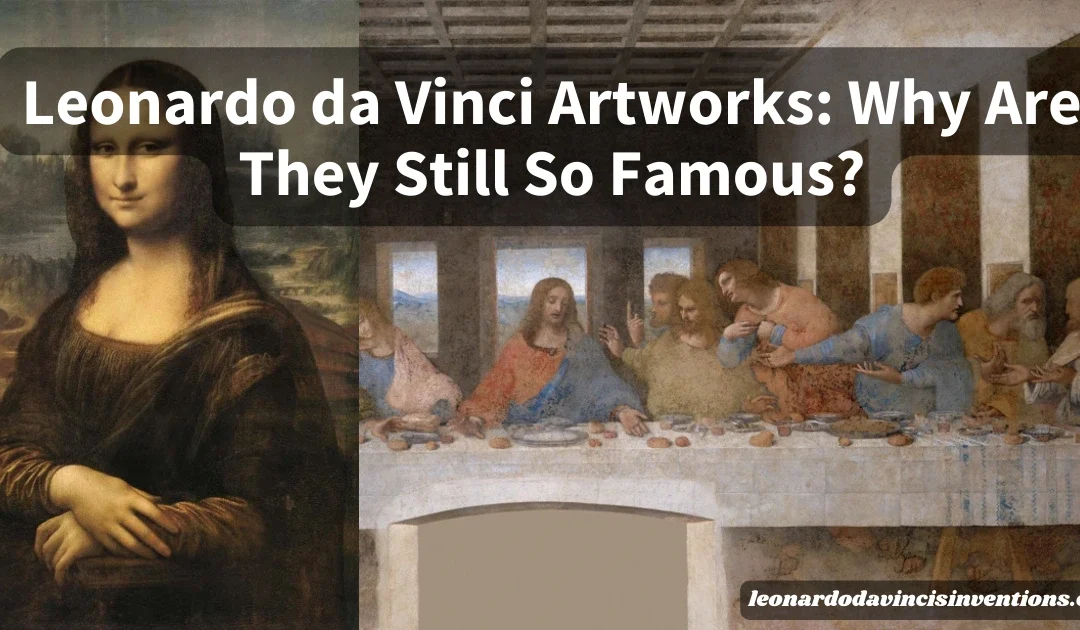
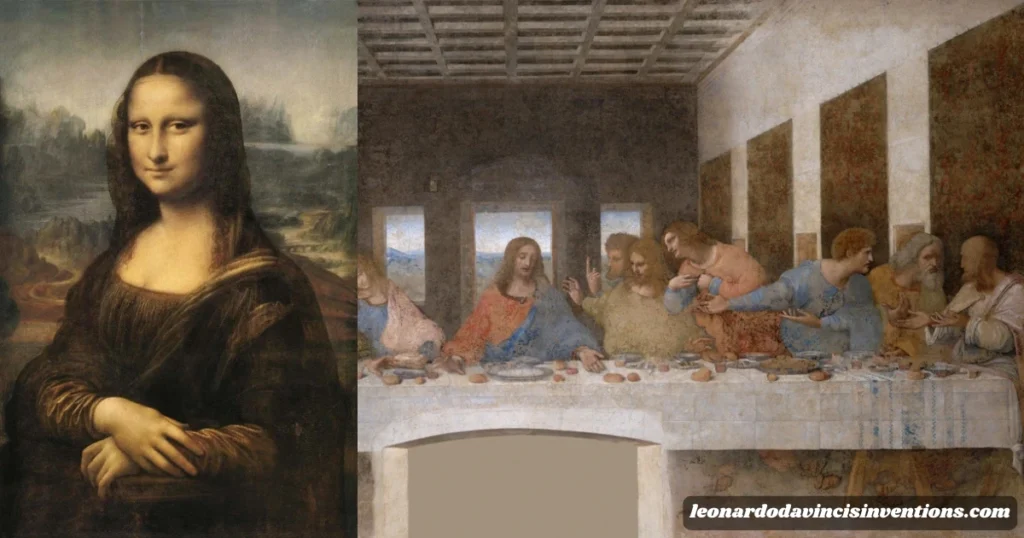
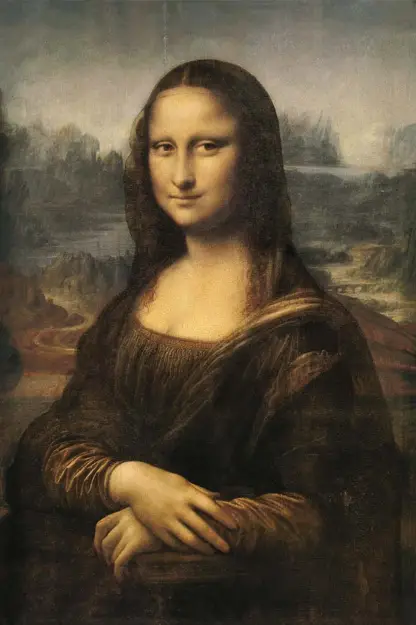
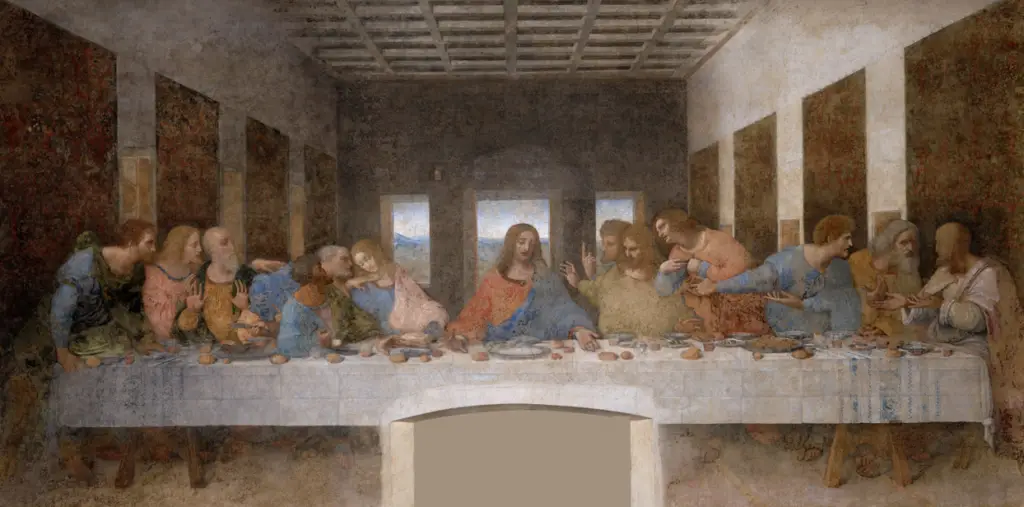
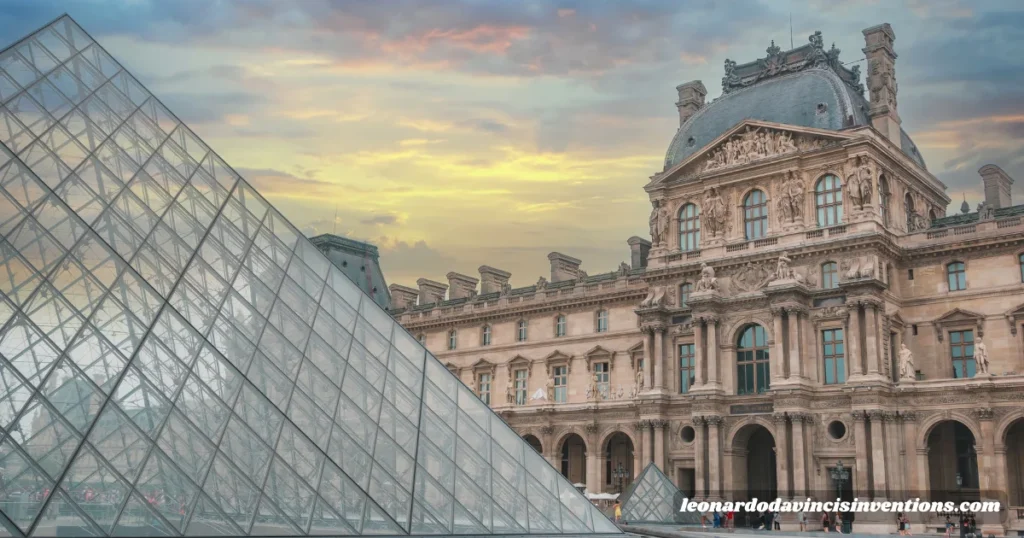
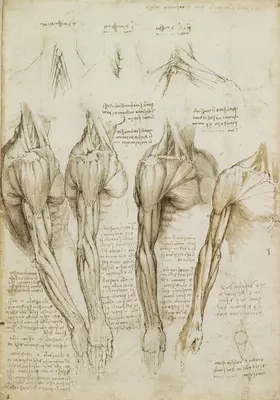
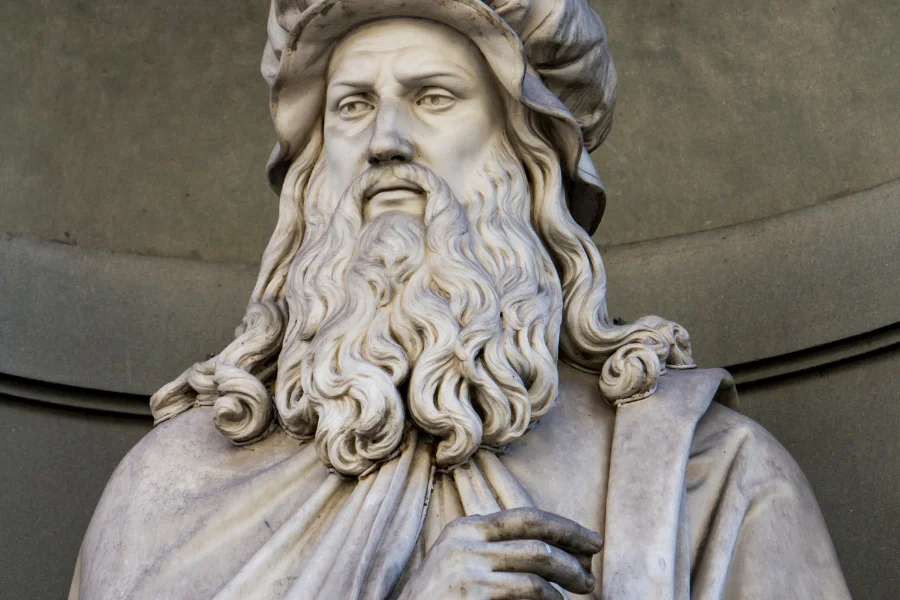
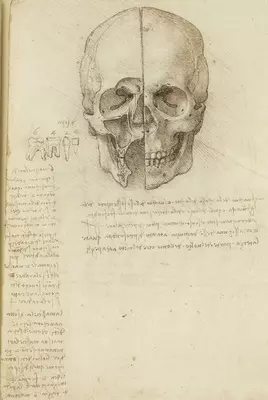
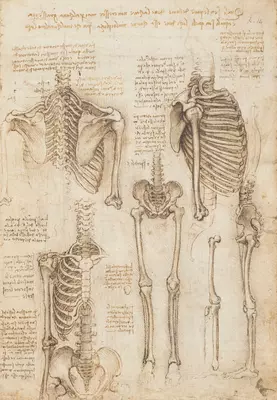
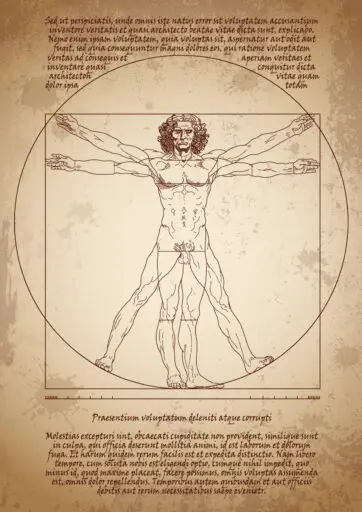
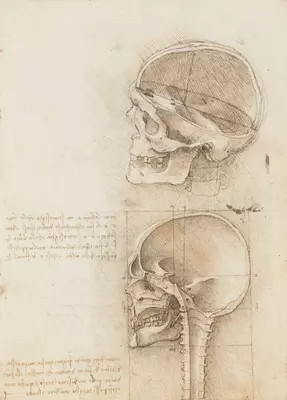
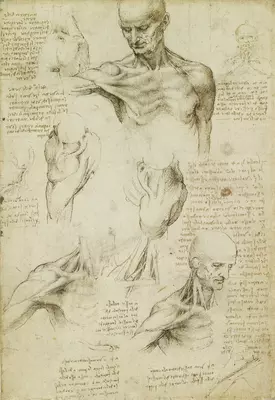
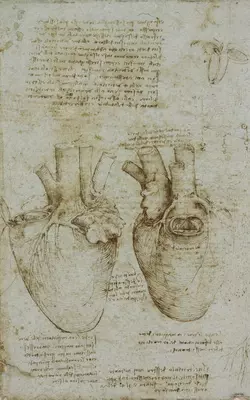
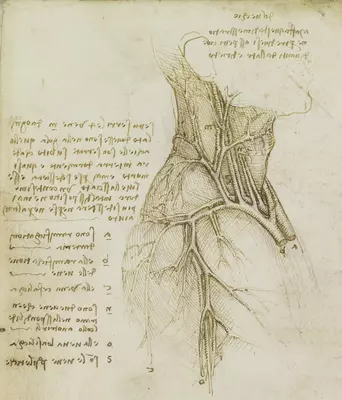
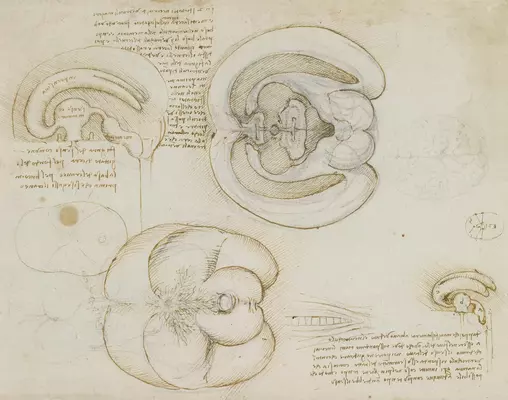
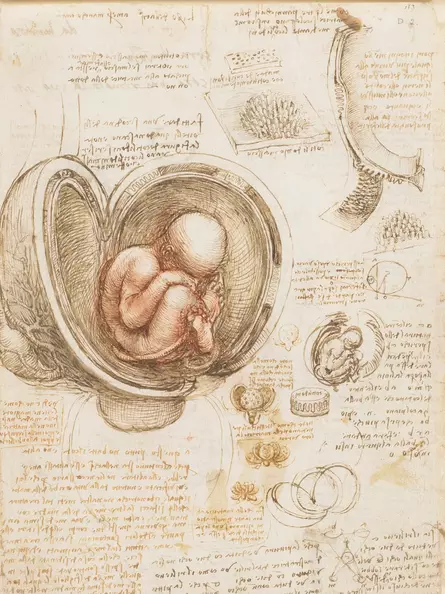
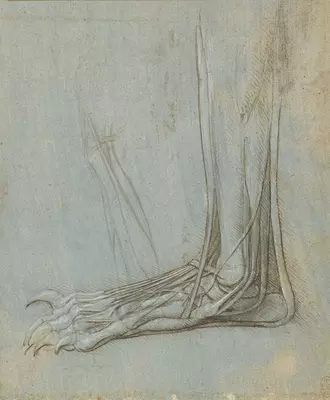
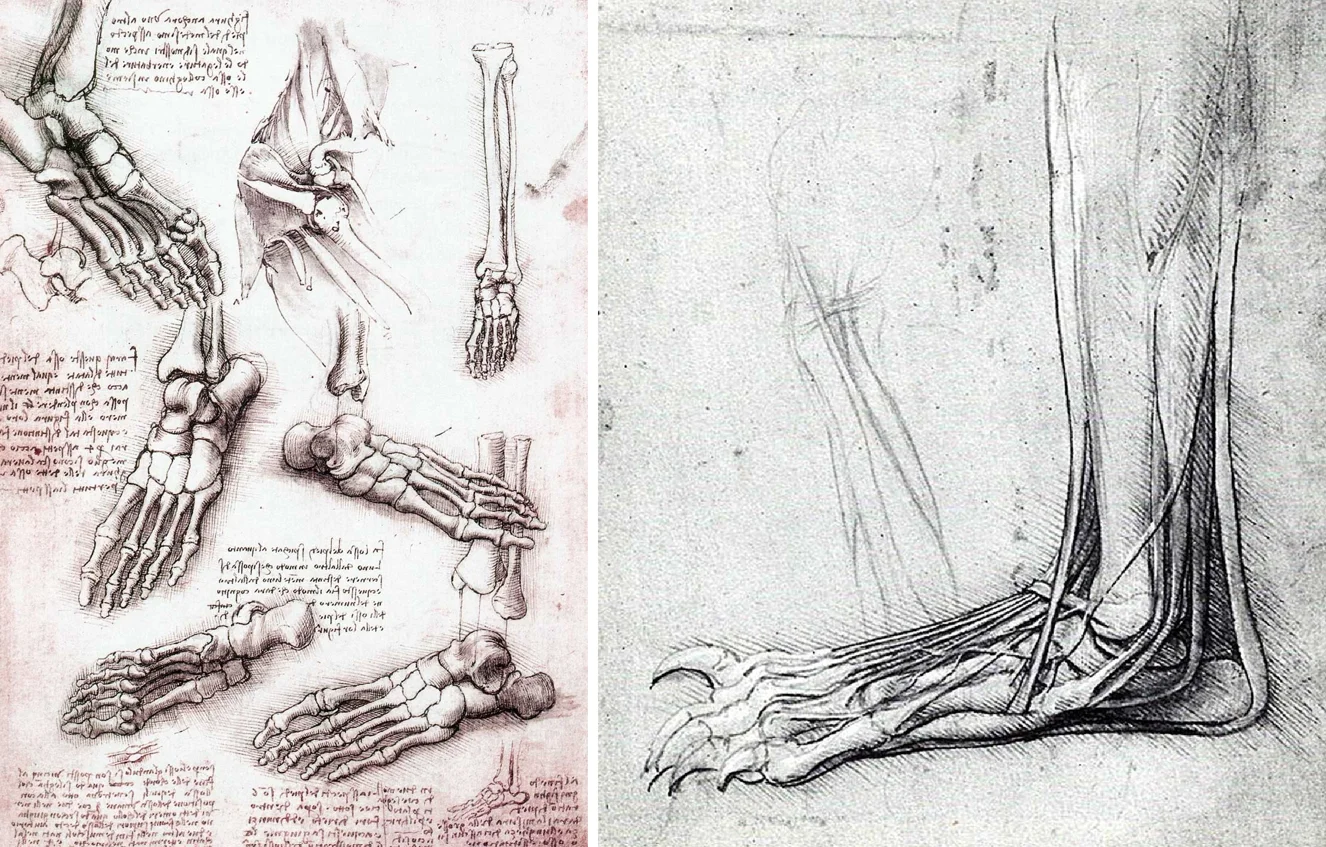
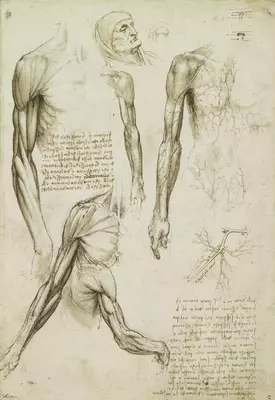
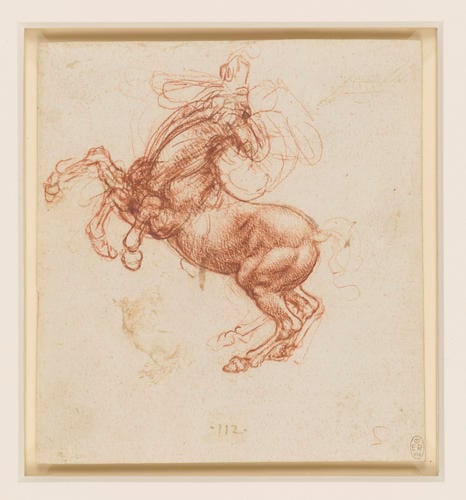
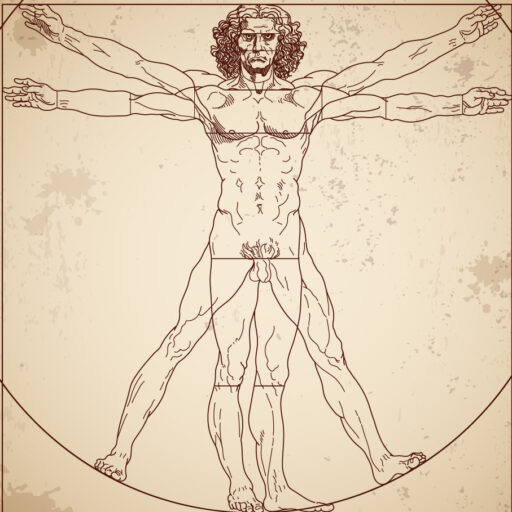
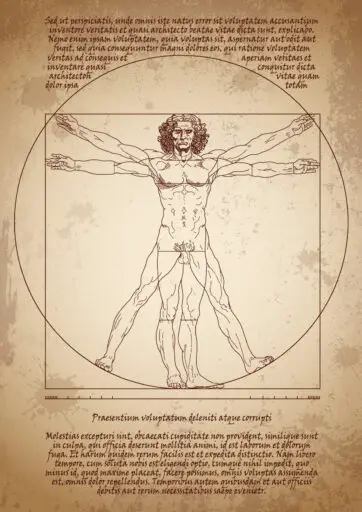
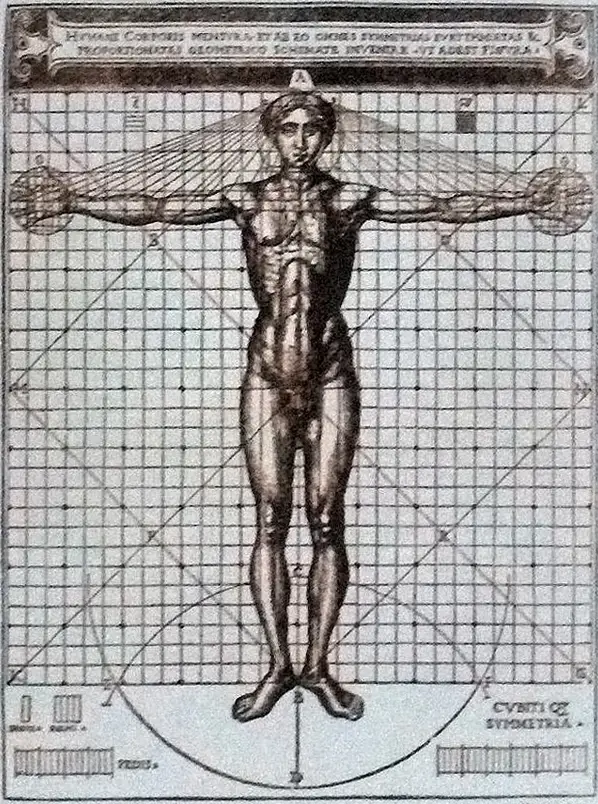
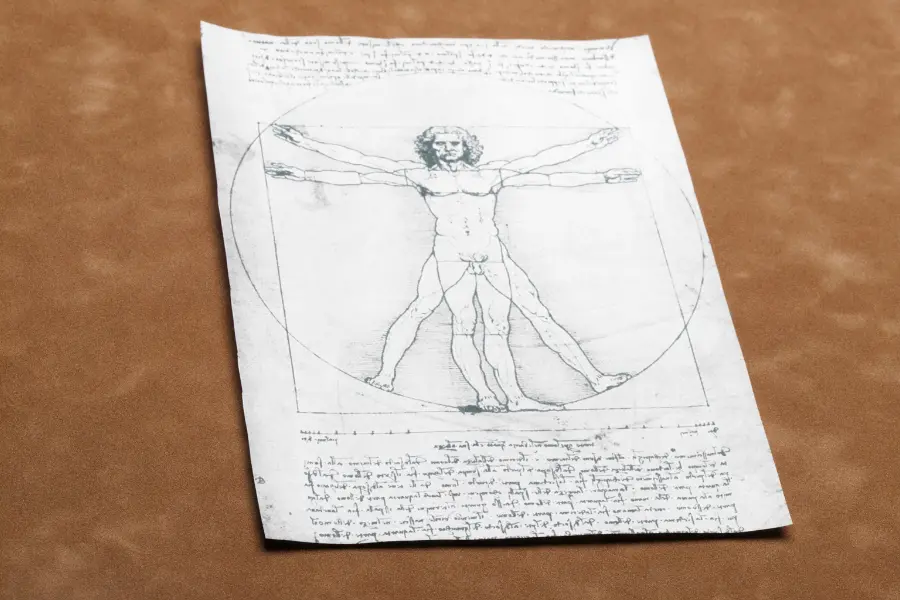
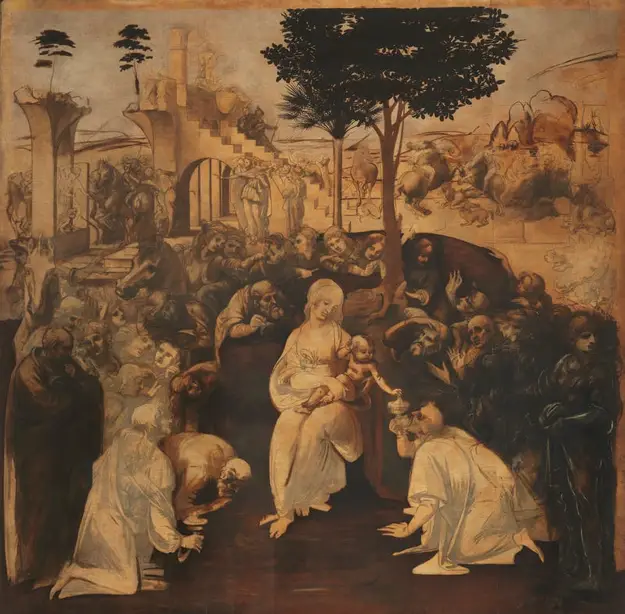
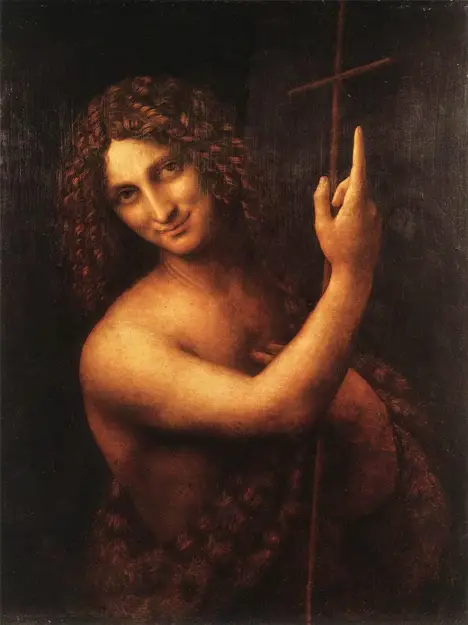
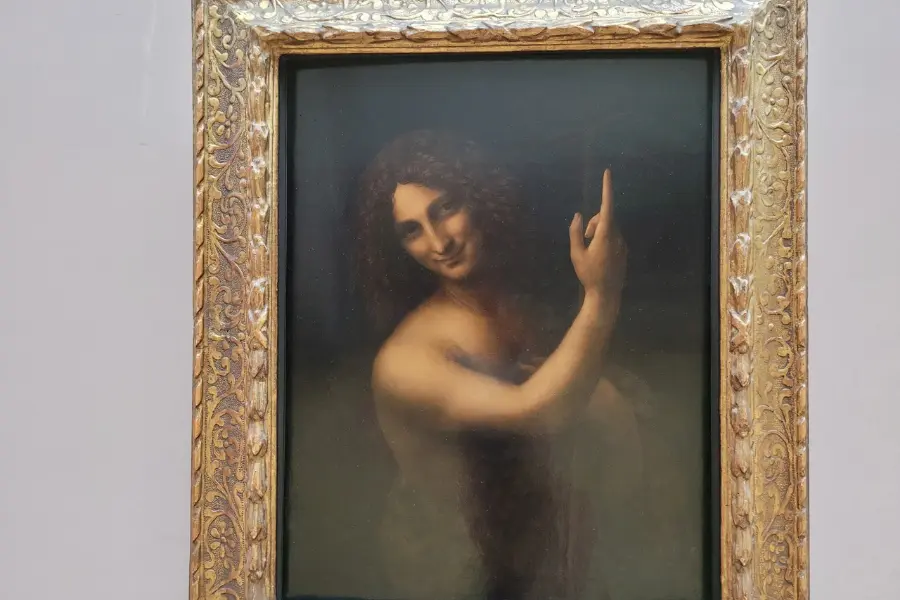
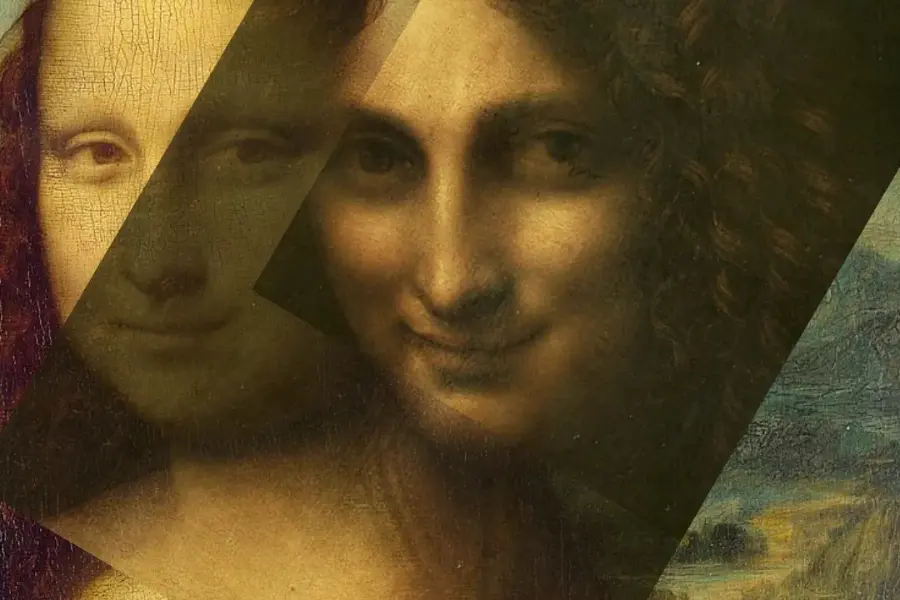
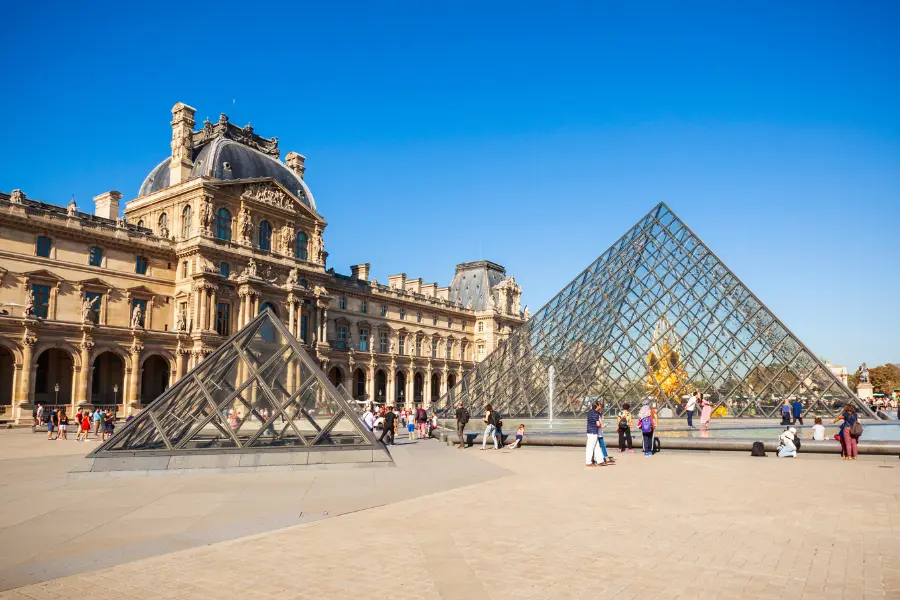
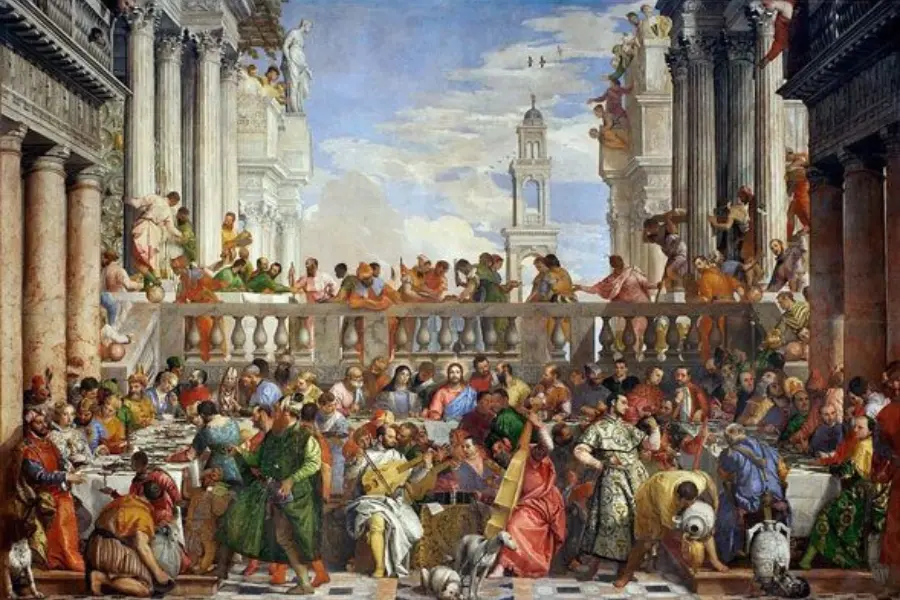
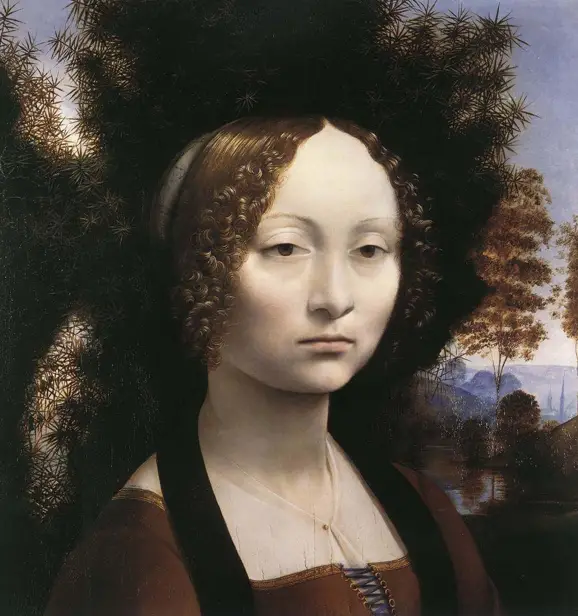
 Leonardo Bianchi is the founder of Leonardo da Vinci Inventions & Experiences, a travel and research guide exploring where to experience Leonardo’s art, engineering, and legacy across Italy and Paris.