
(Last updated: April 2026)
Da Vinci mechanical drum is one of Leonardo da Vinci’s lesser-known civil inventions. It exemplifies his innovative spirit and continues to captivate and inspire us today.
5 questions about the da Vinci Mechanical Drum
What is a mechanical drum?
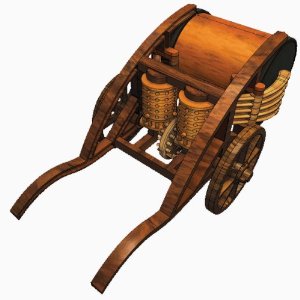
A mechanical drum, also known as a drum machine or automated drum, is a barrel-shaped device invented by Leonardo da Vinci in the late 15th century. When activated, it consists of hammers and beaters that strike its surface to produce a variety of rhythmic sounds.
Who invented the mechanical drum?
Leonardo da Vinci invented the mechanical drum in the late 15th century.
How does a mechanical drum work?
The mechanical drum rotates when a crank is turned or a mechanism is activated. The hammers and beaters attached to its surface strike it as it rotates, creating a musical beat and producing rhythmic sounds.
What was the purpose of the mechanical drum?
The mechanical drum provided a means of creating rhythmic sounds and musical beats. It allowed for the production of consistent, repetitive drumming patterns without human intervention.
What was the significance of da Vinci mechanical drum?
Leonardo da Vinci mechanical drum was a remarkable invention of its time, showcasing his ingenuity and creativity. It paved the way for the development of later drum machines and automated musical devices, leaving a lasting impact on music technology.
The importance and Relevance of da Vinci Mechanical Drum inventions
Technological Advancement
Da Vinci mechanical drum represented a significant leap forward in technological innovation during the Renaissance period. It demonstrated da Vinci’s mechanical ingenuity and ability to bridge the gap between art and engineering.
The creation of a machine capable of producing a rhythmic beat with precision was a testament to his understanding of mechanics and acoustics.
Musical Experimentation
The mechanical drum paved the way for musical experimentation and composition. It served as an early precursor to modern drum machines and sequencers, enabling the creation of rhythmic patterns and beats.
This invention laid the foundation for exploring the possibilities of automating musical production and inspiring future musicians and composers.
Influence on Modern Music
Da Vinci mechanical drum is a historical precedent for contemporary drum machines and electronic music production. Today, drum machines are widely used in various musical genres, enabling musicians to create complex rhythmic patterns with ease.
The influence of the mechanical drum is evident in the development of electronic music, where programmed beats and synthesized sounds have become fundamental elements of composition.
Cross-Disciplinary Inspiration
Da Vinci mechanical drum exemplifies his multidisciplinary approach to innovation. It highlights the interplay between art, science, and engineering, a characteristic that has become increasingly relevant in today’s world.
The drum’s design and functioning demonstrate da Vinci’s ability to merge his anatomy, mechanics, and acoustics knowledge, showcasing the importance of interdisciplinary collaboration in solving complex problems.
Leonardo da Vinci mechanical drum is a testament to his visionary mind and innovative spirit. Its significance extends beyond its historical context, inspiring modern advancements in music production and demonstrating the power of interdisciplinary thinking.
By recognizing the importance of da Vinci’s civil invention, we pay homage to a genius who continues to shape and influence our world, even centuries after his time.
FAQs about Leonardo da Vinci Mechanical Drum
Leonardo da Vinci’s flying machine did not work successfully in practice. His designs relied on human-powered flapping wings, but modern analysis shows that a person could not generate enough power to lift the machine off the ground, making it impractical with Renaissance technology.
The “Da Vinci mechanism” generally refers to Leonardo’s use of gears, pulleys, cranks, and cam systems to convert motion and automate tasks. These mechanical principles appear across his inventions, including clocks, carts, and devices such as the mechanical drum, demonstrating an early understanding of engineering and automation.
Leonardo da Vinci’s most famous invention is often considered his flying machine, inspired by the movement of birds. His detailed studies of flight and innovative designs made it one of the earliest serious attempts to achieve human flight.
Leonardo created many mechanical designs, including the self-propelled cart (an early automobile), mechanical drum, hydraulic devices, cranes, and automated machines. These inventions demonstrate his ability to combine art, physics, and engineering into functional concepts.
Many of Da Vinci’s machines work by converting motion using mechanical linkages such as gears, springs, and cranks. For example, his mechanical drum uses wheel movement to drive internal mechanisms that trigger drumsticks in a programmed rhythm, illustrating early automation.
Leonardo’s flying machine is considered “good” because it was far ahead of its time, based on careful observation of birds and early aerodynamic thinking. Although it could not function with the materials and power available, it laid conceptual foundations for later aviation developments.
 Leonardo Bianchi is the founder of Leonardo da Vinci Inventions & Experiences, a travel and research guide exploring where to experience Leonardo’s art, engineering, and legacy across Italy and Paris.