
(Last updated: April 2026)
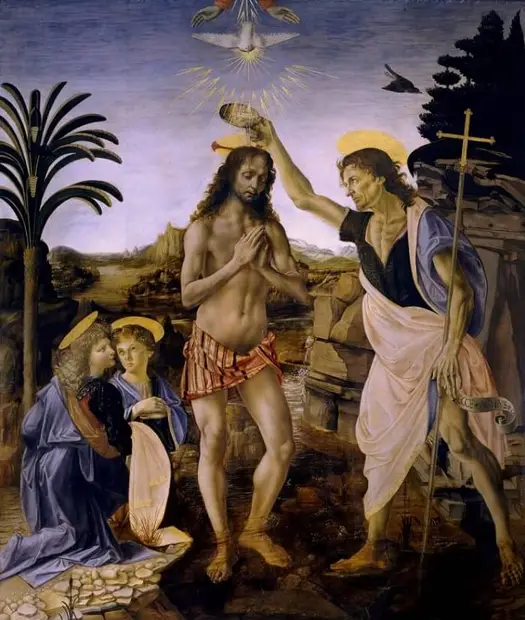
Leonardo da Vinci Baptism of Christ is a captivating masterpiece that beautifully illustrates the artistic collaboration between Leonardo and his master, Andrea del Verrocchio.
This artwork is notable for John the Baptist’s graceful depiction of the Baptism of Jesus, which highlights Leonardo’s early contributions.
Verrocchio and Leonardo’s combined effort resulted in a fascinating blending of styles, particularly evident in the meticulously painted angels.
This painting is a crucial reference point for those interested in Leonardo da Vinci‘s career progression.
At just 18 years old, Leonardo demonstrated remarkable talent, contributing to the piece’s detailed parts, especially the angel.
The painting is housed in the Uffizi Gallery, making it accessible to art enthusiasts who want to witness this historic work firsthand.
Art historians find “The Baptism of Christ” particularly intriguing as it showcases the transition from traditional techniques to innovative approaches that Leonardo would later master.
The panel’s use of oil and tempera reflects the period’s experimentation, setting the stage for future developments in Renaissance art.
This work exemplifies how youthful creativity and experienced guidance can produce an enduring legacy.
Historical Context of the Painting
The Baptism of Christ painting, a collaboration primarily between Leonardo da Vinci and Andrea del Verrocchio, reflects significant influences from the Early Renaissance. This artwork showcases the blend of individual innovation and traditional techniques prevalent at the time.
Early Renaissance Influence
During the Early Renaissance, artists focused on bringing realism into their works through perspective and human anatomy. The Baptism of Christ painting is an excellent example of this transition.
This period was marked by advancements in understanding light, shadow, and three-dimensionality. Artists strived to depict religious themes with more naturalism.
Leonardo’s work on the Baptism of Jesus painting demonstrates these developments.
His understanding of human emotions and anatomy is evident in the angel figures he contributed to.
The softness of his facial features and the detailed depiction of drapery showcase techniques ahead of their time. This reflects the Renaissance’s move towards scientific inquiry and thorough observation.
Collaboration with Verrocchio
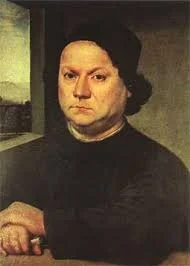
The collaboration between Verrocchio and Leonardo on the Baptism of Christ marks a pivotal moment in art history. Verrocchio, a master in Florence, often worked with talented apprentices in his studio.
Leonardo’s role was significant; he painted some figures, especially the angel on the left. His use of light and texture indicated his emerging style.
Verrocchio’s mentorship allowed da Vinci to explore his talents while conforming to the studio’s established techniques.
This partnership produced a unique synthesis of styles. Leonardo’s soft, expressive profiles complement Verrocchio’s strong outlines and careful compositions.
This partnership highlights how mentorship and collaboration were crucial to the Renaissance art community.
The Baptism of Christ Leonardo da Vinci’s work remains invaluable for understanding these early collaborative efforts between a master and a protégé.
Artistic Analysis of ‘Baptism of Christ’
Leonardo da Vinci‘s involvement in the Baptism of Christ painting, alongside Andrea del Verrocchio, exemplifies his early mastery of composition and symbolic depth. The piece beautifully combines technical skill with thematic richness.
Composition and Technique
The Baptism of Christ demonstrates remarkable composition and technique attributed to Verrocchio and Leonardo da Vinci.
The painting depicts Jesus being baptized by John the Baptist, a pivotal moment in religious art.
Da Vinci’s role was primarily to paint parts of the composition, including the detailed angel on the left, showcasing his advanced grasp of human anatomy and emotion.
Leonardo’s use of light and shadow adds depth, and his chiaroscuro technique gives the figures a lifelike quality.
The composition is balanced. The central figures of Jesus and John draw the viewer’s eye, while the angels add a heavenly touch.
These elements underscore the collaborative dynamic between master and apprentice present in the studio.
Symbolism and Themes
The Baptism of Christ painting is rich in symbolism, conveying themes of spiritual renewal and divine purity.
The central act of baptism symbolizes cleansing, and the figures’ serene expressions suggest inner peace and acceptance.
The significant figures of water and the dove in the background represent the Holy Spirit, adding layers of symbolic meaning.
Leonardo’s subtle touches, such as the angel’s facial expression, reflect his intuitive understanding of emotional depth.
His and Verrocchio’s work imbues the painting with a sense of divine intervention, highlighting the transformative power of Christ’s baptism.
The meticulous attention to theme and detail makes it a significant work of the Renaissance.
Leonardo da Vinci’s Contribution
Leonardo da Vinci played a significant role in the collaborative creation of The Baptism of Christ. His innovations added depth and vitality to the work, showcasing his emerging talent during his formative years as an artist. The painting is a fusion of expertise, blending Verrocchio’s mastery with Leonardo’s unique touch.
Innovative Use of Light
Da Vinci mastered the use of light and shadow to enhance the realism of The Baptism of Christ.
His technique, known as chiaroscuro, brought figures to life, making them appear three-dimensional against the background.
This groundbreaking approach demonstrated his deep interest in how light interacts with surfaces.
Leonardo’s expertise in this area was revolutionary at the time.
By observing the play of light, he added depth that differed from the flatter depictions common in earlier paintings.
This skillful treatment of light was an early indicator of his genius and would continue to influence his later works.
Figures Painted by da Vinci
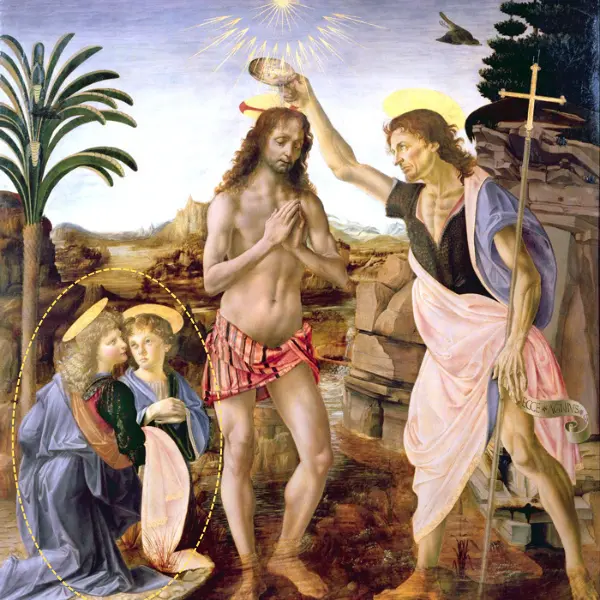
Leonardo da Vinci contributed significantly to the painting of the Baptism of Christ by focusing on particular figures within the composition.
Notably, he painted an angel, infusing it with delicacy and grace.
This painting section demonstrated his ability to render detailed anatomical features with precision.
His portrayal of the angel stood out for its refined elegance, distinct from other figures in the piece.
This distinction highlights Leonardo’s emerging individual style, which differed from that of other workshop artists.
His skillful depiction of the human form would become a hallmark of his later masterpieces.
Restoration and Preservation Efforts
The “Baptism of Christ” painting by Leonardo da Vinci and Andrea del Verrocchio has undergone various restoration and preservation efforts. These efforts aim to maintain the artwork’s integrity and ensure its survival for future generations.
Conservation History
Leonardo da Vinci Baptism of Christ faced challenges common to many Renaissance paintings.
Initially housed in Florentine churches, it was subject to environmental factors such as humidity and dust.
Restoration efforts began early in the 19th century, focusing on cleaning and stabilizing the artwork.
In the 20th century, restorers employed techniques to remove varnish, address color degradation, and repair physical damage.
Documentation from the Uffizi Galleries highlights these interventions.
Conservators examined the paint layers and composition, revealing not just Leonardo’s hand but contributions from other artists in Verrocchio’s workshop.
These detailed analyses ensured authenticity and fidelity to the original work.
Modern Restoration Techniques
Today, advanced technology plays a crucial role in preserving Leonardo da Vinci’s painting of the Baptism of Christ.
Infrared reflectography and X-ray fluorescence are commonly used to study the underdrawings and materials.
These techniques help identify pigments and map the artist’s changes during painting.
Recently, efforts have focused on controlling the painting’s environment.
Humidity control and minimal light exposure in display areas are vital to prevent further deterioration.
Innovations in restorative materials also help fill cracks and stabilize faded areas without altering the original texture.
The Wikipedia entry on the Baptism of Christ notes these advancements have significantly improved the painting’s condition, ensuring that this masterpiece by da Vinci and Verrocchio remains vibrant and well-preserved.
Impact and Legacy
Leonardo da Vinci’s collaboration on the Baptism of Christ showcases his early artistic skills and sets a precedent for the transformative techniques for which he would become famous. This painting, completed around 1475, is significant in the art world and in da Vinci’s career development.
Influence on Later Artists
The Baptism of Christ contributed significantly to Renaissance art.
Leonardo was responsible for painting the angel on the left, introducing innovative techniques such as sfumato and fine details that captured emotion and anatomy with unprecedented precision.
Other painters took notice of this blend of realism and detail.
Leonardo’s methods later influenced masters such as Michelangelo and Raphael, who incorporated aspects of his approach into their artworks.
This painting is a foundational example of Leonardo’s artistry, showcasing traits that would define his later works, such as The Last Supper and the Mona Lisa.
Place in da Vinci’s Oeuvre
The Baptism of Christ is one of Leonardo da Vinci’s earliest works.
Though primarily attributed to Andrea del Verrocchio, this project marked Leonardo’s first major contribution.
It was a collaborative effort in Verrocchio’s workshop, where Leonardo learned and refined his skills.
The angel’s expressive features and soft form show his burgeoning talent for conveying human emotion and anatomical accuracy.
This early involvement in the Baptism of Christ painting shaped his future style, which is why this work is often highlighted in discussions of Leonardo’s artistic development.
Final Thoughts
Leonardo da Vinci Baptism of Christ is a significant example of Renaissance art. The painting displays a remarkable blend of artistic skill and innovative techniques.
Leonardo’s contribution to the work, especially the rendering of human anatomy and emotion, showcases his deep understanding of art and science.
Key Takeaways: Leonardo da Vinci’s work on the Baptism of Christ reflects his unique artistic perspective and collaborative spirit. The harmonious combination of intricate details and expressive figures highlights his role in advancing Renaissance art.
FAQs about Leonardo da Vinci Baptism of Christ
Leonardo da Vinci did not paint the entire scene of the Baptism of Christ. The work was mainly created by his master, Andrea del Verrocchio, around 1472–1475. However, Leonardo—then a young apprentice—contributed key elements, especially one of the angels and parts of the landscape, making it one of his earliest known works.
Leonardo da Vinci’s personal beliefs remain uncertain because he left no clear statements of faith. While he painted many Christian subjects, such as The Last Supper, some historians believe he viewed nature as a reflection of divine truth rather than strictly adhering to traditional religious doctrine.
Salvator Mundi is controversial due to ongoing debates about its authorship, as some experts question whether Leonardo fully painted it. Its extensive restoration and damaged condition have also raised doubts, despite its record-breaking auction price.
The painting depicts the biblical moment when John the Baptist baptizes Jesus in the Jordan River. It includes symbolic elements such as angels, a dove representing the Holy Spirit, and divine light from heaven, all of which emphasize Jesus’s spiritual significance.
One of Leonardo’s most controversial paintings is Salvator Mundi, mainly because of disputes over its authenticity and restoration. Additionally, The Last Supper has sparked centuries of speculation and debate about hidden meanings and interpretations.
Leonardo da Vinci is widely reported to have said, “I have offended God and mankind because my work did not reach the quality it should have.” While often quoted, historians note that the exact wording is based on later accounts and may not be fully verified.
 Leonardo Bianchi is the founder of Leonardo da Vinci Inventions & Experiences, a travel and research guide exploring where to experience Leonardo’s art, engineering, and legacy across Italy and Paris.